
Foundation Stock Service group
Thai Ridgeback
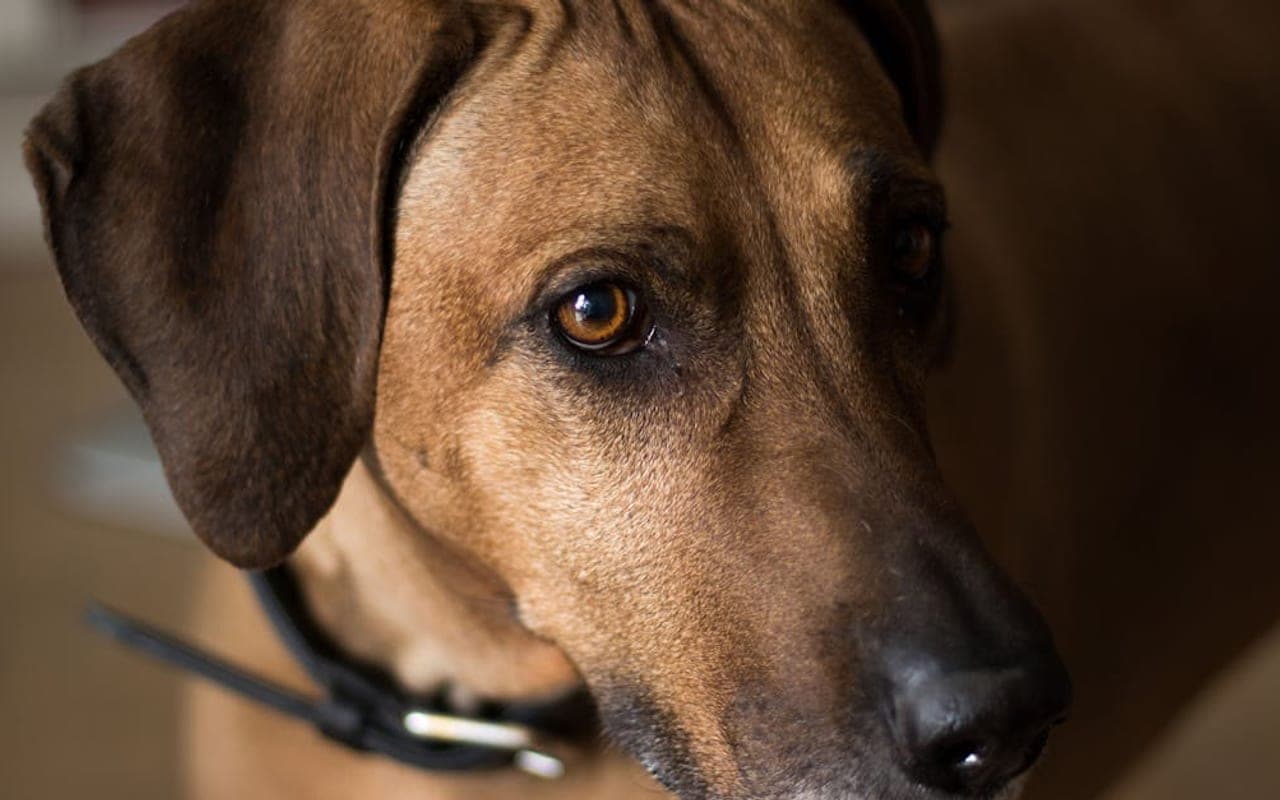
The Thai Ridgeback is an ancient landrace dog from eastern Thailand — a muscular, athletic, medium-sized breed, roughly 16-34 kg (35-75 lb) and 51-61 cm at the shoulder, named for the ridge of backward-growing hair along its spine.



Size
55-75 lb
Lifespan
12-13 years
Exercise
30-60 minutes
Shedding
Moderate
Experience
Match to owner routine
Decision first
Is a Thai Ridgeback right for you?
Start with fit before history or trivia. These are ownership signals, not guarantees about any individual dog.
Best suited for
- Households with children.
- Homes with other compatible pets.
- Apartment homes with a consistent routine.
- Owners seeking a manageable daily exercise routine.
Think carefully if
- You need a dog with almost no daily routine.
- You cannot keep up with grooming and preventive care.
- The dog will spend most days alone without support.
Conditional fit
Apartment fit depends on exercise, enrichment, noise management, and outdoor access.
Daily reality
Thai Ridgeback commitment snapshot
Daily exercise
30-60 minutes
Match activity to age, health, weather, and training goals.
Coat care
Moderate
Grooming needs vary by coat, shedding, and lifestyle.
Time alone
Needs planning
Most dogs need gradual alone-time conditioning and support.
Structured facts
Thai Ridgeback at a glance
The measurements and traits that most affect day-to-day life with this breed.
Group
Foundation Stock Service
Weight
55-75 lb
Height
20-24 in
Lifespan
12-13 years
Temperament
Loyal | Independent | Agile
View all characteristics and methodology
Lifestyle fit
- Apartment suitability
- Likely fit
- Child friendliness
- Often good, with socialisation and supervision
- Other-pet fit
- Often compatible with careful introductions
Owner commitment
- Exercise
- 30-60 minutes
- Grooming
- Moderate
- Shedding
- Moderate
- Training
- Moderate
Environment and health
- Health risk
- Needs planning
Ratings combine structured breed data, visible breed fields, and editorial context. They are planning aids, not predictions for an individual dog.
Daily life
Thai Ridgeback temperament and behavior
The Thai Ridgeback is an ancient landrace dog from eastern Thailand — a muscular, athletic, medium-sized breed, roughly 16-34 kg (35-75 lb) and 51-61 cm at the shoulder, named for the ridge of backward-growing hair along its spine. It is one of only three recognized ridgeback breeds in the world. For most of its history it was an isolated village dog in the Mu and Trat provinces, surviving by hunting its own food and guarding homes with almost no kennel-club shaping. That isolation is the key to understanding the dog: it is primitive, independent, and self-directed, not a biddable companion breed wearing an exotic coat. What that means in practice: the Thai Ridgeback bonds deeply with its own family but is naturally aloof and suspicious with strangers, has a strong prey drive, a high jumping and climbing ability, and an independent streak that makes it slow to take orders for the sake of orders. It is intelligent and trainable, but only for an owner it respects who uses consistent, motivating, non-coercive methods. This is explicitly not a first dog. The coat is short and low-maintenance, in solid blue, black, red, or fawn, often with a spotted or solid blue-black tongue and up to eight distinct ridge patterns. Some puppies are born ridgeless, which is harmless. Because the breed developed by natural selection rather than intensive breeding, it carries relatively few documented inherited diseases — an honest strength, not a marketing line — but it does have specific, real risks tied to the ridge itself and to its body type. Lifespan is a solid 12-13 years. Who the Thai Ridgeback is right for: an experienced owner who wants an independent, low-grooming, athletic guardian and will commit to early socialization, secure containment, and respect-based training. Who it is wrong for: novices, people wanting an eager-to-please dog, or homes with free-roaming small pets and low fences.
Loyal | Independent | Agile
Loyal
A common Thai Ridgeback temperament descriptor that should be interpreted alongside training, exercise, and household fit.
Independent
A common Thai Ridgeback temperament descriptor that should be interpreted alongside training, exercise, and household fit.
Agile
A common Thai Ridgeback temperament descriptor that should be interpreted alongside training, exercise, and household fit.
Owner note
Temperament labels are starting points, not guarantees. Meet the individual dog and ask about behavior history whenever possible.
Care essentials
How to care for a Thai Ridgeback
What looking after one actually involves: exercise, grooming, food, training, and routine health.
ExerciseAs needed
- Moderately active breed needing 30-60 minutes of daily exercise.
GroomingAs needed
- Brush 2-3 times per week.
TrainingAs needed
- Consistent, patient training works best.
NutritionAs needed
- Feed high-quality dog food appropriate for age, size, and activity level.
Veterinary CareAs needed
- Annual wellness exams, vaccinations, dental care, and parasite prevention.
Health planning
Thai Ridgeback health risks and screening
Every breed has individual health variation. Use this profile for planning and discuss medical decisions with a veterinarian.
Responsible ownership
Finding a Thai Ridgeback responsibly
What to ask a breeder or rescue is the same conversation for every breed, so we keep it in one place and keep it current.
Health documentation, meeting the parents or foster, contracts and return support, and the warning signs worth walking away from.
Original purpose
Thai Ridgeback history
History is useful when it explains today's behavior, coat, exercise needs, and training style.
Read the breed history
The Thai Ridgeback is one of the world's oldest dog types, documented in eastern Thailand for centuries and depicted in archaeological artifacts long predating modern breeding. It developed as a landrace in the relatively isolated provinces of eastern Thailand — particularly Trat and the surrounding region — and on offshore islands, where geographic isolation kept the gene pool closed and natural selection, not human-directed breeding, shaped the dog. Village dogs hunted their own prey (snakes, rodents, small game), guarded homesteads, and accompanied carts, with minimal human management. This history matters directly to owners: a breed shaped by survival rather than by selection for biddability is independent, resourceful, prey-driven, and wary of outsiders — not because it is poorly bred, but because those traits were the ones that kept it alive. The breed only reached the West in the late 20th century and remains uncommon outside Thailand; the American Kennel Club records it through its Foundation Stock Service. Its closed-population origin is also why it carries comparatively few inherited diseases.
Gallery
Thai Ridgeback photos
Images are cropped consistently and loaded progressively to keep the page responsive.
Lower-page context
Thai Ridgebacks in culture
Where the breed shows up in film, sport, work and folklore — the enjoyable part, once the practical questions are answered.
Fun facts
- The Thai Ridgeback belongs to the Foundation Stock Service.
- The average lifespan of a Thai Ridgeback is 12 to 13 years.
- Thai Ridgeback dogs are valued for their loyal, independent, agile nature.
Thai Ridgeback FAQs
Is the Thai Ridgeback a good first dog?
No, and this is the most important thing a prospective owner can hear. The Thai Ridgeback is a primitive landrace breed: independent, prey-driven, naturally aloof with strangers, and slow to take orders for their own sake. It needs an owner who can lead through respect and consistency rather than dominance or repetition. In experienced hands it is a devoted, low-grooming, athletic guardian; in inexperienced hands it commonly becomes reactive, escape-prone, and difficult. Match the dog to your experience honestly before the prey drive and aloofness surprise you.
What is dermoid sinus and how serious is it in this breed?
Dermoid sinus is a congenital tube-like skin defect, usually running along the spine, caused by incomplete separation of skin from the neural tube during development — and it is tied to the same gene complex that produces the ridge. It can become painful, infected, and in some cases tracks toward the spinal cord. Practically: a small midline pit, a tuft-filled tract, or a recurring infected spot along the back is not a grooming problem — it needs veterinary assessment and is typically corrected surgically before complications develop.
Does a closed-population landrace breed really have fewer health problems?
Largely yes, and it is an honest advantage worth stating plainly. Because the Thai Ridgeback developed through natural selection in geographic isolation rather than intensive selective breeding, it carries comparatively few documented inherited diseases relative to many popular breeds. That is not the same as 'no health risks' — dermoid sinus, hip dysplasia, bloat, and heart disease are real and named — but it does mean the breed avoids the stacked genetic burden seen in heavily line-bred companion breeds. Buy from health-screened parents regardless.
How much exercise and grooming does a Thai Ridgeback need?
Grooming is genuinely minimal: the short single coat needs only a roughly 5-minute weekly brush and occasional baths, with light seasonal shedding. Exercise is the larger commitment — plan 45-60 minutes of daily activity plus mental stimulation for this athletic hunting breed. The asymmetry catches owners out: people choose the breed for its low-maintenance coat and underestimate the behavioral and exercise load. An under-exercised, under-stimulated Thai Ridgeback becomes destructive and far more likely to escape a yard.
Are Thai Ridgebacks good with children and other pets?
With its own family, including children it is raised with and properly socialized to, the Thai Ridgeback can be loyal and gentle — but its aloofness with strangers and strong prey drive mean unsupervised contact with unfamiliar children or free-roaming small pets (cats, rabbits, rodents) is unwise. Early, broad socialization changes the trajectory significantly. This is a guarding breed by nature; assess each dog individually, supervise interactions, and never rely on the prey drive switching off around small fast-moving animals.
How long do Thai Ridgebacks live and what should I budget for?
Expect a solid 12-13 years, helped by the breed's relatively light inherited-disease load. Routine costs are moderate given the low-maintenance coat, but budget for the breed's specific risks: surgical correction of dermoid sinus, possible hip dysplasia management, and the ever-present emergency cost of bloat surgery (commonly USD 2,500-6,000+) in a deep-chested dog. The cheapest protection is preventive: hip-screened, dermoid-checked parents, two measured meals a day, and immediate action on any bloat signs.
Sources
These are the published sources this page draws on. Each opens in a new tab so you can check it yourself.
American Kennel Club
Thai Ridgeback — breed standard and profile(opens in a new tab)Supports: Breed standard and recognition details.
Similar breeds to consider

Jagdterrier
Also in the Foundation Stock Service group, with different care and temperament tradeoffs.

Jindo
Also in the Foundation Stock Service group, with different care and temperament tradeoffs.
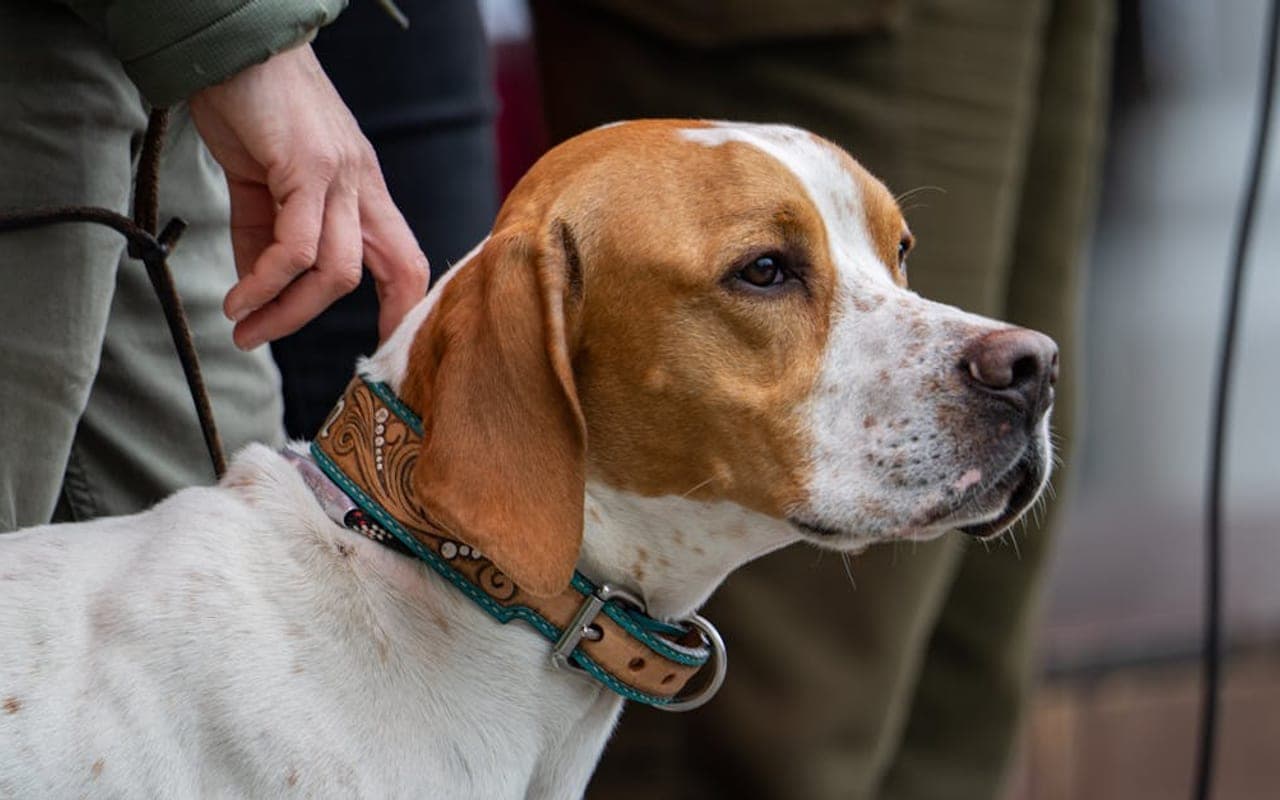
Portuguese Pointer
Also in the Foundation Stock Service group, with different care and temperament tradeoffs.
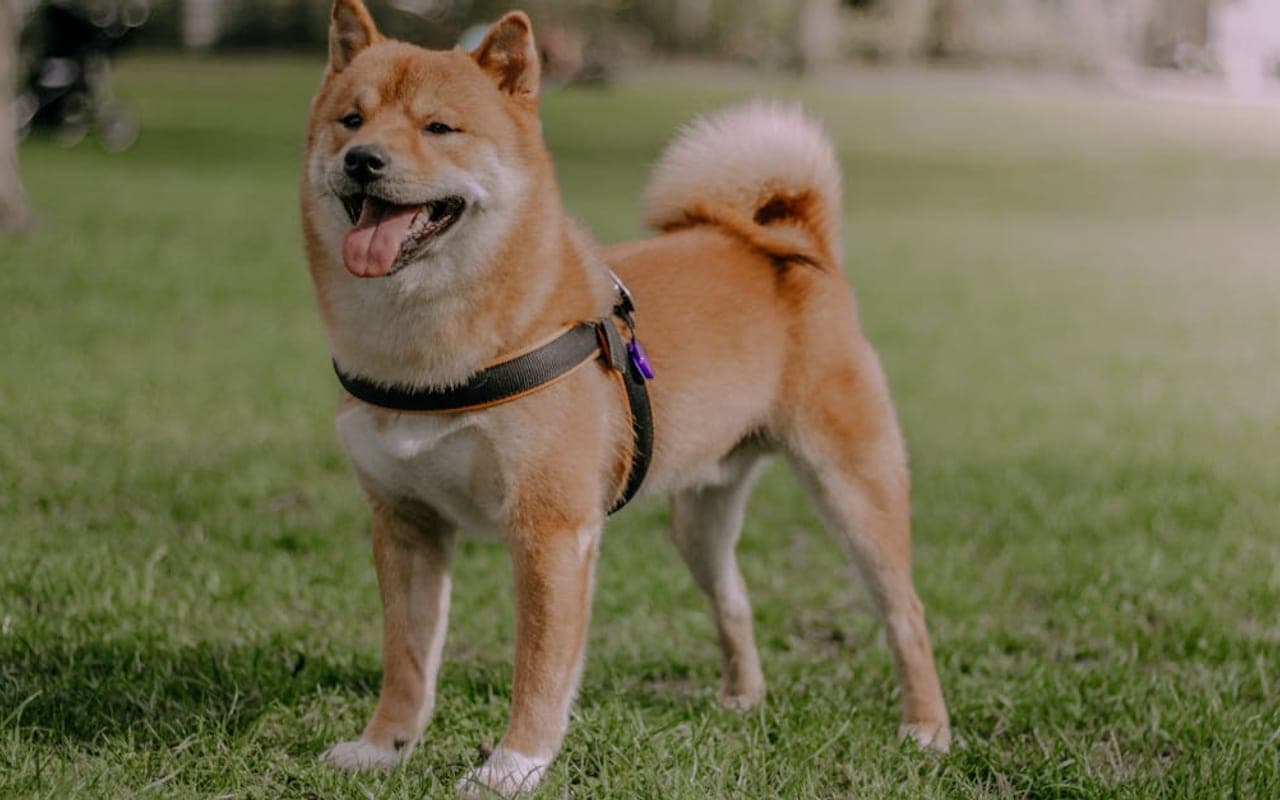
Kishu Ken
Also in the Foundation Stock Service group, with different care and temperament tradeoffs.
Explore More About Thai Ridgeback
Dive deeper into everything Thai Ridgeback — costs, care, and expert insights.
Considering a cat instead?
Browse Cats