
Non-Sporting group
Tibetan Terrier
The Tibetan Terrier is not a terrier — the name is a misnomer, and getting that wrong is the most common mistake new owners make.
Size
18-31 lb
Lifespan
15-16 years
Exercise
30-60 minutes
Shedding
Moderate
Experience
Match to owner routine
Decision first
Is a Tibetan Terrier right for you?
Start with fit before history or trivia. These are ownership signals, not guarantees about any individual dog.
Best suited for
- Households with children.
- Homes with other compatible pets.
- Apartment homes with a consistent routine.
- Owners seeking a manageable daily exercise routine.
Think carefully if
- You need a dog with almost no daily routine.
- You cannot keep up with grooming and preventive care.
- The dog will spend most days alone without support.
Conditional fit
Apartment fit depends on exercise, enrichment, noise management, and outdoor access.
Daily reality
Tibetan Terrier commitment snapshot
Daily exercise
30-60 minutes
Match activity to age, health, weather, and training goals.
Coat care
Moderate
Grooming needs vary by coat, shedding, and lifestyle.
Time alone
Needs planning
Most dogs need gradual alone-time conditioning and support.
Structured facts
Tibetan Terrier at a glance
The measurements and traits that most affect day-to-day life with this breed.
Group
Non-Sporting
Weight
18-31 lb
Height
14-17 in
Lifespan
15-16 years
Temperament
Affectionate | Loyal | Sensitive
View all characteristics and methodology
Lifestyle fit
- Apartment suitability
- Likely fit
- Child friendliness
- Often good, with socialisation and supervision
- Other-pet fit
- Often compatible with careful introductions
Owner commitment
- Exercise
- 30-60 minutes
- Grooming
- Moderate
- Shedding
- Moderate
- Training
- Moderate
Environment and health
- Health risk
- Needs planning
Ratings combine structured breed data, visible breed fields, and editorial context. They are planning aids, not predictions for an individual dog.
Daily life
Tibetan Terrier temperament and behavior
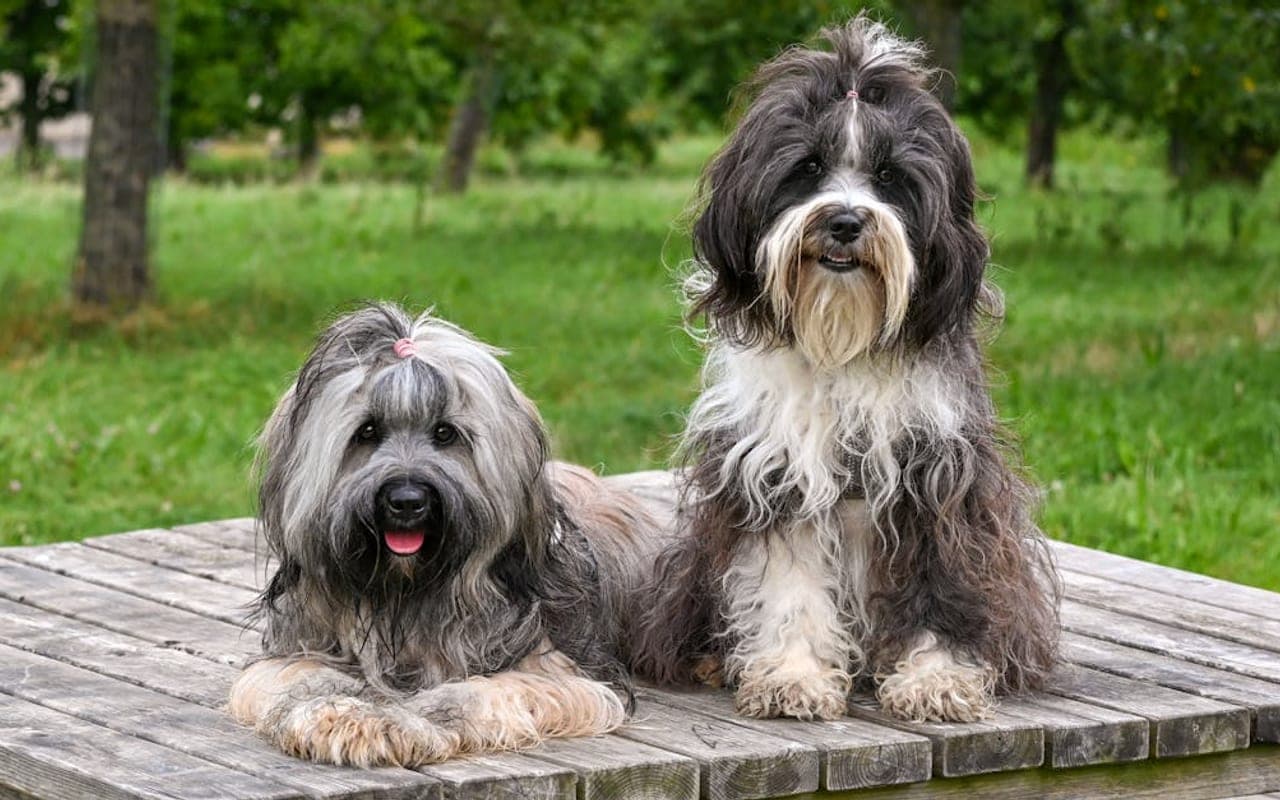
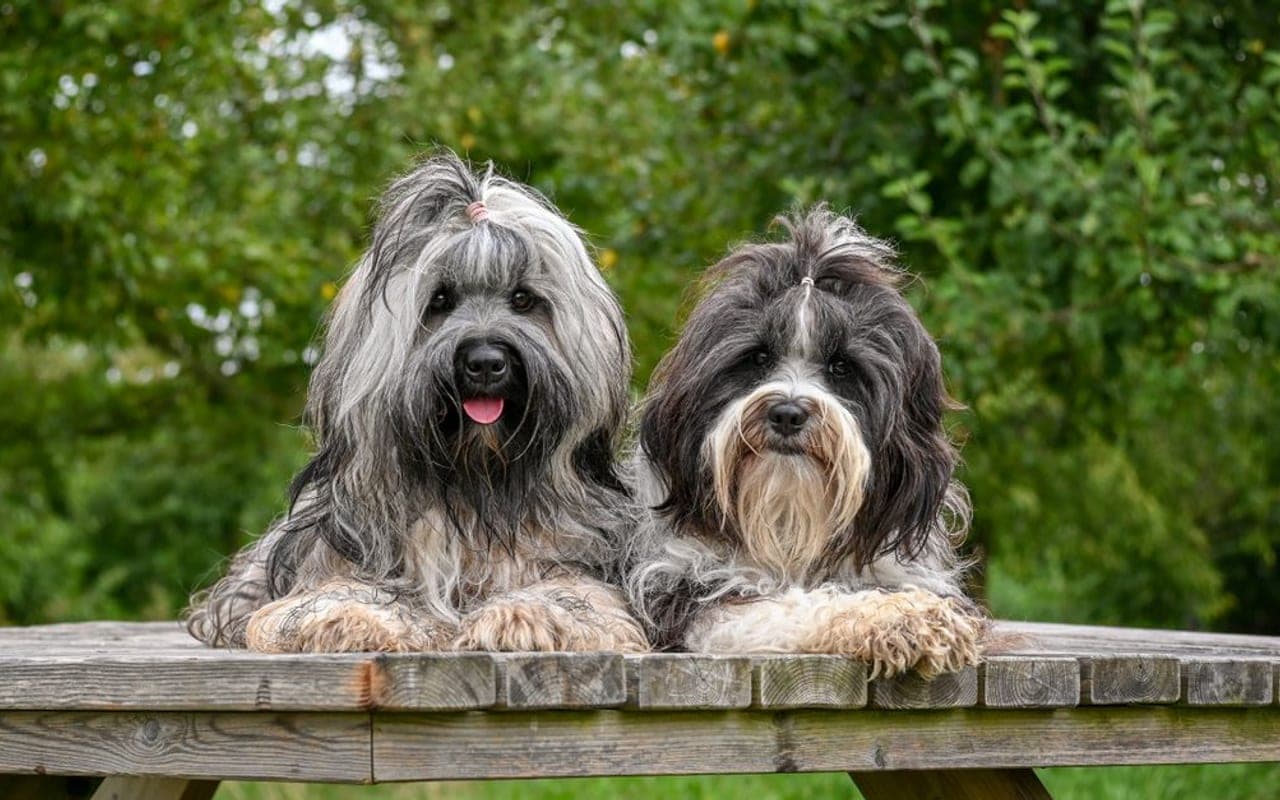
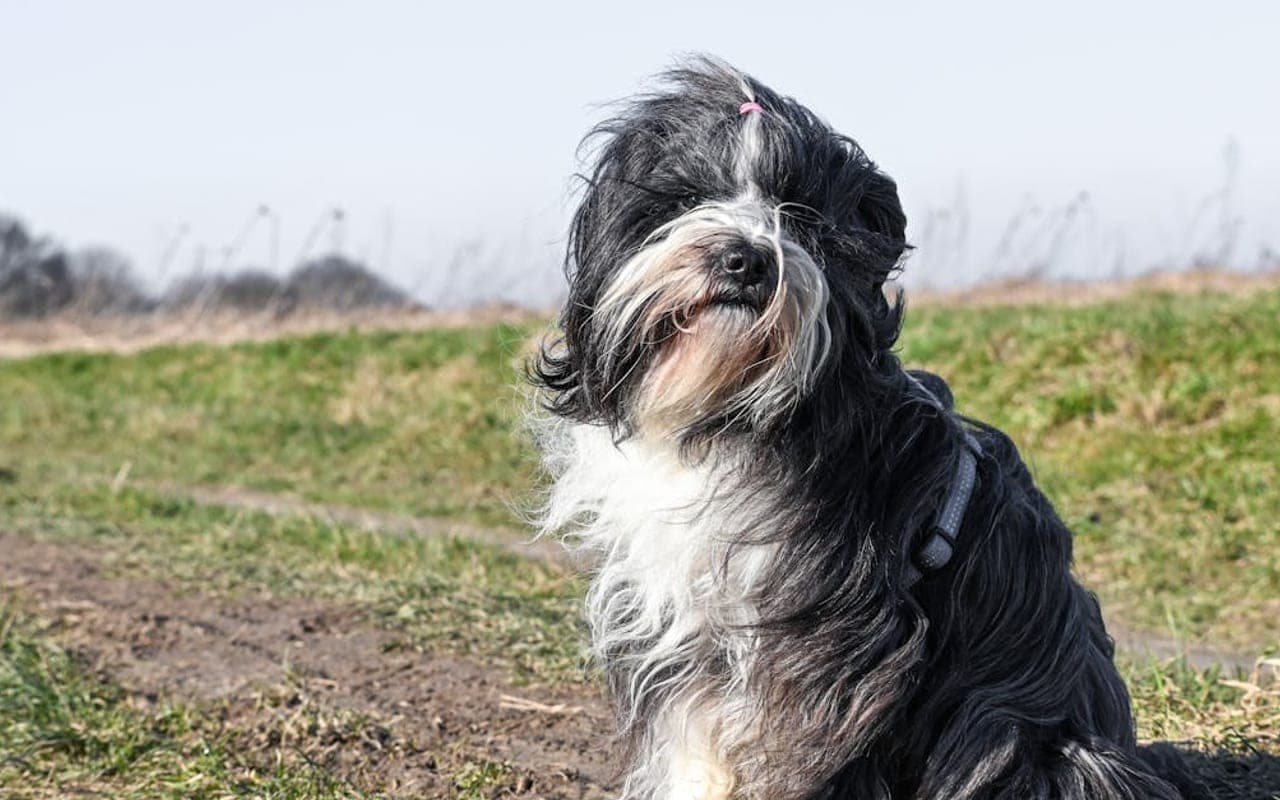
The Tibetan Terrier is not a terrier — the name is a misnomer, and getting that wrong is the most common mistake new owners make. It does not have terrier prey drive, terrier digging obsession, or terrier reactivity. It is an ancient Tibetan companion and watchdog, a small-to-medium dog standing about 14-17 inches and weighing roughly 18-30 pounds, with a profuse double coat and large, flat "snowshoe" feet bred for snowy mountain footing. Expect a sensitive, intelligent, devoted companion, not a scrappy earthdog. Temperamentally the TT is affectionate, loyal, clever, and reserved with strangers — a watchful, gentle dog that bonds intensely to its family and reads its owner's moods closely. It is playful and adaptable, good with respectful children and other pets, and an alert (but not yappy) watchdog. The sensitivity is double-edged: TTs are responsive and attuned, but harsh handling or chaotic households genuinely stress them, and they can be stubborn and slow to warm to outsiders. The defining practical trade-off is the coat. The long double coat is beautiful and relatively low-shedding, but it mats fast and requires serious, consistent grooming or a maintenance clip for life. The defining medical trade-off is genetics: the breed carries several inherited eye and storage diseases that make DNA testing of parents non-negotiable. Who the Tibetan Terrier is right for: a calm, engaged household wanting a long-lived, devoted, moderate-energy companion, willing to commit to grooming and to buying from DNA-tested lines. Who it is wrong for: anyone wanting a low-maintenance coat, anyone expecting terrier behavior, or a buyer unwilling to verify genetic testing. Know what you are actually getting before you fall for the face.
Affectionate | Loyal | Sensitive
Affectionate
A common Tibetan Terrier temperament descriptor that should be interpreted alongside training, exercise, and household fit.
Loyal
A common Tibetan Terrier temperament descriptor that should be interpreted alongside training, exercise, and household fit.
Sensitive
A common Tibetan Terrier temperament descriptor that should be interpreted alongside training, exercise, and household fit.
Owner note
Temperament labels are starting points, not guarantees. Meet the individual dog and ask about behavior history whenever possible.
Care essentials
How to care for a Tibetan Terrier
What looking after one actually involves: exercise, grooming, food, training, and routine health.
ExerciseAs needed
- Moderately active breed needing 30-60 minutes of daily exercise.
GroomingAs needed
- Brush 2-3 times per week.
TrainingAs needed
- Consistent, patient training works best.
NutritionAs needed
- Feed high-quality dog food appropriate for age, size, and activity level.
Veterinary CareAs needed
- Annual wellness exams, vaccinations, dental care, and parasite prevention.
Health planning
Tibetan Terrier health risks and screening
Every breed has individual health variation. Use this profile for planning and discuss medical decisions with a veterinarian.
Responsible ownership
Finding a Tibetan Terrier responsibly
What to ask a breeder or rescue is the same conversation for every breed, so we keep it in one place and keep it current.
Health documentation, meeting the parents or foster, contracts and return support, and the warning signs worth walking away from.
Original purpose
Tibetan Terrier history
History is useful when it explains today's behavior, coat, exercise needs, and training style.
Read the breed history
The Tibetan Terrier is an ancient breed from Tibet, where it was kept for roughly two thousand years by Buddhist monasteries and nomadic herders as a companion, watchdog, and good-luck dog rather than as a working terrier — the "terrier" label came later from Western observers based on its size, not its function. The large, flat, well-padded "snowshoe" feet and the dense, weatherproof double coat are direct adaptations to high-altitude Himalayan terrain and harsh winters. The dogs were traditionally not sold but given as gifts, which is part of why the breed reached the West relatively late, arriving in the early 20th century after a British physician was given a Tibetan Terrier in gratitude for medical care, founding the Western line. That origin explains the modern dog directly: the sensitive, devoted, watchful, people-bonded temperament reflects centuries as a monastery and family companion, and the profuse coat and broad feet reflect the mountain environment it was built for.
Gallery
Tibetan Terrier photos
Images are cropped consistently and loaded progressively to keep the page responsive.
Lower-page context
Tibetan Terriers in culture
Where the breed shows up in film, sport, work and folklore — the enjoyable part, once the practical questions are answered.
Fun facts
- The Tibetan Terrier belongs to the Non-Sporting Group.
- The average lifespan of a Tibetan Terrier is 15 to 16 years.
- Tibetan Terrier dogs are valued for their affectionate, loyal, sensitive nature.
Tibetan Terrier FAQs
How long do Tibetan Terriers live?
The Tibetan Terrier is a notably long-lived breed, typically reaching 15-16 years and often staying active well into old age. It is generally hardy, so longevity depends less on a single fatal disease than on sourcing from DNA-tested parents (to avoid NCL and the inherited eye diseases), maintaining a healthy weight, and protecting vision. With responsible breeding and routine care, a long, healthy life is a realistic expectation for this breed rather than a lucky one.
Is a Tibetan Terrier actually a terrier?
No, and this is the single most useful thing to understand before getting one. Despite the name, the Tibetan Terrier is not a true terrier and shares none of the typical terrier traits — it was not bred to dig out vermin and does not have strong terrier prey drive, reactivity, or earthdog stubbornness. It is an ancient Tibetan companion and watchdog. Western observers named it for its size, not its job. Expect a sensitive, devoted companion dog, not a scrappy hunting terrier.
Are Tibetan Terriers good with children?
Generally yes, with respectful, supervised children. TTs are affectionate, playful, and patient with family kids and usually good with other pets. The breed's sensitivity is the thing to manage: they read household tension and dislike rough handling or chaos, so they suit calm, gentle children better than very boisterous ones. Teach children to handle the dog gently and respect its space, and a Tibetan Terrier typically becomes a devoted, closely bonded family companion.
How much grooming does a Tibetan Terrier need?
A lot. The long double coat mats quickly and, because the breed sheds relatively little, loose hair stays in the coat and forms tangles rather than falling out — so missed brushing has fast consequences. Plan on thorough line-brushing down to the skin 3-4 times a week or most days, plus weekly ear cleaning and facial-hair trimming around the eyes. Many owners keep a shorter clip to make this manageable, which is a sensible choice, not a compromise on the dog's wellbeing.
How much exercise does a Tibetan Terrier need?
Moderate — about 45-60 minutes of daily walking and play, plus mental engagement. They are agile, clever, and enjoy training, puzzle toys, and dog sports like agility, but they are not a high-drive breed that needs hours of hard exercise. The key is variety and interaction rather than sheer volume; a bored, under-stimulated TT can become stubborn or anxious. Their snowshoe feet and weatherproof coat make them well suited to cool-weather walking and hiking.
How much does a Tibetan Terrier cost to own?
Purchase price from a responsible breeder is typically around $1,500-$3,000, and paying for DNA-tested parents (NCL, PLL, PRA forms) is the most important spend you make in this breed. Ongoing costs are moderate, but budget for regular professional grooming or a serious home-grooming commitment, plus routine eye attention. Emergency eye care for primary lens luxation can be costly and time-critical, so early pet insurance, before any signs appear, is worth considering for this breed.
Sources
These are the published sources this page draws on. Each opens in a new tab so you can check it yourself.
American Kennel Club
Tibetan Terrier — breed standard and profile(opens in a new tab)Supports: Breed standard and recognition details.
Similar breeds to consider
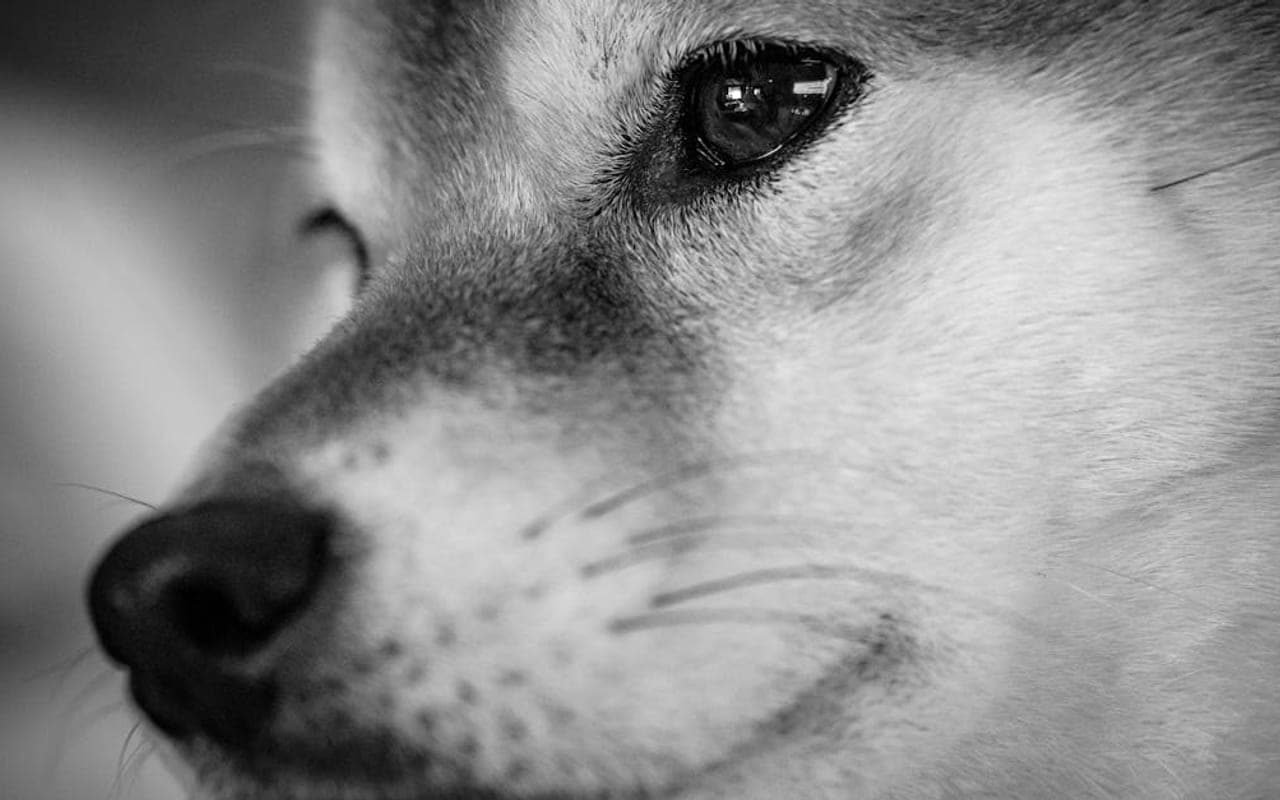
Shiba Inu
Also in the Non-Sporting group, with different care and temperament tradeoffs.
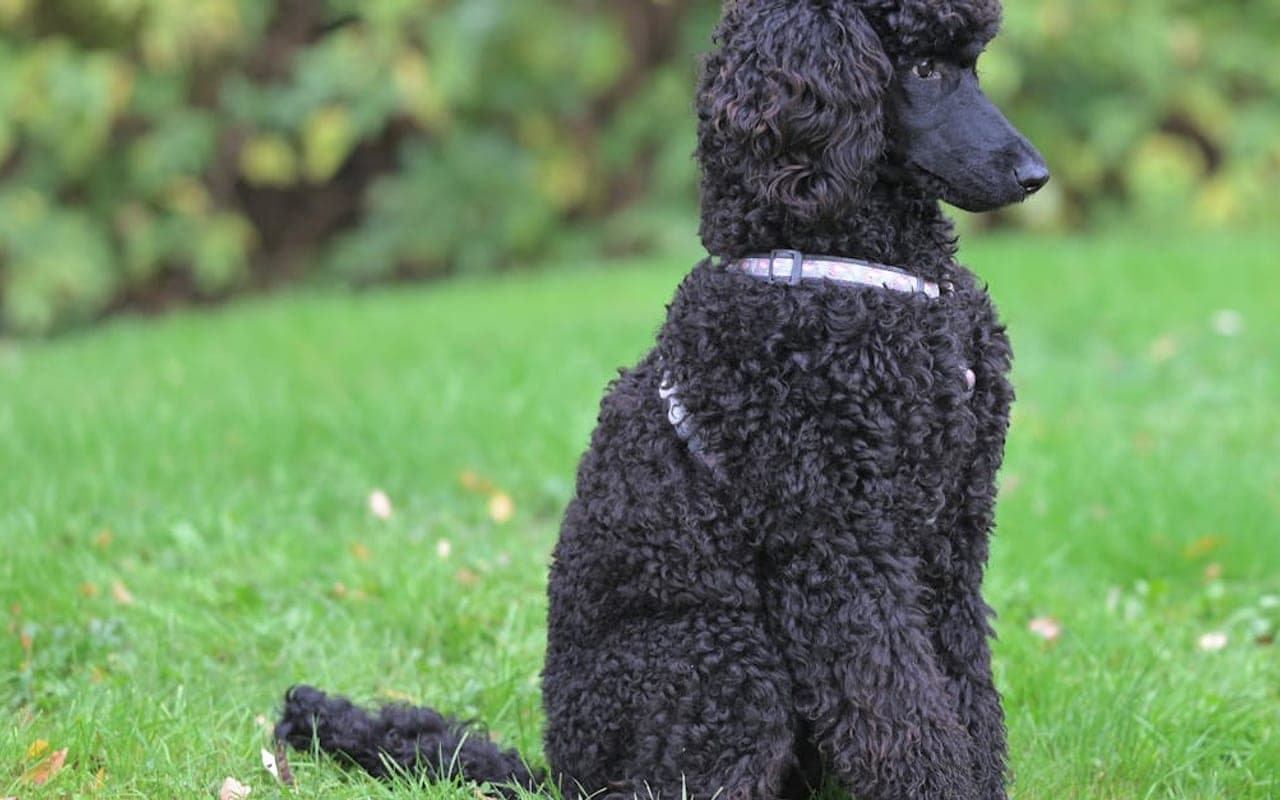
Poodle
Also in the Non-Sporting group, with different care and temperament tradeoffs.
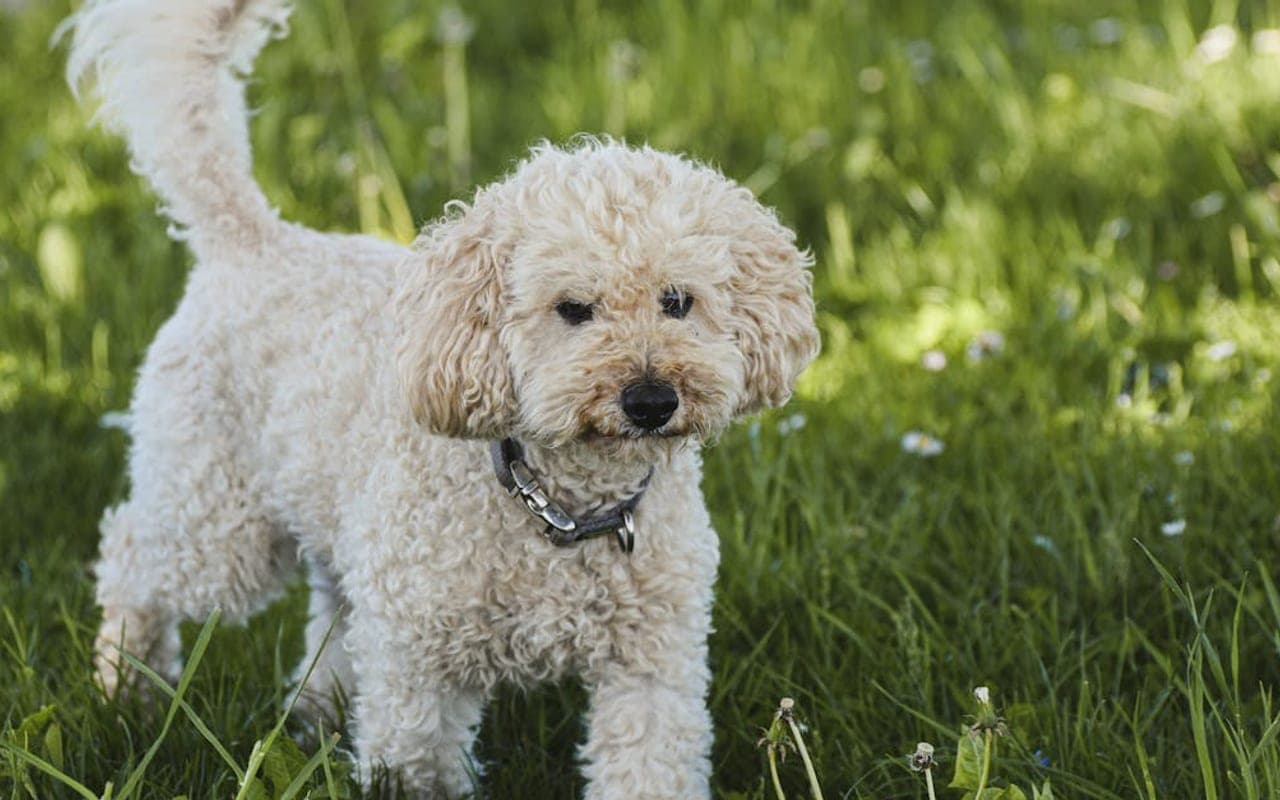
Poodle (Miniature)
Also in the Non-Sporting group, with different care and temperament tradeoffs.
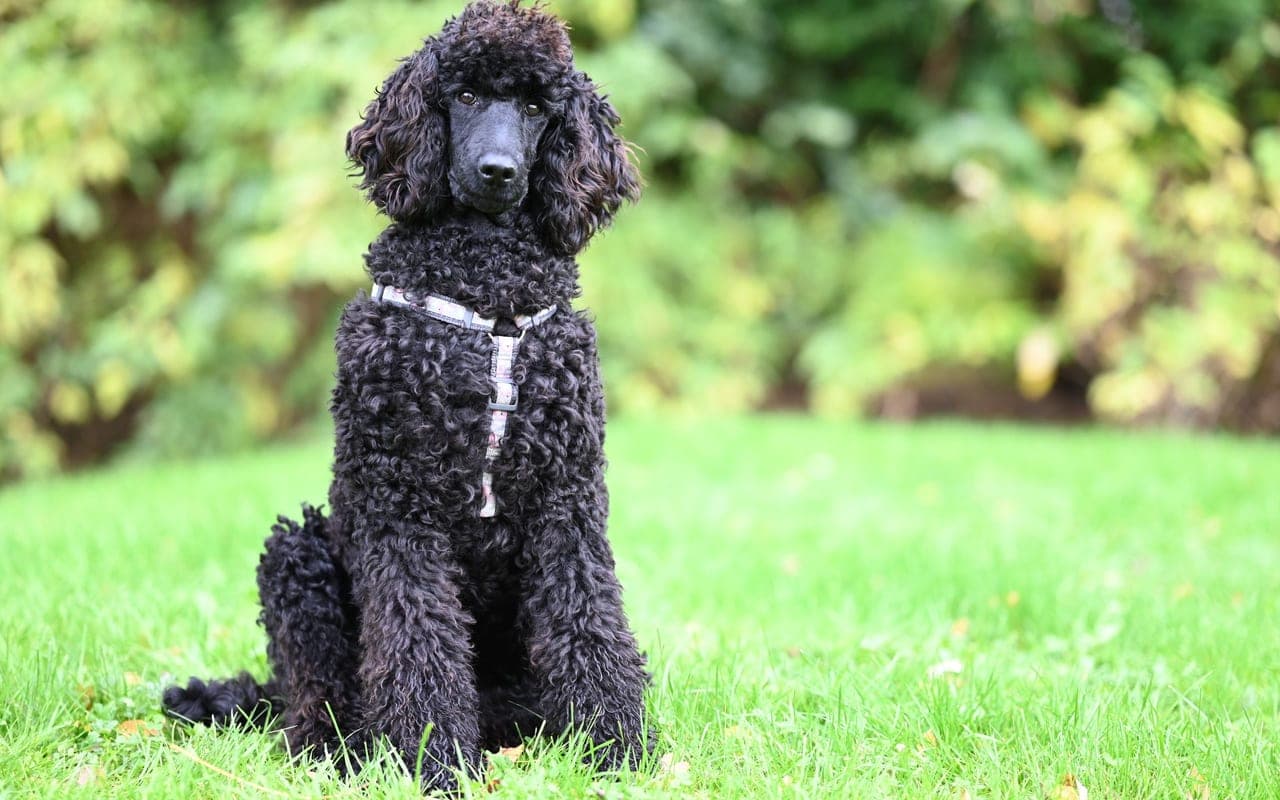
Poodle (Standard)
Also in the Non-Sporting group, with different care and temperament tradeoffs.
Explore More About Tibetan Terrier
Dive deeper into everything Tibetan Terrier — costs, care, and expert insights.
Considering a cat instead?
Browse Cats