
Foundation Stock Service group
Tosa
Before anything else about the Tosa — the Tosa Ken, Tosa Inu, or Japanese Mastiff — you have to deal with the law, because for a large fraction of readers the legal status decides the whole question.



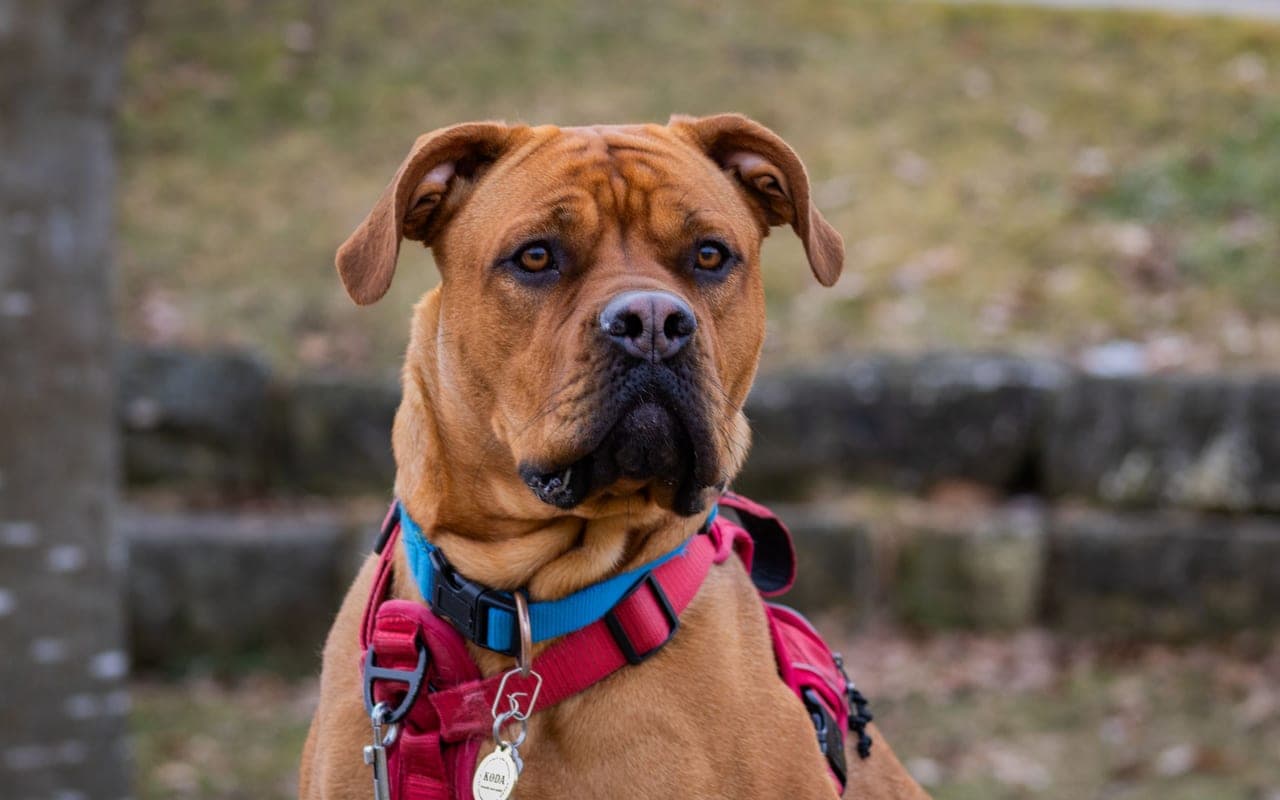
Size
79-201 lb
Lifespan
10-12 years
Exercise
30-60 minutes
Shedding
Moderate
Experience
Match to owner routine
Decision first
Is a Tosa right for you?
Start with fit before history or trivia. These are ownership signals, not guarantees about any individual dog.
Best suited for
- Households with children.
- Homes with other compatible pets.
- Apartment homes with a consistent routine.
- Owners seeking a manageable daily exercise routine.
Think carefully if
- You need a dog with almost no daily routine.
- You cannot keep up with grooming and preventive care.
- The dog will spend most days alone without support.
Conditional fit
Apartment fit depends on exercise, enrichment, noise management, and outdoor access.
Daily reality
Tosa commitment snapshot
Daily exercise
30-60 minutes
Match activity to age, health, weather, and training goals.
Coat care
Moderate
Grooming needs vary by coat, shedding, and lifestyle.
Time alone
Needs planning
Most dogs need gradual alone-time conditioning and support.
Structured facts
Tosa at a glance
The measurements and traits that most affect day-to-day life with this breed.
Group
Foundation Stock Service
Weight
79-201 lb
Height
22-28 in
Lifespan
10-12 years
Temperament
Fearless | Patient | Vigilant
View all characteristics and methodology
Lifestyle fit
- Apartment suitability
- Likely fit
- Child friendliness
- Often good, with socialisation and supervision
- Other-pet fit
- Often compatible with careful introductions
Owner commitment
- Exercise
- 30-60 minutes
- Grooming
- Moderate
- Shedding
- Moderate
- Training
- Moderate
Environment and health
- Health risk
- Needs planning
Ratings combine structured breed data, visible breed fields, and editorial context. They are planning aids, not predictions for an individual dog.
Daily life
Tosa temperament and behavior
Before anything else about the Tosa — the Tosa Ken, Tosa Inu, or Japanese Mastiff — you have to deal with the law, because for a large fraction of readers the legal status decides the whole question. The Tosa is one of four types banned outright under the UK Dangerous Dogs Act 1991 (alongside the Pit Bull Terrier, Dogo Argentino and Fila Brasileiro), is banned or permit-restricted in numerous other countries and in some US states and municipalities, and is on most US homeowners-insurance exclusion lists. An honest Tosa profile leads with that, because acquiring this breed without checking your jurisdiction, your landlord, and your insurer can mean an unlimited fine, loss of housing, loss of liability cover, or seizure and euthanasia of the dog. With that framed: the Tosa is the largest of the Japanese breeds, a 100-200 lb mastiff developed in Kochi Prefecture for the Japanese style of sumo-rule dog fighting. Modern Tosas are typically calm, quiet, deeply tolerant of their own family, and slow-maturing — many do not fully settle until around four years old. Aggression toward people is uncharacteristic of a well-bred, well-raised Tosa; same-sex and intruder dog reactivity is part of the heritage and must be assumed, not hoped against. This is not a beginner dog, an apartment dog, or a dog for an undecided owner. It needs an experienced handler, early and continuous socialization, secure containment, and a household that has confirmed it can legally and financially keep one for 10-12 years. Who the Tosa is right for: an experienced large-mastiff owner in a jurisdiction where the breed is legal, with insurance that covers it and the budget for giant-breed veterinary care. Who it is wrong for: first-time owners, renters, anyone in a banned or restricted area, and anyone who has not verified the law in writing before committing.
Fearless | Patient | Vigilant
Fearless
A common Tosa temperament descriptor that should be interpreted alongside training, exercise, and household fit.
Patient
A common Tosa temperament descriptor that should be interpreted alongside training, exercise, and household fit.
Vigilant
A common Tosa temperament descriptor that should be interpreted alongside training, exercise, and household fit.
Owner note
Temperament labels are starting points, not guarantees. Meet the individual dog and ask about behavior history whenever possible.
Care essentials
How to care for a Tosa
What looking after one actually involves: exercise, grooming, food, training, and routine health.
ExerciseAs needed
- Moderately active breed needing 30-60 minutes of daily exercise.
GroomingAs needed
- Brush 2-3 times per week.
TrainingAs needed
- Consistent, patient training works best.
NutritionAs needed
- Feed high-quality dog food appropriate for age, size, and activity level.
Veterinary CareAs needed
- Annual wellness exams, vaccinations, dental care, and parasite prevention.
Health planning
Tosa health risks and screening
Every breed has individual health variation. Use this profile for planning and discuss medical decisions with a veterinarian.
Responsible ownership
Finding a Tosa responsibly
What to ask a breeder or rescue is the same conversation for every breed, so we keep it in one place and keep it current.
Health documentation, meeting the parents or foster, contracts and return support, and the warning signs worth walking away from.
Original purpose
Tosa history
History is useful when it explains today's behavior, coat, exercise needs, and training style.
Read the breed history
The Tosa was developed in the former Tosa Province (modern Kochi Prefecture) on the Japanese island of Shikoku, beginning in the mid-19th century, by crossing the native Shikoku-region fighting dog with imported Western breeds — accounts cite Mastiff, Bulldog, Great Dane, St. Bernard and Bull Terrier — to build a larger, more powerful dog for the formalized Japanese sport of dog sumo, which prized stamina and a stoic, silent fighting style over frenzy. That breeding history is the direct reason for the breed's modern legal status: it is one of the four types proscribed under the UK Dangerous Dogs Act 1991 and is banned or restricted in many jurisdictions worldwide. In Japan the Tosa is still bred and shown and dog sumo persists in some regions under regulation. The American Kennel Club lists the Tosa only in its Foundation Stock Service, not as a fully recognized breed. Anyone researching this breed should treat the legislation as a living, jurisdiction-specific question to verify now, not a historical footnote.
Gallery
Tosa photos
Images are cropped consistently and loaded progressively to keep the page responsive.
Lower-page context
Tosas in culture
Where the breed shows up in film, sport, work and folklore — the enjoyable part, once the practical questions are answered.
Fun facts
- The Tosa belongs to the Foundation Stock Service.
- The average lifespan of a Tosa is 10 to 12 years.
- Tosa dogs are valued for their fearless, patient, vigilant nature.
Tosa FAQs
Is it legal to own a Tosa?
It depends entirely on jurisdiction, and you must verify it in writing before acquiring one — this is the single most important question for the breed. The Tosa is banned outright in the UK under the Dangerous Dogs Act 1991, and is banned or permit-restricted in numerous countries and in some US states and cities. Several US states (e.g., New York, Pennsylvania) prohibit insurers from breed-based homeowners exclusions, while others allow municipal bans. Owning a banned-type Tosa can mean an unlimited fine, prison, and seizure and euthanasia of the dog. Check national law, local ordinances, your landlord/HOA, and your insurer — all four — before committing.
Will homeowners insurance cover a Tosa?
Often no. The Tosa Inu / Tosa Ken appears on most US homeowners-insurance breed-exclusion lists, meaning a dog-bite claim could be denied and you would be personally liable. A few states (Michigan, Illinois, Nevada, New York, Pennsylvania) restrict breed-based exclusions, but most do not. Before acquiring a Tosa, get written confirmation from your insurer that the breed is covered, or budget for a specialist canine-liability policy. An uninsured bite by a large mastiff is financially catastrophic — this is a core ownership cost, not an afterthought.
How much exercise does a Tosa need and is it an apartment dog?
A Tosa needs moderate, controlled daily exercise — roughly 45-60 minutes of leashed walking plus secure off-lead time on private property — not high-intensity running. It is calm indoors but it is emphatically not an apartment dog: a 100-200 lb dog with heritage dog-reactivity, jurisdictional restrictions, and containment needs requires a secure, fenced property and a household equipped to manage it. Crucially, never exercise hard within an hour of meals — that is a direct bloat trigger in this deep-chested breed.
Why is bloat such a big deal in the Tosa?
The Tosa is a deep-chested giant, the body type at highest risk of gastric dilatation-volvulus, where the stomach fills with gas and twists, cutting off blood supply. Without emergency surgery it kills within hours, and a dog this size deteriorates fast. Reduce risk with two or more small measured meals daily, no vigorous activity an hour either side of eating, and a discussion with your vet about prophylactic gastropexy at neuter. Learn the signs — unproductive retching, swelling belly, pacing, distress — and treat them as an immediate emergency-clinic drive. Owner hesitation here is the classic fatal mistake.
Are Tosas aggressive toward people?
Overt aggression toward humans is uncharacteristic of a well-bred, properly raised and socialized Tosa — they are typically calm, quiet and deeply tolerant of their own family. The realistic concern is dog-directed reactivity, especially same-sex and toward perceived intruder dogs, which is part of the breed's fighting heritage and should be assumed and managed, not wished away. This is an experienced-owner breed precisely because that management — early socialization, secure containment, lifelong handling discipline — is non-negotiable, not because the dog is inherently dangerous to people.
How long do Tosas live and what does ownership cost?
A Tosa typically lives 10-12 years, on the shorter end as is normal for giant breeds. The honest cost picture is large: giant-breed veterinary care (anesthesia, joint disease, potential bloat surgery running well into four figures), specialist or higher-premium liability insurance because of the breed's status, secure fencing, and large quantities of quality food. Budget for giant-breed lifetime medical reality and confirm legal/insurance status before acquisition — the recurring costs and the legal exposure, not the purchase price, are what define affordability in this breed.
Sources
These are the published sources this page draws on. Each opens in a new tab so you can check it yourself.
American Kennel Club
Tosa — breed standard and profile(opens in a new tab)Supports: Breed standard and recognition details.
Similar breeds to consider

Jagdterrier
Also in the Foundation Stock Service group, with different care and temperament tradeoffs.
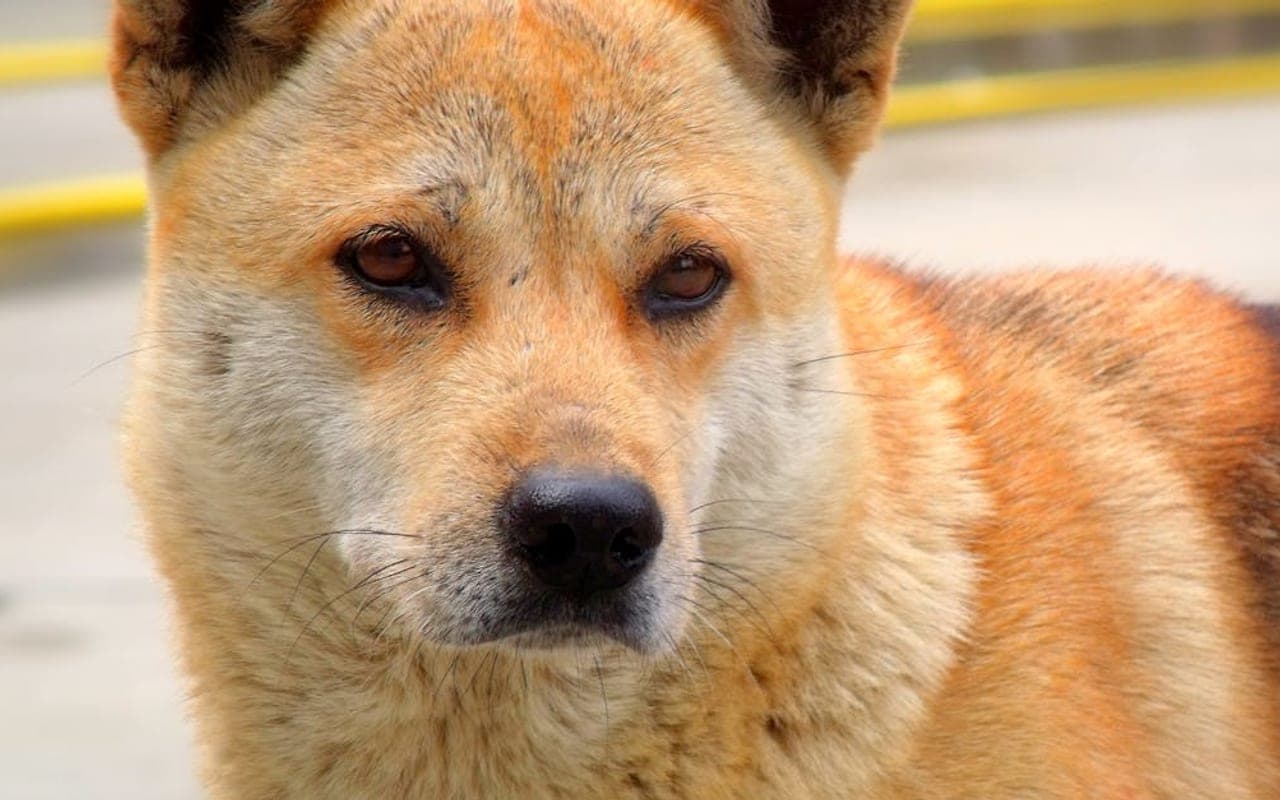
Jindo
Also in the Foundation Stock Service group, with different care and temperament tradeoffs.
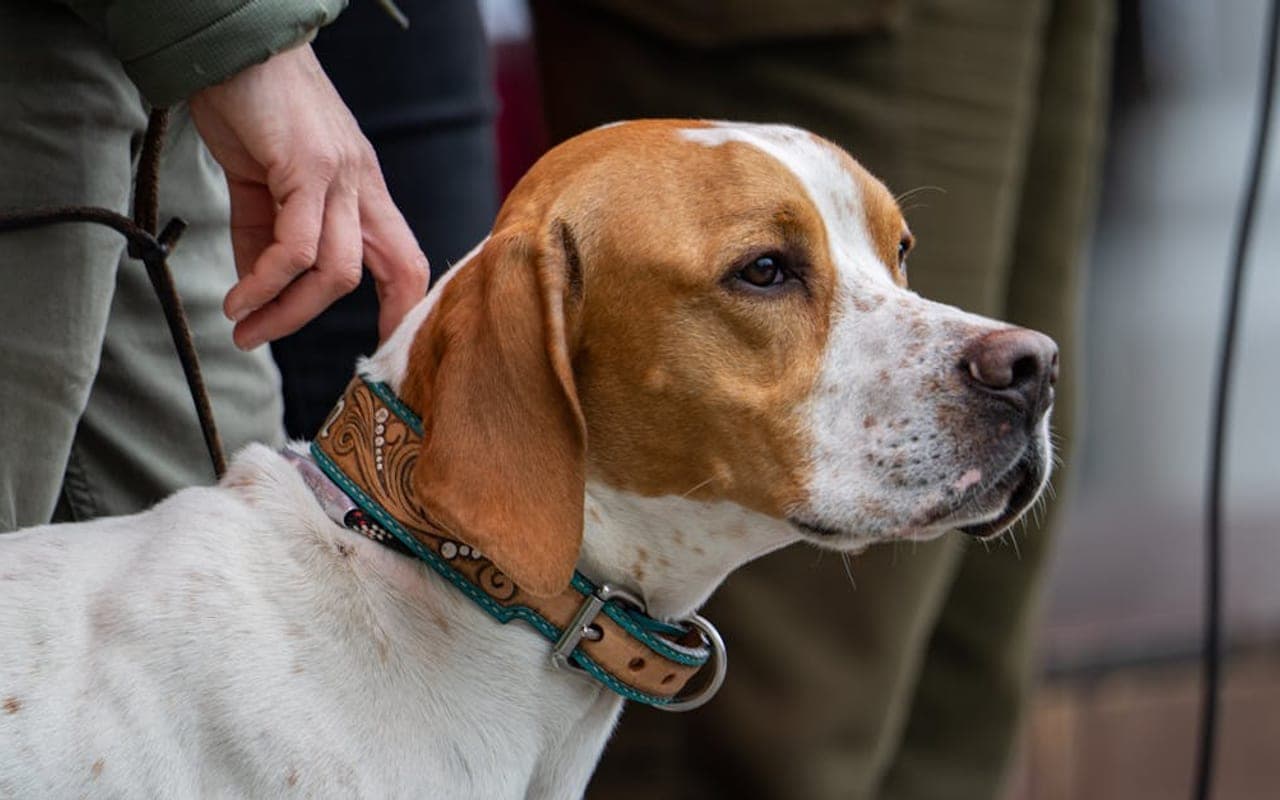
Portuguese Pointer
Also in the Foundation Stock Service group, with different care and temperament tradeoffs.
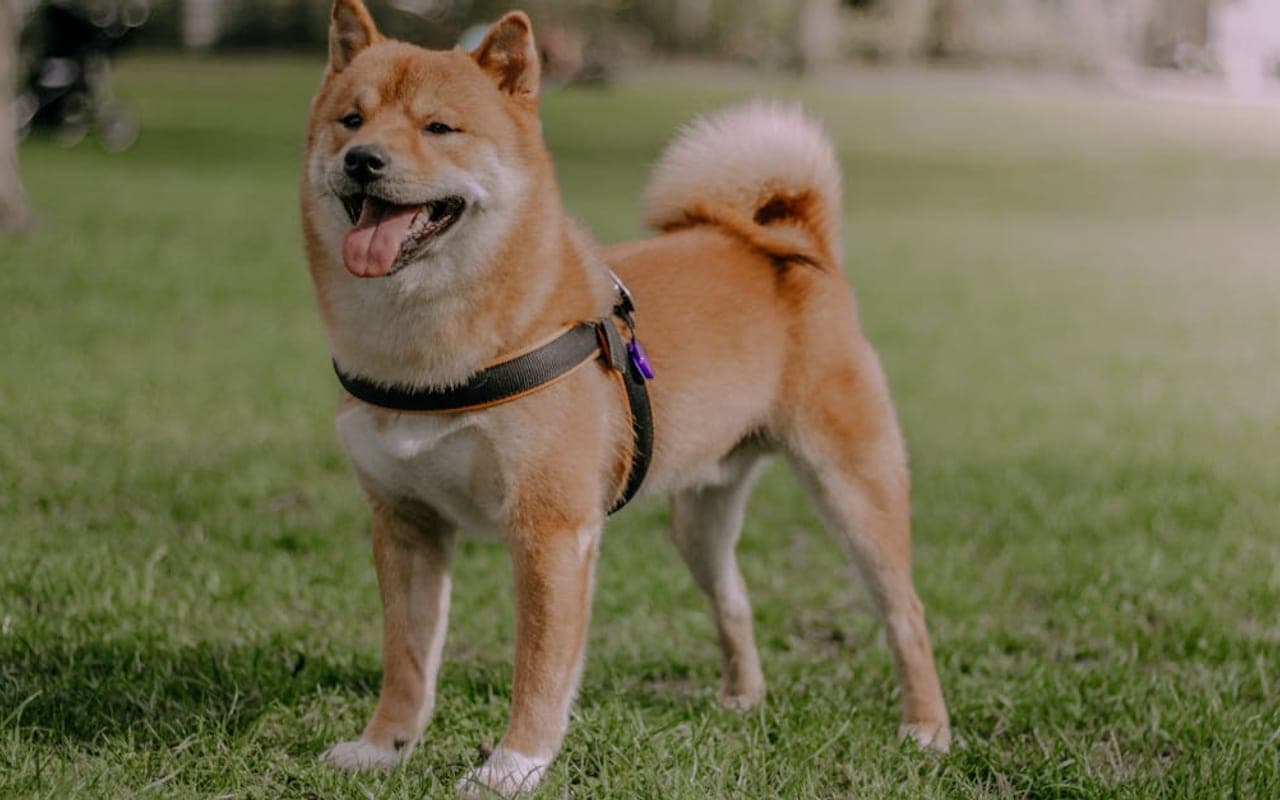
Kishu Ken
Also in the Foundation Stock Service group, with different care and temperament tradeoffs.
Explore More About Tosa
Dive deeper into everything Tosa — costs, care, and expert insights.
Large Dog Care Guide: Everything Over 50 lbs
Owning a large or giant breed dog means accepting one of biology's...
Puppy Teething & Biting: Timeline and What Actually Works
A puppy has all 28 deciduous ("baby") teeth by roughly eight weeks of age, and...
Considering a cat instead?
Browse Cats