
Toy group
Toy Fox Terrier
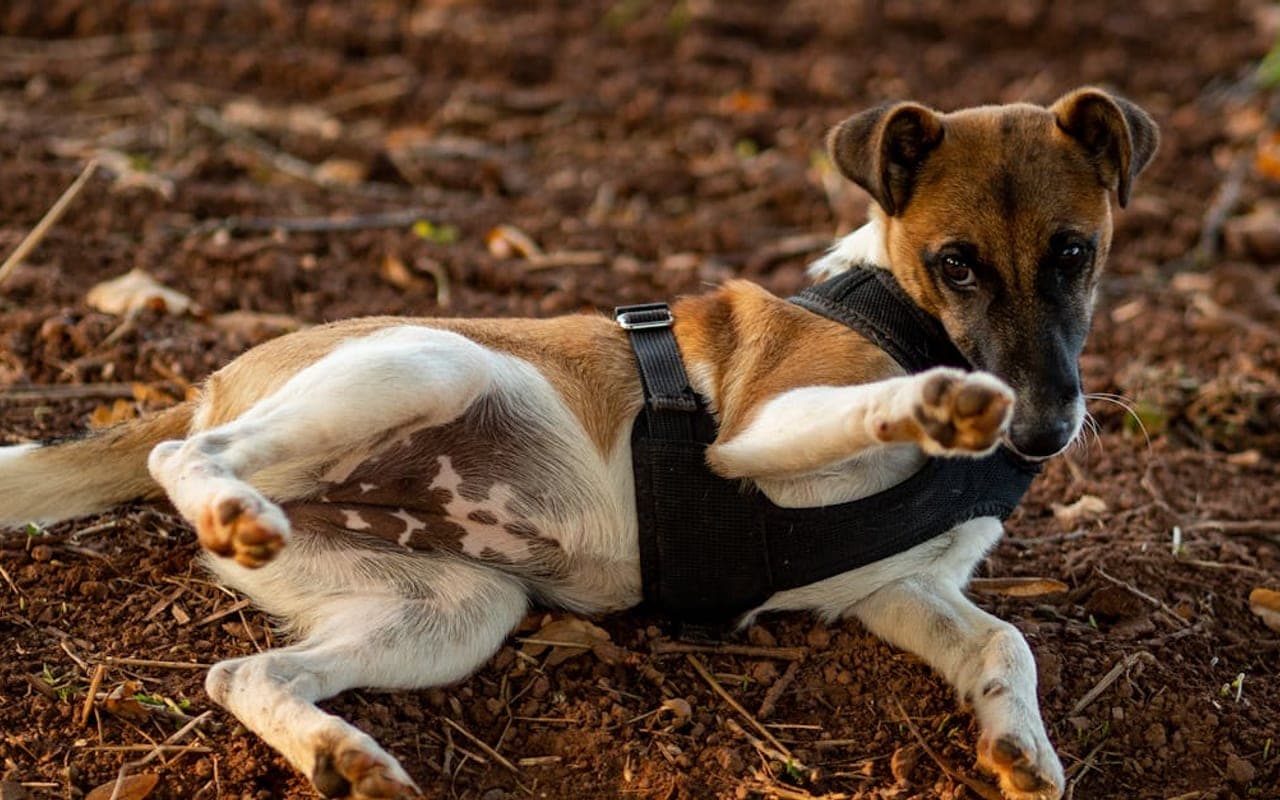
The Toy Fox Terrier is a true toy-and-terrier hybrid of temperament: a sleek, satin-coated little dog under a foot tall and roughly 3.
Size
3-7 lb
Lifespan
13-15 years
Exercise
30-60 minutes
Shedding
Moderate
Experience
Match to owner routine
Decision first
Is a Toy Fox Terrier right for you?
Start with fit before history or trivia. These are ownership signals, not guarantees about any individual dog.
Best suited for
- Households with children.
- Homes with other compatible pets.
- Apartment homes with a consistent routine.
- Owners seeking a manageable daily exercise routine.
Think carefully if
- You need a dog with almost no daily routine.
- You cannot keep up with grooming and preventive care.
- The dog will spend most days alone without support.
Conditional fit
Apartment fit depends on exercise, enrichment, noise management, and outdoor access.
Daily reality
Toy Fox Terrier commitment snapshot
Daily exercise
30-60 minutes
Match activity to age, health, weather, and training goals.
Coat care
Moderate
Grooming needs vary by coat, shedding, and lifestyle.
Time alone
Needs planning
Most dogs need gradual alone-time conditioning and support.
Structured facts
Toy Fox Terrier at a glance
The measurements and traits that most affect day-to-day life with this breed.
Group
Toy
Weight
3-7 lb
Height
8-11 in
Lifespan
13-15 years
Temperament
Friendly | Alert | Intelligent
View all characteristics and methodology
Lifestyle fit
- Apartment suitability
- Likely fit
- Child friendliness
- Often good, with socialisation and supervision
- Other-pet fit
- Often compatible with careful introductions
Owner commitment
- Exercise
- 30-60 minutes
- Grooming
- Moderate
- Shedding
- Moderate
- Training
- Low
Environment and health
- Health risk
- Needs planning
Ratings combine structured breed data, visible breed fields, and editorial context. They are planning aids, not predictions for an individual dog.
Daily life
Toy Fox Terrier temperament and behavior
The Toy Fox Terrier is a true toy-and-terrier hybrid of temperament: a sleek, satin-coated little dog under a foot tall and roughly 3.5-7 pounds, with the affectionate, lap-loving nature of a companion toy and the bold, busy, prey-driven brain of a working terrier. It descends from the Smooth Fox Terrier crossed down with toy breeds, and the result is a small dog that is genuinely intelligent, quick to learn, athletic out of all proportion to its size, and devoted to its people. Buyers are charmed by the size and the sparkle. What they get is a confident, alert, sometimes bossy little dog that thinks it is much bigger than it is. Get two expectations right and the breed is a delight. First, this is not a fragile decoration — it is a real terrier that wants to do things: it excels at agility, tricks, and obedience, needs 30-45 minutes of daily activity plus mental work, and gets noisy and obsessive if treated as a static lapdog. Second, the toughness comes with limits: it is small, fine-boned, intolerant of cold, and not a good match for unsupervised young children who might handle it roughly. Prey drive is genuine — it will chase small fleeing animals and bark at intruders with conviction. The Toy Fox Terrier is one of the longer-lived breeds (typically 13-15 years) and is generally robust, but it carries a handful of specific inherited conditions — including a DNA-testable thyroid disorder and several neurological and orthopedic issues — that make breeder testing the single biggest decision lever. Who the Toy Fox Terrier is right for: an owner who wants a small, smart, trainable, long-lived companion that is genuinely interactive, will provide daily exercise and training, and buys from a breeder who DNA-tests. Who it is wrong for: families with toddlers, people wanting a purely sedentary lapdog, cold-climate outdoor lifestyles, and bargain buyers who skip health screening. Decide on the activity level and the testing, not the pocket size.
Friendly | Alert | Intelligent
Friendly
A common Toy Fox Terrier temperament descriptor that should be interpreted alongside training, exercise, and household fit.
Alert
A common Toy Fox Terrier temperament descriptor that should be interpreted alongside training, exercise, and household fit.
Intelligent
A common Toy Fox Terrier temperament descriptor that should be interpreted alongside training, exercise, and household fit.
Owner note
Temperament labels are starting points, not guarantees. Meet the individual dog and ask about behavior history whenever possible.
Care essentials
How to care for a Toy Fox Terrier
What looking after one actually involves: exercise, grooming, food, training, and routine health.
ExerciseAs needed
- Moderately active breed needing 30-60 minutes of daily exercise.
GroomingAs needed
- Brush 2-3 times per week.
TrainingAs needed
- Consistent, patient training works best.
NutritionAs needed
- Feed high-quality dog food appropriate for age, size, and activity level.
Veterinary CareAs needed
- Annual wellness exams, vaccinations, dental care, and parasite prevention.
Health planning
Toy Fox Terrier health risks and screening
Every breed has individual health variation. Use this profile for planning and discuss medical decisions with a veterinarian.
Responsible ownership
Finding a Toy Fox Terrier responsibly
What to ask a breeder or rescue is the same conversation for every breed, so we keep it in one place and keep it current.
Health documentation, meeting the parents or foster, contracts and return support, and the warning signs worth walking away from.
Original purpose
Toy Fox Terrier history
History is useful when it explains today's behavior, coat, exercise needs, and training style.
Read the breed history
The Toy Fox Terrier is an American breed, developed in the early 20th century by breeders who selected the smallest Smooth Fox Terriers and crossed them with toy breeds such as the Chihuahua, Manchester Terrier, and Italian Greyhound to fix a smaller size while keeping the terrier's working drive and gameness. Its working roots were as a barnyard ratter and a small-game hunter's dog, and it later became a popular performing dog in American circuses because of its intelligence, trainability, and showmanship. The United Kennel Club recognized the breed early (1936), with AKC recognition following in 2003 in the Toy Group. The American Toy Fox Terrier Club is the AKC parent club and its members recommend a panel of DNA tests for the breed's recognized inherited conditions. The Toy Fox Terrier's modern character — bold, busy, highly trainable, prey-driven, and people-bonded — is a direct inheritance of its dual origin as both a serious working ratter and a deliberately bred companion-and-performance dog.
Gallery
Toy Fox Terrier photos
Images are cropped consistently and loaded progressively to keep the page responsive.
Lower-page context
Toy Fox Terriers in culture
Where the breed shows up in film, sport, work and folklore — the enjoyable part, once the practical questions are answered.
Fun facts
- The Toy Fox Terrier belongs to the Toy Group.
- The average lifespan of a Toy Fox Terrier is 13 to 15 years.
- Toy Fox Terrier dogs are valued for their friendly, alert, intelligent nature.
Toy Fox Terrier FAQs
How long do Toy Fox Terriers live?
A healthy Toy Fox Terrier typically lives 13-15 years, which is among the longer canine lifespans and a genuine advantage of the breed. The conditions most likely to affect quality of life over that span are orthopedic (patellar luxation, Legg-Calve-Perthes) and several DNA-testable inherited disorders. Because so many of the breed's serious conditions can be screened by DNA test, longevity and quality of life are strongly tied to buying from a breeder who tests, plus diligent lifelong dental care.
Are Toy Fox Terriers good with children?
Best with older, gentle children, not toddlers. The Toy Fox Terrier is affectionate and playful but small and fine-boned — a 5-pound dog is easily injured by rough handling, dropping, or being stepped on, and it may snap defensively if hurt or cornered. In a household with calm older kids who are taught to handle it carefully it does well; in a home with toddlers it is a poor and risky match for both the dog and the child. Always supervise interactions.
How much exercise does a Toy Fox Terrier need?
About 30-45 minutes a day of walking plus active play and training. The size is misleading: this is a true terrier brain that excels at agility, tricks, and obedience and gets yappy, restless, and obsessive when treated as a sedentary lapdog. Much of the requirement is mental — short training sessions, trick work, and games do as much to settle this breed as physical exercise. It is an interactive dog, not a decoration.
Do Toy Fox Terriers get cold easily?
Yes — markedly. The short, fine satin coat gives almost no insulation and a small body loses heat fast, so this breed chills quickly and needs a sweater or coat in cold weather plus limited outdoor time in winter, including short, supervised potty trips. This is a genuine ownership cost and lifestyle constraint in cold climates, not a cosmetic preference. Plan for indoor exercise alternatives during cold months.
What health tests should a Toy Fox Terrier breeder have done?
The American Toy Fox Terrier Club recommends DNA testing for congenital hypothyroidism with goiter, spinocerebellar ataxia, and degenerative myelopathy, plus patellar luxation evaluation; a primary lens luxation DNA test and an eye exam are also strongly advised. Because several of these are DNA-testable and serious, a responsible breeder can show clear or appropriately-paired results on the parents. A breeder who has done no DNA testing on a breed where the tests exist is one to avoid.
Why does dental care matter so much for a Toy Fox Terrier?
Because periodontal disease is disproportionately severe in toy breeds: a small jaw crowds the teeth, plaque accumulates fast, and untreated dental disease leads to painful tooth loss and bacteria that can affect the heart and kidneys. It is one of the most predictable and underestimated recurring costs of owning a small dog. Brush the teeth several times a week from puppyhood and budget for periodic professional cleanings — prevention is far cheaper and kinder than extractions later.
Sources
These are the published sources this page draws on. Each opens in a new tab so you can check it yourself.
American Kennel Club
Toy Fox Terrier — breed standard and profile(opens in a new tab)Supports: Breed standard and recognition details.
Similar breeds to consider
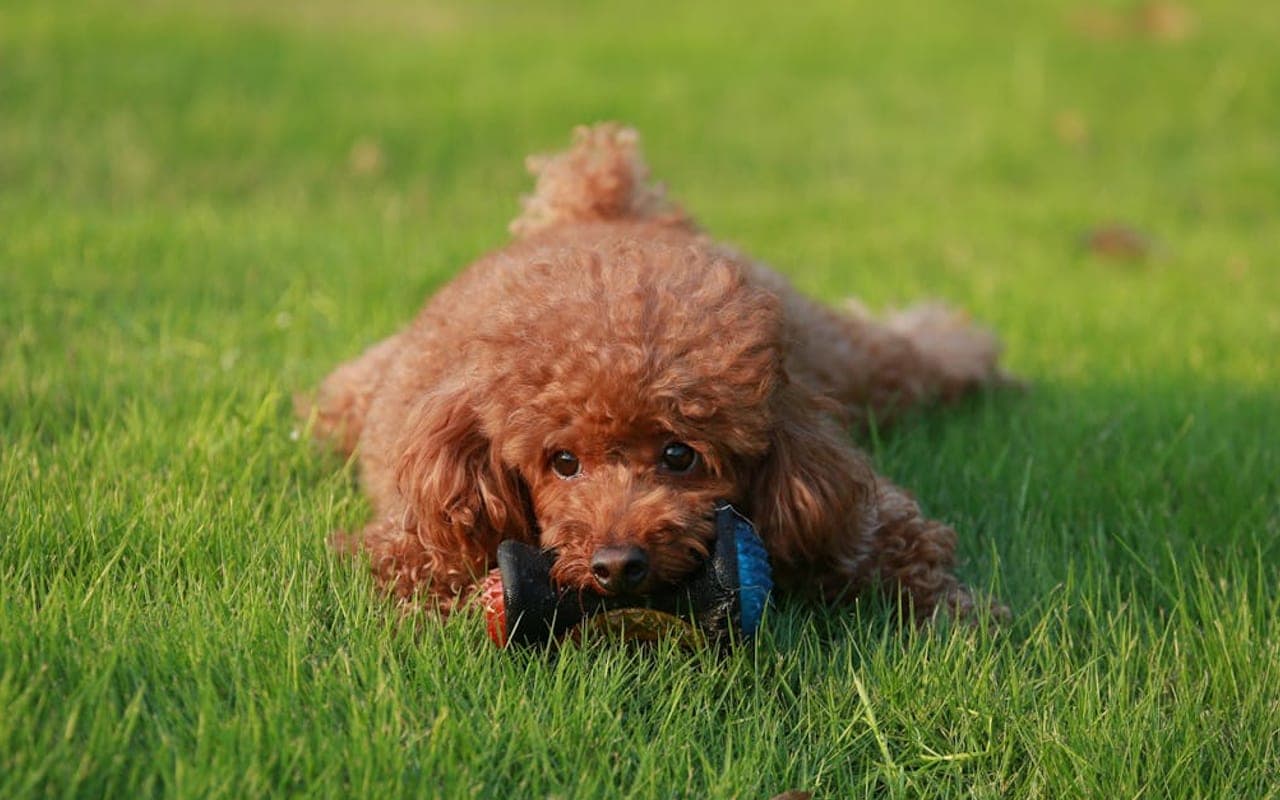
Poodle (Toy)
Also in the Toy group, with different care and temperament tradeoffs.

Yorkshire Terrier
Also in the Toy group, with different care and temperament tradeoffs.

Cavalier King Charles Spaniel
Also in the Toy group, with different care and temperament tradeoffs.

Havanese
Also in the Toy group, with different care and temperament tradeoffs.
Explore More About Toy Fox Terrier
Dive deeper into everything Toy Fox Terrier — costs, care, and expert insights.
Considering a cat instead?
Browse Cats