
Foundation Stock Service group
Treeing Tennessee Brindle
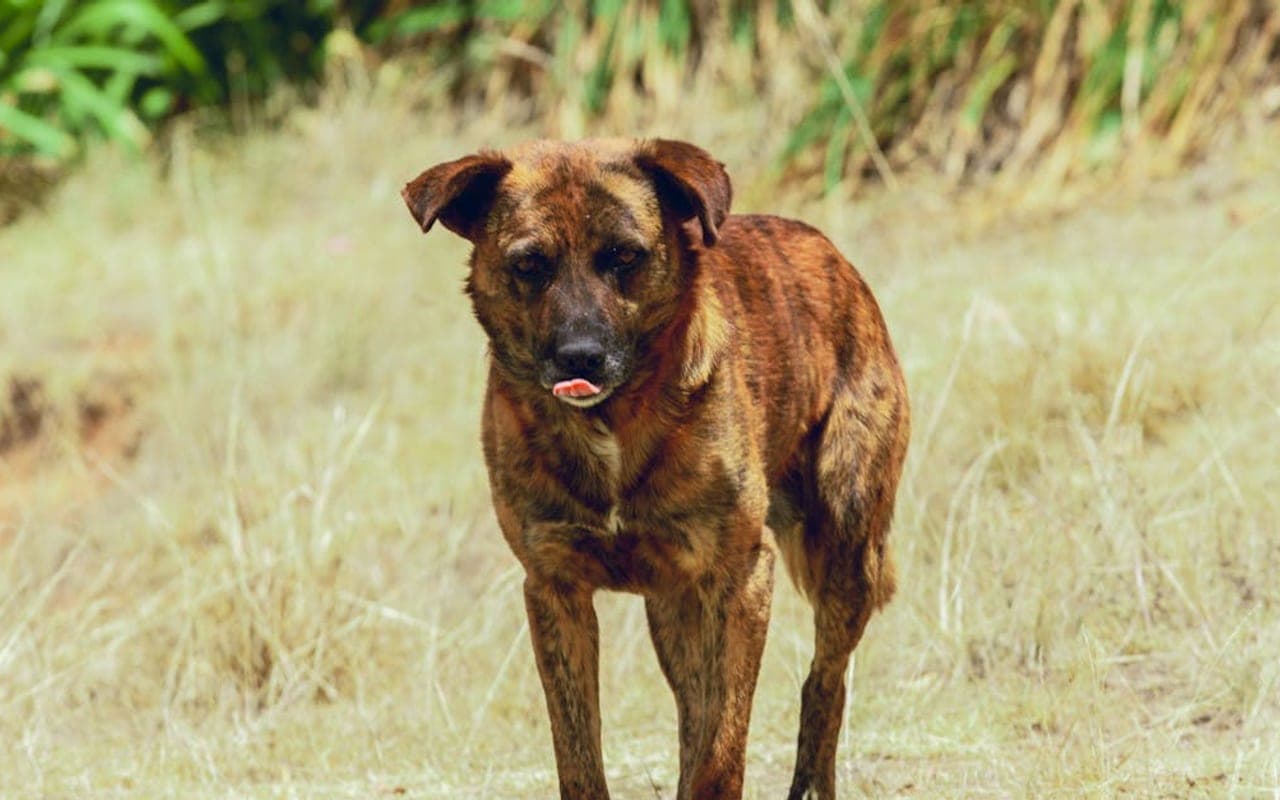
The Treeing Tennessee Brindle is a working American cur — a medium, brindle-coated scenthound built in the Appalachian and Ozark hill country to trail game by nose and "tree" it with a loud, sustained bay.



Size
30-50 lb
Lifespan
10-12 years
Exercise
30-60 minutes
Shedding
Moderate
Experience
Match to owner routine
Decision first
Is a Treeing Tennessee Brindle right for you?
Start with fit before history or trivia. These are ownership signals, not guarantees about any individual dog.
Best suited for
- Households with children.
- Homes with other compatible pets.
- Apartment homes with a consistent routine.
- Owners seeking a manageable daily exercise routine.
Think carefully if
- You need a dog with almost no daily routine.
- You cannot keep up with grooming and preventive care.
- The dog will spend most days alone without support.
Conditional fit
Apartment fit depends on exercise, enrichment, noise management, and outdoor access.
Daily reality
Treeing Tennessee Brindle commitment snapshot
Daily exercise
30-60 minutes
Match activity to age, health, weather, and training goals.
Coat care
Moderate
Grooming needs vary by coat, shedding, and lifestyle.
Time alone
Needs planning
Most dogs need gradual alone-time conditioning and support.
Structured facts
Treeing Tennessee Brindle at a glance
The measurements and traits that most affect day-to-day life with this breed.
Group
Foundation Stock Service
Weight
30-50 lb
Height
16-24 in
Lifespan
10-12 years
Temperament
Friendly | Alert | Intelligent
View all characteristics and methodology
Lifestyle fit
- Apartment suitability
- Likely fit
- Child friendliness
- Often good, with socialisation and supervision
- Other-pet fit
- Often compatible with careful introductions
Owner commitment
- Exercise
- 30-60 minutes
- Grooming
- Moderate
- Shedding
- Moderate
- Training
- Moderate
Environment and health
- Health risk
- Needs planning
Ratings combine structured breed data, visible breed fields, and editorial context. They are planning aids, not predictions for an individual dog.
Daily life
Treeing Tennessee Brindle temperament and behavior
The Treeing Tennessee Brindle is a working American cur — a medium, brindle-coated scenthound built in the Appalachian and Ozark hill country to trail game by nose and "tree" it with a loud, sustained bay. Adults typically run roughly 30-50 lb (14-23 kg) and stand around 16-24 inches. Understanding the job is the whole point of the breed, because almost every owner complaint about a TTB is a working trait being expressed in a living room. This is a smart, courageous, affectionate dog that is genuinely good with its family — but it is a scenthound first. That means a strong, self-directed nose that will follow a track over your recall, a powerful prey drive toward small animals, and a deliberately loud voice that was selected for, not trained in. A TTB that bays the neighborhood or vanishes after a scent is not broken; it is doing exactly what generations of houndsmen bred it to do. The flip side is a hardy, low-grooming, people-oriented companion that thrives on a job. The breed is comparatively healthy — a real landrace working population, not a closed show line — but "healthy" does not mean "problem-free," and the honest risks (hips, ears, eyes, skin) are listed below rather than papered over. Who the TTB is right for: an active owner with secure fencing, tolerance for vocal dogs, and ideally a use for the dog's nose — hunting, tracking, scent sports, or serious daily enrichment. Who it is wrong for: apartment dwellers, owners wanting reliable off-leash recall, anyone with close neighbors and low noise tolerance, or someone expecting a biddable companion breed.
Friendly | Alert | Intelligent
Friendly
A common Treeing Tennessee Brindle temperament descriptor that should be interpreted alongside training, exercise, and household fit.
Alert
A common Treeing Tennessee Brindle temperament descriptor that should be interpreted alongside training, exercise, and household fit.
Intelligent
A common Treeing Tennessee Brindle temperament descriptor that should be interpreted alongside training, exercise, and household fit.
Owner note
Temperament labels are starting points, not guarantees. Meet the individual dog and ask about behavior history whenever possible.
Care essentials
How to care for a Treeing Tennessee Brindle
What looking after one actually involves: exercise, grooming, food, training, and routine health.
ExerciseAs needed
- Moderately active breed needing 30-60 minutes of daily exercise.
GroomingAs needed
- Brush 2-3 times per week.
TrainingAs needed
- Consistent, patient training works best.
NutritionAs needed
- Feed high-quality dog food appropriate for age, size, and activity level.
Veterinary CareAs needed
- Annual wellness exams, vaccinations, dental care, and parasite prevention.
Health planning
Treeing Tennessee Brindle health risks and screening
Every breed has individual health variation. Use this profile for planning and discuss medical decisions with a veterinarian.
Responsible ownership
Finding a Treeing Tennessee Brindle responsibly
What to ask a breeder or rescue is the same conversation for every breed, so we keep it in one place and keep it current.
Health documentation, meeting the parents or foster, contracts and return support, and the warning signs worth walking away from.
Original purpose
Treeing Tennessee Brindle history
History is useful when it explains today's behavior, coat, exercise needs, and training style.
Read the breed history
The Treeing Tennessee Brindle is a genuinely American working breed, developed across the Appalachian and Ozark Mountain regions from brindle-colored cur stock prized by hill-country hunters for an open (vocal) trail, strong scenting power, and the ability to tree a wide range of game. It was deliberately kept distinct from the Plott — smaller, brindle, shorter-eared — and bred for function rather than conformation, which is why the population remains a working landrace with broader genetic diversity than many closed show breeds. A breed club was organized in the 1960s to consolidate the type, and the dog has since been recorded in the American Kennel Club's Foundation Stock Service (since the mid-1990s) and recognized within the United Kennel Club's scenthound group (since 2017). That working, function-first lineage is the reason the breed is comparatively robust and the reason its instincts — voice, nose, prey drive — are so strongly fixed in pet homes today.
Gallery
Treeing Tennessee Brindle photos
Images are cropped consistently and loaded progressively to keep the page responsive.
Lower-page context
Treeing Tennessee Brindles in culture
Where the breed shows up in film, sport, work and folklore — the enjoyable part, once the practical questions are answered.
Fun facts
- The Treeing Tennessee Brindle belongs to the Foundation Stock Service.
- The average lifespan of a Treeing Tennessee Brindle is 10 to 12 years.
- Treeing Tennessee Brindle dogs are valued for their friendly, alert, intelligent nature.
Treeing Tennessee Brindle FAQs
Are Treeing Tennessee Brindles healthy dogs?
Comparatively, yes — the TTB is a working landrace bred for function over looks, so it has broader genetic diversity and fewer concentrated defects than many closed show breeds, and it has no single defining hereditary disease. But "comparatively healthy" is not "problem-free." The realistic concerns are hip dysplasia, recurrent ear infections from the pendulous hound ears, occasional patellar luxation and cataracts, and skin issues from the thin coat. Buy from working lines that hip-screen, budget for routine ear care, and you have a genuinely hardy dog — just not an invulnerable one.
Why does my Treeing Tennessee Brindle bay so much?
Because you bought a dog whose entire purpose was to find game and announce it loudly until the hunter arrives — the "open trail" and treeing bark were selected for over generations, not accidentally acquired. A vocal TTB is a correctly built TTB. You can reduce nuisance baying with exercise, scent work, and not rewarding the behavior, but you cannot train a hound into silence, and expecting that is the most common owner disappointment. If you have close neighbors or low noise tolerance, this is a breed-level mismatch, not a training problem.
Can a Treeing Tennessee Brindle be let off-leash?
Assume no, especially in open or unfenced areas. This is a scenthound with a powerful, self-directed nose and strong prey drive; on a hot track its recall will reliably fail, and that is the breed working as designed, not disobeying. Use secure, dig-resistant fencing at home and a long line in open ground. Owners who treat recall failure as a training defect rather than a hardwired trait end up with lost dogs and road-safety incidents — manage the environment instead of fighting the instinct.
How much grooming and ear care does the breed need?
Grooming itself is minimal — the short brindle coat needs only a weekly brush and occasional bath. The real recurring task is the ears: long, hanging hound ears plus an active, often water-loving outdoor life make recurrent ear infections the single most common avoidable vet cost in the breed. Check and dry the ears weekly and after every swim or wet outing, and treat any odor, redness, or head-shaking within days. Trade the grooming time you'd spend on a long coat for disciplined ear maintenance instead.
Is the Treeing Tennessee Brindle a good family dog?
Yes, with the right household. They are affectionate, intelligent, and notably good with their own family, including children, and they bond closely with people. The caveats are environmental, not temperamental: they need substantial daily exercise and scent enrichment, secure fencing, tolerance for a loud voice, and caution around small pets given the prey drive. In an active home that can meet those needs they are devoted companions; in a sedentary or apartment setting they become frustrated and destructive.
How big do Treeing Tennessee Brindles get and how long do they live?
Adults are a medium scenthound: roughly 30-50 lb and about 16-24 inches at the shoulder (note: any 6-10 kg figure you see is a data error for this breed). Typical lifespan is around 10-12 years, and because the breed is a relatively healthy working landrace, dogs that stay lean, get proper hip screening from their breeder, and receive consistent ear care often reach the upper end. The biggest levers on longevity here are weight control and preventing chronic ear and joint disease, not any single hereditary illness.
Sources
These are the published sources this page draws on. Each opens in a new tab so you can check it yourself.
American Kennel Club
Treeing Tennessee Brindle — breed standard and profile(opens in a new tab)Supports: Breed standard and recognition details.
Similar breeds to consider

Jagdterrier
Also in the Foundation Stock Service group, with different care and temperament tradeoffs.

Jindo
Also in the Foundation Stock Service group, with different care and temperament tradeoffs.
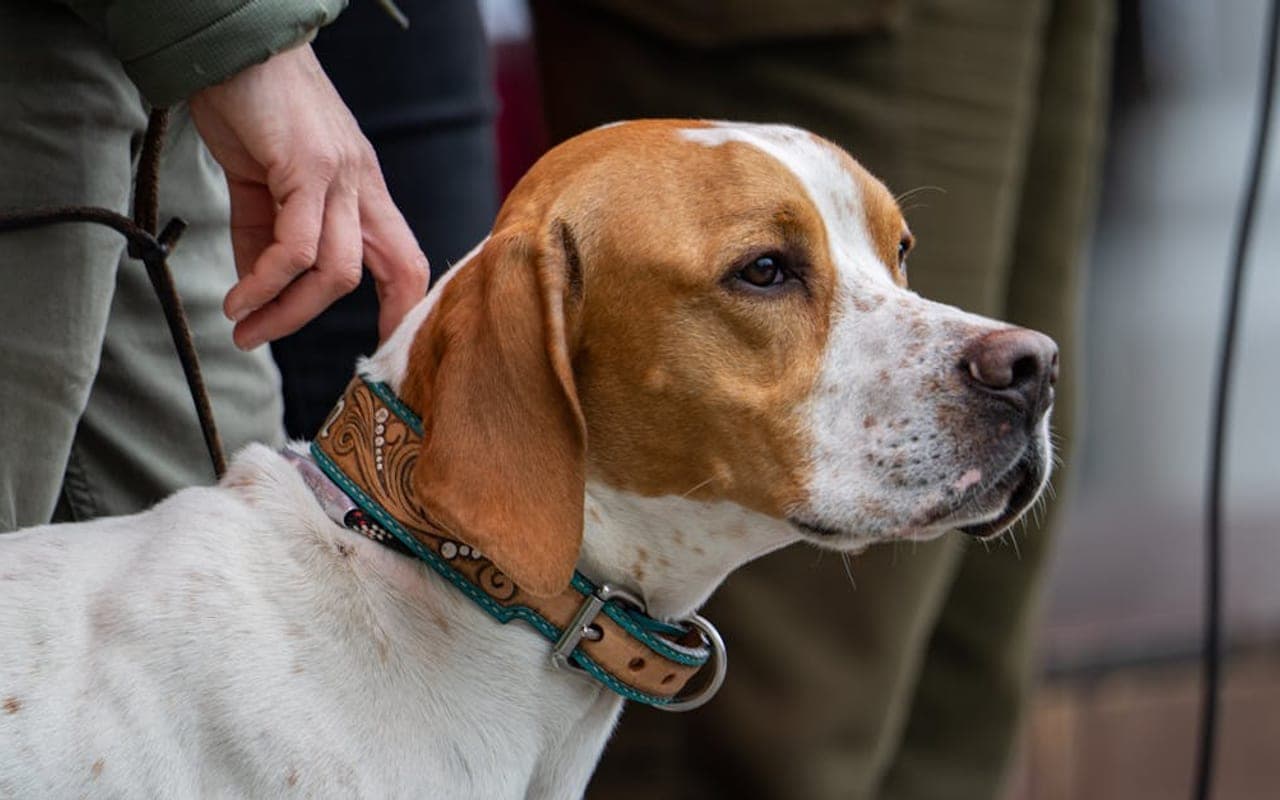
Portuguese Pointer
Also in the Foundation Stock Service group, with different care and temperament tradeoffs.
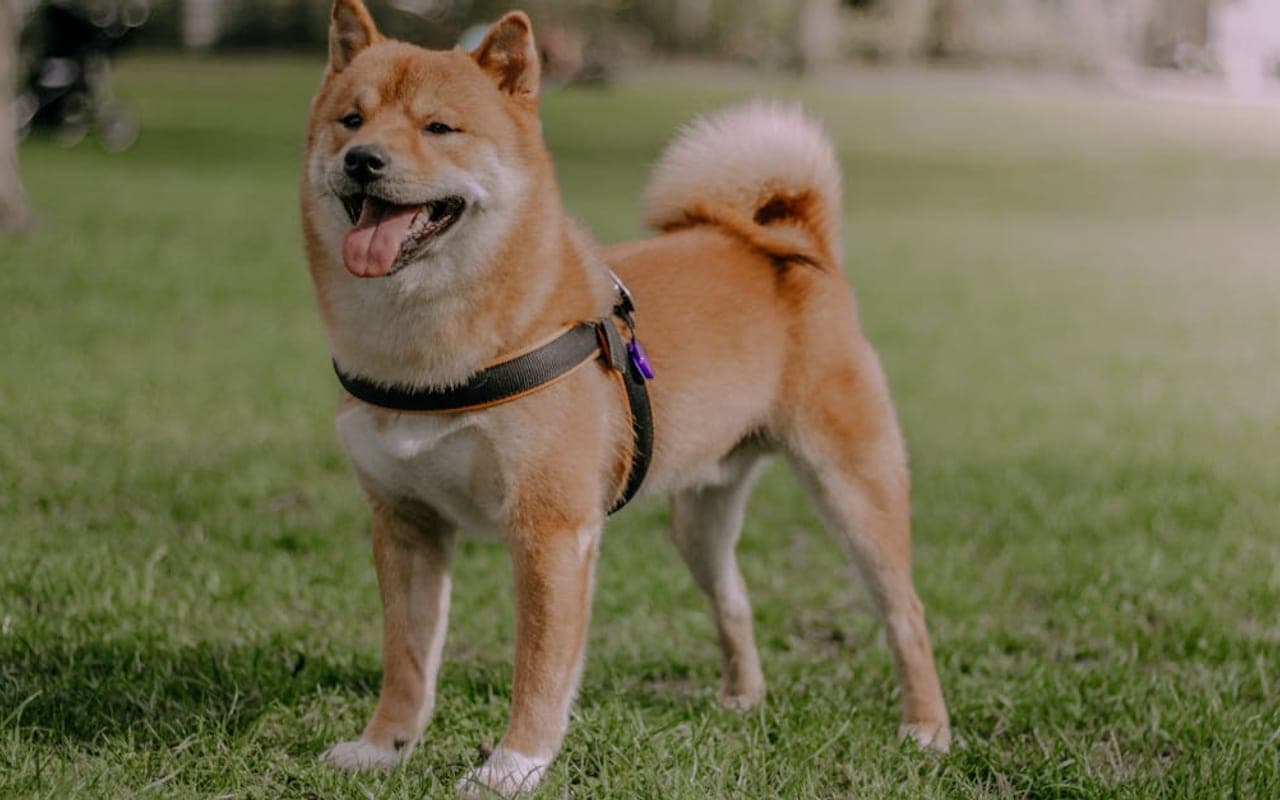
Kishu Ken
Also in the Foundation Stock Service group, with different care and temperament tradeoffs.
Explore More About Treeing Tennessee Brindle
Dive deeper into everything Treeing Tennessee Brindle — costs, care, and expert insights.
Large Dog Care Guide: Everything Over 50 lbs
Owning a large or giant breed dog means accepting one of biology's...
Puppy Teething & Biting: Timeline and What Actually Works
A puppy has all 28 deciduous ("baby") teeth by roughly eight weeks of age, and...
Considering a cat instead?
Browse Cats