
Sporting group
Vizsla
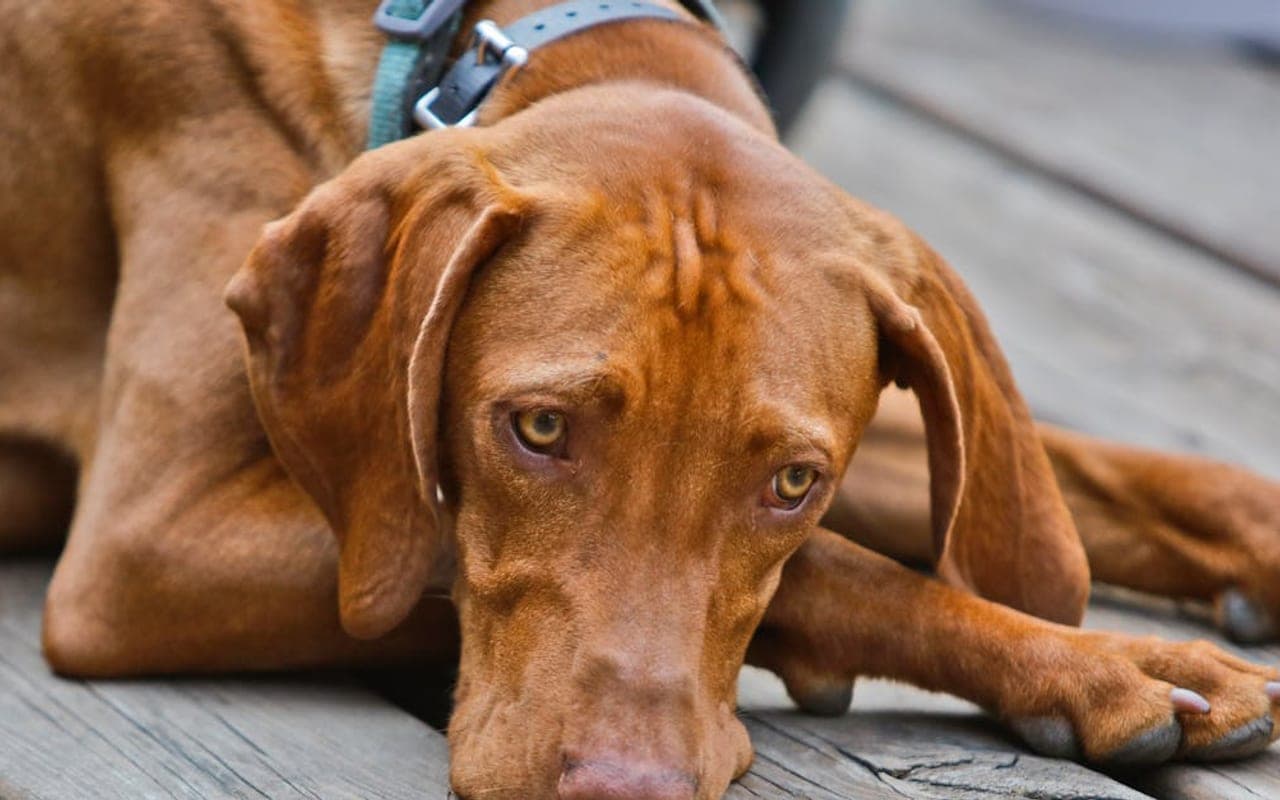
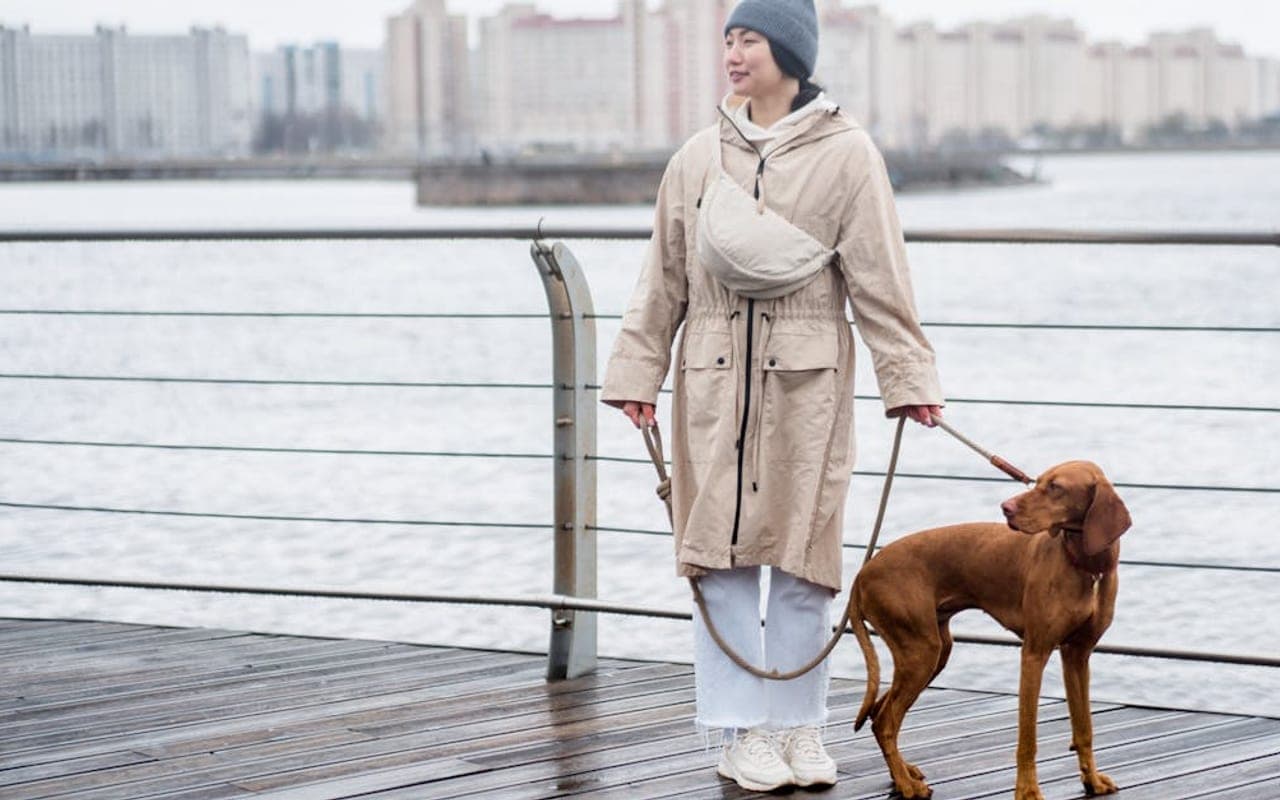
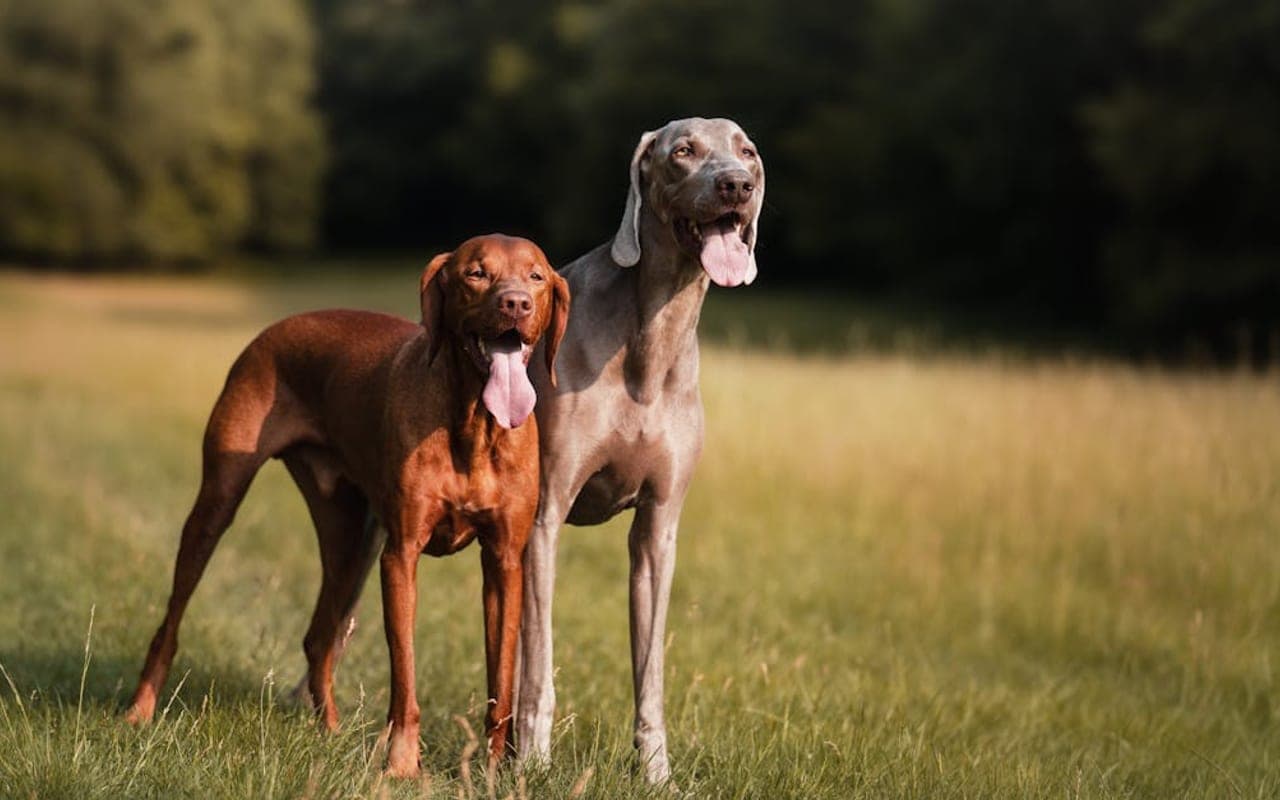
The Vizsla is a 61-69 cm, 23-32 kg Hungarian pointing breed — a lean, golden-rust gundog built for all-day fieldwork — and the most important thing to understand before getting one has nothing to do with health and everything to do with temperament: the Vizsla is the original 'Velcro dog,' and its exercise and companionship needs are far higher than its sleek, easygoing looks suggest.

Size
44-66 lb
Lifespan
10-14 years
Exercise
90+ minutes
Shedding
Low
Experience
Match to owner routine
Decision first
Is a Vizsla right for you?
Start with fit before history or trivia. These are ownership signals, not guarantees about any individual dog.
Best suited for
- Households with children.
- Homes with other compatible pets.
- Active owners who enjoy daily outdoor exercise.
Think carefully if
- You cannot provide substantial daily exercise.
- You cannot keep up with grooming and preventive care.
- The dog will spend most days alone without support.
Conditional fit
Apartment living may be difficult unless the owner can meet the breed's exercise, training, and space needs.
Daily reality
Vizsla commitment snapshot
Daily exercise
90+ minutes
Match activity to age, health, weather, and training goals.
Coat care
Low
Grooming needs vary by coat, shedding, and lifestyle.
Time alone
Needs planning
Most dogs need gradual alone-time conditioning and support.
Structured facts
Vizsla at a glance
The measurements and traits that most affect day-to-day life with this breed.
Origin
Hungary
Group
Sporting
Weight
44-66 lb
Height
21-25 in
Lifespan
10-14 years
Temperament
Gentle | Affectionate | Energetic | Loyal | Sensitive
View all characteristics and methodology
Lifestyle fit
- Apartment suitability
- Needs caution
- Child friendliness
- Often good, with socialisation and supervision
- Other-pet fit
- Often compatible with careful introductions
- Adaptability
- Moderate
Owner commitment
- Exercise
- 90+ minutes
- Grooming
- Low
- Shedding
- Low
- Training
- Very high
Environment and health
- Health risk
- Needs planning
Ratings combine structured breed data, visible breed fields, and editorial context. They are planning aids, not predictions for an individual dog.
Daily life
Vizsla temperament and behavior
The Vizsla is a 61-69 cm, 23-32 kg Hungarian pointing breed — a lean, golden-rust gundog built for all-day fieldwork — and the most important thing to understand before getting one has nothing to do with health and everything to do with temperament: the Vizsla is the original 'Velcro dog,' and its exercise and companionship needs are far higher than its sleek, easygoing looks suggest. This is not a breed you under-commit to and patch later. The two most common Vizsla failures are buying for the looks while underestimating the daily mileage, and adopting one for a home that is empty all day. Be direct about both. A Vizsla needs roughly 1-2 hours of genuine physical exercise daily — running, retrieving, hiking, dog sports — plus substantial mental work. An under-exercised Vizsla is destructive, vocal, and anxious; this is the single biggest source of Vizslas being rehomed. Equally, the breed bonds with almost pathological intensity to its people and is strongly predisposed to separation anxiety. A Vizsla left alone routinely for full workdays is a recipe for distress, destruction, and self-harm behaviors. It is, candidly, a high-input dog. For the owner who can meet that, the payoff is exceptional. Vizslas are affectionate to the point of leaning their whole body against you, gentle, sensitive, highly intelligent, and intensely trainable — they excel in field sports, agility, obedience, and as active-family companions. The short coat is low-grooming and lightly shedding, but the breed is thin-coated and low-fat, so it feels the cold and is not a backyard or outdoor-kennel dog; it lives indoors, with you, by design. Who the Vizsla is right for: an active person or family — runners, hikers, dog-sport handlers — who is home often and wants a deeply bonded, athletic companion. Who it is wrong for: a sedentary household, a frequently-empty home, or anyone wanting an independent, low-maintenance dog. The Vizsla gives you one of the most affectionate, capable gundogs alive; it asks for your time, daily and non-negotiably.
Gentle | Affectionate | Energetic | Loyal | Sensitive
Gentle
A common Vizsla temperament descriptor that should be interpreted alongside training, exercise, and household fit.
Affectionate
A common Vizsla temperament descriptor that should be interpreted alongside training, exercise, and household fit.
Energetic
A common Vizsla temperament descriptor that should be interpreted alongside training, exercise, and household fit.
Loyal
A common Vizsla temperament descriptor that should be interpreted alongside training, exercise, and household fit.
Owner note
Temperament labels are starting points, not guarantees. Meet the individual dog and ask about behavior history whenever possible.
Care essentials
How to care for a Vizsla
What looking after one actually involves: exercise, grooming, food, training, and routine health.
HealthAs needed
- Vizslas are generally a healthy breed. Potential concerns include hip dysplasia, epilepsy, lymphosarcoma, and eye conditions. They can be sensitive to anesthesia. Regular vet checkups and age-appropriate health screenings are recommended.
ExerciseAs needed
- Vizslas need extensive daily exercise — a minimum of 60-90 minutes of vigorous activity. They excel at running, hiking, swimming, and field work. A tired Vizsla is a good Vizsla; without adequate exercise, they can become anxious, destructive, and develop behavioral problems.
GroomingAs needed
- Vizslas are one of the easiest breeds to groom. Their short, smooth coat only needs weekly brushing. They are naturally clean dogs with minimal odor. Bathe only when necessary. Check and clean ears regularly, especially after swimming.
TrainingAs needed
- Vizslas are highly intelligent and eager to please, making them excellent training partners. They are sensitive dogs who respond best to gentle, positive methods — harsh corrections will damage their confidence. They excel in obedience, agility, tracking, and field trials.
NutritionAs needed
- Feed a high-quality sport or active-breed formula, about 2-3 cups daily divided into two meals. Vizslas have high metabolisms and may need more calories than similarly sized, less active breeds. Adjust portions based on activity level and body condition.
Health planning
Vizsla health risks and screening
Every breed has individual health variation. Use this profile for planning and discuss medical decisions with a veterinarian.
Ownership cost
How much does a Vizsla cost?
Cost figures are structured so first-year and lifetime estimates do not conflict with the underlying line items.
| Acquisition | $1,000-$3,000 |
|---|---|
| Routine monthly | About $130/month |
| Routine annual | About $1,560/year |
| First-year estimate | $2,560-$4,560 |
| Lifetime routine estimate | $15,600-$21,840 routine costs |
Currency: USD. Region: United States. Typical ranges for this breed. Equipment, insurance, emergency veterinary care, boarding and training are NOT included: we hold no sourced figures for them, and estimating them would be a guess presented as data.
Responsible ownership
Finding a Vizsla responsibly
What to ask a breeder or rescue is the same conversation for every breed, so we keep it in one place and keep it current.
Health documentation, meeting the parents or foster, contracts and return support, and the warning signs worth walking away from.
Original purpose
Vizsla history
History is useful when it explains today's behavior, coat, exercise needs, and training style.
Read the breed history
The Vizsla is one of the oldest pointing breeds, developed over centuries by Hungarian hunters and falconers to be a versatile gundog that could point, track, and retrieve both on land and in water. Ancestors of the breed are believed to have accompanied the Magyar tribes who settled the Carpathian Basin, and the dog became a prized companion of Hungarian nobility and landed estates, valued as much for its close-working, people-oriented temperament as for its field skill. The breed was nearly lost twice in the 20th century — devastated around the World Wars and again under post-war upheaval in Hungary — and survived through a small number of dedicated breeders, which is part of why its modern population traces back to a limited founding base. That close, all-day partnership with a single handler is the historical root of the breed's defining modern traits: intense human attachment, high biddability, and a need to be physically with its people rather than worked at a distance.
Gallery
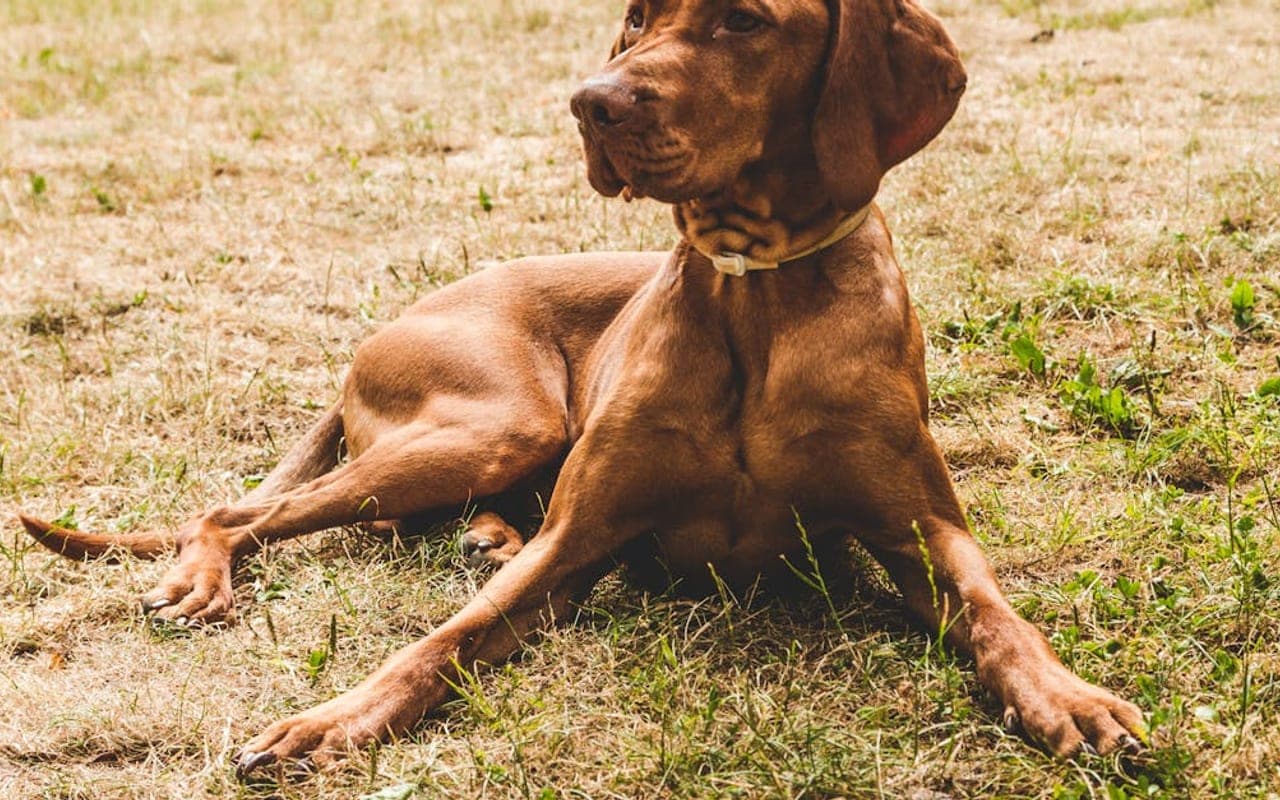
Vizsla photos
Images are cropped consistently and loaded progressively to keep the page responsive.
Lower-page context
Vizslas in culture
Where the breed shows up in film, sport, work and folklore — the enjoyable part, once the practical questions are answered.
Fun facts
- Vizslas are often called "Velcro dogs" because they want to be touching their owners at all times — they will lean against you, sit on your feet, or follow you from room to room
- They are the first and so far only breed to produce a quintuple champion (AKC champion in five different disciplines)
- Vizslas were nearly extinct after World War II — dedicated breeders smuggled them out of Soviet-controlled Hungary to save the breed
- Stone etchings from the 10th century showing Magyar hunters with Vizsla-like dogs are among the earliest breed-specific art
- Vizslas have no undercoat, which means they are not well-suited to cold climates without a jacket
Vizsla FAQs
How much exercise does a Vizsla really need?
Far more than its sleek looks suggest — about 1-2 hours of genuine aerobic work daily, such as running, retrieving, hiking, swimming, or dog sports, plus real mental stimulation on top. A leisurely neighborhood walk is maintenance, not enough. Under-exercising a Vizsla is the single most common cause of destructive, anxious, and vocal behavior and of the breed being rehomed. This is a high-input working dog living in a companion's body.
Are Vizslas prone to separation anxiety?
Strongly, yes — it is one of the breed's defining traits. Vizslas bond with unusual intensity to their people (the 'Velcro dog' nickname is earned) and are highly predisposed to separation distress when left alone for long stretches. A Vizsla in a home that is empty all workday, without deliberate alone-time training and daytime company, is a serious risk for destructive and self-injurious behavior. Build tolerance gradually from puppyhood and plan for company.
Do Vizslas shed and need much grooming?
Grooming is one of the easiest things about the breed. The short, dense coat sheds only lightly and needs just a weekly rubdown or soft-brush, with nails every 3-4 weeks and weekly ear checks. The trade-off is that the coat is thin and the dog is lean and low-fat, so Vizslas feel the cold and wet easily — they need a coat in harsh weather and must live indoors. Low grooming does not mean an outdoor dog.
Are Vizslas good family dogs and good with children?
Yes, for an active family that is home often. Vizslas are affectionate, gentle, sensitive, and highly people-oriented, and they typically do very well with children and other dogs when well socialized. The caveats are activity and attachment, not temperament: a Vizsla needs the family to meet its substantial exercise needs and not leave it alone all day. In a busy, active household it is an outstanding companion; in a sedentary or empty one it struggles.
How long do Vizslas live and what should I watch for as they age?
Typically around 10-14 years. The breed is generally athletic and robust, but two things deserve attention with age: epilepsy is over-represented (a first seizure warrants a proper veterinary workup, not home monitoring), and the breed carries an elevated risk of certain cancers such as lymphoma and mast cell tumors. New or fast-changing lumps and unexplained drops in energy or appetite should be assessed promptly, since early detection meaningfully improves outcomes.
Sources
These are the published sources this page draws on. Each opens in a new tab so you can check it yourself.
American Kennel Club
Vizsla — breed standard and profile(opens in a new tab)Supports: Breed standard and recognition details.
Similar breeds to consider
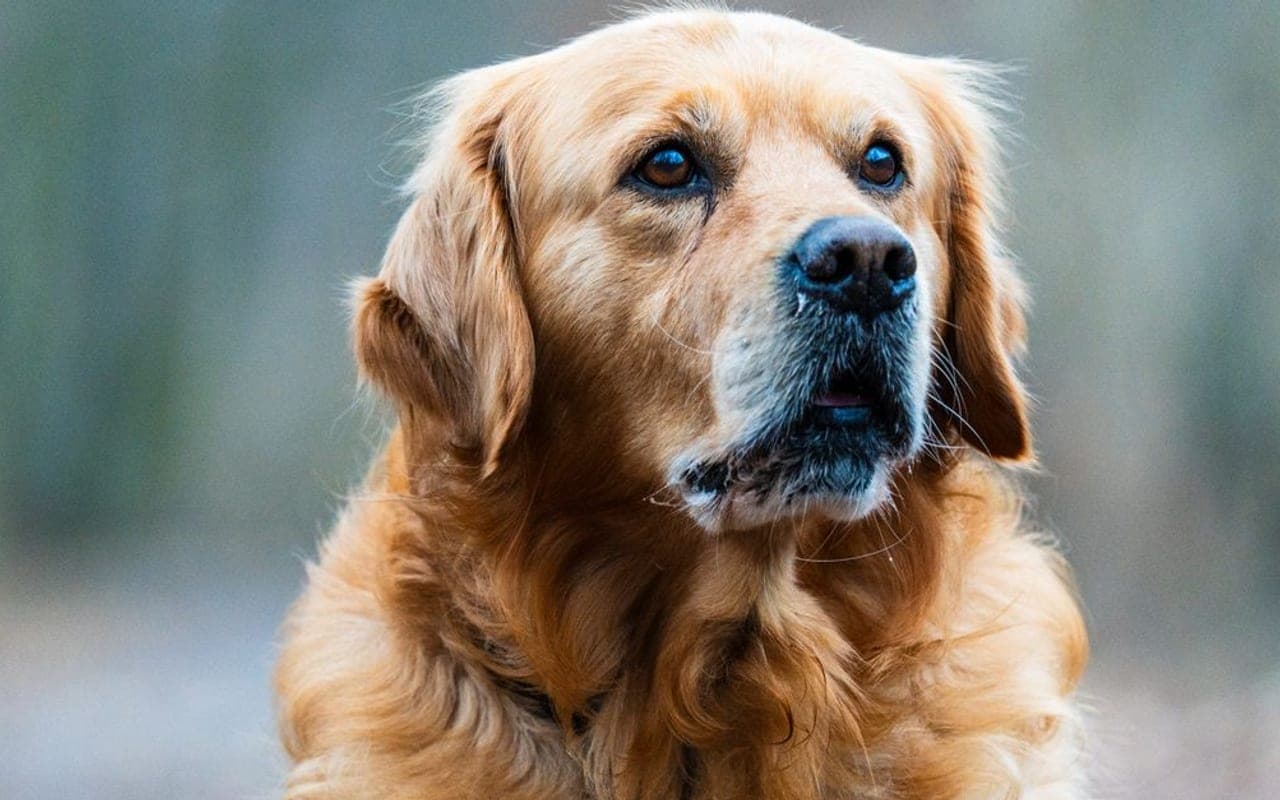
Golden Retriever
Also in the Sporting group, with different care and temperament tradeoffs.
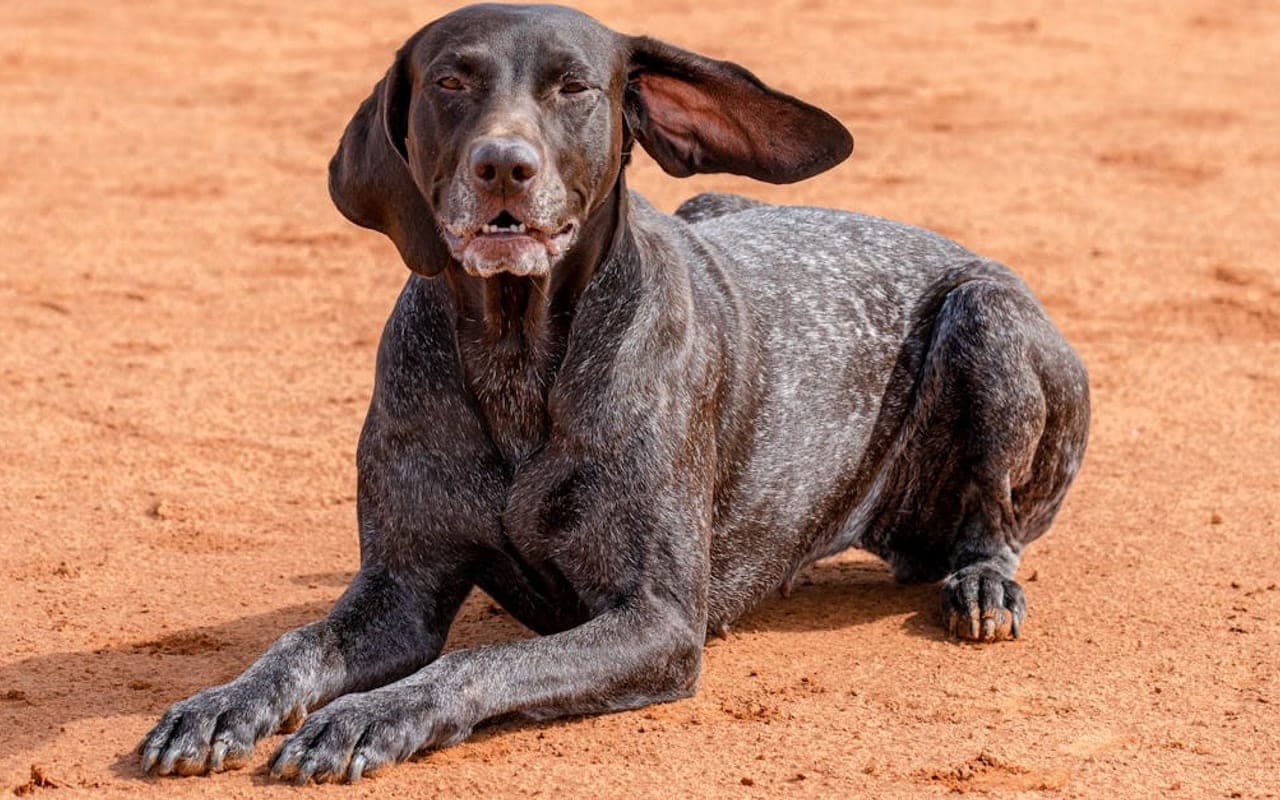
German Shorthaired Pointer
Also in the Sporting group, with different care and temperament tradeoffs.
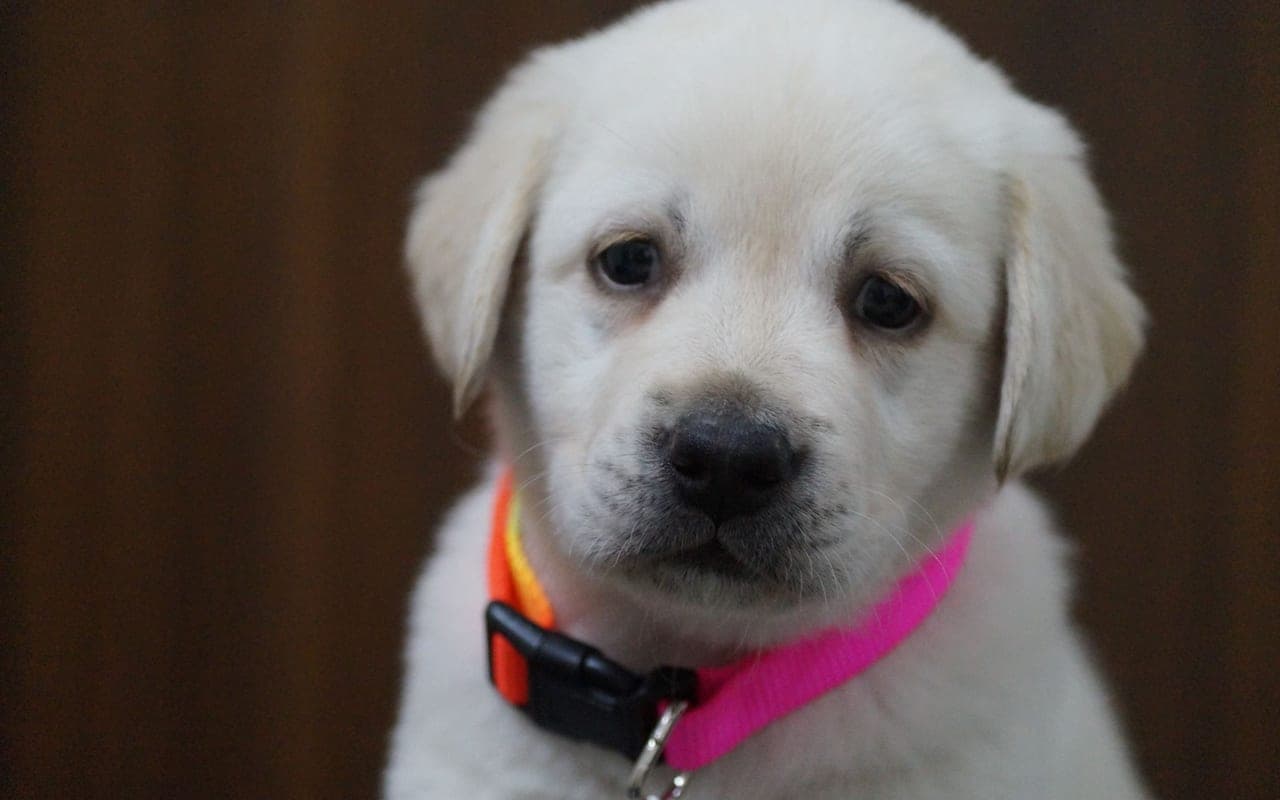
Labrador Retriever
Also in the Sporting group, with different care and temperament tradeoffs.
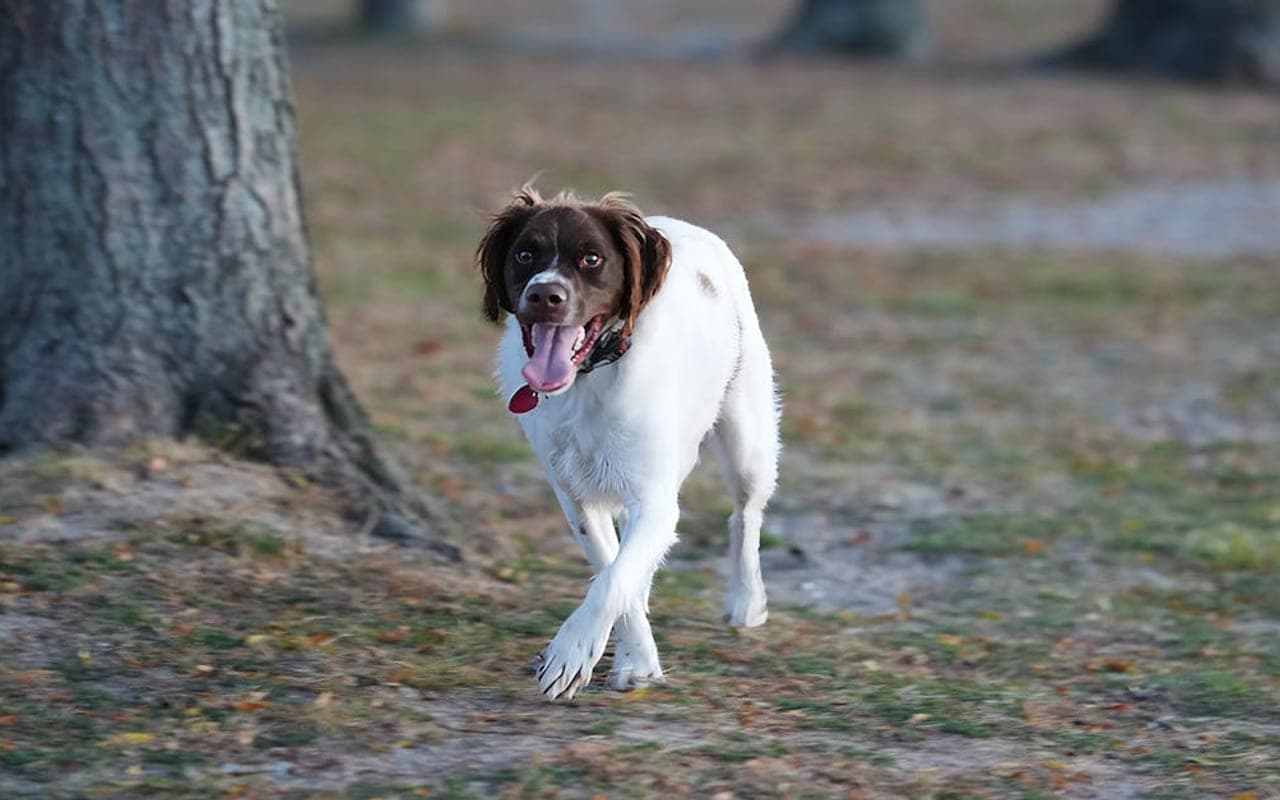
Brittany
Also in the Sporting group, with different care and temperament tradeoffs.
Explore More About Vizsla
Dive deeper into everything Vizsla — costs, care, and expert insights.
How Much Does a Vizsla Cost?
Purchase price, monthly costs, and lifetime expenses
Large Dog Care Guide: Everything Over 50 lbs
Owning a large or giant breed dog means accepting one of biology's...
Puppy Teething & Biting: Timeline and What Actually Works
A puppy has all 28 deciduous ("baby") teeth by roughly eight weeks of age, and...
Considering a cat instead?
Browse Cats