
Foundation Stock Service group
Volpino Italiano
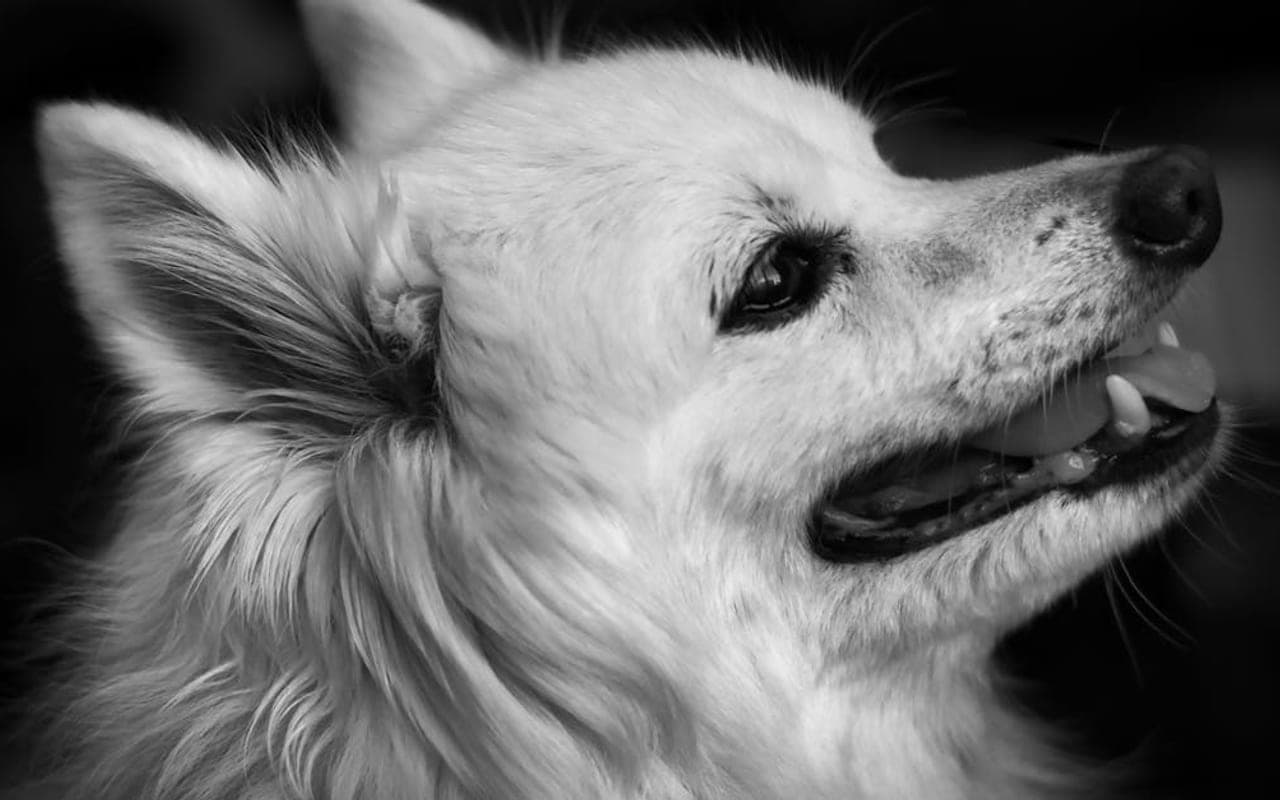
The Volpino Italiano is a small Italian spitz — prick ears, a curled tail over the back, and a stand-off double coat that gives it the fox-like silhouette its name describes (volpe is Italian for fox).



Size
7-11 lb
Lifespan
12-15 years
Exercise
30-60 minutes
Shedding
Moderate
Experience
Match to owner routine
Decision first
Is a Volpino Italiano right for you?
Start with fit before history or trivia. These are ownership signals, not guarantees about any individual dog.
Best suited for
- Households with children.
- Homes with other compatible pets.
- Owners seeking a manageable daily exercise routine.
Think carefully if
- You need a dog with almost no daily routine.
- You cannot keep up with grooming and preventive care.
- The dog will spend most days alone without support.
Conditional fit
Apartment living may be difficult unless the owner can meet the breed's exercise, training, and space needs.
Daily reality
Volpino Italiano commitment snapshot
Daily exercise
30-60 minutes
Match activity to age, health, weather, and training goals.
Coat care
Moderate
Grooming needs vary by coat, shedding, and lifestyle.
Time alone
Needs planning
Most dogs need gradual alone-time conditioning and support.
Structured facts
Volpino Italiano at a glance
The measurements and traits that most affect day-to-day life with this breed.
Group
Foundation Stock Service
Weight
7-11 lb
Height
10-12 in
Lifespan
12-15 years
View all characteristics and methodology
Lifestyle fit
- Apartment suitability
- Needs caution
- Child friendliness
- Often good, with socialisation and supervision
- Other-pet fit
- Often compatible with careful introductions
Owner commitment
- Exercise
- 30-60 minutes
- Grooming
- Moderate
- Shedding
- Moderate
Environment and health
- Health risk
- Needs planning
Ratings combine structured breed data, visible breed fields, and editorial context. They are planning aids, not predictions for an individual dog.
Daily life
Volpino Italiano temperament and behavior
The Volpino Italiano is a small Italian spitz — prick ears, a curled tail over the back, and a stand-off double coat that gives it the fox-like silhouette its name describes (volpe is Italian for fox). Adults stand roughly 27-30 cm at the withers and weigh about 4-6 kg (9-14 lb). It looks like a white Pomeranian and shares spitz ancestry, but it is a distinct, very old companion breed, not a Pom variant. The defining behavioral fact is the one most prospective owners underestimate: this is a hard-wired watchdog in a toy-dog body. It is loud, alert, and territorial by design. Temperament is bright, devoted, fearless, and intensely bonded to its people. Volpinos are playful and trainable but also vocal — they bark at activity, noises, and strangers because that was historically their job. Without early socialization and a deliberate plan to manage barking, that trait becomes the single biggest reason owners struggle with the breed, especially in apartments or shared walls. The coat is a real, recurring commitment. The dense, harsh-textured double coat with a thick undercoat needs frequent brushing or it mats to the skin, and it sheds seasonally in heavy bursts. This is not a wash-and-go dog. Who the Volpino Italiano is right for: an owner who wants a small, long-lived (often 14-16 years), devoted, energetic companion-watchdog, will train and socialize the barking early, and accepts 20-30 minutes of grooming a week. Who it is wrong for: someone wanting a quiet lap dog, a low-grooming coat, a dog that tolerates long days alone, or a soft, non-vocal toy breed. Choose this dog for the temperament and the grooming reality, not for the resemblance to a fluffy Pomeranian.
Owner note
Temperament labels are starting points, not guarantees. Meet the individual dog and ask about behavior history whenever possible.
Care essentials
How to care for a Volpino Italiano
What looking after one actually involves: exercise, grooming, food, training, and routine health.
NutritionAs needed
- Feed high-quality dog food appropriate for age and size.
Health planning
Volpino Italiano health risks and screening
Every breed has individual health variation. Use this profile for planning and discuss medical decisions with a veterinarian.
Responsible ownership
Finding a Volpino Italiano responsibly
What to ask a breeder or rescue is the same conversation for every breed, so we keep it in one place and keep it current.
Health documentation, meeting the parents or foster, contracts and return support, and the warning signs worth walking away from.
Original purpose
Volpino Italiano history
History is useful when it explains today's behavior, coat, exercise needs, and training style.
Read the breed history
The Volpino Italiano is an ancient European spitz, descended from the same broad spitz lineage as the German Spitz and Pomeranian but developed and refined in Italy over many centuries. Records and artwork place fox-like white spitz dogs in Italy back to at least the Renaissance, where the Volpino was prized at two very different ends of society: as a cherished lapdog of Italian noblewomen and court ladies, and as a small, ferociously alert farmyard watchdog that would raise the alarm and wake the larger guard mastiffs. That dual history is exactly why the modern dog is both intensely affectionate and constitutionally loud — both traits were selected for, not accidental. The Italian Kennel Club (ENCI) wrote the first breed standard in 1903, and the breed is recognized by the Fédération Cynologique Internationale under standard 195 (since 1956) and entered the American Kennel Club Foundation Stock Service in 2021. The Volpino nearly died out in the mid-20th century — down to a handful of dogs — and survived only through a deliberate Italian recovery effort, which is why the gene pool is small and breeder selection matters.
Gallery
Volpino Italiano photos
Images are cropped consistently and loaded progressively to keep the page responsive.
Lower-page context
Volpino Italianos in culture
Where the breed shows up in film, sport, work and folklore — the enjoyable part, once the practical questions are answered.
Fun facts
- With proper care, this breed can live 12 to 15 years.
Volpino Italiano FAQs
Do Volpino Italianos bark a lot?
Yes — heavily, and it is the breed's number-one owner challenge. The Volpino was bred for centuries as a farm and household watchdog whose job was to raise the alarm at every noise and stranger. That instinct is hard-wired, not a training failure. You can manage it with early socialization, a taught 'enough' cue, rewarding quiet, and preventing boredom, but you cannot remove it. If you live with shared walls or want a quiet dog, this breed is a poor fit; budget deliberate bark-management training from week one.
How long do Volpino Italianos live?
The Volpino is a notably long-lived small breed, commonly reaching 14 to 16 years with good care. The factors that actually determine where a given dog lands are weight (lean dogs protect their knees), dental maintenance, and whether the eyes were screened — an undiagnosed primary lens luxation or untreated cataracts degrades quality of life well before the end of the lifespan. Buy from screened lines and keep the dog lean and you are realistically planning for a 15-year companion.
How much grooming does a Volpino Italiano need?
Substantial — far more than the toy-dog look suggests. The harsh double coat with a thick undercoat needs line-brushing to the skin 3-4 times a week (20-30 minutes) to prevent dense mats behind the ears, in the armpits, and on the trousers, plus daily brushing for 2-3 weeks during each seasonal shed. Bathe only every 6-8 weeks and never shave the coat — shaving disrupts insulation and often regrows poorly. If low-grooming is a priority, this is the wrong breed.
Are Volpino Italianos good apartment dogs?
Only conditionally. Their small size and devotion suit apartment square footage, but the breed's reflexive barking at every hallway noise and the energy level that needs 30-45 minutes of daily exercise plus mental work make them a challenge in close quarters. They can succeed in an apartment with an owner who commits to bark-management training, daily exercise, and not leaving the dog isolated for long days — isolation and boredom intensify the barking. Without that commitment, expect noise complaints.
What is primary lens luxation and why does it matter for this breed?
Primary lens luxation (PLL) is the Volpino's signature inherited eye disease: the fibers holding the lens in place break down and the lens slips out of position, causing severe pain, glaucoma, and blindness — often within hours of an acute event. It is an ophthalmic emergency. The critical owner action is preventive: a DNA test identifies clear, carrier, and at-risk dogs, so buy only from a breeder who has tested the parents, and treat any sudden squinting, redness, or cloudy eye as a same-day vet visit.
What does a Volpino Italiano cost to own?
Because the breed nearly went extinct and the gene pool is small, well-bred screened puppies are scarce and priced accordingly, with regional variation. The hidden costs that matter more than purchase price are health-screening-related: a single primary lens luxation surgery or glaucoma management can run into the thousands, and patellar luxation correction is a realistic surgical expense. Buying from a breeder who DNA-tests for PLL and vWD and OFA-screens patellas is the cheapest insurance available in this breed.
Sources
These are the published sources this page draws on. Each opens in a new tab so you can check it yourself.
American Kennel Club
Volpino Italiano — breed standard and profile(opens in a new tab)Supports: Breed standard and recognition details.
Similar breeds to consider

Jagdterrier
Also in the Foundation Stock Service group, with different care and temperament tradeoffs.

Jindo
Also in the Foundation Stock Service group, with different care and temperament tradeoffs.
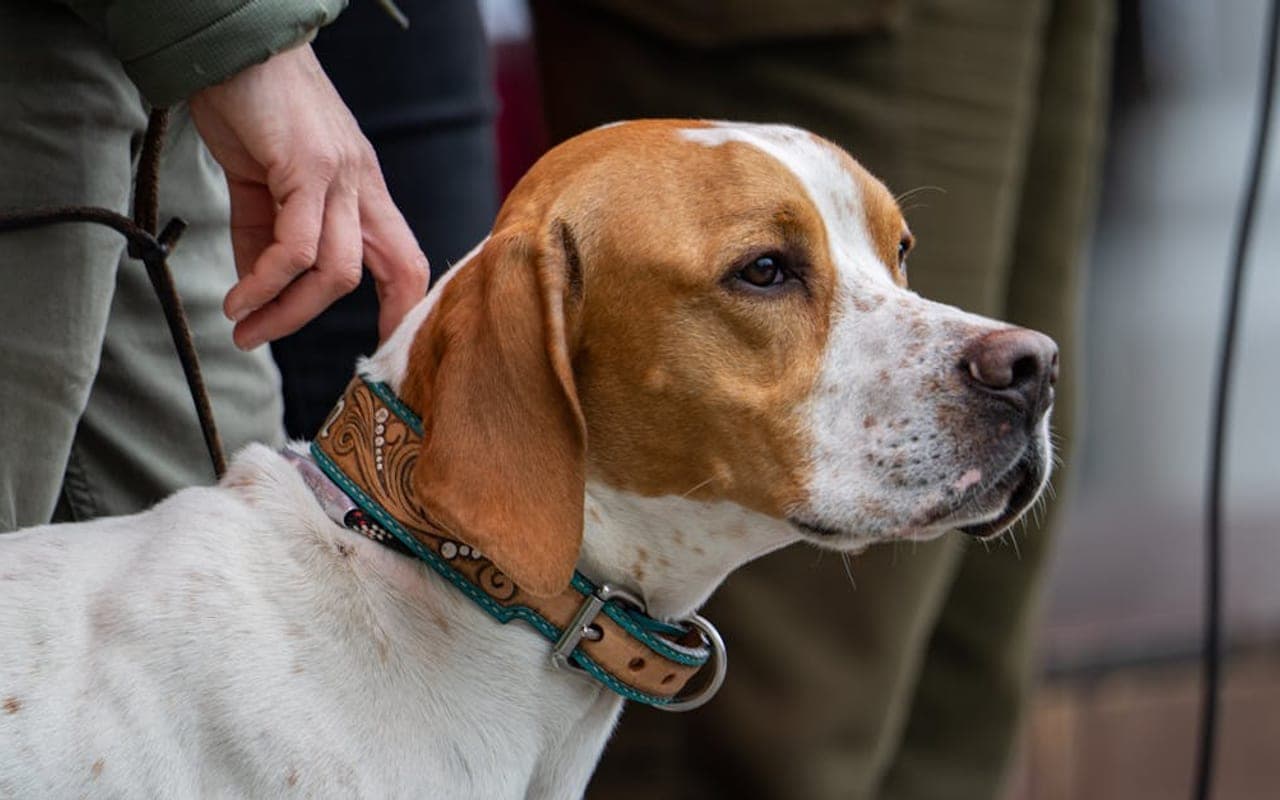
Portuguese Pointer
Also in the Foundation Stock Service group, with different care and temperament tradeoffs.
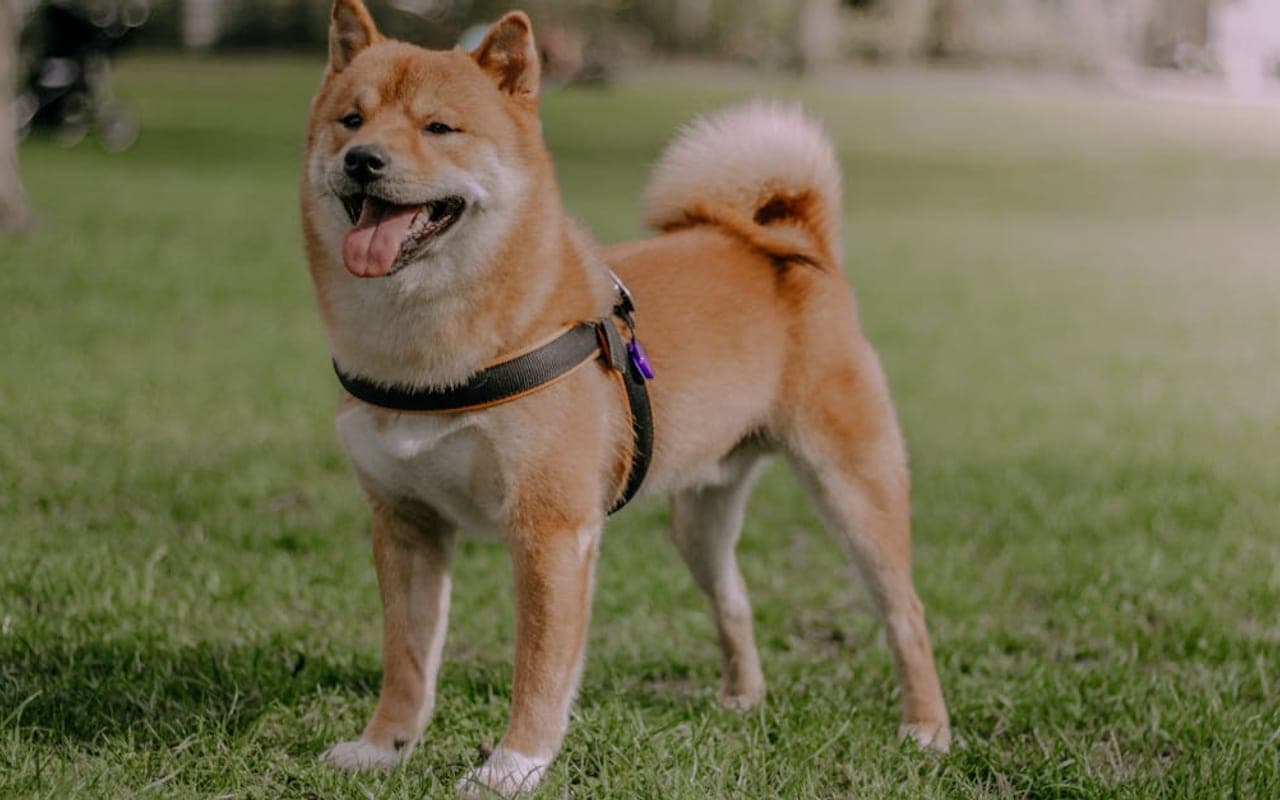
Kishu Ken
Also in the Foundation Stock Service group, with different care and temperament tradeoffs.
Explore More About Volpino Italiano
Dive deeper into everything Volpino Italiano — costs, care, and expert insights.
Considering a cat instead?
Browse Cats