
Sporting group
Welsh Springer Spaniel
The Welsh Springer Spaniel is one of Britain's oldest sporting breeds — a medium-sized, hard-working bird dog built to flush and retrieve game across rough Welsh terrain in any weather.
Size
35-55 lb
Lifespan
12-15 years
Exercise
30-60 minutes
Shedding
Moderate
Experience
Match to owner routine
Decision first
Is a Welsh Springer Spaniel right for you?
Start with fit before history or trivia. These are ownership signals, not guarantees about any individual dog.
Best suited for
- Households with children.
- Homes with other compatible pets.
- Apartment homes with a consistent routine.
- Owners seeking a manageable daily exercise routine.
Think carefully if
- You need a dog with almost no daily routine.
- You cannot keep up with grooming and preventive care.
- The dog will spend most days alone without support.
Conditional fit
Apartment fit depends on exercise, enrichment, noise management, and outdoor access.
Daily reality
Welsh Springer Spaniel commitment snapshot
Daily exercise
30-60 minutes
Match activity to age, health, weather, and training goals.
Coat care
Moderate
Grooming needs vary by coat, shedding, and lifestyle.
Time alone
Needs planning
Most dogs need gradual alone-time conditioning and support.
Structured facts
Welsh Springer Spaniel at a glance
The measurements and traits that most affect day-to-day life with this breed.
Group
Sporting
Weight
35-55 lb
Height
17-19 in
Lifespan
12-15 years
Temperament
Happy | Reserved | Upbeat
View all characteristics and methodology
Lifestyle fit
- Apartment suitability
- Likely fit
- Child friendliness
- Often good, with socialisation and supervision
- Other-pet fit
- Often compatible with careful introductions
Owner commitment
- Exercise
- 30-60 minutes
- Grooming
- Moderate
- Shedding
- Moderate
- Training
- Moderate
Environment and health
- Health risk
- Needs planning
Ratings combine structured breed data, visible breed fields, and editorial context. They are planning aids, not predictions for an individual dog.
Daily life
Welsh Springer Spaniel temperament and behavior
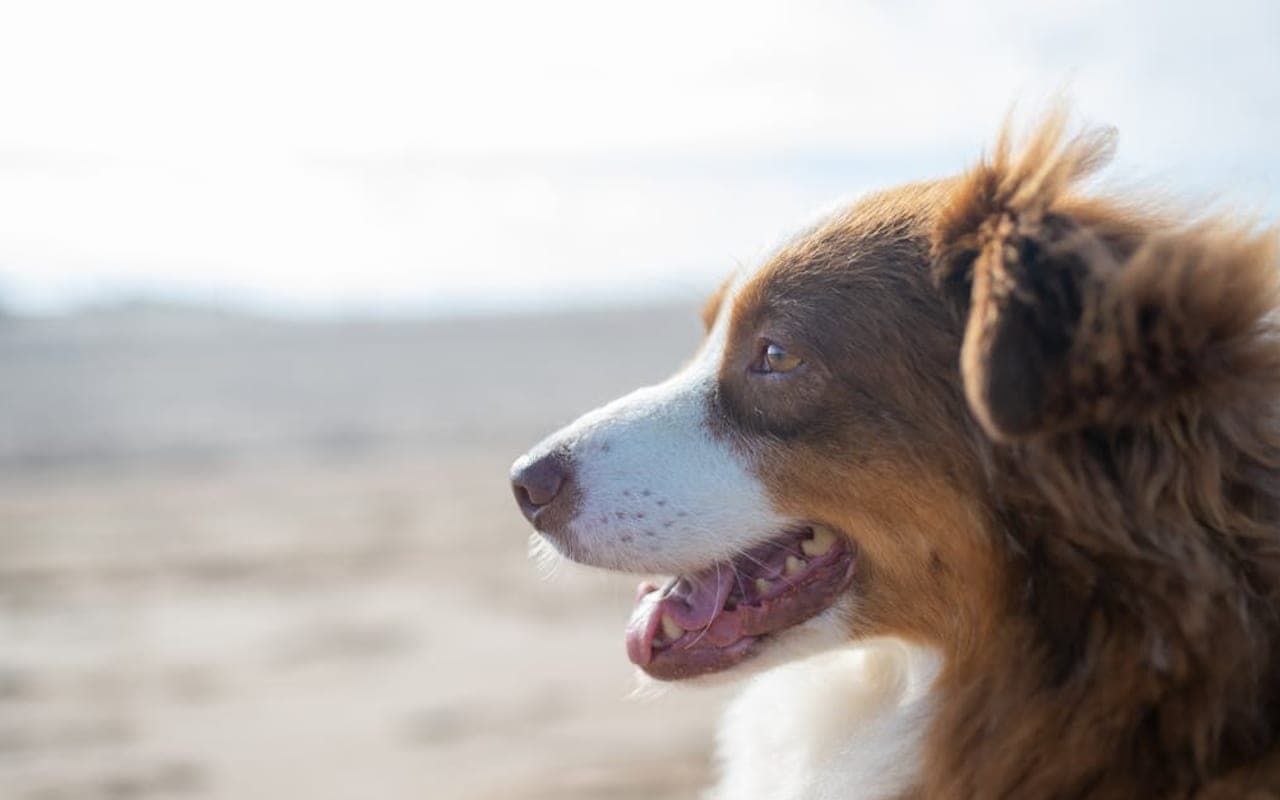
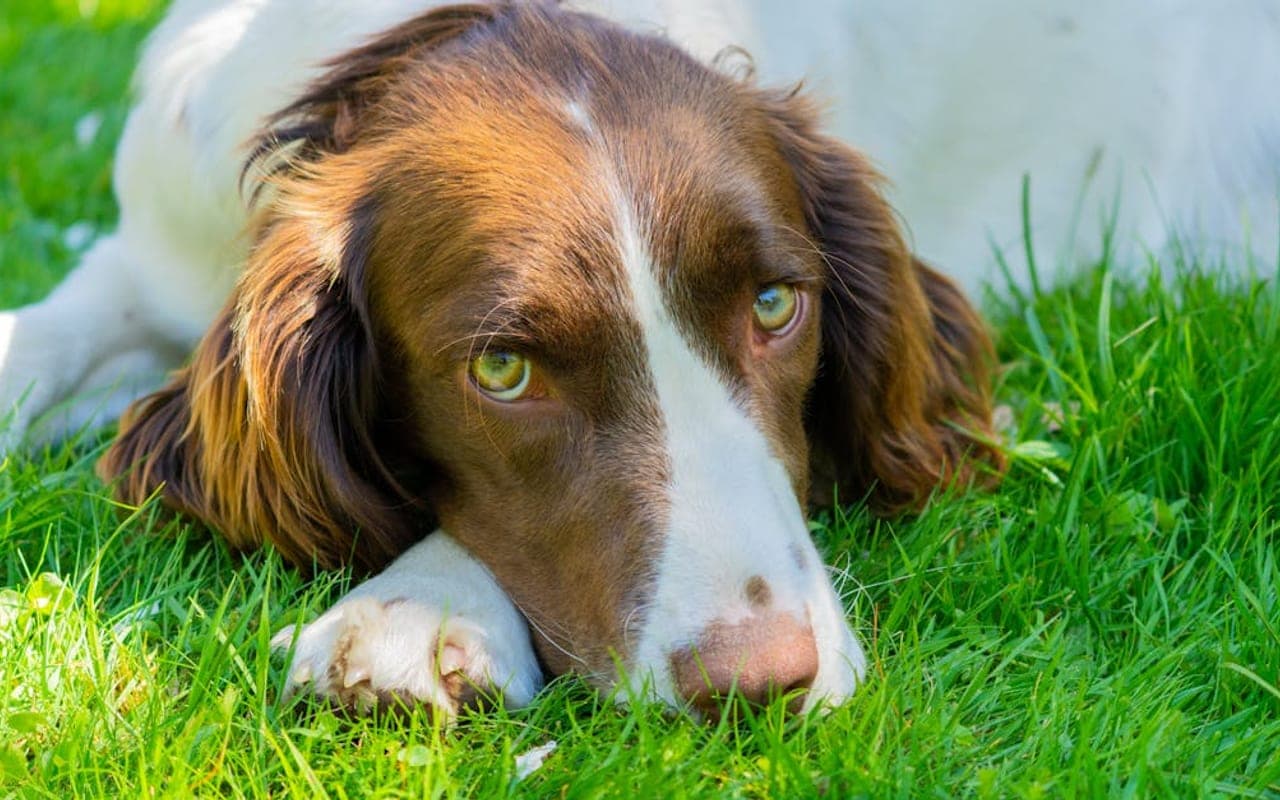
The Welsh Springer Spaniel is one of Britain's oldest sporting breeds — a medium-sized, hard-working bird dog built to flush and retrieve game across rough Welsh terrain in any weather. It is constantly confused with the English Springer Spaniel and the Cocker, and the differences matter to ownership: the Welshie is its own ancient breed, slightly smaller and stockier than the English Springer (17-19 inches, roughly 35-55 pounds), with a single hallmark coat — always rich red and white, never any other color — that is naturally weatherproof, waterproof, and thornproof. Temperament is the headline. The Welshie is happy and tireless in the field but distinctly more reserved and one-family-oriented than the famously gregarious English Springer. They bond intensely, can be aloof or wary with strangers, and are prone to separation-related stress if left alone for long stretches. They are sensitive, soft dogs — harsh training backfires badly — and they have real working stamina and a strong nose, which means a Welshie that isn't exercised and engaged becomes anxious and destructive rather than calm. Who the Welsh Springer is right for: an active owner or family who is home a good deal of the day, wants a devoted, gentle, athletic companion for hiking, hunting, or dog sports, and will train with patience and reward rather than correction. Who it is wrong for: a household away long hours, anyone wanting an instantly social butterfly that loves every stranger, or a sedentary home that mistakes 'spaniel' for 'low-key.' The reservedness and the velcro attachment are the breed's defining trade-off — wonderful for the right owner, a source of anxiety problems for the wrong one. Decide on time-at-home and exercise honestly.
Happy | Reserved | Upbeat
Happy
A common Welsh Springer Spaniel temperament descriptor that should be interpreted alongside training, exercise, and household fit.
Reserved
A common Welsh Springer Spaniel temperament descriptor that should be interpreted alongside training, exercise, and household fit.
Upbeat
A common Welsh Springer Spaniel temperament descriptor that should be interpreted alongside training, exercise, and household fit.
Owner note
Temperament labels are starting points, not guarantees. Meet the individual dog and ask about behavior history whenever possible.
Care essentials
How to care for a Welsh Springer Spaniel
What looking after one actually involves: exercise, grooming, food, training, and routine health.
ExerciseAs needed
- Moderately active breed needing 30-60 minutes of daily exercise.
GroomingAs needed
- Brush 2-3 times per week.
TrainingAs needed
- Consistent, patient training works best.
NutritionAs needed
- Feed high-quality dog food appropriate for age, size, and activity level.
Veterinary CareAs needed
- Annual wellness exams, vaccinations, dental care, and parasite prevention.
Health planning
Welsh Springer Spaniel health risks and screening
Every breed has individual health variation. Use this profile for planning and discuss medical decisions with a veterinarian.
Responsible ownership
Finding a Welsh Springer Spaniel responsibly
What to ask a breeder or rescue is the same conversation for every breed, so we keep it in one place and keep it current.
Health documentation, meeting the parents or foster, contracts and return support, and the warning signs worth walking away from.
Original purpose
Welsh Springer Spaniel history
History is useful when it explains today's behavior, coat, exercise needs, and training style.
Read the breed history
The Welsh Springer Spaniel descends from the ancient red-and-white land spaniels of Wales, dogs used for centuries to spring (flush) game into nets, and later for the gun, across the demanding hill country of the Welsh Marches. Red-and-white spaniels of this type appear in British art and writing well before the modern breed era, making the Welshie one of the oldest recognizable sporting breeds in Britain. As the spaniel family was formally separated in the 19th and early 20th centuries, the Welsh Springer was distinguished from the English Springer and the Cockers by its fixed red-and-white coat, its slightly smaller build, and its more reserved character. It was recognized by The Kennel Club (UK) and later by the American Kennel Club (1906, with the modern standard reaffirmed in the 20th century). The working history explains the modern dog directly: the stamina, the strong nose, the weatherproof coat, and the close, sensitive partnership with one handler all come from generations of close-working gun-dog selection.
Gallery
Welsh Springer Spaniel photos
Images are cropped consistently and loaded progressively to keep the page responsive.
Lower-page context
Welsh Springer Spaniels in culture
Where the breed shows up in film, sport, work and folklore — the enjoyable part, once the practical questions are answered.
Fun facts
- The Welsh Springer Spaniel belongs to the Sporting Group.
- The average lifespan of a Welsh Springer Spaniel is 12 to 15 years.
- Welsh Springer Spaniel dogs are valued for their happy, reserved, upbeat nature.
Welsh Springer Spaniel FAQs
How long do Welsh Springer Spaniels live?
A healthy Welsh Springer Spaniel typically lives 12-15 years, which is solid for a medium-sized sporting dog. The conditions most likely to affect quality of life in those years are glaucoma (which threatens vision and is painful) and joint disease from hip or elbow dysplasia. Dogs from parent-club-screened lines whose owners stay alert to eye changes and keep weight controlled most reliably reach the upper end of that range.
Are Welsh Springer Spaniels good with children?
Yes, with their own family — Welshies are gentle, patient, and devoted, and generally excellent with children they are raised with. The breed's reserved nature means they may be wary or shy with unfamiliar children and visitors rather than instantly friendly, so early, positive socialization matters. They are sensitive dogs, so households should be calm rather than chaotic, and as always, young children should be supervised and taught gentle handling.
How much exercise does a Welsh Springer Spaniel need?
A lot — plan on 60-90 minutes of vigorous daily activity plus mental work. This is a stamina-built gun dog with a strong nose; leashed strolls alone will not satisfy it. Running, swimming, fetch, scent games, or actual field work are ideal. An under-exercised Welshie does not just get restless — combined with the breed's attachment to people, it tends toward anxiety, barking, and destructive behavior. Exercise is welfare here, not optional enrichment.
Can a Welsh Springer Spaniel be left alone during the workday?
Not comfortably. This breed is notably people-oriented and prone to separation-related distress when left alone for long stretches — it is one of the defining trade-offs of owning one. A household that is out 8+ hours a day should plan doggy daycare, a midday walker, or a second compatible dog, or honestly reconsider the breed. Chronic isolation in a Welshie produces real behavior and welfare problems, not just minor boredom.
Why is glaucoma a specific concern for this breed?
The Welsh Springer Spaniel is predisposed to primary narrow-angle glaucoma, an inherited tendency toward a drainage-angle abnormality that causes intraocular pressure to spike. It is both extremely painful and capable of destroying vision within hours to days if untreated. Practically: learn the warning signs — a red, cloudy, or bulging eye, squinting, tearing, rubbing, or sudden clumsiness in dim light — and treat any of them as a same-day emergency. Buying from lines with ophthalmologist eye clearances reduces, though does not eliminate, the risk.
How much does a Welsh Springer Spaniel cost?
Expect roughly $1,500-$3,000 for a well-bred Welsh Springer puppy from a breeder doing parent-club-recommended screening (hips, elbows, eyes/gonioscopy, thyroid) — they are an uncommon breed, so litters are scarce and waitlists are common. The recurring hidden cost is the ears: chronic otitis management can run $200-$600+ a year if hygiene lapses, and emergency glaucoma treatment or surgery is far more. Documented eye and hip clearances on the parents are the most cost-effective protection you can buy.
Sources
These are the published sources this page draws on. Each opens in a new tab so you can check it yourself.
American Kennel Club
Welsh Springer Spaniel — breed standard and profile(opens in a new tab)Supports: Breed standard and recognition details.
Similar breeds to consider
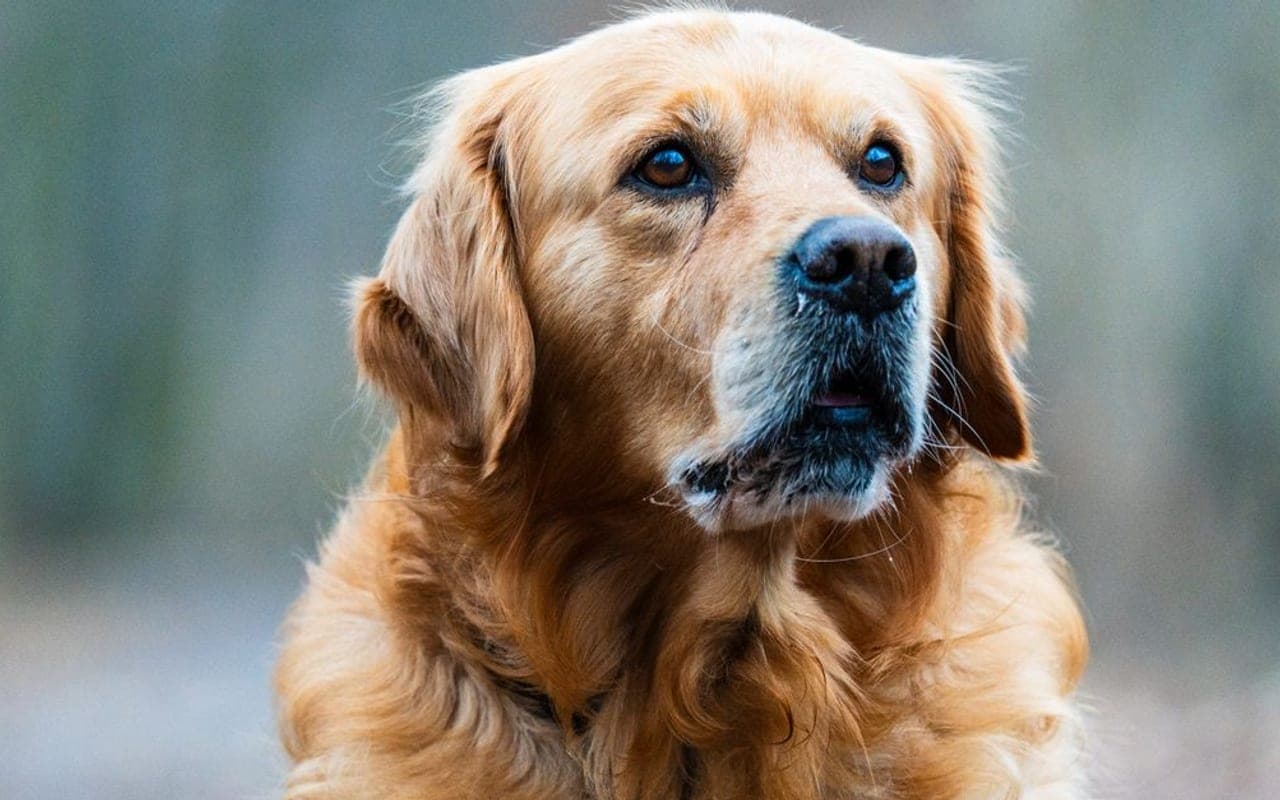
Golden Retriever
Also in the Sporting group, with different care and temperament tradeoffs.
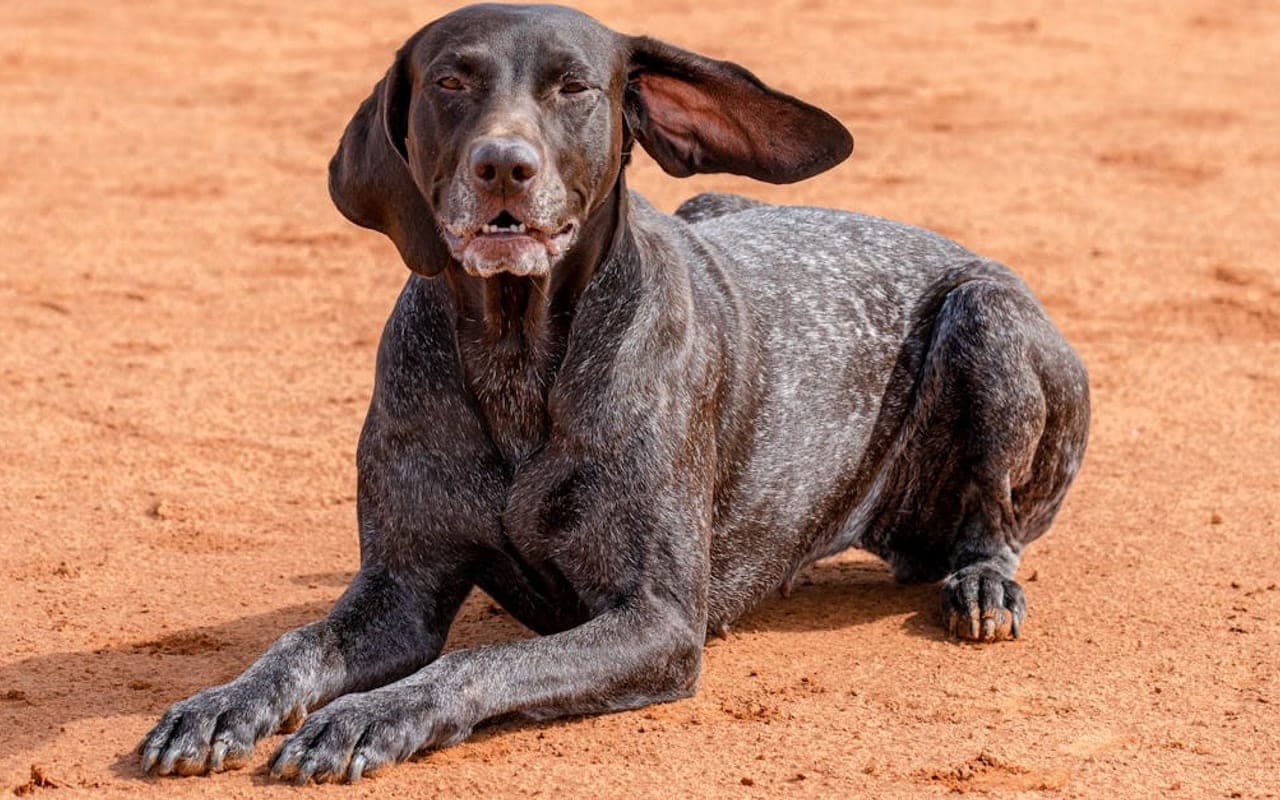
German Shorthaired Pointer
Also in the Sporting group, with different care and temperament tradeoffs.
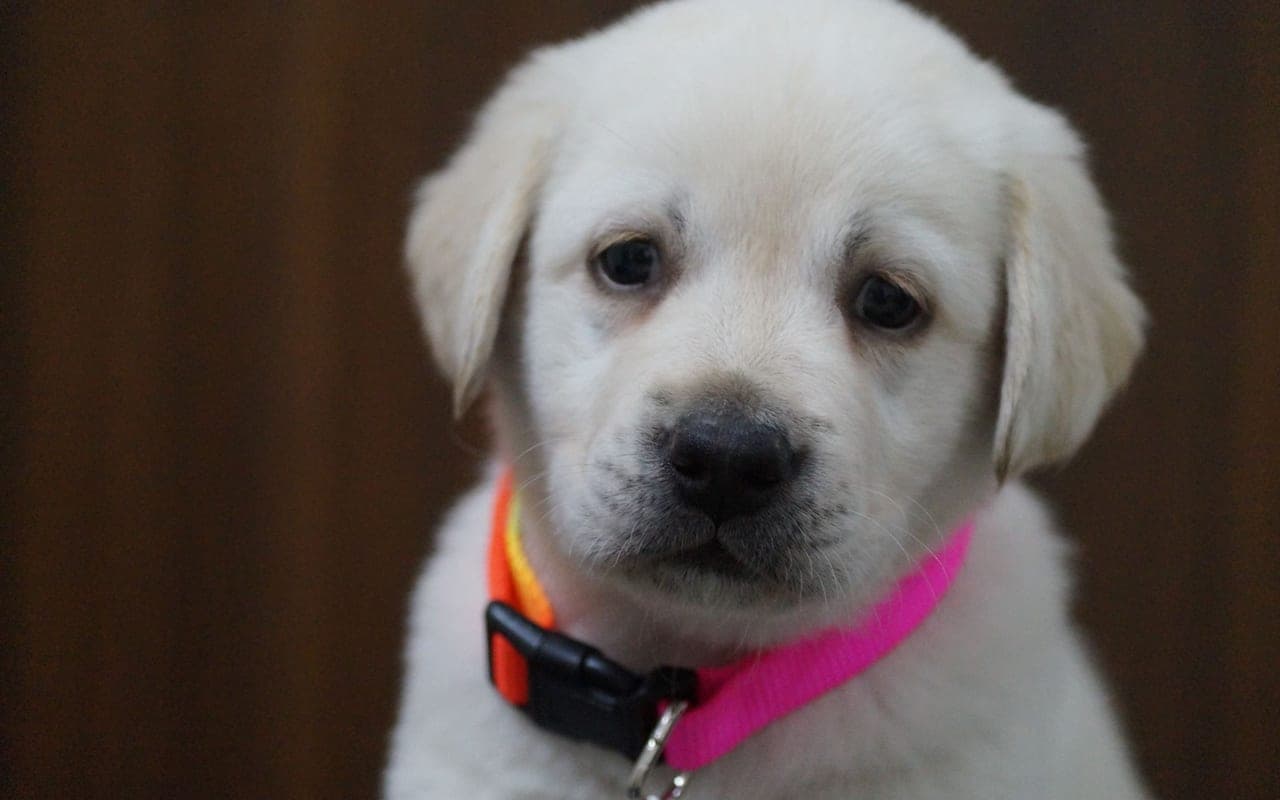
Labrador Retriever
Also in the Sporting group, with different care and temperament tradeoffs.
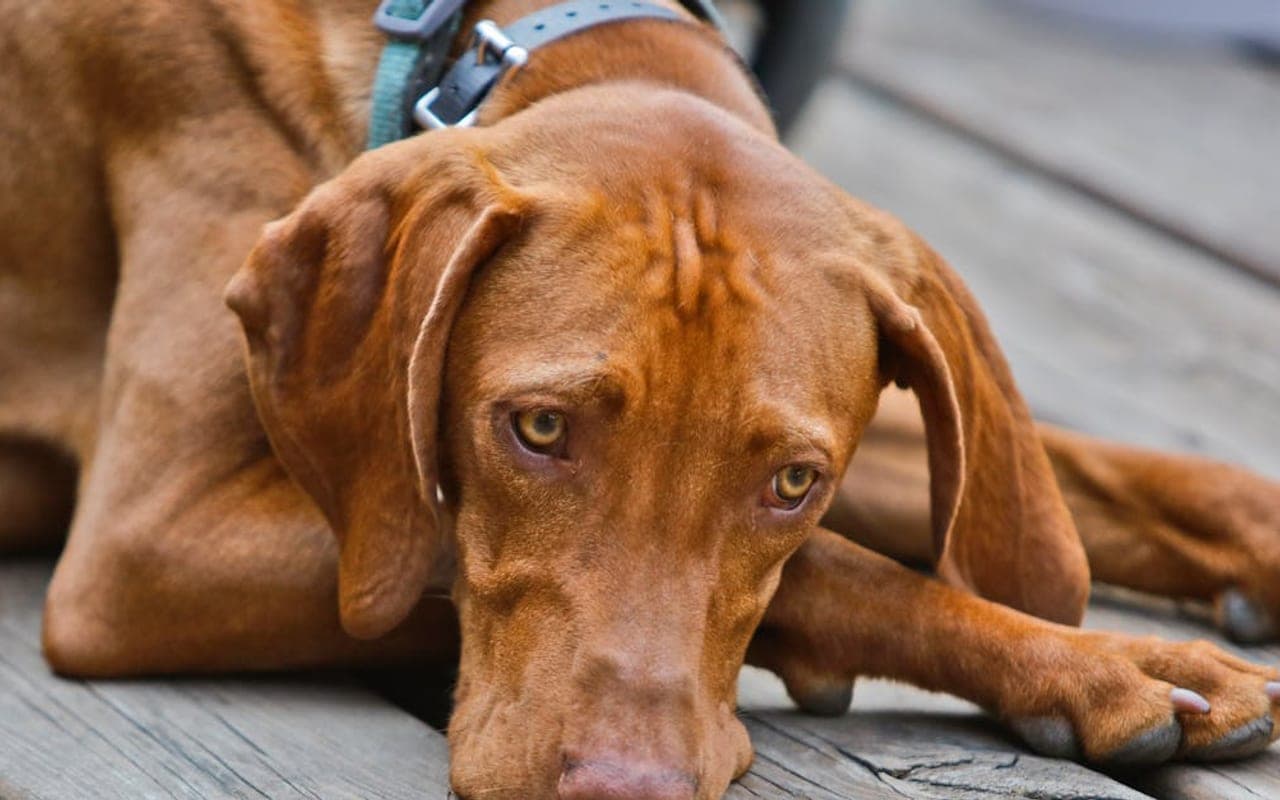
Vizsla
Also in the Sporting group, with different care and temperament tradeoffs.
Explore More About Welsh Springer Spaniel
Dive deeper into everything Welsh Springer Spaniel — costs, care, and expert insights.
Large Dog Care Guide: Everything Over 50 lbs
Owning a large or giant breed dog means accepting one of biology's...
Puppy Teething & Biting: Timeline and What Actually Works
A puppy has all 28 deciduous ("baby") teeth by roughly eight weeks of age, and...
Considering a cat instead?
Browse Cats