
Terrier group
Welsh Terrier
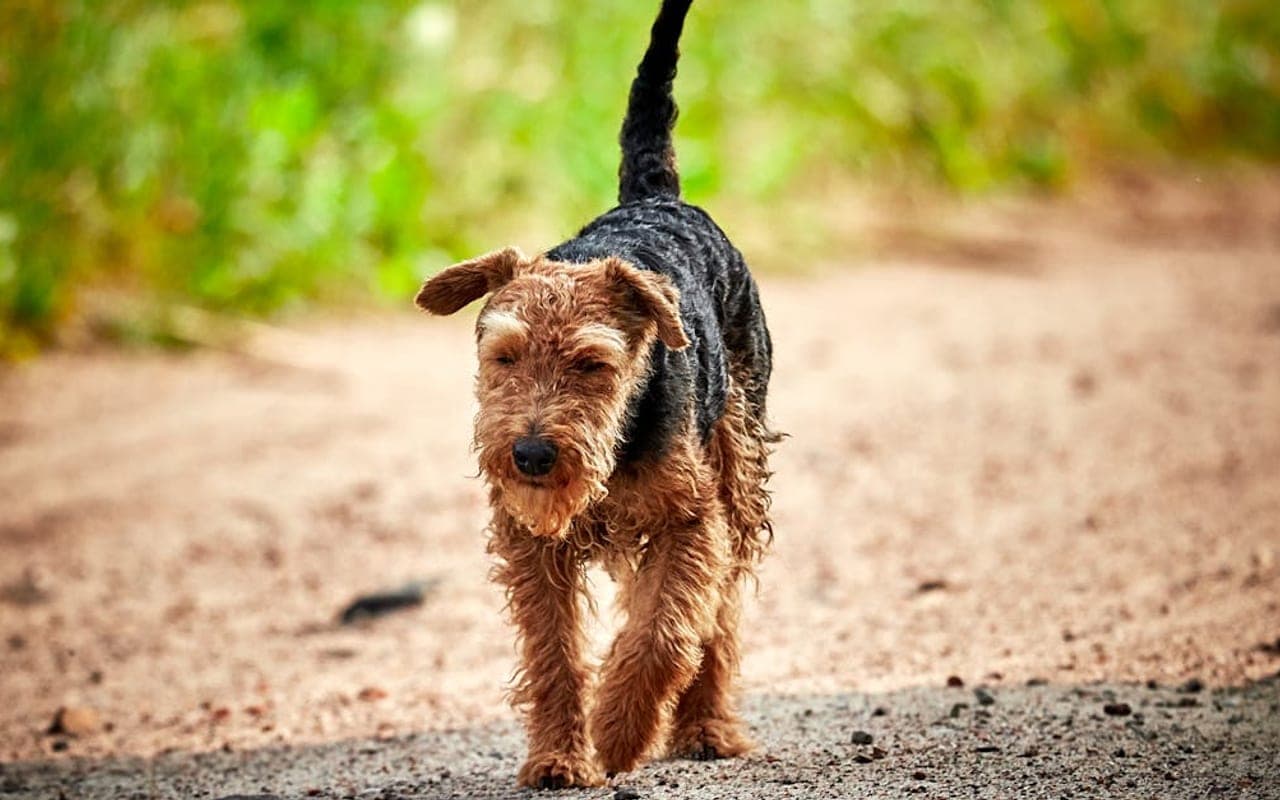
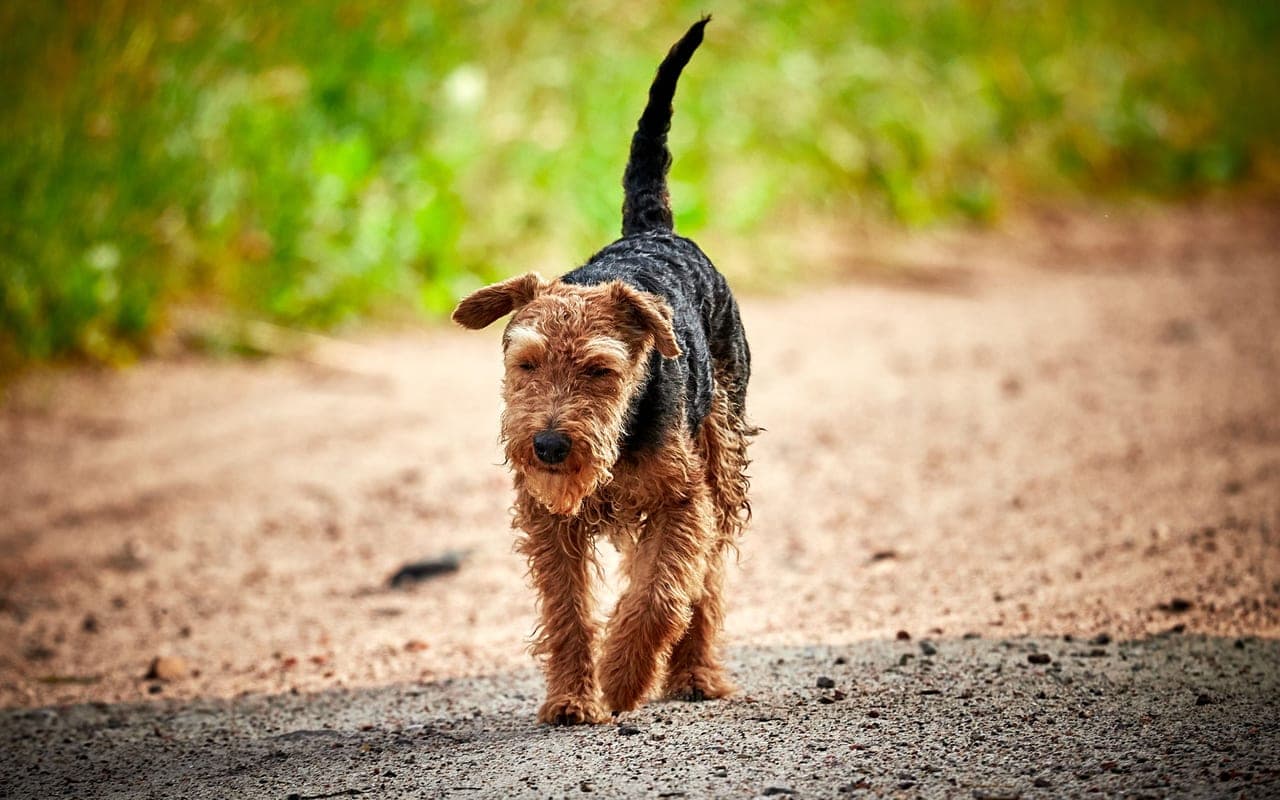
The Welsh Terrier is a compact, hard-coated black-and-tan terrier — about 15 inches tall and roughly 20 pounds — built on the classic long-legged British terrier pattern, like a smaller, more manageable Airedale.

Size
20-22 lb
Lifespan
12-15 years
Exercise
30-60 minutes
Shedding
Moderate
Experience
Match to owner routine
Decision first
Is a Welsh Terrier right for you?
Start with fit before history or trivia. These are ownership signals, not guarantees about any individual dog.
Best suited for
- Apartment homes with a consistent routine.
- Owners seeking a manageable daily exercise routine.
Think carefully if
- You need a dog with almost no daily routine.
- You cannot keep up with grooming and preventive care.
- The dog will spend most days alone without support.
Conditional fit
Apartment fit depends on exercise, enrichment, noise management, and outdoor access.
Daily reality
Welsh Terrier commitment snapshot
Daily exercise
30-60 minutes
Match activity to age, health, weather, and training goals.
Coat care
Moderate
Grooming needs vary by coat, shedding, and lifestyle.
Time alone
Needs planning
Most dogs need gradual alone-time conditioning and support.
Structured facts
Welsh Terrier at a glance
The measurements and traits that most affect day-to-day life with this breed.
Group
Terrier
Weight
20-22 lb
Height
14-15 in
Lifespan
12-15 years
Temperament
Friendly | Spirited | Intelligent
View all characteristics and methodology
Lifestyle fit
- Apartment suitability
- Likely fit
Owner commitment
- Exercise
- 30-60 minutes
- Grooming
- Moderate
- Shedding
- Moderate
- Training
- Moderate
Environment and health
- Health risk
- Needs planning
Ratings combine structured breed data, visible breed fields, and editorial context. They are planning aids, not predictions for an individual dog.
Daily life
Welsh Terrier temperament and behavior
The Welsh Terrier is a compact, hard-coated black-and-tan terrier — about 15 inches tall and roughly 20 pounds — built on the classic long-legged British terrier pattern, like a smaller, more manageable Airedale. It is one of the more level-headed terriers (breeders describe it as 'game, not quarrelsome'), but level-headed terrier is still terrier. This is a dog bred to go to ground after badger, fox, and otter, and the digging, the prey drive, the self-assurance, and the willingness to argue with you are all still in the package. Expect a busy, confident, mischievous dog that needs a real job for its brain. Welsh Terriers are intelligent and trainable but independent — they will work with you, not for you, and they get bored by repetitive drilling. Plan on 45-60 minutes of daily exercise plus training games, scent work, or terrier sports. An under-exercised Welsh Terrier digs, barks, and finds its own entertainment, usually at the expense of your garden or your skirting boards. Two practical realities define ownership. First, the prey drive is genuine: small fleeing animals — cats it does not know, rabbits, squirrels — trigger a chase that recall may not override, so secure fencing and leash discipline are non-negotiable. Second, the coat is a commitment: a proper Welsh Terrier coat is hand-stripped, not clipped, several times a year. Who the Welsh Terrier is right for: an active owner or family with older children who wants a sturdy, long-lived (12-15 years), bold, low-shed companion and is willing to train, exercise, and either learn hand-stripping or pay a groomer for it. Who it is wrong for: households with free-roaming small pets, owners wanting an off-leash-reliable or low-effort dog, and anyone who assumes 'small terrier' means 'easy.' Decide on the drive and the coat, not the cute beard.
Friendly | Spirited | Intelligent
Friendly
A common Welsh Terrier temperament descriptor that should be interpreted alongside training, exercise, and household fit.
Spirited
A common Welsh Terrier temperament descriptor that should be interpreted alongside training, exercise, and household fit.
Intelligent
A common Welsh Terrier temperament descriptor that should be interpreted alongside training, exercise, and household fit.
Owner note
Temperament labels are starting points, not guarantees. Meet the individual dog and ask about behavior history whenever possible.
Care essentials
How to care for a Welsh Terrier
What looking after one actually involves: exercise, grooming, food, training, and routine health.
ExerciseAs needed
- Moderately active breed needing 30-60 minutes of daily exercise.
GroomingAs needed
- Brush 2-3 times per week.
TrainingAs needed
- Consistent, patient training works best.
NutritionAs needed
- Feed high-quality dog food appropriate for age, size, and activity level.
Veterinary CareAs needed
- Annual wellness exams, vaccinations, dental care, and parasite prevention.
Health planning
Welsh Terrier health risks and screening
Every breed has individual health variation. Use this profile for planning and discuss medical decisions with a veterinarian.
Responsible ownership
Finding a Welsh Terrier responsibly
What to ask a breeder or rescue is the same conversation for every breed, so we keep it in one place and keep it current.
Health documentation, meeting the parents or foster, contracts and return support, and the warning signs worth walking away from.
Original purpose
Welsh Terrier history
History is useful when it explains today's behavior, coat, exercise needs, and training style.
Read the breed history
The Welsh Terrier was developed in Wales, where a black-and-tan rough-coated working terrier had existed for centuries, descended from the old Black and Tan (Old English) Terrier line that also produced several other British terriers. It was bred to be a fearless earth dog — to locate and bolt or fight badger, fox, and otter underground — which required a dog small enough to follow quarry to ground but tough enough to face dangerous opponents. The breed was first shown in Wales in the 1880s and entered the show ring in England soon after, where the working farm terrier was standardized into the more uniform modern dog. Its build deliberately echoes a scaled-down Airedale because both trace to the same long-legged terrier root stock. The Welsh Terrier's modern character — bold, busy, independent, dig-prone, and high in prey drive but more even-tempered than many terriers — is a direct inheritance of that underground hunting job, and explains the exercise, containment, and training the breed still needs today.
Gallery
Welsh Terrier photos
Images are cropped consistently and loaded progressively to keep the page responsive.
Lower-page context
Welsh Terriers in culture
Where the breed shows up in film, sport, work and folklore — the enjoyable part, once the practical questions are answered.
Fun facts
- The Welsh Terrier belongs to the Terrier Group.
- The average lifespan of a Welsh Terrier is 12 to 15 years.
- Welsh Terrier dogs are valued for their friendly, spirited, intelligent nature.
Welsh Terrier FAQs
How long do Welsh Terriers live?
A healthy Welsh Terrier typically lives 12-15 years, which is long and robust for the size. The conditions most likely to affect quality of life rather than length are primary lens luxation (a painful, blinding eye emergency that can be screened for by DNA test) and atopic dermatitis (lifelong itchy skin disease). Buying from a breeder who DNA-tests for PLL and being alert to sudden eye pain are the two highest-impact things an owner can do.
Are Welsh Terriers good with cats and small pets?
Cautiously, and never assumed. The Welsh Terrier was bred to hunt and kill animals underground, and that prey drive is genuine — a small fleeing animal triggers a chase that recall may not stop. A Welsh Terrier raised from puppyhood with a specific cat can learn to coexist with that cat, but it should never be trusted off-leash around unknown cats, rabbits, or wildlife, and it is a poor match for households with free-roaming rabbits, rodents, or birds.
How much grooming does a Welsh Terrier need?
More than most owners expect. The harsh wiry coat is traditionally hand-stripped every 8-12 weeks — plucking out dead hair to keep the correct texture and color — which is a learned skill or a $60-100 groomer appointment several times a year. Clipping is easier but softens the coat, fades the tan, and can worsen skin problems. Between strippings a weekly brush is enough. Actual shedding is low, which is the trade-off for the higher grooming labor.
Do Welsh Terriers dig and bark a lot?
Yes to both if under-stimulated — these are hardwired earth-dog behaviors, not bad manners. The fix is not punishment but a job: 45-60 minutes of daily exercise plus scent games, training, or terrier sports redirects the energy that otherwise goes into the lawn and the alarm-barking. A tired, mentally worked Welsh Terrier is a quiet, well-behaved one; a bored one will rearrange your garden.
Are Welsh Terriers easy to train?
They are intelligent and capable but independent — a terrier works with you, not obediently for you, and gets bored by repetitive drilling. Short, varied, reward-based sessions work; harsh or repetitive training does not. Expect a dog that learns fast but negotiates, and treat recall as unreliable around prey regardless of training. Realistic expectation: a trainable, clever dog with a stubborn streak, not a biddable obedience machine.
Why does my Welsh Terrier keep getting itchy skin and ear infections?
The breed is genetically predisposed to atopic dermatitis — an inherited allergic-skin tendency triggered by environmental allergens like pollen, dust mites, and mold, or sometimes food. It shows as chronic paw licking, recurrent ear infections, and itchy skin, often seasonal at first then year-round. It is managed, not cured, and is a recurring lifetime cost: see a vet early rather than cycling through symptoms, because untreated atopy leads to repeated secondary infections that are more expensive than controlling the underlying allergy.
Sources
These are the published sources this page draws on. Each opens in a new tab so you can check it yourself.
American Kennel Club
Welsh Terrier — breed standard and profile(opens in a new tab)Supports: Breed standard and recognition details.
Similar breeds to consider

Miniature Schnauzer
Also in the Terrier group, with different care and temperament tradeoffs.
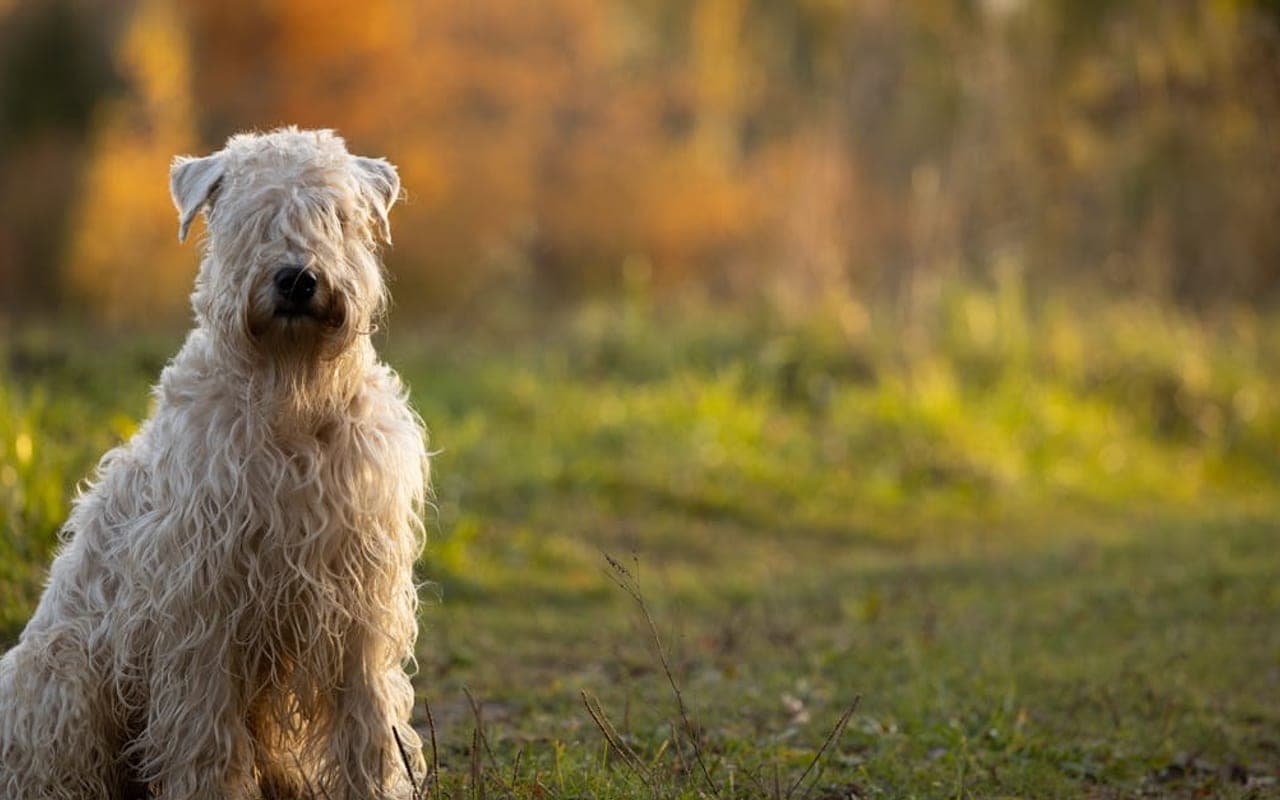
Soft Coated Wheaten Terrier
Also in the Terrier group, with different care and temperament tradeoffs.

Airedale Terrier
Also in the Terrier group, with different care and temperament tradeoffs.
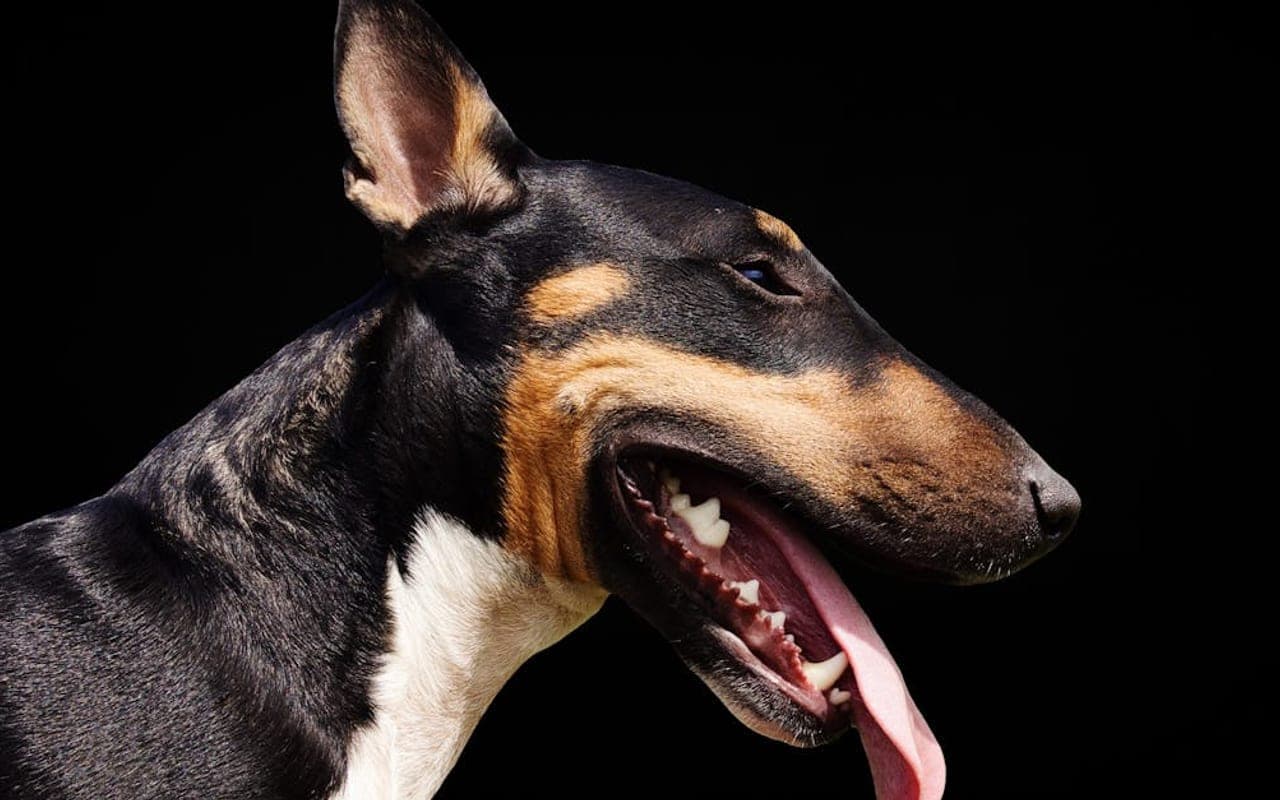
Bull Terrier
Also in the Terrier group, with different care and temperament tradeoffs.
Explore More About Welsh Terrier
Dive deeper into everything Welsh Terrier — costs, care, and expert insights.
Large Dog Care Guide: Everything Over 50 lbs
Owning a large or giant breed dog means accepting one of biology's...
Puppy Teething & Biting: Timeline and What Actually Works
A puppy has all 28 deciduous ("baby") teeth by roughly eight weeks of age, and...
Considering a cat instead?
Browse Cats