
Terrier group
West Highland White Terrier
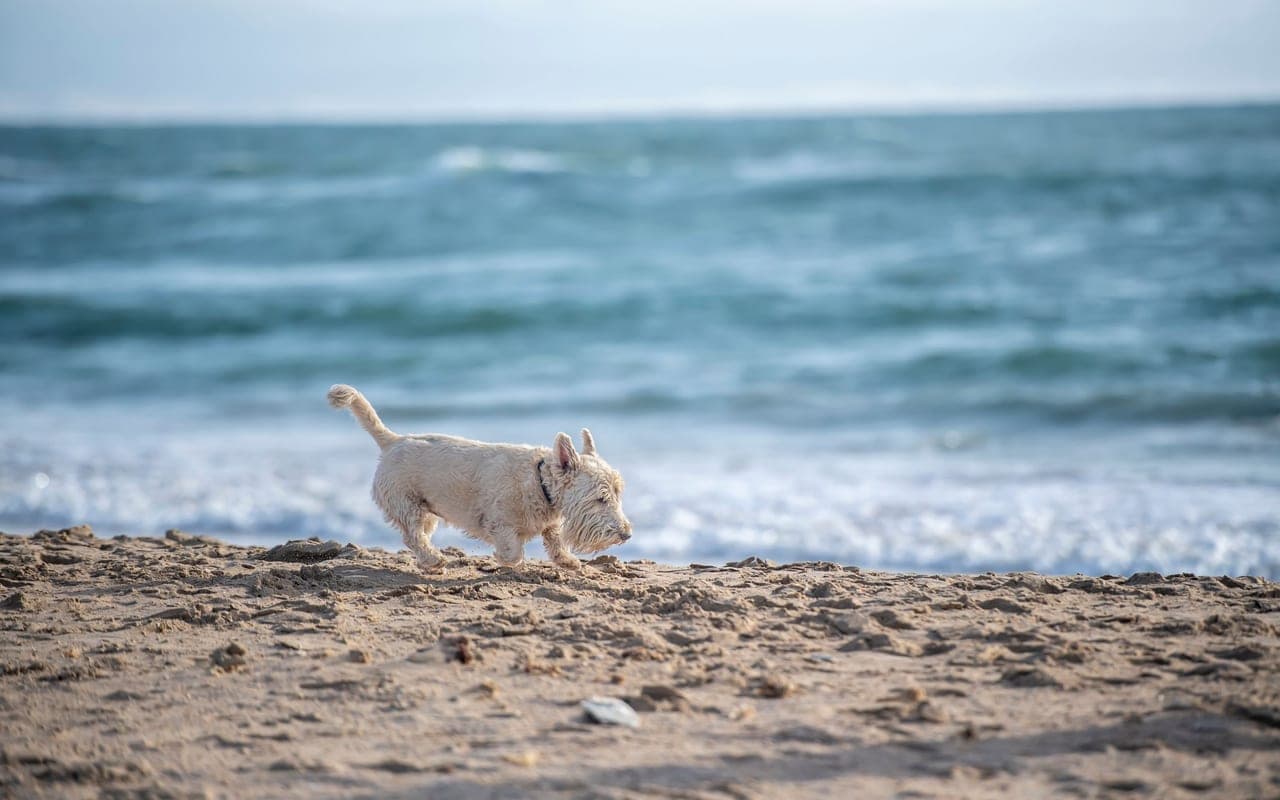
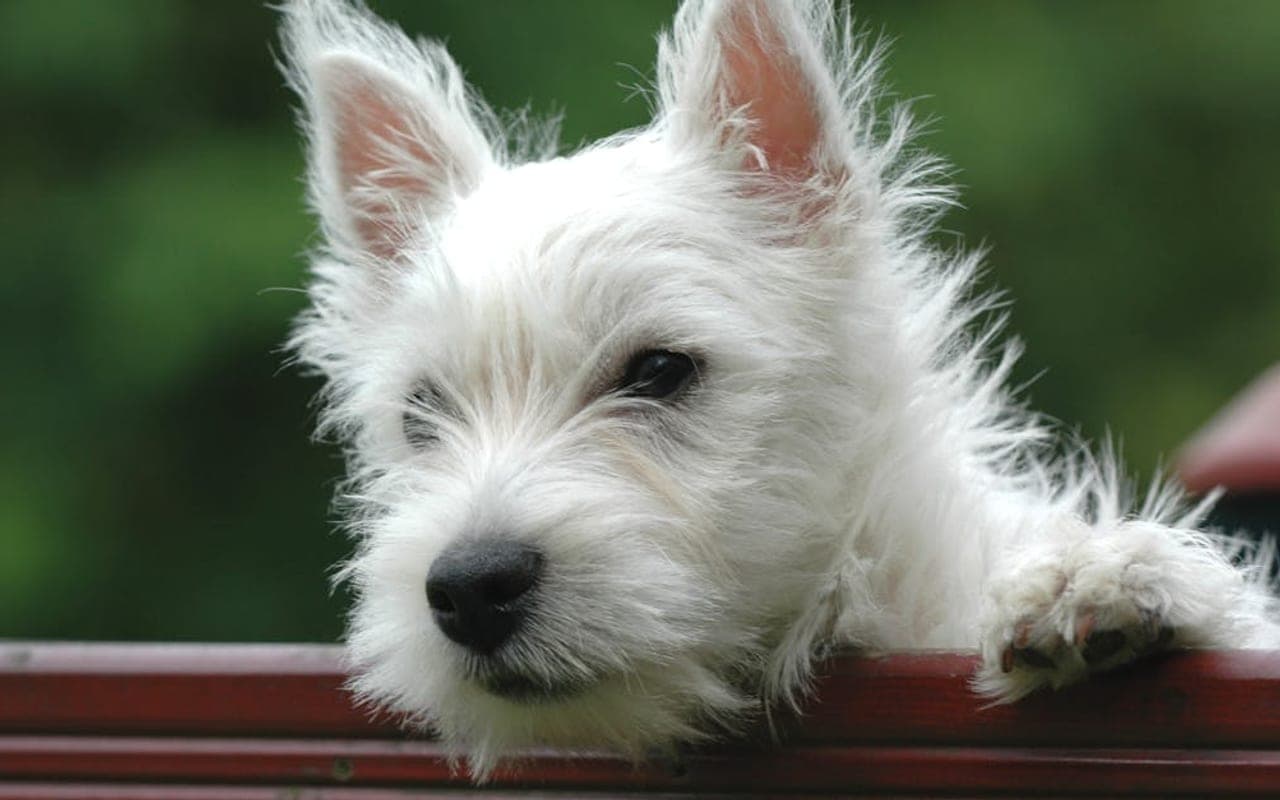
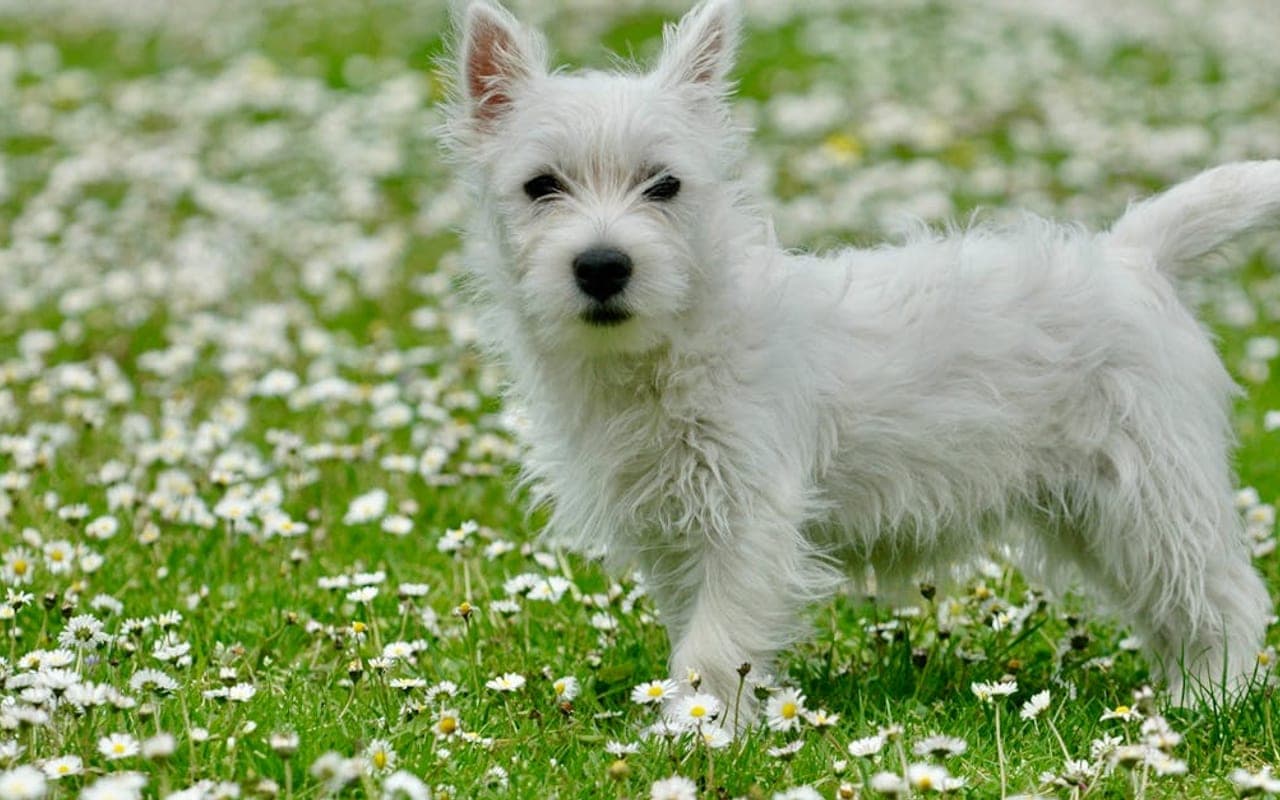
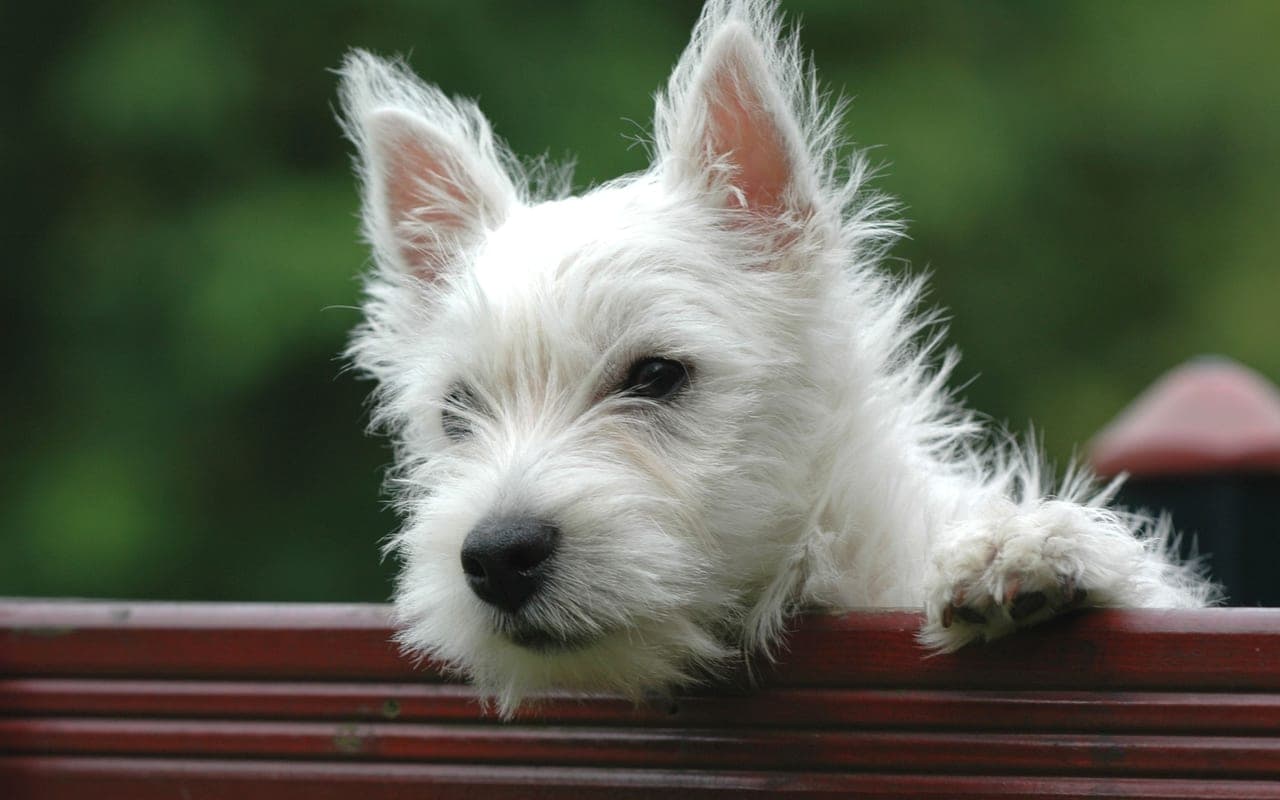
The West Highland White Terrier — the 'Westie' — is a small, sturdy Scottish working terrier instantly recognised by its bright white double coat, dark button eyes, and confident, upright stance.
Size
15-21 lb
Lifespan
12-16 years
Exercise
60-90 minutes
Shedding
Moderate
Experience
Match to owner routine
Decision first
Is a West Highland White Terrier right for you?
Start with fit before history or trivia. These are ownership signals, not guarantees about any individual dog.
Best suited for
- Households with children.
- Apartment homes with a consistent routine.
- Active owners who enjoy daily outdoor exercise.
Think carefully if
- You cannot provide substantial daily exercise.
- You cannot keep up with grooming and preventive care.
- The dog will spend most days alone without support.
Conditional fit
Apartment fit depends on exercise, enrichment, noise management, and outdoor access.
Daily reality
West Highland White Terrier commitment snapshot
Daily exercise
60-90 minutes
Match activity to age, health, weather, and training goals.
Time alone
Needs planning
Most dogs need gradual alone-time conditioning and support.
Structured facts
West Highland White Terrier at a glance
The measurements and traits that most affect day-to-day life with this breed.
Origin
Scotland
Group
Terrier
Weight
15-21 lb
Height
10-11 in
Lifespan
12-16 years
Temperament
Friendly | Hardy | Independent | Gay | Active | Courageous
View all characteristics and methodology
Lifestyle fit
- Apartment suitability
- Likely fit
- Child friendliness
- Often good, with socialisation and supervision
Owner commitment
- Exercise
- 60-90 minutes
- Shedding
- Moderate
- Training
- Moderate
Environment and health
- Health risk
- Needs planning
Ratings combine structured breed data, visible breed fields, and editorial context. They are planning aids, not predictions for an individual dog.
Daily life
West Highland White Terrier temperament and behavior
The West Highland White Terrier — the 'Westie' — is a small, sturdy Scottish working terrier instantly recognised by its bright white double coat, dark button eyes, and confident, upright stance. Adults stand about 10-11 inches and weigh roughly 15-22 lb. It looks like a toy companion but it is not one: this is a hard, game earth-dog bred to bolt foxes and kill vermin, and the terrier brain underneath the white coat drives almost everything an owner needs to plan for. That working heritage produces a personality that is the breed's main selling point and its main demand. Westies are confident, busy, curious, hardy, and self-assured to the point of stubbornness — bold little dogs that think they are big ones. They are affectionate and friendly with their family, generally good with children, adaptable to apartments, and travel well. The realistic counterweight is a strong prey drive (small running animals are targets), a digging instinct, alert barking that doubles as a self-appointed alarm system, and an independent streak that makes training a negotiation, not a download. The single most important thing a prospective Westie owner must understand is health. This is not a fragile breed in build, but it carries one of the heavier hereditary disease loads among small terriers — including a high rate of severe allergic skin disease and several serious, breed-defining conditions. The Westie's lifetime cost is dominated by skin and chronic-condition management, not by the purchase price. Who the Westie is right for: an owner who wants a characterful, robust, apartment-capable companion, will fund and manage potential lifelong skin care, and can handle terrier barking and prey drive with training. Who it is wrong for: anyone wanting a quiet, soft, biddable lapdog, or who has not budgeted for the breed's well-documented health risks.
Friendly | Hardy | Independent | Gay | Active | Courageous
Friendly
A common West Highland White Terrier temperament descriptor that should be interpreted alongside training, exercise, and household fit.
Hardy
A common West Highland White Terrier temperament descriptor that should be interpreted alongside training, exercise, and household fit.
Independent
A common West Highland White Terrier temperament descriptor that should be interpreted alongside training, exercise, and household fit.
Gay
A common West Highland White Terrier temperament descriptor that should be interpreted alongside training, exercise, and household fit.
Owner note
Temperament labels are starting points, not guarantees. Meet the individual dog and ask about behavior history whenever possible.
Care essentials
How to care for a West Highland White Terrier
What looking after one actually involves: exercise, grooming, food, training, and routine health.
ExerciseAs needed
- West Highland White Terriers need regular exercise to maintain their physical and mental well-being. Daily walks and play sessions are important, though their exercise needs are moderate. They have good energy levels and enjoy activities that engage their terrier instincts, like digging and chasing, so supervised outdoor time in a secure area is ideal.
GroomingAs needed
- The Westie's iconic white double coat requires regular maintenance. Professional grooming every 4-6 weeks is recommended to maintain the breed's distinctive appearance. At home, weekly brushing prevents mats and removes loose hair. The coat should be 'stripped' (dead hair pulled out) rather than clipped to maintain proper texture. Regular ear cleaning, tooth brushing, and nail trimming are also essential.
NutritionAs needed
- Quality commercial dog food formulated for small breeds with good energy levels is appropriate. Portion control is important as Westies can gain weight easily. Adult Westies typically do well with two measured meals daily. Treats should be limited and nutritious. Always provide fresh water and consult with a veterinarian about specific dietary needs.
Health ConsiderationsAs needed
- While generally healthy, Westies can be prone to certain conditions, including skin allergies (particularly Westies Armadillo Syndrome), craniomandibular osteopathy (jaw bone problems), patellar luxation, and Legg-Calvé-Perthes disease (hip joint issues). Regular veterinary check-ups and monitoring for symptoms of these conditions is important for early intervention.
Health planning
West Highland White Terrier health risks and screening
Every breed has individual health variation. Use this profile for planning and discuss medical decisions with a veterinarian.
Ownership cost
How much does a West Highland White Terrier cost?
Cost figures are structured so first-year and lifetime estimates do not conflict with the underlying line items.
| Acquisition | $800-$2,500 |
|---|---|
| Routine monthly | About $90/month |
| Routine annual | About $1,080/year |
| First-year estimate | $1,880-$3,580 |
| Lifetime routine estimate | $12,960-$17,280 routine costs |
Currency: USD. Region: United States. Typical ranges for this breed. Equipment, insurance, emergency veterinary care, boarding and training are NOT included: we hold no sourced figures for them, and estimating them would be a guess presented as data.
Responsible ownership
Finding a West Highland White Terrier responsibly
What to ask a breeder or rescue is the same conversation for every breed, so we keep it in one place and keep it current.
Health documentation, meeting the parents or foster, contracts and return support, and the warning signs worth walking away from.
Original purpose
West Highland White Terrier history
History is useful when it explains today's behavior, coat, exercise needs, and training style.
Read the breed history
The West Highland White Terrier was developed in the western Scottish Highlands, closely tied to the Poltalloch estate in Argyllshire and bred from the white-coated offspring of the Cairn and Scottish Terrier working terrier stock in the 19th century. The enduring origin story credits Colonel Edward Donald Malcolm of Poltalloch, who — after accidentally shooting a wheaten-coloured terrier mistaken for a fox during a hunt — chose to breed only white dogs so they could be clearly distinguished from quarry in the field. The all-white coat is therefore a working feature, not a cosmetic one. The breed was shown in Scotland in the early 1900s under earlier names such as Poltalloch and Roseneath Terrier, was recognised by the Kennel Club in 1907 and the American Kennel Club in 1908, and acquired its modern name shortly after. For owners, the working-terrier lineage explains the dog directly: the prey drive, digging, alert barking, and self-reliant stubbornness are not quirks to train out but the intact instincts of an earth-dog bred to hunt vermin underground.
Gallery
West Highland White Terrier photos
Images are cropped consistently and loaded progressively to keep the page responsive.
Lower-page context
West Highland White Terriers in culture
Where the breed shows up in film, sport, work and folklore — the enjoyable part, once the practical questions are answered.
Fun facts
- The Westie's all-white coat isn't just for show—it was developed for practical reasons, to help hunters distinguish their dogs from prey during hunts.
- Westies have been featured in many advertising campaigns, most notably as the mascot for Black & White Scotch Whisky and Cesar dog food.
- Despite their small size, Westies were bred as working dogs to hunt rats, foxes, and other vermin.
- The breed's proper name—West Highland White Terrier—didn't come about until 1909. Before that, they were known as Poltalloch Terriers or Roseneath Terriers, named after the estates where they were bred.
- Westies are known for their 'digging pose' with rear end up in the air, a stance that helped them when hunting rodents in their burrows.
West Highland White Terrier FAQs
How long do West Highland White Terriers live?
A healthy Westie typically lives 12-16 years, which is good longevity for a small dog. The realistic qualifier is quality of those years: the breed's heavy load of chronic conditions — especially atopic skin disease and, later in life, pulmonary fibrosis — shapes the experience more than the headline number. Longevity is best protected by keeping the dog lean, managing skin disease early and consistently, and buying from parents screened by DNA test for the breed's inherited diseases.
Are West Highland White Terriers good family dogs?
Yes, generally — Westies are confident, friendly, sturdy, and typically good with children, especially when raised with them, and their robust build handles family life better than many toy breeds. The honest caveats are terrier traits: alert barking, a strong prey drive around small pets, digging, and an independent streak. Supervise interactions with very young children, socialise early, and accept that some vocal, busy terrier behaviour is part of the package rather than a fault to eliminate.
Why do Westies have so many skin problems?
Because the breed is genuinely predisposed to atopic dermatitis — a heritable allergic skin disease that affects roughly a quarter of Westies and is often more severe in this breed than in many others. It is not poor care; it is genetics. The itching, recurrent ear infections, and skin inflammation are lifelong to manage rather than curable. The practical takeaway is to budget for veterinary skin management, act at the first signs rather than waiting, and treat it as a core ownership cost.
Do Westies bark a lot?
Yes, by default — this is hardwired, not a training failure. Westies were bred as working terriers to alert handlers to prey, so they bark readily at visitors, noises, and movement, functioning as a self-appointed alarm. Early training and socialisation can reduce nuisance barking substantially, but expecting a silent dog is unrealistic for the breed. For apartment dwellers especially, plan to actively manage barking from puppyhood rather than assuming the dog will grow out of it.
Are Westies easy to train?
Moderately — they are intelligent and capable but independent and stubborn, a classic terrier combination. They respond best to short, engaging, positive-reinforcement sessions and consistency; harsh or repetitive drilling backfires. Recall is the weak point because the prey drive overrides commands once a Westie is locked onto a small animal or scent, so secure spaces and leads matter. Expect training to be an ongoing negotiation with a clever dog rather than quick, reliable obedience.
Are West Highland White Terriers good apartment dogs?
Yes, with management. Their small size and adaptability suit apartments, and they do not need a large yard, but two breed traits need active handling: the alert barking can disturb neighbours, and they still need 30-60 minutes of daily exercise plus mental stimulation to avoid boredom-driven digging and noise. An apartment Westie does well when its owner commits to barking training and consistent daily activity; it does poorly left under-exercised and under-stimulated in a small space.
Sources
These are the published sources this page draws on. Each opens in a new tab so you can check it yourself.
American Kennel Club
West Highland White Terrier — breed standard and profile(opens in a new tab)Supports: Breed standard and recognition details.
Similar breeds to consider

Miniature Schnauzer
Also in the Terrier group, with different care and temperament tradeoffs.
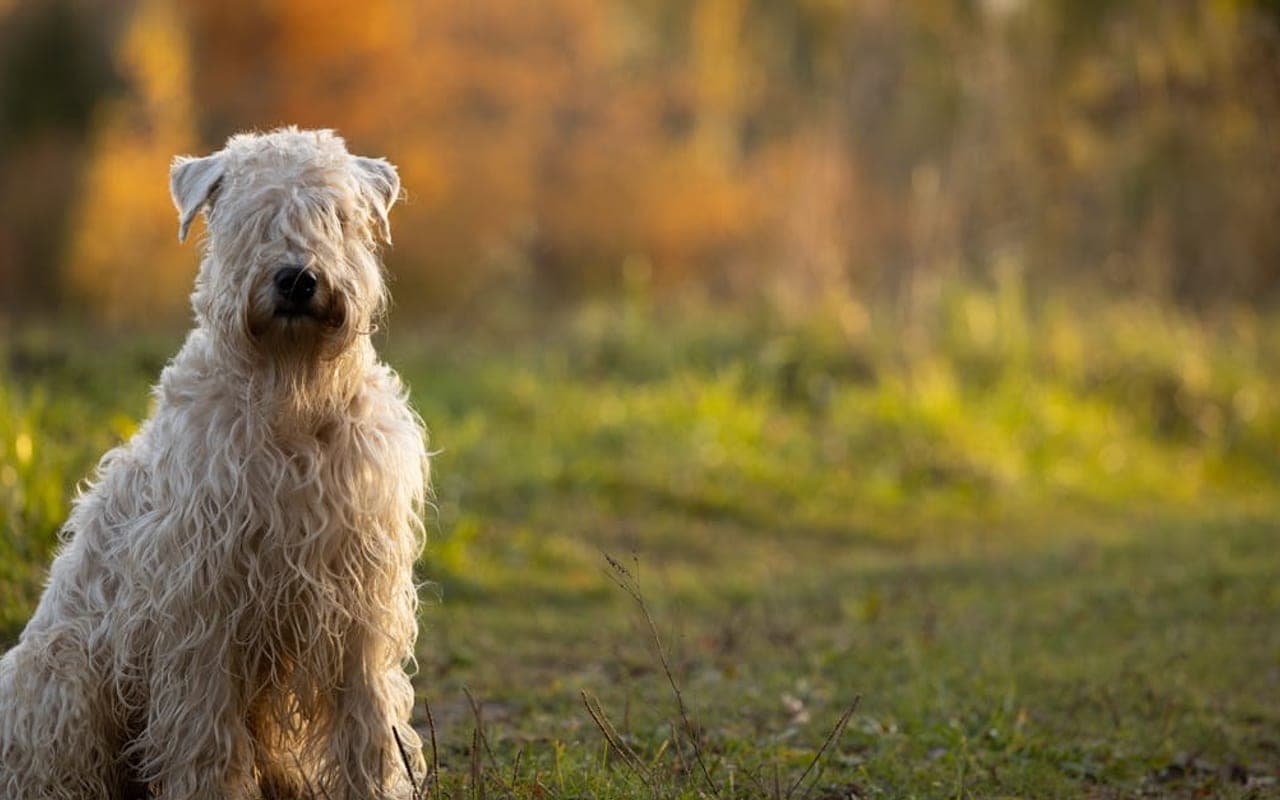
Soft Coated Wheaten Terrier
Also in the Terrier group, with different care and temperament tradeoffs.
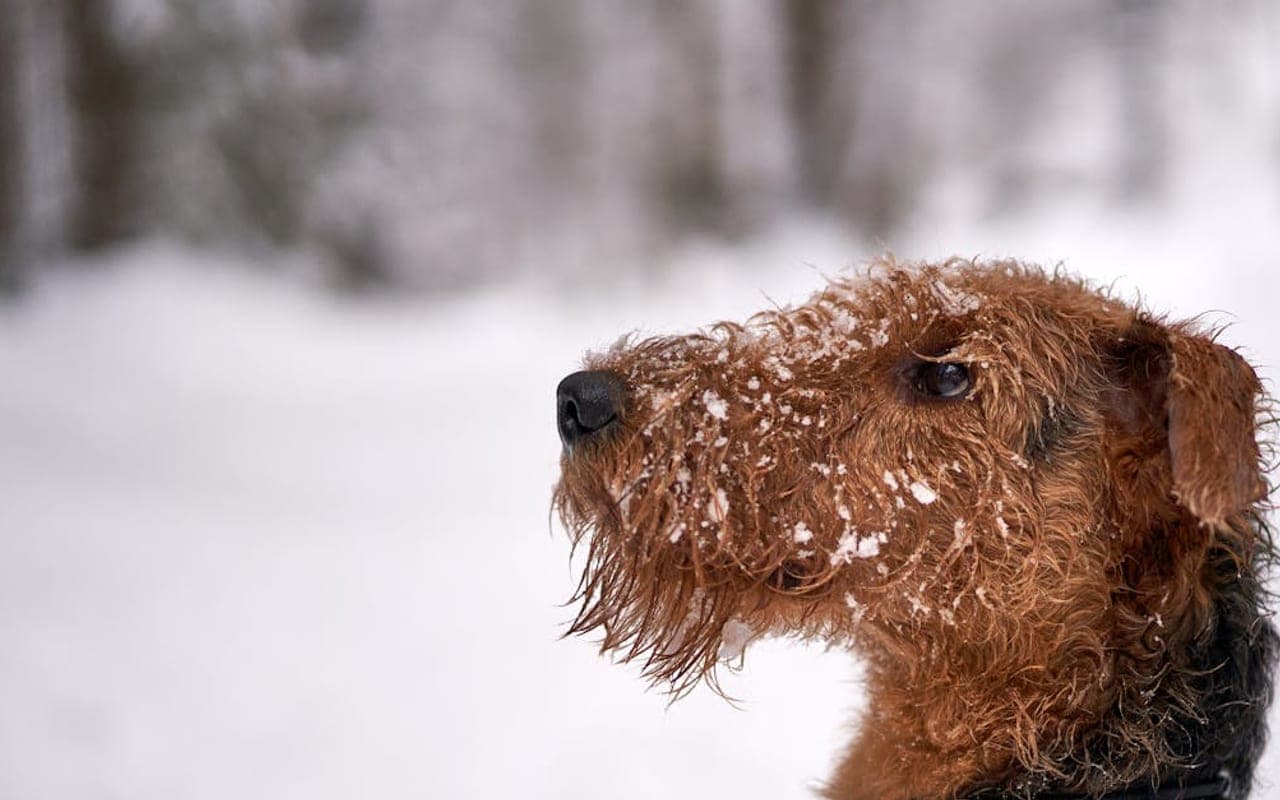
Airedale Terrier
Also in the Terrier group, with different care and temperament tradeoffs.

Bull Terrier
Also in the Terrier group, with different care and temperament tradeoffs.
Explore More About West Highland White Terrier
Dive deeper into everything West Highland White Terrier — costs, care, and expert insights.
How Much Does a West Highland White Terrier Cost?
Purchase price, monthly costs, and lifetime expenses
Large Dog Care Guide: Everything Over 50 lbs
Owning a large or giant breed dog means accepting one of biology's...
Puppy Teething & Biting: Timeline and What Actually Works
A puppy has all 28 deciduous ("baby") teeth by roughly eight weeks of age, and...
Understanding Dog Allergies: From Seasonal Sniffles to Food Sensitivities
Your dog won't stop scratching, and you're not sure why. Allergies affect 1 in 5 dogs. Here's how...
Considering a cat instead?
Browse Cats