
Foundation Stock Service group
Wetterhoun
The Wetterhoun — "water dog" in Frisian — is a centuries-old Dutch gundog from the province of Friesland, built to hunt otter and polecat in canals and marsh.
Size
33-55 lb
Lifespan
13 years
Exercise
30-60 minutes
Shedding
Moderate
Experience
Match to owner routine
Decision first
Is a Wetterhoun right for you?
Start with fit before history or trivia. These are ownership signals, not guarantees about any individual dog.
Best suited for
- Households with children.
- Homes with other compatible pets.
- Apartment homes with a consistent routine.
- Owners seeking a manageable daily exercise routine.
Think carefully if
- You need a dog with almost no daily routine.
- You cannot keep up with grooming and preventive care.
- The dog will spend most days alone without support.
Conditional fit
Apartment fit depends on exercise, enrichment, noise management, and outdoor access.
Daily reality
Wetterhoun commitment snapshot
Daily exercise
30-60 minutes
Match activity to age, health, weather, and training goals.
Coat care
Moderate
Grooming needs vary by coat, shedding, and lifestyle.
Time alone
Needs planning
Most dogs need gradual alone-time conditioning and support.
Structured facts
Wetterhoun at a glance
The measurements and traits that most affect day-to-day life with this breed.
Group
Foundation Stock Service
Weight
33-55 lb
Height
22-23 in
Lifespan
13 years
Temperament
Loyal | Good-Natured | Intelligent
View all characteristics and methodology
Lifestyle fit
- Apartment suitability
- Likely fit
- Child friendliness
- Often good, with socialisation and supervision
- Other-pet fit
- Often compatible with careful introductions
Owner commitment
- Exercise
- 30-60 minutes
- Grooming
- Moderate
- Shedding
- Moderate
- Training
- Moderate
Environment and health
- Health risk
- Needs planning
Ratings combine structured breed data, visible breed fields, and editorial context. They are planning aids, not predictions for an individual dog.
Daily life
Wetterhoun temperament and behavior
The Wetterhoun — "water dog" in Frisian — is a centuries-old Dutch gundog from the province of Friesland, built to hunt otter and polecat in canals and marsh. It is a medium, powerfully built dog with a distinctive curly, oily, water-shedding coat and a spiral "hook" of a tail. Adults typically run roughly 33-44 lb and stand around 21-23 inches (the prep figure is on the low side; read it as breed-accurate medium, not small). The defining fact about this breed is not its look or its job — it is its numbers. The Wetterhoun nearly went extinct in World War II and survives today as a small population of only a few hundred dogs, and that bottleneck shapes every honest piece of advice about owning one. Temperamentally the Wetterhoun is loyal, calm in the house, intelligent, and famously close to its person — it is rarely seen apart from its owner. But the otter-hunting heritage left a hard, independent, sometimes stubborn core and a strong watchdog instinct. This is not a soft, push-button dog; it is a self-possessed working breed that respects a fair handler and resents heavy-handed training. Properly raised it is a devoted, versatile companion and a serious watchdog; mishandled it is reserved and obstinate. Because the gene pool is so narrow, the breed's value as a pet is inseparable from the breeding decisions behind any individual dog — health testing and diversity management are not optional refinements here, they are the whole risk picture. Who the Wetterhoun is right for: an experienced, active owner who wants a loyal one-family water dog, will source from a health-tested line within a recognized club system, and accepts a strong-willed, vocal watchdog. Who it is wrong for: first-time owners, people wanting an easygoing biddable pet, or anyone unwilling to vet the narrow gene pool behind their puppy.
Loyal | Good-Natured | Intelligent
Loyal
A common Wetterhoun temperament descriptor that should be interpreted alongside training, exercise, and household fit.
Good-Natured
A common Wetterhoun temperament descriptor that should be interpreted alongside training, exercise, and household fit.
Intelligent
A common Wetterhoun temperament descriptor that should be interpreted alongside training, exercise, and household fit.
Owner note
Temperament labels are starting points, not guarantees. Meet the individual dog and ask about behavior history whenever possible.
Care essentials
How to care for a Wetterhoun
What looking after one actually involves: exercise, grooming, food, training, and routine health.
ExerciseAs needed
- Moderately active breed needing 30-60 minutes of daily exercise.
GroomingAs needed
- Brush 2-3 times per week.
TrainingAs needed
- Consistent, patient training works best.
NutritionAs needed
- Feed high-quality dog food appropriate for age, size, and activity level.
Veterinary CareAs needed
- Annual wellness exams, vaccinations, dental care, and parasite prevention.
Health planning
Wetterhoun health risks and screening
Every breed has individual health variation. Use this profile for planning and discuss medical decisions with a veterinarian.
Responsible ownership
Finding a Wetterhoun responsibly
What to ask a breeder or rescue is the same conversation for every breed, so we keep it in one place and keep it current.
Health documentation, meeting the parents or foster, contracts and return support, and the warning signs worth walking away from.
Original purpose
Wetterhoun history
History is useful when it explains today's behavior, coat, exercise needs, and training style.
Read the breed history
The Wetterhoun originates in the Dutch province of Friesland, where for at least three centuries it was used as a tough, all-purpose working dog to hunt otter and polecat in the region's waterways and to guard the farm. It is one of the oldest Dutch breeds and remained a regional working dog rather than a fashionable one. The breed was nearly destroyed during World War II; the post-war recovery had to draw on every surviving dog that could be located, which created a severe genetic bottleneck that still defines the breed's health management today. It is maintained under the Dutch Kennel Club (Raad van Beheer) with the Nederlandse Vereniging voor Wetterhounen as the parent club, and remains rare — only a few hundred dogs worldwide. In North America it is listed in the American Kennel Club's Foundation Stock Service rather than as a fully recognized breed. That near-extinction and the small surviving gene pool are not historical trivia; they are the single most important factor in evaluating any individual Wetterhoun's health prospects.
Gallery
Wetterhoun photos
Images are cropped consistently and loaded progressively to keep the page responsive.
Lower-page context
Wetterhouns in culture
Where the breed shows up in film, sport, work and folklore — the enjoyable part, once the practical questions are answered.
Fun facts
- The Wetterhoun belongs to the Foundation Stock Service.
- The average lifespan of a Wetterhoun is 13 to 13 years.
- Wetterhoun dogs are valued for their loyal, good-natured, intelligent nature.
Wetterhoun FAQs
Is the Wetterhoun a healthy breed?
It can be, but the honest answer is dominated by population size, not by any single disease. With only a few hundred dogs worldwide descended from a World War II recovery bottleneck, the central risk is limited genetic diversity and the concentration of recessive conditions — including hip dysplasia, progressive retinal atrophy, cataracts, hypothyroidism, and even severe combined immunodeficiency. An individual Wetterhoun from a documented, health-tested line within the recognized club system can be robust; one from an undocumented pairing in this gene pool is a genuine gamble. Health in this breed is a breeding-decision question first.
Why does the Wetterhoun's small population matter to me as a pet owner?
Because in a breed of a few hundred dogs, every mating measurably affects the next generation's disease load, so the line behind your puppy is not a detail — it is the main determinant of its lifetime health. Practically, this means insisting on parents with hip evaluations, eye screening, and known pedigree/inbreeding data, and sourcing through the recognized Dutch club system rather than casual breeding. The hidden cost of ignoring this is real: an unscreened pairing can produce inherited eye, joint, or immune disease that the small gene pool makes more likely, not less.
How do I care for the Wetterhoun's coat?
Mostly by leaving it alone. The curly, slightly oily coat is naturally water-repellent and is deliberately not clipped or heavily groomed — stripping the oils defeats its purpose. Brush every one to two weeks to prevent matting and bathe only when genuinely necessary. Redirect the grooming effort to the ears instead: the heavy flat ear flaps plus this breed's love of swimming make ear infections a recurring problem, so drying and checking the ears after every swim and weekly otherwise is the real, non-optional maintenance task.
Are Wetterhouns easy to train?
No — and expecting an easy, biddable dog is the common mismatch. The otter-hunting heritage left a hard, independent, sometimes stubborn temperament with a strong watchdog instinct. Wetterhouns work willingly for a handler they respect but resist heavy-handed correction and will simply disengage from unfair training. They need firm, fair, consistent handling and heavy early socialization to temper natural wariness. In experienced hands they are intelligent and versatile; for a first-time owner wanting a soft, eager-to-please pet, they are a poor fit.
How much exercise does a Wetterhoun need?
A lot, plus mental work. This is a stamina-built hunting and water dog: budget at least 60 minutes of real daily activity and add purposeful mental engagement — retrieving, water work, scentwork, or structured training. An under-exercised, under-employed Wetterhoun becomes more stubborn, more reactive, and more vocal as a watchdog, and the breed's natural wariness sharpens without an outlet. They are calm and devoted indoors specifically because their working drive is being met outdoors — meet it, or expect the temperament to deteriorate.
How long do Wetterhouns live and are they good family dogs?
Typical lifespan is around 13 years. They make devoted family dogs for the right household: deeply loyal, calm indoors, and rarely far from their person — almost never seen apart from their owner. The caveats are real: a strong watchdog voice, natural reserve with strangers, an independent streak, and exercise/enrichment needs that a sedentary home cannot meet. With early socialization and a job to do they are loving, versatile companions and effective watchdogs; without those they become wary and obstinate.
Sources
These are the published sources this page draws on. Each opens in a new tab so you can check it yourself.
American Kennel Club
Wetterhoun — breed standard and profile(opens in a new tab)Supports: Breed standard and recognition details.
Similar breeds to consider
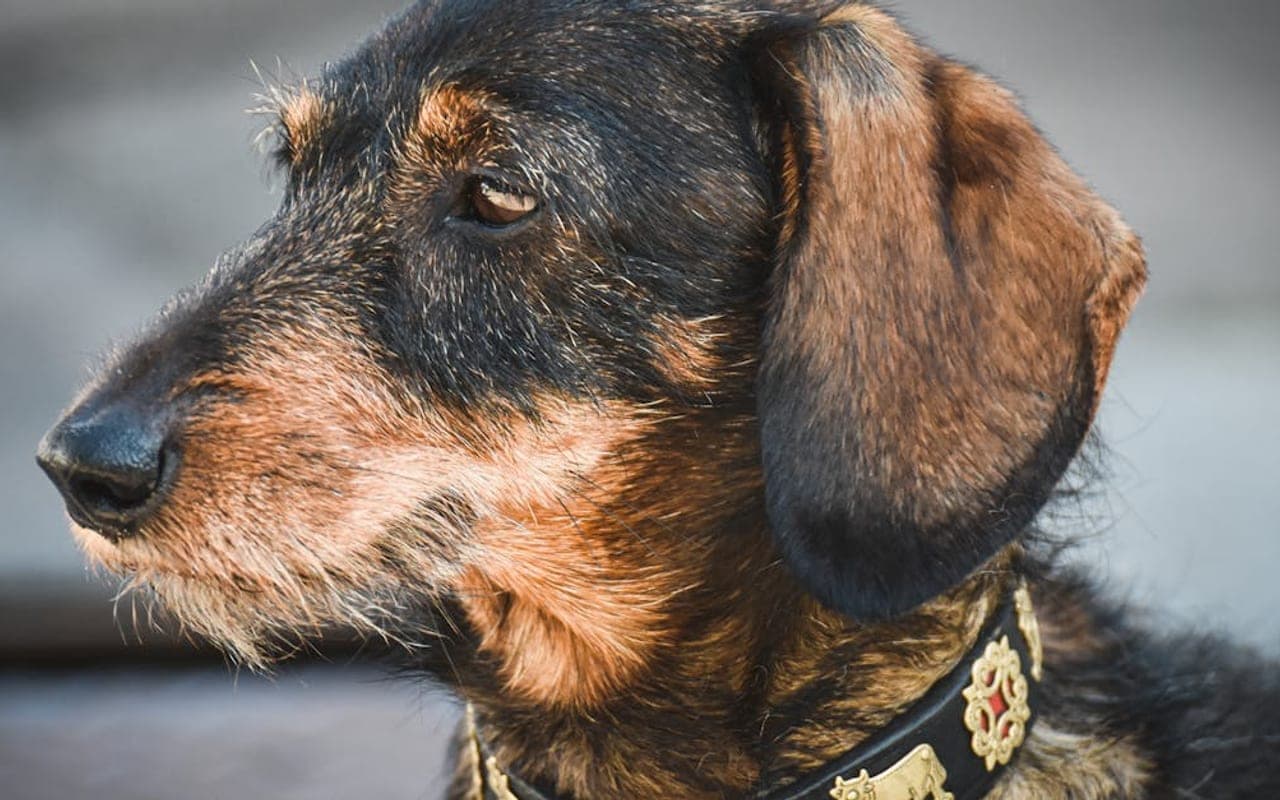
Jagdterrier
Also in the Foundation Stock Service group, with different care and temperament tradeoffs.
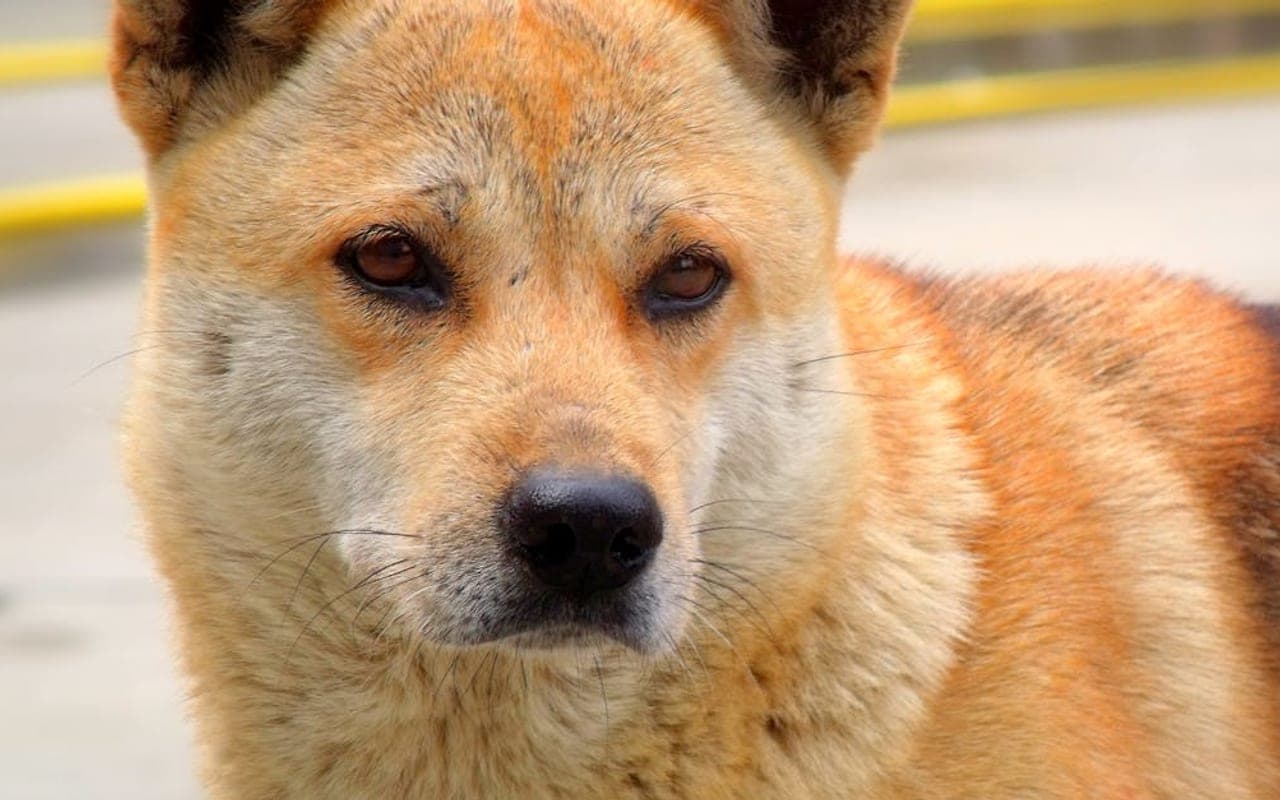
Jindo
Also in the Foundation Stock Service group, with different care and temperament tradeoffs.
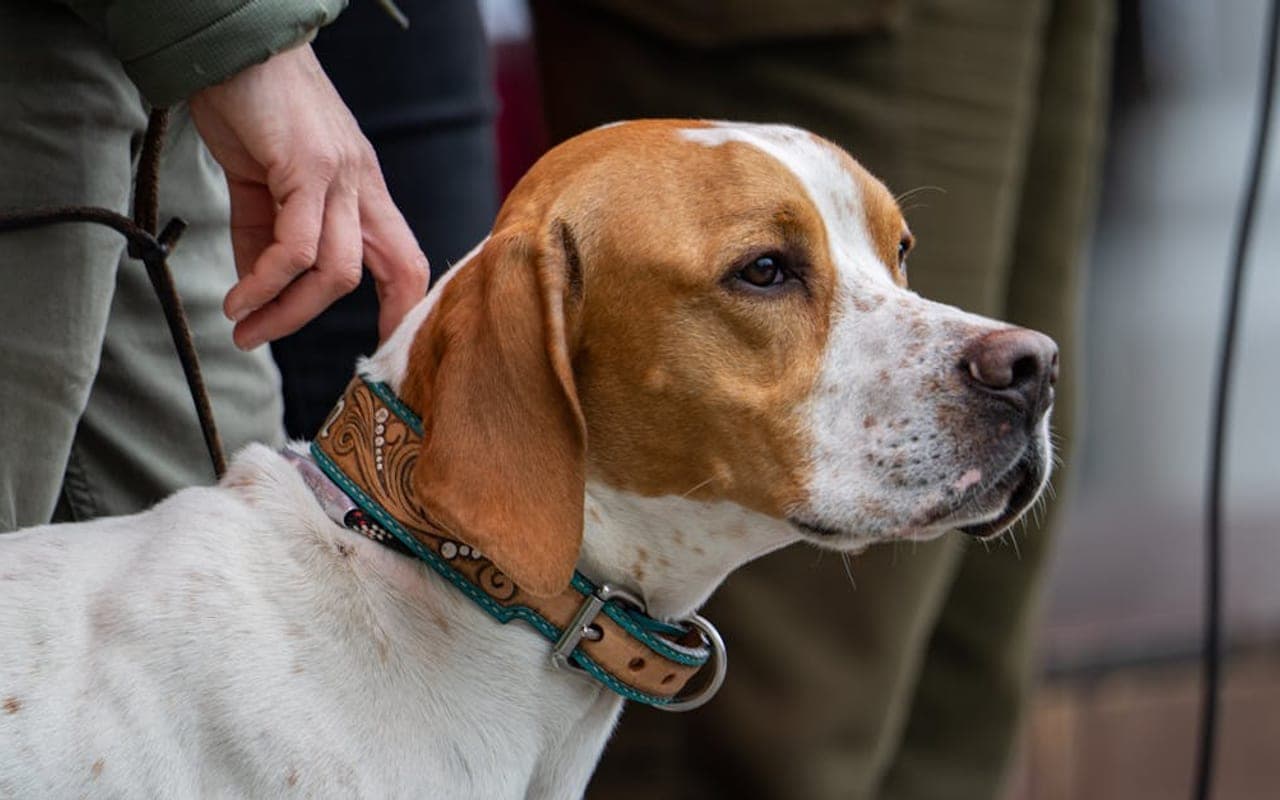
Portuguese Pointer
Also in the Foundation Stock Service group, with different care and temperament tradeoffs.
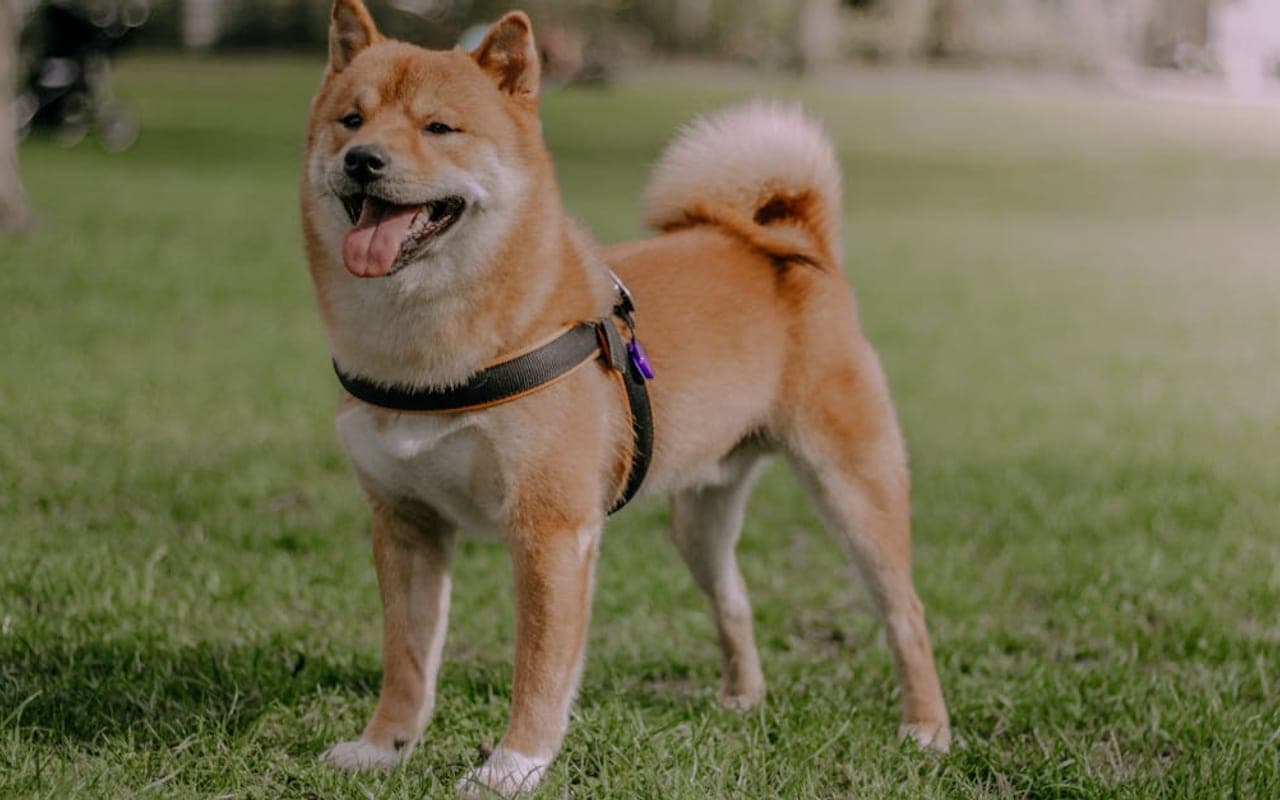
Kishu Ken
Also in the Foundation Stock Service group, with different care and temperament tradeoffs.
Explore More About Wetterhoun
Dive deeper into everything Wetterhoun — costs, care, and expert insights.
Large Dog Care Guide: Everything Over 50 lbs
Owning a large or giant breed dog means accepting one of biology's...
Puppy Teething & Biting: Timeline and What Actually Works
A puppy has all 28 deciduous ("baby") teeth by roughly eight weeks of age, and...
Considering a cat instead?
Browse Cats