
Sporting group
Wirehaired Pointing Griffon
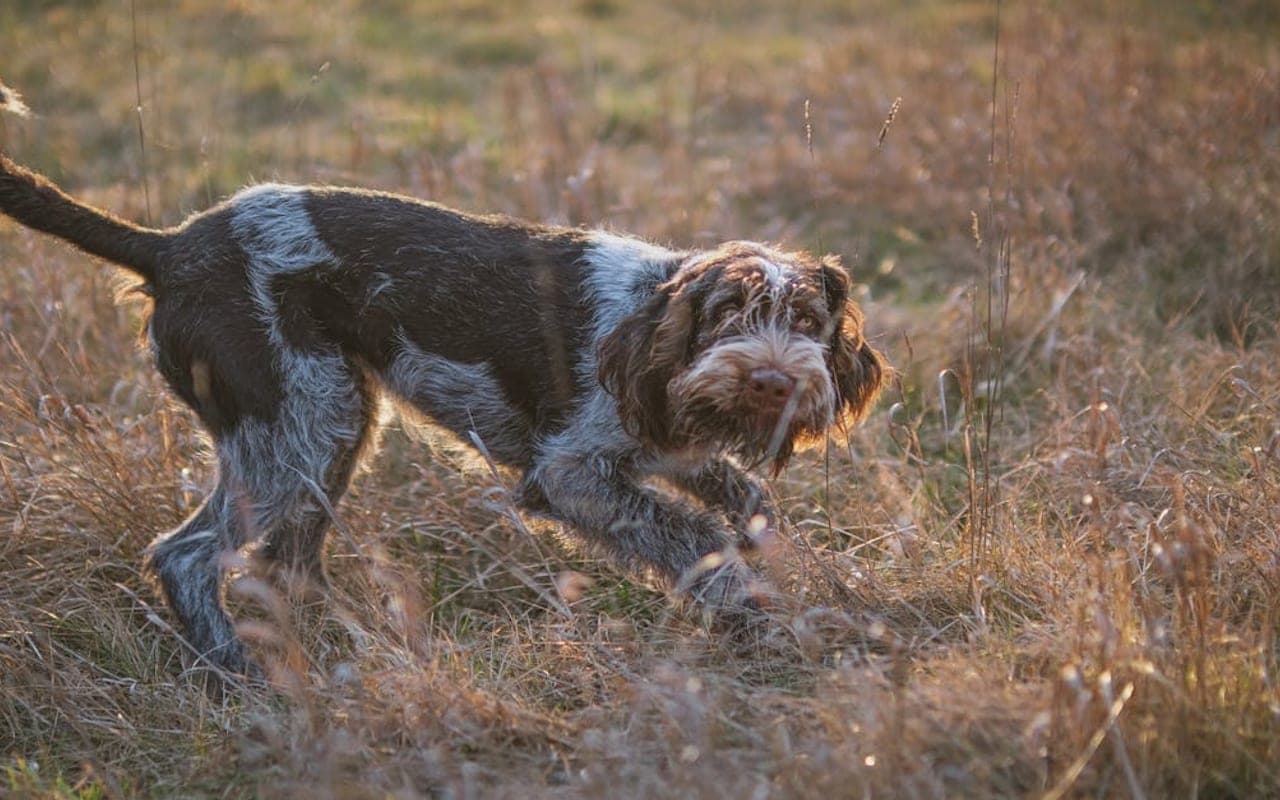
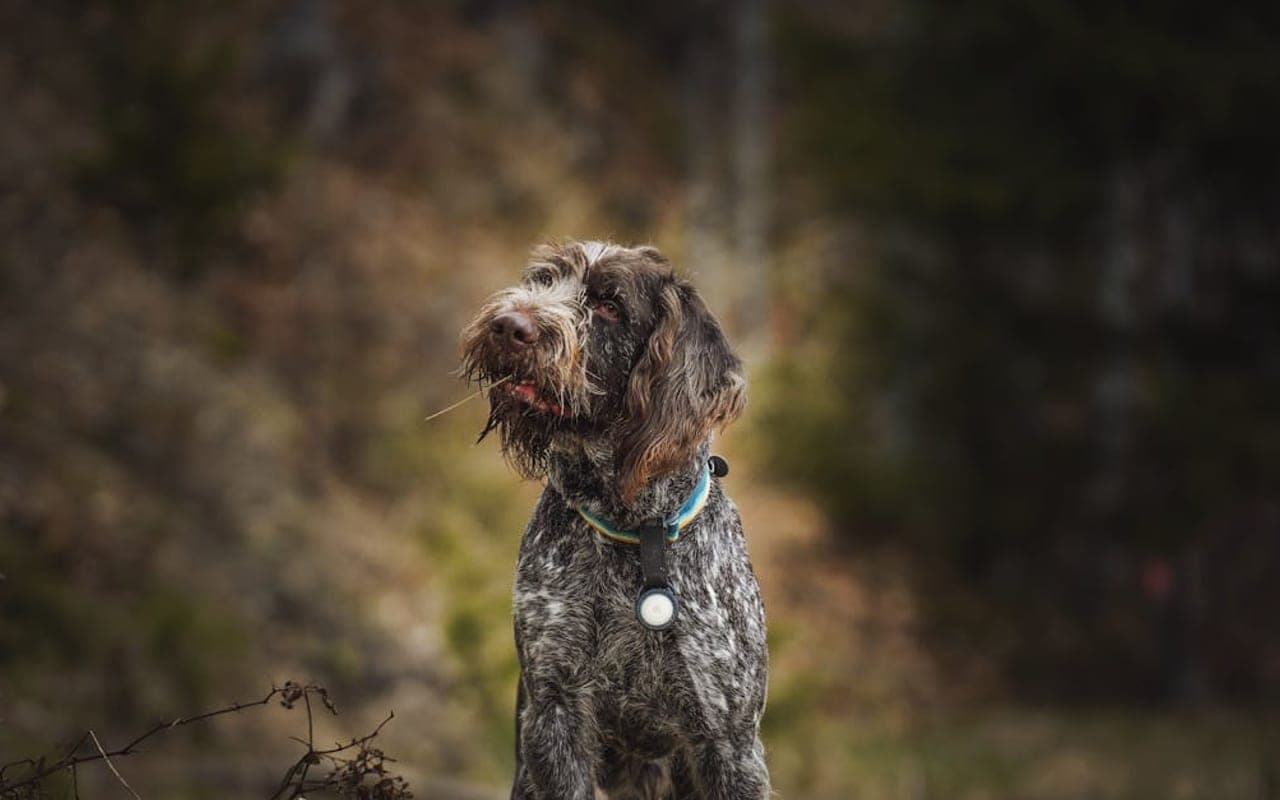
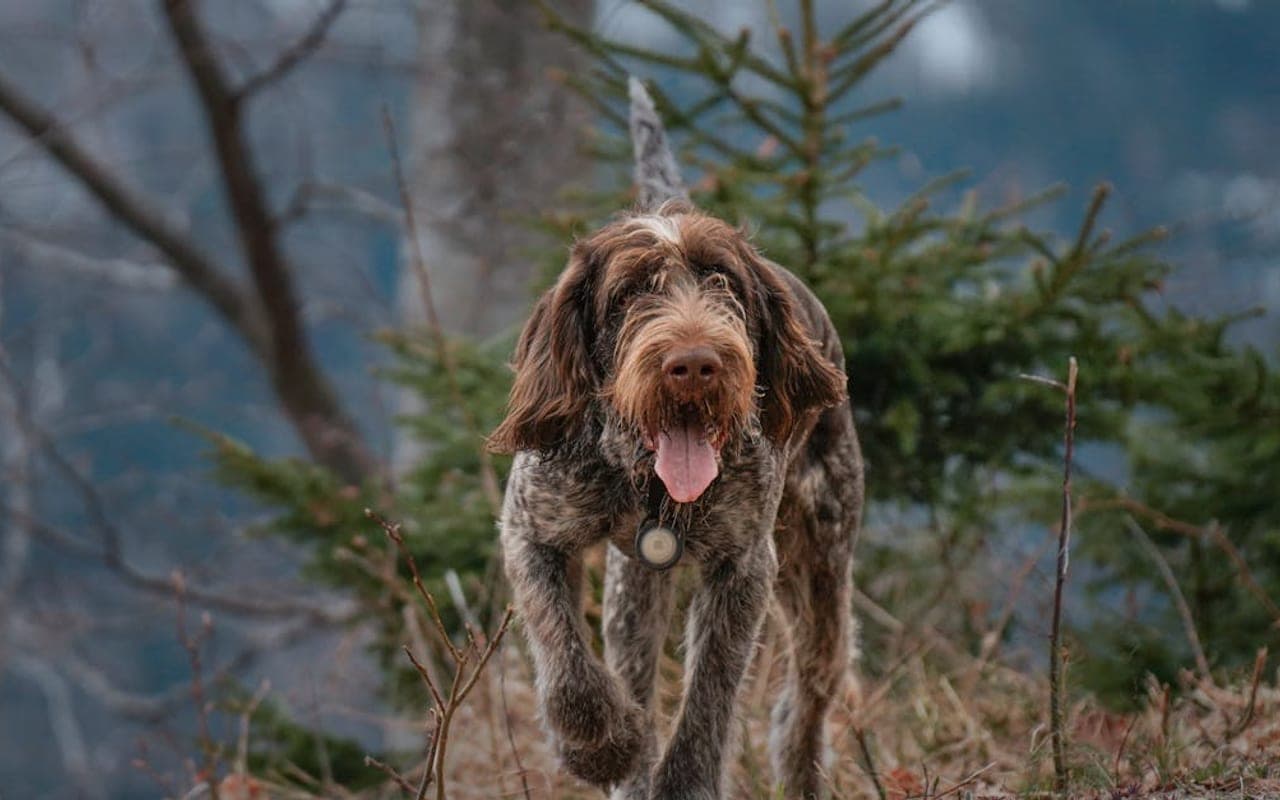
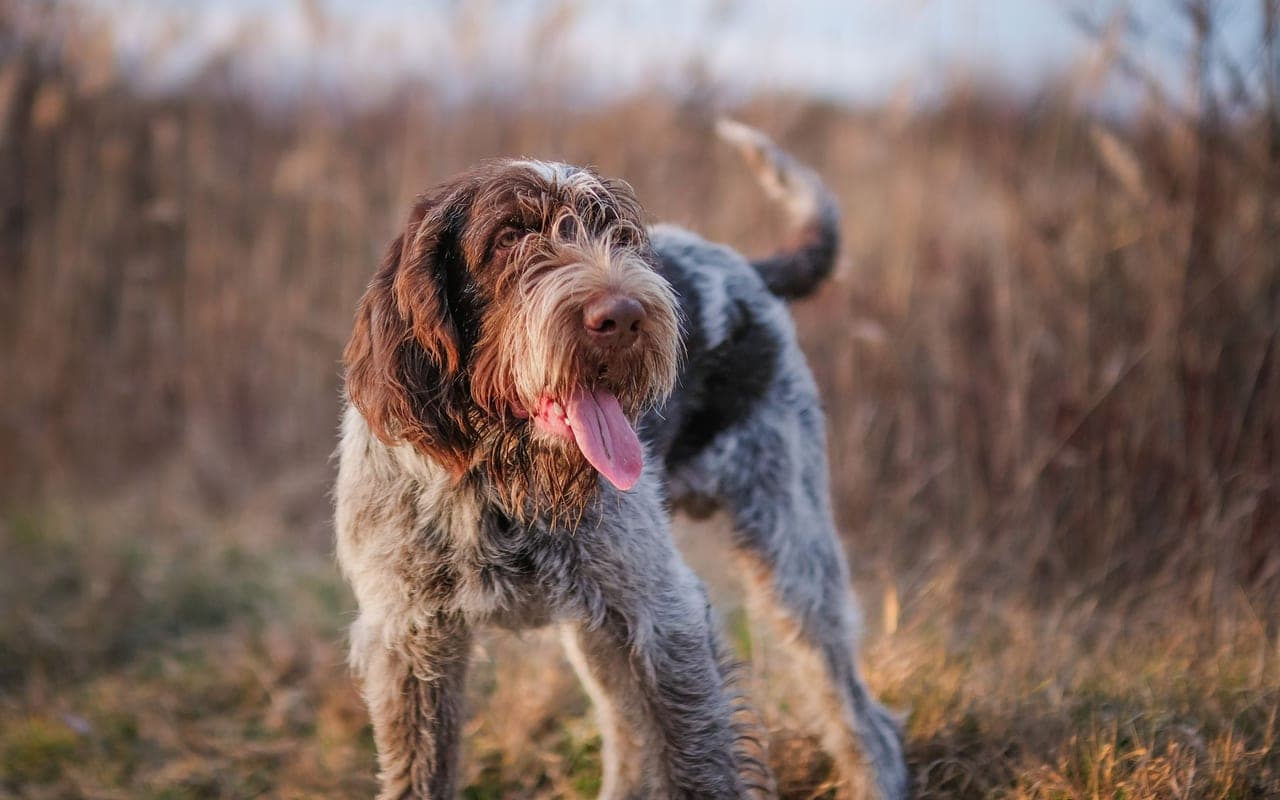
The Wirehaired Pointing Griffon (often just 'Griff') is a 35-70 pound versatile gundog bred to do everything a hunter needs from one dog — point, retrieve, work water, and stay close — with a harsh, low-shedding wire coat and a trademark mustache and eyebrows.
Size
35-72 lb
Lifespan
12-15 years
Exercise
20-40 minutes
Shedding
Moderate
Experience
Match to owner routine
Decision first
Is a Wirehaired Pointing Griffon right for you?
Start with fit before history or trivia. These are ownership signals, not guarantees about any individual dog.
Best suited for
- Households with children.
- Homes with other compatible pets.
- Apartment homes with a consistent routine.
- Owners seeking a manageable daily exercise routine.
Think carefully if
- You need a dog with almost no daily routine.
- You cannot keep up with grooming and preventive care.
- The dog will spend most days alone without support.
Conditional fit
Apartment fit depends on exercise, enrichment, noise management, and outdoor access.
Daily reality
Wirehaired Pointing Griffon commitment snapshot
Daily exercise
20-40 minutes
Match activity to age, health, weather, and training goals.
Coat care
Moderate
Grooming needs vary by coat, shedding, and lifestyle.
Time alone
Needs planning
Most dogs need gradual alone-time conditioning and support.
Structured facts
Wirehaired Pointing Griffon at a glance
The measurements and traits that most affect day-to-day life with this breed.
Group
Sporting
Weight
35-72 lb
Height
20-24 in
Lifespan
12-15 years
Temperament
Friendly | Devoted | Trainable
View all characteristics and methodology
Lifestyle fit
- Apartment suitability
- Likely fit
- Child friendliness
- Often good, with socialisation and supervision
- Other-pet fit
- Often compatible with careful introductions
Owner commitment
- Exercise
- 20-40 minutes
- Grooming
- Moderate
- Shedding
- Moderate
- Training
- Moderate
Environment and health
- Health risk
- Needs planning
Ratings combine structured breed data, visible breed fields, and editorial context. They are planning aids, not predictions for an individual dog.
Daily life
Wirehaired Pointing Griffon temperament and behavior
The Wirehaired Pointing Griffon (often just 'Griff') is a 35-70 pound versatile gundog bred to do everything a hunter needs from one dog — point, retrieve, work water, and stay close — with a harsh, low-shedding wire coat and a trademark mustache and eyebrows. Among versatile breeds it is known as the close-working, biddable one: where a German Wirehaired Pointer ranges hard and wary, the Griff tends to hunt within gun range and bond softly. That temperament difference is the single most important thing a prospective owner should understand, because it makes the Griff one of the more livable versatile gundogs as a family dog. The Griff is friendly, devoted, sensitive, and notably trainable for a hunting breed, with an eagerness to please that responds far better to praise than pressure. It is also a true working dog: athletic, energetic, and happiest with a daily job. A Griff with insufficient exercise becomes restless, vocal, and destructive — not from stubbornness, but from a frustrated working drive with nowhere to go. Who the Griff is right for: an active owner or hunter who wants a deeply bonded, sensitive, trainable companion, will provide 60-90 minutes of vigorous daily exercise plus engagement, and can manage the wire coat. They suit hunters, runners, and dog-sport homes, and families that are genuinely outdoorsy. Who it is wrong for: sedentary or frequently-absent households, owners who want a hands-off pet, or anyone expecting a low-energy dog. The Griff repays an active, affectionate owner generously and quietly punishes neglect. Match it to your weekly activity, not to its rugged looks.
Friendly | Devoted | Trainable
Friendly
A common Wirehaired Pointing Griffon temperament descriptor that should be interpreted alongside training, exercise, and household fit.
Devoted
A common Wirehaired Pointing Griffon temperament descriptor that should be interpreted alongside training, exercise, and household fit.
Trainable
A common Wirehaired Pointing Griffon temperament descriptor that should be interpreted alongside training, exercise, and household fit.
Owner note
Temperament labels are starting points, not guarantees. Meet the individual dog and ask about behavior history whenever possible.
Care essentials
How to care for a Wirehaired Pointing Griffon
What looking after one actually involves: exercise, grooming, food, training, and routine health.
ExerciseAs needed
- Lower-energy breed content with daily walks.
GroomingAs needed
- Brush 2-3 times per week.
TrainingAs needed
- Consistent, patient training works best.
NutritionAs needed
- Feed high-quality dog food appropriate for age, size, and activity level.
Veterinary CareAs needed
- Annual wellness exams, vaccinations, dental care, and parasite prevention.
Health planning
Wirehaired Pointing Griffon health risks and screening
Every breed has individual health variation. Use this profile for planning and discuss medical decisions with a veterinarian.
Responsible ownership
Finding a Wirehaired Pointing Griffon responsibly
What to ask a breeder or rescue is the same conversation for every breed, so we keep it in one place and keep it current.
Health documentation, meeting the parents or foster, contracts and return support, and the warning signs worth walking away from.
Original purpose
Wirehaired Pointing Griffon history
History is useful when it explains today's behavior, coat, exercise needs, and training style.
Read the breed history
The Wirehaired Pointing Griffon was developed in the 1870s-1880s by Dutch sportsman Eduard Karel Korthals, which is why the breed is also called the Korthals Griffon. Working primarily in Germany and France with breeding stock drawn from several spaniel, setter, pointer, and griffon-type dogs, Korthals deliberately engineered a single versatile, close-working gundog with a harsh weatherproof coat for a hunter of modest means who could keep only one dog. He kept meticulous records (the 'Korthals patriarchs') and promoted the breed across Europe, so the Griff is one of the more genetically documented versatile breeds. It reached the United States in the late 19th century and was recognized by the American Kennel Club in 1916; the breed club still emphasizes hunting ability and a moderate, biddable temperament. That founding goal — a close-ranging, cooperative, all-terrain gundog for an everyday hunter — directly explains the modern Griff's trainability, softness, and need for a working outlet.
Gallery
Wirehaired Pointing Griffon photos
Images are cropped consistently and loaded progressively to keep the page responsive.
Lower-page context
Wirehaired Pointing Griffons in culture
Where the breed shows up in film, sport, work and folklore — the enjoyable part, once the practical questions are answered.
Fun facts
- The Wirehaired Pointing Griffon belongs to the Sporting Group.
- The average lifespan of a Wirehaired Pointing Griffon is 12 to 15 years.
- Wirehaired Pointing Griffon dogs are valued for their friendly, devoted, trainable nature.
Wirehaired Pointing Griffon FAQs
How long do Wirehaired Pointing Griffons live?
A healthy Griff typically lives 12-15 years, which is good for a dog of its size. Longevity tracks with lean weight, joint health, and avoiding bloat. Dogs from parents with OFA hip/elbow clearances and eye exams, kept fit and not overfed, reach the upper end. As with other deep-chested sporting dogs, gastric dilatation-volvulus is the main sudden-death risk, and some owners elect preventive gastropexy.
Are Wirehaired Pointing Griffons good family dogs?
Yes — this is one of the more family-friendly versatile gundogs. Well-socialized Griffs are affectionate, gentle, sensitive, and good with children they are raised with, and they bond closely to the whole household. The conditions: they need real daily exercise and they do not tolerate isolation or harsh handling well. They are an excellent fit for active families and a poor fit for sedentary or frequently-absent ones, where the unmet working drive turns into destructiveness.
How much exercise does a Wirehaired Pointing Griffon need?
Plan 60-90 minutes of vigorous activity daily — running, swimming, retrieving, hiking, or hunting — plus mental work such as training or scent games. The Griff is a working gundog with real stamina; leashed strolls alone are not enough. Under-exercised Griffs become restless, vocal, and destructive. If you cannot commit to daily hard exercise and engagement, choose a lower-energy breed.
How hard is the Griff's coat to maintain?
Moderate. The harsh double coat is low-shedding but should be brushed weekly and hand-stripped two to three times a year rather than clipped — clipping permanently softens it and ruins its weatherproofing. Expect to learn stripping or pay $40-$70 per professional session. Also wipe the beard after meals and water and dry the ears after swimming, or the beard sours and ear infections recur.
Griffon vs German Wirehaired Pointer — which should I get?
Both are versatile wire-coated gundogs, but temperament differs. The Griff tends to hunt closer, is softer and more biddable, and is generally more stranger-tolerant and family-easy. The German Wirehaired Pointer ranges wider, is more independent, and is more naturally protective and wary. For a first versatile-breed owner or a family wanting a trainable, close-working companion, the Griff is usually the easier choice; serious wide-ranging hunters often prefer the GWP.
What does a Wirehaired Pointing Griffon cost to own?
A health-tested puppy from a hunting or show breeder typically runs $1,500-$2,500. Ongoing costs include coat stripping ($120-$280/year if done professionally), preventive gastropexy ($300-$600, often with spay/neuter), and a working dog's higher food intake. Major events like hip dysplasia or bloat surgery can each exceed $4,000-$7,000, so buying from screened parents and considering gastropexy are the best-value preventive spends.
Is the Wirehaired Pointing Griffon good for a first-time owner?
More so than most versatile gundogs, but with a caveat. The Griff's biddable, soft, people-focused temperament makes it more forgiving to train than a German Wirehaired Pointer, so a committed first-time owner can succeed. The non-negotiable is exercise: this is still a high-stamina working breed that becomes destructive and anxious without 60-90 minutes of daily activity. A first-timer with an active lifestyle and time to train can do well; a sedentary or frequently-absent owner cannot, regardless of the breed's gentler nature.
Sources
These are the published sources this page draws on. Each opens in a new tab so you can check it yourself.
American Kennel Club
Wirehaired Pointing Griffon — breed standard and profile(opens in a new tab)Supports: Breed standard and recognition details.
Similar breeds to consider
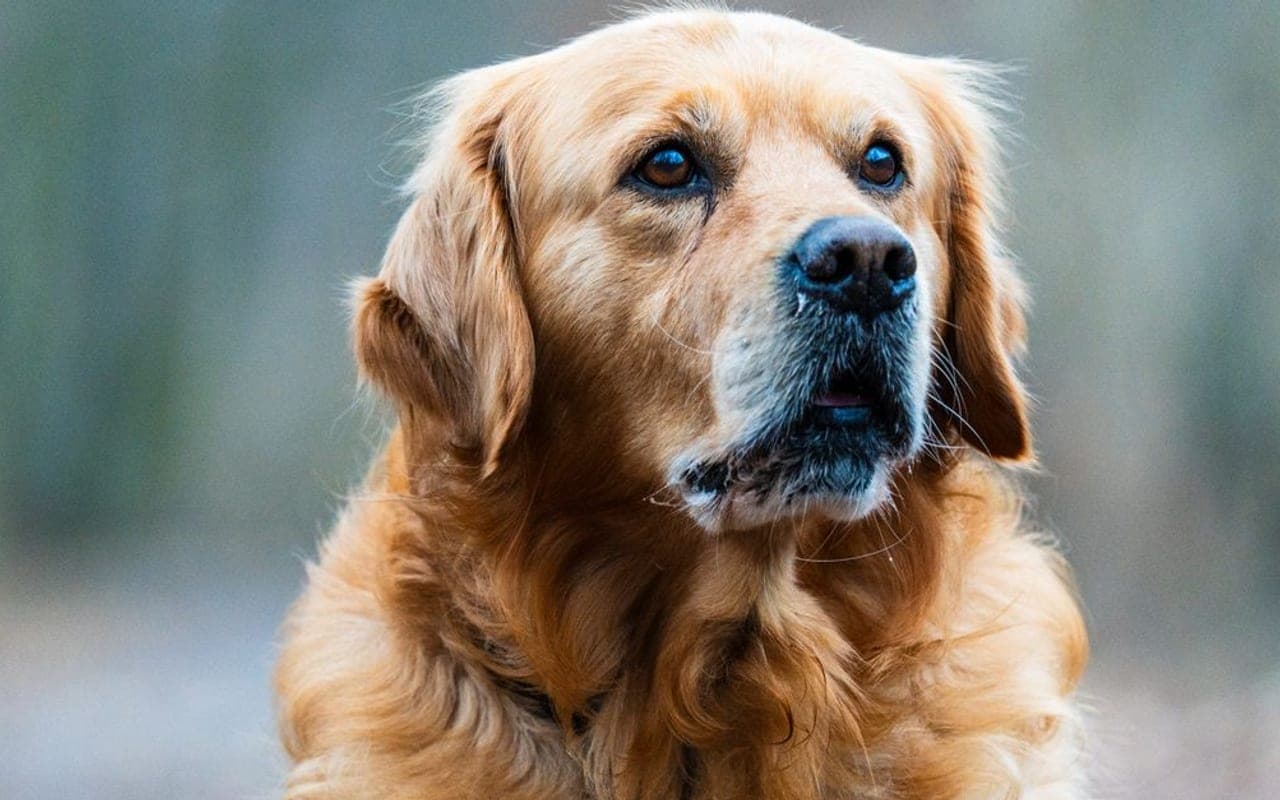
Golden Retriever
Also in the Sporting group, with different care and temperament tradeoffs.
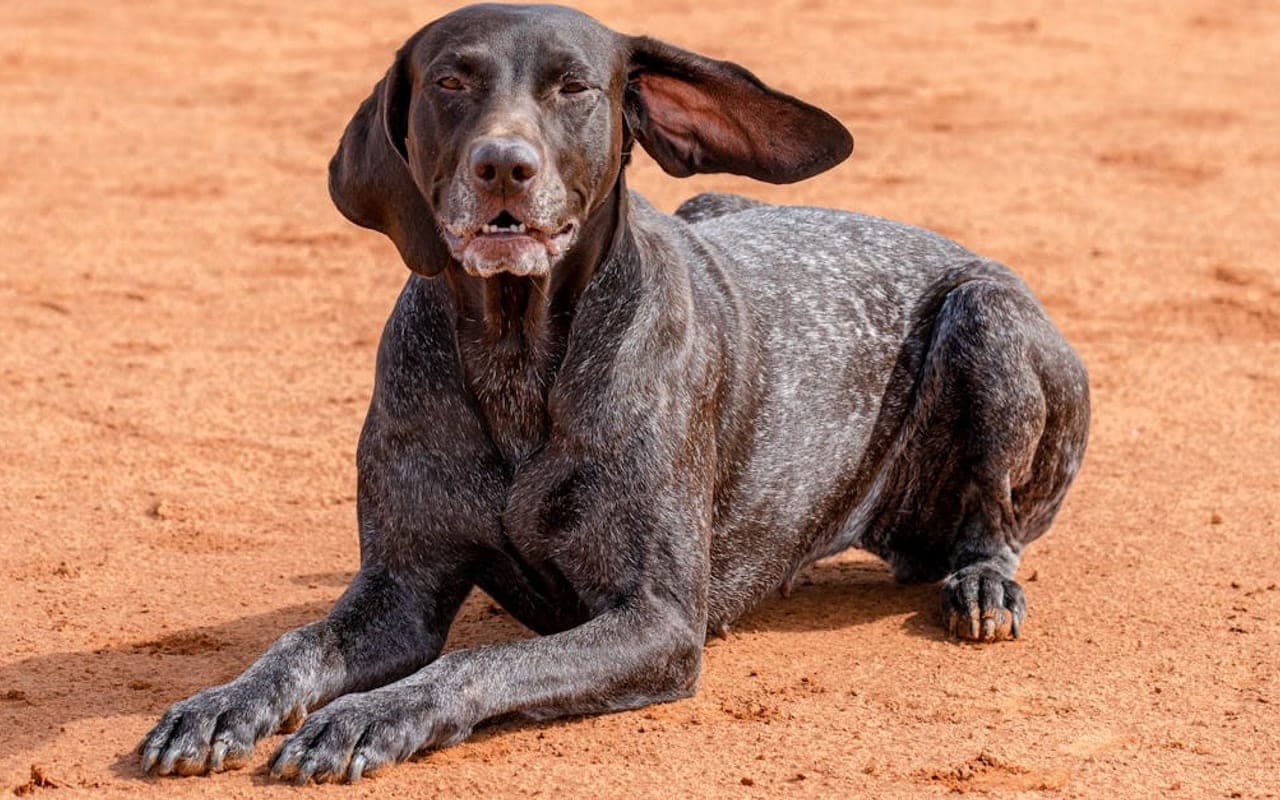
German Shorthaired Pointer
Also in the Sporting group, with different care and temperament tradeoffs.
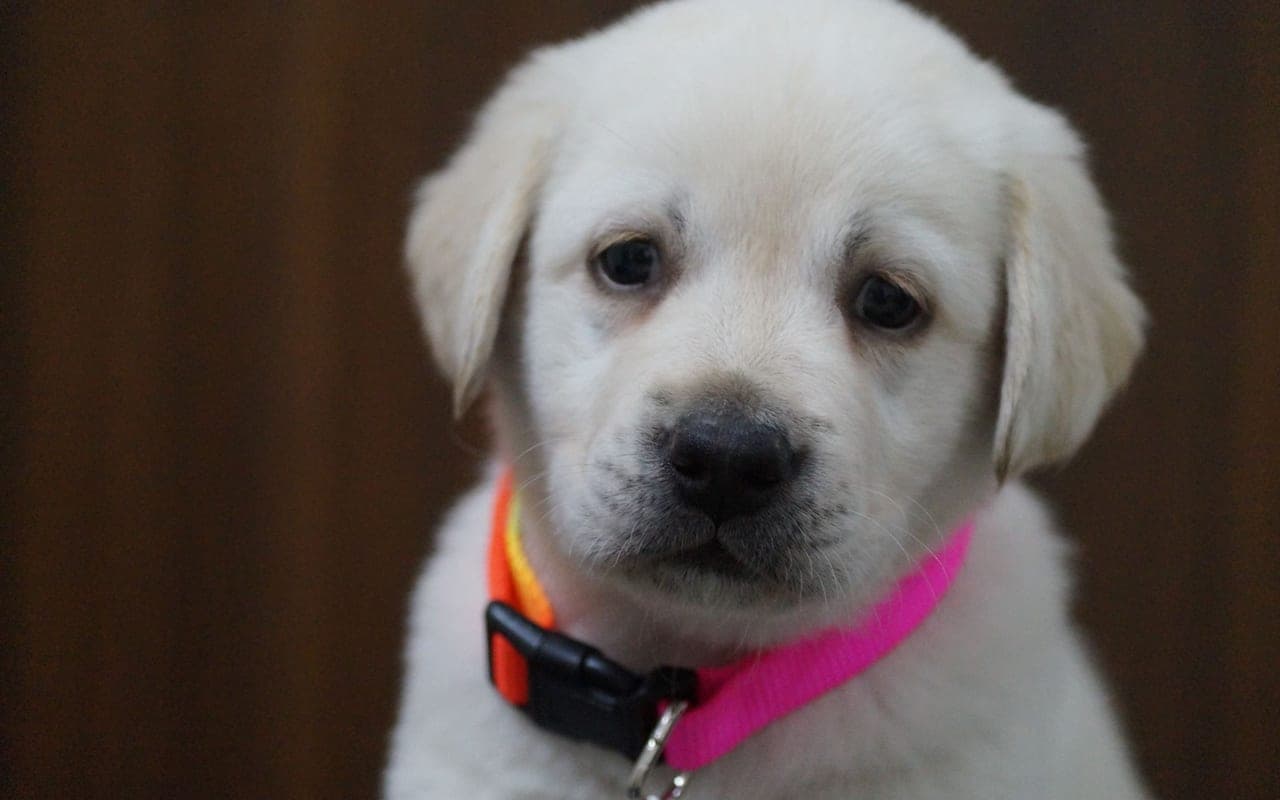
Labrador Retriever
Also in the Sporting group, with different care and temperament tradeoffs.
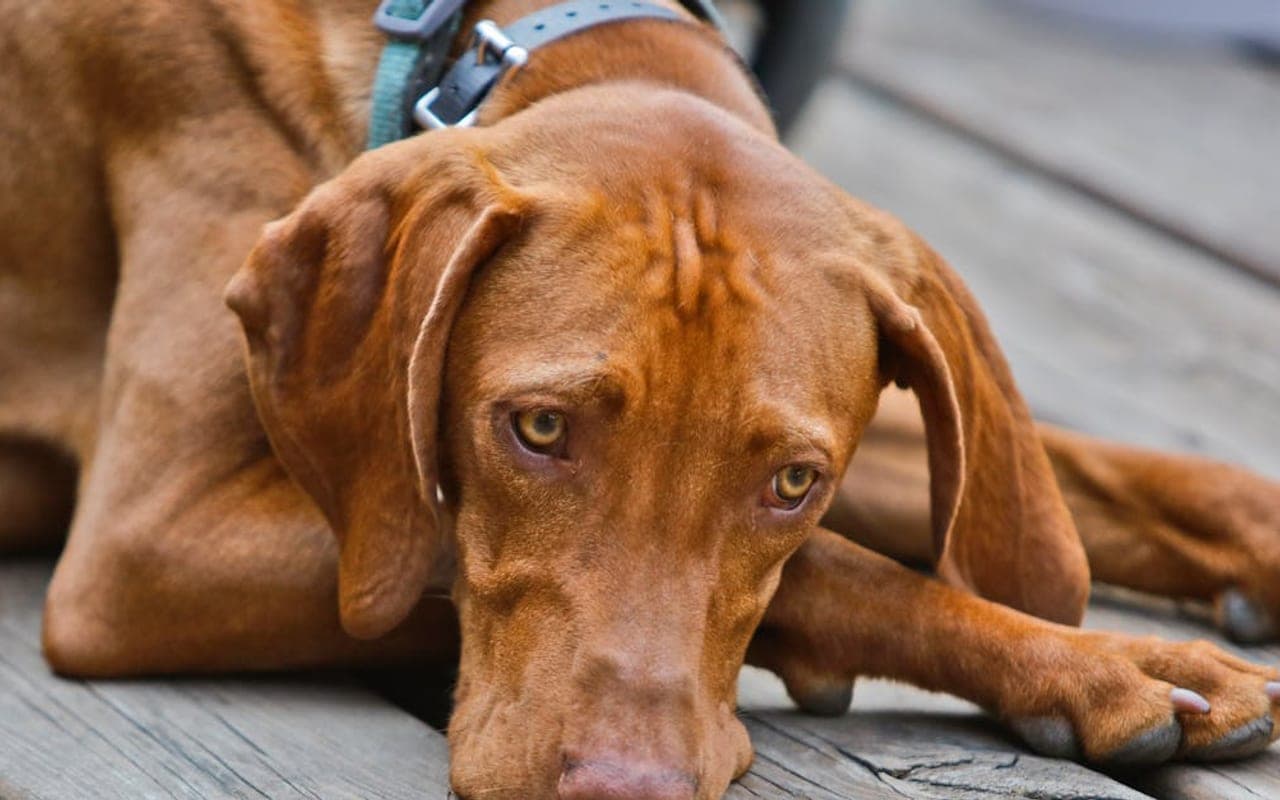
Vizsla
Also in the Sporting group, with different care and temperament tradeoffs.
Explore More About Wirehaired Pointing Griffon
Dive deeper into everything Wirehaired Pointing Griffon — costs, care, and expert insights.
Large Dog Care Guide: Everything Over 50 lbs
Owning a large or giant breed dog means accepting one of biology's...
Puppy Teething & Biting: Timeline and What Actually Works
A puppy has all 28 deciduous ("baby") teeth by roughly eight weeks of age, and...
Considering a cat instead?
Browse Cats