
Foundation Stock Service group
Working Kelpie
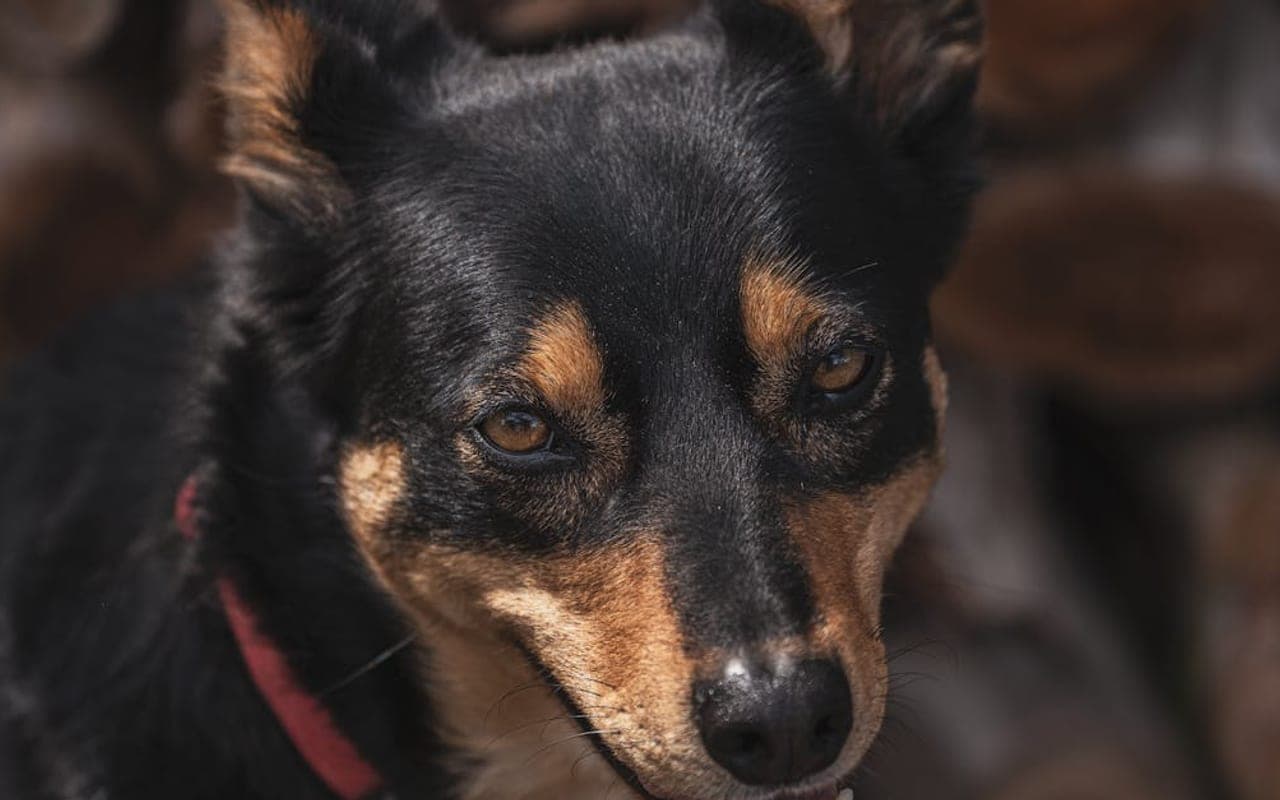
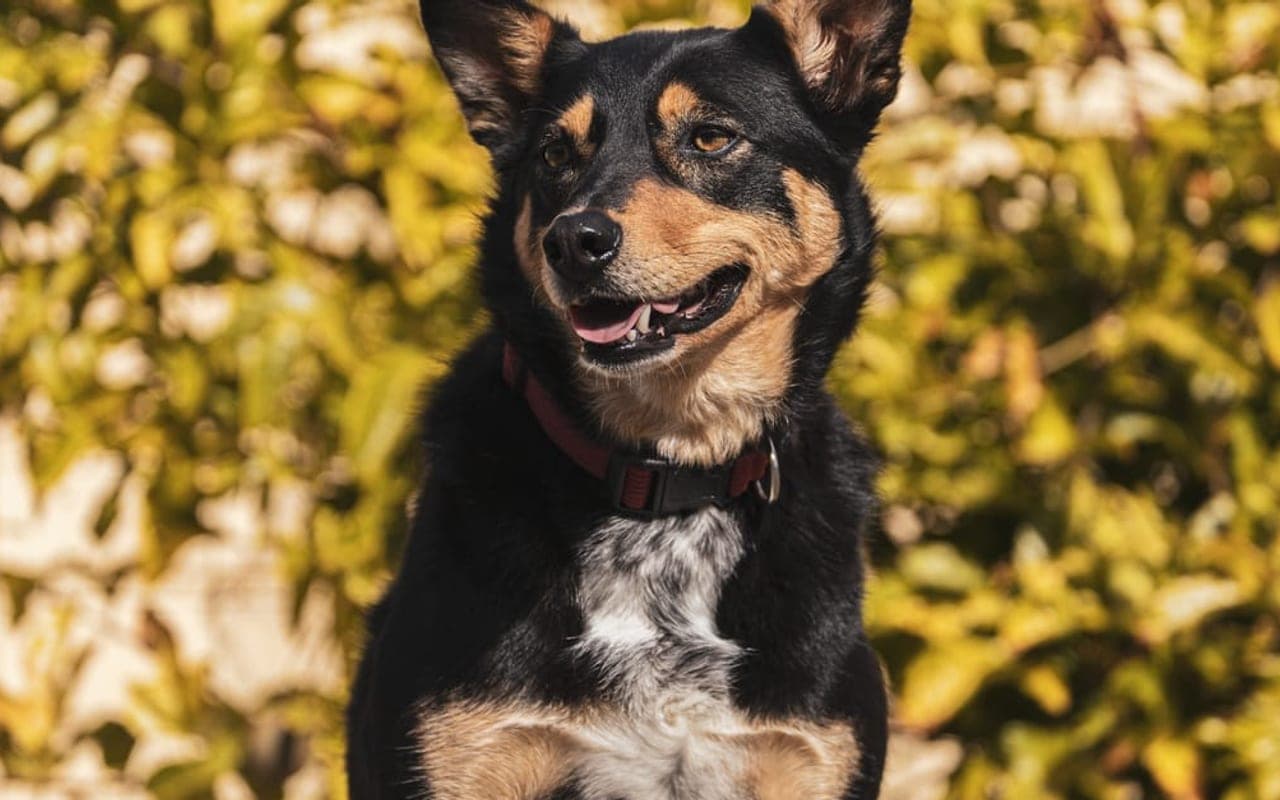
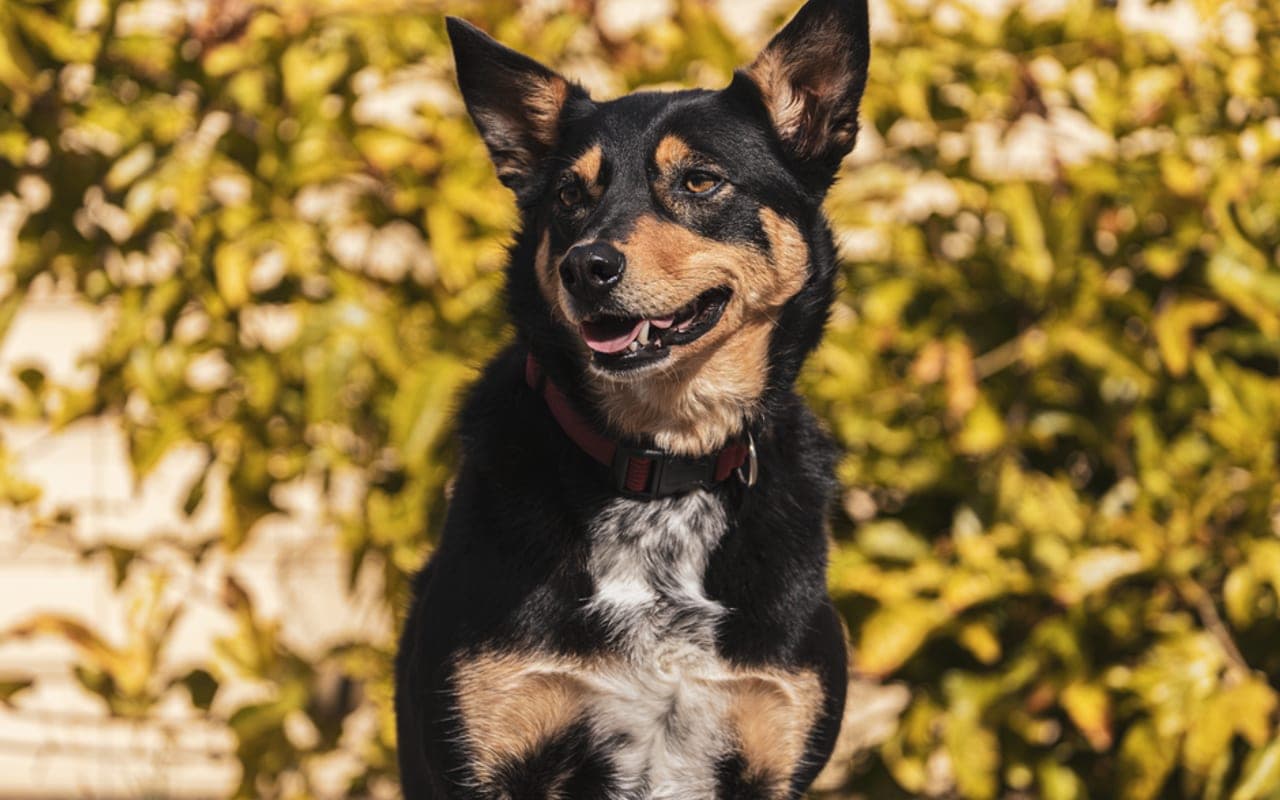
The Working Kelpie is an Australian sheepdog bred for one thing above all else: covering ground and controlling stock, all day, in heat, with minimal direction.
Size
29-60 lb
Lifespan
12-15 years
Exercise
30-60 minutes
Shedding
Moderate
Experience
Match to owner routine
Decision first
Is a Working Kelpie right for you?
Start with fit before history or trivia. These are ownership signals, not guarantees about any individual dog.
Best suited for
- Households with children.
- Homes with other compatible pets.
- Apartment homes with a consistent routine.
- Owners seeking a manageable daily exercise routine.
Think carefully if
- You need a dog with almost no daily routine.
- You cannot keep up with grooming and preventive care.
- The dog will spend most days alone without support.
Conditional fit
Apartment fit depends on exercise, enrichment, noise management, and outdoor access.
Daily reality
Working Kelpie commitment snapshot
Daily exercise
30-60 minutes
Match activity to age, health, weather, and training goals.
Coat care
Moderate
Grooming needs vary by coat, shedding, and lifestyle.
Time alone
Needs planning
Most dogs need gradual alone-time conditioning and support.
Structured facts
Working Kelpie at a glance
The measurements and traits that most affect day-to-day life with this breed.
Group
Foundation Stock Service
Weight
29-60 lb
Height
17-25 in
Lifespan
12-15 years
Temperament
Alert | Eager | Intelligent
View all characteristics and methodology
Lifestyle fit
- Apartment suitability
- Likely fit
- Child friendliness
- Often good, with socialisation and supervision
- Other-pet fit
- Often compatible with careful introductions
Owner commitment
- Exercise
- 30-60 minutes
- Grooming
- Moderate
- Shedding
- Moderate
- Training
- Moderate
Environment and health
- Health risk
- Needs planning
Ratings combine structured breed data, visible breed fields, and editorial context. They are planning aids, not predictions for an individual dog.
Daily life
Working Kelpie temperament and behavior
The Working Kelpie is an Australian sheepdog bred for one thing above all else: covering ground and controlling stock, all day, in heat, with minimal direction. It is a medium, lithe, hard-muscled dog — typically 28-45 lb and 17-20 inches — built for tireless endurance rather than looks. The single most important fact for any pet buyer is that this is a *working* line, not a show line: the Working Kelpie is selected on stock-work ability, which means its drive, intelligence, and need for a job are dialed far higher than most companion homes are prepared for. Almost every Working Kelpie that "fails" as a pet is a sound working dog in a household that gave it nothing to do. The breed is genuinely versatile beyond herding — Kelpies have earned police titles, pulled sleds, and work in search and rescue and detection — which is a clue to the temperament: an intelligent, alert, eager dog that *must* be employed. Properly engaged it has an open, friendly, surprisingly placid off-switch and a strong bond to its family and "its" children, and most live peaceably with other household pets. Under-stimulated it will manufacture work: chasing cars (literally trying to "head" them as it would sheep), fence-running, digging, and obsessive behaviors. Health-wise the Kelpie is hardy and long-lived for its size, but it carries one serious, well-documented breed-specific neurological disease — cerebellar abiotrophy — that a buyer must understand and DNA-screen around. Who the Working Kelpie is right for: an active owner with a real job for the dog (stock work, dog sports, intensive structured exercise plus training) and access to DNA-tested lines. Who it is wrong for: sedentary or apartment owners, first-time owners wanting an easy pet, or anyone who thinks two walks a day will be enough — it will not be.
Alert | Eager | Intelligent
Alert
A common Working Kelpie temperament descriptor that should be interpreted alongside training, exercise, and household fit.
Eager
A common Working Kelpie temperament descriptor that should be interpreted alongside training, exercise, and household fit.
Intelligent
A common Working Kelpie temperament descriptor that should be interpreted alongside training, exercise, and household fit.
Owner note
Temperament labels are starting points, not guarantees. Meet the individual dog and ask about behavior history whenever possible.
Care essentials
How to care for a Working Kelpie
What looking after one actually involves: exercise, grooming, food, training, and routine health.
ExerciseAs needed
- Moderately active breed needing 30-60 minutes of daily exercise.
GroomingAs needed
- Brush 2-3 times per week.
TrainingAs needed
- Consistent, patient training works best.
NutritionAs needed
- Feed high-quality dog food appropriate for age, size, and activity level.
Veterinary CareAs needed
- Annual wellness exams, vaccinations, dental care, and parasite prevention.
Health planning
Working Kelpie health risks and screening
Every breed has individual health variation. Use this profile for planning and discuss medical decisions with a veterinarian.
Responsible ownership
Finding a Working Kelpie responsibly
What to ask a breeder or rescue is the same conversation for every breed, so we keep it in one place and keep it current.
Health documentation, meeting the parents or foster, contracts and return support, and the warning signs worth walking away from.
Original purpose
Working Kelpie history
History is useful when it explains today's behavior, coat, exercise needs, and training style.
Read the breed history
The Working Kelpie was developed in late-19th-century Australia from collie-type herding dogs imported from Britain, bred ruthlessly for function on the vast Australian sheep stations where a dog had to muster huge flocks over long distances in extreme heat with little handler input. The breed's name traces to an early influential bitch named "Kelpie." From the outset selection was on stock-working ability rather than appearance, and that working-line emphasis persists today — it is the central reason the breed's drive and stamina are so high in modern pet homes and why Working Kelpie lines are distinguished from the more standardized show Kelpie. The breed's proven trainability extended well past sheep: Kelpies have gained police-dog titles, pulled sleds in Sweden, and serve widely in search-and-rescue and detection work. In North America the Working Kelpie is recorded in the American Kennel Club's Foundation Stock Service rather than as a fully recognized show breed. That uncompromising function-first history is exactly why this is a working dog first and a companion second.
Gallery
Working Kelpie photos
Images are cropped consistently and loaded progressively to keep the page responsive.
Lower-page context
Working Kelpies in culture
Where the breed shows up in film, sport, work and folklore — the enjoyable part, once the practical questions are answered.
Fun facts
- The Working Kelpie belongs to the Foundation Stock Service.
- The average lifespan of a Working Kelpie is 12 to 15 years.
- Working Kelpie dogs are valued for their alert, eager, intelligent nature.
Working Kelpie FAQs
Is the Working Kelpie a healthy breed?
Generally yes — Kelpies are hardy and long-lived for their size, often reaching the upper end of their range with good management. But "hardy" carries one serious asterisk: the breed has a well-documented, peer-reviewed autosomal-recessive neurological disease, cerebellar abiotrophy, plus screenable risks of progressive retinal atrophy and hip dysplasia. The practical takeaway is specific, not vague: buy only from a breeder who DNA-tests parents for cerebellar abiotrophy and PRA and hip-scores breeding stock. A tested-line Kelpie is a genuinely robust dog; an untested one carries a real, named risk.
What is cerebellar abiotrophy and can it be avoided?
Cerebellar abiotrophy (CA) is an inherited, autosomal-recessive disease documented specifically in the Australian Working Kelpie, in which cerebellar nerve cells progressively degenerate. Affected puppies show wobbliness, head tremors, a high-stepping gait, and inability to judge distance, typically appearing between about 3 and 16 weeks of age. There is no treatment or cure. It is, however, largely avoidable at the population level: a commercial DNA test identifies carriers, so a breeder who tests both parents and avoids carrier-to-carrier matings prevents affected litters. Asking for that test result before you buy is the single most important health question in this breed.
How much exercise does a Working Kelpie really need?
Far more than most owners expect — well over an hour of hard physical exercise daily *plus* substantial mental work, every day, not just on good-weather weekends. This is a dog bred to muster sheep across stations all day in heat and think for itself. Two leash walks will not touch it. Without a real outlet — herding, dog sports, advanced training, structured fetch, scentwork — a Kelpie reliably develops car-chasing, fence-running, digging, and obsessive behaviors. Underestimating this is the number-one reason Working Kelpies fail in pet homes; the dog isn't broken, the job is missing.
Are Working Kelpies good family dogs?
They can be excellent — Kelpies are friendly, intelligent, bond strongly to their family and "their" children, have a genuine calm off-switch when their needs are met, and most live peaceably with other household pets. The conditions are strict, though: the family must provide serious daily exercise and a job, and must manage the hardwired herding instinct, which can show up as chasing or nipping at running children, bikes, or cars. In an active, structured household they are devoted companions; in a sedentary one they become frustrated, destructive, and difficult — the temperament is conditional on the lifestyle.
Why does my Kelpie chase cars and bikes?
Because you have a herding dog with no sheep. Chasing and trying to "head" or control moving objects — cars, bikes, joggers, livestock — is the exact instinct the breed was built on, redirected onto whatever moves. It is not disobedience or aggression; it is a working drive without a legitimate target, and it is also a serious road-safety and liability risk. The fix is management plus redirection: secure containment, reliable recall training, and most importantly a real outlet for the instinct (herding, dog sports, structured games). Punishing the instinct without redirecting it does not work.
How long do Working Kelpies live and what is the cost picture?
Typical lifespan is around 12-15 years, good for a working dog of this size, with lean, well-exercised, health-tested individuals trending toward the upper end. The honest cost picture is less about routine vet bills — grooming is minimal and the breed is hardy — and more about time and structure: this dog demands daily exercise and mental work for over a decade, and the predictable expense of getting that wrong is behavioral rehabilitation or rehoming. Up front, prioritize a DNA-tested, hip-screened line; over the dog's life, budget your time, not just your money.
Sources
These are the published sources this page draws on. Each opens in a new tab so you can check it yourself.
American Kennel Club
Working Kelpie — breed standard and profile(opens in a new tab)Supports: Breed standard and recognition details.
Similar breeds to consider
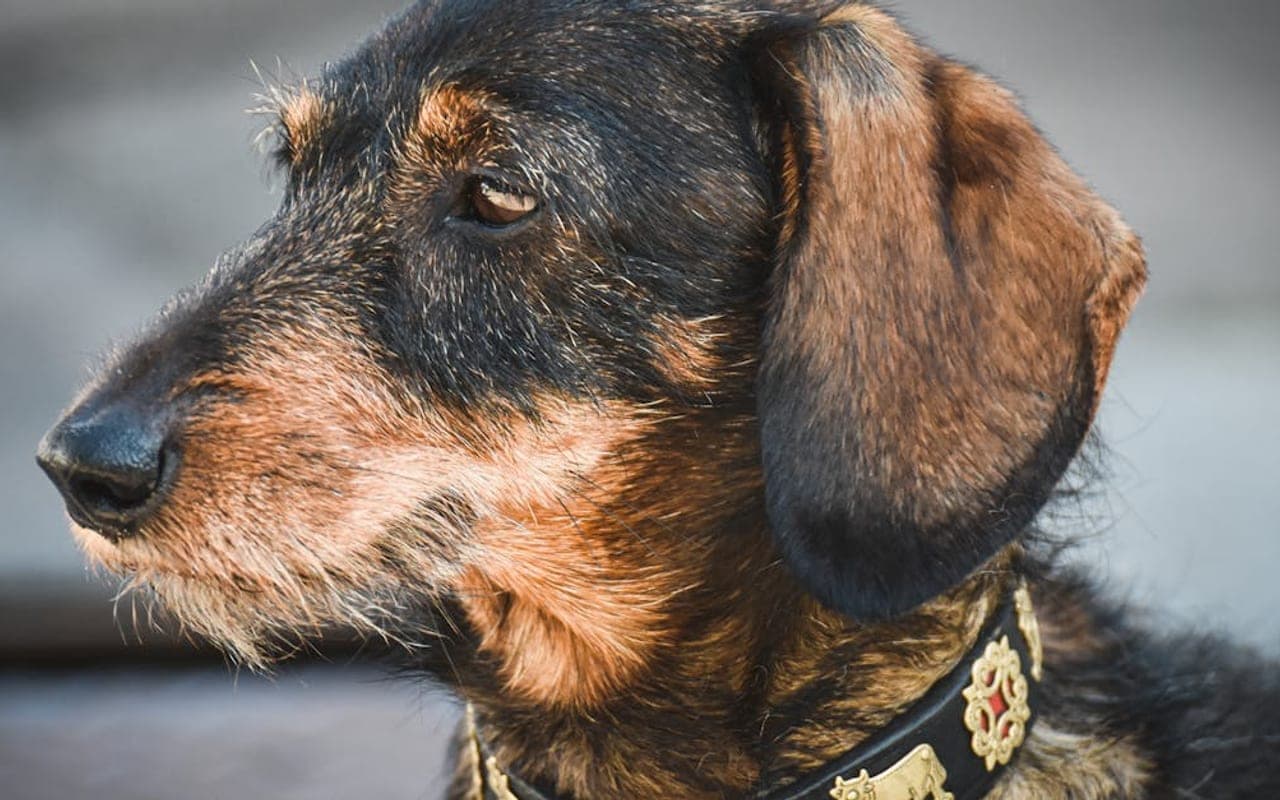
Jagdterrier
Also in the Foundation Stock Service group, with different care and temperament tradeoffs.
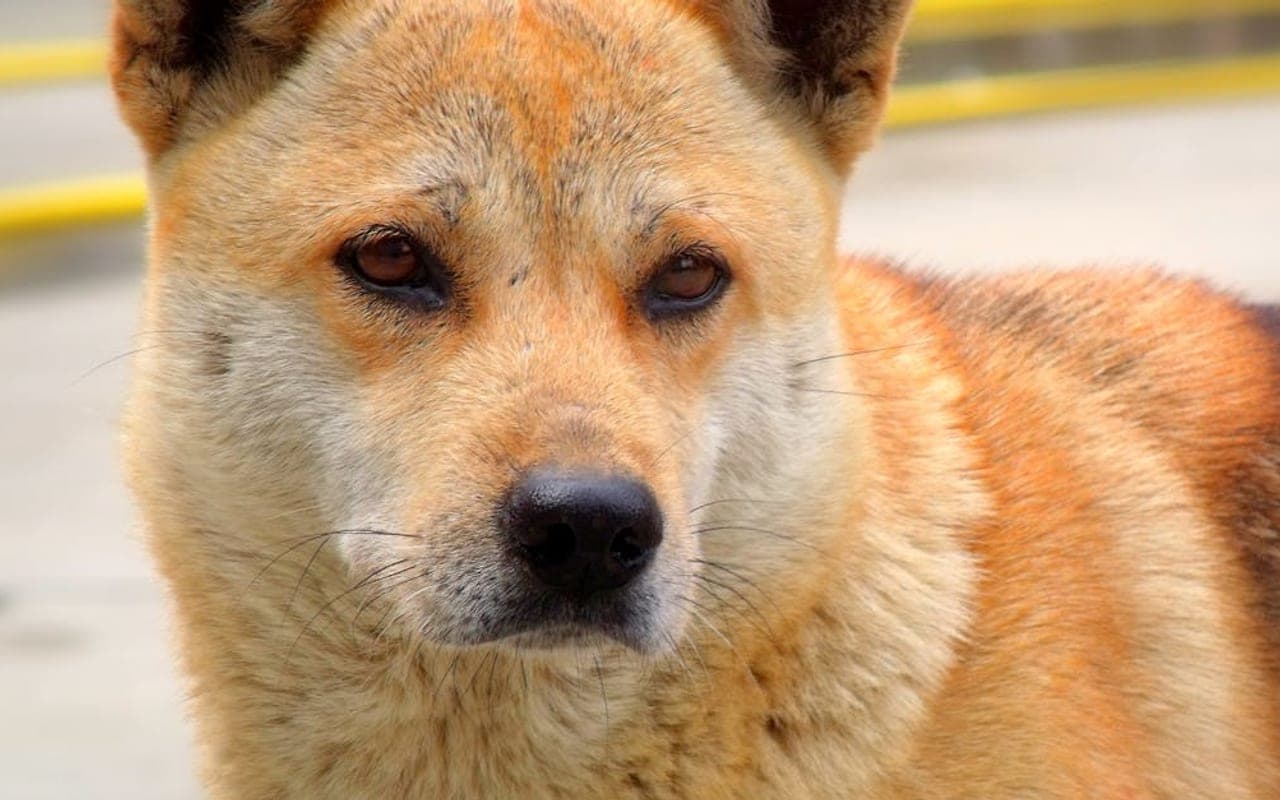
Jindo
Also in the Foundation Stock Service group, with different care and temperament tradeoffs.
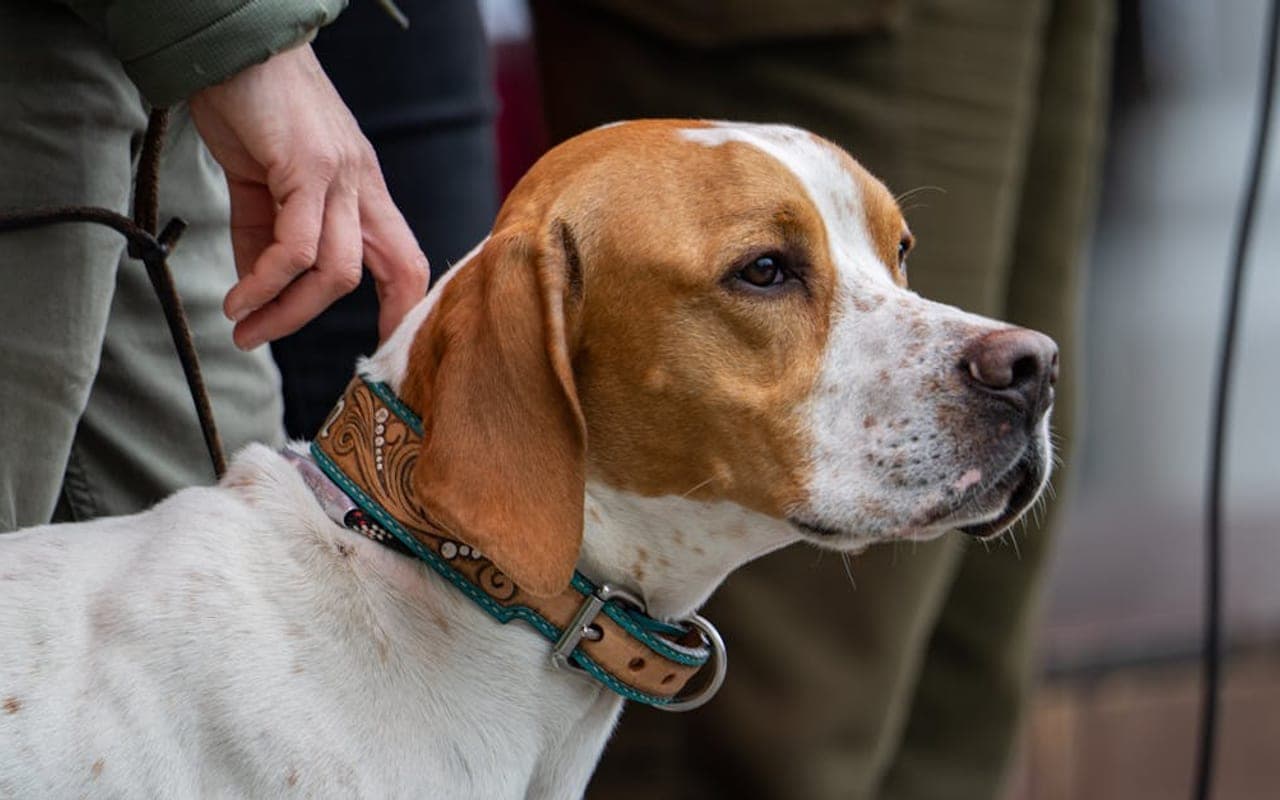
Portuguese Pointer
Also in the Foundation Stock Service group, with different care and temperament tradeoffs.
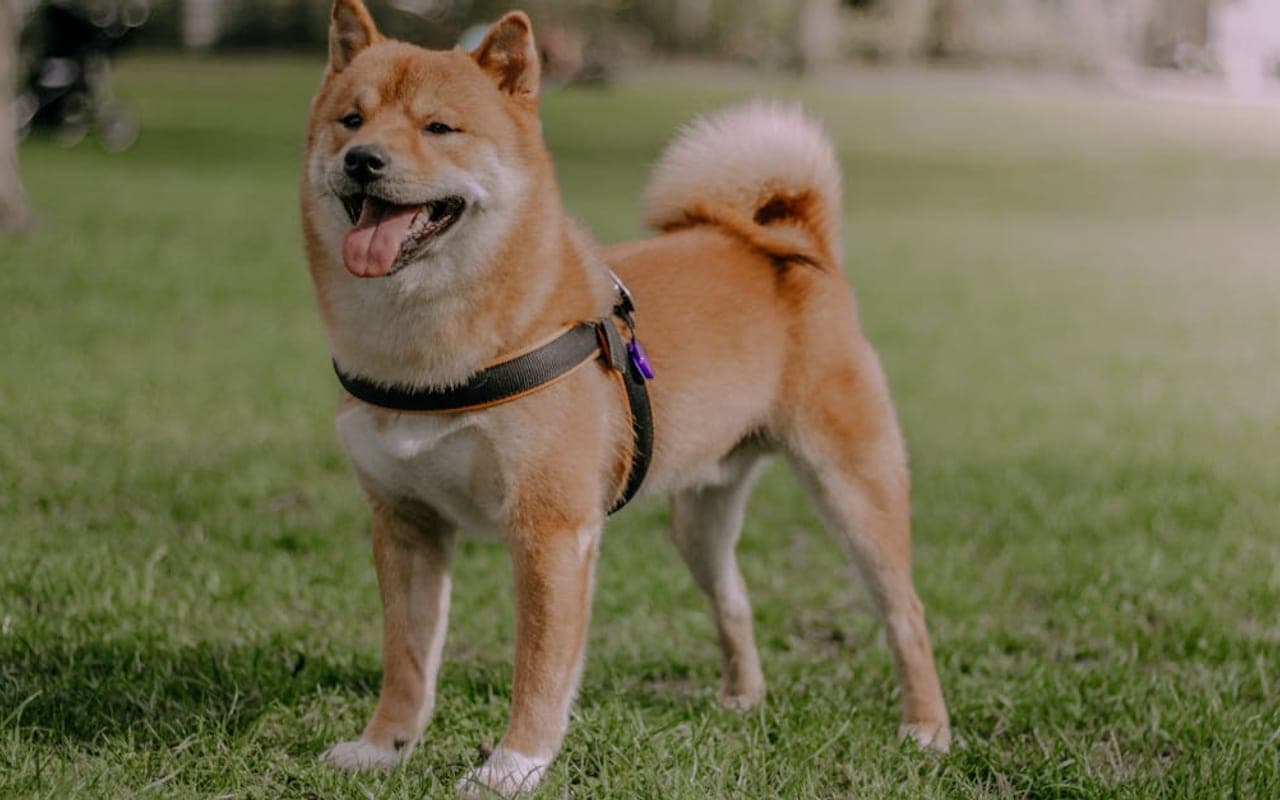
Kishu Ken
Also in the Foundation Stock Service group, with different care and temperament tradeoffs.
Explore More About Working Kelpie
Dive deeper into everything Working Kelpie — costs, care, and expert insights.
Large Dog Care Guide: Everything Over 50 lbs
Owning a large or giant breed dog means accepting one of biology's...
Puppy Teething & Biting: Timeline and What Actually Works
A puppy has all 28 deciduous ("baby") teeth by roughly eight weeks of age, and...
Considering a cat instead?
Browse Cats