
Non-Sporting group
Xoloitzcuintli
The Xoloitzcuintli (pronounced show-low-eats-QUEENT-lee, often shortened to Xolo) is an ancient Mexican breed that comes in two coat varieties — hairless and coated — and three sizes: toy (roughly 4 to 7 kg), miniature (7 to 14 kg), and standard (14 to 25 kg).
Size
10-55 lb
Lifespan
13-18 years
Exercise
30-60 minutes
Shedding
Moderate
Experience
Match to owner routine
Decision first
Is a Xoloitzcuintli right for you?
Start with fit before history or trivia. These are ownership signals, not guarantees about any individual dog.
Best suited for
- Households with children.
- Homes with other compatible pets.
- Apartment homes with a consistent routine.
- Owners seeking a manageable daily exercise routine.
Think carefully if
- You need a dog with almost no daily routine.
- You cannot keep up with grooming and preventive care.
- The dog will spend most days alone without support.
Conditional fit
Apartment fit depends on exercise, enrichment, noise management, and outdoor access.
Daily reality
Xoloitzcuintli commitment snapshot
Daily exercise
30-60 minutes
Match activity to age, health, weather, and training goals.
Coat care
Moderate
Grooming needs vary by coat, shedding, and lifestyle.
Time alone
Needs planning
Most dogs need gradual alone-time conditioning and support.
Structured facts
Xoloitzcuintli at a glance
The measurements and traits that most affect day-to-day life with this breed.
Group
Non-Sporting
Weight
10-55 lb
Height
10-24 in
Lifespan
13-18 years
Temperament
Loyal | Alert | Calm
View all characteristics and methodology
Lifestyle fit
- Apartment suitability
- Likely fit
- Child friendliness
- Often good, with socialisation and supervision
- Other-pet fit
- Often compatible with careful introductions
Owner commitment
- Exercise
- 30-60 minutes
- Grooming
- Moderate
- Shedding
- Moderate
- Training
- Moderate
Environment and health
- Health risk
- Needs planning
Ratings combine structured breed data, visible breed fields, and editorial context. They are planning aids, not predictions for an individual dog.
Daily life
Xoloitzcuintli temperament and behavior
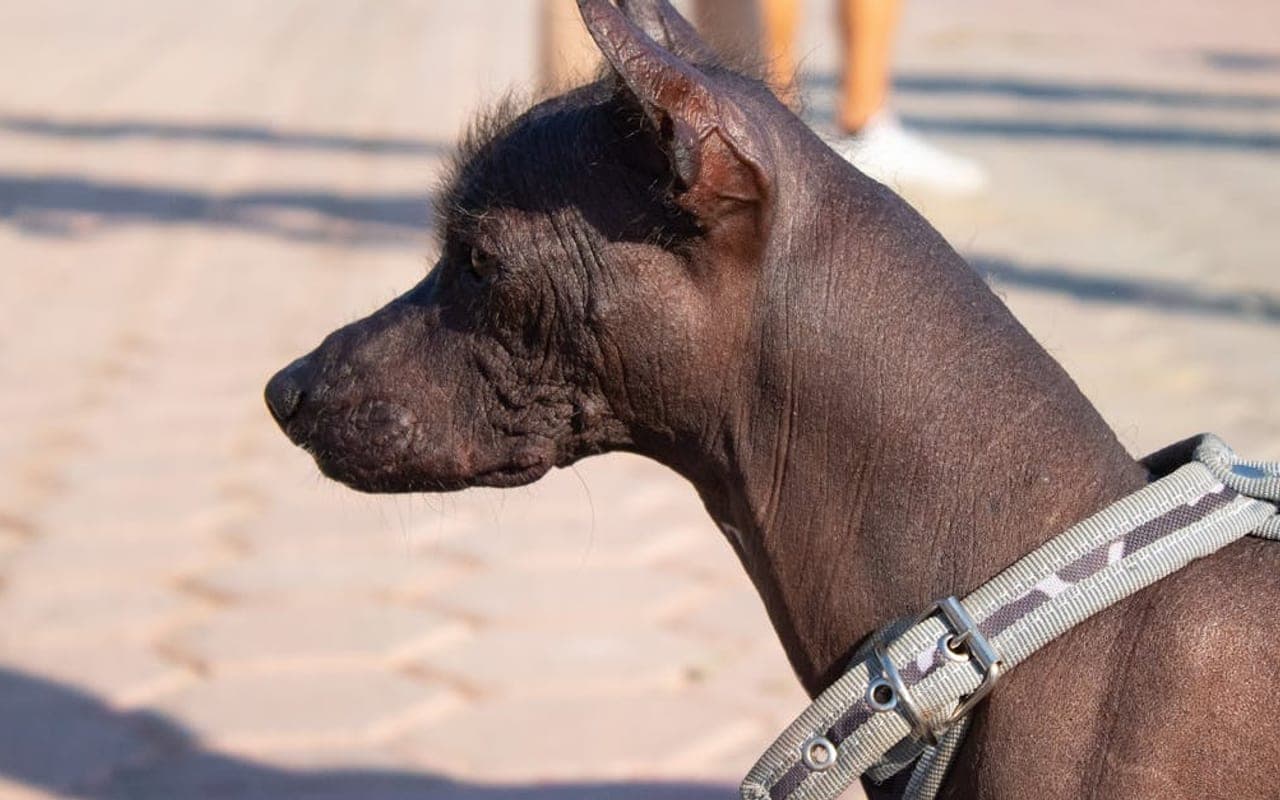
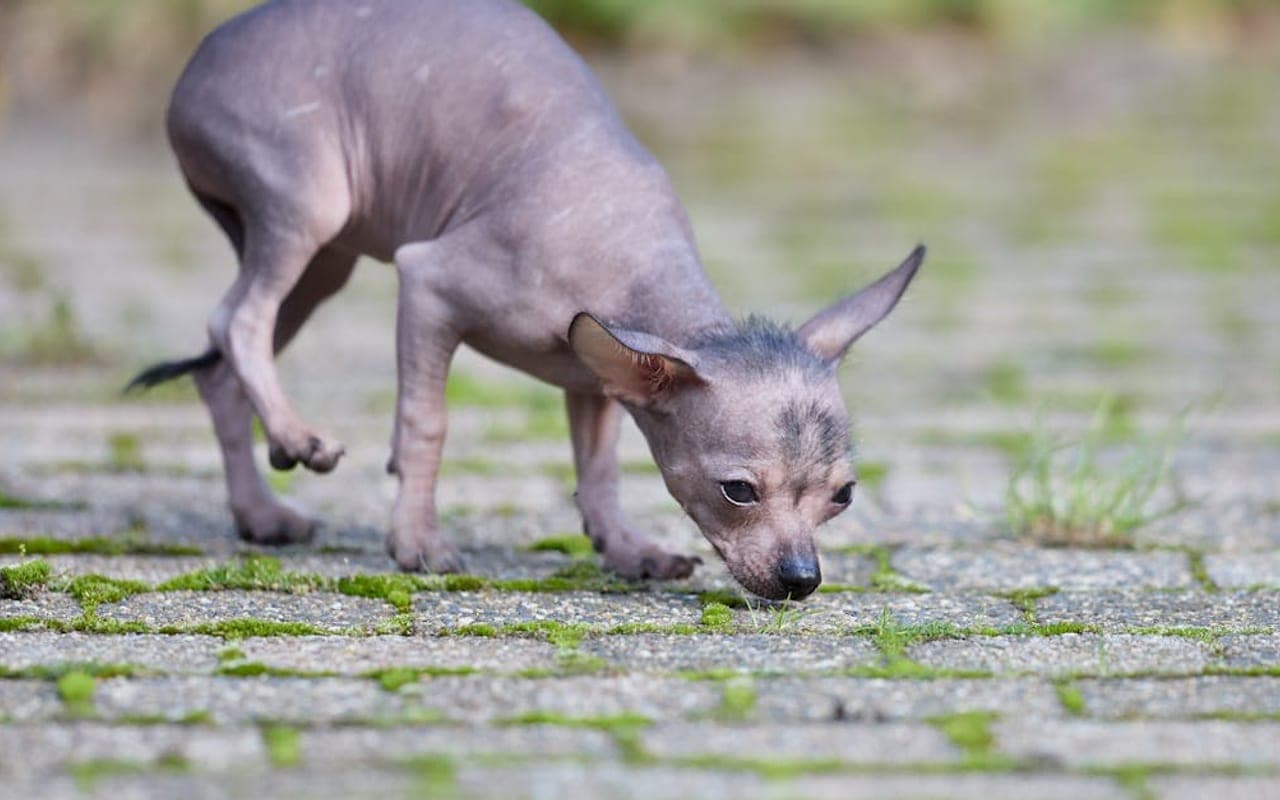
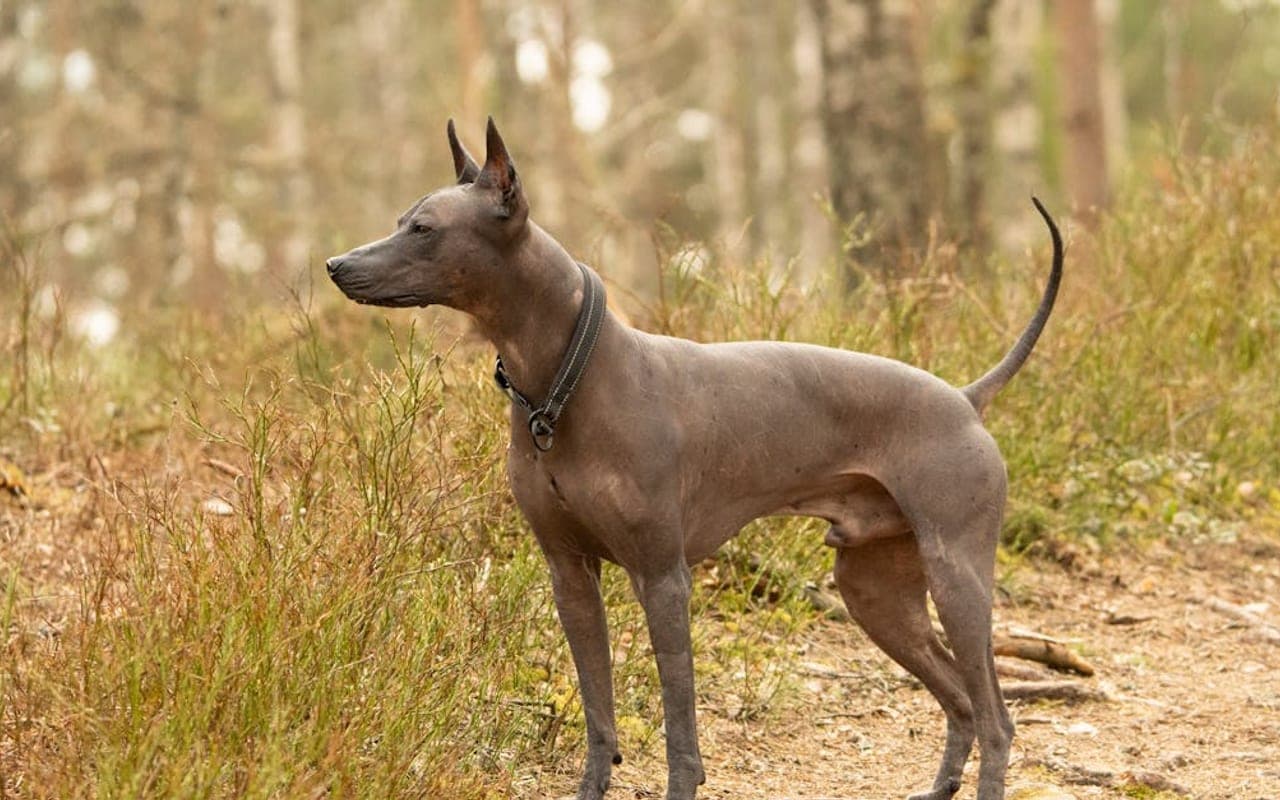
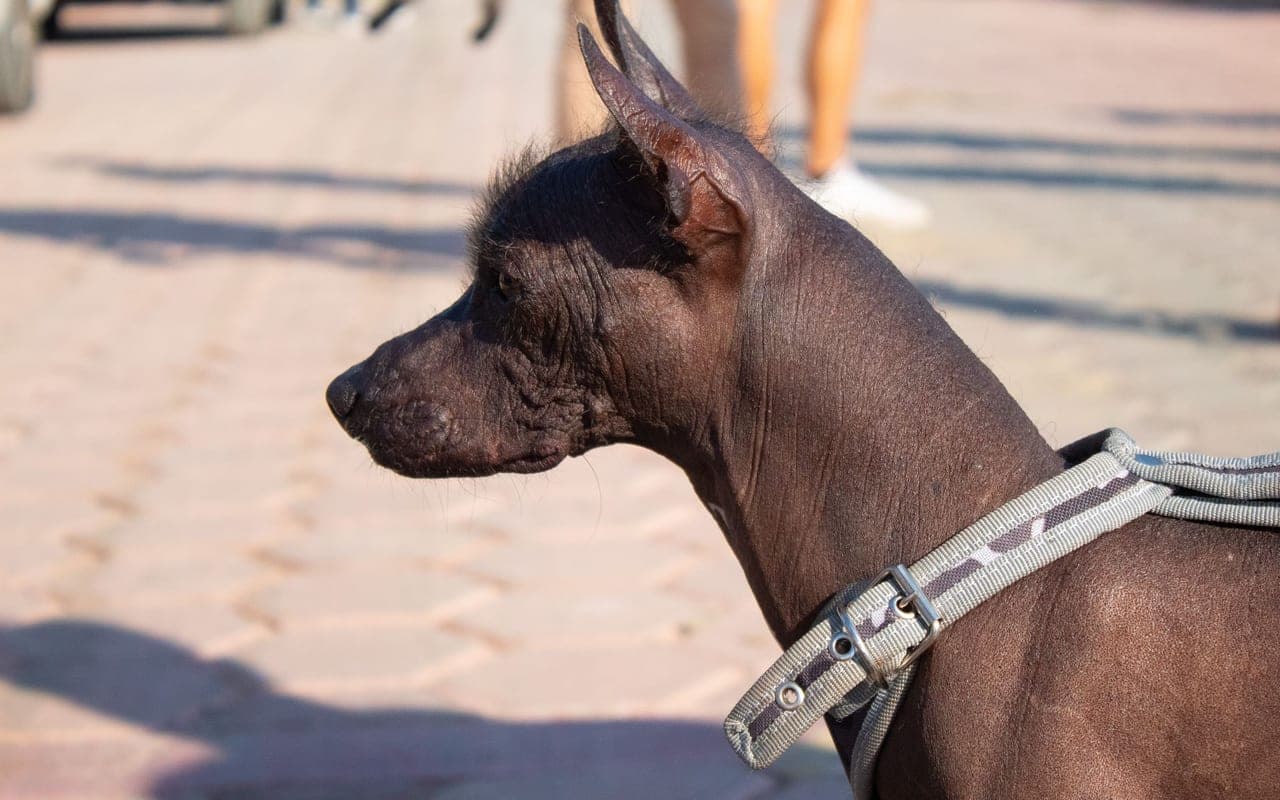
The Xoloitzcuintli (pronounced show-low-eats-QUEENT-lee, often shortened to Xolo) is an ancient Mexican breed that comes in two coat varieties — hairless and coated — and three sizes: toy (roughly 4 to 7 kg), miniature (7 to 14 kg), and standard (14 to 25 kg). The hairless variety has tough, smooth, close-fitting skin with hair usually limited to the head, feet, and tail tip; the coated variety has a short, flat coat over the whole body. Both occur in the same litter, and both are correct. The body is elegant but genuinely athletic and rugged — this is not a fragile decorative dog. The single most important thing to understand about the Xolo is that the hairlessness is caused by a dominant gene (FOXI3) that also affects dentition: hairless Xolos are commonly born with missing or abnormal teeth, especially premolars. That is normal for the variety, not a defect — but it changes how you feed, brush, and budget for dental care, and it is the central honest fact any Xolo profile must lead with. Coated Xolos typically have a full, normal set of teeth. Temperament is calm, watchful, and intensely loyal. Xolos are alert, often reserved with strangers, attentive watchdogs, and strongly bonded — frequently velcro-attached to one or two people. They are intelligent and trainable but sensitive; harsh handling backfires. They are quiet for their watchdog role, moderate in energy, and do well with active owners who include them in daily life rather than leaving them isolated. The Xolo is right for an owner who wants a clean, low-shedding, deeply loyal companion and is prepared for the real maintenance of bare skin — sunscreen, sunburn risk, skin care, and acne in adolescence — plus diligent dental care. It is the wrong dog for someone expecting a maintenance-free "hypoallergenic" novelty: a hairless dog is more skin work, not less, and the dental and sun-care realities are non-negotiable. Decide on the skin-and-teeth commitment before the look.
Loyal | Alert | Calm
Loyal
A common Xoloitzcuintli temperament descriptor that should be interpreted alongside training, exercise, and household fit.
Alert
A common Xoloitzcuintli temperament descriptor that should be interpreted alongside training, exercise, and household fit.
Calm
A common Xoloitzcuintli temperament descriptor that should be interpreted alongside training, exercise, and household fit.
Owner note
Temperament labels are starting points, not guarantees. Meet the individual dog and ask about behavior history whenever possible.
Care essentials
How to care for a Xoloitzcuintli
What looking after one actually involves: exercise, grooming, food, training, and routine health.
ExerciseAs needed
- Moderately active breed needing 30-60 minutes of daily exercise.
GroomingAs needed
- Brush 2-3 times per week.
TrainingAs needed
- Consistent, patient training works best.
NutritionAs needed
- Feed high-quality dog food appropriate for age, size, and activity level.
Veterinary CareAs needed
- Annual wellness exams, vaccinations, dental care, and parasite prevention.
Health planning
Xoloitzcuintli health risks and screening
Every breed has individual health variation. Use this profile for planning and discuss medical decisions with a veterinarian.
Responsible ownership
Finding a Xoloitzcuintli responsibly
What to ask a breeder or rescue is the same conversation for every breed, so we keep it in one place and keep it current.
Health documentation, meeting the parents or foster, contracts and return support, and the warning signs worth walking away from.
Original purpose
Xoloitzcuintli history
History is useful when it explains today's behavior, coat, exercise needs, and training style.
Read the breed history
The Xoloitzcuintli is one of the oldest and rarest dog breeds in the Americas, with archaeological and artistic evidence of hairless dogs in Mexico dating back roughly 3,000 years. The name combines Xolotl, the Aztec deity associated with the underworld, and itzcuintli, the Nahuatl word for dog. In Aztec and earlier Mesoamerican cultures the Xolo was believed to guide the souls of the dead through the underworld and was kept as a companion, a guardian, a source of warmth, and in some contexts a sacred and ritual animal. The breed survived in rural Mexico largely outside formal kennel structures and came close to disappearing in the early 20th century before a deliberate preservation effort in Mexico in the 1950s rebuilt the population from rural stock. Mexico's national kennel club recognized it, and the American Kennel Club fully recognized the Xolo in 2011. Its history as a hardy, naturally-selected village dog explains its rugged constitution, calm watchful temperament, and the fact that hairless and coated puppies still appear together in the same litter.
Gallery
Xoloitzcuintli photos
Images are cropped consistently and loaded progressively to keep the page responsive.
Lower-page context
Xoloitzcuintlis in culture
Where the breed shows up in film, sport, work and folklore — the enjoyable part, once the practical questions are answered.
Fun facts
- The Xoloitzcuintli belongs to the Non-Sporting Group.
- The average lifespan of a Xoloitzcuintli is 13 to 18 years.
- Xoloitzcuintli dogs are valued for their loyal, alert, calm nature.
Xoloitzcuintli FAQs
How long do Xoloitzcuintli dogs live?
A healthy Xolo typically lives 13 to 18 years, which is notably long for a dog and one of the breed's genuine strengths. It is a robust, naturally-selected breed without the high burden of conformation-driven disease seen in some popular breeds. Lifespan in practice is driven less by catastrophic genetic disease and more by consistent dental care, sun protection for the hairless variety, and keeping the dog lean.
Are hairless Xolos really hypoallergenic and low-maintenance?
They shed almost nothing and produce little loose hair, which helps some allergy-sensitive owners — but "hypoallergenic" is overstated and low-maintenance is a myth. A hairless Xolo trades coat grooming for skin care: sunscreen, sunburn prevention, regular gentle cleansing, adolescent acne management, and cold-weather clothing. It is a different maintenance workload, not a smaller one, so choose the breed for the dog and not for an expectation of effortless care.
Why do hairless Xolos have missing teeth, and is that a problem?
The dominant FOXI3 gene that causes hairlessness also affects tooth development, so hairless Xolos are commonly born with missing or abnormal teeth, especially premolars. It is normal for the variety and not painful in itself, but the remaining teeth crowd and trap plaque, raising the risk of periodontal disease. Practically, that means committing to brushing 3 to 4 times a week, scheduling professional cleanings, and matching food form to the dog's actual dentition.
Are Xoloitzcuintli dogs good with children and other pets?
Yes, with socialization. Xolos are calm, loyal, and people-bonded, and well-raised individuals do well with respectful children and animals they are raised alongside. The realistic cautions are that Xolos are reserved with strangers and sensitive to rough handling, and the bare skin of the hairless variety is more vulnerable to scratches and bumps from very young children. Supervise toddler interactions and give the dog a quiet retreat.
How much exercise and training does a Xolo need?
Plan on 45 to 60 minutes of daily walks and play for the standard and miniature; toys need somewhat less. Xolos are moderate-energy, agile, and enjoy mental work. They are intelligent and trainable but sensitive — they respond to consistent, reward-based handling and shut down under harsh correction. Early socialization is especially important because the breed's natural reserve with strangers can tip into excessive wariness without it.
What does it actually cost to own a Xolo beyond the purchase price?
The recurring hidden costs are dental and skin care. Hairless Xolos commonly need more frequent professional dental cleanings because of their abnormal dentition, plus ongoing sunscreen and skin products and a winter coat. Coated Xolos avoid most skin costs but still benefit from routine dental care. Budgeting realistically for lifelong dental maintenance and sun protection is the difference between a healthy long-lived Xolo and an avoidable, expensive problem later.
Sources
These are the published sources this page draws on. Each opens in a new tab so you can check it yourself.
American Kennel Club
Xoloitzcuintli — breed standard and profile(opens in a new tab)Supports: Breed standard and recognition details.
Similar breeds to consider
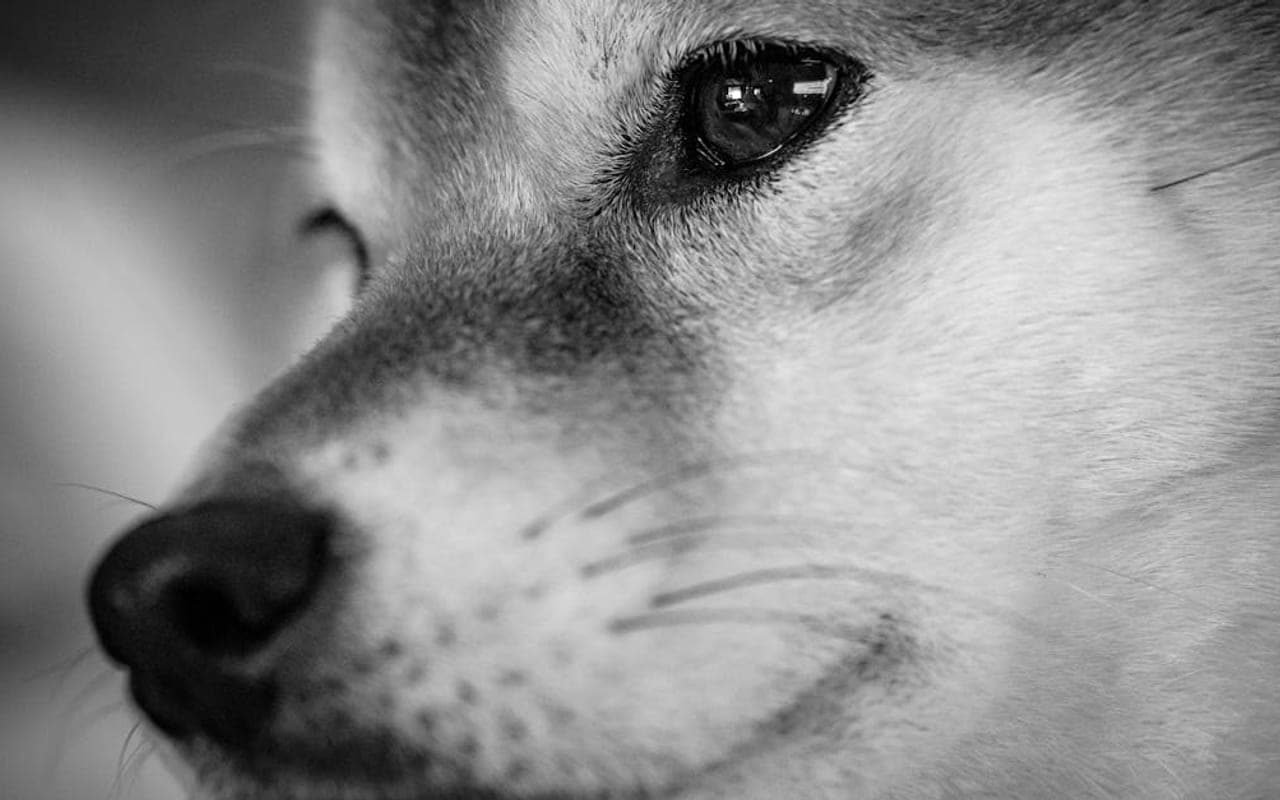
Shiba Inu
Also in the Non-Sporting group, with different care and temperament tradeoffs.
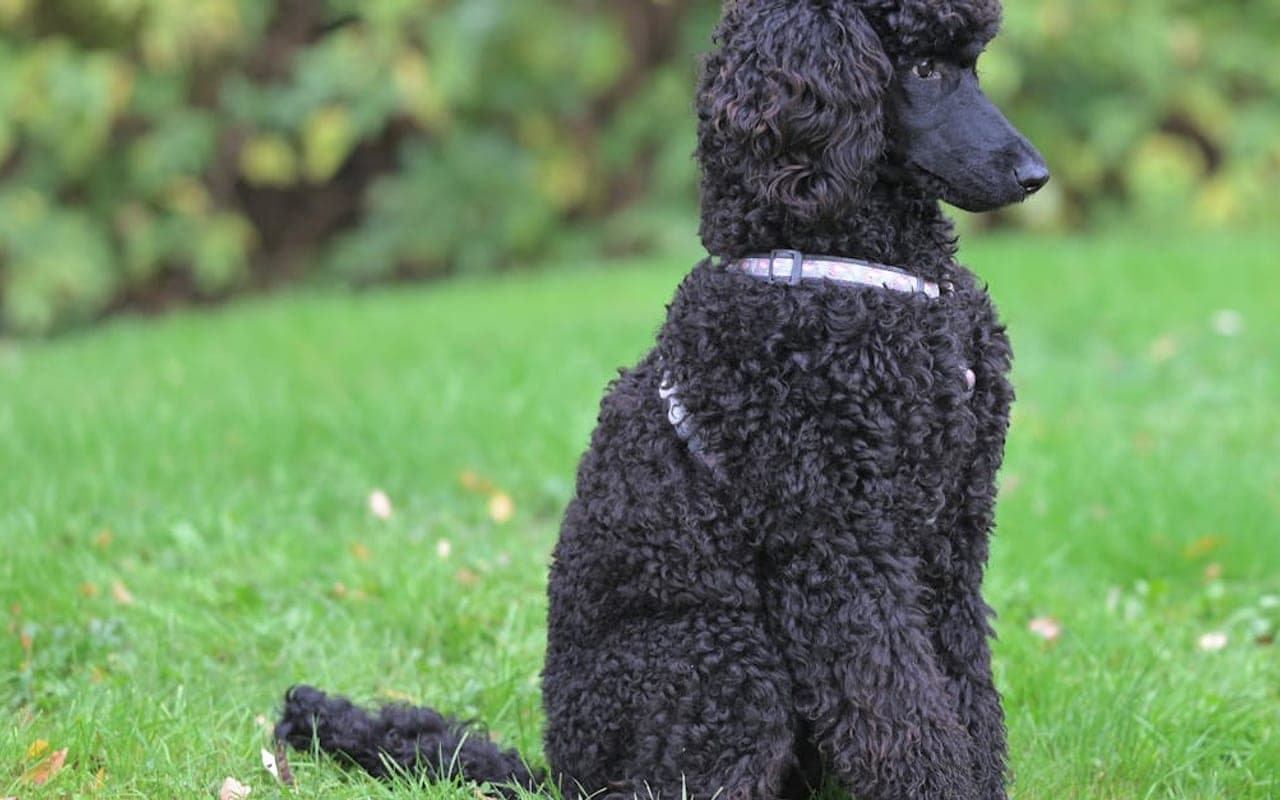
Poodle
Also in the Non-Sporting group, with different care and temperament tradeoffs.
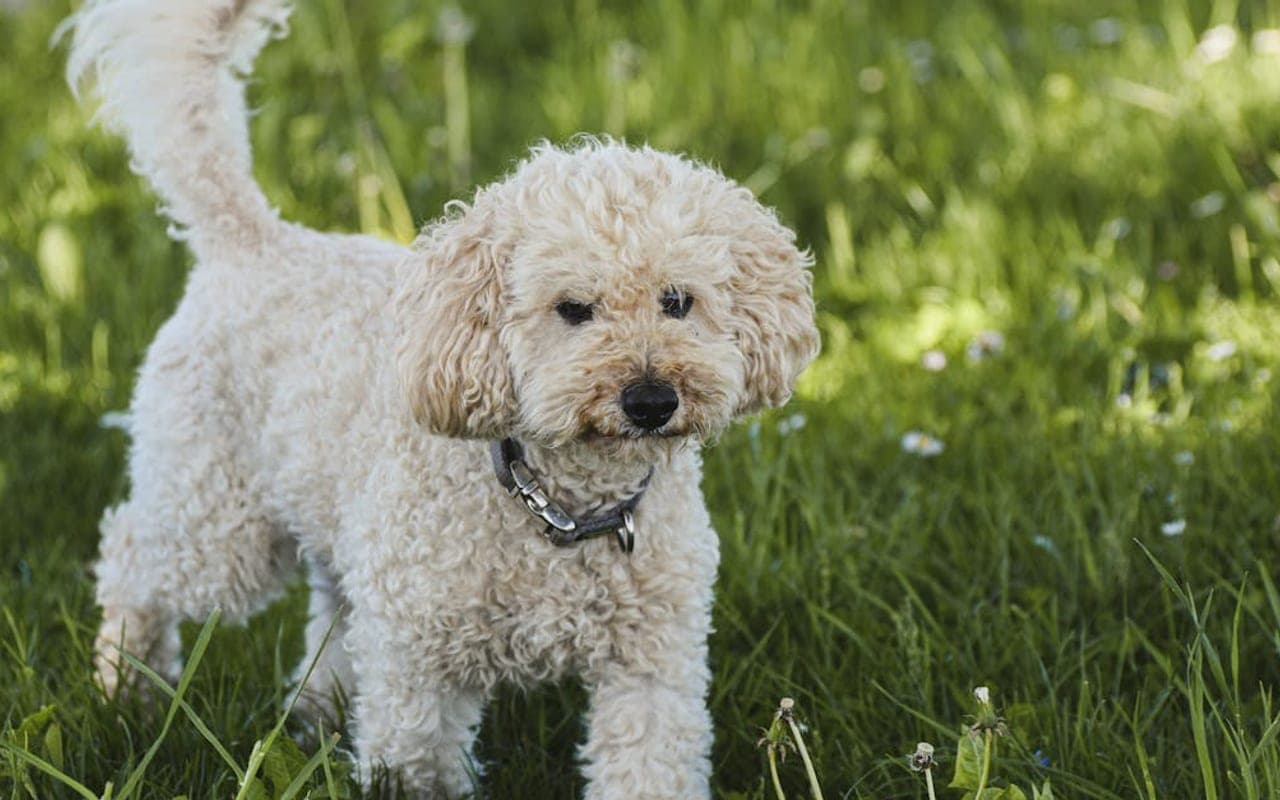
Poodle (Miniature)
Also in the Non-Sporting group, with different care and temperament tradeoffs.
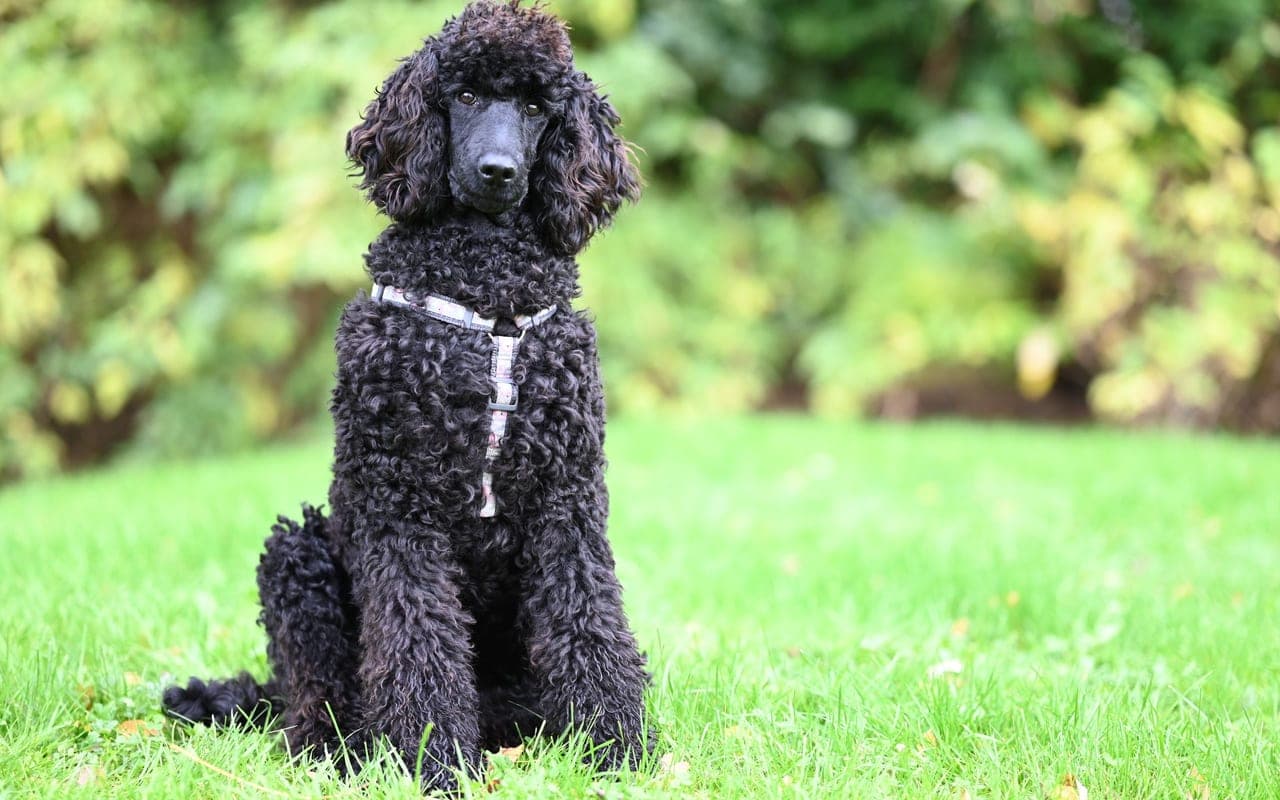
Poodle (Standard)
Also in the Non-Sporting group, with different care and temperament tradeoffs.
Explore More About Xoloitzcuintli
Dive deeper into everything Xoloitzcuintli — costs, care, and expert insights.
Large Dog Care Guide: Everything Over 50 lbs
Owning a large or giant breed dog means accepting one of biology's...
Puppy Teething & Biting: Timeline and What Actually Works
A puppy has all 28 deciduous ("baby") teeth by roughly eight weeks of age, and...
Considering a cat instead?
Browse Cats