
Shorthair group
California Spangled
The California Spangled is a wild-looking but entirely domestic shorthaired cat — and the most important fact about it is not its leopard-spotted coat but its rarity.
Size
9-18 lb
Lifespan
10-14 years
Play
30-60 minutes
Shedding
Low
Experience
Match to owner routine
Decision first
Is a California Spangled right for you?
Start with fit before history or trivia. These are ownership signals, not guarantees about any individual cat.
Best suited for
- Households with children.
- Homes with other compatible pets.
- Apartment homes with a consistent routine.
- Owners who can provide daily play, climbing space, and enrichment.
Think carefully if
- You cannot provide daily play, climbing space, or mental enrichment.
- You cannot keep up with grooming and preventive care.
- The cat will spend most days without interaction or enrichment.
Conditional fit
Apartment fit depends on vertical space, litter setup, play, enrichment, and noise tolerance.
Daily reality
California Spangled commitment snapshot
Daily play
30-60 minutes
Match play and enrichment to age, health, appetite, and household routine.
Coat care
Low
Grooming needs vary by coat, shedding, and lifestyle.
Social needs
Needs planning
Most cats still need predictable contact, enrichment, litter care, and monitoring.
Structured facts
California Spangled at a glance
The measurements and traits that most affect day-to-day life with this breed.
Origin
United States
Group
Shorthair
Weight
9-18 lb
Height
9-13 in
Lifespan
10-14 years
Temperament
Affectionate | Curious | Intelligent | Loyal | Social
View all characteristics and methodology
Lifestyle fit
- Apartment suitabilityWorks best with clean litter setup, vertical space, and daily enrichment.
- Likely fit
- Child friendliness
- Often good, with socialisation and supervision
- Other-pet fit
- Often compatible with careful introductions
- Adaptability
- Very high
Owner commitment
- Daily play
- 30-60 minutes
- Grooming
- Low
- Shedding
- Low
- Indoor enrichment
- High
Behavior
- Affection
- Very high
- Energy
- Very high
- Vocalization
- Low
- Social needs
- Moderate
Environment and health
- Intelligence
- Very high
- Health risk
- Needs planning
- Weight sensitivity
- Routine monitoring
Ratings combine structured breed data, visible breed fields, and editorial context. They are planning aids, not predictions for an individual cat.
Daily life
California Spangled temperament and behavior
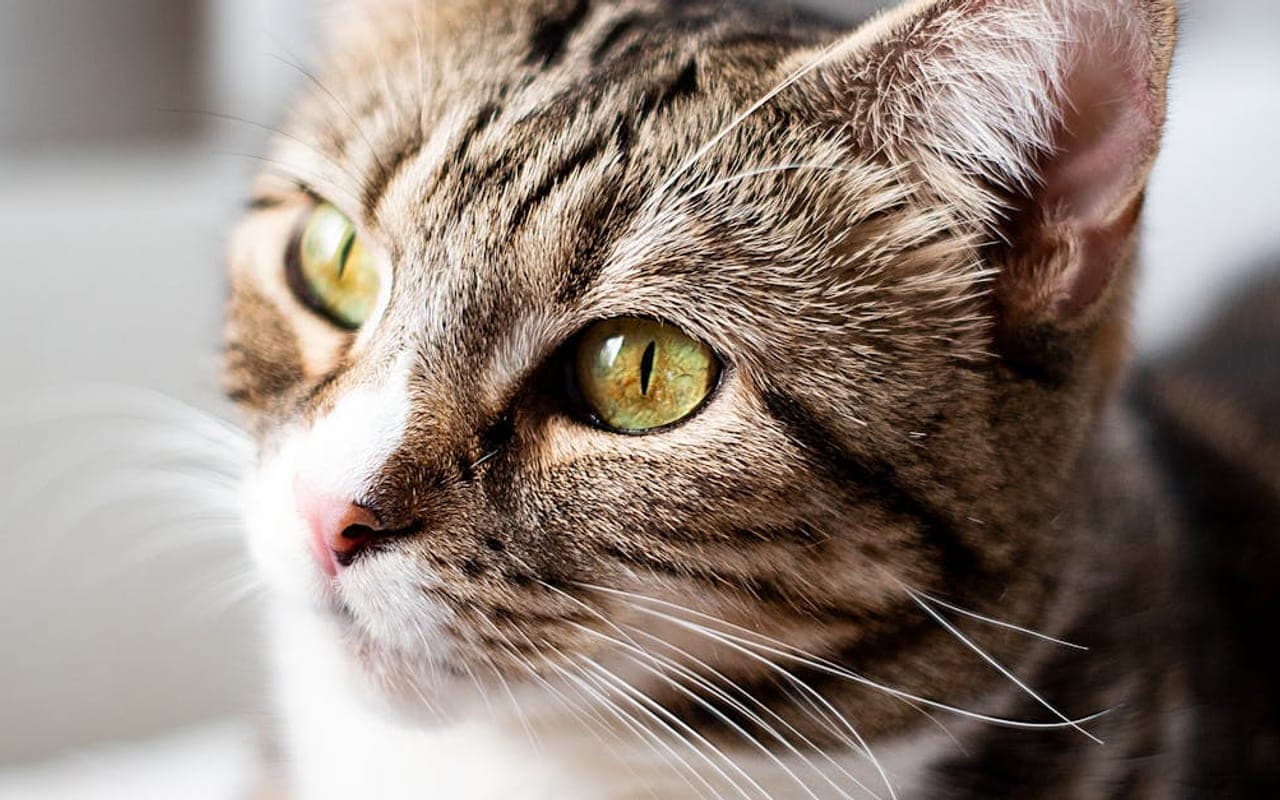
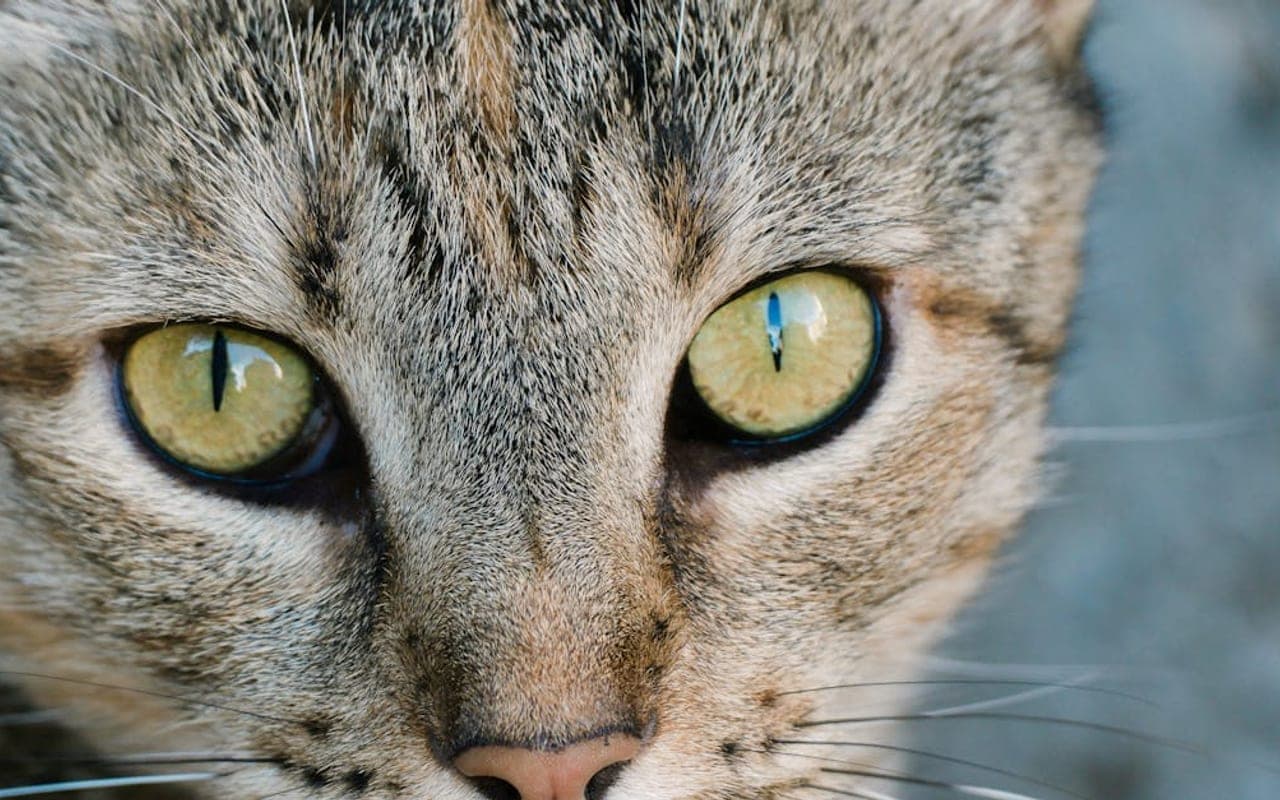
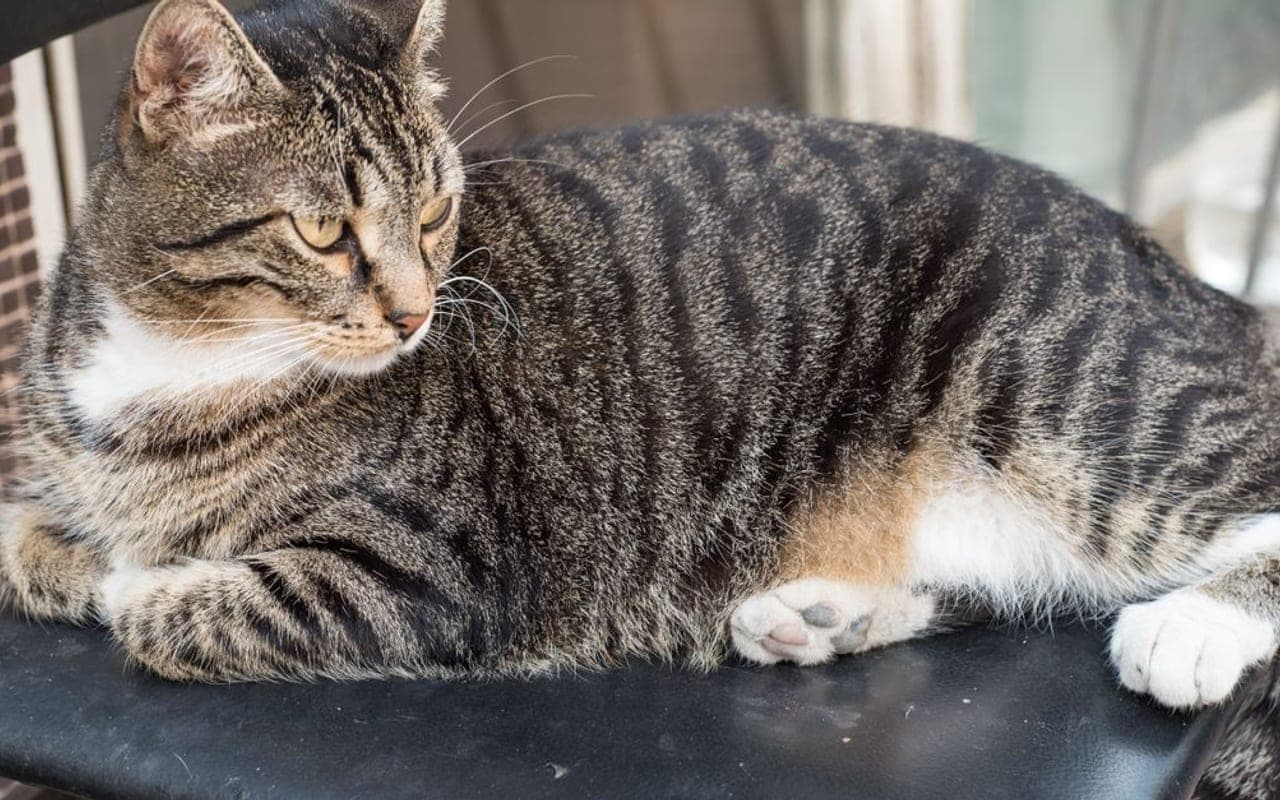
The California Spangled is a wild-looking but entirely domestic shorthaired cat — and the most important fact about it is not its leopard-spotted coat but its rarity. The breed was created in the 1970s-80s as an awareness campaign against wild-cat poaching, never had a large population, effectively stopped being bred by the early 2000s, and is today estimated at only a few hundred cats worldwide, no longer holding active championship recognition in the major registries. If you are reading this as a buyer, the honest first answer is that you will almost certainly never find one, and many cats sold under the name are actually Bengals, Ocicats, or spotted domestic cats. Where a genuine California Spangled exists, expect a medium, athletic, muscular cat (roughly 4-7 kg) with a distinctly wild silhouette — long body, defined spots over a ticked or marbled ground, a low-slung 'stalking' gait — bred deliberately to look like a small leopard while behaving like an affectionate house cat. Temperament is the deliberate contrast to the look. The California Spangled was selected to be sociable, affectionate, people-bonded, and confident, not aloof or feral. It is highly active and athletic — a climber and leaper that wants vertical territory and interactive play — and it tends to bond closely with its household rather than being a one-room cat. Who it is right for: in practice, almost no one, because the breed is functionally unavailable; conceptually, an active household wanting an athletic, interactive, affectionate cat and willing to provide serious enrichment. Who it is wrong for: anyone seeking a calm lap cat, anyone shopping for a 'rare exotic' on price alone, or anyone who will not first verify, in writing, that the cat is a documented California Spangled and not a mislabelled spotted cat.
Affectionate | Curious | Intelligent | Loyal | Social
Affectionate
A common California Spangled temperament descriptor that should be interpreted alongside enrichment, handling, and household fit.
Curious
A common California Spangled temperament descriptor that should be interpreted alongside enrichment, handling, and household fit.
Intelligent
A common California Spangled temperament descriptor that should be interpreted alongside enrichment, handling, and household fit.
Loyal
A common California Spangled temperament descriptor that should be interpreted alongside enrichment, handling, and household fit.
Owner note
Temperament labels are starting points, not guarantees. Meet the individual cat and ask about behavior history whenever possible.
Care essentials
How to care for a California Spangled
What looking after one actually involves: play, grooming, food, litter, and routine health.
ExerciseAs needed
- Active and playful breed requiring daily interactive play sessions with toys, climbing structures, and mental stimulation.
GroomingAs needed
- Low-maintenance coat requiring weekly brushing. Occasional bathing as needed.
NutritionAs needed
- Feed a high-quality cat food appropriate for their age and activity level. Maintain fresh water at all times. Monitor weight to prevent obesity.
SocializationAs needed
- Enjoys human company and interaction. Can tolerate some alone time but prefers regular companionship.
Veterinary CareAs needed
- Annual wellness exams, vaccinations, dental checkups, and parasite prevention. Spay/neuter recommended if not breeding.
Health planning
California Spangled health risks and screening
Every cat breed has individual health variation. Use this profile for planning and discuss medical decisions with a veterinarian.
Responsible ownership
Finding a California Spangled responsibly
What to ask a breeder or rescue is the same conversation for every breed, so we keep it in one place and keep it current.
Health documentation, meeting the parents or foster, contracts and return support, and the warning signs worth walking away from.
Original purpose
California Spangled history
History is useful when it explains today's behavior, coat, exercise needs, and training style.
Read the breed history
The California Spangled was conceived in 1971 by Hollywood screenwriter Paul Casey, reportedly influenced by anthropologist Louis Leakey, after Casey witnessed leopard poaching in Africa. The explicit goal was social, not commercial: to create a domestic cat that resembled a spotted wild cat so people would associate the beauty of leopards with a living house pet and reject the fur trade. The foundation stock was a wide outcross — including Siamese, Abyssinian, spotted Manx, British and American Shorthairs, an Angora, and street cats from Asia and Egypt — bred across the pedigree to fix the spotted phenotype, then closed to further outcrossing by the mid-1980s. The breed was famously launched to the public via the 1986 Neiman Marcus Christmas catalogue. After Casey's death and the rise of the similar, more available Bengal and Ocicat, active breeding largely ceased; the breed is now critically rare and at risk of disappearing entirely.
Gallery
California Spangled photos
Images are cropped consistently and loaded progressively to keep the page responsive.
Lower-page context
California Spangled cats in culture
Where the breed shows up in film, sport, work and folklore — the enjoyable part, once the practical questions are answered.
Fun facts
- The California Spangled originated in United States.
- California Spangled cats are considered one of the most intelligent cat breeds.
- The California Spangled is one of the most energetic and playful cat breeds.
- California Spangled cats are exceptionally dog-friendly and can live harmoniously with canine companions.
California Spangled FAQs
How long do California Spangled cats live?
A healthy California Spangled typically lives 10-14 years. Because the breed carries no documented breed-specific disease, lifespan is driven mostly by management rather than genetics: keeping this athletic cat lean and well-exercised, screening for HCM, and routine senior bloodwork for kidney disease are the levers that decide whether a cat reaches the upper end. The bigger practical risk is buying a mislabelled cat whose true breed has a different lifespan profile entirely.
Are California Spangled cats good with children?
Yes — despite the wild appearance, the breed was deliberately selected to be affectionate, sociable, and people-bonded, and it generally does well with respectful children and household activity. It is athletic and play-driven, so it engages rather than hides. Supervise young children as with any cat, teach gentle handling, and channel the breed's high energy into structured play so excitement does not turn into rough wrestling.
How much grooming does a California Spangled need?
Very little. The short, close-lying coat needs only a 5-minute weekly brush or rubber-curry pass to remove loose hair and keep the spotted pattern sharp, with no special seasonal routine. This is a low-maintenance coat. The time saved on grooming is better spent on the breed's genuine need — 30-40 minutes of daily interactive play and climbing enrichment to manage its high activity drive and prevent weight gain.
Are California Spangled cats good for apartments?
They can be, but only a well-equipped apartment. This is a muscular, high-drive climbing breed; in a bare apartment it becomes destructive and overweight. It does well in an apartment that provides tall cat trees, vertical shelving, puzzle feeders, and 30-40 minutes of daily interactive play. The space matters less than the enrichment — a small space with vertical territory and play beats a large space without it.
How much does a California Spangled cat cost?
There is effectively no reliable market — the breed is critically rare and largely no longer bred, so any 'California Spangled' offered for sale should be treated with caution. Historically they sold for thousands as a luxury cat. The real hidden cost today is misrepresentation: most spotted cats sold under the name are Bengals, Ocicats, or domestic spotted cats. Pay for documented pedigree verification, not for spots, or you are buying a different breed's health profile by mistake.
Is a California Spangled the same as a Bengal or Ocicat?
No, though it is constantly confused with both, and that confusion is the single biggest practical risk for a buyer. The Bengal descends from the wild Asian leopard cat and the Ocicat from a Siamese-Abyssinian-American Shorthair cross; the California Spangled is an entirely separate domestic-only outcross created for an anti-poaching campaign. Visually they overlap, which is why most cats sold today as California Spangled are actually Bengals or Ocicats. If health history matters to you, verify the documented pedigree — you are choosing a health profile, not a coat pattern.
Similar breeds to consider
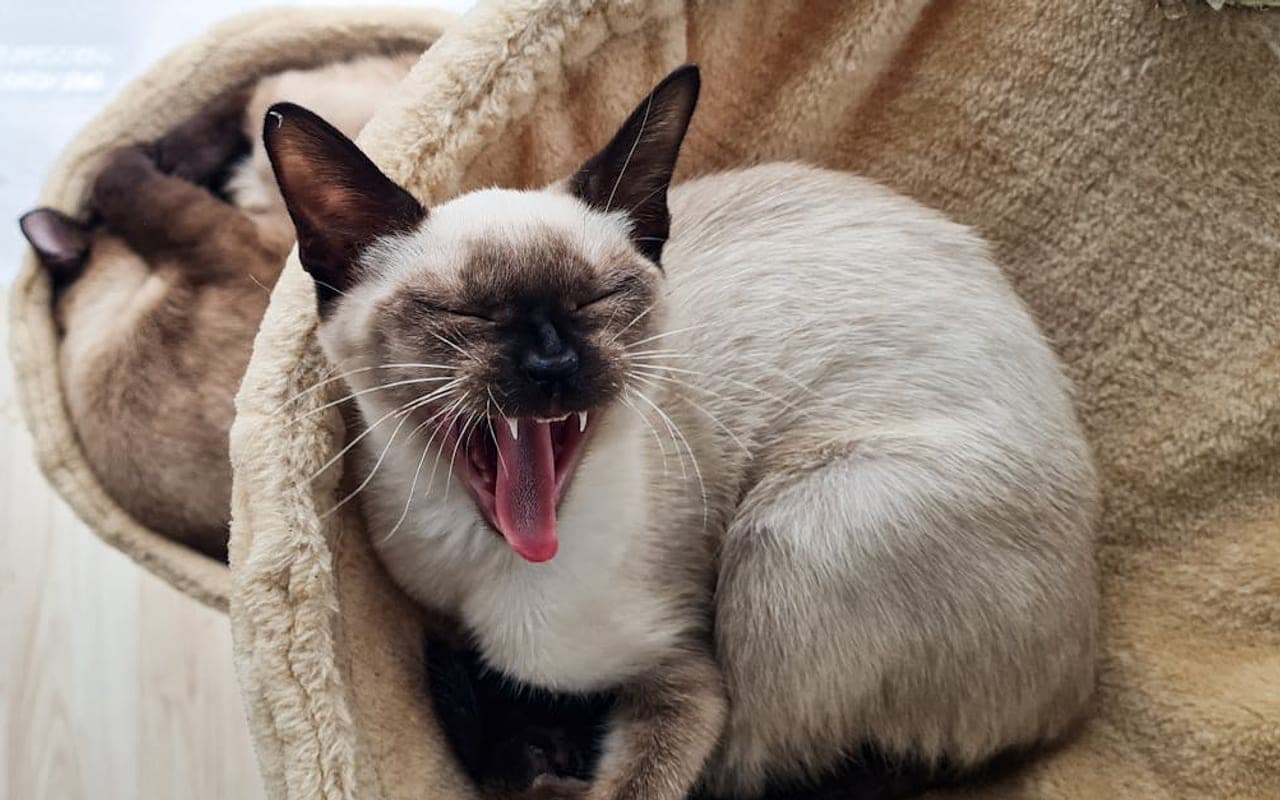
Siamese
Also in the Shorthair group, with different care and temperament tradeoffs.
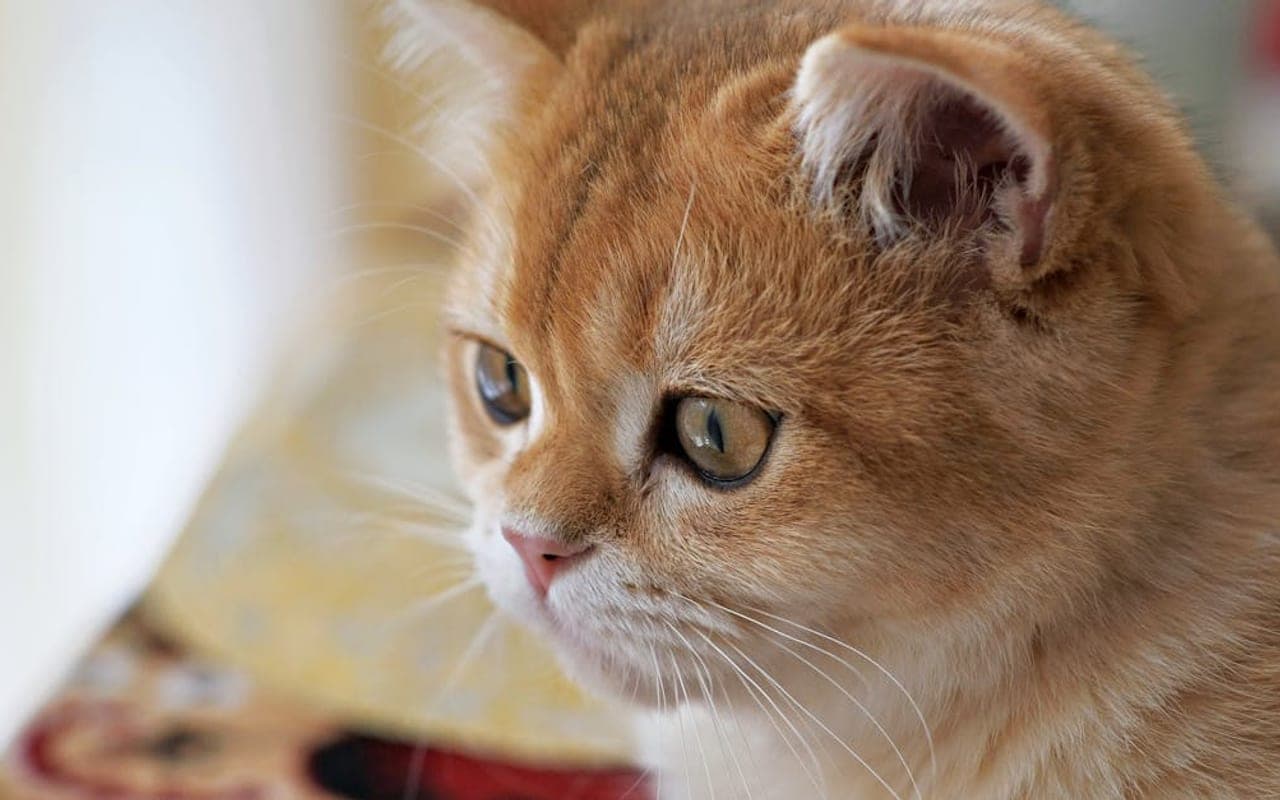
British Shorthair
Also in the Shorthair group, with different care and temperament tradeoffs.
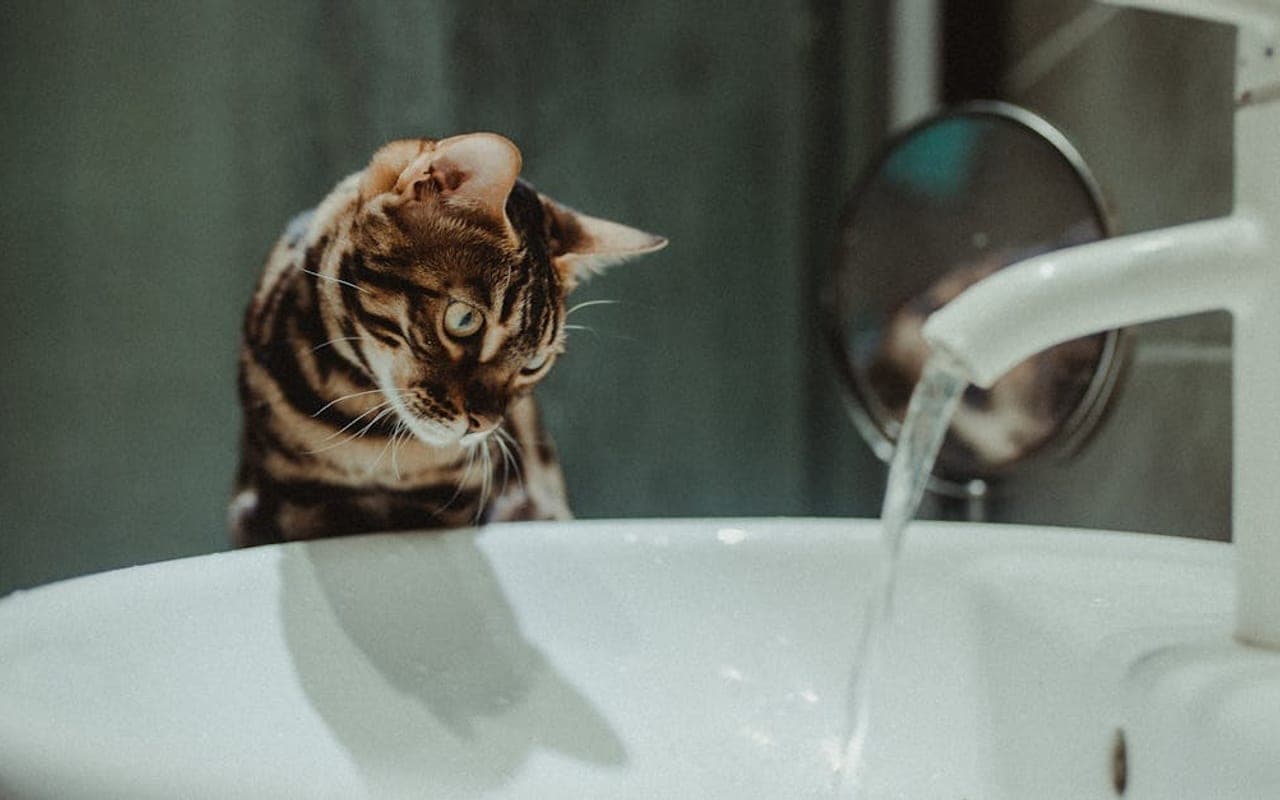
Bengal
Also in the Shorthair group, with different care and temperament tradeoffs.
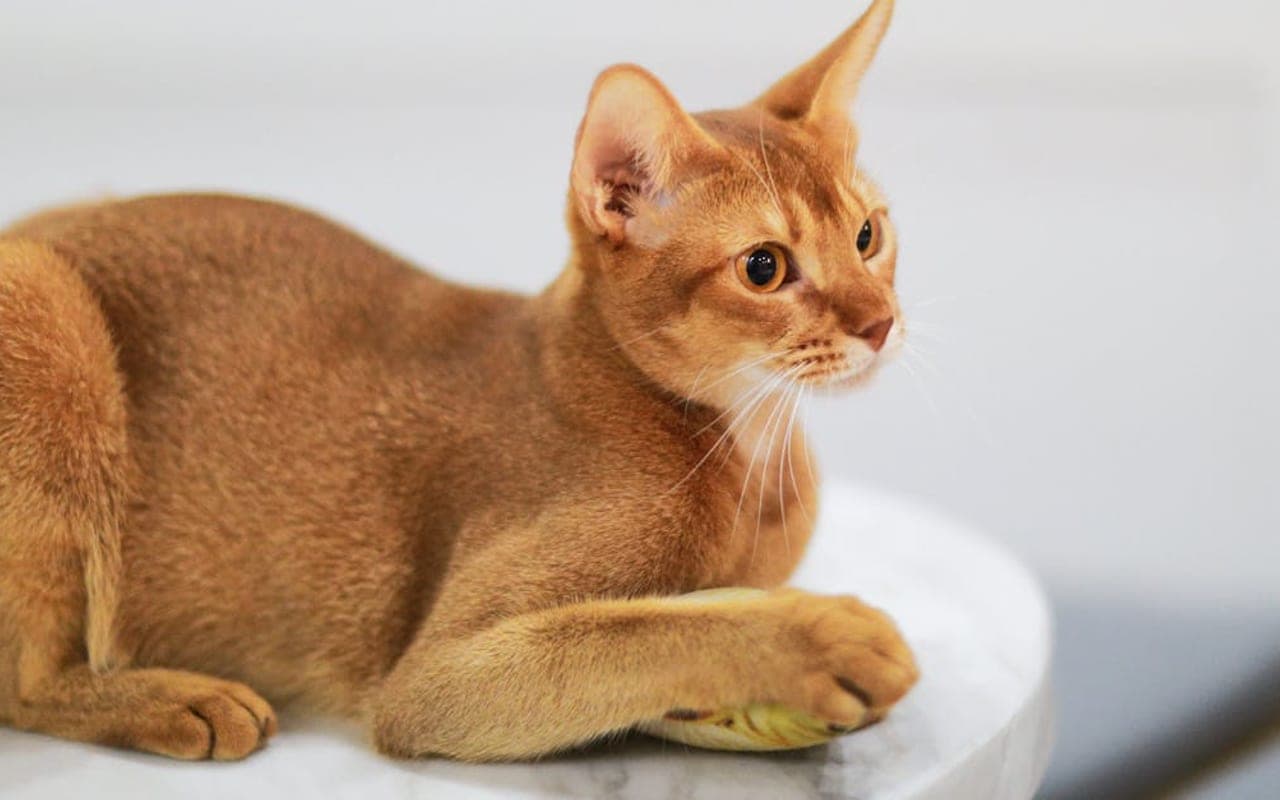
Abyssinian
Also in the Shorthair group, with different care and temperament tradeoffs.
Explore More About California Spangled
Dive deeper into everything California Spangled — costs, care, and expert insights.
Cat Nutrition Guide: What Cats Actually Need to Eat
Cats are obligate carnivores, which means they are...
Kitten-Proofing Your Home: The Hazards Owners Miss
A single lily leaf — or even the pollen brushed off one — can put a kitten into acute...
Considering a dog instead?
Browse Dogs