
Rex group
Chartreux
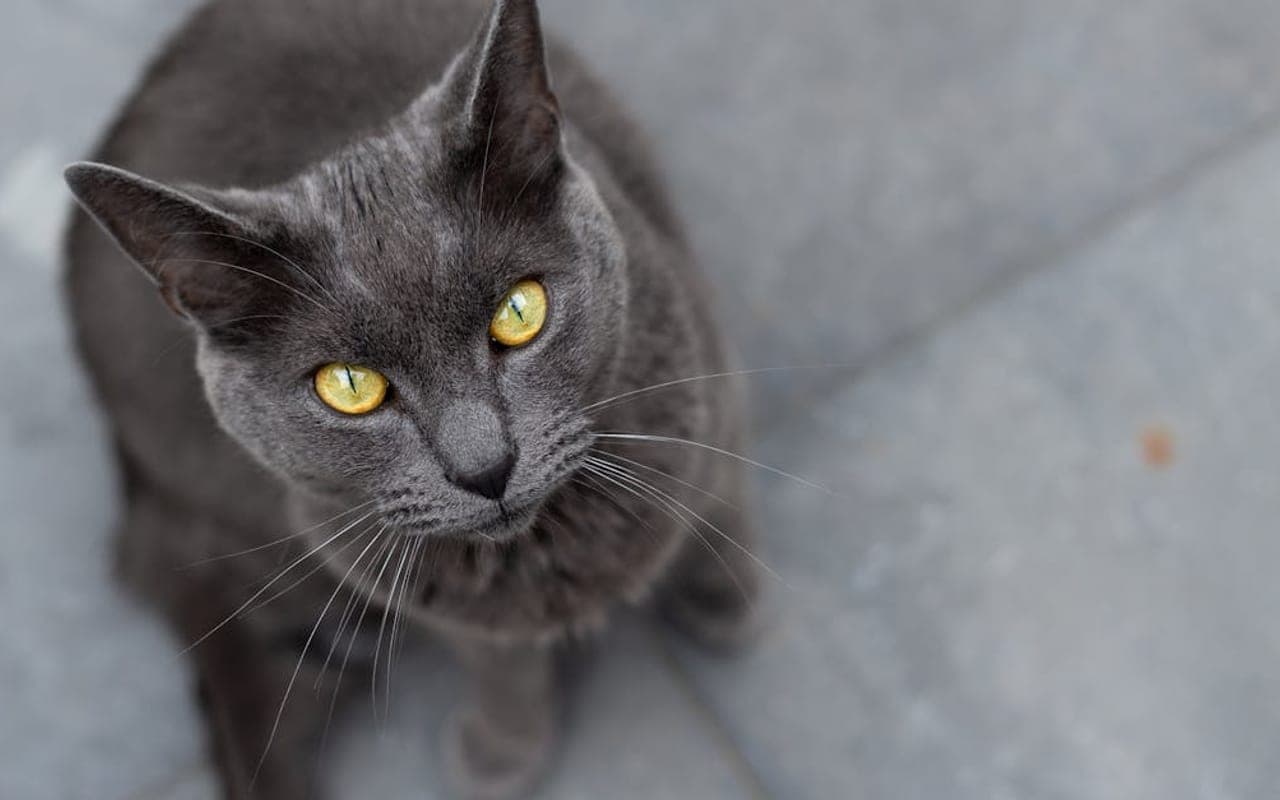
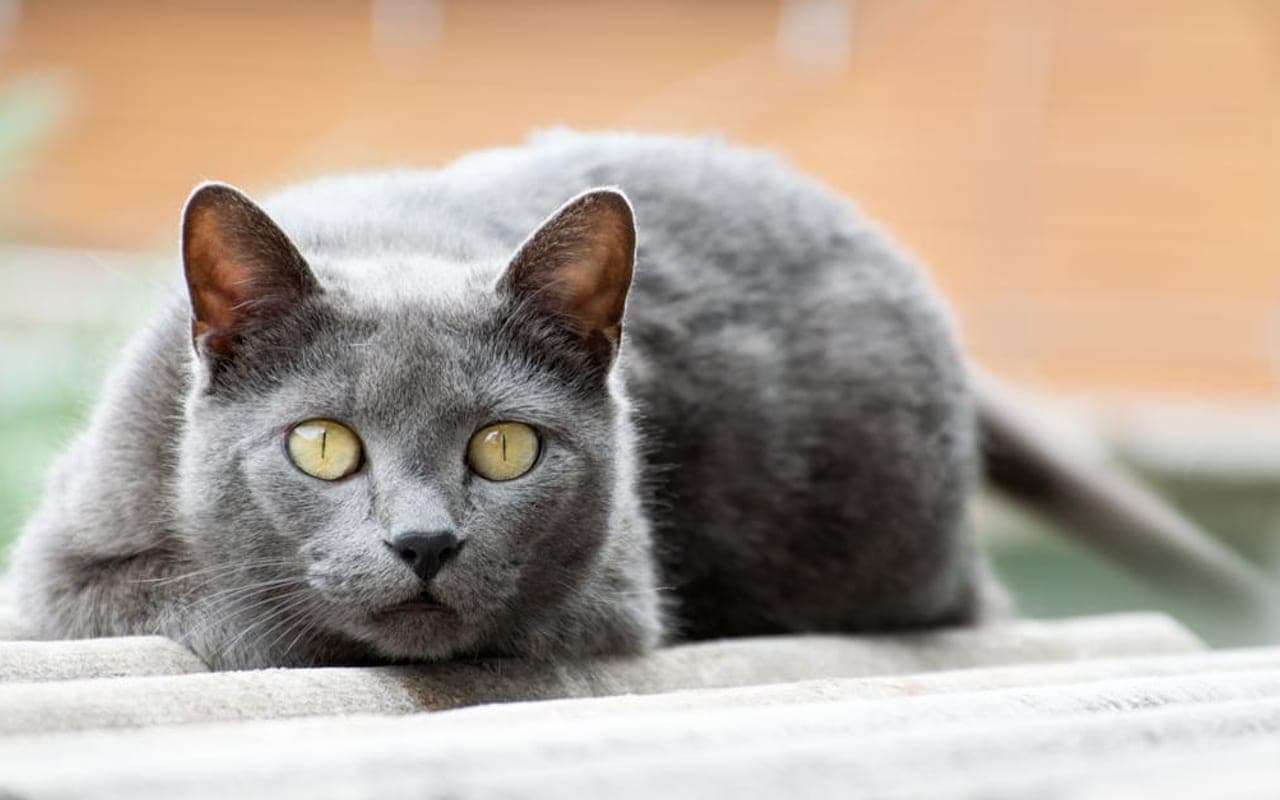
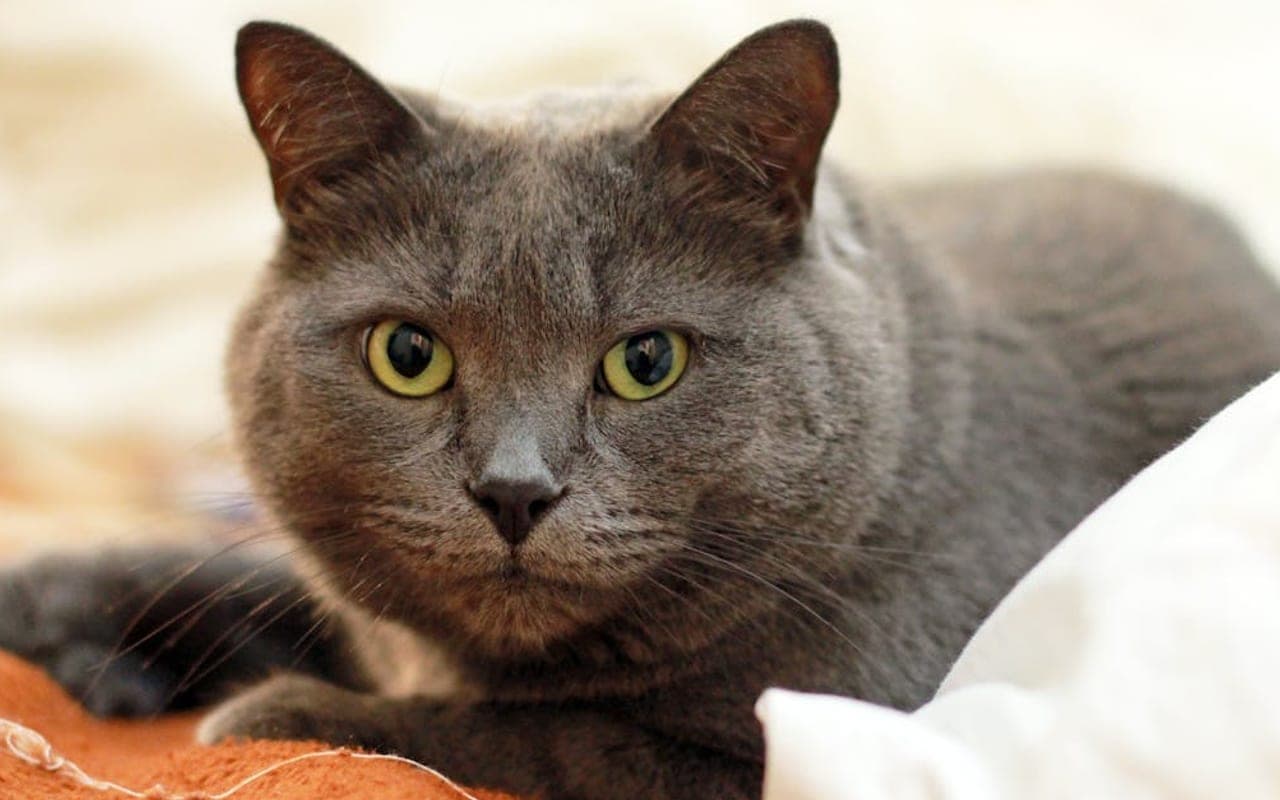
The Chartreux is the quiet blue cat of France — a stocky, woolly-coated, copper-eyed cat that looks like it was carved rather than bred, with a perpetual faint 'smile' from the shape of its muzzle.
Size
7-17 lb
Lifespan
12-15 years
Play
10-20 minutes
Shedding
Moderate
Experience
Match to owner routine
Decision first
Is a Chartreux right for you?
Start with fit before history or trivia. These are ownership signals, not guarantees about any individual cat.
Best suited for
- Households with children.
- Homes with other compatible pets.
- Apartment homes with a consistent routine.
- Owners seeking a manageable indoor routine with predictable care.
Think carefully if
- You need a cat with almost no daily routine.
- You cannot keep up with grooming and preventive care.
- The cat will spend most days without interaction or enrichment.
Conditional fit
Apartment fit depends on vertical space, litter setup, play, enrichment, and noise tolerance.
Daily reality
Chartreux commitment snapshot
Daily play
10-20 minutes
Match play and enrichment to age, health, appetite, and household routine.
Coat care
Low
Grooming needs vary by coat, shedding, and lifestyle.
Social needs
Needs planning
Most cats still need predictable contact, enrichment, litter care, and monitoring.
Structured facts
Chartreux at a glance
The measurements and traits that most affect day-to-day life with this breed.
Origin
France
Group
Rex
Weight
7-17 lb
Height
9-12 in
Lifespan
12-15 years
Temperament
Affectionate | Loyal | Intelligent | Social | Lively | Playful
View all characteristics and methodology
Lifestyle fit
- Apartment suitabilityWorks best with clean litter setup, vertical space, and daily enrichment.
- Likely fit
- Child friendliness
- Often good, with socialisation and supervision
- Other-pet fit
- Often compatible with careful introductions
- Adaptability
- Very high
Owner commitment
- Daily play
- 10-20 minutes
- Grooming
- Low
- Shedding
- Moderate
- Indoor enrichment
- Moderate
Behavior
- Affection
- Very high
- Energy
- Low-moderate
- Vocalization
- Low
- Social needs
- Very high
Environment and health
- Intelligence
- High
- Health risk
- Needs planning
- Weight sensitivity
- Monitor closely
Ratings combine structured breed data, visible breed fields, and editorial context. They are planning aids, not predictions for an individual cat.
Daily life
Chartreux temperament and behavior
The Chartreux is the quiet blue cat of France — a stocky, woolly-coated, copper-eyed cat that looks like it was carved rather than bred, with a perpetual faint 'smile' from the shape of its muzzle. Do not confuse it with a British Shorthair: the Chartreux is more athletic, leaner-faced, and the coat is the giveaway — a dense, water-resistant double coat with a slightly woolly, breaking texture that thickens at the ruff and breeches, never the plush carpet of the British. Temperament is the reason people keep them. The Chartreux is famously near-silent — many never miaow at all, and the ones that do produce a small chirp rather than a voice. That silence pairs with deep attachment: this is a follow-you-room-to-room cat that bonds hard to one or two people, sits near you rather than demanding a lap constantly, and is unbothered by being left alone for a normal workday provided it has company in the evening. It is dog-friendly, settles well with respectful children, and tolerates other cats once introduced. This breed is a strong fit for an apartment owner who wants an undemanding, low-vocalization, affectionate companion and is willing to feed by measured portion — the Chartreux is a notorious easy keeper that gains weight quietly under that dense coat. It is a poor fit for someone who wants a chatty, interactive 'talker', who shops on price (a well-bred Chartreux with screened parents is not cheap), or who will not commit to PKD ultrasound or genetic-test verification before purchase. The coat hides condition; the silence hides discomfort. An owner who weighs and observes does well here; an owner who relies on the cat to complain does not.
Affectionate | Loyal | Intelligent | Social | Lively | Playful
Affectionate
A common Chartreux temperament descriptor that should be interpreted alongside enrichment, handling, and household fit.
Loyal
A common Chartreux temperament descriptor that should be interpreted alongside enrichment, handling, and household fit.
Intelligent
A common Chartreux temperament descriptor that should be interpreted alongside enrichment, handling, and household fit.
Social
A common Chartreux temperament descriptor that should be interpreted alongside enrichment, handling, and household fit.
Owner note
Temperament labels are starting points, not guarantees. Meet the individual cat and ask about behavior history whenever possible.
Care essentials
How to care for a Chartreux
What looking after one actually involves: play, grooming, food, litter, and routine health.
ExerciseAs needed
- Calm and relaxed breed that prefers gentle play. Provide comfortable resting spots and occasional toy engagement.
GroomingAs needed
- Low-maintenance coat requiring weekly brushing. Occasional bathing as needed.
NutritionAs needed
- Feed a high-quality cat food appropriate for their age and activity level. Maintain fresh water at all times. Monitor weight to prevent obesity.
SocializationAs needed
- Highly social breed that thrives on companionship. Does not do well left alone for extended periods. Consider a companion pet.
Veterinary CareAs needed
- Annual wellness exams, vaccinations, dental checkups, and parasite prevention. Spay/neuter recommended if not breeding.
Health planning
Chartreux health risks and screening
Every cat breed has individual health variation. Use this profile for planning and discuss medical decisions with a veterinarian.
Responsible ownership
Finding a Chartreux responsibly
What to ask a breeder or rescue is the same conversation for every breed, so we keep it in one place and keep it current.
Health documentation, meeting the parents or foster, contracts and return support, and the warning signs worth walking away from.
Original purpose
Chartreux history
History is useful when it explains today's behavior, coat, exercise needs, and training style.
Read the breed history
The Chartreux is one of the oldest natural cat breeds, native to France and documented in French writing since at least the 16th century, with the woolly blue cat of France referenced in poetry and natural-history texts by the 1700s. The romantic story ties the breed to Carthusian monks who supposedly kept the cats at their monasteries as mousers; the more defensible history is that a robust, blue, dense-coated working cat developed across France and was prized for hunting vermin and for a pelt once compared in trade to the fur of the Russian 'blue' cats. The breed was nearly lost after the World Wars, surviving on small numbers of free-roaming colonies. Mid-20th-century French breeders rebuilt it from those survivors, at times outcrossing carefully to British and Persian blues to widen the gene pool, then re-establishing type. It reached North America in the 1970s and is recognized today by CFA and TICA. That narrow post-war foundation is why responsible modern breeding tracks the limited inherited risks closely.
Gallery
Chartreux photos
Images are cropped consistently and loaded progressively to keep the page responsive.
Lower-page context
Chartreux cats in culture
Where the breed shows up in film, sport, work and folklore — the enjoyable part, once the practical questions are answered.
Fun facts
- The Chartreux originated in France.
- The Chartreux is considered a hypoallergenic breed, producing fewer allergens than most cats.
- The Chartreux is a true lap cat that loves to curl up with their owners.
- Chartreux cats are exceptionally dog-friendly and can live harmoniously with canine companions.
Chartreux FAQs
How long do Chartreux cats live?
A well-bred Chartreux from health-screened lines typically lives 12-15 years, and many reach the upper end with good weight control and dental care. The biggest modifiable factor is body condition — this is an easy-keeper breed whose dense coat hides weight gain, and obesity is what shortens these cats by accelerating urinary, joint, and cardiac problems. Weigh monthly and feed by measured portion, not by the bowl.
Are Chartreux cats good with children?
Yes, the Chartreux is a good choice for families with respectful children. It is sturdy, patient, and even-tempered rather than skittish, and its quiet nature means it rarely lashes out — it disengages and walks away instead. Supervise toddlers, teach children not to chase or corner the cat, and give it an elevated retreat. Because this breed is stoic and near-silent, also teach children that a cat hiding more than usual may be unwell, not just antisocial.
How much grooming does a Chartreux need?
Low to moderate. The dense, water-resistant double coat needs a wide-tooth comb once or twice a week to lift the woolly undercoat — a slicker brush mostly skates over the surface. During the heavy spring shed, increase to every other day for about three to four weeks. Bathing is rarely necessary because the coat sheds dirt on its own. Pair grooming with a weekly rib-and-waist body check, since the thick coat hides weight changes you would otherwise see.
Are Chartreux cats good for apartments?
Yes — the Chartreux is one of the better apartment cats. It is famously near-silent (most barely vocalize), tolerates a normal workday alone, is not destructive when given play, and bonds to people over territory. Budget 15-20 minutes of interactive play daily and a cat tree for vertical space. The only apartment-specific caution is litter-box vigilance: this breed's urinary-stone risk means any straining or out-of-box urination needs same-day attention, harder to miss but also harder to manage in a small home if ignored.
How much does a Chartreux cat cost?
Expect roughly $1,000-$2,000 for a pet-quality kitten from a registered breeder who PKD-screens and provides a health guarantee, and more for show lines. The hidden cost is medical, not purchase: a urinary blockage emergency or stone surgery can run $1,500-$4,000, and lifelong prescription urinary diet adds ongoing cost. Paying for a kitten from ultrasound- or DNA-screened parents and budgeting for pet insurance early is far cheaper than managing PKD or a urinary crisis later.
Why doesn't my Chartreux meow?
That is normal and expected — the Chartreux is one of the quietest cat breeds, and many individuals never develop a true miaow, communicating instead with a short chirp, a trill, or body language. It is a defining breed trait, not a health problem. The practical implication is that this cat will not vocalize distress the way a Siamese would, so you must rely on appetite, litter-box habits, and behavior changes to catch illness early rather than waiting for it to 'tell' you.
Sources
These are the published sources this page draws on. Each opens in a new tab so you can check it yourself.
Cat Fanciers' Association
Chartreux — breed standard and profile(opens in a new tab)Supports: Breed standard and recognition details.
Similar breeds to consider
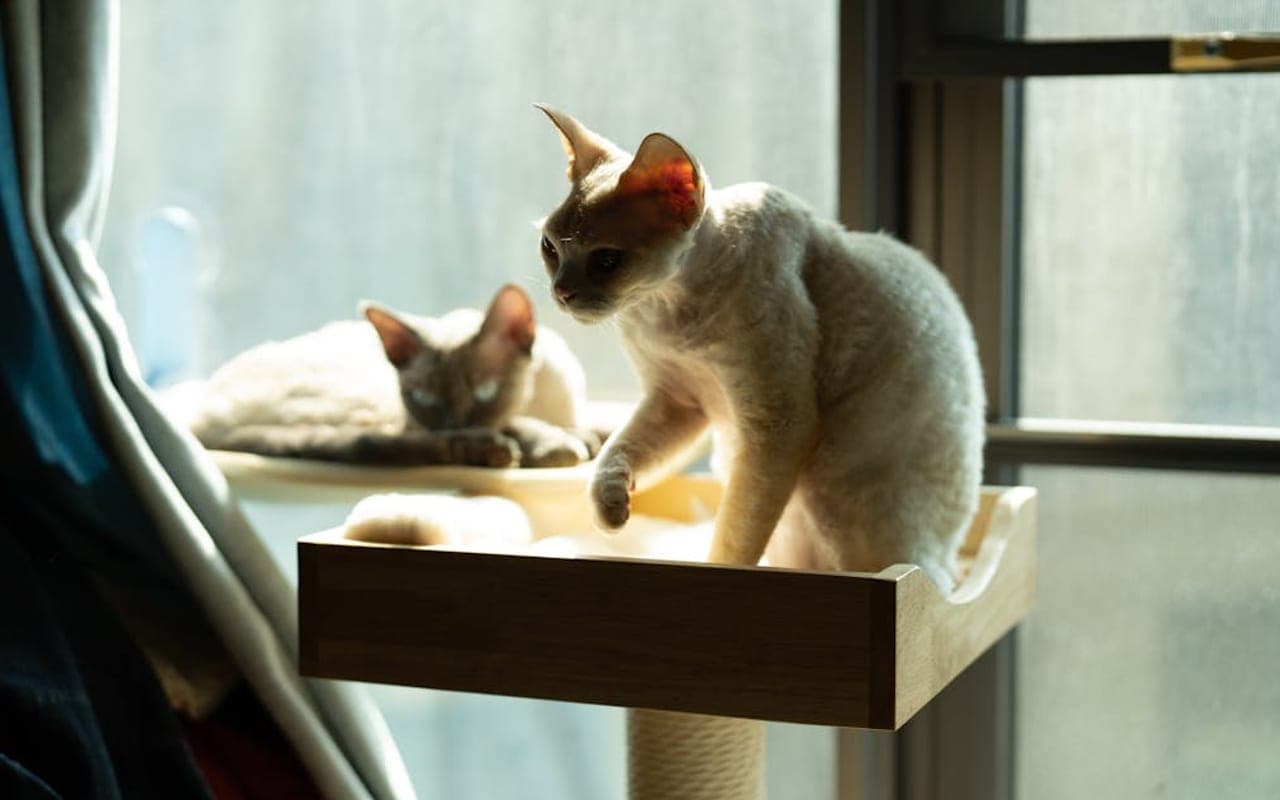
Selkirk Rex
Also in the Rex group, with different care and temperament tradeoffs.
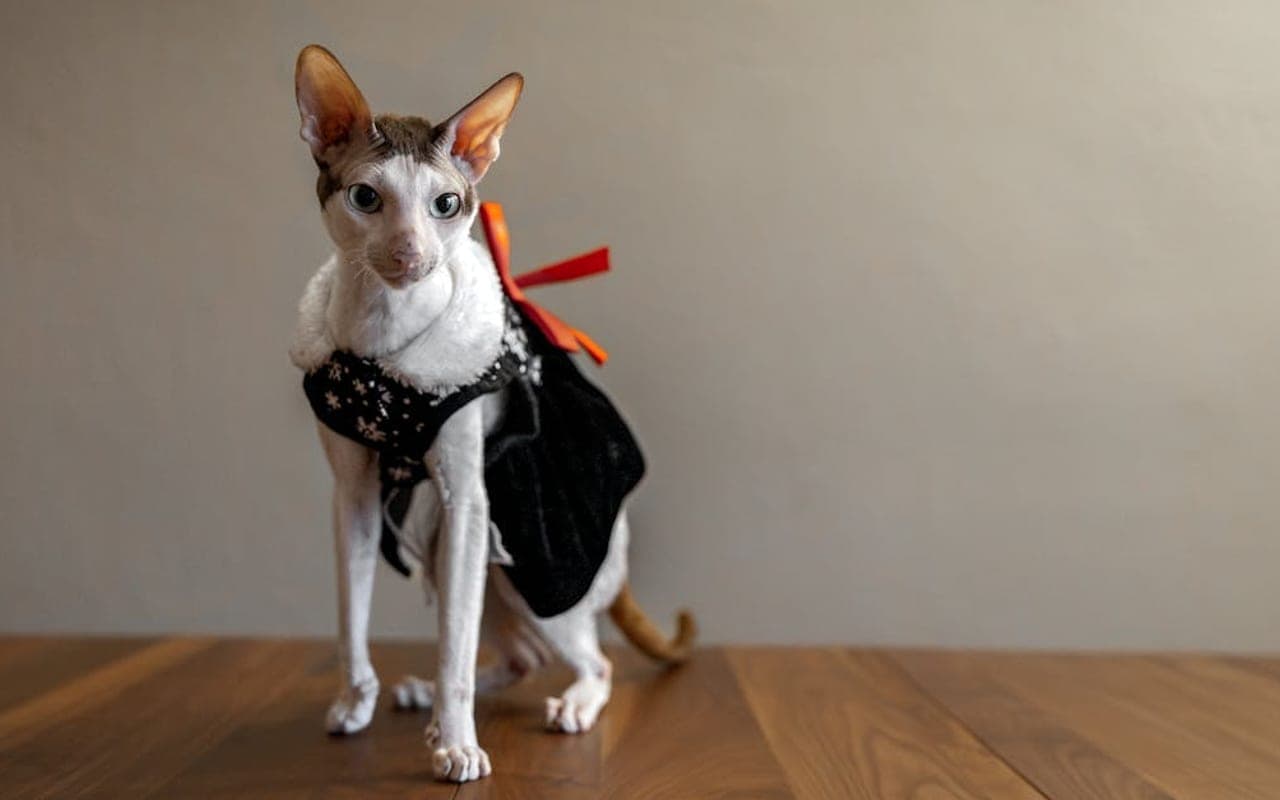
Cornish Rex
Also in the Rex group, with different care and temperament tradeoffs.
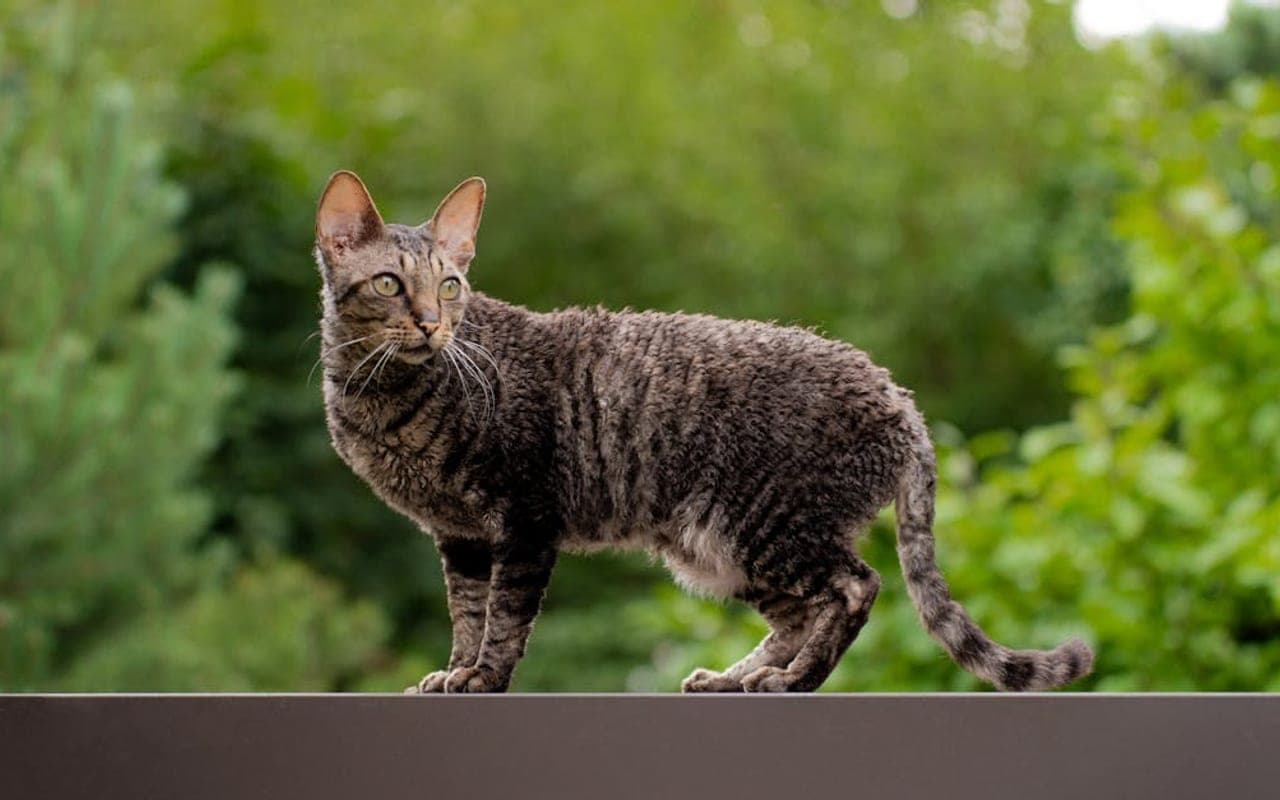
LaPerm
Also in the Rex group, with different care and temperament tradeoffs.
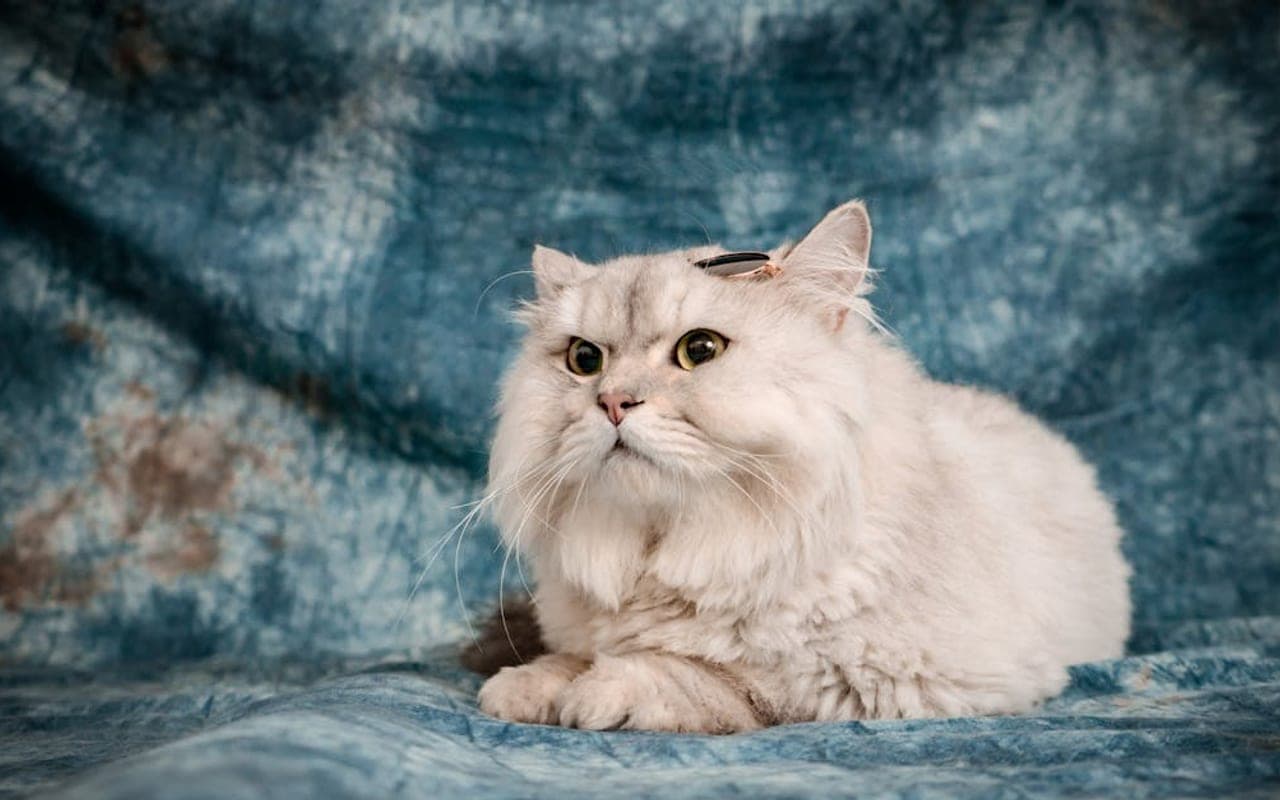
Persian
Compare size, exercise, grooming, and family fit before deciding.
Explore More About Chartreux
Dive deeper into everything Chartreux — costs, care, and expert insights.
Considering a dog instead?
Browse Dogs