
Shorthair group
Cheetoh
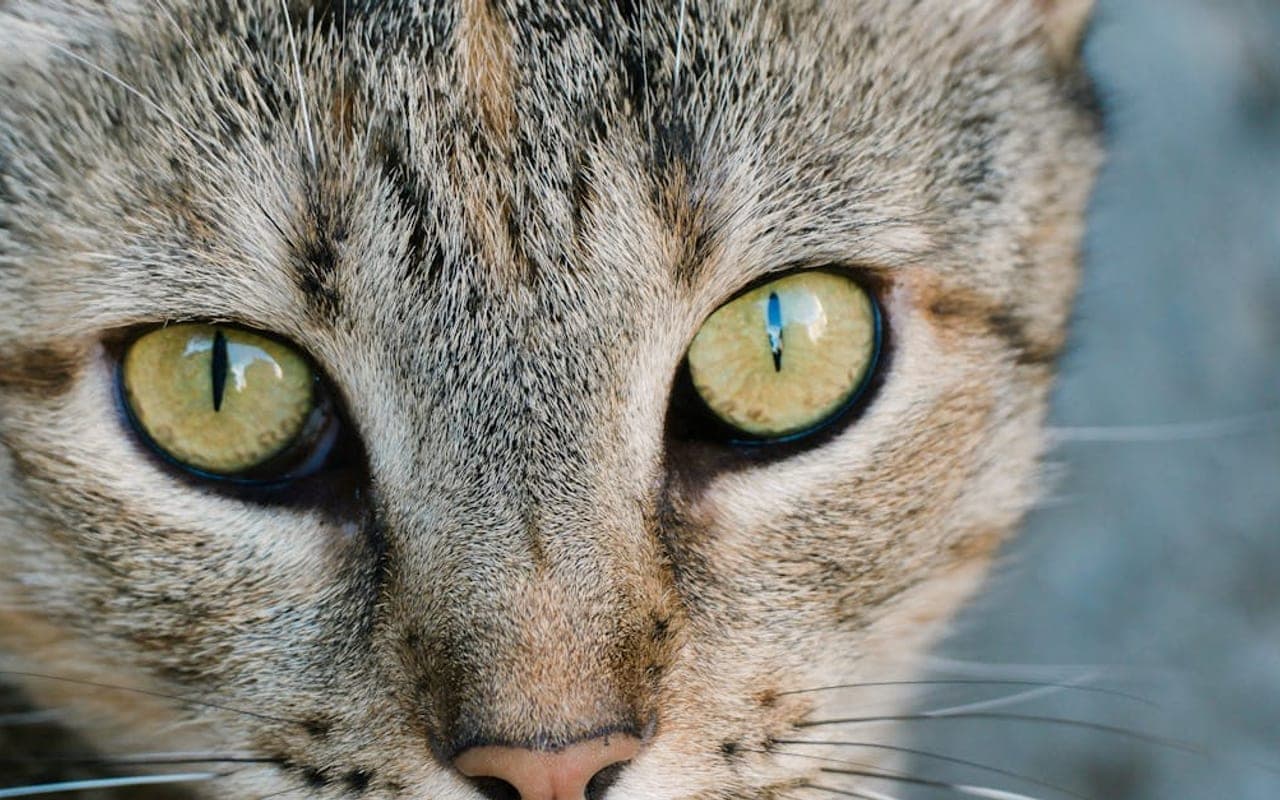
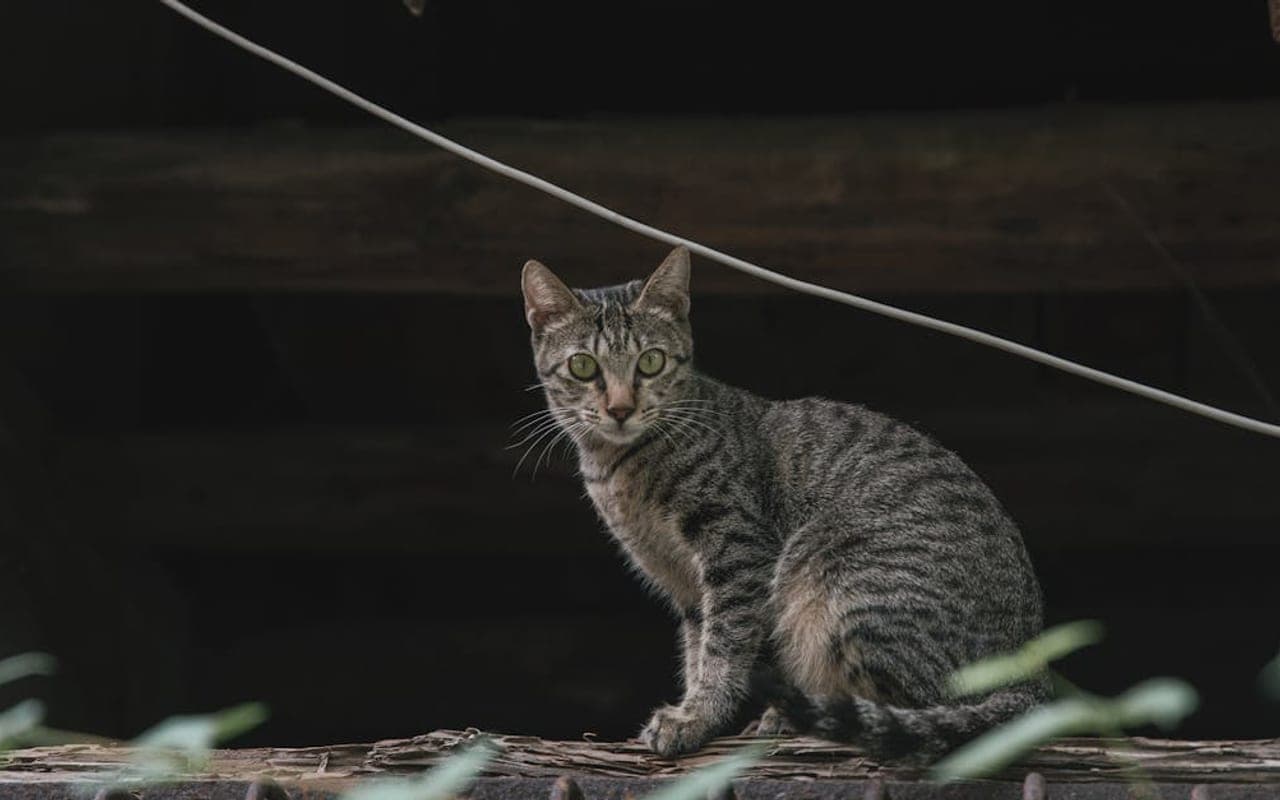
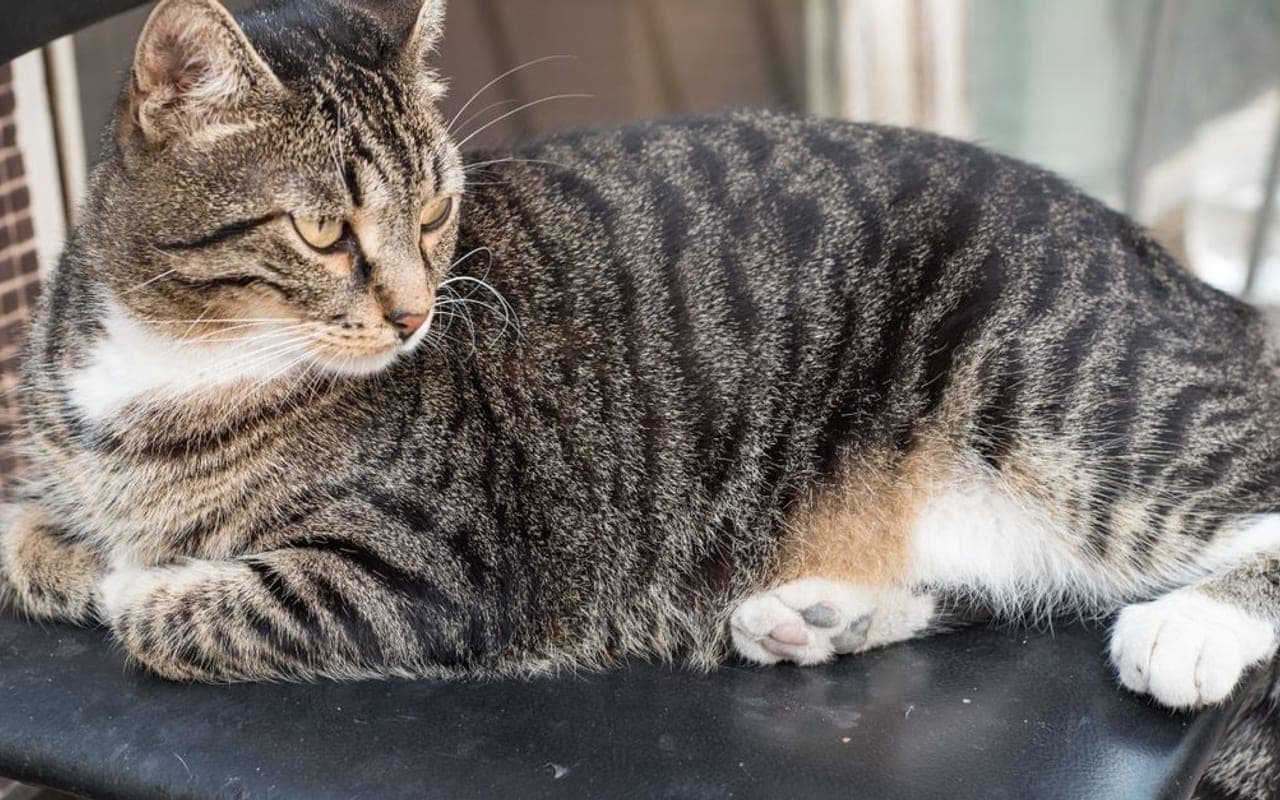
The Cheetoh is a designer hybrid cat created by deliberately crossing two already-hybrid breeds — the Bengal and the Ocicat — to produce a large, spotted, wild-looking domestic cat with a confirmed, fully domestic temperament.
Size
13-23 lb
Lifespan
12-14 years
Play
20-40 minutes
Shedding
Low
Experience
Match to owner routine
Decision first
Is a Cheetoh right for you?
Start with fit before history or trivia. These are ownership signals, not guarantees about any individual cat.
Best suited for
- Households with children.
- Homes with other compatible pets.
- Apartment homes with a consistent routine.
- Owners who can provide daily play, climbing space, and enrichment.
Think carefully if
- You cannot provide daily play, climbing space, or mental enrichment.
- You cannot keep up with grooming and preventive care.
- The cat will spend most days without interaction or enrichment.
Conditional fit
Apartment fit depends on vertical space, litter setup, play, enrichment, and noise tolerance.
Daily reality
Cheetoh commitment snapshot
Daily play
20-40 minutes
Match play and enrichment to age, health, appetite, and household routine.
Coat care
Low
Grooming needs vary by coat, shedding, and lifestyle.
Social needs
Needs planning
Most cats still need predictable contact, enrichment, litter care, and monitoring.
Structured facts
Cheetoh at a glance
The measurements and traits that most affect day-to-day life with this breed.
Origin
United States
Group
Shorthair
Weight
13-23 lb
Height
10-14 in
Lifespan
12-14 years
Temperament
Affectionate | Gentle | Intelligent | Social
View all characteristics and methodology
Lifestyle fit
- Apartment suitabilityWorks best with clean litter setup, vertical space, and daily enrichment.
- Likely fit
- Child friendliness
- Often good, with socialisation and supervision
- Other-pet fit
- Often compatible with careful introductions
- Adaptability
- Very high
Owner commitment
- Daily play
- 20-40 minutes
- Grooming
- Low
- Shedding
- Low
- Indoor enrichment
- High
Behavior
- Affection
- Very high
- Energy
- High
- Vocalization
- Very high
- Social needs
- Moderate
Environment and health
- Intelligence
- Very high
- Health risk
- Needs planning
- Weight sensitivity
- Routine monitoring
Ratings combine structured breed data, visible breed fields, and editorial context. They are planning aids, not predictions for an individual cat.
Daily life
Cheetoh temperament and behavior
The Cheetoh is a designer hybrid cat created by deliberately crossing two already-hybrid breeds — the Bengal and the Ocicat — to produce a large, spotted, wild-looking domestic cat with a confirmed, fully domestic temperament. It was developed in the United States in 2001 by breeder Carol Drymon and first recorded by The International Cat Association as an experimental breed in 2004 — a time-limited record that confers no championship standing; it remains a rare, developing breed rather than a widely established one. The point of the cross was to keep the dramatic rosetted, spotted 'wild' coat and athletic build of the Bengal while dialing in the proven gentleness and stability of the Ocicat, removing the unpredictability that can come from earlier-generation wild-hybrid cats. In the home the Cheetoh is large (males often 12-23 lbs), muscular, very active, highly intelligent, and intensely people-oriented. It is a climber, a leaper, a fetch-player, and a problem-solver that opens cupboards and learns routines. It is affectionate and social rather than aloof, generally good with respectful children and cat-savvy dogs, and notably vocal and interactive with its people. The Cheetoh is right for an owner who actively wants a big, busy, engaging cat and will invest in vertical space, daily interactive play, and breeder health screening. It is wrong for someone who wants a quiet, low-energy lap cat, who is away long hours with no enrichment, or — most importantly — who buys on appearance without verifying the parents are screened for the heart and blood disorders this breed inherits from its Bengal foundation. The wild look is the easy part; the health diligence is the part buyers skip and regret.
Affectionate | Gentle | Intelligent | Social
Affectionate
A common Cheetoh temperament descriptor that should be interpreted alongside enrichment, handling, and household fit.
Gentle
A common Cheetoh temperament descriptor that should be interpreted alongside enrichment, handling, and household fit.
Intelligent
A common Cheetoh temperament descriptor that should be interpreted alongside enrichment, handling, and household fit.
Social
A common Cheetoh temperament descriptor that should be interpreted alongside enrichment, handling, and household fit.
Owner note
Temperament labels are starting points, not guarantees. Meet the individual cat and ask about behavior history whenever possible.
Care essentials
How to care for a Cheetoh
What looking after one actually involves: play, grooming, food, litter, and routine health.
ExerciseAs needed
- Active and playful breed requiring daily interactive play sessions with toys, climbing structures, and mental stimulation.
GroomingAs needed
- Low-maintenance coat requiring weekly brushing. Occasional bathing as needed.
NutritionAs needed
- Feed a high-quality cat food appropriate for their age and activity level. Maintain fresh water at all times. Monitor weight to prevent obesity.
SocializationAs needed
- Enjoys human company and interaction. Can tolerate some alone time but prefers regular companionship.
Veterinary CareAs needed
- Annual wellness exams, vaccinations, dental checkups, and parasite prevention. Spay/neuter recommended if not breeding.
Health planning
Cheetoh health risks and screening
Every cat breed has individual health variation. Use this profile for planning and discuss medical decisions with a veterinarian.
Responsible ownership
Finding a Cheetoh responsibly
What to ask a breeder or rescue is the same conversation for every breed, so we keep it in one place and keep it current.
Health documentation, meeting the parents or foster, contracts and return support, and the warning signs worth walking away from.
Original purpose
Cheetoh history
History is useful when it explains today's behavior, coat, exercise needs, and training style.
Read the breed history
The Cheetoh is one of the newest cat breeds. It was founded in 2001 in the United States by breeder Carol Drymon, who set out to combine the rosetted, leopard-like coat and athletic body of the Bengal with the documented gentle, predictable temperament of the Ocicat — both of which are themselves human-created breeds (the Bengal from Asian leopard cat ancestry, the Ocicat from Abyssinian, Siamese and American Shorthair lines). The International Cat Association first recorded the Cheetoh as an experimental breed in 2004. That record is time-limited and publishes no per-breed standard, and the Cheetoh has not advanced to Registration Only, so it holds no current championship standing. The breed remains rare and still under development, with breeders working to stabilize type and temperament across generations. Its short history matters for owners in one concrete way: because it draws directly on Bengal foundation stock, it inherits Bengal-line health risks, and responsible breeders carry forward the same screening protocols (HCM echocardiograms, PK-Def and PRA DNA testing) used in well-run Bengal programs.
Gallery
Cheetoh photos
Images are cropped consistently and loaded progressively to keep the page responsive.
Lower-page context
Cheetoh cats in culture
Where the breed shows up in film, sport, work and folklore — the enjoyable part, once the practical questions are answered.
Fun facts
- The Cheetoh originated in United States.
- Cheetoh cats are considered one of the most intelligent cat breeds.
- Cheetoh cats are known for being very vocal and communicative with their owners.
- Cheetoh cats are exceptionally dog-friendly and can live harmoniously with canine companions.
Cheetoh FAQs
How long do Cheetoh cats live?
A Cheetoh from health-screened lines typically lives about 12-15 years. The dominant factor is not luck but breeder diligence: cats from parents screened for HCM, PK-Def, and PRA, kept lean and well-enriched, tend to reach the upper range. The conditions that shorten these cats — hypertrophic cardiomyopathy in particular — often show no early symptoms, which is exactly why echocardiogram-screened breeding stock matters more here than coat or pedigree.
Are Cheetoh cats good with children?
Yes, generally — the breed was specifically developed to pair the Bengal's looks with the Ocicat's gentle, stable temperament, and well-socialized Cheetohs are typically tolerant, playful, and interactive with respectful children. They are sturdy and not fragile. Still supervise young children, teach them not to chase or grab, and provide elevated escape routes. A bored Cheetoh can become rough in play simply from excess energy, so adequate daily activity is part of making it good with kids.
How much grooming does a Cheetoh need?
Very little. The short, dense, spotted coat needs only a weekly pass with a rubber curry brush or grooming glove to lift loose hair and keep the spotting sharp, and a bath is rarely necessary. Far more important than coat care is body-condition monitoring — this is a large, muscular cat whose weight gain is easy to miss, so a weekly rib-and-waist check and a monthly weigh-in are the real maintenance tasks for this breed.
Are Cheetoh cats good for apartments?
They can be, but only with serious vertical enrichment and daily play. This is a large, high-energy, intelligent cat — without tall cat trees, wall shelves, puzzle feeders, and 30-45 minutes of interactive play daily it becomes destructive, over-vocal, and prone to weight gain in a confined space. An apartment with a committed owner who plays and climbs the cat works well; an apartment used as low-effort containment does not suit this breed.
How much does a Cheetoh cat cost?
Because it is a rare, still-developing breed, kittens from registered breeders are typically expensive, often in the low-to-mid four figures, and availability is limited. The more important cost is medical risk: HCM diagnostics and management or a PK-Def workup can run well into four figures over a cat's life. Paying for a kitten from breeders who document HCM echocardiograms and PK-Def/PRA DNA results, plus early pet insurance, is far cheaper than treating an unscreened cat's inherited disease later.
Is the Cheetoh a healthy breed?
It is generally robust in temperament and body, but it is not free of inherited risk — it descends directly from Bengal foundation stock and carries the same screenable conditions: hypertrophic cardiomyopathy, pyruvate kinase deficiency, and progressive retinal atrophy. None of these are inevitable, and all are reduced by buying from breeders who screen. Treat 'generally healthy' as true only when paired with documented parental HCM echo and PK-Def/PRA DNA testing — not as a reason to skip that diligence.
Similar breeds to consider
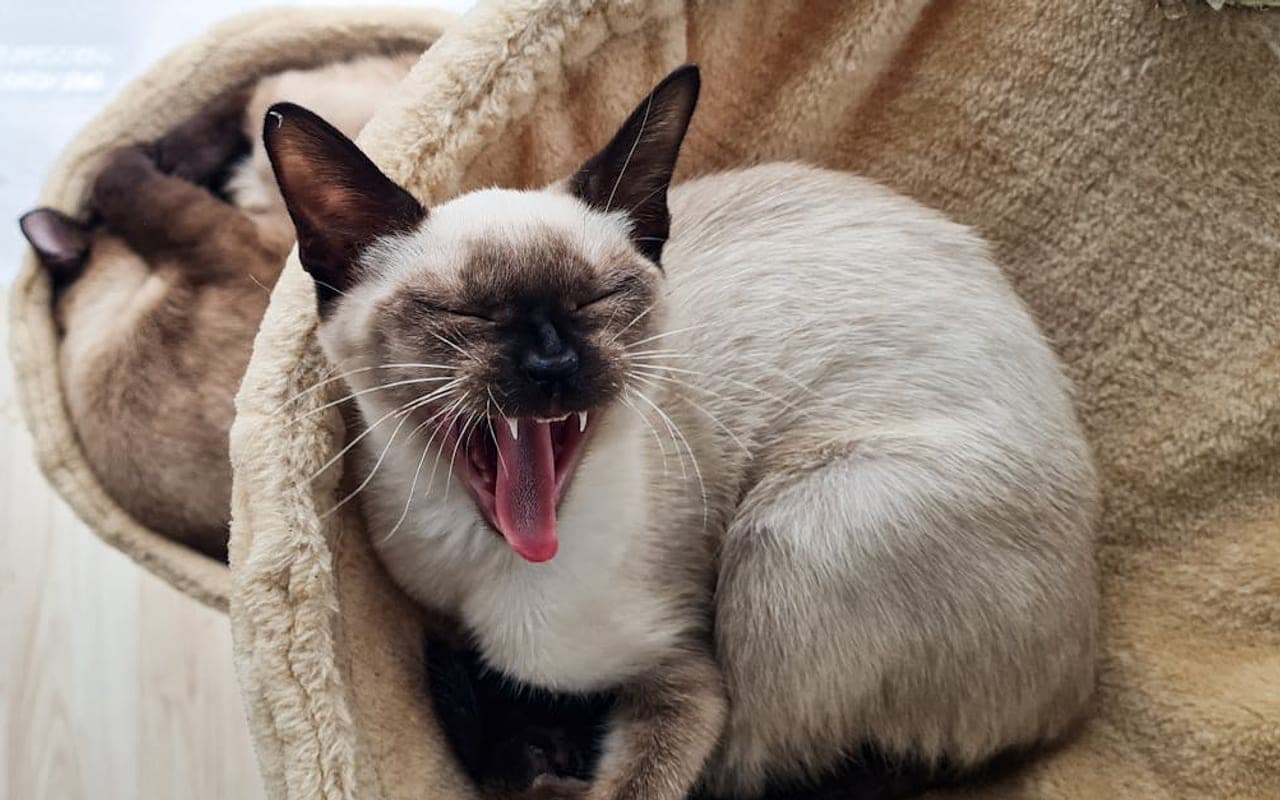
Siamese
Also in the Shorthair group, with different care and temperament tradeoffs.
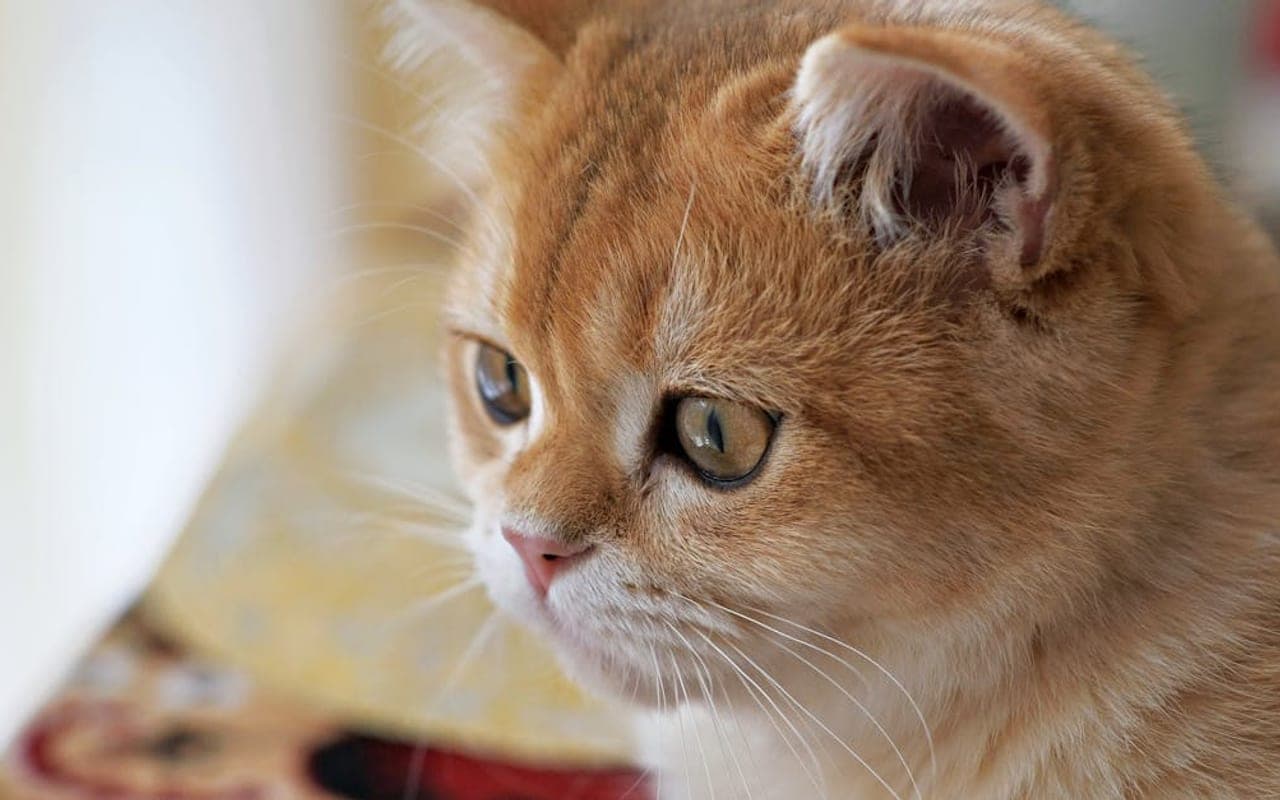
British Shorthair
Also in the Shorthair group, with different care and temperament tradeoffs.
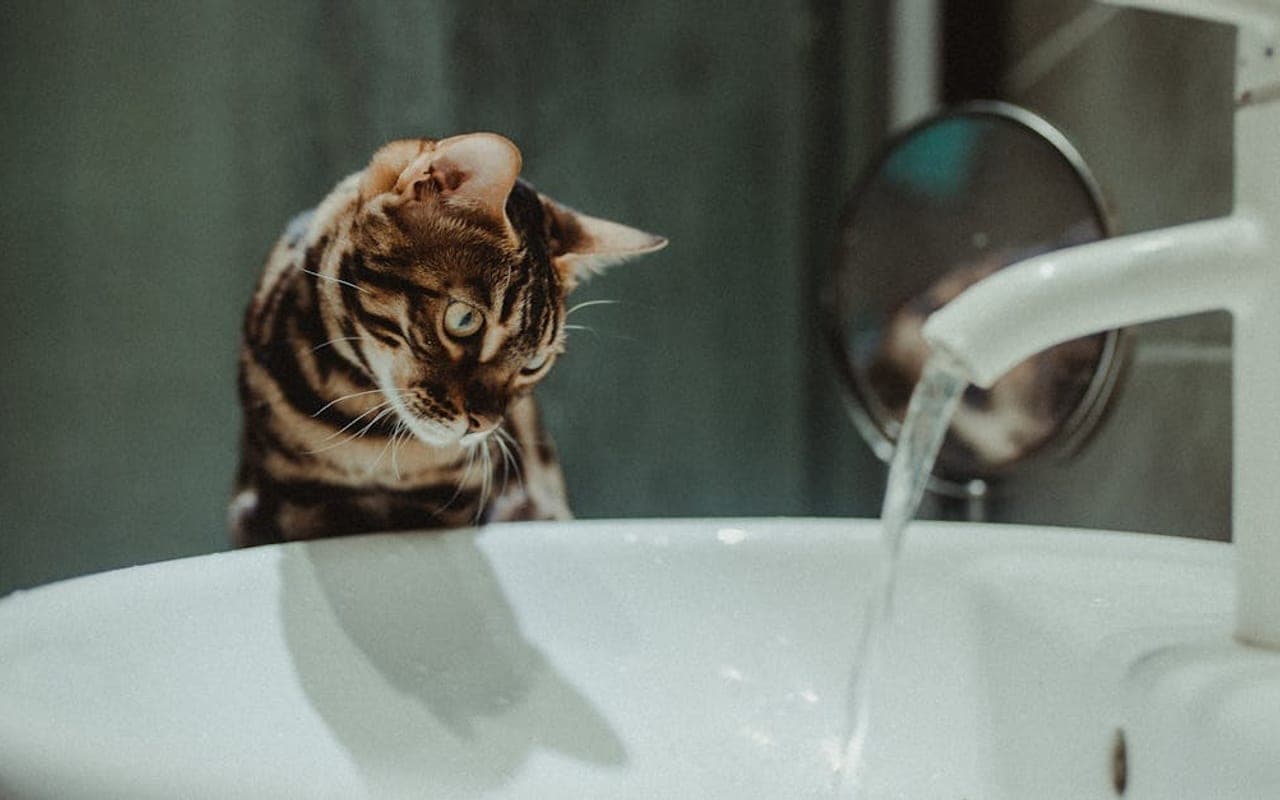
Bengal
Also in the Shorthair group, with different care and temperament tradeoffs.
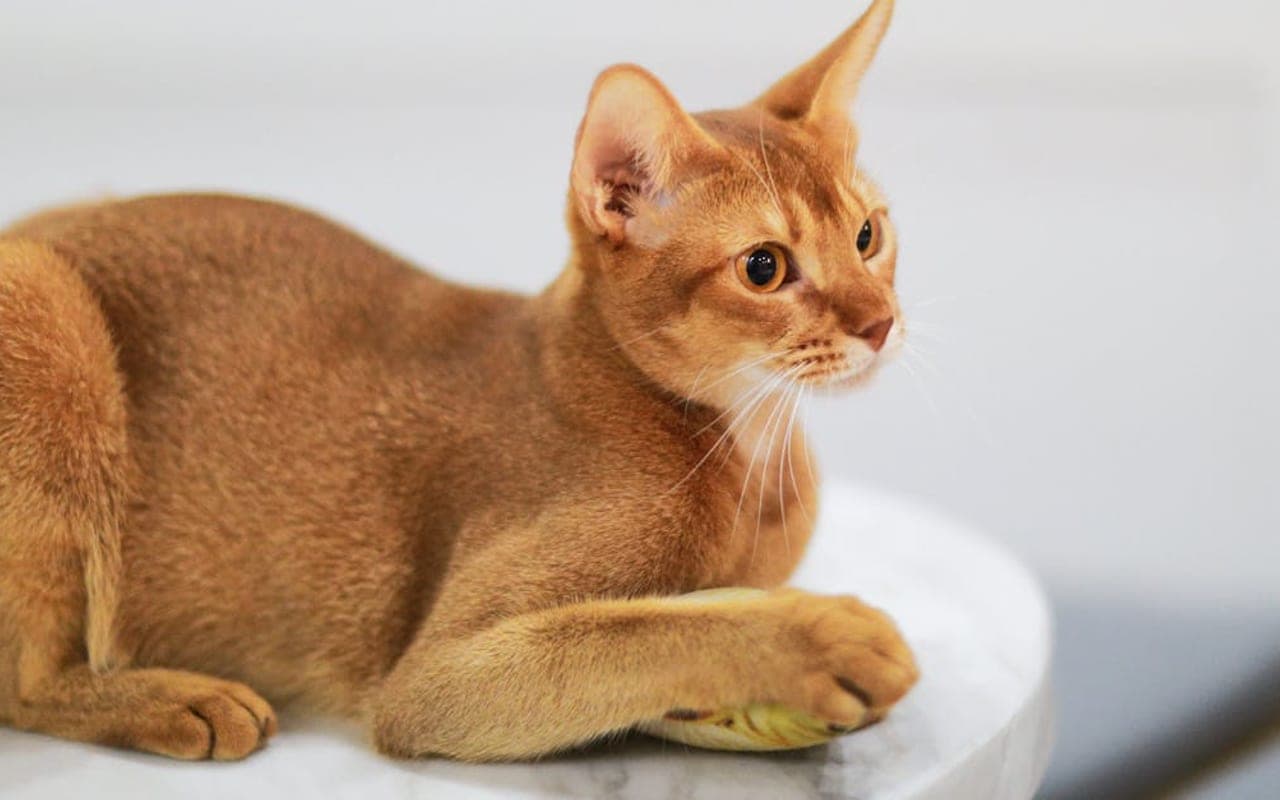
Abyssinian
Also in the Shorthair group, with different care and temperament tradeoffs.
Explore More About Cheetoh
Dive deeper into everything Cheetoh — costs, care, and expert insights.
Considering a dog instead?
Browse Dogs