
Longhair group
Nebelung
The Nebelung is, in plain terms, a long-haired Russian Blue — and understanding that one fact tells you almost everything about the breed's looks, temperament, and health profile.
Size
8-14 lb
Lifespan
11-16 years
Play
15-30 minutes
Shedding
Moderate
Experience
Match to owner routine
Decision first
Is a Nebelung right for you?
Start with fit before history or trivia. These are ownership signals, not guarantees about any individual cat.
Best suited for
- Households with children.
- Homes with other compatible pets.
- Apartment homes with a consistent routine.
- Owners seeking a manageable indoor routine with predictable care.
Think carefully if
- You need a cat with almost no daily routine.
- You cannot keep up with grooming and preventive care.
- The cat will spend most days without interaction or enrichment.
Conditional fit
Apartment fit depends on vertical space, litter setup, play, enrichment, and noise tolerance.
Daily reality
Nebelung commitment snapshot
Daily play
15-30 minutes
Match play and enrichment to age, health, appetite, and household routine.
Coat care
Moderate
Grooming needs vary by coat, shedding, and lifestyle.
Social needs
Needs planning
Most cats still need predictable contact, enrichment, litter care, and monitoring.
Structured facts
Nebelung at a glance
The measurements and traits that most affect day-to-day life with this breed.
Origin
United States
Group
Longhair
Weight
8-14 lb
Height
9-11 in
Lifespan
11-16 years
Temperament
Gentle | Quiet | Shy | Playful
View all characteristics and methodology
Lifestyle fit
- Apartment suitabilityWorks best with clean litter setup, vertical space, and daily enrichment.
- Likely fit
- Child friendliness
- Often good, with socialisation and supervision
- Other-pet fit
- Often compatible with careful introductions
- Adaptability
- Very high
Owner commitment
- Daily play
- 15-30 minutes
- Grooming
- Moderate
- Shedding
- Moderate
- Indoor enrichment
- Moderate
Behavior
- Affection
- Very high
- Energy
- Moderate
- Vocalization
- Low
- Social needs
- Moderate
Environment and health
- Intelligence
- Very high
- Health risk
- Needs planning
- Weight sensitivity
- Routine monitoring
Ratings combine structured breed data, visible breed fields, and editorial context. They are planning aids, not predictions for an individual cat.
Daily life
Nebelung temperament and behavior
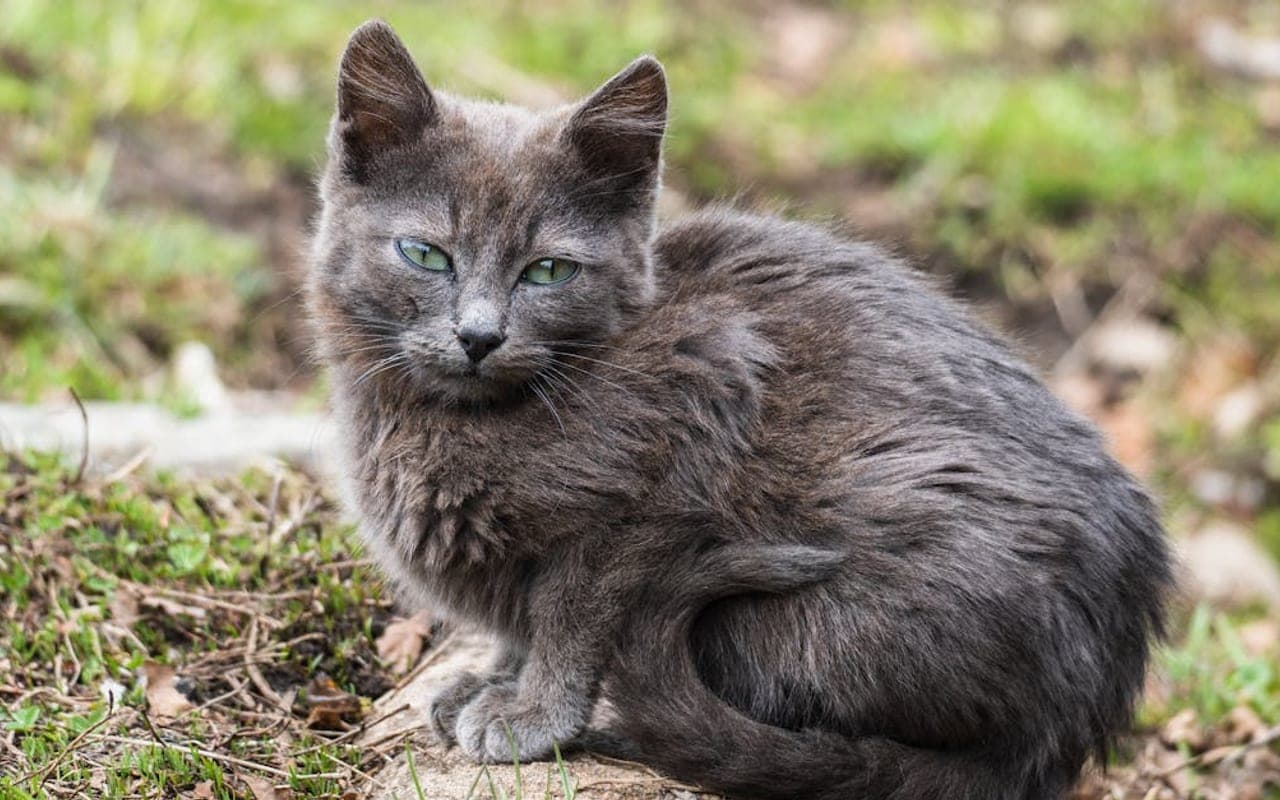
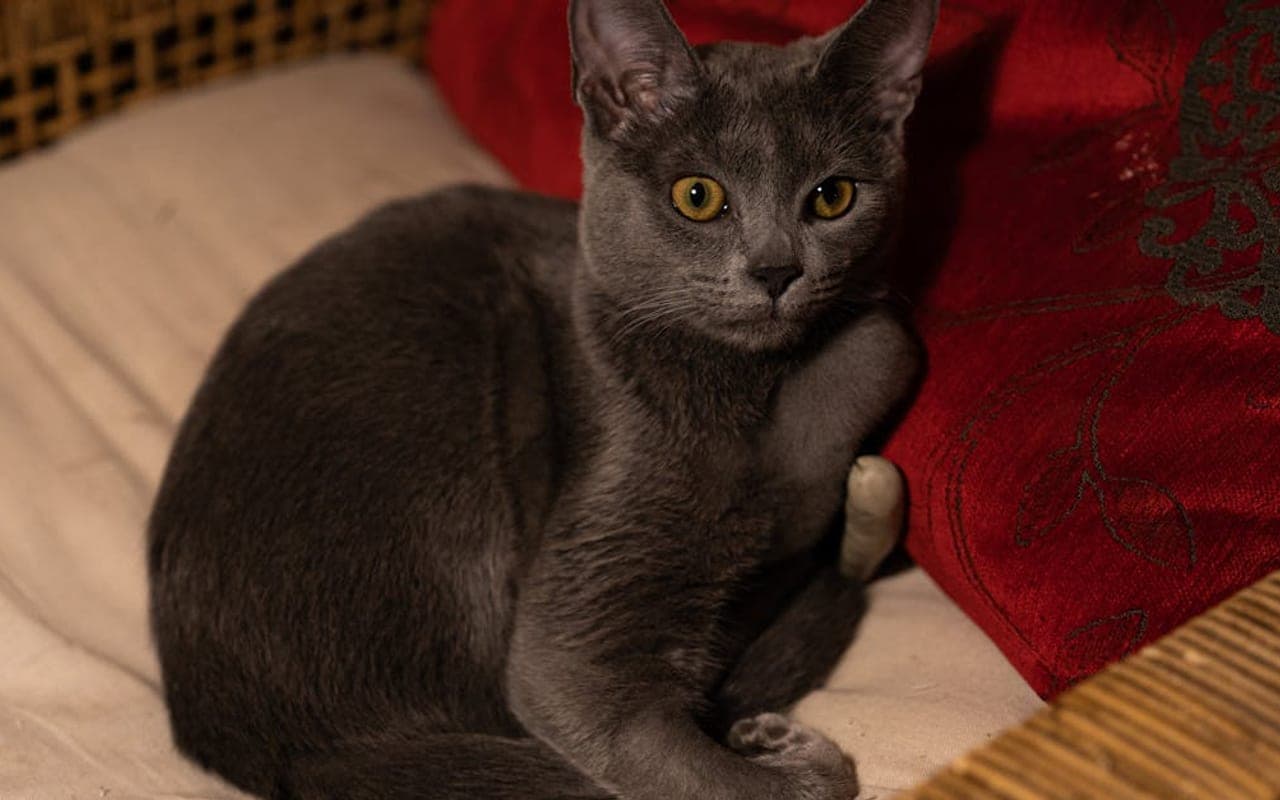
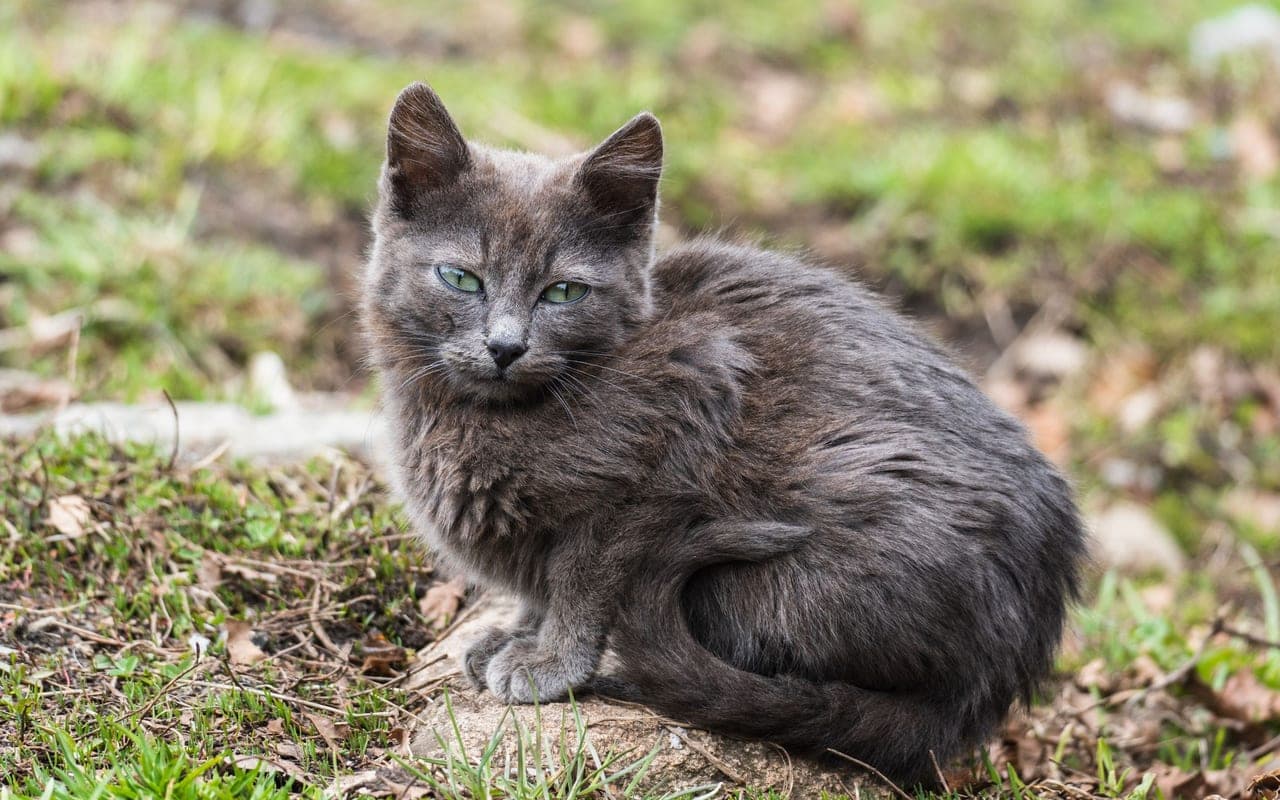
The Nebelung is, in plain terms, a long-haired Russian Blue — and understanding that one fact tells you almost everything about the breed's looks, temperament, and health profile. It was deliberately created in the 1980s in the United States by Cora Cobb, who bred two black domestic cats that produced long-haired blue kittens, then used the Russian Blue as the foundational outcross to fix the type. The name means 'creature of the mist' in German, a nod to the shimmering blue-grey coat tipped with silver. So the honest framing here is not a fragile mutation breed like a Munchkin or a tailless Manx — it is a structurally sound shorthair's genetics wrapped in a longer coat, and the realistic risks are inherited from that Russian Blue ancestry rather than from the coat itself. Physically the Nebelung is a medium, fine-boned, muscular cat with a dense double coat, a plumed tail, and the same vivid green eyes the Russian Blue is known for, usually settled by adulthood. The coat is the main practical difference from its shorthair cousin and the main grooming commitment. Temperament is the breed's defining trait and its biggest expectation-management problem. Nebelungs are gentle, quiet (genuinely soft-voiced), and deeply bonded to one or two people — but they are reserved, slow to trust strangers, and dislike chaos and change. They are not aloof once they trust you; they are devoted, shadowing, and playful in private. Who the Nebelung is right for: a calm, fairly stable household that wants a loyal, low-drama companion and will let the cat warm up on its own timeline. Who it is wrong for: a busy, high-traffic, frequently-changing home, or an owner who wants an instantly social lap cat for guests — the Nebelung's reserve is a feature of the breed, not a training failure.
Gentle | Quiet | Shy | Playful
Gentle
A common Nebelung temperament descriptor that should be interpreted alongside enrichment, handling, and household fit.
Quiet
A common Nebelung temperament descriptor that should be interpreted alongside enrichment, handling, and household fit.
Shy
A common Nebelung temperament descriptor that should be interpreted alongside enrichment, handling, and household fit.
Playful
A common Nebelung temperament descriptor that should be interpreted alongside enrichment, handling, and household fit.
Owner note
Temperament labels are starting points, not guarantees. Meet the individual cat and ask about behavior history whenever possible.
Care essentials
How to care for a Nebelung
What looking after one actually involves: play, grooming, food, litter, and routine health.
ExerciseAs needed
- Moderately active breed that enjoys regular play sessions and exploration. Provide toys and occasional interactive games.
GroomingAs needed
- Brush 2-3 times per week to maintain coat health and reduce shedding. Monthly bathing may be beneficial.
NutritionAs needed
- Feed a high-quality cat food appropriate for their age and activity level. Maintain fresh water at all times. Monitor weight to prevent obesity.
SocializationAs needed
- Enjoys human company and interaction. Can tolerate some alone time but prefers regular companionship.
Veterinary CareAs needed
- Annual wellness exams, vaccinations, dental checkups, and parasite prevention. Spay/neuter recommended if not breeding.
Health planning
Nebelung health risks and screening
Every cat breed has individual health variation. Use this profile for planning and discuss medical decisions with a veterinarian.
Responsible ownership
Finding a Nebelung responsibly
What to ask a breeder or rescue is the same conversation for every breed, so we keep it in one place and keep it current.
Health documentation, meeting the parents or foster, contracts and return support, and the warning signs worth walking away from.
Original purpose
Nebelung history
History is useful when it explains today's behavior, coat, exercise needs, and training style.
Read the breed history
The Nebelung is a deliberately recreated breed, not an ancient one. Long-haired blue cats appeared occasionally among Russian Blues and in early 20th-century European catteries, but the modern breed was founded in the United States in the early 1980s by Cora Cobb of Denver, Colorado. A black domestic shorthair named Elsa produced a long-haired blue male, Siegfried, and a later litter produced a long-haired blue female, Brunhilde; these two became the breed's foundation. Cobb worked with TICA geneticists to write the standard, modeling it closely on the Russian Blue but for a semi-long coat, and the Russian Blue was adopted as an accepted outcross to widen the gene pool and preserve type and health. TICA granted championship status in 1997. The breed remains rare, and because it is young and small in numbers, long-term breed-specific health data is limited — which is itself an honest caveat for buyers.
Gallery
Nebelung photos
Images are cropped consistently and loaded progressively to keep the page responsive.
Lower-page context
Nebelung cats in culture
Where the breed shows up in film, sport, work and folklore — the enjoyable part, once the practical questions are answered.
Fun facts
- The Nebelung originated in United States.
- Nebelung cats are considered one of the most intelligent cat breeds.
- The Nebelung is considered a rare breed.
- The Nebelung is a true lap cat that loves to curl up with their owners.
Nebelung FAQs
How long do Nebelung cats live?
A Nebelung typically lives 11-16 years, and well-cared-for individuals in calm homes often reach the upper end. The breed has no defining lethal or structural mutation, so lifespan is driven by ordinary husbandry plus vigilance for the Russian Blue–inherited risks: urinary stones and, less commonly, kidney disease. Lean body weight, good hydration, and prompt response to litter-box changes move the number more than anything else.
Is the Nebelung just a long-haired Russian Blue?
Functionally, yes — that is the most accurate way to set expectations. It was created from Russian Blue stock and uses the Russian Blue as an accepted outcross, so it shares the temperament (reserved, devoted, quiet) and the inherited health watch-list (urinary stones, possible PKD and PRA). The practical difference is the dense semi-long double coat, which adds a twice-weekly combing commitment the shorthair Russian Blue does not have.
Are Nebelung cats good with children?
They can be, in calm households, but this is not a robust, chaos-tolerant breed. Nebelungs are gentle and never aggressive, but they are reserved, dislike noise and unpredictability, and will retreat from rough or loud handling rather than tolerate it. They suit older, gentle children who respect a cat's space far better than boisterous toddler households, where the cat is likely to hide and the relationship never forms.
How much grooming does a Nebelung need?
Moderate — about 10 minutes twice a week with a stainless steel comb, working through the ruff, britches, and tail plume where the dense double coat tangles first. Increase to every other day for two to three weeks during the spring and autumn seasonal shed. The coat resists matting better than a Persian's, so it is manageable, but it is a real recurring commitment, not the wash-and-wear coat of a shorthair.
Are Nebelung cats good for apartments?
Yes, with the caveat that companionship and stability matter more than space. Nebelungs are quiet (a genuine plus for apartments), adaptable to small homes, and not destructive, but they bond hard to one or two people and dislike being left alone all day or exposed to constant foot traffic. A consistent routine and 15-20 minutes of daily play matter more to a Nebelung's wellbeing than square footage.
What are the main health risks I should screen for in a Nebelung?
Because the breed is built on Russian Blue genetics, prioritize three: urinary stones (the most common practical problem — monitor the litter box and keep the cat hydrated), polycystic kidney disease (ask the breeder for a PKD genetic test on the parents), and progressive retinal atrophy (an inherited vision loss reputable lines screen for). Add dental care and weight control as the everyday levers. A breeder who tests breeding cats for PKD is a meaningful filter.
Sources
These are the published sources this page draws on. Each opens in a new tab so you can check it yourself.
The International Cat Association
Nebelung — TICA breed standard(opens in a new tab)Supports: Breed standard and recognition details.
Similar breeds to consider
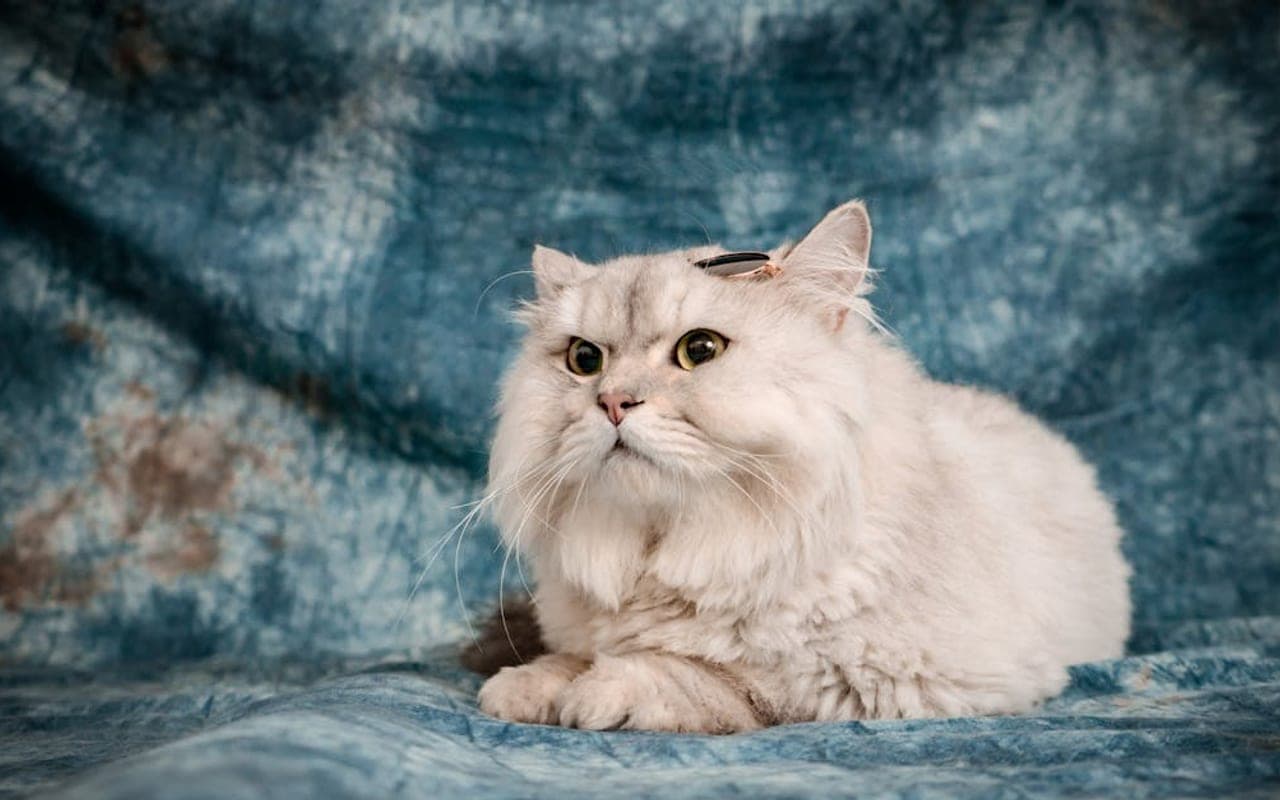
Persian
Also in the Longhair group, with different care and temperament tradeoffs.
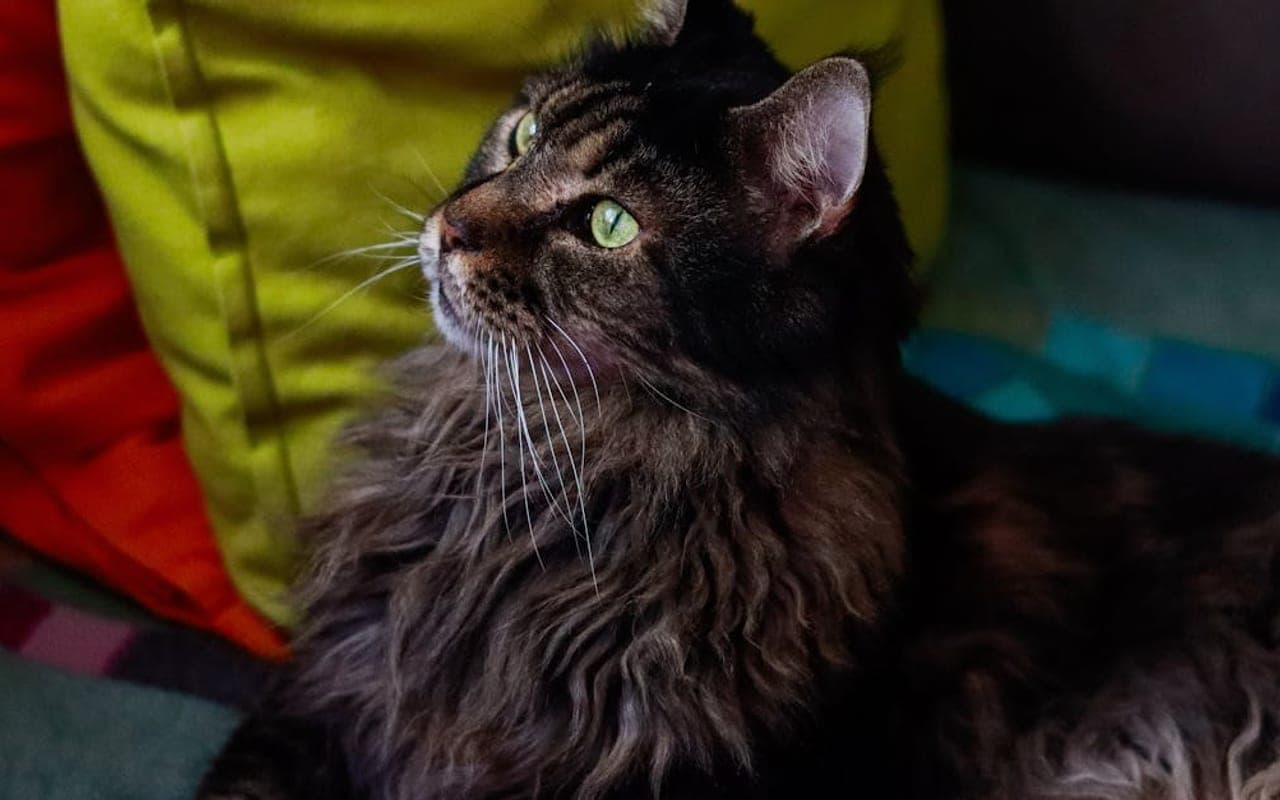
Maine Coon
Also in the Longhair group, with different care and temperament tradeoffs.
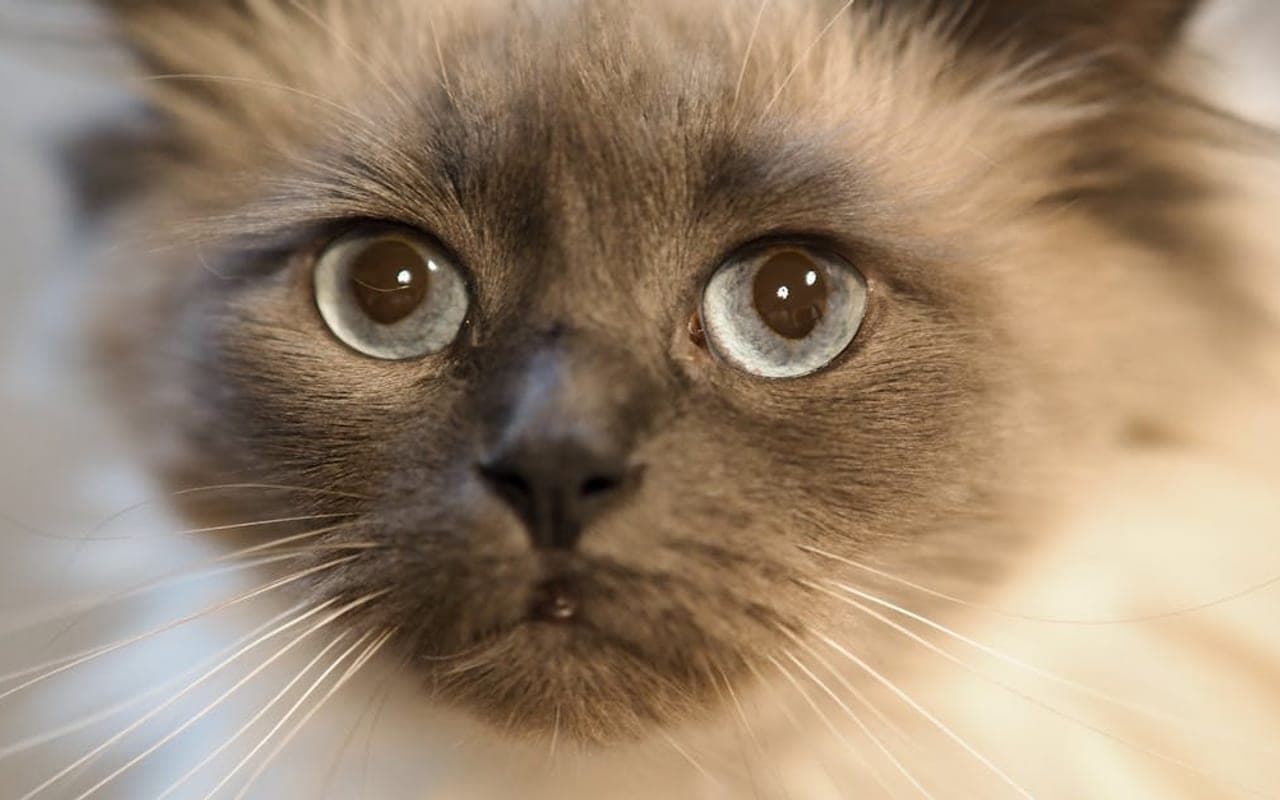
Ragdoll
Also in the Longhair group, with different care and temperament tradeoffs.
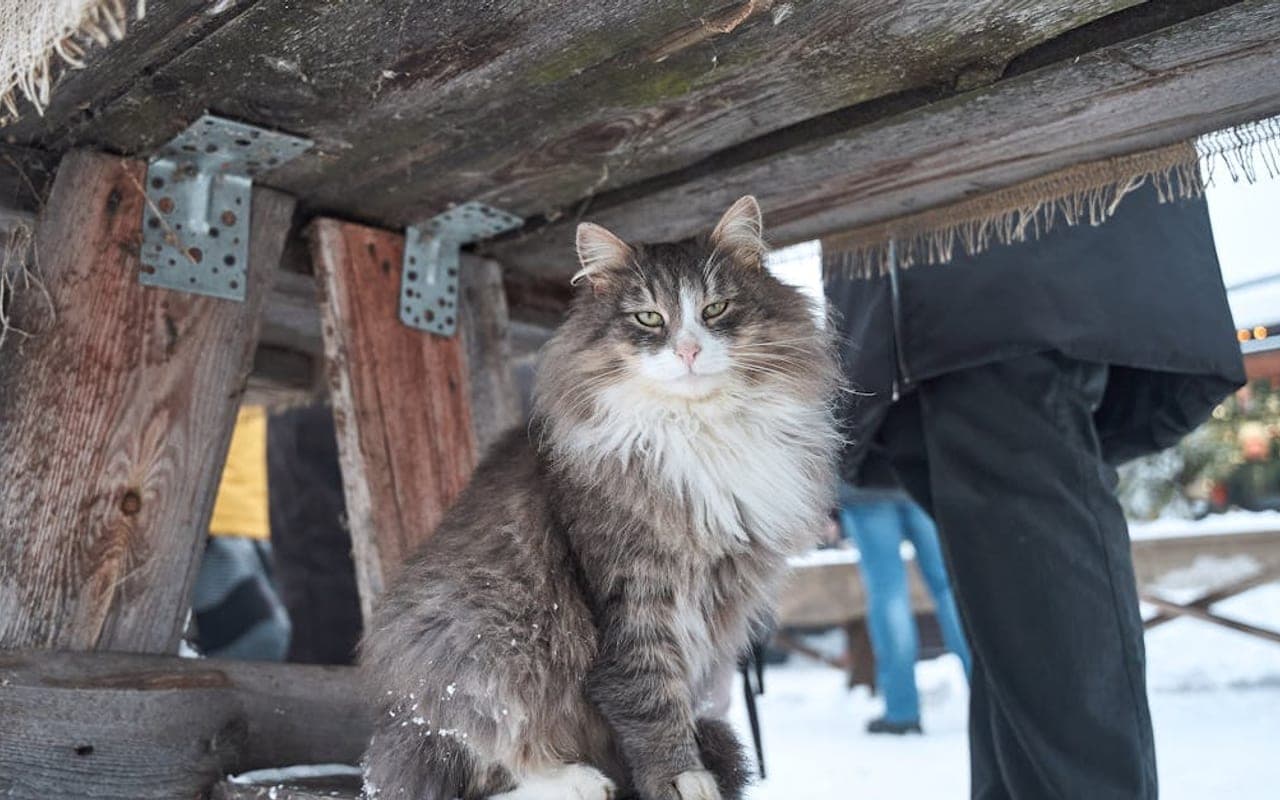
Norwegian Forest Cat
Also in the Longhair group, with different care and temperament tradeoffs.
Explore More About Nebelung
Dive deeper into everything Nebelung — costs, care, and expert insights.
Considering a dog instead?
Browse Dogs