
Longhair group
Norwegian Forest Cat
The Norwegian Forest Cat is a large, slow-maturing, working-built cat shaped by centuries of Scandinavian winters — and three facts decide whether it suits you: it is genuinely big, it takes years to finish growing, and the magnificent coat is a real recurring job.
Size
10-20 lb
Lifespan
12-16 years
Play
15-30 minutes
Shedding
Moderate
Experience
Match to owner routine
Decision first
Is a Norwegian Forest Cat right for you?
Start with fit before history or trivia. These are ownership signals, not guarantees about any individual cat.
Best suited for
- Households with children.
- Homes with other compatible pets.
- Apartment homes with a consistent routine.
- Owners seeking a manageable indoor routine with predictable care.
Think carefully if
- You need a cat with almost no daily routine.
- You cannot keep up with grooming and preventive care.
- The cat will spend most days without interaction or enrichment.
Conditional fit
Apartment fit depends on vertical space, litter setup, play, enrichment, and noise tolerance.
Daily reality
Norwegian Forest Cat commitment snapshot
Daily play
15-30 minutes
Match play and enrichment to age, health, appetite, and household routine.
Coat care
Low
Grooming needs vary by coat, shedding, and lifestyle.
Social needs
Needs planning
Most cats still need predictable contact, enrichment, litter care, and monitoring.
Structured facts
Norwegian Forest Cat at a glance
The measurements and traits that most affect day-to-day life with this breed.
Origin
Norway
Group
Longhair
Weight
10-20 lb
Height
9-15 in
Lifespan
12-16 years
Temperament
Sweet | Active | Intelligent | Social | Playful | Lively | Curious
View all characteristics and methodology
Lifestyle fit
- Apartment suitabilityWorks best with clean litter setup, vertical space, and daily enrichment.
- Likely fit
- Child friendliness
- Often good, with socialisation and supervision
- Other-pet fit
- Often compatible with careful introductions
- Adaptability
- Very high
Owner commitment
- Daily play
- 15-30 minutes
- Grooming
- Low
- Shedding
- Moderate
- Indoor enrichment
- Moderate
Behavior
- Affection
- Very high
- Energy
- Moderate
- Vocalization
- Low
- Social needs
- Very high
Environment and health
- Intelligence
- High
- Health risk
- Needs planning
- Weight sensitivity
- Routine monitoring
Ratings combine structured breed data, visible breed fields, and editorial context. They are planning aids, not predictions for an individual cat.
Daily life
Norwegian Forest Cat temperament and behavior
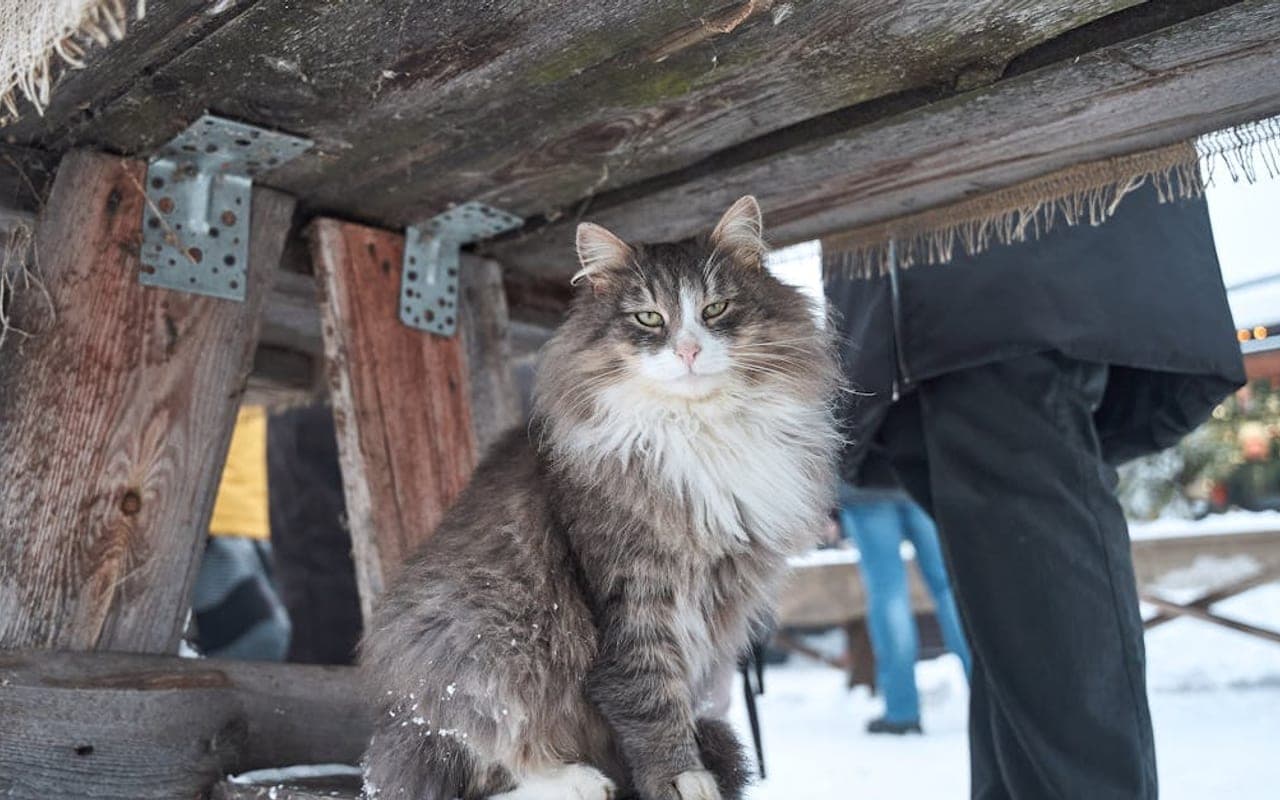
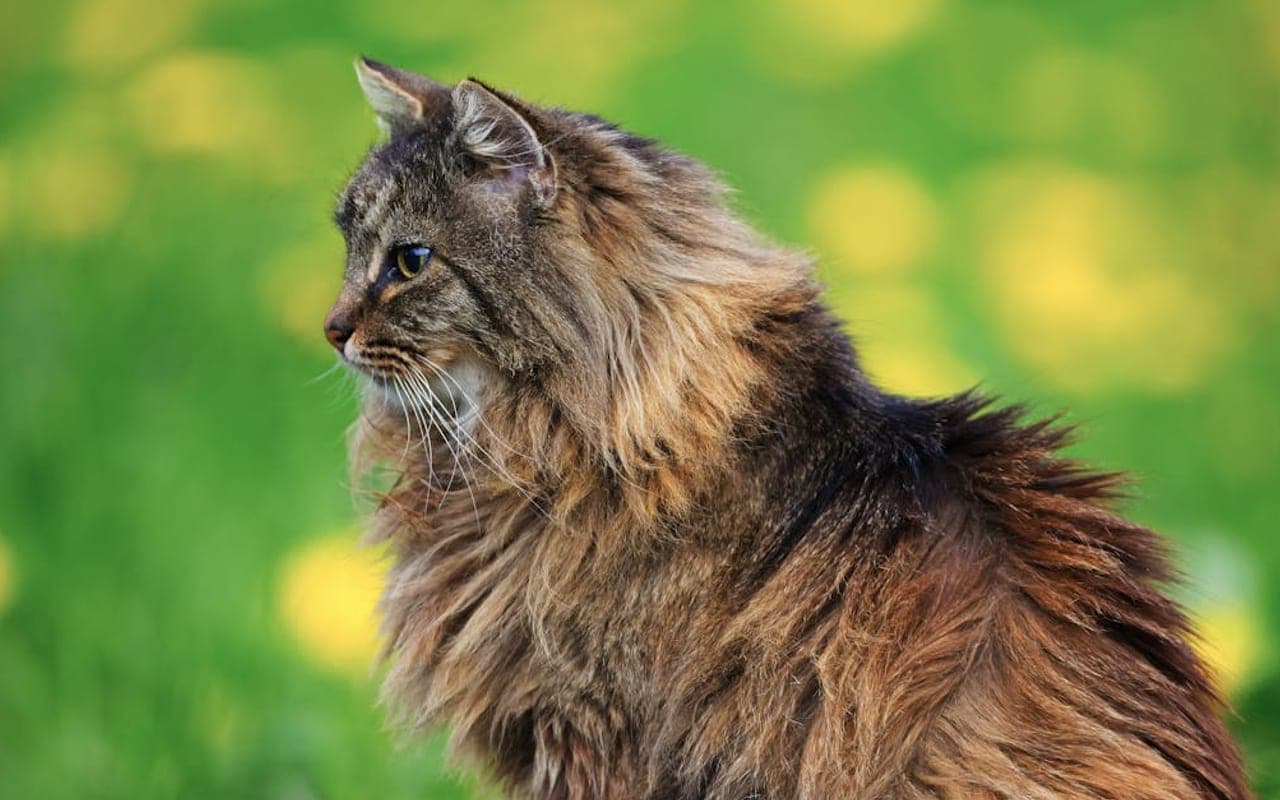
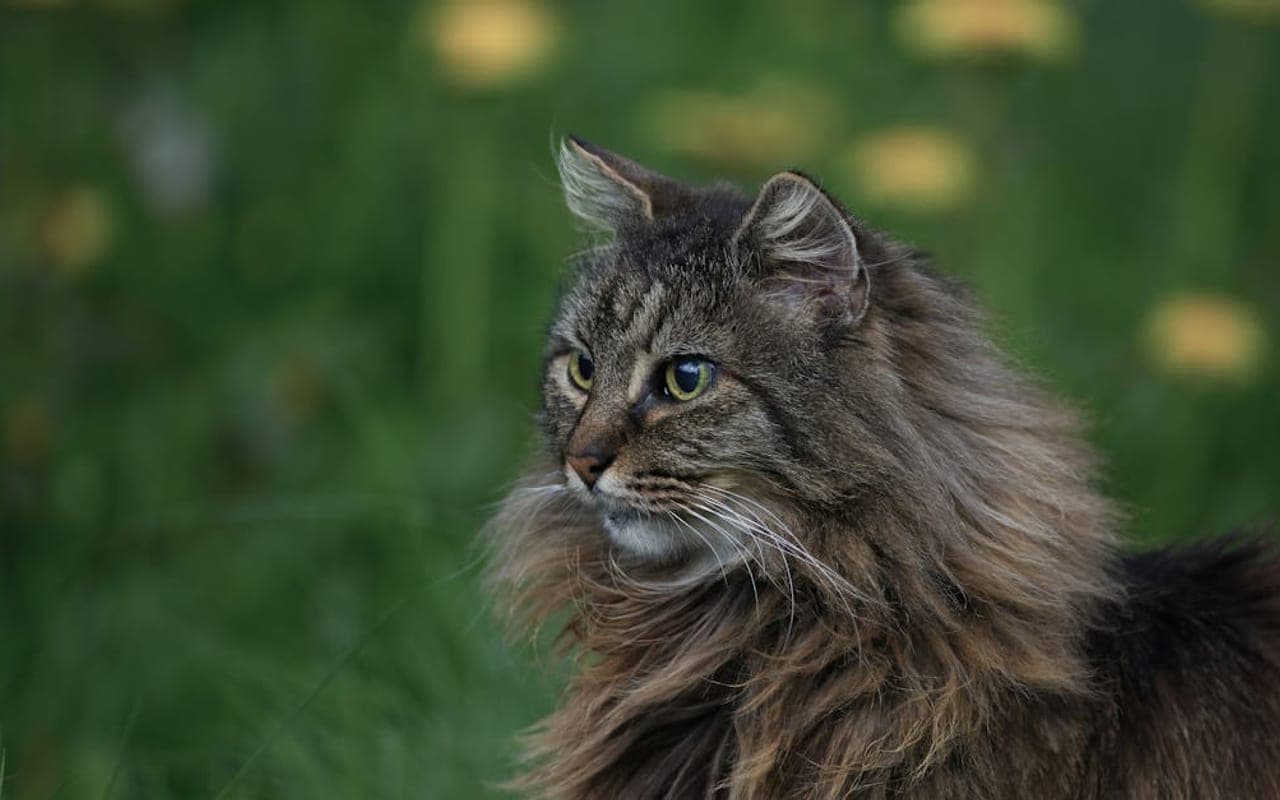
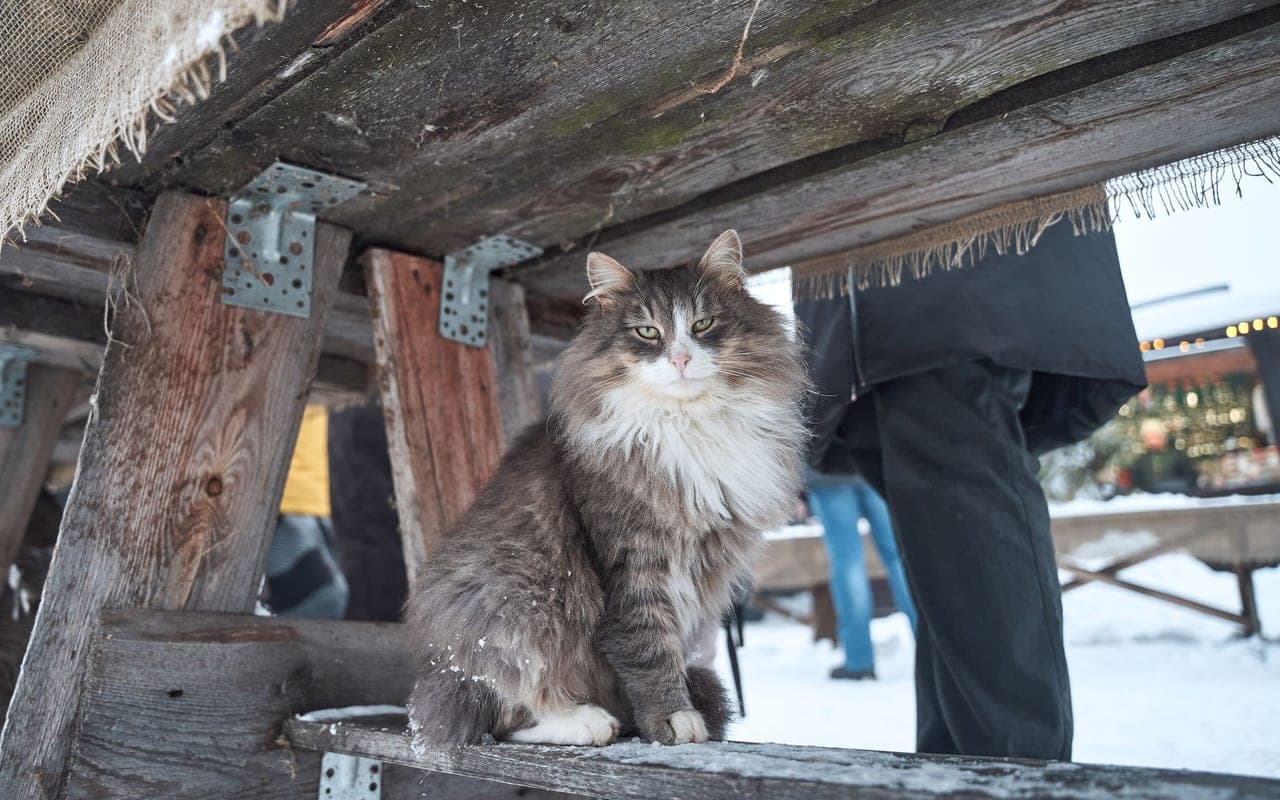
The Norwegian Forest Cat is a large, slow-maturing, working-built cat shaped by centuries of Scandinavian winters — and three facts decide whether it suits you: it is genuinely big, it takes years to finish growing, and the magnificent coat is a real recurring job. Buy the picture without those three and you will be surprised; buy them knowingly and the 'Wegie' is a calm, sturdy, family-oriented cat that ages well. This is a substantial animal. Mature males commonly reach 12-16 lb (5.5-7.5 kg) and large individuals more; females run 8-12 lb. The breed is famously slow to mature, reaching full size and coat at around four to five years rather than one — so the kitten you bring home keeps developing for years. The double coat is built for survival: a dense woolly undercoat under a long, water-resistant glossy outer coat, with a full ruff, breeches, and a bushy tail. The body underneath is strongly muscled, with a triangular head and large, tufted, lynx-like ears and big paws built for snow. Temperament is the breed's quiet strength. Norwegian Forest Cats are gentle, even-tempered, intelligent, and people-oriented without being demanding lap-clingers. They enjoy climbing and high vantage points (a strong climber by heritage), tolerate children and other pets well, and tend to be undemonstrative but reliably affectionate — present in the room rather than in your face. Who the Norwegian Forest Cat is right for: an owner who wants a large, calm, robust family cat, has vertical space for a climber, and will commit to year-round coat care. Who it is wrong for: someone wanting a tiny, low-coat-maintenance, instantly affectionate lapcat — and, critically, anyone who will not budget for the breed's serious inherited heart and metabolic risks, which are the real cost behind the handsome exterior.
Sweet | Active | Intelligent | Social | Playful | Lively | Curious
Sweet
A common Norwegian Forest Cat temperament descriptor that should be interpreted alongside enrichment, handling, and household fit.
Active
A common Norwegian Forest Cat temperament descriptor that should be interpreted alongside enrichment, handling, and household fit.
Intelligent
A common Norwegian Forest Cat temperament descriptor that should be interpreted alongside enrichment, handling, and household fit.
Social
A common Norwegian Forest Cat temperament descriptor that should be interpreted alongside enrichment, handling, and household fit.
Owner note
Temperament labels are starting points, not guarantees. Meet the individual cat and ask about behavior history whenever possible.
Care essentials
How to care for a Norwegian Forest Cat
What looking after one actually involves: play, grooming, food, litter, and routine health.
ExerciseAs needed
- Moderately active breed that enjoys regular play sessions and exploration. Provide toys and occasional interactive games.
GroomingAs needed
- Low-maintenance coat requiring weekly brushing. Occasional bathing as needed.
NutritionAs needed
- Feed a high-quality cat food appropriate for their age and activity level. Maintain fresh water at all times. Monitor weight to prevent obesity.
SocializationAs needed
- Highly social breed that thrives on companionship. Does not do well left alone for extended periods. Consider a companion pet.
Veterinary CareAs needed
- Annual wellness exams, vaccinations, dental checkups, and parasite prevention. Spay/neuter recommended if not breeding.
Health planning
Norwegian Forest Cat health risks and screening
Every cat breed has individual health variation. Use this profile for planning and discuss medical decisions with a veterinarian.
Ownership cost
How much does a Norwegian Forest Cat cost?
Cost figures are structured so first-year and lifetime estimates do not conflict with the underlying line items.
| Acquisition | $800-$3,000 |
|---|---|
| Routine monthly | About $80/month |
| Routine annual | About $960/year |
| First-year estimate | $1,760-$3,960 |
| Lifetime routine estimate | $11,520-$15,360 routine costs |
Currency: USD. Region: United States. Typical ranges for this breed. Equipment, insurance, emergency veterinary care, boarding and training are NOT included: we hold no sourced figures for them, and estimating them would be a guess presented as data.
Responsible ownership
Finding a Norwegian Forest Cat responsibly
What to ask a breeder or rescue is the same conversation for every breed, so we keep it in one place and keep it current.
Health documentation, meeting the parents or foster, contracts and return support, and the warning signs worth walking away from.
Original purpose
Norwegian Forest Cat history
History is useful when it explains today's behavior, coat, exercise needs, and training style.
Read the breed history
The Norwegian Forest Cat (Norsk Skogkatt) is a natural breed that developed over centuries in the forests and farms of Norway, shaped by a brutally cold, wet climate rather than by deliberate human selection. The dense, water-resistant double coat, large body, strong climbing ability, and tufted, snow-adapted paws are all survival adaptations from cats living semi-wild as farm and forest mousers. The breed features in Norse folklore — large, long-haired forest cats appear in old Scandinavian tales — which speaks to how long these cats have been part of the landscape. The breed nearly disappeared through the twentieth century as free-breeding with domestic cats diluted the type, and dedicated Norwegian breeders launched a formal preservation program in the 1970s to recover and standardize it; King Olav V designated it Norway's official national cat. International recognition followed, with the Cat Fanciers' Association accepting the breed for championship competition in 1993. That natural, climate-driven origin explains both the breed's hardiness and the specific inherited conditions that concentrated within a relatively small founding population.
Gallery
Norwegian Forest Cat photos
Images are cropped consistently and loaded progressively to keep the page responsive.
Lower-page context
Norwegian Forest Cat cats in culture
Where the breed shows up in film, sport, work and folklore — the enjoyable part, once the practical questions are answered.
Fun facts
- The Norwegian Forest Cat originated in Norway.
- The Norwegian Forest Cat is a natural breed that developed without human selective breeding.
- Norwegian Forest Cat cats are exceptionally dog-friendly and can live harmoniously with canine companions.
Norwegian Forest Cat FAQs
How big do Norwegian Forest Cats actually get, and how fast?
They are one of the larger domestic breeds: mature males commonly reach 12-16 lb and large ones more, females 8-12 lb. Just as important, they mature unusually slowly — full size, muscle, and adult coat typically arrive around four to five years of age, not one. Plan for a cat that keeps growing and changing for years, and judge weight by body condition rather than assuming a big adult is overweight.
How much grooming does the coat really need?
More than most cats, year-round. Comb 2-3 times a week with a tool that reaches the dense undercoat, increasing to daily for 3-4 weeks during the heavy spring shed. Surface brushing is not enough — neglected undercoat forms painful mats behind the legs and under the ruff that may need sedated clipping. Treat coat care as a fixed, non-skippable routine and expect noticeable seasonal shedding around the house.
What are the most important health screenings before buying one?
Two specifically. Ask for proof that breeding cats are DNA-tested clear for glycogen storage disease type IV (a severe, breed-specific, essentially preventable metabolic disease) and that they are screened by cardiac ultrasound for hypertrophic cardiomyopathy. Also reasonable to ask about PKD screening. These conditions are largely invisible in a young kitten, so informed sourcing — not the kitten's appearance — is what actually protects you.
Are Norwegian Forest Cats good family pets?
Yes, this is one of their strengths. They are gentle, even-tempered, robust enough to handle household activity, and generally tolerant of respectful children and other pets given proper introductions. They are affectionate but undemanding — companionable in the room rather than constantly in your lap. The main fit considerations are space for a climber and the owner's willingness to commit to grooming and health budgeting, not the cat's temperament with family.
How long do Norwegian Forest Cats live and what should I budget?
With sound genetics they commonly live 14-16 years or more. Routine costs include preventive care and dental cleanings, but the realistic larger budget items are the breed's heart risk — periodic cardiac screening and potential lifelong HCM management — plus possible orthopedic care for hip issues in a large cat. Buying from screened lines and pricing pet insurance while the cat is young meaningfully reduces financial exposure to the cardiac risk in particular.
Do they need outdoor access since they're a 'forest' cat?
No. The 'forest' name reflects the breed's wild Scandinavian origin, not a requirement. Norwegian Forest Cats adapt well to indoor life provided they get what their heritage demands: tall, sturdy climbing structures and high perches, plus enrichment and play. Denying vertical space is the real welfare miss for this breed — not the absence of outdoor roaming, which simply exposes a valuable cat to traffic, predators, and disease.
Sources
These are the published sources this page draws on. Each opens in a new tab so you can check it yourself.
Cat Fanciers' Association
Norwegian Forest Cat — breed standard and profile(opens in a new tab)Supports: Breed standard and recognition details.
Similar breeds to consider
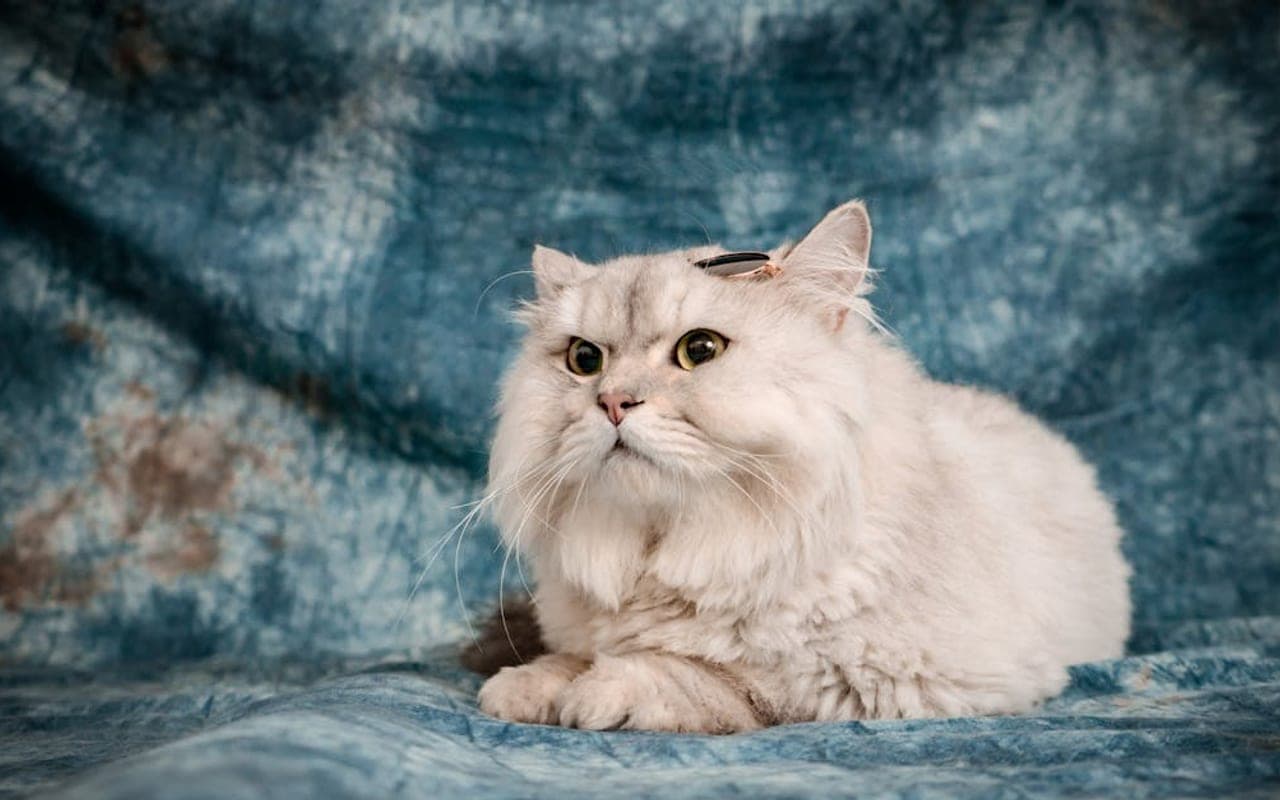
Persian
Also in the Longhair group, with different care and temperament tradeoffs.
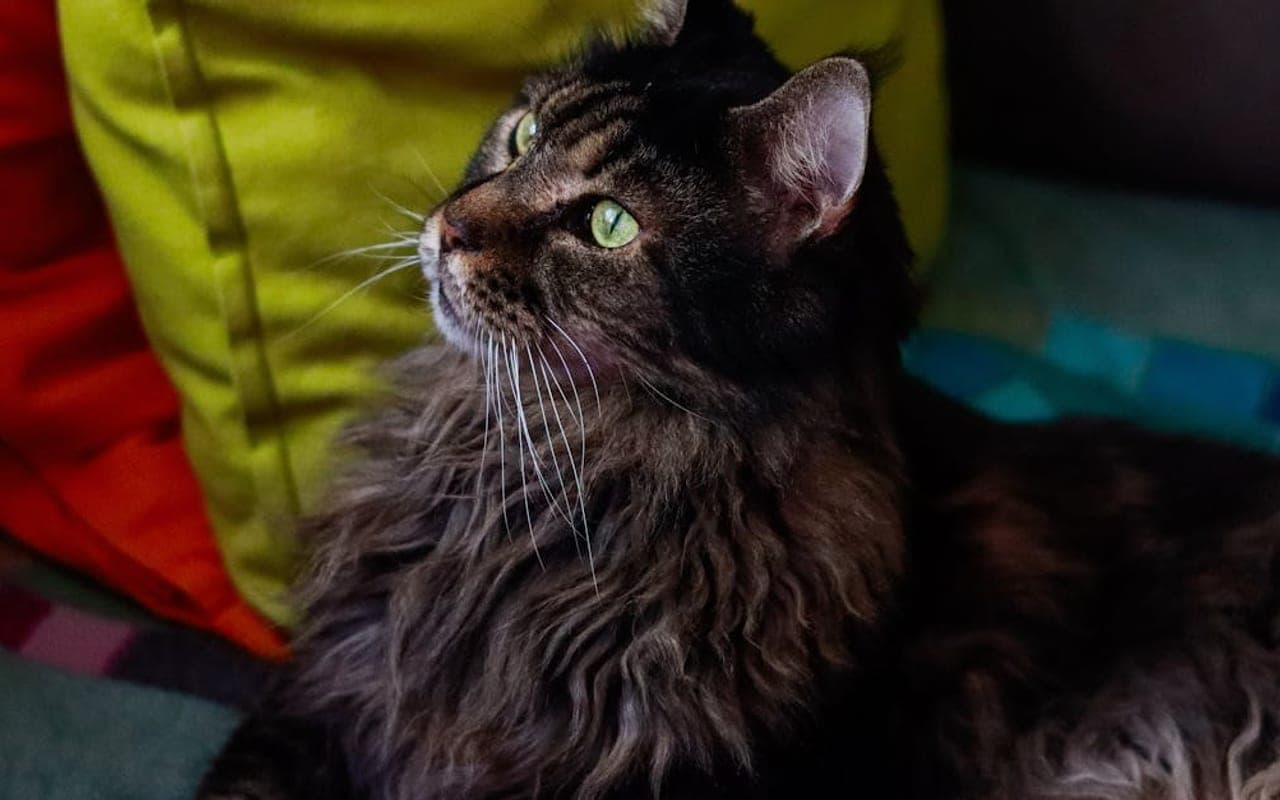
Maine Coon
Also in the Longhair group, with different care and temperament tradeoffs.
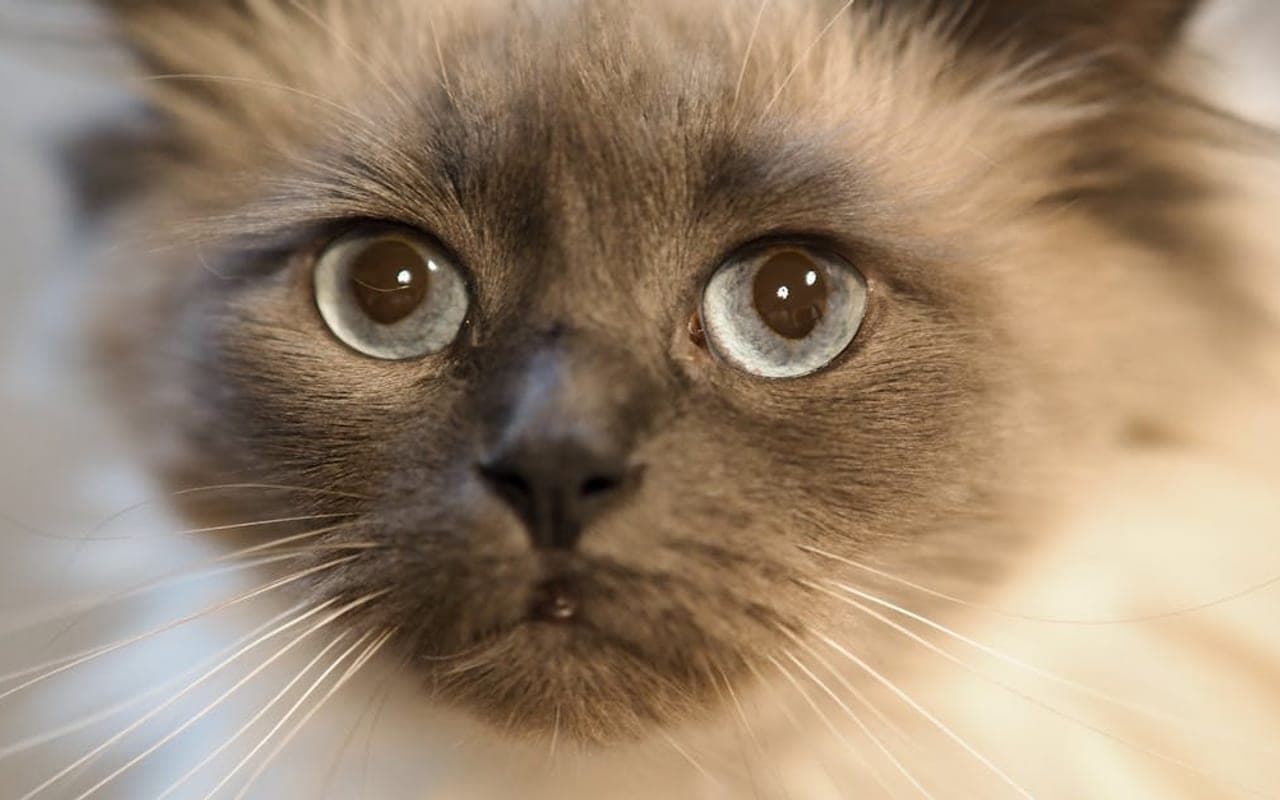
Ragdoll
Also in the Longhair group, with different care and temperament tradeoffs.
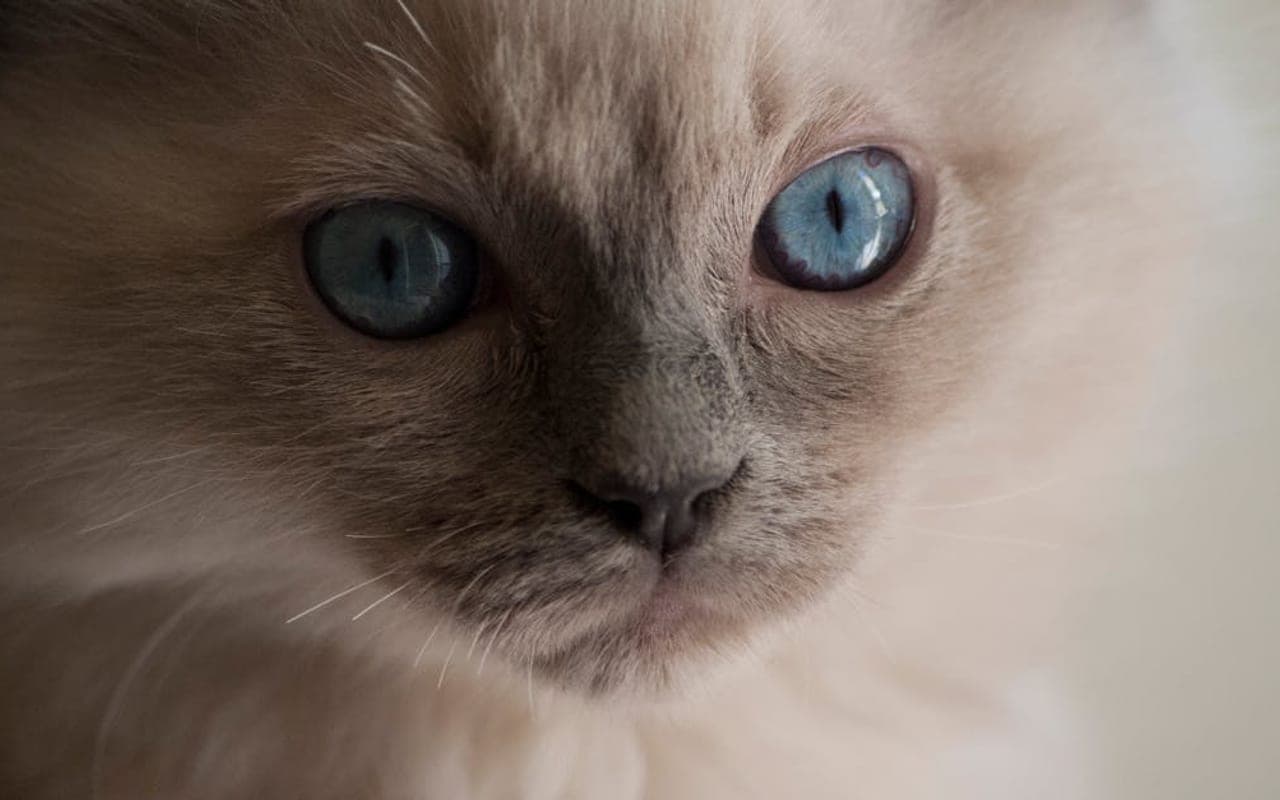
Birman
Also in the Longhair group, with different care and temperament tradeoffs.
Explore More About Norwegian Forest Cat
Dive deeper into everything Norwegian Forest Cat — costs, care, and expert insights.
How Much Does a Norwegian Forest Cat Cost?
Purchase price, monthly costs, and lifetime expenses
Norwegian Forest Cat Care Guide
The Norwegian Forest Cat, known in its homeland as the Skogkatt...
Considering a dog instead?
Browse Dogs