
Shorthair group
Scottish Fold
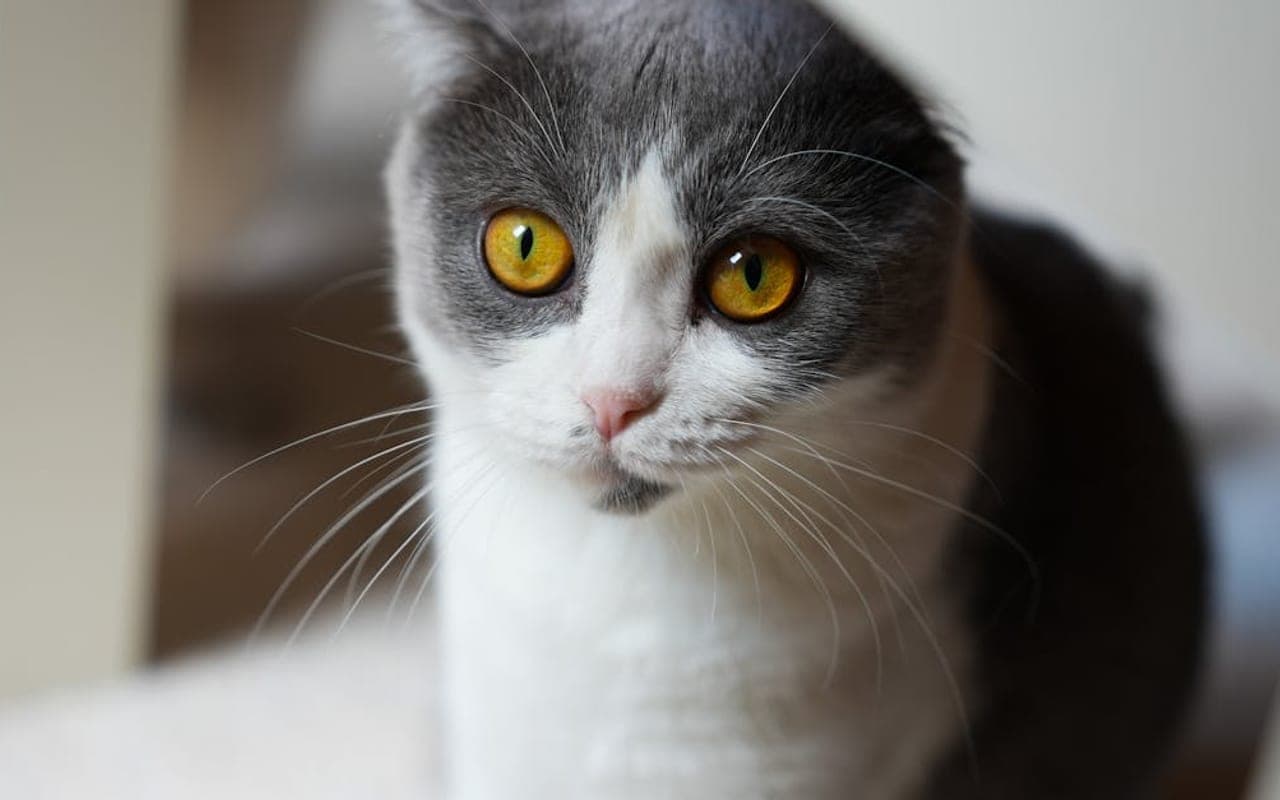
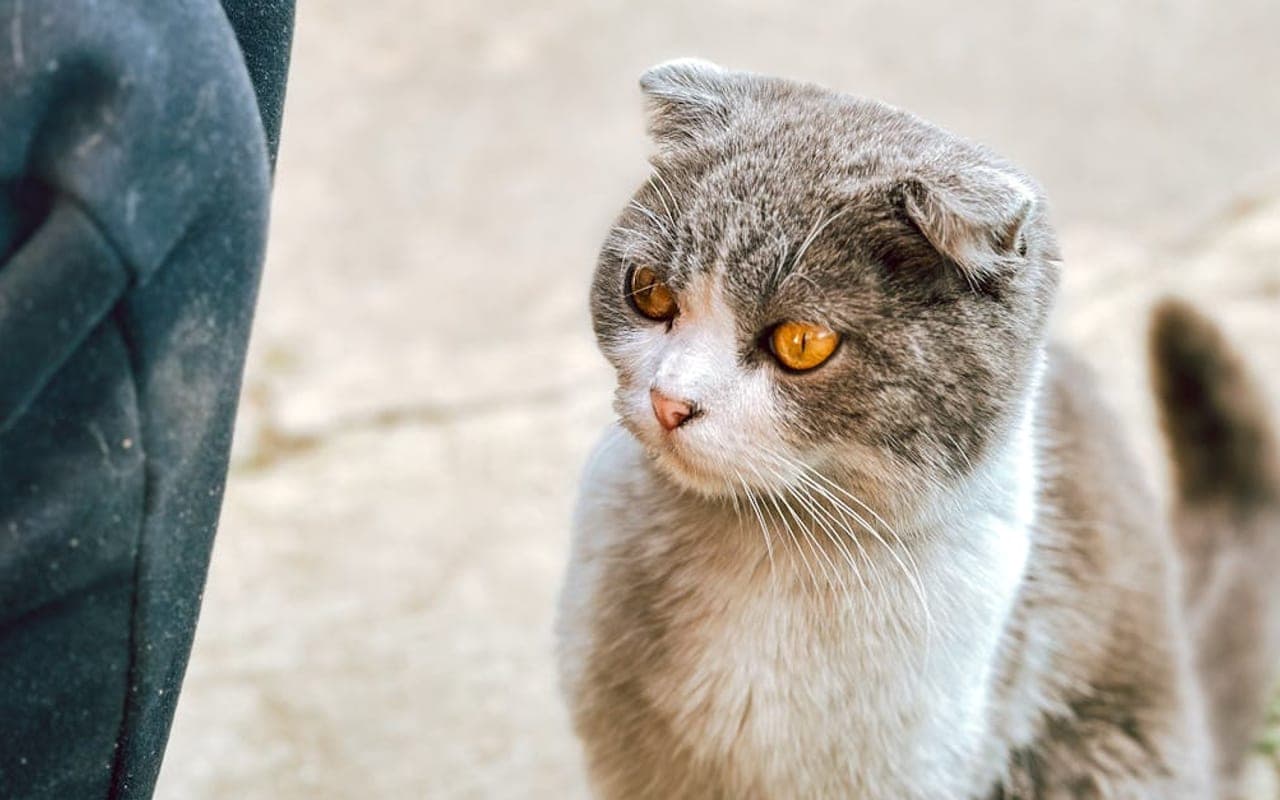
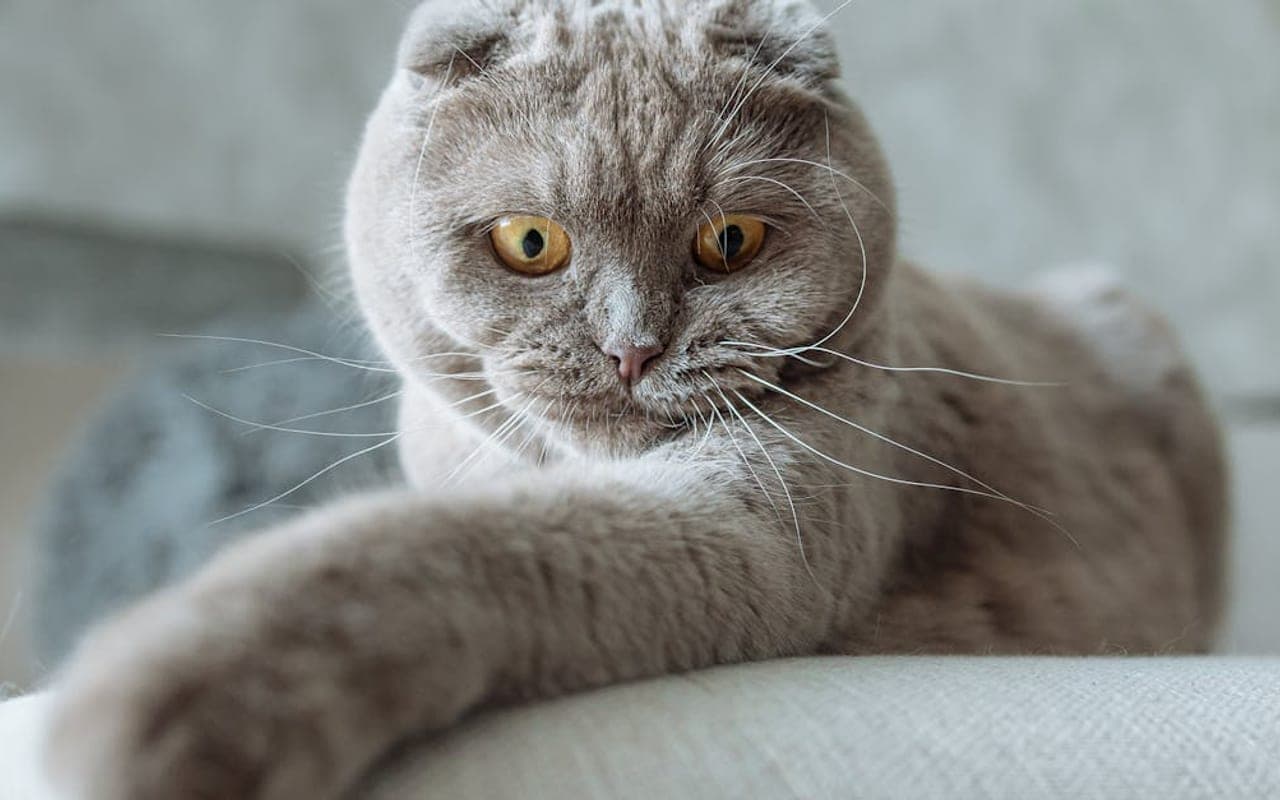
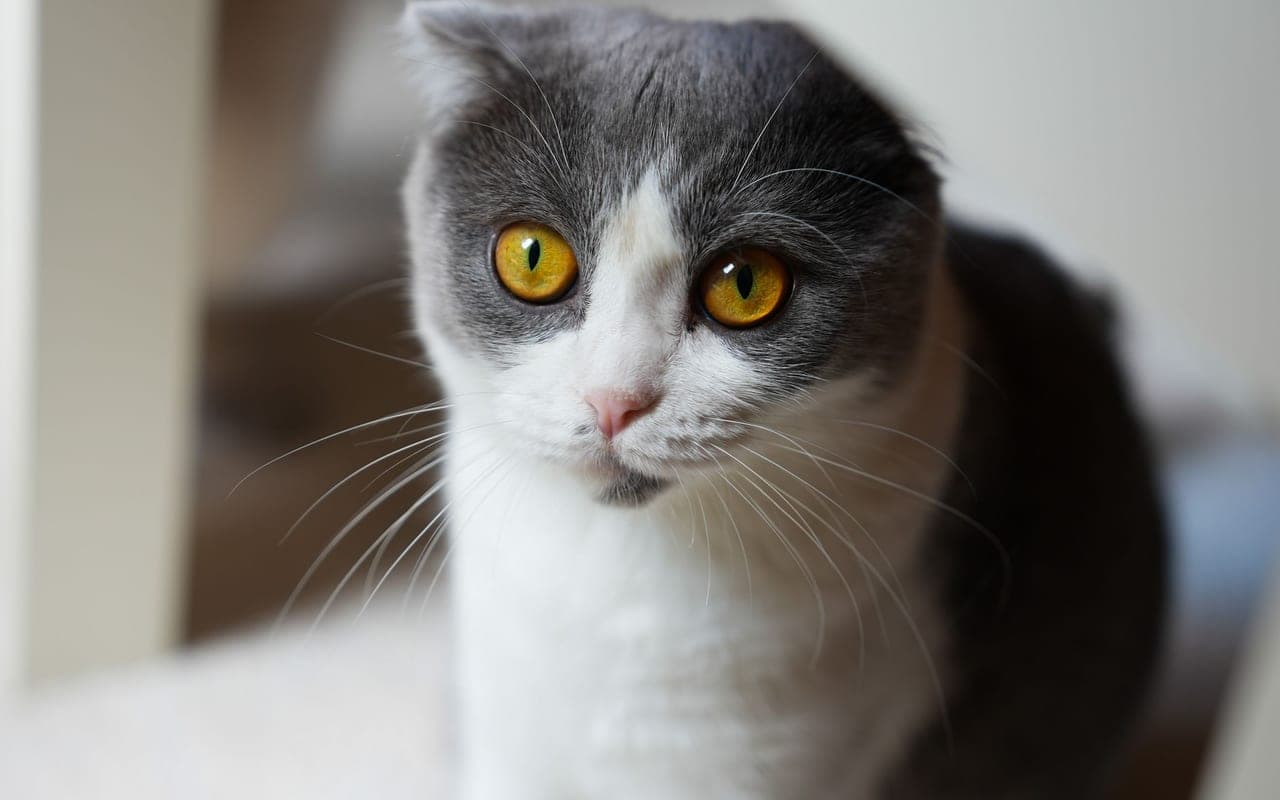
The Scottish Fold is the round-faced cat with the folded-down ears — and that fold is not a cosmetic feature, it is a visible symptom of a body-wide cartilage defect.
Size
6-13 lb
Lifespan
11-14 years
Play
15-30 minutes
Shedding
Moderate
Experience
Match to owner routine
Decision first
Is a Scottish Fold right for you?
Start with fit before history or trivia. These are ownership signals, not guarantees about any individual cat.
Best suited for
- Households with children.
- Homes with other compatible pets.
- Apartment homes with a consistent routine.
- Owners seeking a manageable indoor routine with predictable care.
Think carefully if
- You need a cat with almost no daily routine.
- You cannot keep up with grooming and preventive care.
- The cat will spend most days without interaction or enrichment.
Conditional fit
Apartment fit depends on vertical space, litter setup, play, enrichment, and noise tolerance.
Daily reality
Scottish Fold commitment snapshot
Daily play
15-30 minutes
Match play and enrichment to age, health, appetite, and household routine.
Coat care
Low
Grooming needs vary by coat, shedding, and lifestyle.
Social needs
Needs planning
Most cats still need predictable contact, enrichment, litter care, and monitoring.
Structured facts
Scottish Fold at a glance
The measurements and traits that most affect day-to-day life with this breed.
Origin
United Kingdom
Group
Shorthair
Weight
6-13 lb
Height
8-11 in
Lifespan
11-14 years
Temperament
Affectionate | Intelligent | Loyal | Playful | Social | Sweet | Loving
View all characteristics and methodology
Lifestyle fit
- Apartment suitabilityWorks best with clean litter setup, vertical space, and daily enrichment.
- Likely fit
- Child friendliness
- Often good, with socialisation and supervision
- Other-pet fit
- Often compatible with careful introductions
- Adaptability
- Very high
Owner commitment
- Daily play
- 15-30 minutes
- Grooming
- Low
- Shedding
- Moderate
- Indoor enrichment
- Moderate
Behavior
- Affection
- Very high
- Energy
- Moderate
- Vocalization
- Low
- Social needs
- Moderate
Environment and health
- Intelligence
- Moderate
- Health risk
- Needs planning
- Weight sensitivity
- Routine monitoring
Ratings combine structured breed data, visible breed fields, and editorial context. They are planning aids, not predictions for an individual cat.
Daily life
Scottish Fold temperament and behavior
The Scottish Fold is the round-faced cat with the folded-down ears — and that fold is not a cosmetic feature, it is a visible symptom of a body-wide cartilage defect. The single dominant gene that bends the ear forward also affects cartilage throughout the skeleton, producing a degenerative joint disease called osteochondrodysplasia. Every Scottish Fold with folded ears carries this gene. There is no folded-ear Scottish Fold without the cartilage condition; the look you are buying and the disease are the same thing. Any honest profile of this breed must lead with that trade-off, because most owners are never told it. In personality the Scottish Fold is genuinely lovely: affectionate, calm, people-oriented, quietly playful, tolerant of children and other pets, adaptable, and famously fond of sitting in odd 'Buddha' poses. They bond to the whole family rather than one person, are not demanding or loud, and adapt well to apartments. None of this is in dispute, and it is why the breed is popular. The problem is structural and lifelong. Affected cats develop stiff, thickened, painful joints — often in the tail, ankles, and knees — that progressively worsen. Severity varies (cats with one copy of the gene are usually less severely affected than cats with two), but the disease is not preventable in a folded-ear cat, only managed. Pain often shows up subtly: reluctance to jump, a stiff or short gait, a thick inflexible tail, or reduced play. Who the Scottish Fold is right for: an owner who accepts they are adopting a cat with a built-in joint condition and budgets for lifelong monitoring and pain management. Who it is wrong for: anyone who has not been told, or will not accept, that the folded ear is a disease marker. Decide with that fact in front of you, not hidden.
Affectionate | Intelligent | Loyal | Playful | Social | Sweet | Loving
Affectionate
A common Scottish Fold temperament descriptor that should be interpreted alongside enrichment, handling, and household fit.
Intelligent
A common Scottish Fold temperament descriptor that should be interpreted alongside enrichment, handling, and household fit.
Loyal
A common Scottish Fold temperament descriptor that should be interpreted alongside enrichment, handling, and household fit.
Playful
A common Scottish Fold temperament descriptor that should be interpreted alongside enrichment, handling, and household fit.
Owner note
Temperament labels are starting points, not guarantees. Meet the individual cat and ask about behavior history whenever possible.
Care essentials
How to care for a Scottish Fold
What looking after one actually involves: play, grooming, food, litter, and routine health.
ExerciseAs needed
- Moderately active breed that enjoys regular play sessions and exploration. Provide toys and occasional interactive games.
GroomingAs needed
- Low-maintenance coat requiring weekly brushing. Occasional bathing as needed.
NutritionAs needed
- Feed a high-quality cat food appropriate for their age and activity level. Maintain fresh water at all times. Monitor weight to prevent obesity.
SocializationAs needed
- Enjoys human company and interaction. Can tolerate some alone time but prefers regular companionship.
Veterinary CareAs needed
- Annual wellness exams, vaccinations, dental checkups, and parasite prevention. Spay/neuter recommended if not breeding.
Health planning
Scottish Fold health risks and screening
Every cat breed has individual health variation. Use this profile for planning and discuss medical decisions with a veterinarian.
Ownership cost
How much does a Scottish Fold cost?
Cost figures are structured so first-year and lifetime estimates do not conflict with the underlying line items.
| Acquisition | $800-$3,000 |
|---|---|
| Routine monthly | About $80/month |
| Routine annual | About $960/year |
| First-year estimate | $1,760-$3,960 |
| Lifetime routine estimate | $10,560-$13,440 routine costs |
Currency: USD. Region: United States. Typical ranges for this breed. Equipment, insurance, emergency veterinary care, boarding and training are NOT included: we hold no sourced figures for them, and estimating them would be a guess presented as data.
Responsible ownership
Finding a Scottish Fold responsibly
What to ask a breeder or rescue is the same conversation for every breed, so we keep it in one place and keep it current.
Health documentation, meeting the parents or foster, contracts and return support, and the warning signs worth walking away from.
Original purpose
Scottish Fold history
History is useful when it explains today's behavior, coat, exercise needs, and training style.
Read the breed history
The breed traces to a single cat named Susie, a white barn cat with unusually folded ears found on a farm in Tayside, Scotland, in 1961. A local farmer and a cat fancier began breeding from her, and the folded-ear trait was found to be caused by a single dominant gene. The breed was developed from there and named for its origin. Crucially, early in the breed's history it was discovered that the same gene causing the appealing folded ear also caused skeletal abnormalities, and that breeding two folded-ear cats together produced cats with severe, crippling bone disease. Because of this, several major registries — including the breed's original UK registry — declined or withdrew recognition over welfare concerns, and responsible breeding practice became to pair a folded-ear cat only with a straight-eared cat to avoid producing two-copy kittens. This history is not background colour: it is the reason the breed remains ethically contested, and any prospective owner should know that the folded ear was a known disease marker within years of the breed's creation, not a recent discovery.
Gallery
Scottish Fold photos
Images are cropped consistently and loaded progressively to keep the page responsive.
Lower-page context
Scottish Fold cats in culture
Where the breed shows up in film, sport, work and folklore — the enjoyable part, once the practical questions are answered.
Fun facts
- The Scottish Fold originated in United Kingdom.
- Scottish Fold cats are exceptionally dog-friendly and can live harmoniously with canine companions.
- With proper care, a Scottish Fold can live 11 to 14 years.
Scottish Fold FAQs
Do all Scottish Folds have joint problems?
Yes — every Scottish Fold with folded ears carries the gene that causes osteochondrodysplasia, so all of them have some degree of the cartilage and joint condition. Severity varies: cats with one copy of the gene are usually less severely affected than cats with two copies, and onset and progression differ between individuals. But there is no folded-ear Scottish Fold without the disease, which is the single most important fact to know before adopting one.
Why do some Scottish Folds have straight ears?
Responsible breeding pairs a folded-ear cat only with a straight-eared cat, because mating two folded cats produces kittens with severe, crippling skeletal disease. About half such a litter inherits the gene and develops folded ears; the rest are straight-eared. Straight-eared Folds from these pairings do not carry the fold gene and so do not develop the breed's osteochondrodysplasia — they are the healthier outcome, not a defect.
How long do Scottish Folds live?
Scottish Folds typically live 11-14 years. The lifespan figure is less informative than the quality-of-life one: most folded-ear cats live with progressive joint disease, and many also face HCM (heart) and PKD (kidney) risk. Keeping the cat lean, managing joint pain early, screening the heart and kidneys, and providing a joint-friendly home are what determine whether those years are comfortable, not just how many there are.
Is it ethical to buy a Scottish Fold?
This is genuinely contested, and an honest profile should say so rather than dodge it. Several major registries declined or withdrew recognition because the breed's signature trait is an inherited disease marker. If you choose the breed, the minimum responsible standard is a cat from a folded-to-straight pairing with HCM and PKD screening of the parents, plus your own commitment to lifelong joint care. Going in informed, not surprised later, is the core decision here.
How do I tell if my Scottish Fold is in pain?
Cats hide pain, so watch for behavioural changes rather than obvious limping: reluctance to jump up or down, landing softly or hopping with the back legs, a stiff or hunched walk, a tail that has become thick and inflexible, reduced grooming, or less play. Any of these warrants a vet visit. Because osteochondrodysplasia is progressive, pain management started at the first subtle sign is far more effective and affordable than waiting for obvious lameness.
What does it cost to care for a Scottish Fold over its life?
Beyond a typical $1,000-$2,500+ purchase price, budget for the joint condition every folded-ear cat has: lifelong monitoring, periodic imaging, and pain or anti-inflammatory management that can run several hundred dollars a year and rise with age, plus cardiac and kidney screening given the breed's HCM and PKD risk. The honest framing is that this is not an average-cost cat — the signature trait carries a built-in lifetime medical commitment that should factor into the decision before adoption, not after.
Sources
These are the published sources this page draws on. Each opens in a new tab so you can check it yourself.
Cat Fanciers' Association
Scottish Fold — breed standard and profile(opens in a new tab)Supports: Breed standard and recognition details.
Similar breeds to consider
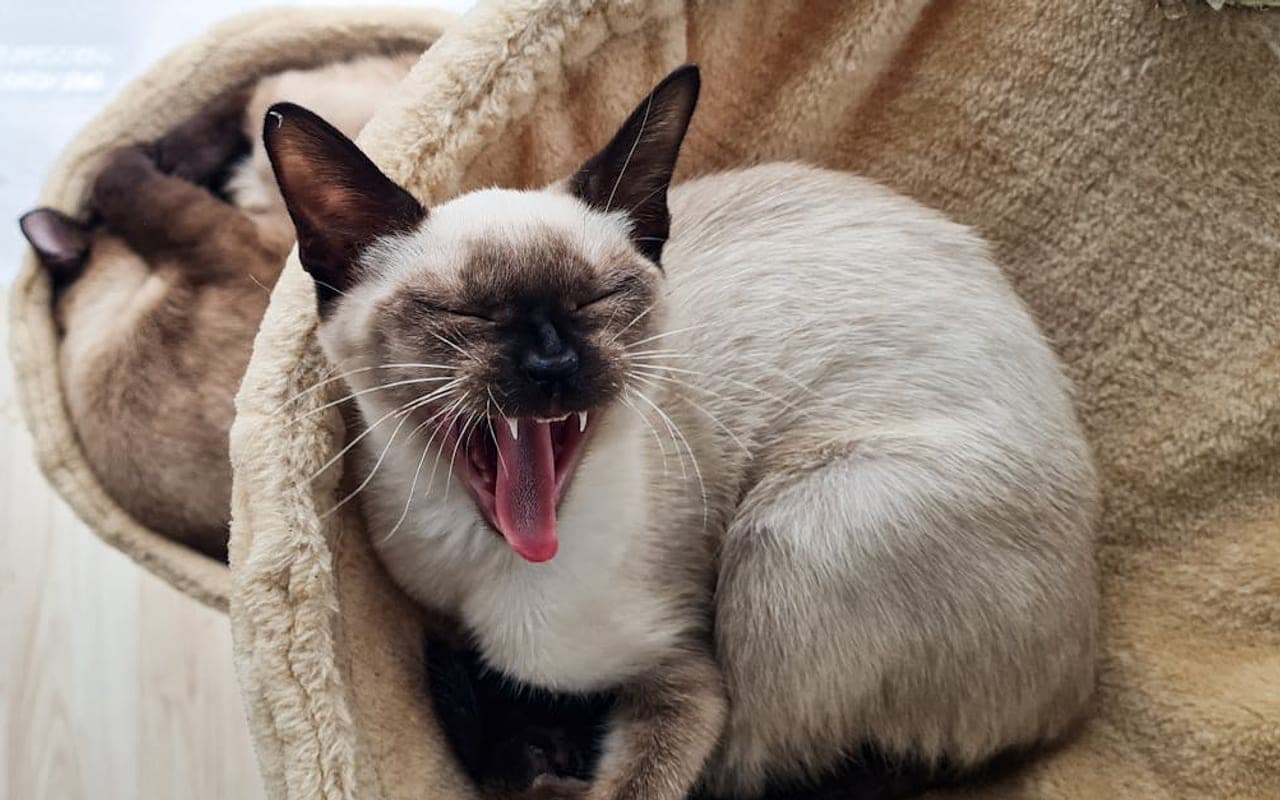
Siamese
Also in the Shorthair group, with different care and temperament tradeoffs.
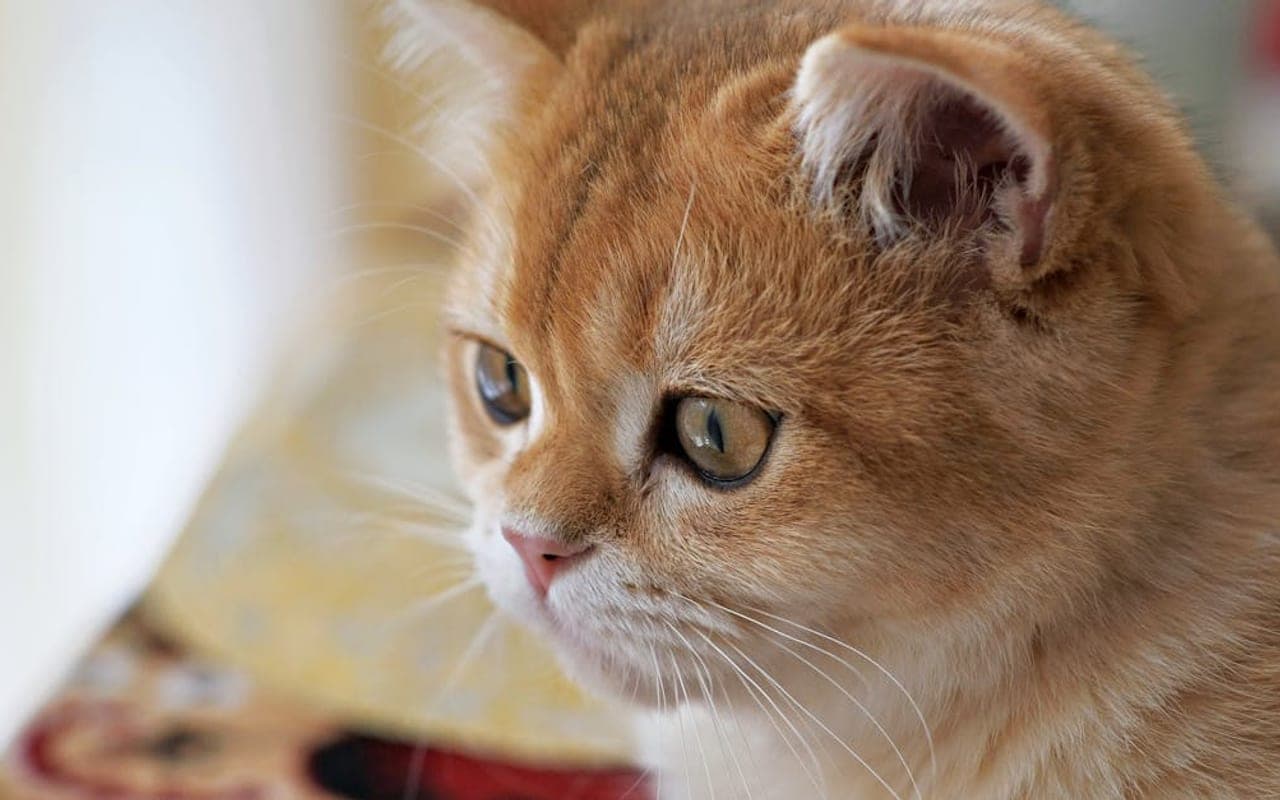
British Shorthair
Also in the Shorthair group, with different care and temperament tradeoffs.
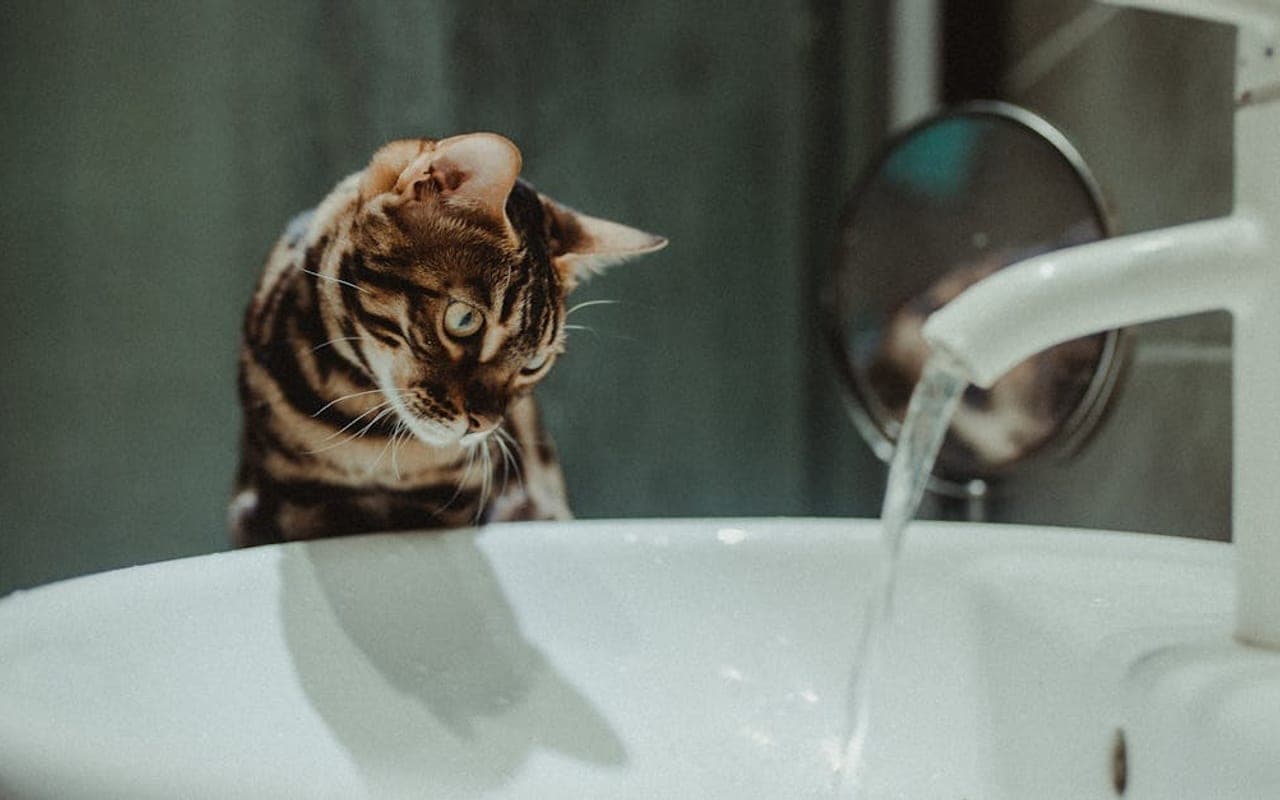
Bengal
Also in the Shorthair group, with different care and temperament tradeoffs.
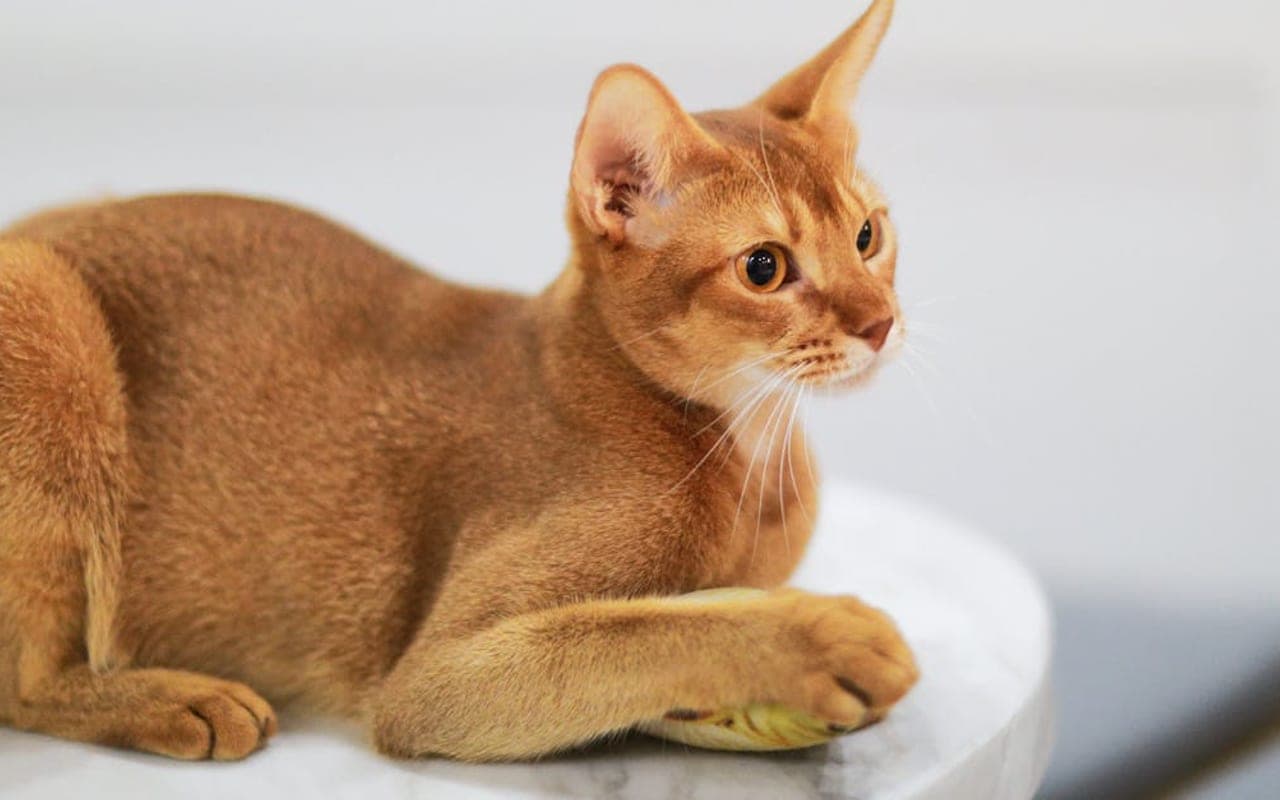
Abyssinian
Also in the Shorthair group, with different care and temperament tradeoffs.
Explore More About Scottish Fold
Dive deeper into everything Scottish Fold — costs, care, and expert insights.
How Much Does a Scottish Fold Cost?
Purchase price, monthly costs, and lifetime expenses
Scottish Fold Cat Care Guide: Understanding the Folded Ear Breed
Scottish Folds are the cats with the folded-down ears that make them look perpetually surprised —...
Can Cats Eat Cheese? A Vet-Informed Safety Guide
Most adult cats are lactose intolerant, making cheese a risky treat. Learn which types are safer,...
Considering a dog instead?
Browse Dogs