
Longhair group
Somali
The Somali is the long-haired Abyssinian — same cat, more coat, and crucially the same genetics, which means the same inherited health risks.
Size
7-12 lb
Lifespan
12-16 years
Play
30-60 minutes
Shedding
High
Experience
Match to owner routine
Decision first
Is a Somali right for you?
Start with fit before history or trivia. These are ownership signals, not guarantees about any individual cat.
Best suited for
- Households with children.
- Homes with other compatible pets.
- Apartment homes with a consistent routine.
- Owners who can provide daily play, climbing space, and enrichment.
Think carefully if
- You cannot provide daily play, climbing space, or mental enrichment.
- You want a very low-shedding home.
- The cat will spend most days without interaction or enrichment.
Conditional fit
Apartment fit depends on vertical space, litter setup, play, enrichment, and noise tolerance.
Daily reality
Somali commitment snapshot
Daily play
30-60 minutes
Match play and enrichment to age, health, appetite, and household routine.
Coat care
Moderate
Grooming needs vary by coat, shedding, and lifestyle.
Social needs
Needs planning
Most cats still need predictable contact, enrichment, litter care, and monitoring.
Structured facts
Somali at a glance
The measurements and traits that most affect day-to-day life with this breed.
Origin
Somalia
Group
Longhair
Weight
7-12 lb
Height
9-12 in
Lifespan
12-16 years
Temperament
Mischievous | Tenacious | Intelligent | Affectionate | Gentle | Interactive | Loyal
View all characteristics and methodology
Lifestyle fit
- Apartment suitabilityWorks best with clean litter setup, vertical space, and daily enrichment.
- Likely fit
- Child friendliness
- Often good, with socialisation and supervision
- Other-pet fit
- Often compatible with careful introductions
- Adaptability
- Very high
Owner commitment
- Daily play
- 30-60 minutes
- Grooming
- Moderate
- Shedding
- High
- Indoor enrichment
- High
Behavior
- Affection
- Very high
- Energy
- Very high
- Vocalization
- Low
- Social needs
- Very high
Environment and health
- Intelligence
- Very high
- Health risk
- Needs planning
- Weight sensitivity
- Routine monitoring
Ratings combine structured breed data, visible breed fields, and editorial context. They are planning aids, not predictions for an individual cat.
Daily life
Somali temperament and behavior
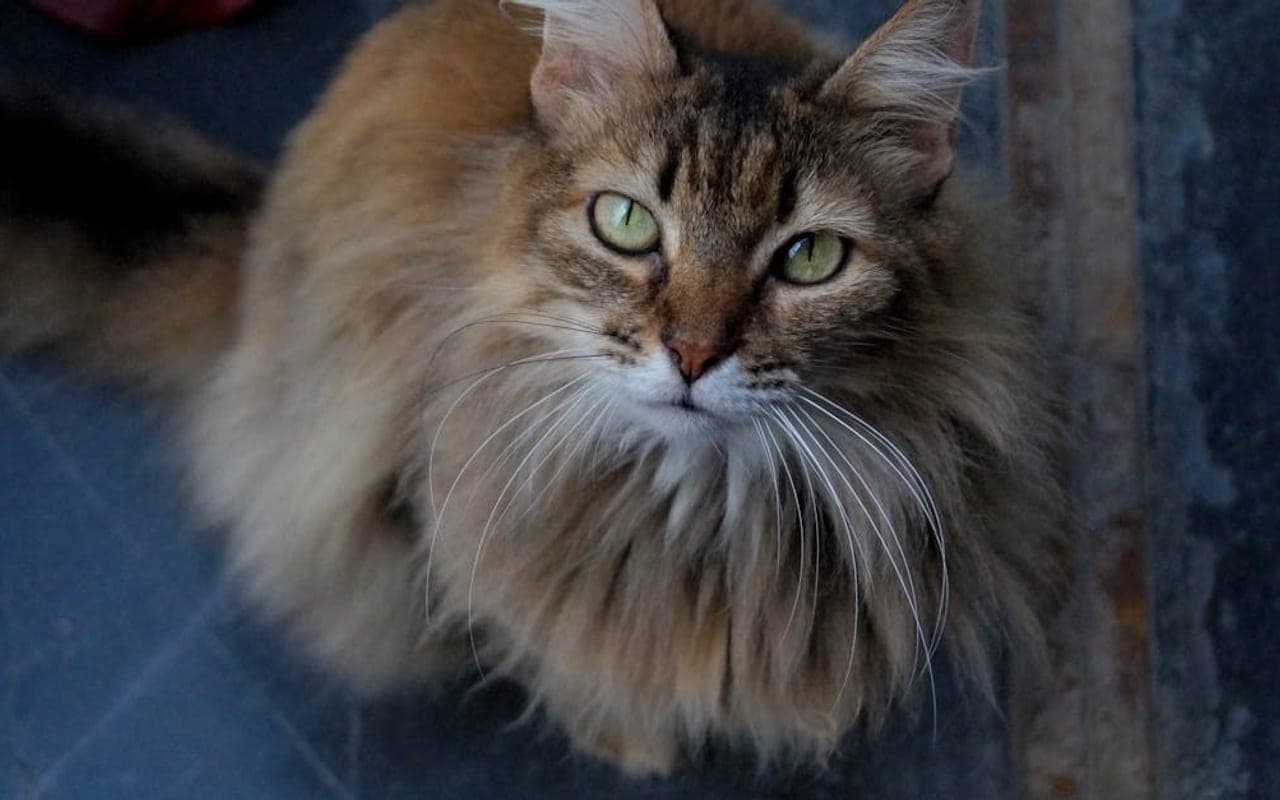
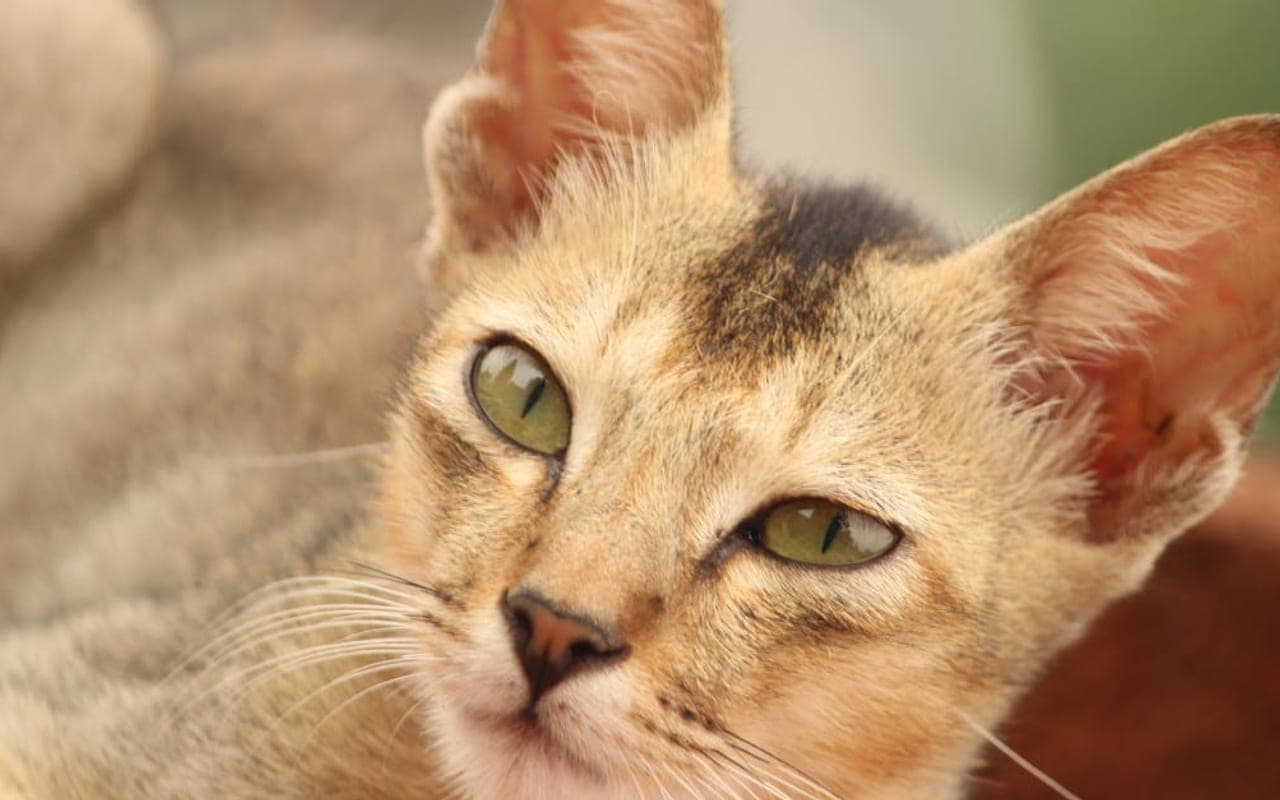
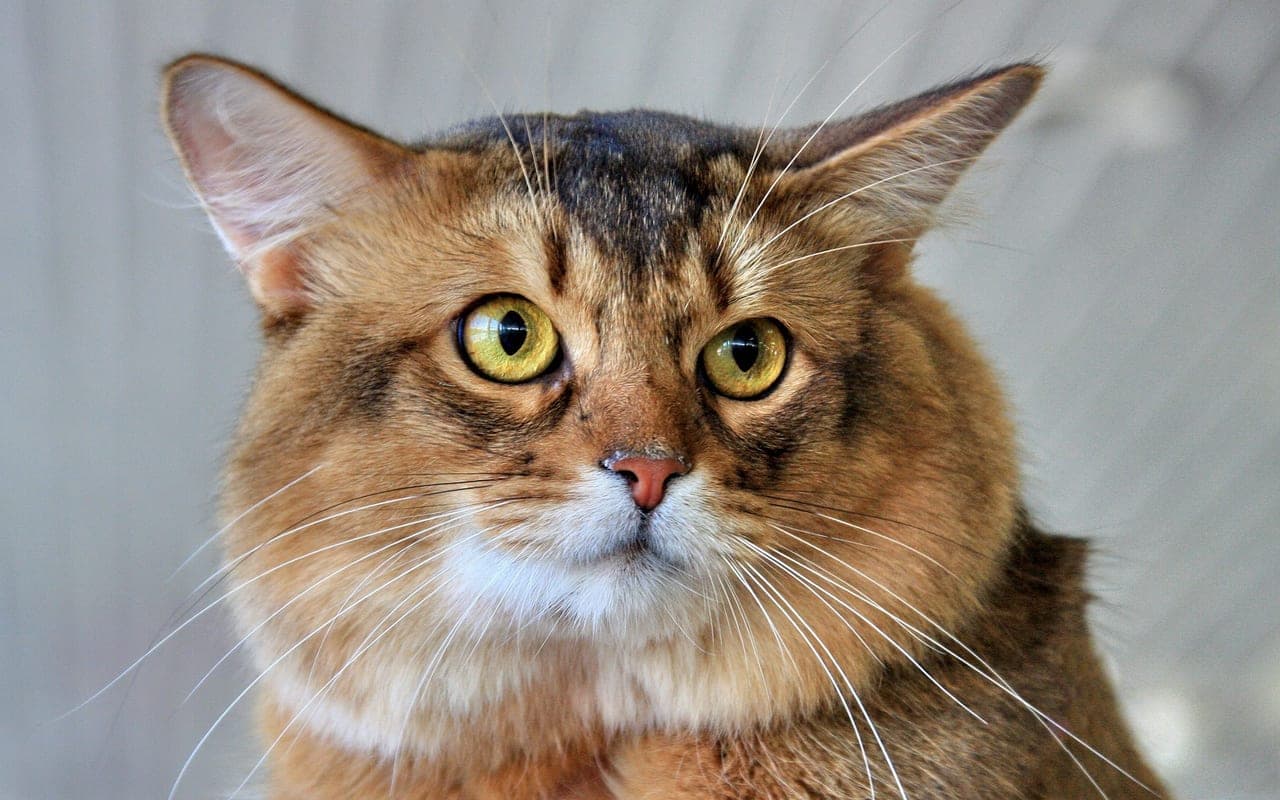
The Somali is the long-haired Abyssinian — same cat, more coat, and crucially the same genetics, which means the same inherited health risks. Anyone shopping for a Somali should read it as 'a semi-longhaired Abyssinian' rather than a separate breed, because the conditions that matter (pyruvate kinase deficiency, progressive retinal atrophy, renal amyloidosis, patellar luxation) ride in on the shared Abyssinian gene pool and the DNA-test logic is identical. Visually the Somali is striking: a medium cat, 3-5 kg, with a ruddy or sorrel ticked 'agouti' coat where each hair carries multiple bands of colour, a full ruff, breeches, and a plumed fox-like tail that gives the breed its nickname. The coat is semi-long, fine, and surprisingly low-matting for its length. Temperament is the selling point and the warning. The Somali is one of the most active, athletic, and relentlessly busy cats you can own — it climbs higher, jumps farther, opens cupboards, and demands interaction. It is intelligent, people-oriented, dog-like in its engagement, good with respectful children and other pets, and quietly talkative rather than loud. It is not a decorative cat that ignores you; it wants a participant, not an audience. Who the Somali is right for: an owner who wants an interactive, athletic, intelligent companion AND who will buy from a breeder who DNA-tests for pyruvate kinase deficiency and is honest about the Abyssinian-line eye and kidney risks. Who it is wrong for: someone wanting a placid, low-engagement cat, or anyone tempted by a cheap untested kitten — in this breed the untested kitten is where the expensive, heartbreaking problems start.
Mischievous | Tenacious | Intelligent | Affectionate | Gentle | Interactive | Loyal
Mischievous
A common Somali temperament descriptor that should be interpreted alongside enrichment, handling, and household fit.
Tenacious
A common Somali temperament descriptor that should be interpreted alongside enrichment, handling, and household fit.
Intelligent
A common Somali temperament descriptor that should be interpreted alongside enrichment, handling, and household fit.
Affectionate
A common Somali temperament descriptor that should be interpreted alongside enrichment, handling, and household fit.
Owner note
Temperament labels are starting points, not guarantees. Meet the individual cat and ask about behavior history whenever possible.
Care essentials
How to care for a Somali
What looking after one actually involves: play, grooming, food, litter, and routine health.
ExerciseAs needed
- Active and playful breed requiring daily interactive play sessions with toys, climbing structures, and mental stimulation.
GroomingAs needed
- Brush 2-3 times per week to maintain coat health and reduce shedding. Monthly bathing may be beneficial.
NutritionAs needed
- Feed a high-quality cat food appropriate for their age and activity level. Maintain fresh water at all times. Monitor weight to prevent obesity.
SocializationAs needed
- Highly social breed that thrives on companionship. Does not do well left alone for extended periods. Consider a companion pet.
Veterinary CareAs needed
- Annual wellness exams, vaccinations, dental checkups, and parasite prevention. Spay/neuter recommended if not breeding.
Health planning
Somali health risks and screening
Every cat breed has individual health variation. Use this profile for planning and discuss medical decisions with a veterinarian.
Responsible ownership
Finding a Somali responsibly
What to ask a breeder or rescue is the same conversation for every breed, so we keep it in one place and keep it current.
Health documentation, meeting the parents or foster, contracts and return support, and the warning signs worth walking away from.
Original purpose
Somali history
History is useful when it explains today's behavior, coat, exercise needs, and training style.
Read the breed history
The Somali is the longhaired offshoot of the Abyssinian, one of the oldest recognised shorthair breeds. Longhaired kittens appeared sporadically in Abyssinian litters for decades — initially treated as faults and not bred — until breeders in the 1960s and 1970s in North America and Australia chose to develop the longhaired variety deliberately. The name 'Somali' was a marketing choice that paired the new breed with Abyssinia's neighbour; it does not reflect a geographic origin, and the breed has no actual ties to Somalia. It was accepted by major registries through the late 1970s and 1980s. The history is not decorative: because the Somali is genetically Abyssinian with a recessive longhair gene, every Abyssinian inherited-disease concern — pyruvate kinase deficiency, progressive retinal atrophy, renal amyloidosis — applies directly, and the DNA tests developed for Abyssinians are the same tests a Somali buyer should ask for.
Gallery
Somali photos
Images are cropped consistently and loaded progressively to keep the page responsive.
Lower-page context
Somali cats in culture
Where the breed shows up in film, sport, work and folklore — the enjoyable part, once the practical questions are answered.
Fun facts
- The Somali originated in Somalia.
- Somali cats are considered one of the most intelligent cat breeds.
- The Somali is one of the most energetic and playful cat breeds.
Somali FAQs
How long do Somali cats live?
A healthy Somali typically lives 12-16 years, comparable to most pedigree cats. The figure that actually moves that range is inherited disease, not luck: a cat with untreated pyruvate kinase anaemia or renal amyloidosis can have a markedly shorter, harder life. Because PK deficiency is DNA-testable in this breed, lifespan is heavily influenced by whether the breeder tested the parents — which is why screening certificates matter more here than coat colour or pedigree titles.
Is the Somali just a long-haired Abyssinian, and why does that matter?
Yes — genetically the Somali is an Abyssinian carrying a recessive longhair gene, the result of deliberately breeding the longhaired kittens that occasionally appeared in Abyssinian litters. It matters because every Abyssinian inherited-health concern applies directly: pyruvate kinase deficiency, progressive retinal atrophy, and renal amyloidosis. Practically, that means a Somali buyer should ask for the exact same DNA tests an Abyssinian buyer would (PK deficiency and the rdAc PRA variant), not assume a 'different breed' means different risks.
How much grooming does a Somali need?
Less than its semi-long coat suggests. The texture is fine and resists matting, so 2-3 brushing sessions a week of 5-10 minutes keeps it tangle-free, increasing to every other day during the spring and autumn sheds. There is no clipping or professional grooming bill. The grooming task owners underestimate is dental: this breed line is prone to gingivitis, so weekly tooth brushing or a vet-approved dental routine is part of grooming here, not an extra.
Are Somali cats good for apartments and families with children?
They adapt well to apartments and to children who handle them respectfully — they are sturdy, playful, and people-oriented rather than skittish. The real apartment constraint is not space but stimulation: a Somali needs tall vertical territory and 30-40 minutes of interactive play daily, or its athletic energy turns into destruction. Supervise young children, teach gentle handling, and provide climbing structures; a bored Somali in a bare flat is the predictable source of 'behaviour problems' that are actually unmet needs.
How much does a Somali kitten cost, and what is the hidden cost?
Expect roughly $800-$1,500 for a pedigreed kitten from a reputable breeder, more for rare colours such as chocolate. The hidden cost is the one screening prevents: lifelong management of renal amyloidosis or recurrent haemolytic anaemia from PK deficiency can run into thousands over a cat's life, and dental disease in this line adds recurring cleaning costs. Paying more upfront for a kitten from PK- and PRA-tested parents is the cheapest insurance available in this breed.
Why is the Somali so active, and can it ever be a calm lap cat?
The Somali was selected from a breed prized for athleticism and curiosity, so high activity is the design, not a flaw. They climb, jump, open things, and seek interaction well into adulthood. They can be affectionate and will settle on you — but on their terms and after their energy is spent, not as a default low-engagement lap cat. If you want a placid, sedentary companion, this is the wrong breed; if you want an interactive partner, meet the play and climbing needs and you get a deeply rewarding cat.
Sources
These are the published sources this page draws on. Each opens in a new tab so you can check it yourself.
Cat Fanciers' Association
Somali — breed standard and profile(opens in a new tab)Supports: Breed standard and recognition details.
Similar breeds to consider
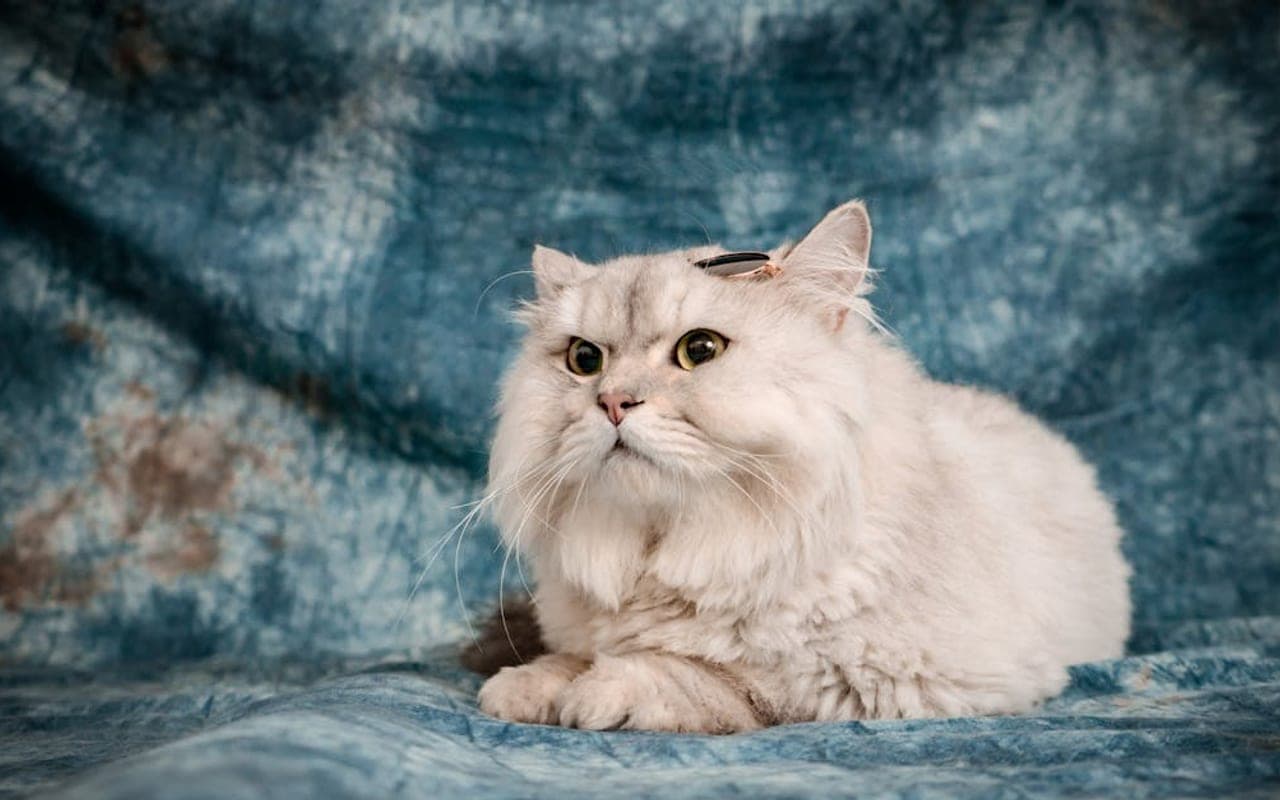
Persian
Also in the Longhair group, with different care and temperament tradeoffs.
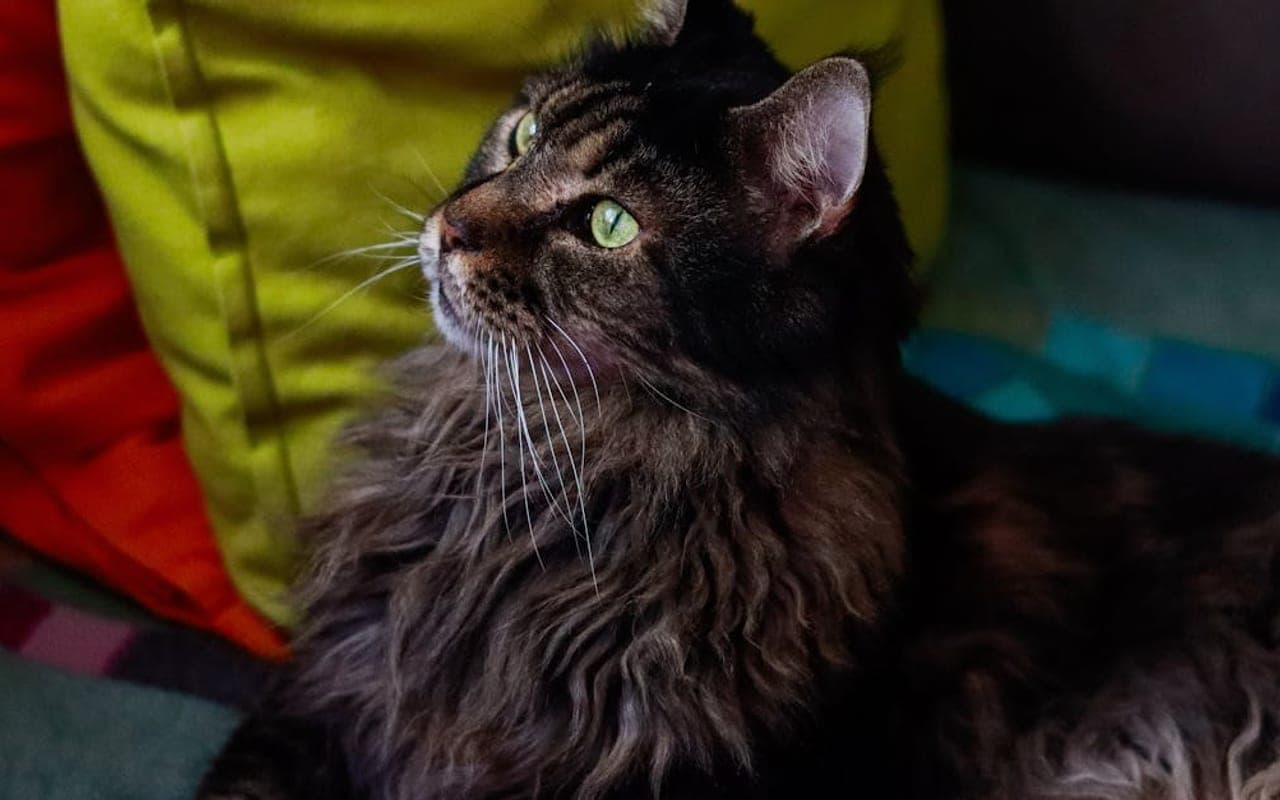
Maine Coon
Also in the Longhair group, with different care and temperament tradeoffs.
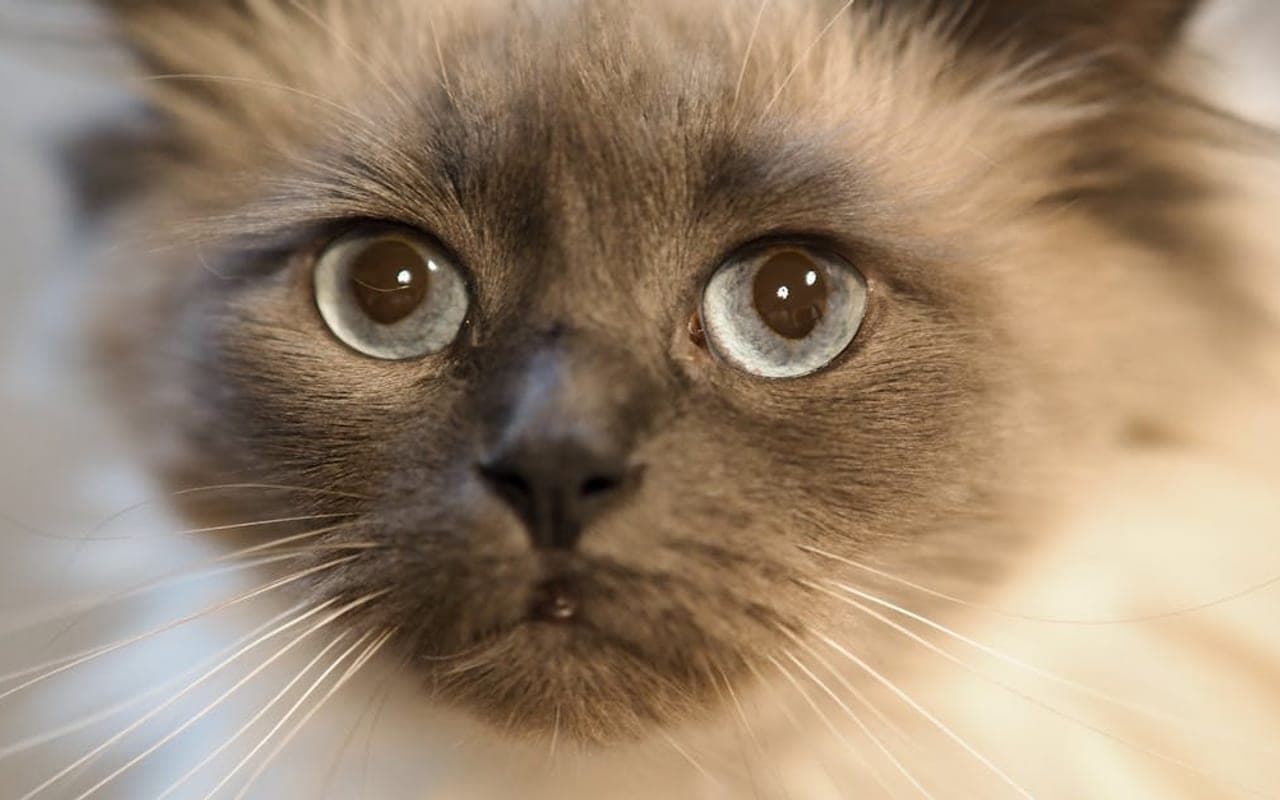
Ragdoll
Also in the Longhair group, with different care and temperament tradeoffs.
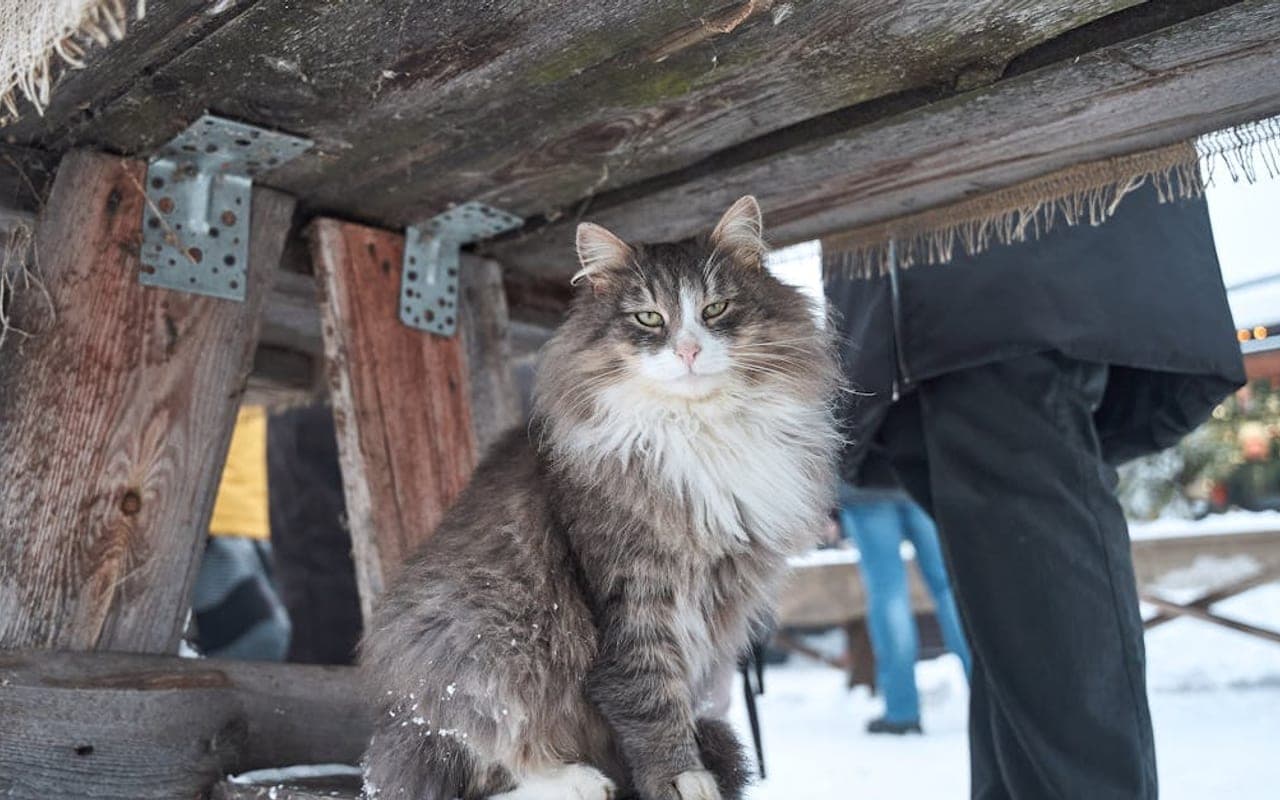
Norwegian Forest Cat
Also in the Longhair group, with different care and temperament tradeoffs.
Explore More About Somali
Dive deeper into everything Somali — costs, care, and expert insights.
Considering a dog instead?
Browse Dogs