
Longhair group
Turkish Van
The Turkish Van is the cat that swims — and that one fact tells you more about owning one than any temperament chart.
Size
7-20 lb
Lifespan
12-17 years
Play
30-60 minutes
Shedding
Moderate
Experience
Match to owner routine
Decision first
Is a Turkish Van right for you?
Start with fit before history or trivia. These are ownership signals, not guarantees about any individual cat.
Best suited for
- Households with children.
- Homes with other compatible pets.
- Apartment homes with a consistent routine.
- Owners who can provide daily play, climbing space, and enrichment.
Think carefully if
- You cannot provide daily play, climbing space, or mental enrichment.
- You cannot keep up with grooming and preventive care.
- The cat will spend most days without interaction or enrichment.
Conditional fit
Apartment fit depends on vertical space, litter setup, play, enrichment, and noise tolerance.
Daily reality
Turkish Van commitment snapshot
Daily play
30-60 minutes
Match play and enrichment to age, health, appetite, and household routine.
Coat care
Low
Grooming needs vary by coat, shedding, and lifestyle.
Social needs
Needs planning
Most cats still need predictable contact, enrichment, litter care, and monitoring.
Structured facts
Turkish Van at a glance
The measurements and traits that most affect day-to-day life with this breed.
Origin
Turkey
Group
Longhair
Weight
7-20 lb
Height
10-14 in
Lifespan
12-17 years
Temperament
Agile | Intelligent | Loyal | Playful | Energetic
View all characteristics and methodology
Lifestyle fit
- Apartment suitabilityWorks best with clean litter setup, vertical space, and daily enrichment.
- Likely fit
- Child friendliness
- Often good, with socialisation and supervision
- Other-pet fit
- Often compatible with careful introductions
- Adaptability
- Very high
Owner commitment
- Daily play
- 30-60 minutes
- Grooming
- Low
- Shedding
- Moderate
- Indoor enrichment
- High
Behavior
- Affection
- Very high
- Energy
- Very high
- Vocalization
- Very high
- Social needs
- High
Environment and health
- Intelligence
- Very high
- Health risk
- Needs planning
- Weight sensitivity
- Routine monitoring
Ratings combine structured breed data, visible breed fields, and editorial context. They are planning aids, not predictions for an individual cat.
Daily life
Turkish Van temperament and behavior
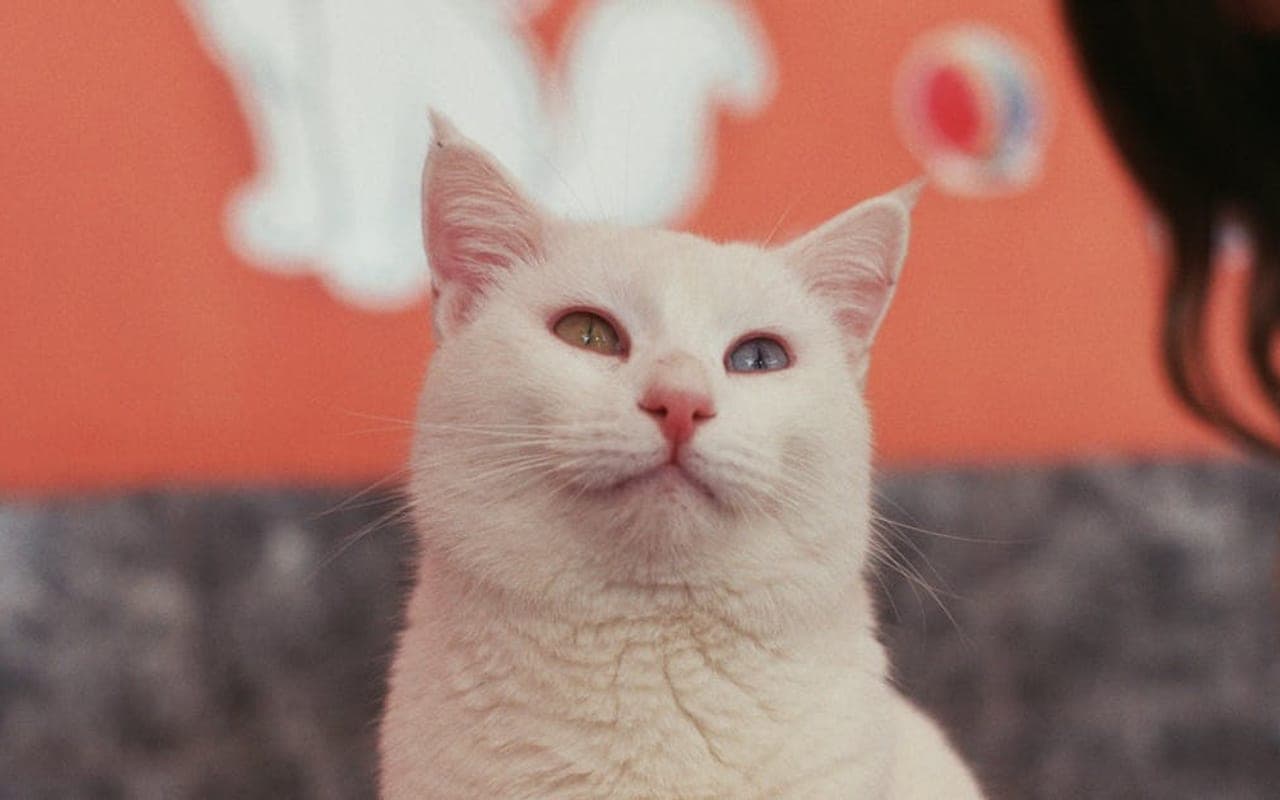
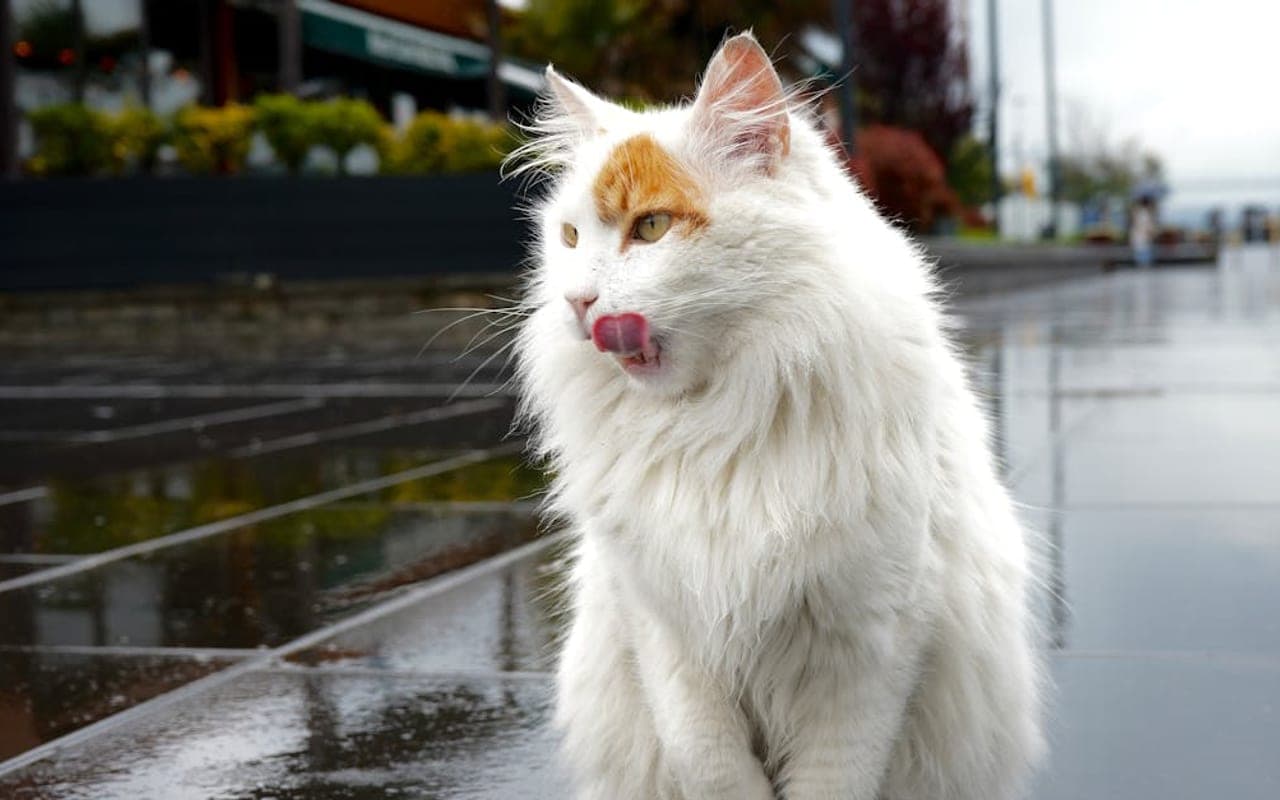
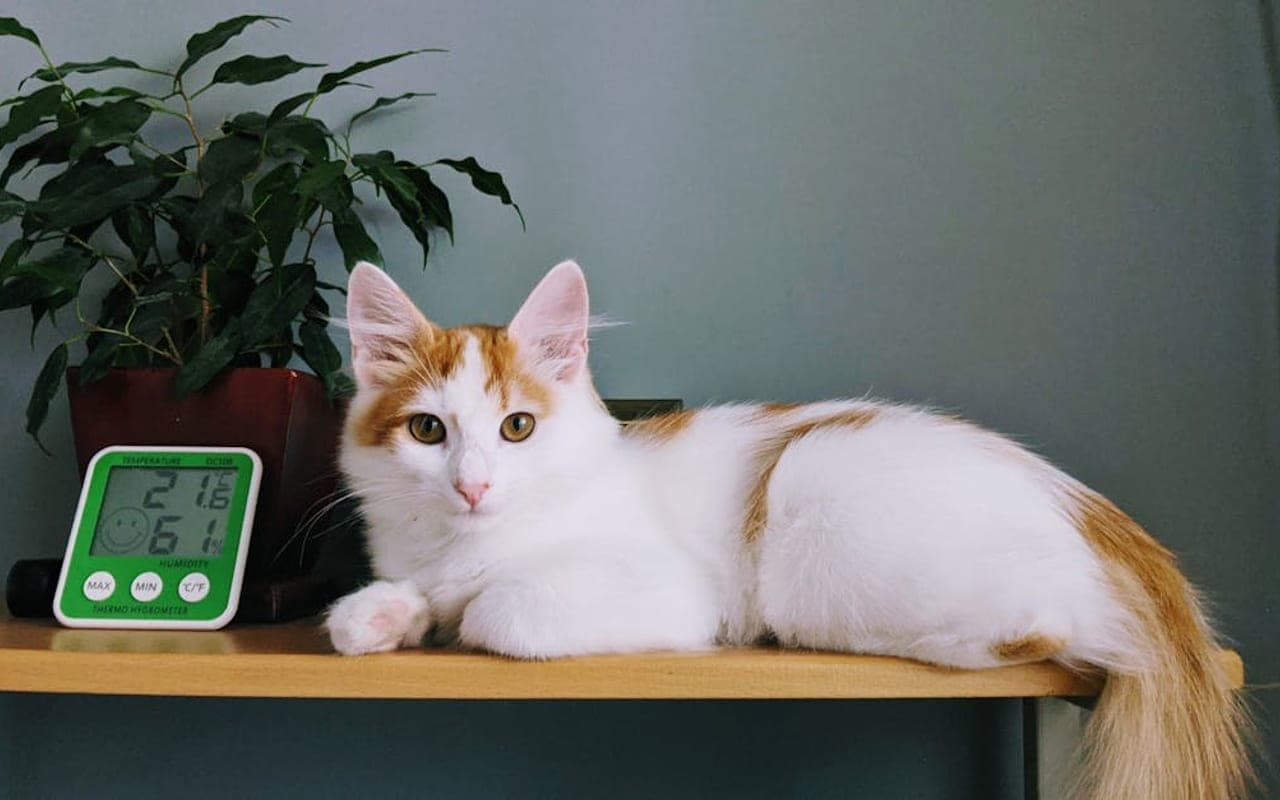
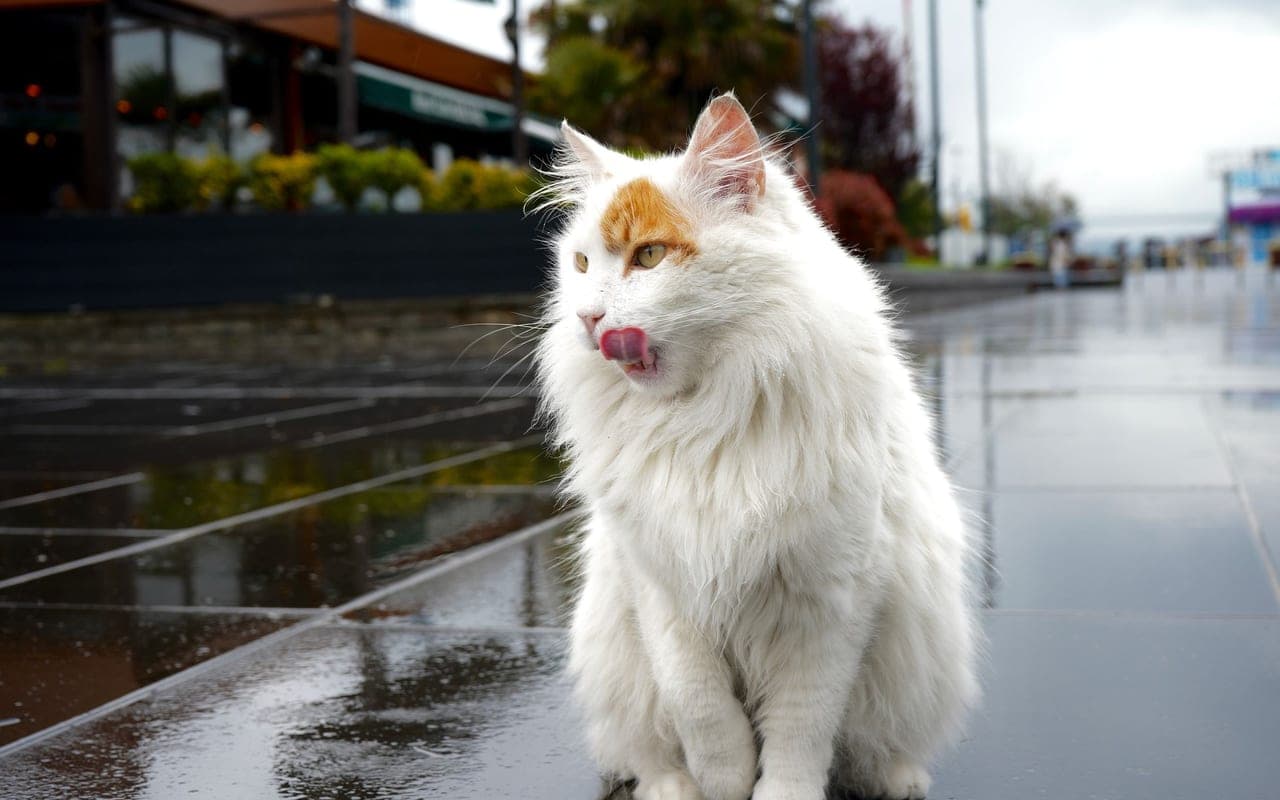
The Turkish Van is the cat that swims — and that one fact tells you more about owning one than any temperament chart. This is a large, semi-longhaired, ancient natural breed from the Lake Van region of eastern Turkey, distinguished by the 'Van pattern': a chalk-white body with color confined to the head and tail. The coat has a cashmere-like texture with no woolly undercoat, which is why it dries fast and why these cats genuinely enjoy water rather than tolerating it. Many Vans will paddle in a tub, fish toys out of a water bowl, or turn on a tap. Understand what that water love and large frame imply: this is a high-energy, athletic, demanding cat, not a lap ornament. Vans are powerful jumpers and climbers, they need vertical territory and active play, and they bore quickly. Males commonly reach the upper end of the breed's wide weight range, and the breed is slow to mature physically — a Van is not fully grown until three to five years old. Temperament is affectionate but on the cat's terms. Vans bond hard, often to one or two people, follow their family room to room, and are interactive and intelligent — but they typically dislike being held, carried, or restrained for long. They want to be near you, not on you. This is a recurring source of disappointment for owners who expected a cuddly longhair. Who the Turkish Van is right for: an active owner who wants an athletic, water-curious, dog-like cat, can provide climbing space and daily play, and accepts a cat that shows love by proximity rather than lap-sitting. Who it is wrong for: someone wanting a placid, easily-held lap cat, or a first-time owner expecting a low-energy companion. The breed is also genuinely rare — sourcing one takes patience.
Agile | Intelligent | Loyal | Playful | Energetic
Agile
A common Turkish Van temperament descriptor that should be interpreted alongside enrichment, handling, and household fit.
Intelligent
A common Turkish Van temperament descriptor that should be interpreted alongside enrichment, handling, and household fit.
Loyal
A common Turkish Van temperament descriptor that should be interpreted alongside enrichment, handling, and household fit.
Playful
A common Turkish Van temperament descriptor that should be interpreted alongside enrichment, handling, and household fit.
Owner note
Temperament labels are starting points, not guarantees. Meet the individual cat and ask about behavior history whenever possible.
Care essentials
How to care for a Turkish Van
What looking after one actually involves: play, grooming, food, litter, and routine health.
ExerciseAs needed
- Active and playful breed requiring daily interactive play sessions with toys, climbing structures, and mental stimulation.
GroomingAs needed
- Low-maintenance coat requiring weekly brushing. Occasional bathing as needed.
NutritionAs needed
- Feed a high-quality cat food appropriate for their age and activity level. Maintain fresh water at all times. Monitor weight to prevent obesity.
SocializationAs needed
- Highly social breed that thrives on companionship. Does not do well left alone for extended periods. Consider a companion pet.
Veterinary CareAs needed
- Annual wellness exams, vaccinations, dental checkups, and parasite prevention. Spay/neuter recommended if not breeding.
Health planning
Turkish Van health risks and screening
Every cat breed has individual health variation. Use this profile for planning and discuss medical decisions with a veterinarian.
Responsible ownership
Finding a Turkish Van responsibly
What to ask a breeder or rescue is the same conversation for every breed, so we keep it in one place and keep it current.
Health documentation, meeting the parents or foster, contracts and return support, and the warning signs worth walking away from.
Original purpose
Turkish Van history
History is useful when it explains today's behavior, coat, exercise needs, and training style.
Read the breed history
The Turkish Van takes its name from the Lake Van region of eastern Anatolia in Turkey, where the breed developed as a natural landrace over centuries — it is one of the older recognized natural breeds rather than a deliberately engineered one. The distinctive Van pattern (color restricted to head and tail on an otherwise white cat) is an expression of the white spotting gene, a form of partial leucism, and it is so characteristic that the pattern is named after the breed. Western cat fanciers brought breeding stock out of Turkey in the mid-twentieth century, but export from the native region has always been limited, which is a major reason the breed remains genuinely rare worldwide. The International Cat Association recognized the Turkish Van in 1979, its inaugural year. The Cat Fanciers' Association accepted the breed and granted championship status by 1994 — it was the 40th of the CFA's recognized breeds. Notably, CFA and FIFe recognize only Van-patterned cats, defining the breed by both body type and pattern.
Gallery
Turkish Van photos
Images are cropped consistently and loaded progressively to keep the page responsive.
Lower-page context
Turkish Van cats in culture
Where the breed shows up in film, sport, work and folklore — the enjoyable part, once the practical questions are answered.
Fun facts
- The Turkish Van originated in Turkey.
- Turkish Van cats are considered one of the most intelligent cat breeds.
- Turkish Van cats are known for being very vocal and communicative with their owners.
- The Turkish Van is one of the most energetic and playful cat breeds.
- The Turkish Van is a natural breed that developed without human selective breeding.
Turkish Van FAQs
Is the Turkish Van a healthy breed?
Comparatively, yes — and it is worth saying honestly rather than padding a list with generic conditions. The Turkish Van is a hardy natural breed without the long inherited-disease roster some pedigree cats carry. The one genuine breed-specific concern is hypertrophic cardiomyopathy, which is documented as familial in Turkish Vans. Beyond that, the main risks are the ordinary feline ones plus obesity. The practical takeaway: buy from a breeder who echo-screens for HCM, keep the cat lean, and you are managing one real risk, not ten.
Do Turkish Van cats really like water?
Yes, genuinely — this is not a marketing exaggeration. The breed earned the nickname 'the swimming cat' because its single, water-resistant coat lacks a woolly undercoat, so it dries fast and the cats are confident in water. Many Vans paddle in tubs, play in water bowls, or turn on taps. The practical consequence for owners: keep toilet lids down and supervise full bathtubs, because the cat's enthusiasm for water outruns its judgment about getting back out.
Are Turkish Van cats good lap cats?
Usually not, and this is the most common mismatch in expectations. Vans are deeply affectionate and bond hard with their people — they will follow you around the house and want to be in your space — but most dislike being picked up, carried, or held still for long. They show love by proximity and interaction, not by lap-sitting. If you specifically want a cat that curls up and stays on you for an evening, the Turkish Van will likely disappoint you; choose the breed for its athletic, interactive nature instead.
How much grooming does a Turkish Van need?
Less than its semi-long coat suggests. The coat is a single layer with no woolly undercoat, so it resists matting and needs only a weekly brush, rising to two or three sessions a week during the spring and autumn seasonal shed. No professional grooming or trimming is required, and the water-resistant texture is the same reason the breed dries quickly after its swimming habit. Most of the real grooming attention goes to checking ears and skin if the cat is a frequent water-player.
Why are Turkish Van cats so hard to find?
Because the breed is genuinely rare, not artificially scarce. The Turkish Van developed as a regional landrace around Lake Van in eastern Turkey, and export of breeding stock from the native area has historically been limited. Combined with relatively small litter numbers and few dedicated breeders worldwide, this means waiting lists are normal and a kitten can take many months to source. Treat that wait as the price of getting a health-screened cat from a reputable breeder rather than an excuse to buy from an unverified source.
How big do Turkish Van cats get and how long do they live?
Turkish Vans are a large, slow-maturing breed that is not fully grown until three to five years of age, with males reaching the upper end of a wide weight range and females noticeably lighter — so judge condition by feel, not one target weight. A healthy Van typically lives into its mid-to-late teens. The main thing that shortens that is hypertrophic cardiomyopathy, so the lifespan you actually get is largely set by whether the cat came from HCM-screened lines and is kept lean.
Sources
These are the published sources this page draws on. Each opens in a new tab so you can check it yourself.
Cat Fanciers' Association
Turkish Van — breed standard and profile(opens in a new tab)Supports: Breed standard and recognition details.
Similar breeds to consider
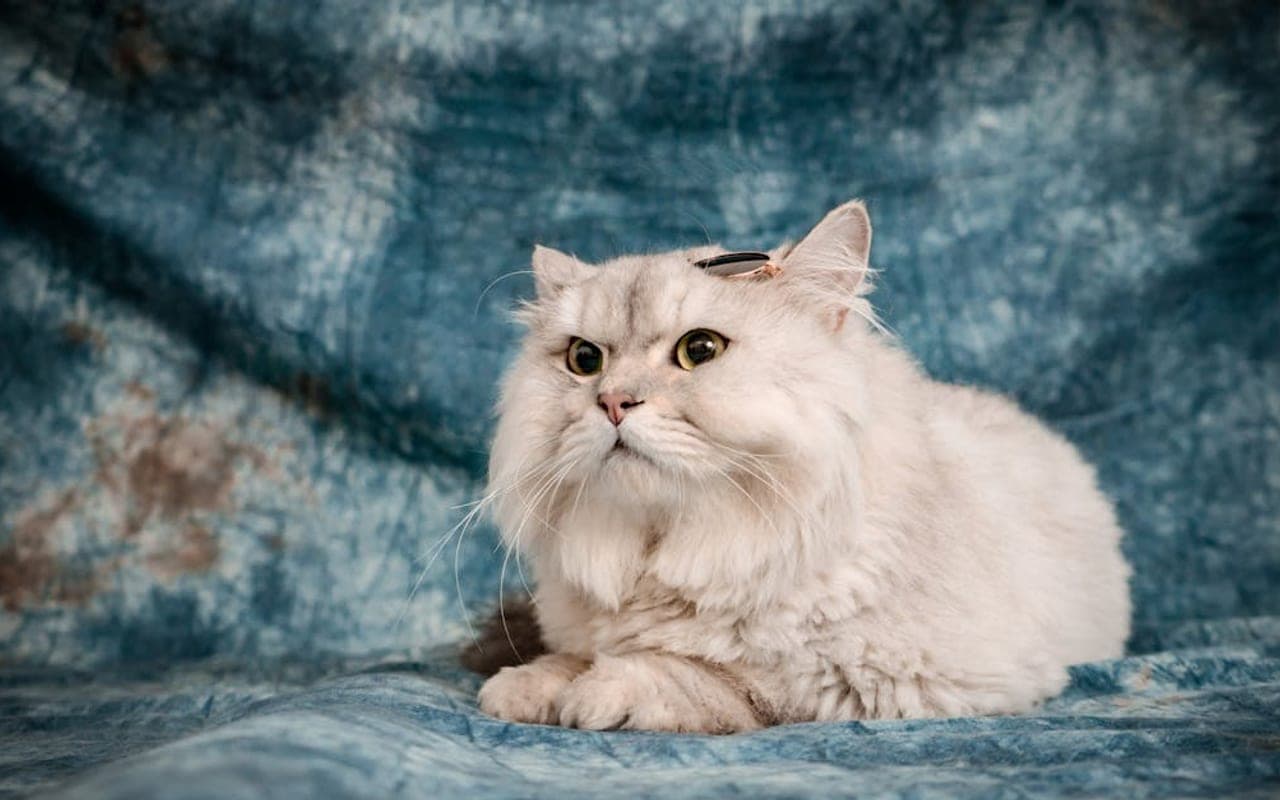
Persian
Also in the Longhair group, with different care and temperament tradeoffs.
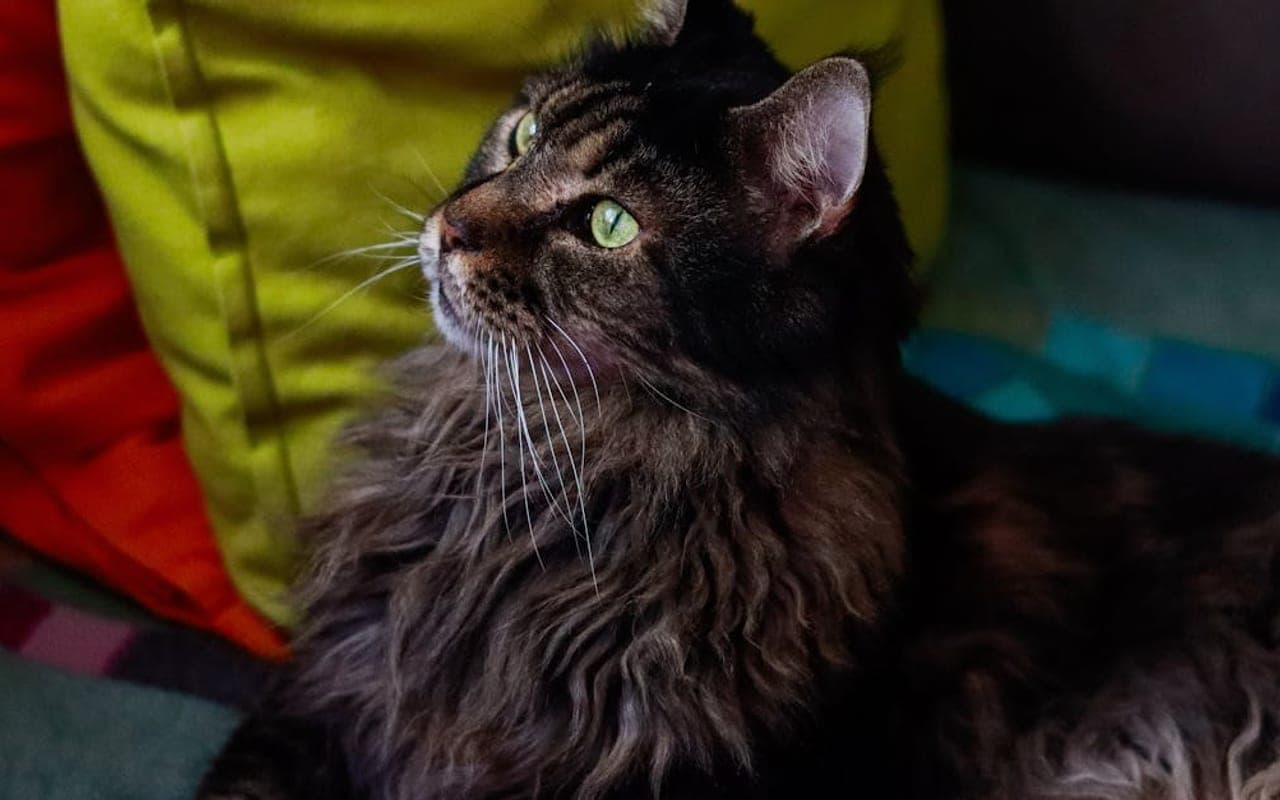
Maine Coon
Also in the Longhair group, with different care and temperament tradeoffs.
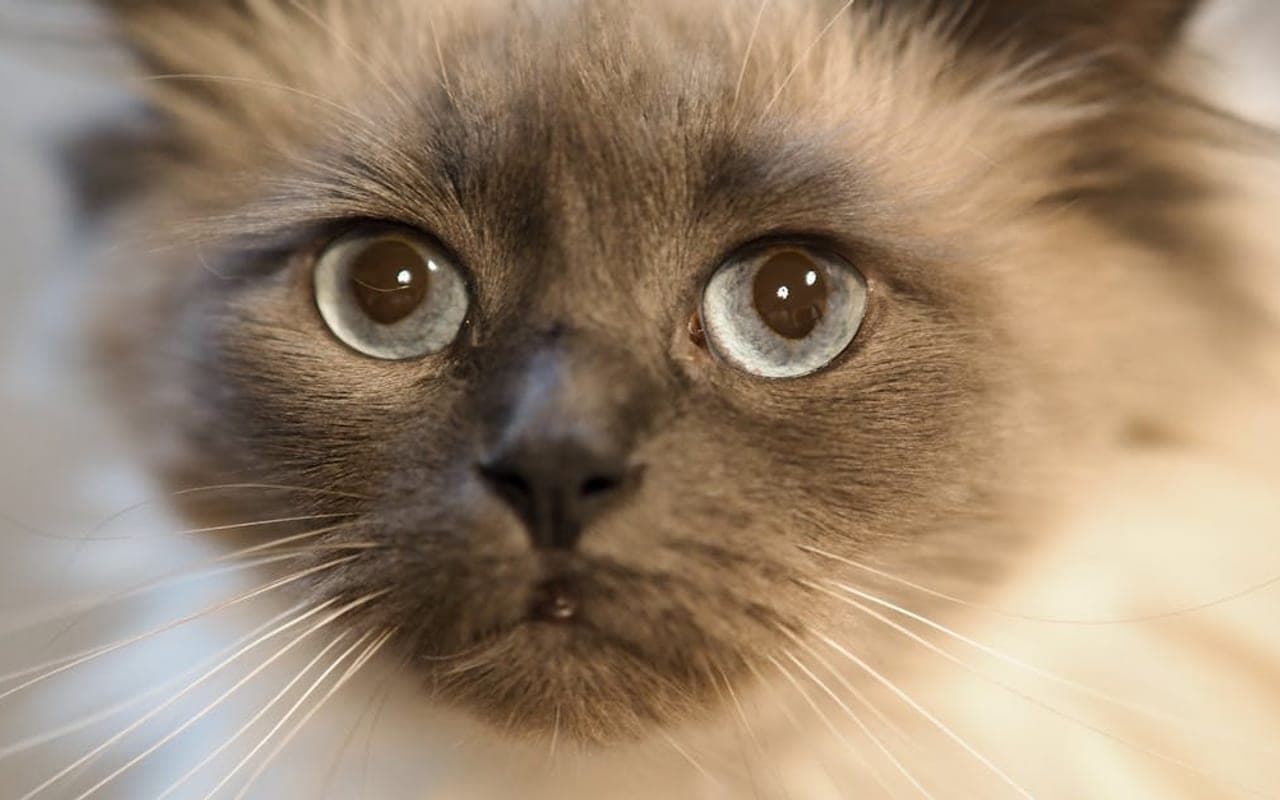
Ragdoll
Also in the Longhair group, with different care and temperament tradeoffs.
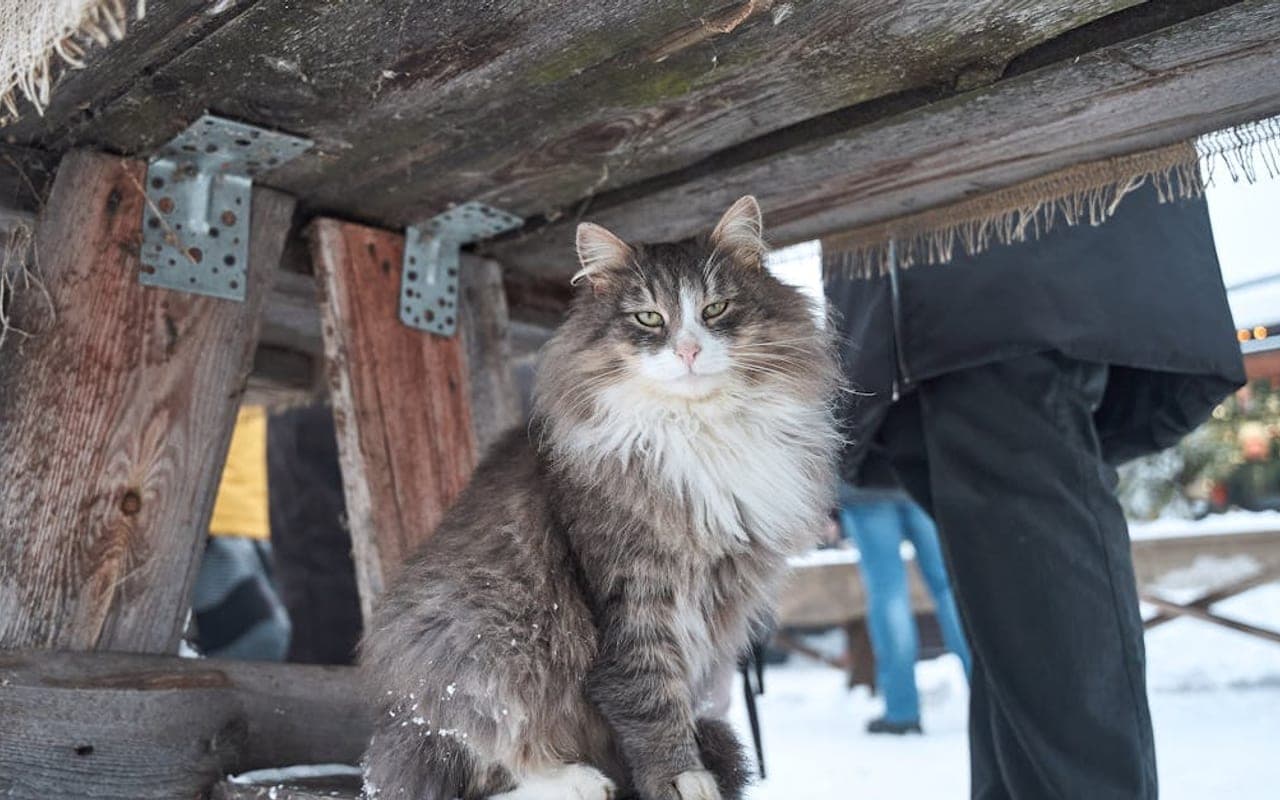
Norwegian Forest Cat
Also in the Longhair group, with different care and temperament tradeoffs.
Explore More About Turkish Van
Dive deeper into everything Turkish Van — costs, care, and expert insights.
Considering a dog instead?
Browse Dogs