
Working group
Bernese Mountain Dog
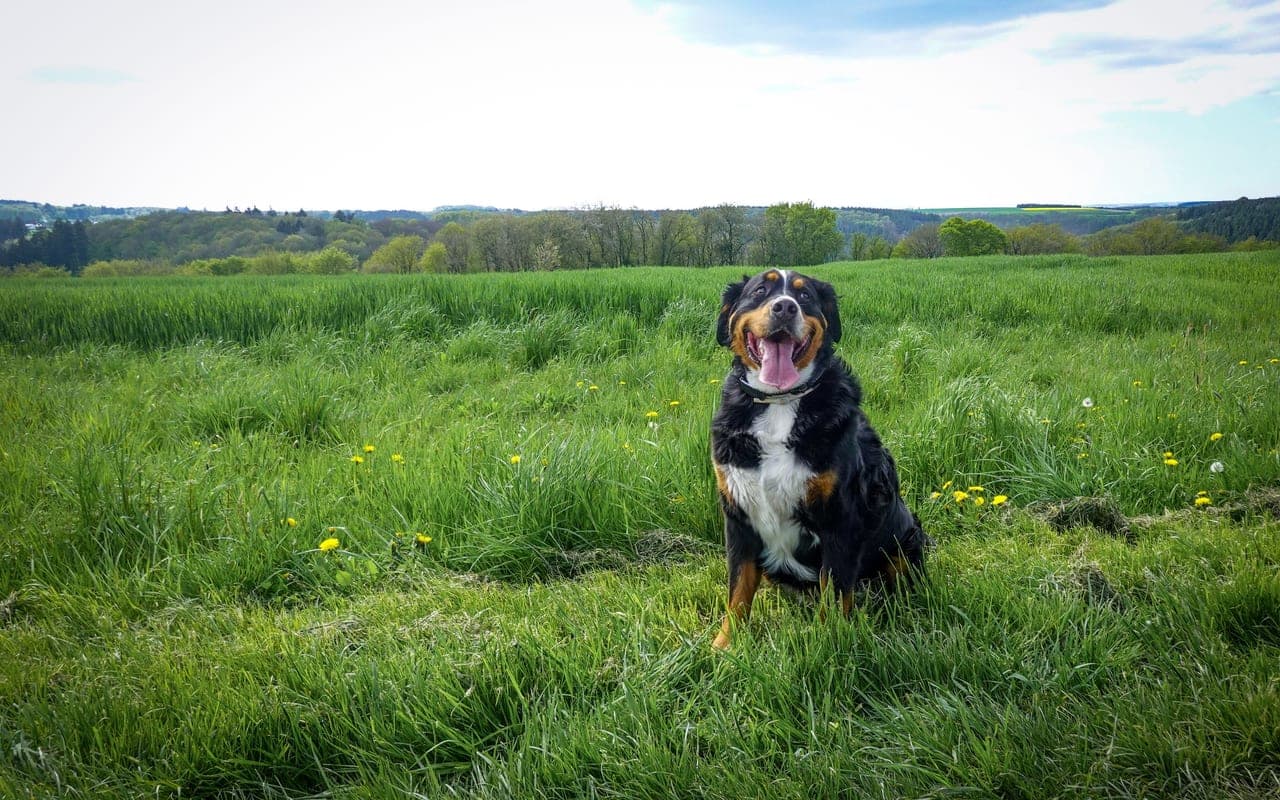
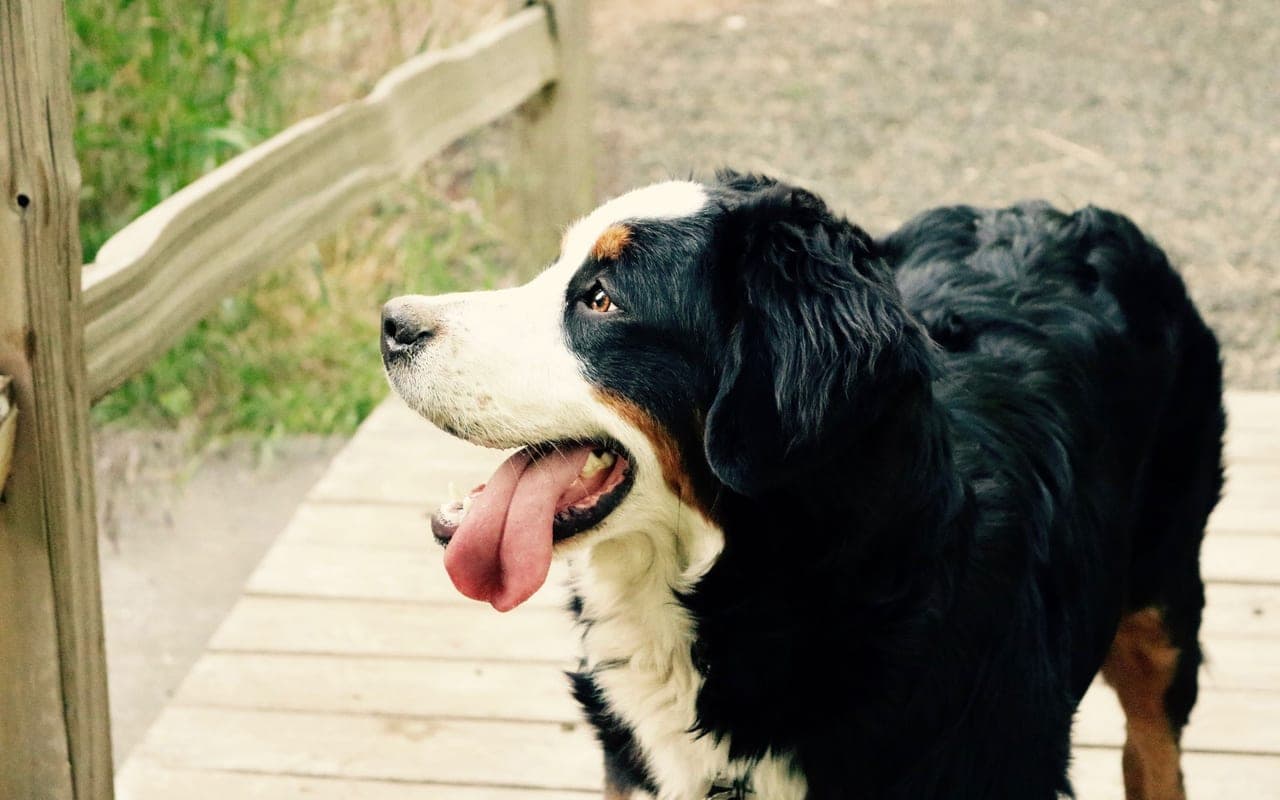
The Bernese Mountain Dog is a large Swiss working breed (32-54 kg, 61-69 cm) with a striking tricolor coat and a famously gentle, calm, family-devoted temperament — and the single most important thing any honest profile must say first is that this breed has one of the shortest lifespans of any dog, typically only 7-10 years, driven heavily by an unusually high rate of cancer.

Size
71-115 lb
Lifespan
7-10 years
Exercise
30-60 minutes
Shedding
High
Experience
Match to owner routine
Decision first
Is a Bernese Mountain Dog right for you?
Start with fit before history or trivia. These are ownership signals, not guarantees about any individual dog.
Best suited for
- Households with children.
- Homes with other compatible pets.
- Owners seeking a manageable daily exercise routine.
Think carefully if
- You need a dog with almost no daily routine.
- You want a very low-shedding home.
- The dog will spend most days alone without support.
Conditional fit
Apartment living may be difficult unless the owner can meet the breed's exercise, training, and space needs.
Daily reality
Bernese Mountain Dog commitment snapshot
Daily exercise
30-60 minutes
Match activity to age, health, weather, and training goals.
Coat care
Moderate
Grooming needs vary by coat, shedding, and lifestyle.
Time alone
Needs planning
Most dogs need gradual alone-time conditioning and support.
Structured facts
Bernese Mountain Dog at a glance
The measurements and traits that most affect day-to-day life with this breed.
Origin
Switzerland
Group
Working
Weight
71-115 lb
Height
23-28 in
Lifespan
7-10 years
Temperament
Good-natured | calm | and strong
View all characteristics and methodology
Lifestyle fit
- Apartment suitability
- Needs caution
- Child friendliness
- Often good, with socialisation and supervision
- Other-pet fit
- Often compatible with careful introductions
Owner commitment
- Exercise
- 30-60 minutes
- Grooming
- Moderate
- Shedding
- High
- Training
- High
Environment and health
- Health risk
- Needs planning
Ratings combine structured breed data, visible breed fields, and editorial context. They are planning aids, not predictions for an individual dog.
Daily life
Bernese Mountain Dog temperament and behavior
The Bernese Mountain Dog is a large Swiss working breed (32-54 kg, 61-69 cm) with a striking tricolor coat and a famously gentle, calm, family-devoted temperament — and the single most important thing any honest profile must say first is that this breed has one of the shortest lifespans of any dog, typically only 7-10 years, driven heavily by an unusually high rate of cancer. Roughly half of all Berners die of cancer, and histiocytic sarcoma is over-represented in the breed. Falling in love with a Berner means knowingly accepting a shorter time together than almost any other companion dog. No responsible buyer should meet this breed without that fact front and center. Set against that hard reality, the Bernese is, temperamentally, close to ideal for many families: good-natured, calm, patient with children, affectionate, biddable, and strongly people-oriented — a 'gentle giant' that wants to be in the house with its family, not kennelled outside. Originally a Swiss farm dog that drove cattle and pulled carts, it is strong and steady rather than hyperactive, needing moderate not extreme exercise. The long, thick double coat is beautiful and high-shedding. Expect year-round hair, two heavy seasonal blows, and a real weekly grooming commitment — this is not a wash-and-go breed. The coat also makes Berners heat-intolerant; they are built for Alpine cold and struggle in hot climates. The defining trade-off is emotional: you are choosing one of the warmest, most family-suited large breeds at the cost of a likely short life and a real probability of cancer. Owners who go in clear-eyed — sourcing from longevity- and cancer-conscious lines, budgeting for the possibility of serious illness — grieve no less but resent the loss less. Who the Bernese is right for: a family that can accept and afford the lifespan and cancer reality, lives somewhere cool, and wants a gentle large companion. Who it is wrong for: anyone who cannot face the shortened years, a hot climate, or a household unwilling to manage heavy grooming and large-breed orthopedic risk.
Good-natured | calm | and strong
Good-natured
A common Bernese Mountain Dog temperament descriptor that should be interpreted alongside training, exercise, and household fit.
calm
A common Bernese Mountain Dog temperament descriptor that should be interpreted alongside training, exercise, and household fit.
and strong
A common Bernese Mountain Dog temperament descriptor that should be interpreted alongside training, exercise, and household fit.
Owner note
Temperament labels are starting points, not guarantees. Meet the individual dog and ask about behavior history whenever possible.
Care essentials
How to care for a Bernese Mountain Dog
What looking after one actually involves: exercise, grooming, food, training, and routine health.
ExerciseAs needed
- Despite their size, Bernese Mountain Dogs have moderate exercise needs. They benefit from 30-60 minutes of daily activity, including walks and play sessions. They enjoy outdoor activities, especially in cooler weather due to their thick coat. They also excel at canine sports like carting, obedience, and agility.
GroomingAs needed
- The Bernese Mountain Dog has a thick, double coat that sheds heavily year-round, with seasonal blowouts. They require brushing 2-3 times per week, increasing to daily during shedding seasons. Bathing should be done every 6-8 weeks or when dirty. Regular nail trims, ear cleaning, and dental care are also important parts of their grooming routine.
NutritionAs needed
- Bernese Mountain Dogs should be fed high-quality dog food appropriate for their age, size, and activity level. As a large breed prone to bloat, they benefit from two smaller meals rather than one large meal. Monitor their weight carefully as obesity can worsen joint issues common in the breed.
Health MonitoringAs needed
- Regular vet check-ups are crucial for Bernese Mountain Dogs, especially as they age. They have a relatively short lifespan and are prone to several health issues including hip and elbow dysplasia, certain cancers, bloat, and progressive retinal atrophy. Early detection through regular screening can help manage these conditions effectively.
Health planning
Bernese Mountain Dog health risks and screening
Every breed has individual health variation. Use this profile for planning and discuss medical decisions with a veterinarian.
Ownership cost
How much does a Bernese Mountain Dog cost?
Cost figures are structured so first-year and lifetime estimates do not conflict with the underlying line items.
| Acquisition | $1,000-$4,000 |
|---|---|
| Routine monthly | About $180/month |
| Routine annual | About $2,160/year |
| First-year estimate | $3,160-$6,160 |
| Lifetime routine estimate | $15,120-$21,600 routine costs |
Currency: USD. Region: United States. Typical ranges for this breed. Equipment, insurance, emergency veterinary care, boarding and training are NOT included: we hold no sourced figures for them, and estimating them would be a guess presented as data.
Responsible ownership
Finding a Bernese Mountain Dog responsibly
What to ask a breeder or rescue is the same conversation for every breed, so we keep it in one place and keep it current.
Health documentation, meeting the parents or foster, contracts and return support, and the warning signs worth walking away from.
Original purpose
Bernese Mountain Dog history
History is useful when it explains today's behavior, coat, exercise needs, and training style.
Read the breed history
The Bernese Mountain Dog is one of four tricolored Swiss Sennenhund (mountain dog) breeds, developed in the canton of Bern in the Swiss Alps as a versatile farm dog. For centuries it drove dairy cattle, guarded the farmstead, and — distinctively — pulled carts of milk and cheese to market, work that shaped its strength, steadiness, and tractable temperament. The breed nearly disappeared in the late 1800s as farming modernized, but Swiss fanciers, notably Professor Albert Heim, organized to preserve it in the early 1900s, and it was exported to the United States by the 1920s. The name Berner Sennenhund refers to the alpine herdsmen ('Senn') of the Bern region. Its working heritage as a draft and farm dog directly explains the modern animal: the calm, biddable, people-bonded nature, the moderate rather than frantic energy, the strength, and the heavy weatherproof coat built for cold mountain work. The breed's narrow founding gene pool is also widely cited as a contributing factor in its modern cancer and longevity challenges.
Gallery
Bernese Mountain Dog photos
Images are cropped consistently and loaded progressively to keep the page responsive.
Lower-page context
Bernese Mountain Dogs in culture
Where the breed shows up in film, sport, work and folklore — the enjoyable part, once the practical questions are answered.
Movies and TV
- Beethoven's 2nd (1993)
While the main character was a Saint Bernard, Bernese Mountain Dogs have been mistakenly identified as the breed in this popular dog movie.
Fun facts
- Bernese Mountain Dogs were traditionally used as draft dogs to pull carts in their native Switzerland.
- They are one of four varieties of Swiss Mountain Dogs, and the only one with a long, silky coat.
- Their distinctive tri-colored coat (black, white, and rust) is recognized worldwide.
- Despite their imposing size, they're known as 'gentle giants' due to their sweet temperament.
- In Switzerland, they're still used for traditional farm work in some areas.
Bernese Mountain Dog FAQs
How long do Bernese Mountain Dogs live, and why so short?
A Bernese typically lives only 7-10 years — one of the shortest lifespans of any breed. The main reason is cancer: roughly half of all Berners die of it, with histiocytic sarcoma strongly over-represented, a problem widely linked to the breed's narrow founding gene pool. This is the single hardest fact about the breed, and any prospective owner should accept it before buying — a Berner is a shorter commitment than almost any other large dog.
Is it true most Bernese Mountain Dogs get cancer?
Largely, yes. Surveys consistently find that around half of all Bernese Mountain Dogs die of cancer, and the breed has a notably elevated rate of histiocytic sarcoma specifically. Sourcing from a breeder who tracks cancer history and longevity in their lines reduces but does not eliminate the risk. The honest framing is that you are choosing a wonderful temperament while accepting a real probability of cancer and a short life.
Are Bernese Mountain Dogs good with children?
Yes — gentleness with children is one of the breed's signature strengths. Berners are calm, patient, affectionate, and strongly family-oriented, content to be a steady presence in a busy household. The realistic caveats are size (an exuberant young Berner can knock over a small child without any aggression) and the emotional reality that the family, including children, will likely face the dog's loss relatively early.
Can a Bernese Mountain Dog live in a hot climate?
Poorly without serious accommodation. This is an Alpine breed with a heavy double coat and real heat intolerance — it overheats easily and is at genuine risk in hot weather. In a warm climate, air conditioning, shade, fresh water, and exercising only in the cool of the day are welfare necessities, not luxuries. If you cannot provide a consistently cool environment, this is the wrong breed for your region.
How much grooming does a Bernese Mountain Dog need?
A real, standing commitment. The long thick double coat sheds heavily year-round and blows out twice a year, needing brushing 2-3 times weekly and daily during the 2-3 week seasonal sheds. This is not a wash-and-go breed; budget time, deshedding tools, and frequent vacuuming. Owners who underestimate the coat are consistently surprised — plan for the grooming workload before you bring one home.
How much does a Bernese Mountain Dog cost to own?
Expect roughly $1,500-$3,500 for a puppy from a breeder who hip/elbow scores and tracks longevity and cancer history in their lines. The defining financial reality is downstream: large-breed food, orthopedic risk, and a high probability of cancer treatment — chemotherapy or surgical oncology can run $5,000-$12,000. Pet insurance taken out as a puppy, before any condition appears, is one of the more rational decisions in this specific breed.
Sources
These are the published sources this page draws on. Each opens in a new tab so you can check it yourself.
American Kennel Club
Bernese Mountain Dog — breed standard and profile(opens in a new tab)Supports: Breed standard and recognition details.
Similar breeds to consider
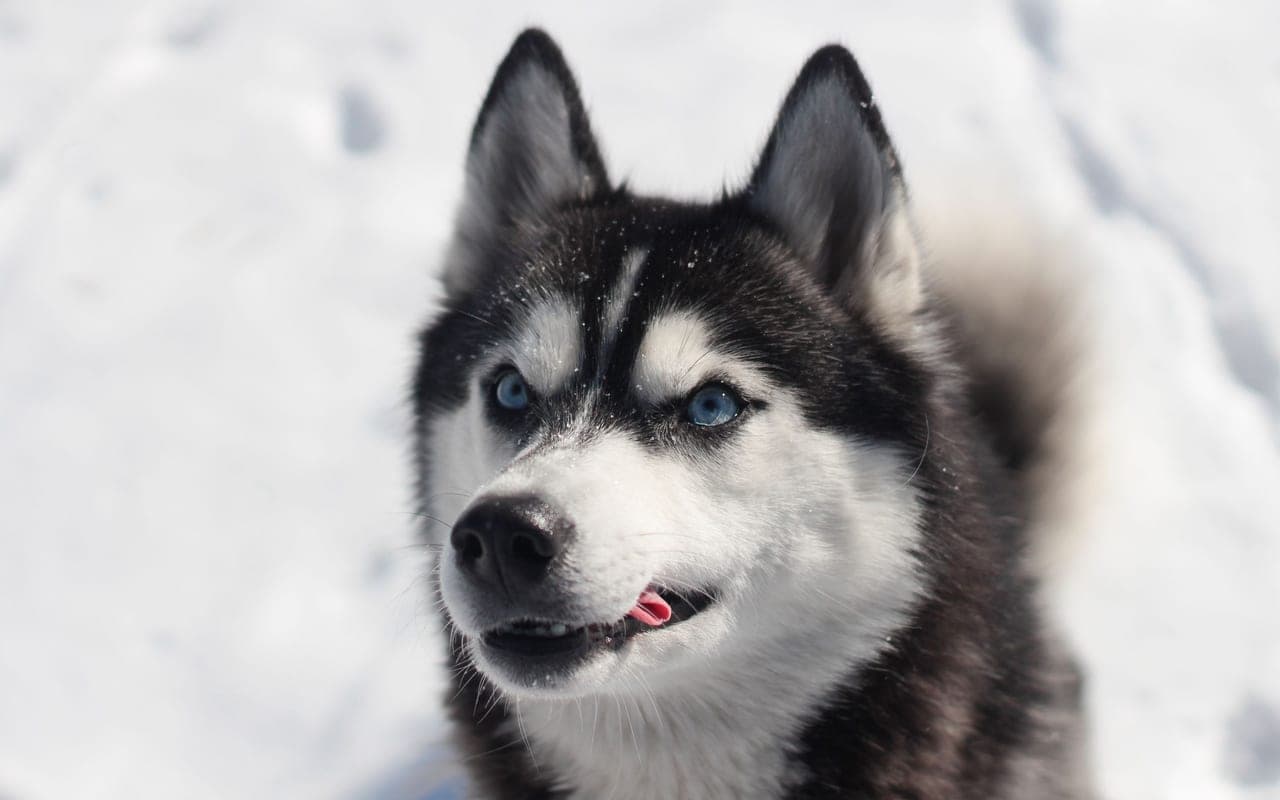
Siberian Husky
Also in the Working group, with different care and temperament tradeoffs.
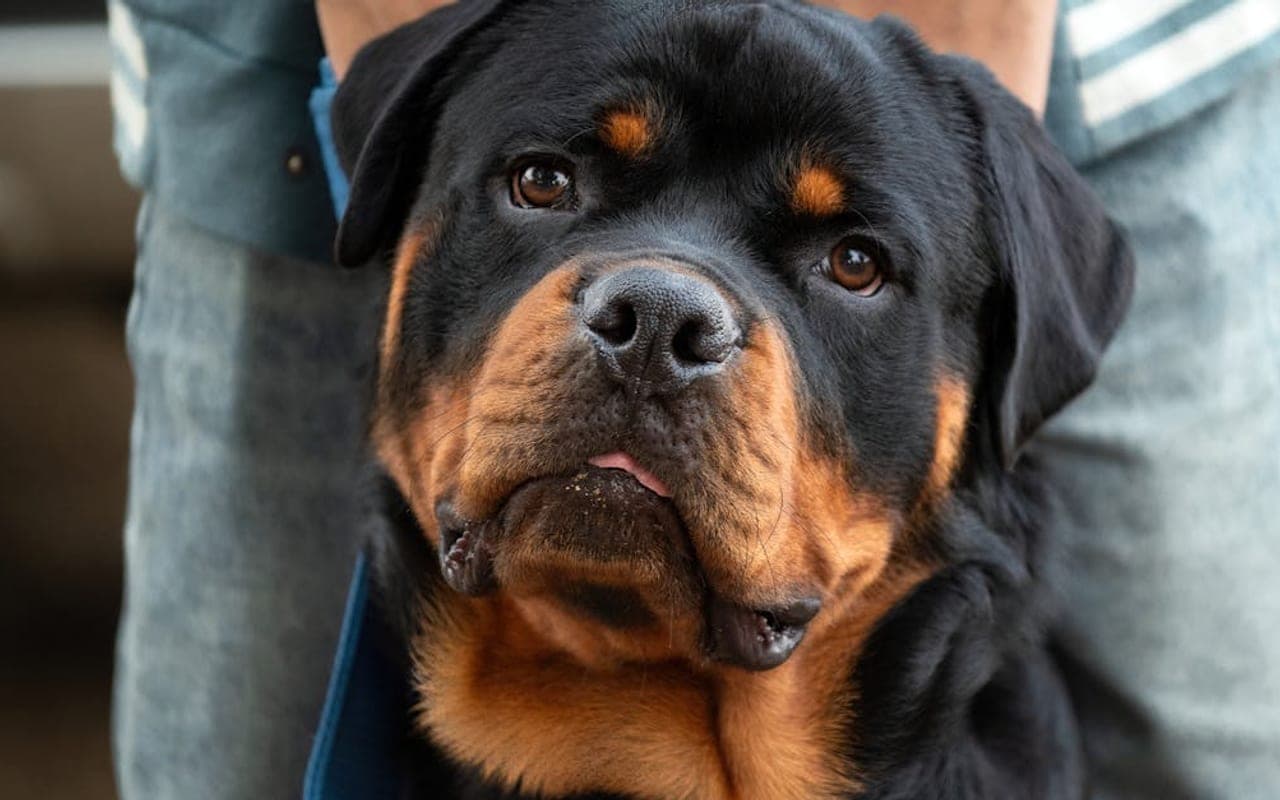
Rottweiler
Also in the Working group, with different care and temperament tradeoffs.
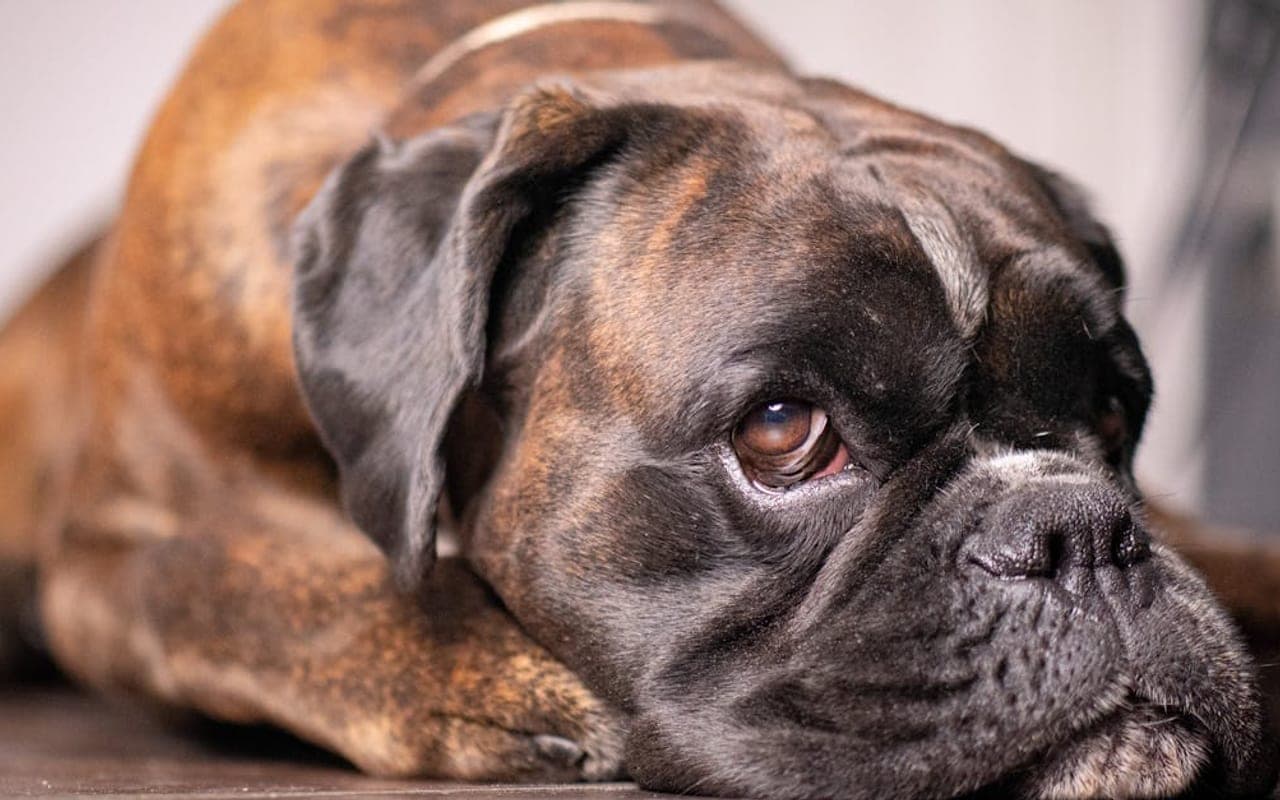
Boxer
Also in the Working group, with different care and temperament tradeoffs.
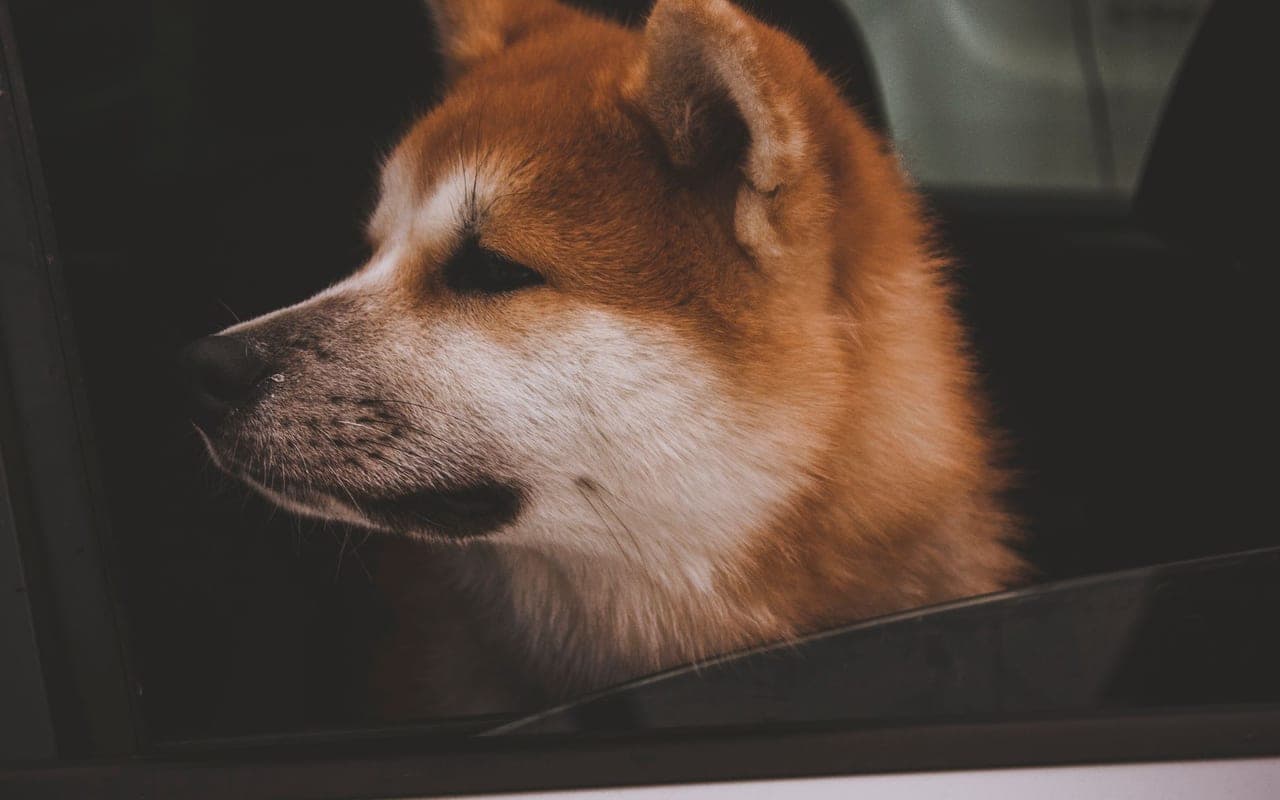
Akita
Also in the Working group, with different care and temperament tradeoffs.
Explore More About Bernese Mountain Dog
Dive deeper into everything Bernese Mountain Dog — costs, care, and expert insights.
How Much Does a Bernese Mountain Dog Cost?
Purchase price, monthly costs, and lifetime expenses
Bernese Mountain Dog Care Guide
The Bernese Mountain Dog is one of four Swiss mountain dog breeds...
Considering a cat instead?
Browse Cats