
Hound group
Black and Tan Coonhound
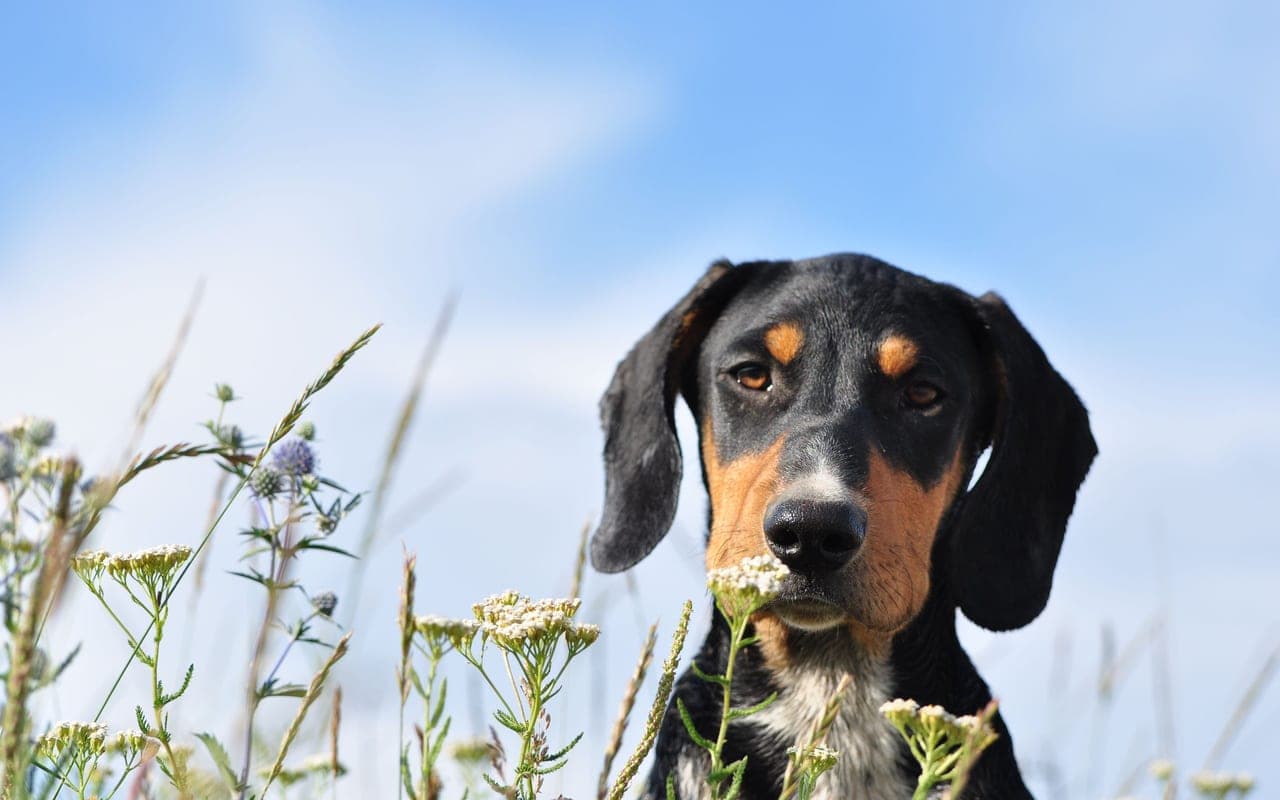
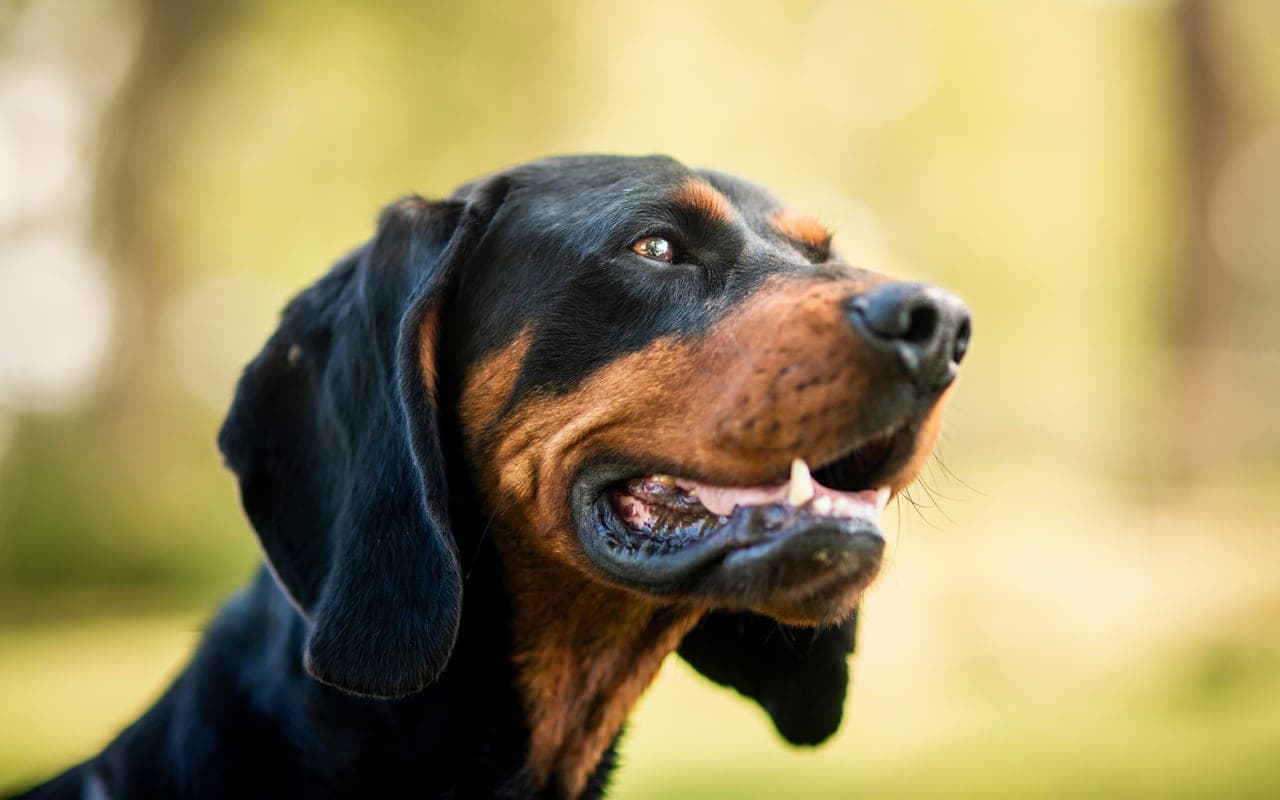
The Black and Tan Coonhound (B&T) is a large, powerful American scenthound — males commonly 65-110 pounds (about 29-50 kg) and standing up to roughly 27 inches at the shoulder — built to trail and tree raccoon and other game by scent over long distances at night.
Size
64-110 lb
Lifespan
10-12 years
Exercise
30-60 minutes
Shedding
Moderate
Experience
Match to owner routine
Decision first
Is a Black and Tan Coonhound right for you?
Start with fit before history or trivia. These are ownership signals, not guarantees about any individual dog.
Best suited for
- Households with children.
- Homes with other compatible pets.
- Apartment homes with a consistent routine.
- Owners seeking a manageable daily exercise routine.
Think carefully if
- You need a dog with almost no daily routine.
- You cannot keep up with grooming and preventive care.
- The dog will spend most days alone without support.
Conditional fit
Apartment fit depends on exercise, enrichment, noise management, and outdoor access.
Daily reality
Black and Tan Coonhound commitment snapshot
Daily exercise
30-60 minutes
Match activity to age, health, weather, and training goals.
Coat care
Moderate
Grooming needs vary by coat, shedding, and lifestyle.
Time alone
Needs planning
Most dogs need gradual alone-time conditioning and support.
Structured facts
Black and Tan Coonhound at a glance
The measurements and traits that most affect day-to-day life with this breed.
Group
Hound
Weight
64-110 lb
Height
23-27 in
Lifespan
10-12 years
Temperament
Easy-Going | Bright | Brave
View all characteristics and methodology
Lifestyle fit
- Apartment suitability
- Likely fit
- Child friendliness
- Often good, with socialisation and supervision
- Other-pet fit
- Often compatible with careful introductions
Owner commitment
- Exercise
- 30-60 minutes
- Grooming
- Moderate
- Shedding
- Moderate
- Training
- Moderate
Environment and health
- Health risk
- Needs planning
Ratings combine structured breed data, visible breed fields, and editorial context. They are planning aids, not predictions for an individual dog.
Daily life
Black and Tan Coonhound temperament and behavior
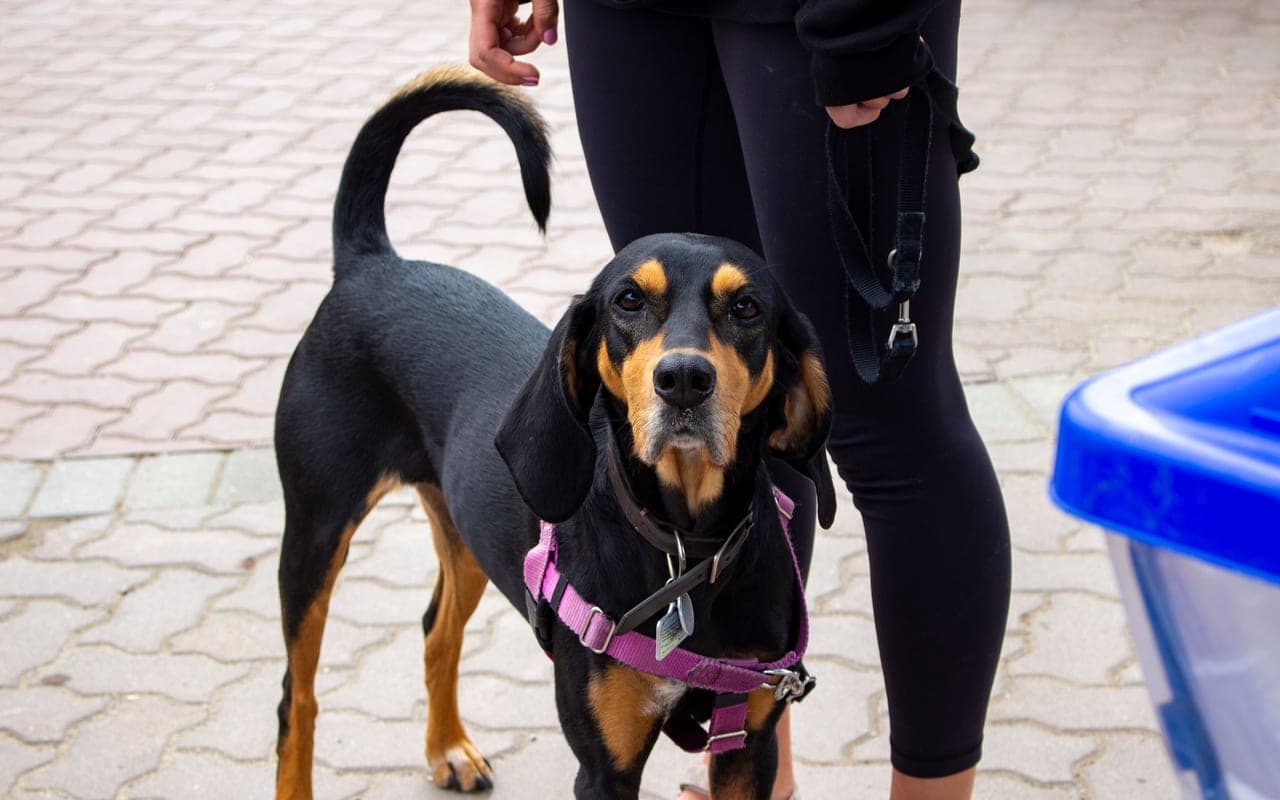
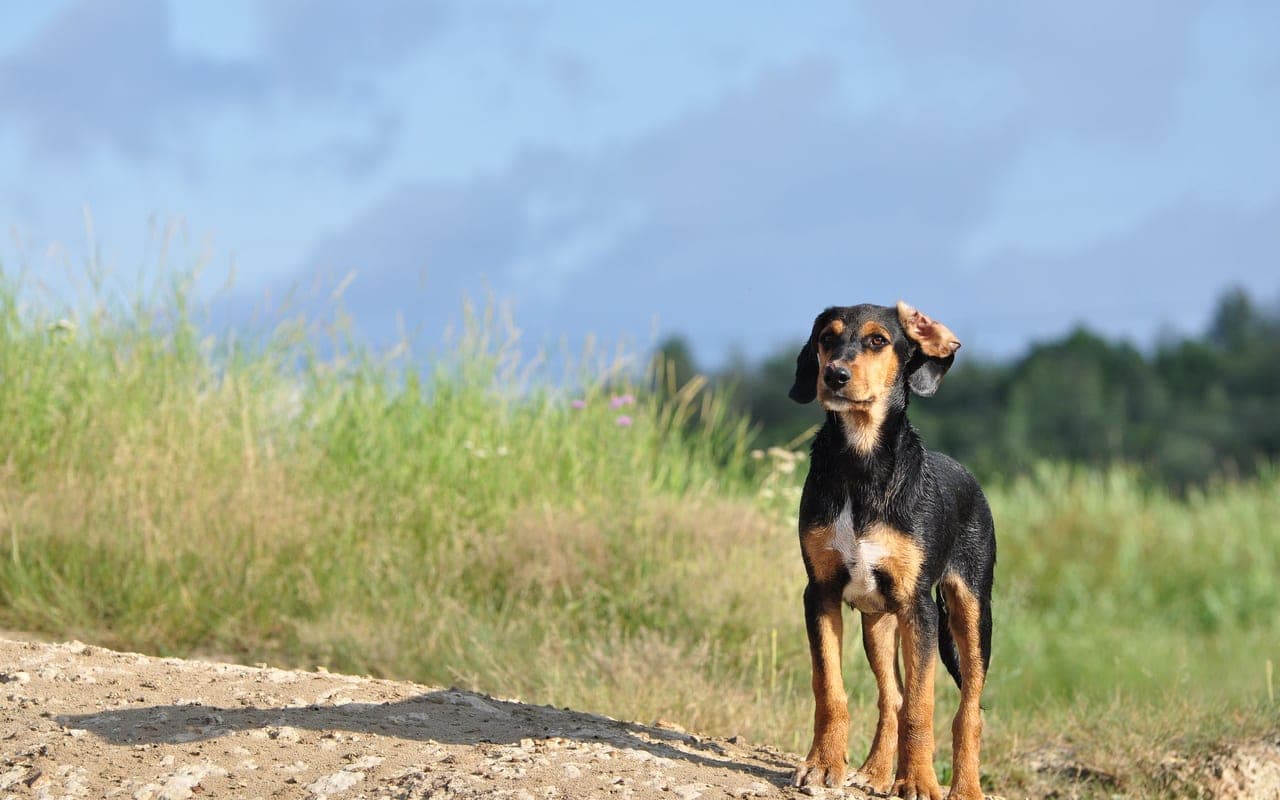
The Black and Tan Coonhound (B&T) is a large, powerful American scenthound — males commonly 65-110 pounds (about 29-50 kg) and standing up to roughly 27 inches at the shoulder — built to trail and tree raccoon and other game by scent over long distances at night. The coal-black coat with rich tan 'pumpkin seed' points over the eyes, the long velvety ears, and the deep, mournful bay are the breed's signatures. This is a working hunting hound that happens to also be a sweet, easygoing housemate — understanding that order is the key to a successful match. What you are actually choosing is a big, scent-obsessed, vocal, sociable hound. Indoors a well-exercised B&T is famously laid-back and will happily monopolise the sofa for hours; outdoors, a passing squirrel can switch on the prey drive instantly and the recall goes with it. They are friendly and people-loving, generally good with other dogs, but a lonely or under-exercised B&T will 'sing' loud, carrying hound music the whole neighbourhood will hear. The Black and Tan is right for you if you want a large, gentle, low-grooming companion, you have a securely fenced yard and a tolerance for a loud dog, and you can provide real daily exercise. It is wrong for you if you want an off-leash-reliable dog, have close noise-sensitive neighbours, or are not prepared for a big hound's appetite and vet costs. The hidden cost most owners underestimate: as a large, deep-chested breed it is at genuine risk of life-threatening bloat, and its long ears make chronic ear infections a recurring expense — both are predictable, plannable costs, not surprises.
Easy-Going | Bright | Brave
Easy-Going
A common Black and Tan Coonhound temperament descriptor that should be interpreted alongside training, exercise, and household fit.
Bright
A common Black and Tan Coonhound temperament descriptor that should be interpreted alongside training, exercise, and household fit.
Brave
A common Black and Tan Coonhound temperament descriptor that should be interpreted alongside training, exercise, and household fit.
Owner note
Temperament labels are starting points, not guarantees. Meet the individual dog and ask about behavior history whenever possible.
Care essentials
How to care for a Black and Tan Coonhound
What looking after one actually involves: exercise, grooming, food, training, and routine health.
ExerciseAs needed
- Moderately active breed needing 30-60 minutes of daily exercise through walks, play, and mental stimulation.
GroomingAs needed
- Regular grooming needed — brush 2-3 times per week and bathe monthly.
TrainingAs needed
- Moderately trainable — consistent, patient training with positive methods works best.
NutritionAs needed
- Feed a high-quality dog food appropriate for their age, size, and activity level. Monitor portions to prevent obesity.
Veterinary CareAs needed
- Annual wellness exams, core vaccinations, dental care, and parasite prevention. Breed-specific health screenings as recommended by your vet.
Health planning
Black and Tan Coonhound health risks and screening
Every breed has individual health variation. Use this profile for planning and discuss medical decisions with a veterinarian.
Responsible ownership
Finding a Black and Tan Coonhound responsibly
What to ask a breeder or rescue is the same conversation for every breed, so we keep it in one place and keep it current.
Health documentation, meeting the parents or foster, contracts and return support, and the warning signs worth walking away from.
Original purpose
Black and Tan Coonhound history
History is useful when it explains today's behavior, coat, exercise needs, and training style.
Read the breed history
The Black and Tan Coonhound is one of the oldest distinctly American scenthound breeds, developed by colonial and frontier hunters who needed a dog capable of independently trailing and treeing raccoon, opossum, and larger game by scent across rough country, often at night. Its ancestry traces principally to the Talbot Hound of medieval Europe by way of the Bloodhound and the American Foxhound (and Virginia Foxhound stock), from which the breed inherited its extraordinary nose, deep voice, and long ears that help waft ground scent toward the muzzle. The Black and Tan was the first of the coonhound types to be recognised as a distinct breed by a major registry, and it was bred strictly for working ability — cold-trailing a faint scent, tracking with the nose to the ground for miles, and baying at the tree to call the hunter. That single-minded selection for scenting work, independence, and voice explains the modern dog's prey drive, weak trail recall, and far-carrying bay.
Gallery
Black and Tan Coonhound photos
Images are cropped consistently and loaded progressively to keep the page responsive.
Lower-page context
Black and Tan Coonhounds in culture
Where the breed shows up in film, sport, work and folklore — the enjoyable part, once the practical questions are answered.
Fun facts
- The Black and Tan Coonhound belongs to the Hound Group.
- The average lifespan of a Black and Tan Coonhound is 10 to 12 years.
- Black and Tan Coonhound dogs are valued for their easy-going, bright, brave nature.
Black and Tan Coonhound FAQs
How long do Black and Tan Coonhounds live?
Black and Tan Coonhounds typically live 10-12 years, which is normal for a large breed of this size. The conditions that most often shorten life are partly controllable: bloat (managed with feeding practice and a fast emergency response), hip arthritis (managed by keeping the dog lean), and trauma from a dog that bolts on a scent trail (managed with secure containment). Buying from OFA hip- and cardiac-screened parents and disciplined weight management are the biggest levers on longevity.
Are Black and Tan Coonhounds good with children?
Yes, temperamentally — they are friendly, easygoing, sociable hounds that are typically gentle and patient with children. The real caveats are size and exercise: a 65-110 pound hound can easily bowl over a toddler in play, and a B&T that is not exercised becomes vocal and restless rather than mellow. Supervise interactions with small children, give the dog a quiet retreat, and be honest that this breed fits an active family better than a sedentary one. Temperament is rarely the limiting factor; energy and size are.
How much exercise does a Black and Tan Coonhound need?
A genuine 60-90 minutes of real daily activity — long walks, hikes, running, or scent work — not a short stroll. The breed's famous sofa-hogging laziness only appears once that exercise need is actually met; an under-exercised B&T is loud, restless, and destructive. It is a stamina-built working hound that can trail for miles. Scent games add valuable mental work. Treat the 'lazy hound' reputation as a reward for adequate exercise, not a baseline you can rely on without effort.
Why do Black and Tan Coonhounds bay, and can it be stopped?
The deep, loud, mournful bay is a deliberately bred working trait — it is how a hunter locates the dog holding game at a tree in the dark — and it is instinctive rather than a training failure. A lonely or bored B&T will bay extensively, and while adequate exercise and companionship reduce nuisance baying, the voice itself cannot be reliably trained out. If you have close, noise-sensitive neighbours or strict noise rules, this is a serious compatibility issue to resolve honestly before getting the breed.
What health tests should a Black and Tan Coonhound breeder provide?
Ask for the parents' OFA hip evaluations, an OFA cardiac clearance, and an eye (CERF/ophthalmologist) clearance covering ectropion and other inherited eye disease — these are the breed's core recommended screens. Because hip dysplasia, ectropion, and cardiac disease are heritable and costly to manage in a large dog, a breeder who cannot show current clearances is passing unmanaged risk to you. The money saved on an unscreened puppy is routinely outweighed by later orthopedic, ophthalmic, or emergency bloat costs.
Sources
These are the published sources this page draws on. Each opens in a new tab so you can check it yourself.
American Kennel Club
Black and Tan Coonhound — breed standard and profile(opens in a new tab)Supports: Breed standard and recognition details.
Similar breeds to consider
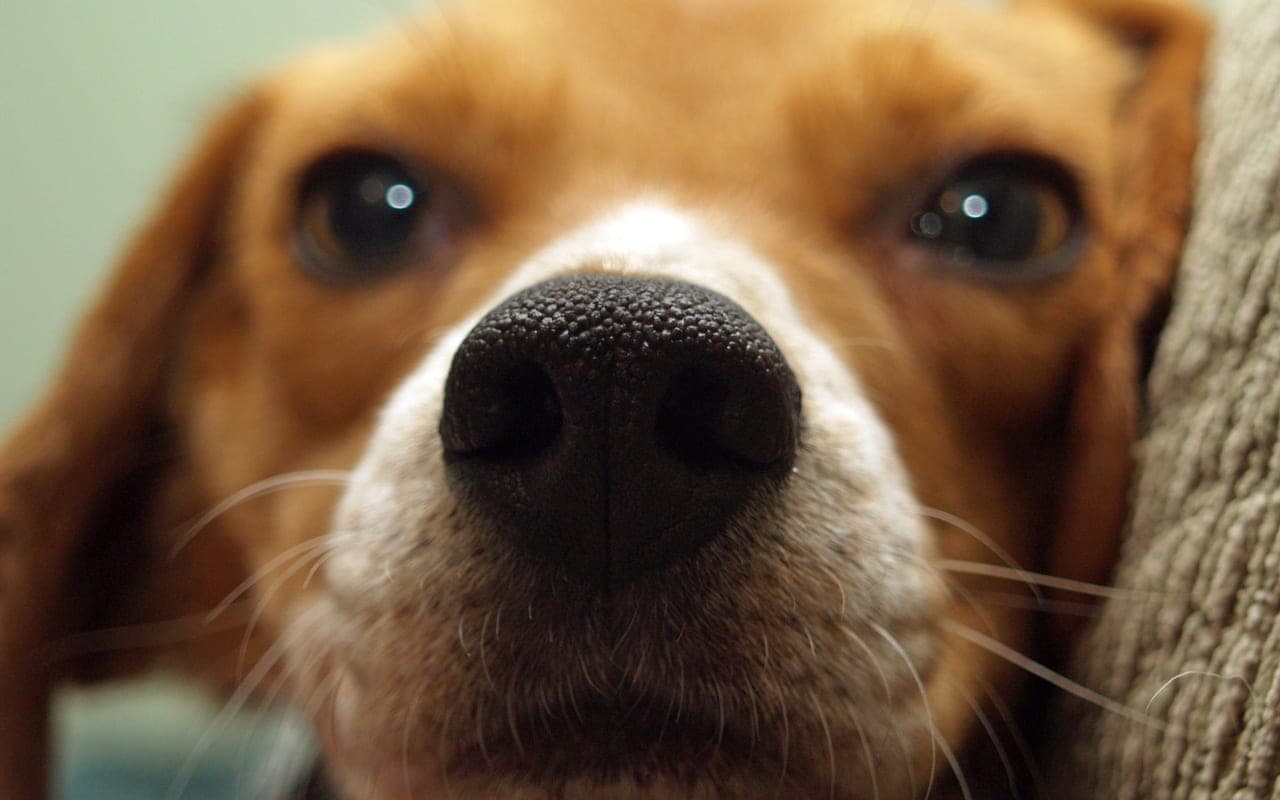
Beagle
Also in the Hound group, with different care and temperament tradeoffs.
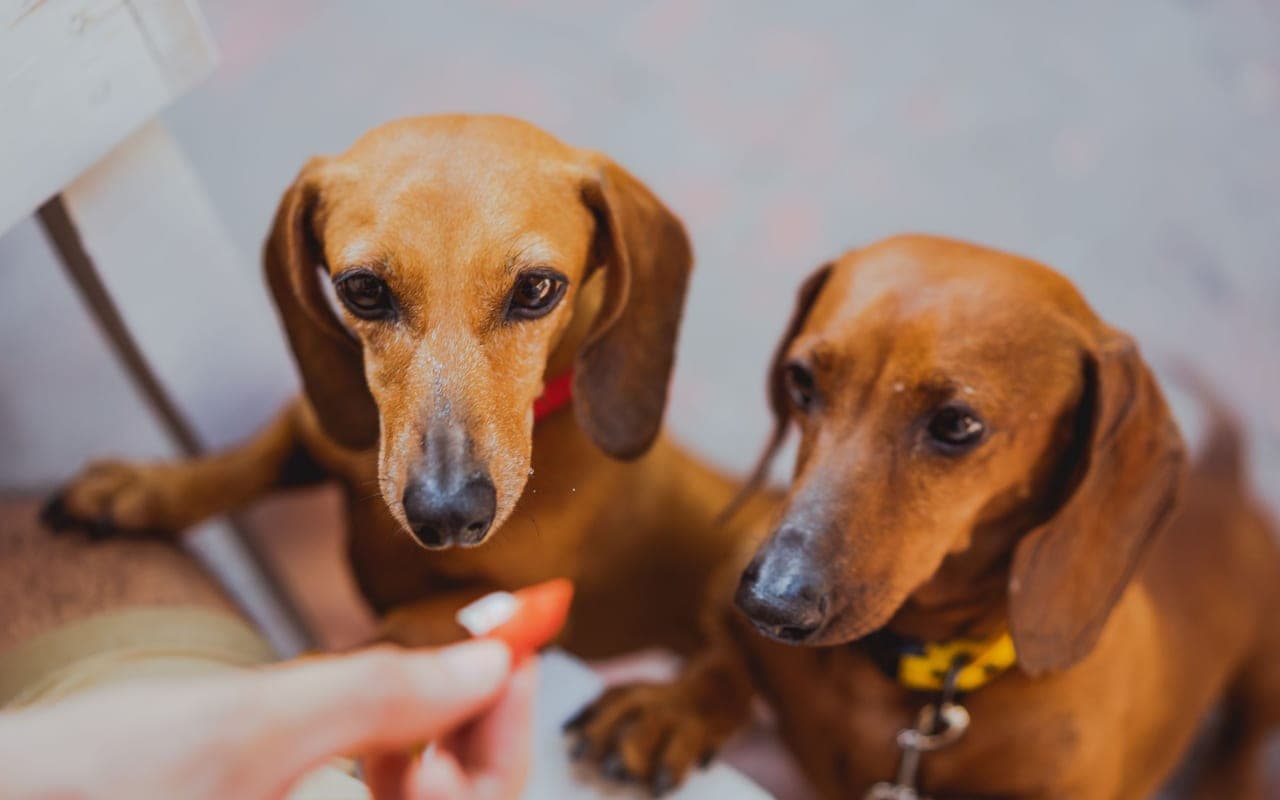
Dachshund
Also in the Hound group, with different care and temperament tradeoffs.
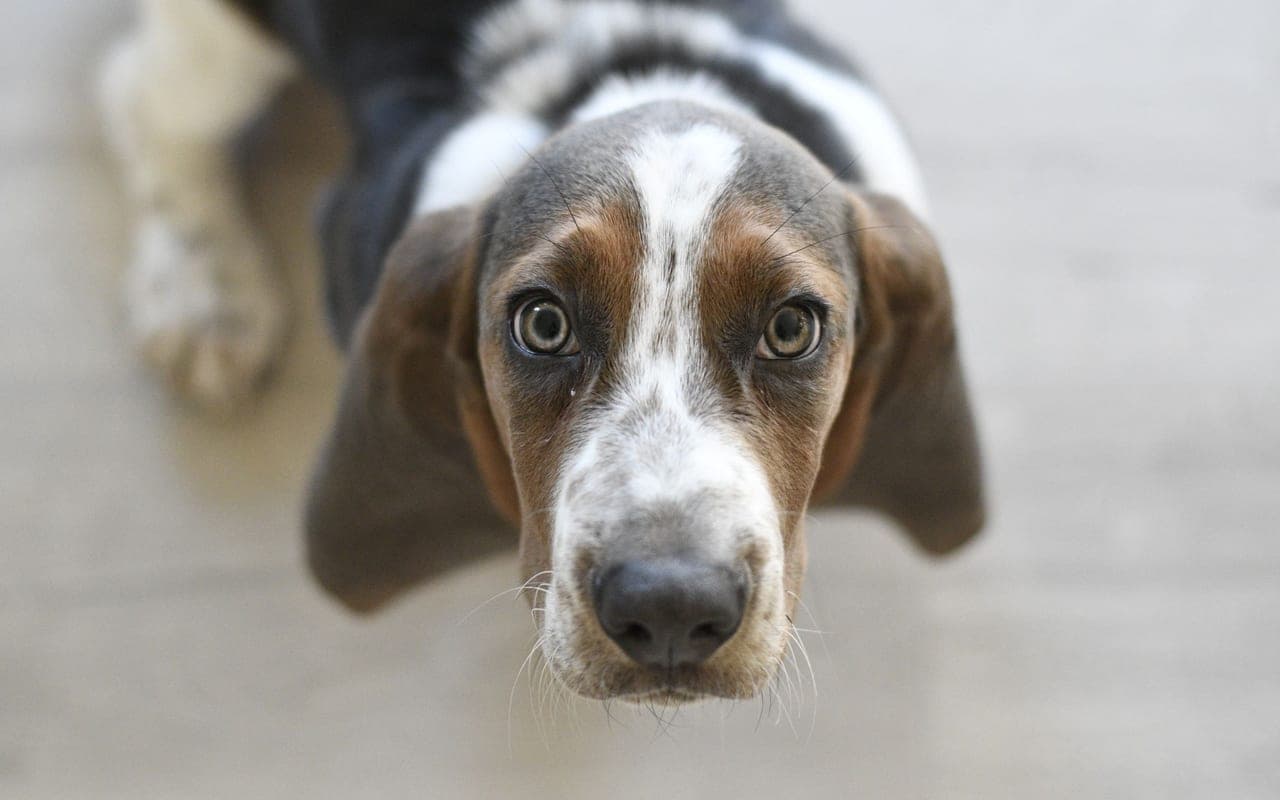
Basset Hound
Also in the Hound group, with different care and temperament tradeoffs.
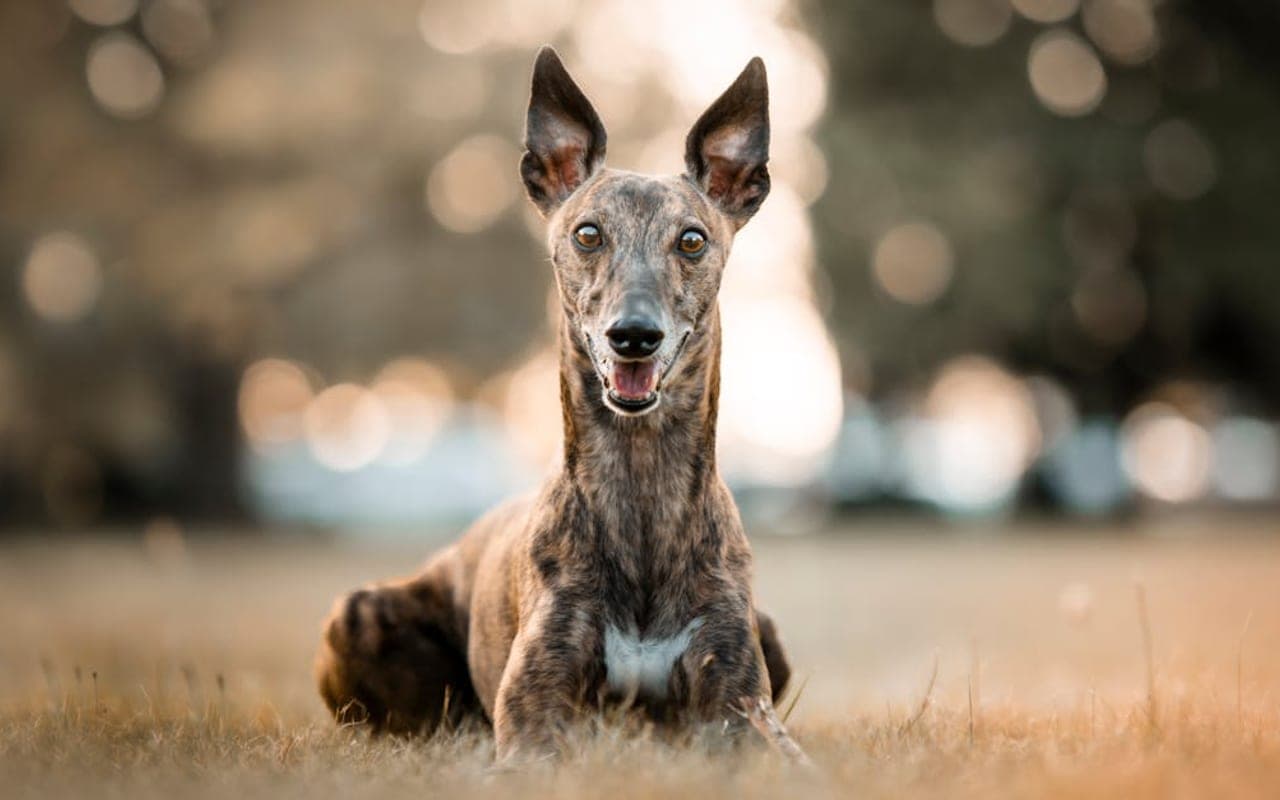
Greyhound
Also in the Hound group, with different care and temperament tradeoffs.
Explore More About Black and Tan Coonhound
Dive deeper into everything Black and Tan Coonhound — costs, care, and expert insights.
Considering a cat instead?
Browse Cats