
Hound group
Borzoi
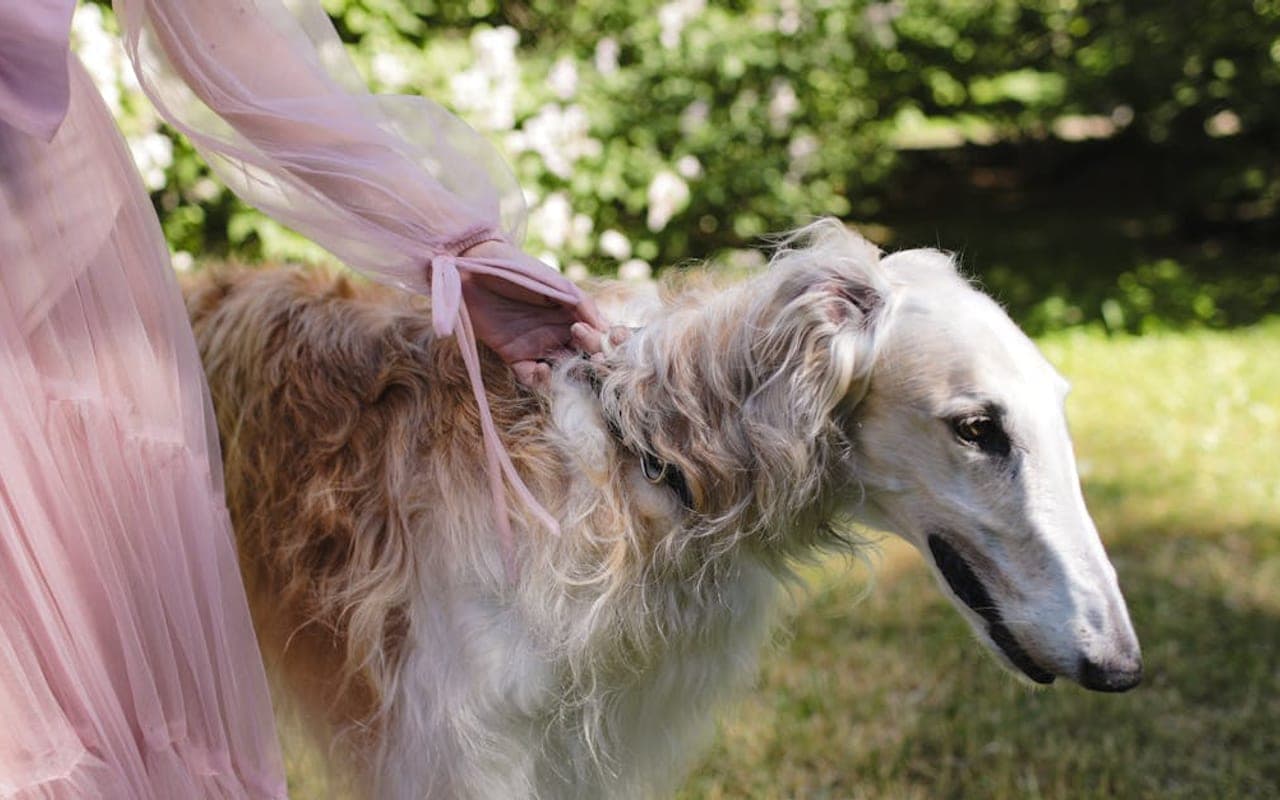
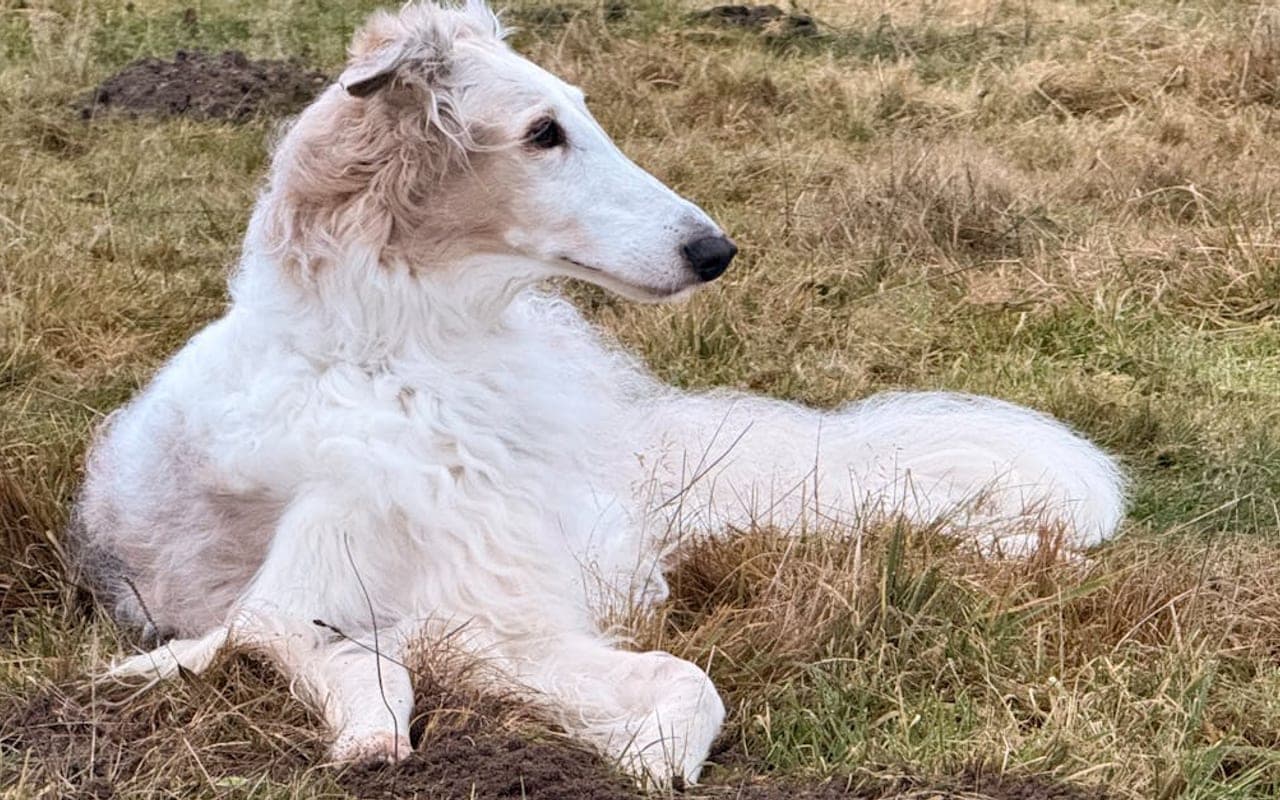
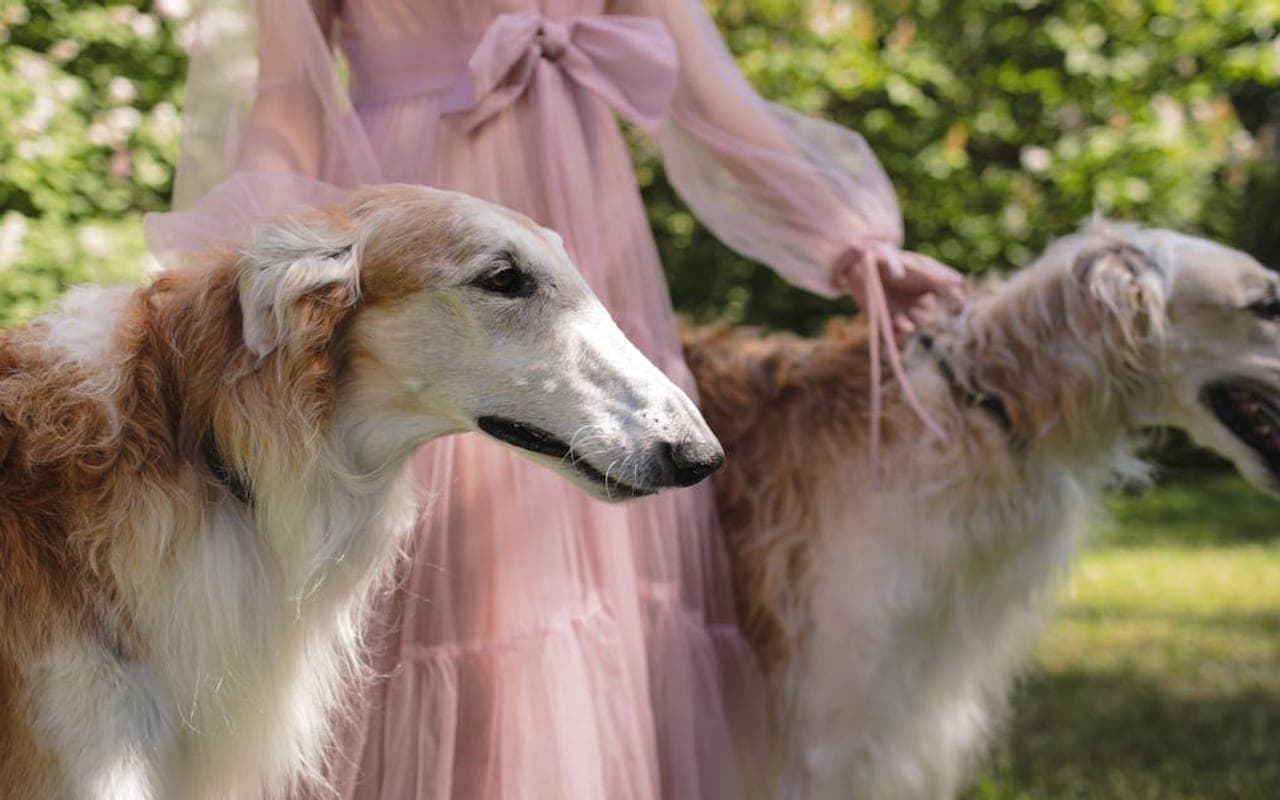
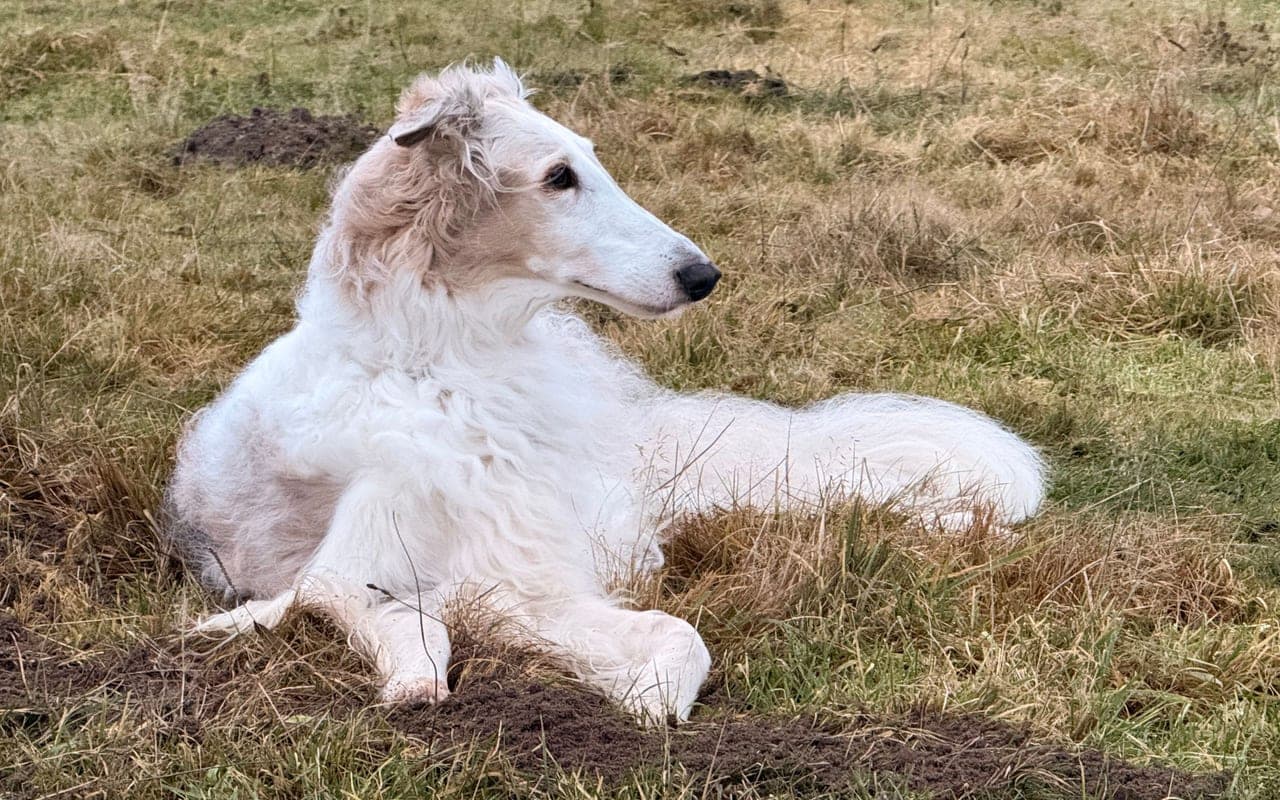
The Borzoi is a large Russian sighthound — males stand at least 28 inches at the shoulder and typically weigh 75 to 105 pounds, females noticeably less — built on the ancient greyhound template under a long silky coat.
Size
60-106 lb
Lifespan
9-14 years
Exercise
30-60 minutes
Shedding
Moderate
Experience
Match to owner routine
Decision first
Is a Borzoi right for you?
Start with fit before history or trivia. These are ownership signals, not guarantees about any individual dog.
Best suited for
- Households with children.
- Homes with other compatible pets.
- Apartment homes with a consistent routine.
- Owners seeking a manageable daily exercise routine.
Think carefully if
- You need a dog with almost no daily routine.
- You cannot keep up with grooming and preventive care.
- The dog will spend most days alone without support.
Conditional fit
Apartment fit depends on exercise, enrichment, noise management, and outdoor access.
Daily reality
Borzoi commitment snapshot
Daily exercise
30-60 minutes
Match activity to age, health, weather, and training goals.
Coat care
Moderate
Grooming needs vary by coat, shedding, and lifestyle.
Time alone
Needs planning
Most dogs need gradual alone-time conditioning and support.
Structured facts
Borzoi at a glance
The measurements and traits that most affect day-to-day life with this breed.
Group
Hound
Weight
60-106 lb
Height
26-33 in
Lifespan
9-14 years
Temperament
Affectionate | Loyal | Regally Dignified
View all characteristics and methodology
Lifestyle fit
- Apartment suitability
- Likely fit
- Child friendliness
- Often good, with socialisation and supervision
- Other-pet fit
- Often compatible with careful introductions
Owner commitment
- Exercise
- 30-60 minutes
- Grooming
- Moderate
- Shedding
- Moderate
- Training
- Moderate
Environment and health
- Health risk
- Needs planning
Ratings combine structured breed data, visible breed fields, and editorial context. They are planning aids, not predictions for an individual dog.
Daily life
Borzoi temperament and behavior
The Borzoi is a large Russian sighthound — males stand at least 28 inches at the shoulder and typically weigh 75 to 105 pounds, females noticeably less — built on the ancient greyhound template under a long silky coat. Bred to course and pin wolves across open country at 35-40 mph, the Borzoi is the rare large dog that is calm and almost catlike indoors yet a hardwired, explosive predator the instant something runs. Understanding that split is the whole decision: a Borzoi is a quiet, dignified, low-demand housemate that is also unreliable off-leash for life. The breed does not chase on command and does not stop on command — it sees movement and is simply gone, often before an owner reacts. Temperament is affectionate but reserved and independent. Borzoi bond gently to their people, are sensitive to harsh handling, and are too dignified to enjoy roughhousing or repetitive obedience drilling. They are quiet, clean, and undemanding in the house, which makes them deceptively easy — until the front door opens or a cat bolts. They are generally gentle with respectful children and tolerant of other dogs, but small fast pets can trigger predatory pursuit. The coat is long, silky, and seasonally heavy-shedding, requiring routine brushing rather than professional grooming. The build — deep narrow chest, lean low-body-fat frame — drives the breed's most important medical realities: high bloat risk and genuine sighthound anesthesia sensitivity that every owner must flag to any vet. Who the Borzoi is right for: an owner with secure fencing, an on-leash or sighthound-sport lifestyle, patience for an independent dog, and a vet briefed on sighthound anesthesia. Who it is wrong for: anyone wanting an off-leash, obedient, or rough-and-tumble dog, or a household with free-roaming small pets.
Affectionate | Loyal | Regally Dignified
Affectionate
A common Borzoi temperament descriptor that should be interpreted alongside training, exercise, and household fit.
Loyal
A common Borzoi temperament descriptor that should be interpreted alongside training, exercise, and household fit.
Regally Dignified
A common Borzoi temperament descriptor that should be interpreted alongside training, exercise, and household fit.
Owner note
Temperament labels are starting points, not guarantees. Meet the individual dog and ask about behavior history whenever possible.
Care essentials
How to care for a Borzoi
What looking after one actually involves: exercise, grooming, food, training, and routine health.
ExerciseAs needed
- Moderately active breed needing 30-60 minutes of daily exercise through walks, play, and mental stimulation.
GroomingAs needed
- Regular grooming needed — brush 2-3 times per week and bathe monthly.
TrainingAs needed
- Moderately trainable — consistent, patient training with positive methods works best.
NutritionAs needed
- Feed a high-quality dog food appropriate for their age, size, and activity level. Monitor portions to prevent obesity.
Veterinary CareAs needed
- Annual wellness exams, core vaccinations, dental care, and parasite prevention. Breed-specific health screenings as recommended by your vet.
Health planning
Borzoi health risks and screening
Every breed has individual health variation. Use this profile for planning and discuss medical decisions with a veterinarian.
Responsible ownership
Finding a Borzoi responsibly
What to ask a breeder or rescue is the same conversation for every breed, so we keep it in one place and keep it current.
Health documentation, meeting the parents or foster, contracts and return support, and the warning signs worth walking away from.
Original purpose
Borzoi history
History is useful when it explains today's behavior, coat, exercise needs, and training style.
Read the breed history
The Borzoi was developed by the Russian aristocracy from at least the 17th century for the dramatic sport of wolf coursing. On vast estates, packs of borzoi were slipped in trios to pursue, overtake, and pin wolves until mounted hunters arrived — a pursuit demanding extreme speed, courage, and a hardwired prey response. The breed was built by crossing imported sighthounds with thicker-coated Russian dogs to survive the climate, producing the silky-coated, deep-chested courser known then as the Russian Wolfhound. Borzoi were status animals: organized hunts could field over a hundred dogs, and bloodlines were guarded by noble kennels. The Russian Revolution nearly destroyed the breed at home, since it was tied to the aristocracy, but exports to Western Europe and the United States in the late 19th and early 20th centuries preserved it. The AKC recognized the breed in 1891. The independence, gentleness, and instant explosive prey drive owners see today are direct inheritances from a dog bred to outrun and hold a wolf.
Gallery
Borzoi photos
Images are cropped consistently and loaded progressively to keep the page responsive.
Lower-page context
Borzois in culture
Where the breed shows up in film, sport, work and folklore — the enjoyable part, once the practical questions are answered.
Fun facts
- The Borzoi belongs to the Hound Group.
- The average lifespan of a Borzoi is 9 to 14 years.
- Borzoi dogs are valued for their affectionate, loyal, regally dignified nature.
Borzoi FAQs
How long do Borzoi live?
A Borzoi typically lives 9 to 14 years, a fairly wide range for a large breed. Where a dog lands in it is shaped largely by two catastrophic risks rather than slow decline: gastric dilatation-volvulus (bloat) and osteosarcoma (bone cancer) are leading causes of death and can end an otherwise healthy Borzoi's life quickly. Feeding management and prophylactic gastropexy meaningfully address the bloat risk, while buying from lines with documented longevity and cardiac screening improves the odds. Keeping the dog sighthound-lean rather than overweight also protects those years.
Can a Borzoi be trusted off-leash?
No — and this is the single most important practical fact about the breed. The Borzoi was bred to chase and pin wolves at 35-40 mph, and that response is sighted, instant, and not under voice control. A Borzoi that spots a rabbit, cat, or even a distant runner can be hundreds of yards away before an owner finishes calling. The breed's recall is reliable right up until prey appears and then it is gone. Off-leash exercise must happen only in securely fenced areas; on open ground the dog stays on a leash for its entire life.
Are Borzoi good family dogs and good with children?
Yes, with the right expectations. Borzoi are gentle, affectionate, and notably quiet and clean in the house, and they are generally good with calm, respectful children. They are not, however, roughhousing dogs — they are dignified and sensitive and dislike being grabbed or chased, so they suit older children better than boisterous toddlers. The more important caution is other small pets: a Borzoi's predatory drive can be triggered by a fast-moving cat or small dog, so introductions must be careful and free-roaming small pets are a poor match.
Why does my vet need to know my Borzoi is a sighthound before anesthesia?
Because sighthounds like the Borzoi handle anesthetic and sedative drugs differently from typical dogs. Their lean build and very low body fat can cause some drugs to act longer and recovery to be prolonged, and they are prone to temperature swings under anesthesia. A vet who knows the dog is a sighthound will choose appropriate drug protocols, dose carefully, and manage body temperature during surgery. This is not optional caution — using a standard protocol unaware can have serious consequences, so flag it for every procedure, including routine dentals and neutering.
How much grooming does a Borzoi need?
Less than the long silky coat suggests, but not none. Brush the coat two to three times a week to prevent mats in the feathering on the legs, chest, and tail, and increase to daily during the heavy seasonal shed, which is substantial. The coat does not require clipping or professional trimming, so the cost is time rather than money. Routine nail, ear, and dental care round out the routine. Compared with a continuously-growing coat like a Poodle's, the Borzoi is moderate-maintenance — its bigger commitments are exercise safety and bloat management, not grooming.
How much does a Borzoi cost to buy and own?
Expect $1,500 to $3,000 for a puppy from a breeder who cardiac-screens and shares longevity records; rescue adoption is far less. The purchase price is the smaller concern. The financially significant items are the breed's two big risks: emergency bloat surgery runs roughly $3,000 to $8,000, and osteosarcoma diagnosis and treatment can run several thousand more. Prophylactic gastropexy (often $400-$1,200 done with a spay or neuter) is comparatively cheap insurance against the worst-case bloat scenario, and is worth budgeting for up front in this breed.
Sources
These are the published sources this page draws on. Each opens in a new tab so you can check it yourself.
American Kennel Club
Borzoi — breed standard and profile(opens in a new tab)Supports: Breed standard and recognition details.
Similar breeds to consider
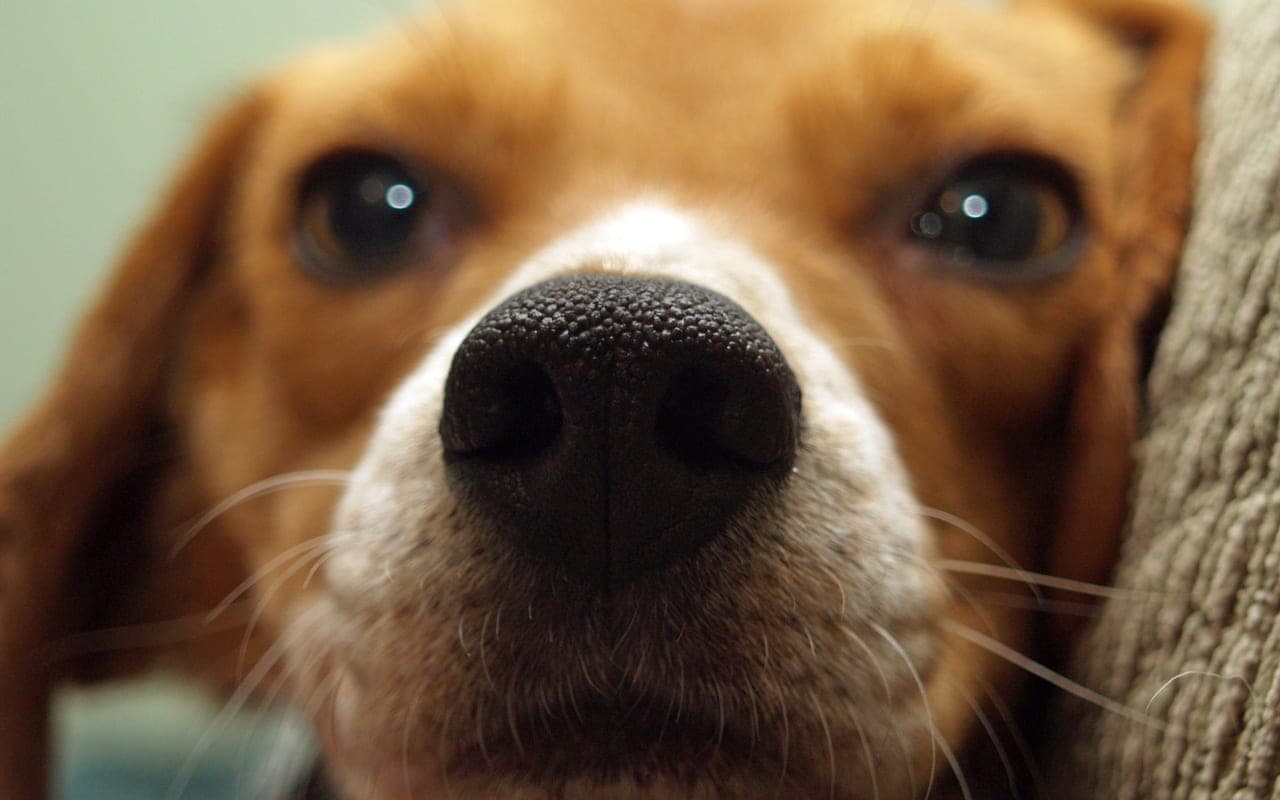
Beagle
Also in the Hound group, with different care and temperament tradeoffs.
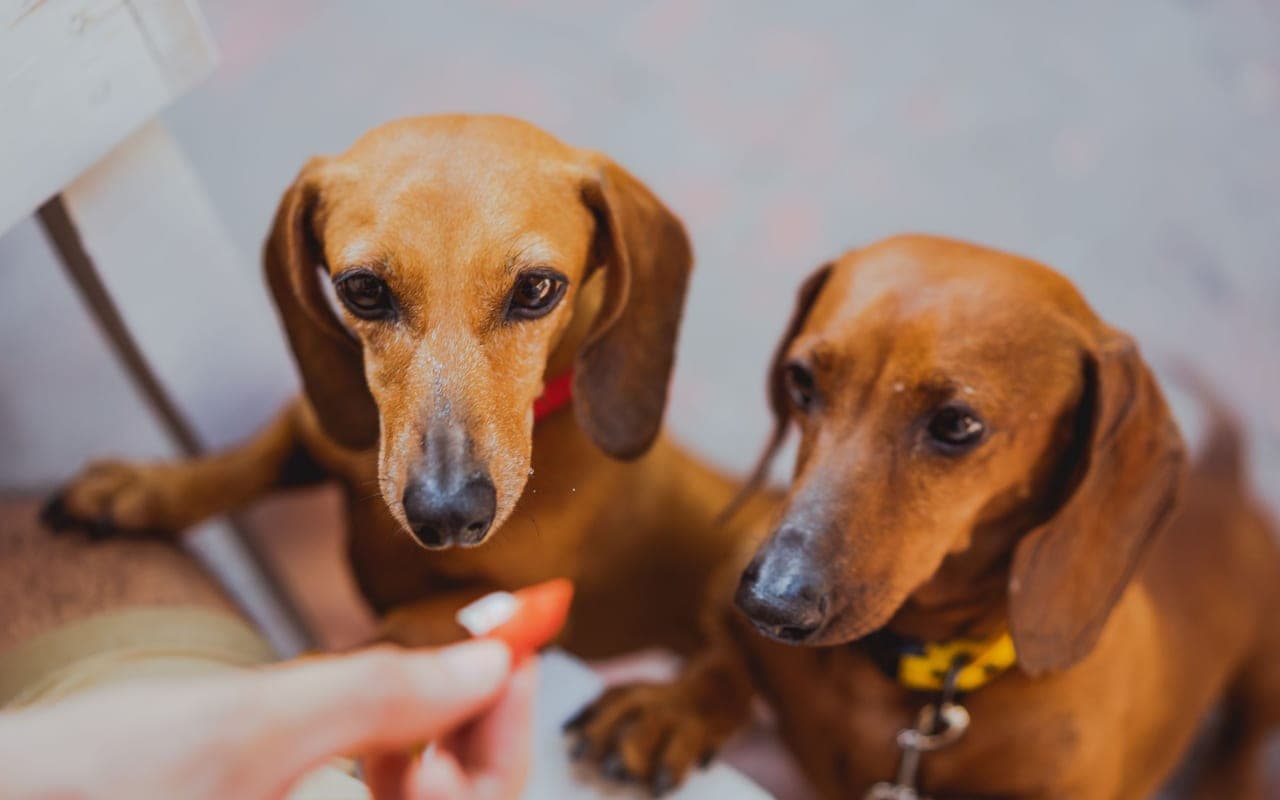
Dachshund
Also in the Hound group, with different care and temperament tradeoffs.
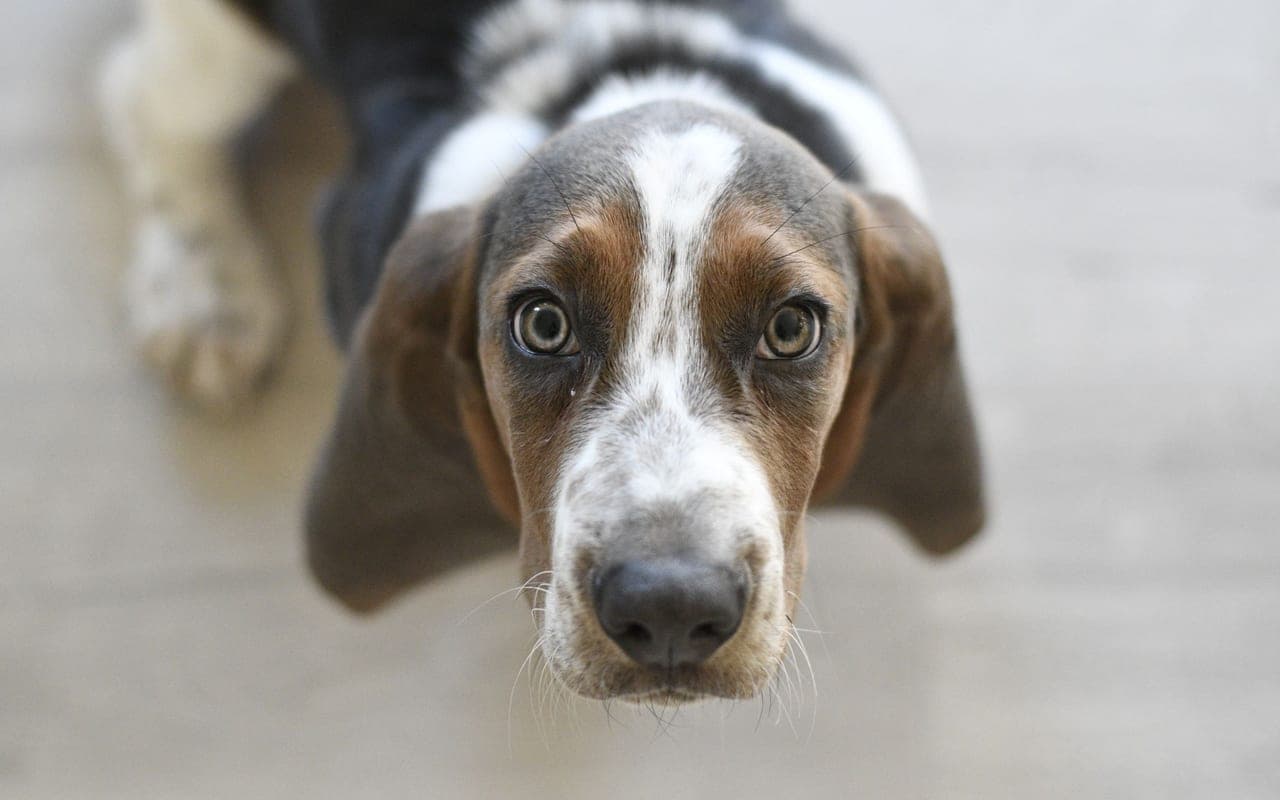
Basset Hound
Also in the Hound group, with different care and temperament tradeoffs.
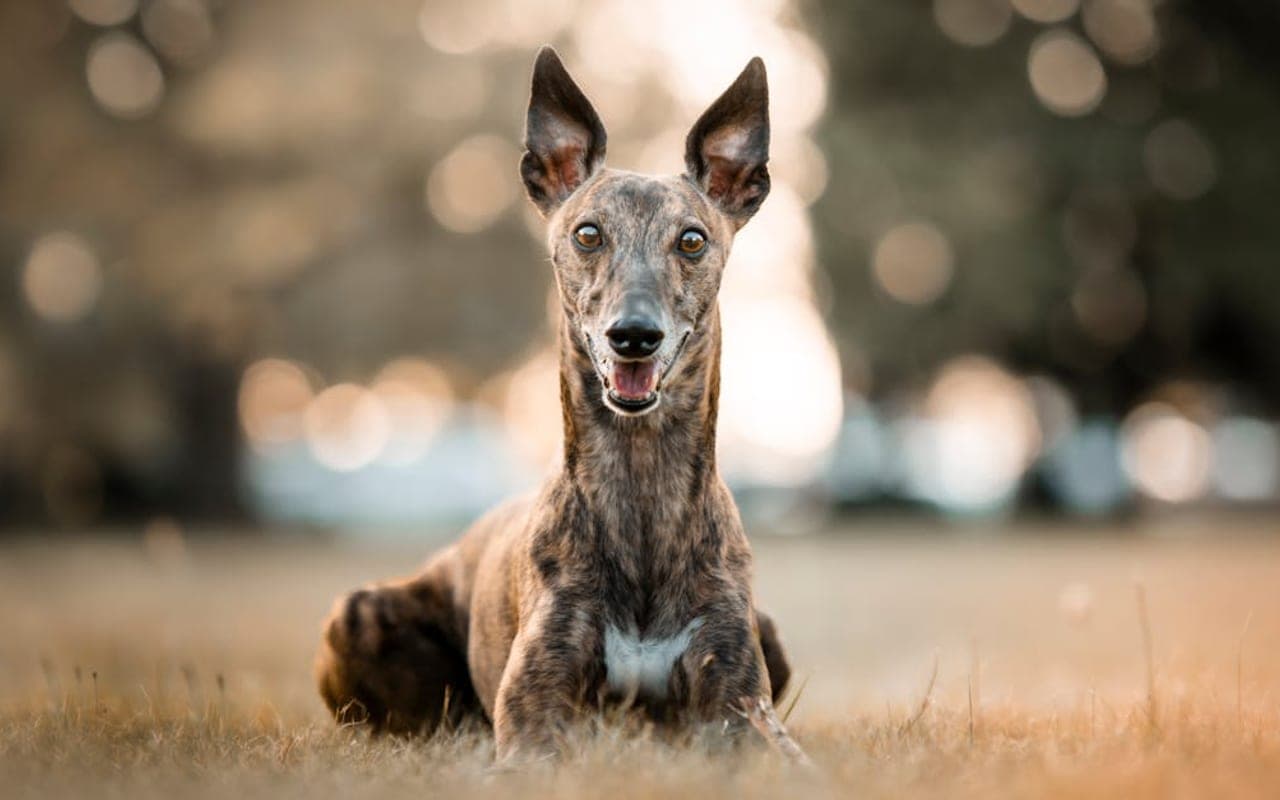
Greyhound
Also in the Hound group, with different care and temperament tradeoffs.
Explore More About Borzoi
Dive deeper into everything Borzoi — costs, care, and expert insights.
Considering a cat instead?
Browse Cats