
Foundation Stock Service group
Broholmer
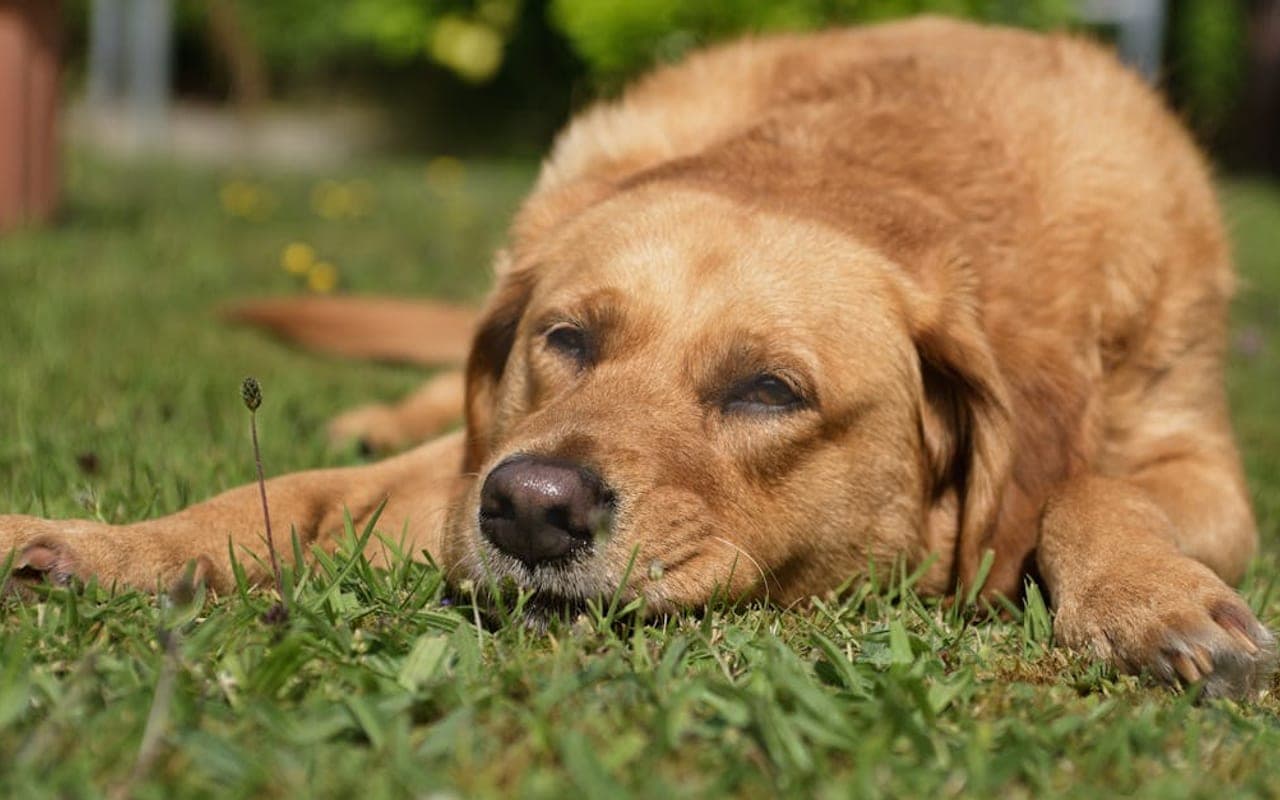
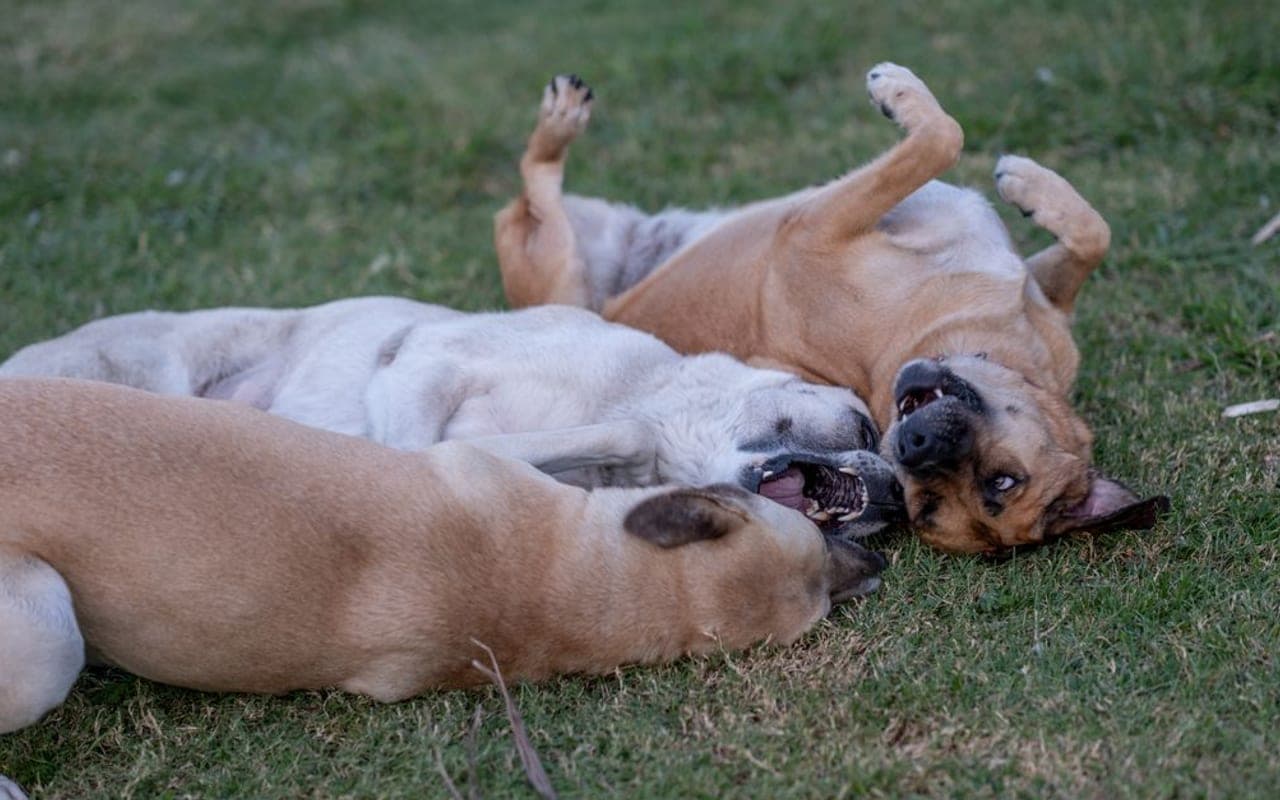
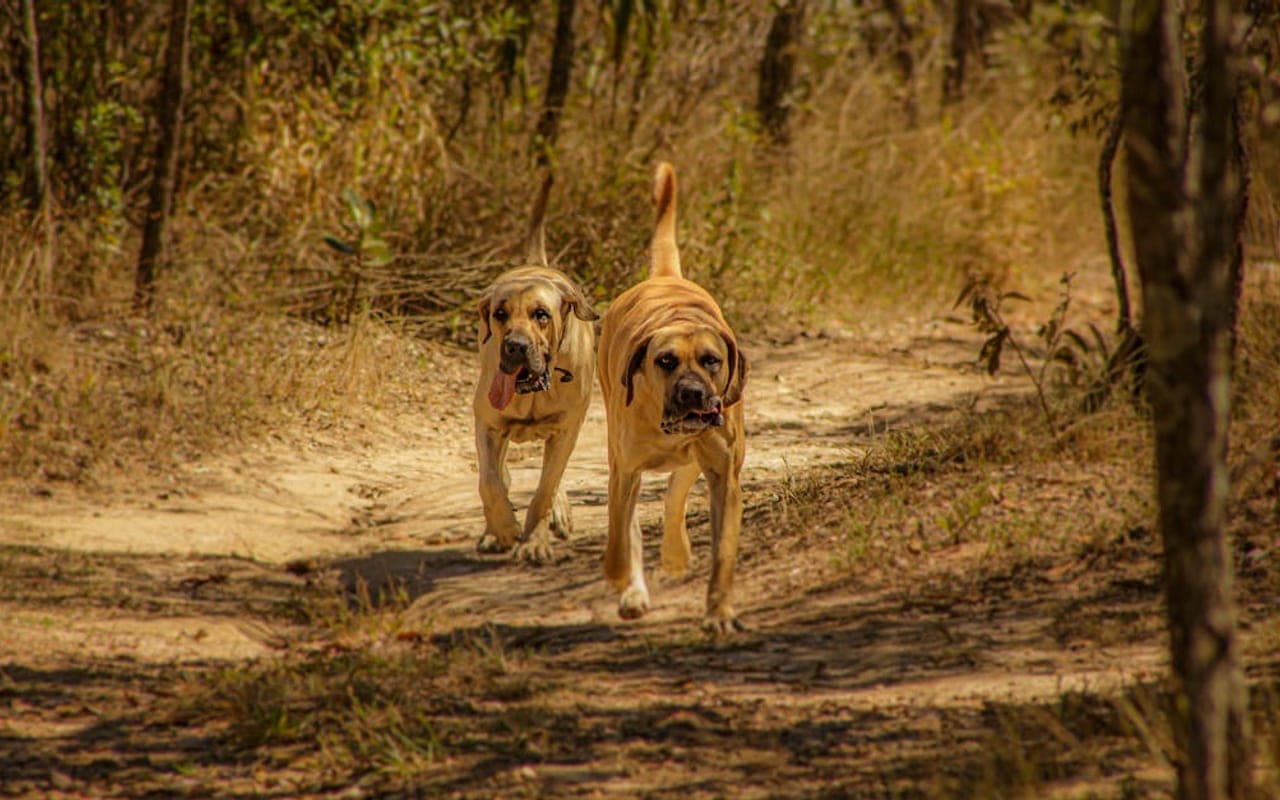
The Broholmer is a Danish mastiff — a 90-to-150-pound guardian with a wide, blocky head and a deceptively gentle disposition.
Size
88-154 lb
Lifespan
8-10 years
Exercise
30-60 minutes
Shedding
Moderate
Experience
Match to owner routine
Decision first
Is a Broholmer right for you?
Start with fit before history or trivia. These are ownership signals, not guarantees about any individual dog.
Best suited for
- Households with children.
- Homes with other compatible pets.
- Apartment homes with a consistent routine.
- Owners seeking a manageable daily exercise routine.
Think carefully if
- You need a dog with almost no daily routine.
- You cannot keep up with grooming and preventive care.
- The dog will spend most days alone without support.
Conditional fit
Apartment fit depends on exercise, enrichment, noise management, and outdoor access.
Daily reality
Broholmer commitment snapshot
Daily exercise
30-60 minutes
Match activity to age, health, weather, and training goals.
Coat care
Moderate
Grooming needs vary by coat, shedding, and lifestyle.
Time alone
Needs planning
Most dogs need gradual alone-time conditioning and support.
Structured facts
Broholmer at a glance
The measurements and traits that most affect day-to-day life with this breed.
Group
Foundation Stock Service
Weight
88-154 lb
Height
28-30 in
Lifespan
8-10 years
Temperament
Friendly | Watchful | Loving
View all characteristics and methodology
Lifestyle fit
- Apartment suitability
- Likely fit
- Child friendliness
- Often good, with socialisation and supervision
- Other-pet fit
- Often compatible with careful introductions
Owner commitment
- Exercise
- 30-60 minutes
- Grooming
- Moderate
- Shedding
- Moderate
- Training
- Moderate
Environment and health
- Health risk
- Needs planning
Ratings combine structured breed data, visible breed fields, and editorial context. They are planning aids, not predictions for an individual dog.
Daily life
Broholmer temperament and behavior
The Broholmer is a Danish mastiff — a 90-to-150-pound guardian with a wide, blocky head and a deceptively gentle disposition. If you have read that this breed is a low-key, low-maintenance giant, that is half the story. The temperament is genuinely soft: Broholmers are calm indoors, devoted to their family, tolerant of children and other household dogs, and far more interested in leaning their full weight against your leg than in patrolling a fence line. They are watchful rather than aggressive — the size does the deterring, not the behavior. That is the trait owners fall in love with, and it is real. What balanced sources will not tell you upfront is the cost structure of owning a giant. This is a breed that eats like a giant, ages like a giant, and incurs vet bills like a giant. A Broholmer reaches 110-150 lb (males) or 90-130 lb (females), and everything scales with that mass: food, anesthesia dosing, joint supplements, orthopedic beds, and the bills when a large joint or the stomach goes wrong. The published lifespan is short — roughly 8-10 years — and that number is not negotiable by good care alone; it is the giant-breed tax. The breed nearly went extinct after World War II and was rebuilt from a very small number of dogs in the 1970s. That bottleneck matters: the gene pool is narrow, so buying from a breeder who screens hips, elbows and hearts is not optional polish — it is the single biggest lever on whether your dog reaches its already-short life expectancy in comfort. Who the Broholmer is right for: an owner with space, a realistic giant-breed budget, and the emotional readiness for a shorter companionship in exchange for one of the most affectionate guardian temperaments in dogdom. Who it is wrong for: anyone drawn to the calm-giant image who has not priced out giant-breed veterinary care, or who wants 12-plus years with their dog.
Friendly | Watchful | Loving
Friendly
A common Broholmer temperament descriptor that should be interpreted alongside training, exercise, and household fit.
Watchful
A common Broholmer temperament descriptor that should be interpreted alongside training, exercise, and household fit.
Loving
A common Broholmer temperament descriptor that should be interpreted alongside training, exercise, and household fit.
Owner note
Temperament labels are starting points, not guarantees. Meet the individual dog and ask about behavior history whenever possible.
Care essentials
How to care for a Broholmer
What looking after one actually involves: exercise, grooming, food, training, and routine health.
ExerciseAs needed
- Moderately active breed needing 30-60 minutes of daily exercise through walks, play, and mental stimulation.
GroomingAs needed
- Regular grooming needed — brush 2-3 times per week and bathe monthly.
TrainingAs needed
- Moderately trainable — consistent, patient training with positive methods works best.
NutritionAs needed
- Feed a high-quality dog food appropriate for their age, size, and activity level. Monitor portions to prevent obesity.
Veterinary CareAs needed
- Annual wellness exams, core vaccinations, dental care, and parasite prevention. Breed-specific health screenings as recommended by your vet.
Health planning
Broholmer health risks and screening
Every breed has individual health variation. Use this profile for planning and discuss medical decisions with a veterinarian.
Responsible ownership
Finding a Broholmer responsibly
What to ask a breeder or rescue is the same conversation for every breed, so we keep it in one place and keep it current.
Health documentation, meeting the parents or foster, contracts and return support, and the warning signs worth walking away from.
Original purpose
Broholmer history
History is useful when it explains today's behavior, coat, exercise needs, and training style.
Read the breed history
The Broholmer takes its name from Sebastian Count Sehested of Broholm, a Danish estate where, in the 18th and 19th centuries, the breed was deliberately propagated from old Danish mastiff-type dogs used to guard farms, estates and the herds driven to city markets — the reason it was nicknamed "the butcher's dog." It was a working guardian long before it was a show dog. The breed's defining historical fact is its near-extinction. After the Second World War the Broholmer had all but vanished, and a 1974 Danish recovery program rebuilt the entire breed from a tiny pool of surviving dogs. Every Broholmer alive today descends from that small foundation. This bottleneck is not a trivia point — it is why genetic diversity is limited and why health screening of breeding stock carries unusual weight in this breed. The Broholmer entered the AKC Foundation Stock Service as a still-rare reconstructed breed, and remains uncommon outside Denmark.
Gallery
Broholmer photos
Images are cropped consistently and loaded progressively to keep the page responsive.
Lower-page context
Broholmers in culture
Where the breed shows up in film, sport, work and folklore — the enjoyable part, once the practical questions are answered.
Fun facts
- The Broholmer belongs to the Foundation Stock Service.
- The average lifespan of a Broholmer is 8 to 10 years.
- Broholmer dogs are valued for their friendly, watchful, loving nature.
Broholmer FAQs
How long do Broholmer dogs live?
A Broholmer typically lives about 8-10 years. That is short, and it is the giant-breed reality rather than a sign of poor care — large dogs simply age faster. You can protect the upper end of that range by keeping the dog lean its entire life, pacing growth as a puppy, screening for bloat risk, and buying from a breeder who tests hips, elbows and hearts given the breed's narrow gene pool. Good care defends the range; it does not extend the breed past it.
Are Broholmer dogs good with children?
Yes — temperamentally the Broholmer is one of the gentler giant guardians, calm and tolerant with children in its own family. The real risk is not aggression but physics: a 100-plus-pound dog that does not register its own size can knock a toddler down by simply turning around or leaning. Supervise interactions with small children, teach the dog a solid "off," and never leave a giant breed unsupervised with a child too small to get out from under it.
What is the biggest health risk in a Broholmer?
Bloat (gastric dilatation-volvulus) is the single fastest killer. The deep, wide chest of a mastiff predisposes the stomach to distend and twist, which is fatal within hours without emergency surgery. Feed two or three measured meals rather than one large one, avoid hard exercise around mealtimes, and seriously discuss a prophylactic gastropexy with your vet — often done at the same time as spay or neuter — because it dramatically lowers lifetime risk.
How much does it cost to own a Broholmer?
Expect giant-breed economics across the board. Beyond a purchase price typically in the $1,500-$3,000 range from a screening breeder, budget for large-volume food, weight-appropriate anesthesia and surgery (anesthesia and procedure costs scale with body mass), orthopedic support, and the realistic possibility of a $2,000-$5,000+ emergency for bloat or a major joint. The hidden cost is not any one bill — it is that everything a giant breed needs is priced by the pound.
Why does breeder screening matter so much for this breed?
The Broholmer was rebuilt after World War II from a very small number of surviving dogs in a 1974 Danish recovery program, so the entire modern gene pool is narrow. A limited founder population concentrates hereditary risk for hip and elbow dysplasia, cardiac disease and inherited eye conditions. Buying from a breeder who provides documented OFA/PennHIP hip and elbow results plus a cardiac evaluation is the highest-leverage decision you can make in a breed where the genetics start constrained.
Do Broholmers need a lot of exercise?
No — and over-exercising a young one is actively harmful. Adults are content with two moderate daily walks and a securely fenced yard; they are watchful homebodies, not endurance athletes. The critical caveat is the puppy: until growth plates close around 18-24 months, avoid forced jogging, repetitive stairs and jump training, because joint damage during the growth window in a giant breed is permanent and sets up early arthritis.
Sources
These are the published sources this page draws on. Each opens in a new tab so you can check it yourself.
American Kennel Club
Broholmer — breed standard and profile(opens in a new tab)Supports: Breed standard and recognition details.
Similar breeds to consider
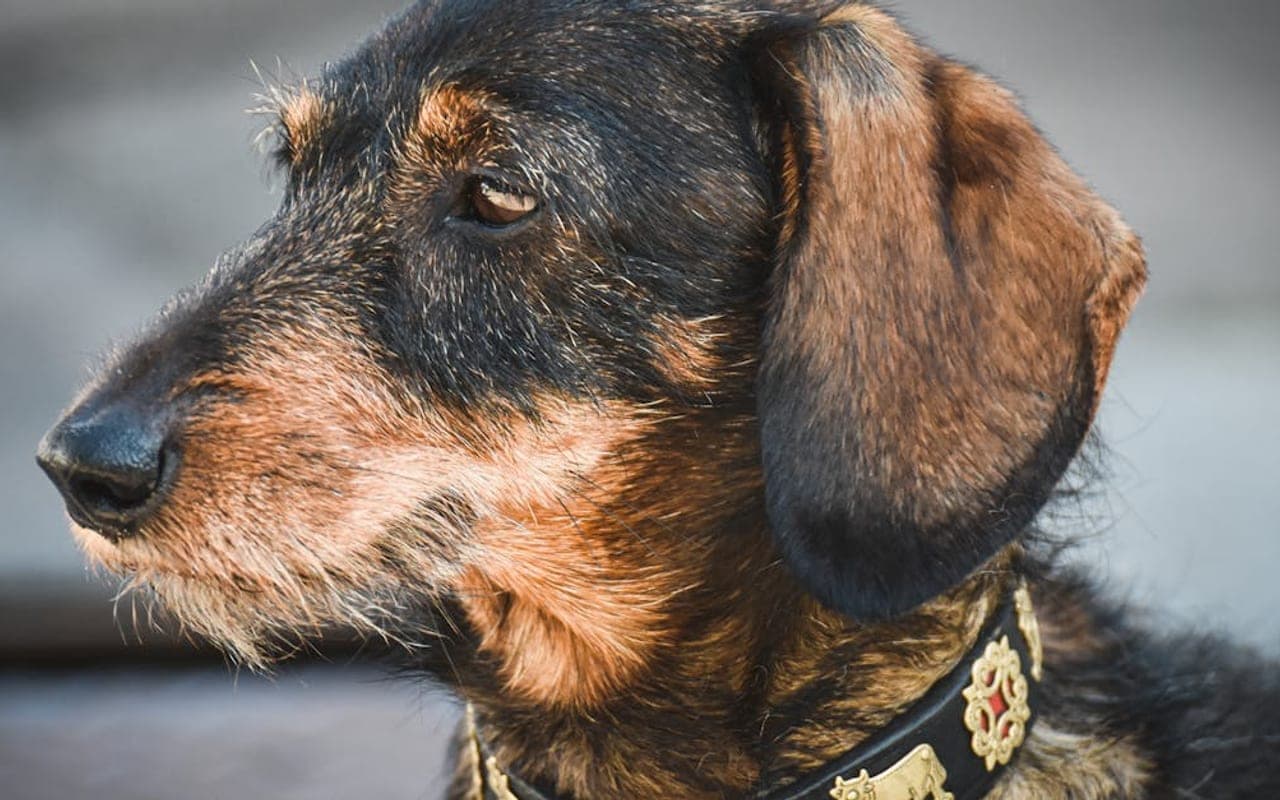
Jagdterrier
Also in the Foundation Stock Service group, with different care and temperament tradeoffs.
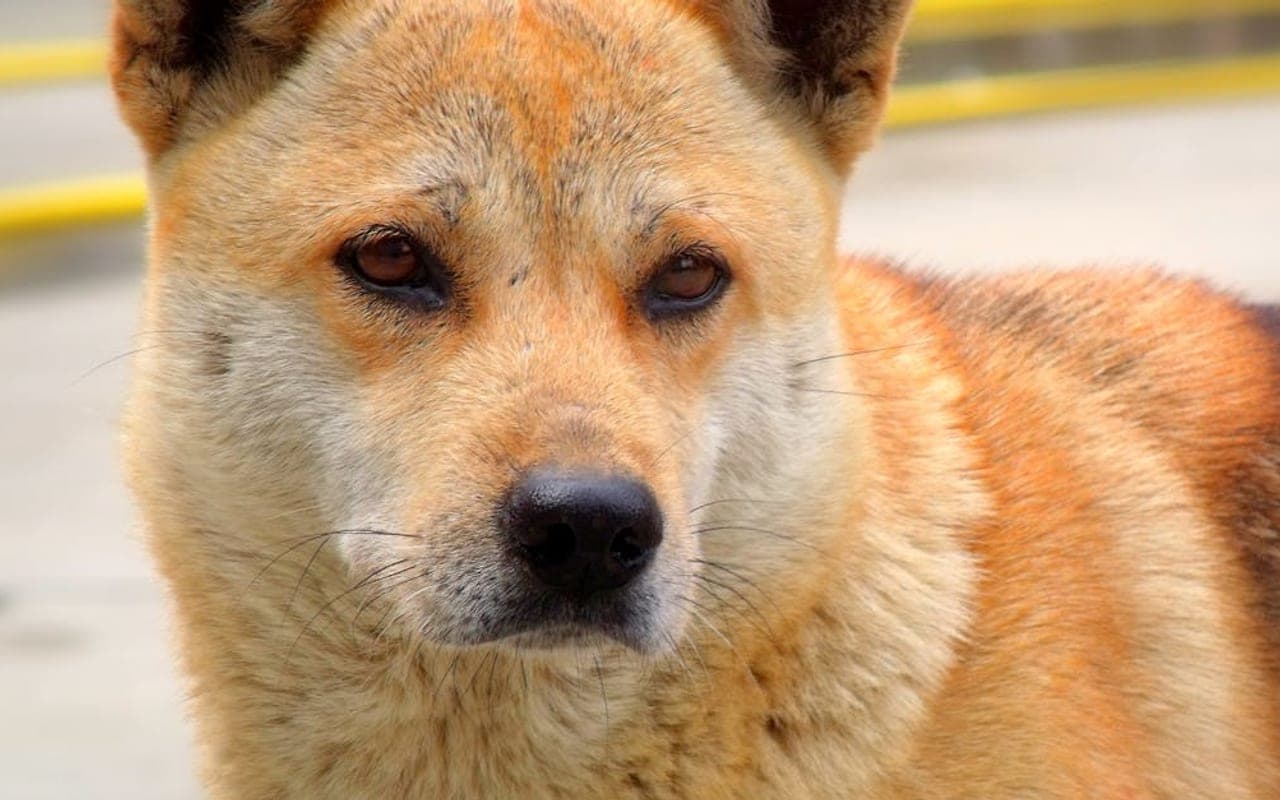
Jindo
Also in the Foundation Stock Service group, with different care and temperament tradeoffs.
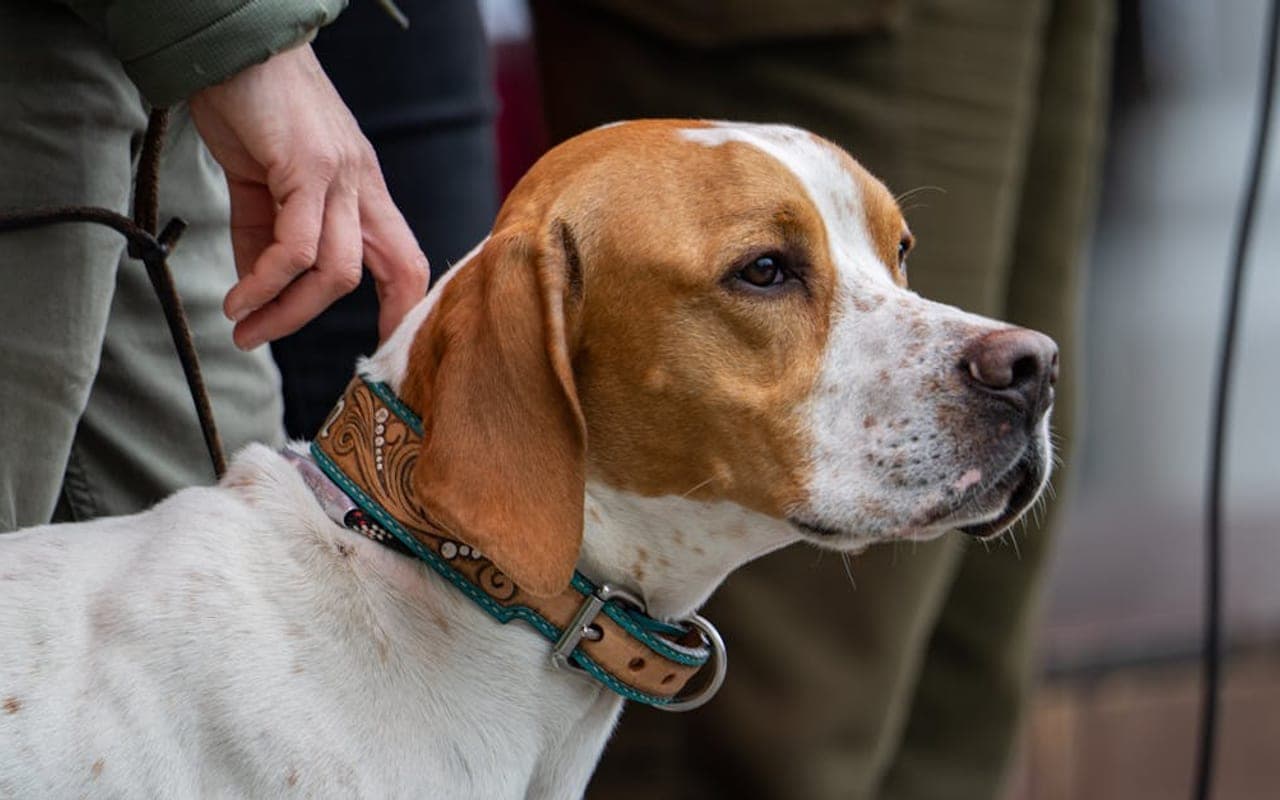
Portuguese Pointer
Also in the Foundation Stock Service group, with different care and temperament tradeoffs.
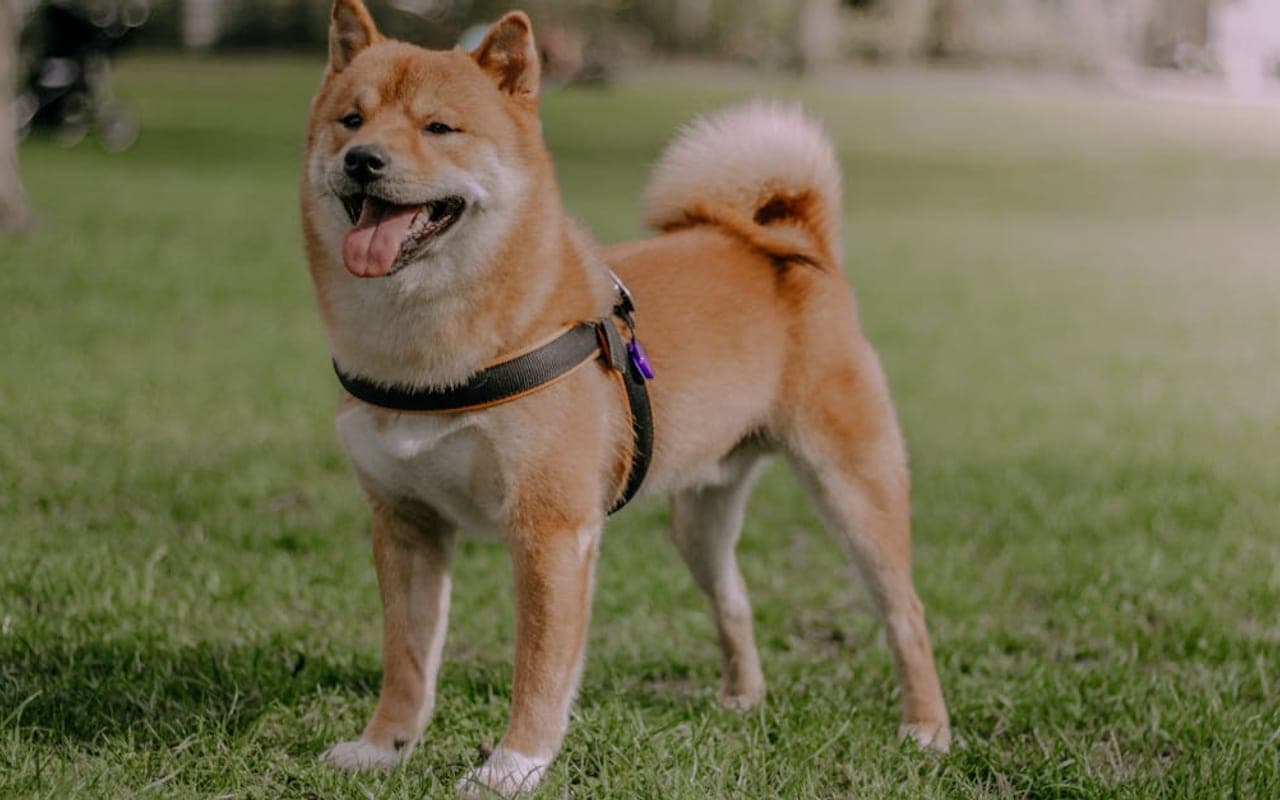
Kishu Ken
Also in the Foundation Stock Service group, with different care and temperament tradeoffs.
Explore More About Broholmer
Dive deeper into everything Broholmer — costs, care, and expert insights.
Considering a cat instead?
Browse Cats