
Herding group
Canaan Dog
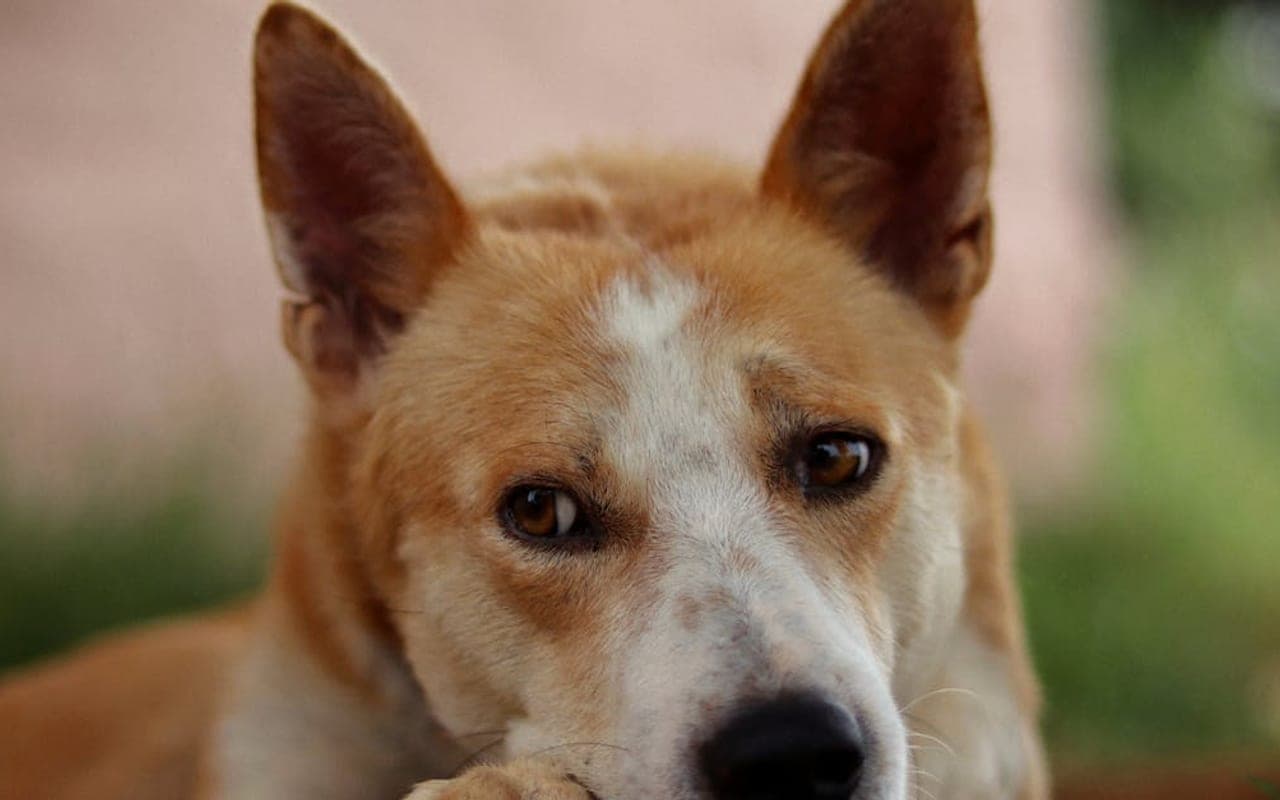
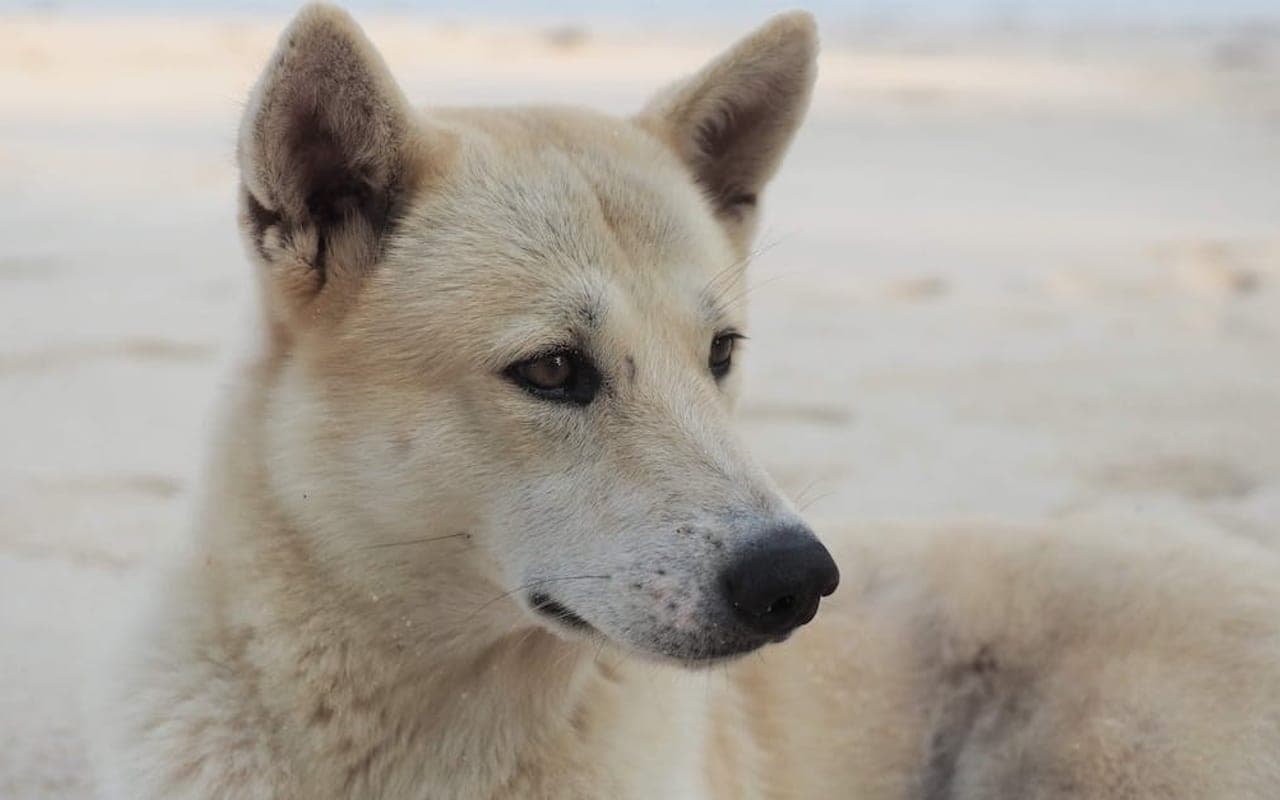
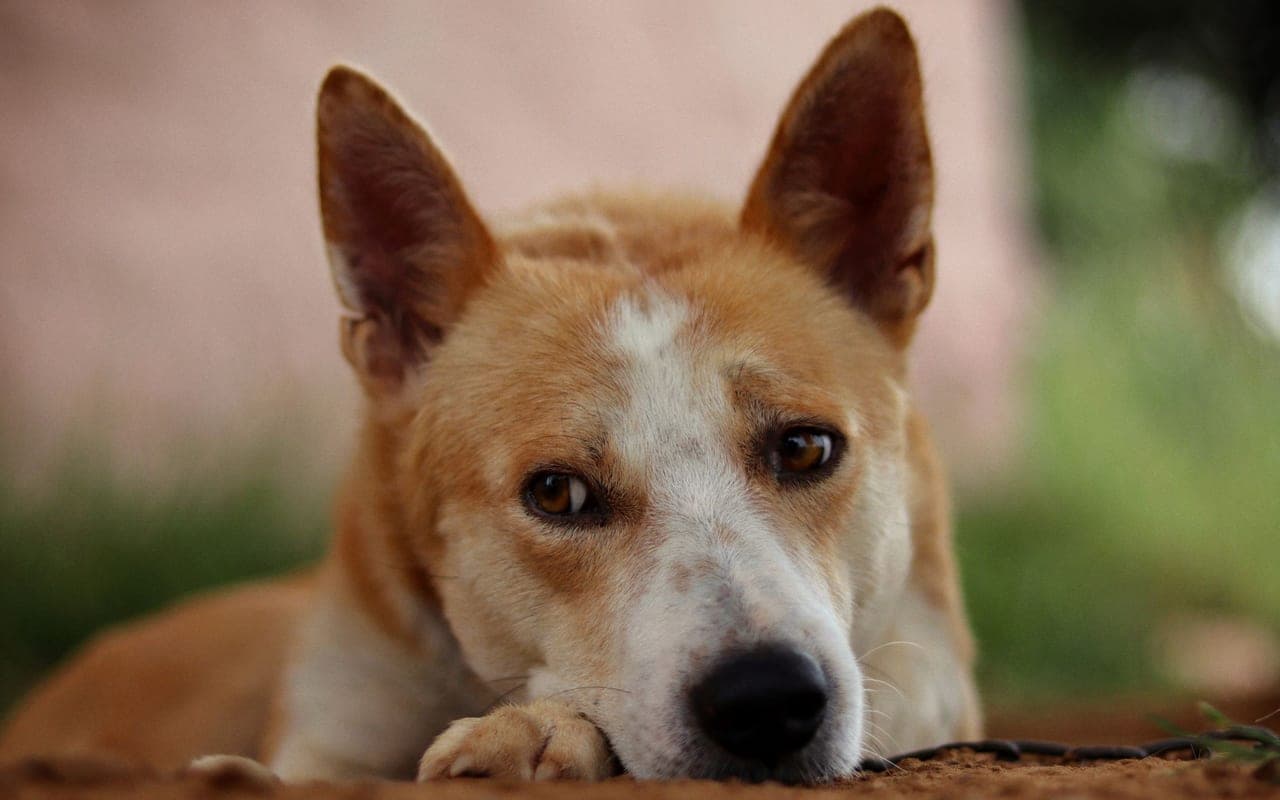
The Canaan Dog is a medium, square-built pariah-type herding and guard dog standing 19 to 24 inches and weighing about 35 to 55 pounds, with erect ears, a bushy curled tail, and a harsh weather-resistant double coat.

Size
35-55 lb
Lifespan
12-15 years
Exercise
30-60 minutes
Shedding
Low
Experience
Match to owner routine
Decision first
Is a Canaan Dog right for you?
Start with fit before history or trivia. These are ownership signals, not guarantees about any individual dog.
Best suited for
- Households with children.
- Homes with other compatible pets.
- Apartment homes with a consistent routine.
- Owners seeking a manageable daily exercise routine.
Think carefully if
- You need a dog with almost no daily routine.
- You cannot keep up with grooming and preventive care.
- The dog will spend most days alone without support.
Conditional fit
Apartment fit depends on exercise, enrichment, noise management, and outdoor access.
Daily reality
Canaan Dog commitment snapshot
Daily exercise
30-60 minutes
Match activity to age, health, weather, and training goals.
Coat care
Moderate
Grooming needs vary by coat, shedding, and lifestyle.
Time alone
Needs planning
Most dogs need gradual alone-time conditioning and support.
Structured facts
Canaan Dog at a glance
The measurements and traits that most affect day-to-day life with this breed.
Group
Herding
Weight
35-55 lb
Height
19-24 in
Lifespan
12-15 years
Temperament
Confident | Alert | Vigilant
View all characteristics and methodology
Lifestyle fit
- Apartment suitability
- Likely fit
- Child friendliness
- Often good, with socialisation and supervision
- Other-pet fit
- Often compatible with careful introductions
Owner commitment
- Exercise
- 30-60 minutes
- Grooming
- Moderate
- Shedding
- Low
- Training
- Moderate
Environment and health
- Health risk
- Needs planning
Ratings combine structured breed data, visible breed fields, and editorial context. They are planning aids, not predictions for an individual dog.
Daily life
Canaan Dog temperament and behavior
The Canaan Dog is a medium, square-built pariah-type herding and guard dog standing 19 to 24 inches and weighing about 35 to 55 pounds, with erect ears, a bushy curled tail, and a harsh weather-resistant double coat. It is the national dog of Israel and one of the few modern breeds developed from a still-living wild/semi-feral landrace, which makes its instincts unusually intact and unusually important to understand before buying. This is not a soft, eager-to-please companion breed wearing a wild coat. The Canaan is genuinely primitive in temperament: highly intelligent, intensely territorial, naturally suspicious of strangers and novelty, alert to the point of vocal, and independent rather than biddable. Those traits made it survive in the desert and guard Bedouin camps; in a suburban house they read as barking at every passerby, distrust of visitors, same-sex dog reactivity, and a dog that decides whether your command is worth following. Properly raised, a Canaan is a devoted, clean, low-odor, low-shedding (except seasonally) family guardian that is gentle with its own people and an exceptional watchdog. Improperly socialized, it becomes a fearful, fence-charging, hard-to-handle liability. The difference is almost entirely early, heavy, lifelong socialization and a fair, consistent owner who is unmistakably the decision-maker. Who the Canaan is right for: an experienced owner who wants a natural watchdog, will invest in extensive socialization from puppyhood, uses positive but firm training, and accepts a vocal, aloof, territorial dog. Who it is wrong for: first-time owners, people wanting a friendly dog-park social butterfly, households with constant strangers and no tolerance for barking, or anyone expecting golden-retriever obedience. The intelligence is real; so is the independence and the suspicion.
Confident | Alert | Vigilant
Confident
A common Canaan Dog temperament descriptor that should be interpreted alongside training, exercise, and household fit.
Alert
A common Canaan Dog temperament descriptor that should be interpreted alongside training, exercise, and household fit.
Vigilant
A common Canaan Dog temperament descriptor that should be interpreted alongside training, exercise, and household fit.
Owner note
Temperament labels are starting points, not guarantees. Meet the individual dog and ask about behavior history whenever possible.
Care essentials
How to care for a Canaan Dog
What looking after one actually involves: exercise, grooming, food, training, and routine health.
ExerciseAs needed
- Moderately active breed needing 30-60 minutes of daily exercise through walks, play, and mental stimulation.
GroomingAs needed
- Regular grooming needed — brush 2-3 times per week and bathe monthly.
TrainingAs needed
- Moderately trainable — consistent, patient training with positive methods works best.
NutritionAs needed
- Feed a high-quality dog food appropriate for their age, size, and activity level. Monitor portions to prevent obesity.
Veterinary CareAs needed
- Annual wellness exams, core vaccinations, dental care, and parasite prevention. Breed-specific health screenings as recommended by your vet.
Health planning
Canaan Dog health risks and screening
Every breed has individual health variation. Use this profile for planning and discuss medical decisions with a veterinarian.
Responsible ownership
Finding a Canaan Dog responsibly
What to ask a breeder or rescue is the same conversation for every breed, so we keep it in one place and keep it current.
Health documentation, meeting the parents or foster, contracts and return support, and the warning signs worth walking away from.
Original purpose
Canaan Dog history
History is useful when it explains today's behavior, coat, exercise needs, and training style.
Read the breed history
The Canaan Dog descends from the ancient pariah dogs of the Middle East — free-living dogs that have inhabited the region for thousands of years and appear in archaeological art. In the 1930s, Dr. Rudolphina Menzel was tasked with developing a working guard and patrol dog suited to the harsh local environment; she collected semi-wild desert dogs and Bedouin camp dogs and bred them into the modern Canaan Dog, used for sentry, messenger, and mine-detection work. It became the national dog of Israel and one of the AKC's oldest recognized breed lineages despite relatively recent formal standardization. Crucially, the Canaan is only a few generations removed from a still-existing wild landrace, so its primitive instincts — territoriality, stranger-wariness, environmental hardiness, and independent problem-solving — are intact rather than diluted. For an owner that history is not trivia: it is the direct explanation for why this breed must be socialized harder and led more fairly than a conventional companion breed.
Gallery
Canaan Dog photos
Images are cropped consistently and loaded progressively to keep the page responsive.
Lower-page context
Canaan Dogs in culture
Where the breed shows up in film, sport, work and folklore — the enjoyable part, once the practical questions are answered.
Fun facts
- The Canaan Dog belongs to the Herding Group.
- With proper care, Canaan Dog dogs can live up to 15 years or more.
- Canaan Dog dogs are valued for their confident, alert, vigilant nature.
Canaan Dog FAQs
How long do Canaan Dogs live?
A healthy Canaan Dog typically lives 12 to 15 years and is, by purebred standards, an unusually robust breed — a direct benefit of its semi-wild landrace origin and comparatively diverse gene pool. The conditions most likely to affect that span are screenable orthopedic issues (hips, elbows), hypothyroidism, and epilepsy, none of which usually shortens life dramatically when managed. Buying from a breeder who does the parent-club-recommended health testing is the single biggest lever on getting a Canaan that lives the full range in good health.
Are Canaan Dogs good with children?
Yes with their own family's children — Canaans are gentle, devoted, and protective of their household, and many are excellent with kids they are raised with. The important qualifiers are stranger-wariness and territoriality: visiting children and unfamiliar kids should be introduced carefully and supervised, because the breed's instinct is to guard, not to greet. Early heavy socialization is what makes the difference between a steady family guardian and a dog that is overwhelmed by children's noise and movement, so it is not optional with this breed.
Are Canaan Dogs good for first-time dog owners?
Generally no. The Canaan is intelligent and clean and physically easy to keep, but its primitive temperament — independence, suspicion of strangers, territorial barking, and resistance to repetitive obedience — demands an owner who can socialize relentlessly and lead fairly without harshness. First-time owners often misread the aloofness as stubbornness and either over-correct (which shuts the dog down) or under-socialize (which produces fear-reactivity). An experienced owner who understands primitive breeds will do well; an unprepared one usually ends up with a difficult dog.
Do Canaan Dogs bark a lot?
Yes — alert-barking is core breed behavior, not a trainable-away flaw. They were bred as camp watchdogs and will vocally announce people, animals, and changes in their territory. You can manage it substantially by teaching a reliable 'enough' or 'quiet' cue from puppyhood, providing enough mental and physical work to reduce boredom-barking, and not leaving the dog idle with a view of constant foot traffic. If a quiet dog is non-negotiable for your home or neighbors, this is the wrong breed; plan to manage the barking, not eliminate it.
How much grooming does a Canaan Dog need?
Very little most of the year. The harsh double coat is largely self-cleaning, low-odor, and dirt-shedding, so a weekly brush and infrequent baths are enough. The exception is the seasonal coat blow — typically twice a year — when the undercoat releases heavily and daily brushing for 2-3 weeks is needed to control the shed and prevent skin issues. Outside those few weeks, the Canaan is one of the lower-maintenance coats among medium working breeds, which is one of its genuine practical advantages.
Sources
These are the published sources this page draws on. Each opens in a new tab so you can check it yourself.
American Kennel Club
Canaan Dog — breed standard and profile(opens in a new tab)Supports: Breed standard and recognition details.
Similar breeds to consider
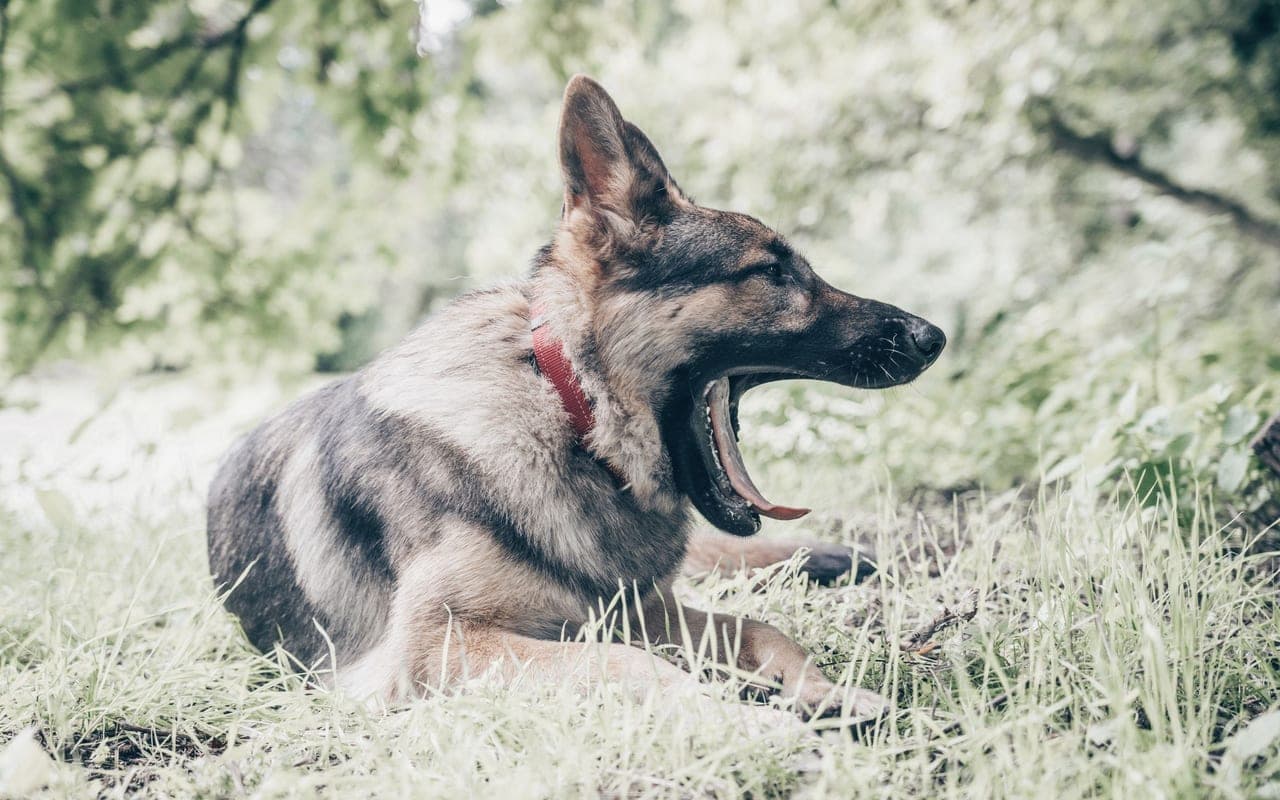
German Shepherd
Also in the Herding group, with different care and temperament tradeoffs.
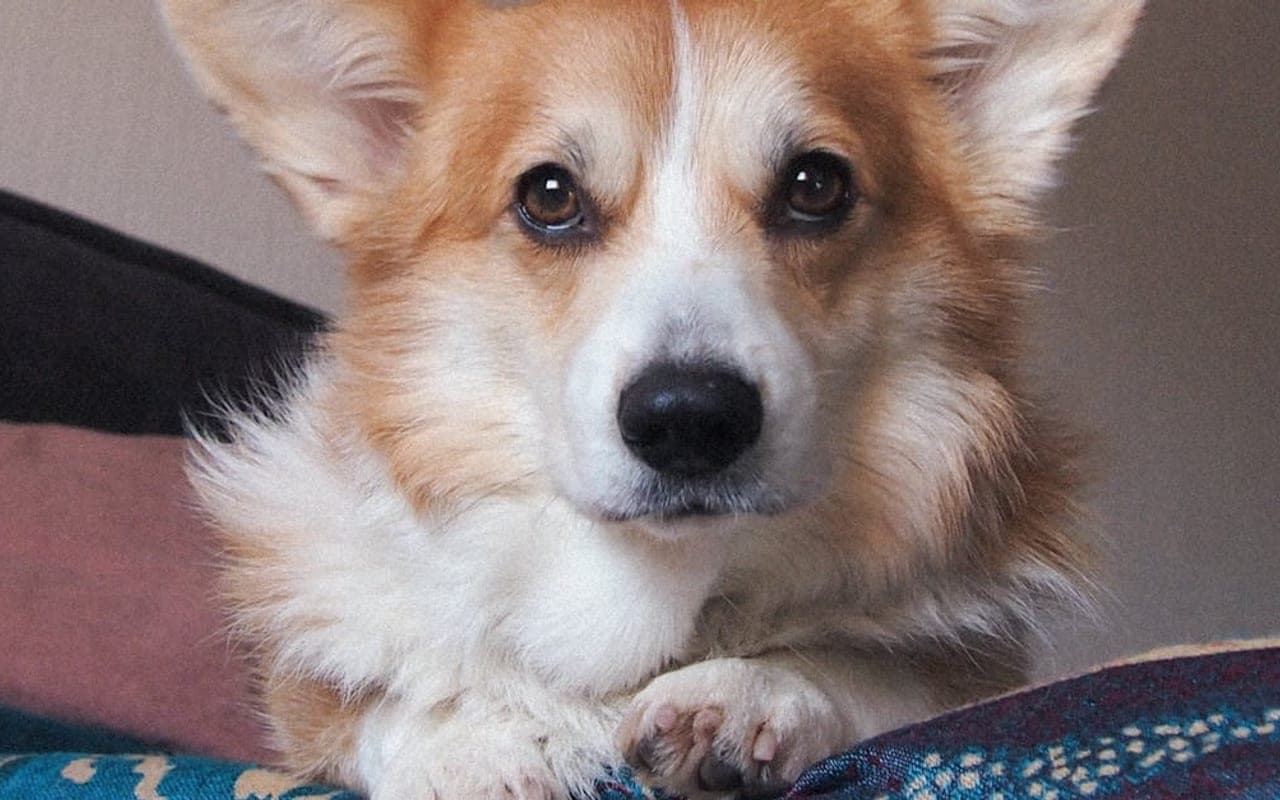
Pembroke Welsh Corgi
Also in the Herding group, with different care and temperament tradeoffs.
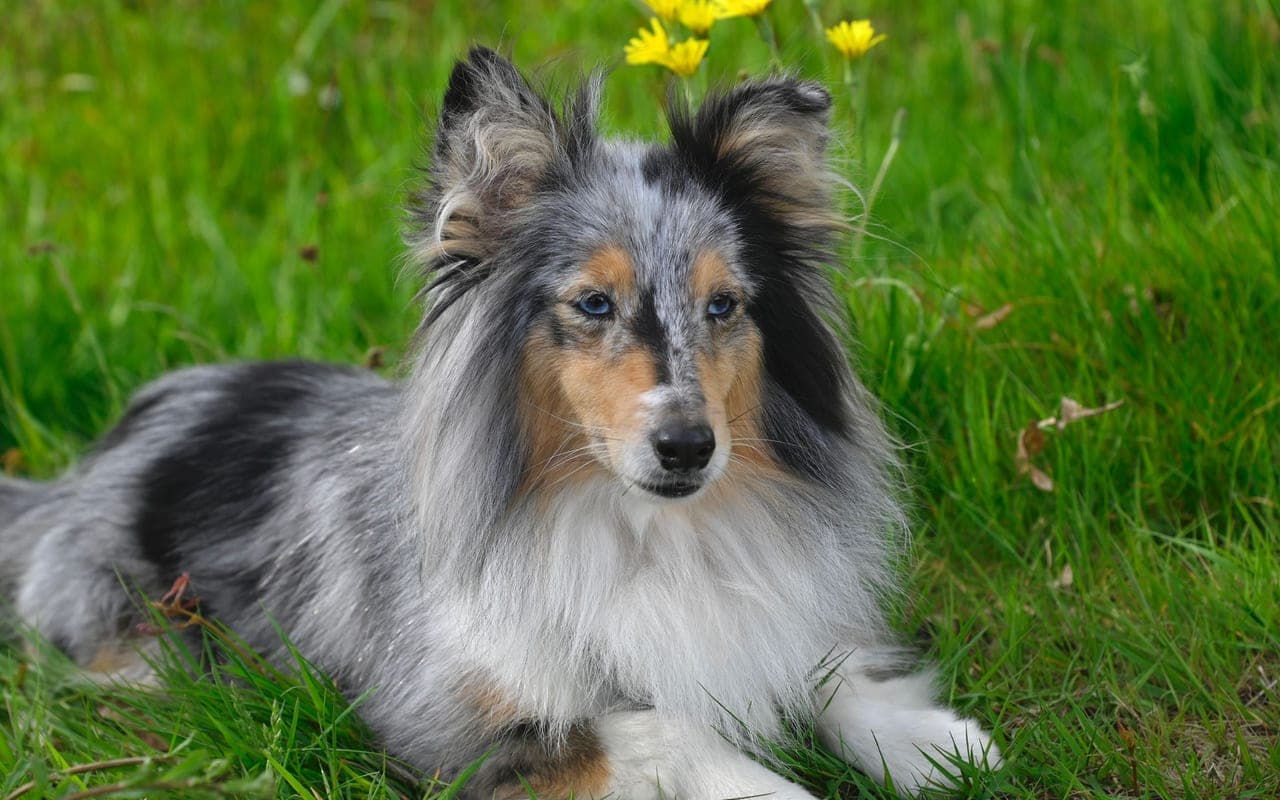
Shetland Sheepdog
Also in the Herding group, with different care and temperament tradeoffs.
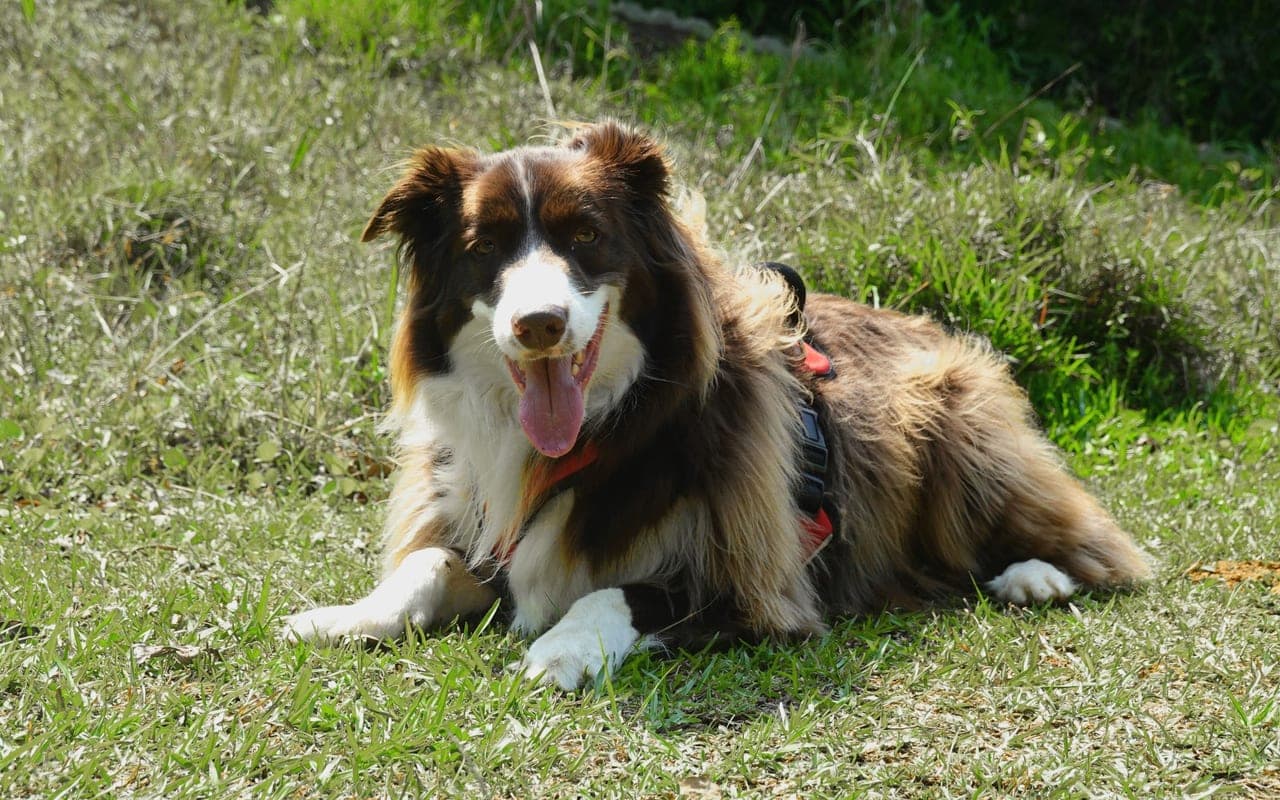
Border Collie
Also in the Herding group, with different care and temperament tradeoffs.
Explore More About Canaan Dog
Dive deeper into everything Canaan Dog — costs, care, and expert insights.
Considering a cat instead?
Browse Cats