
Foundation Stock Service group
Catahoula Leopard Dog
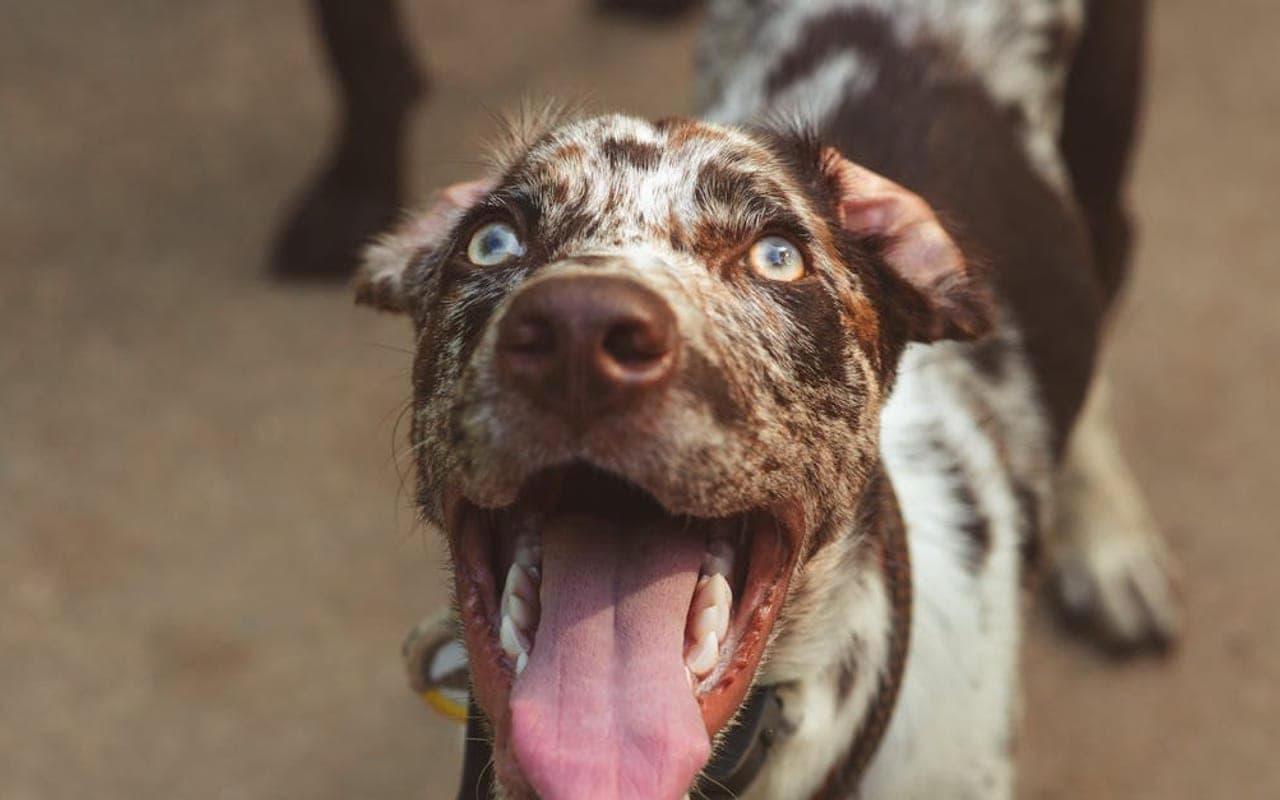
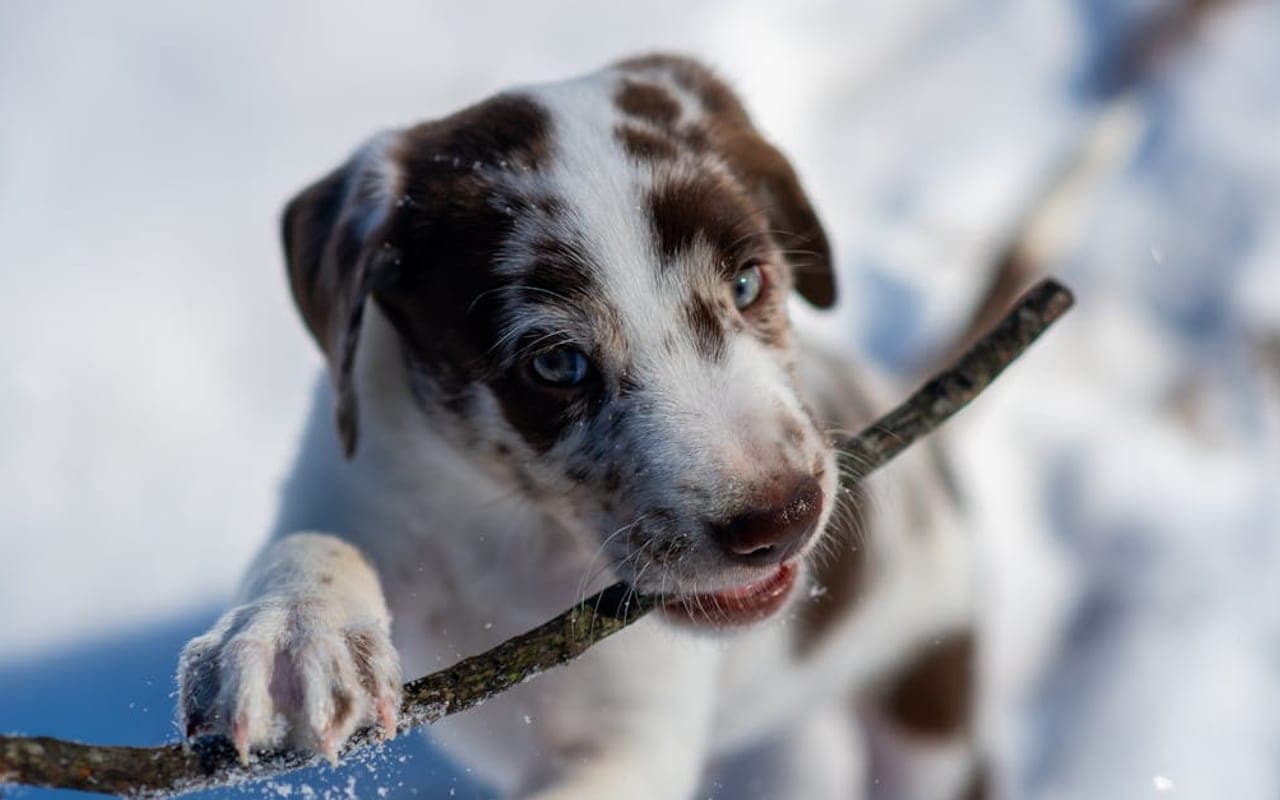
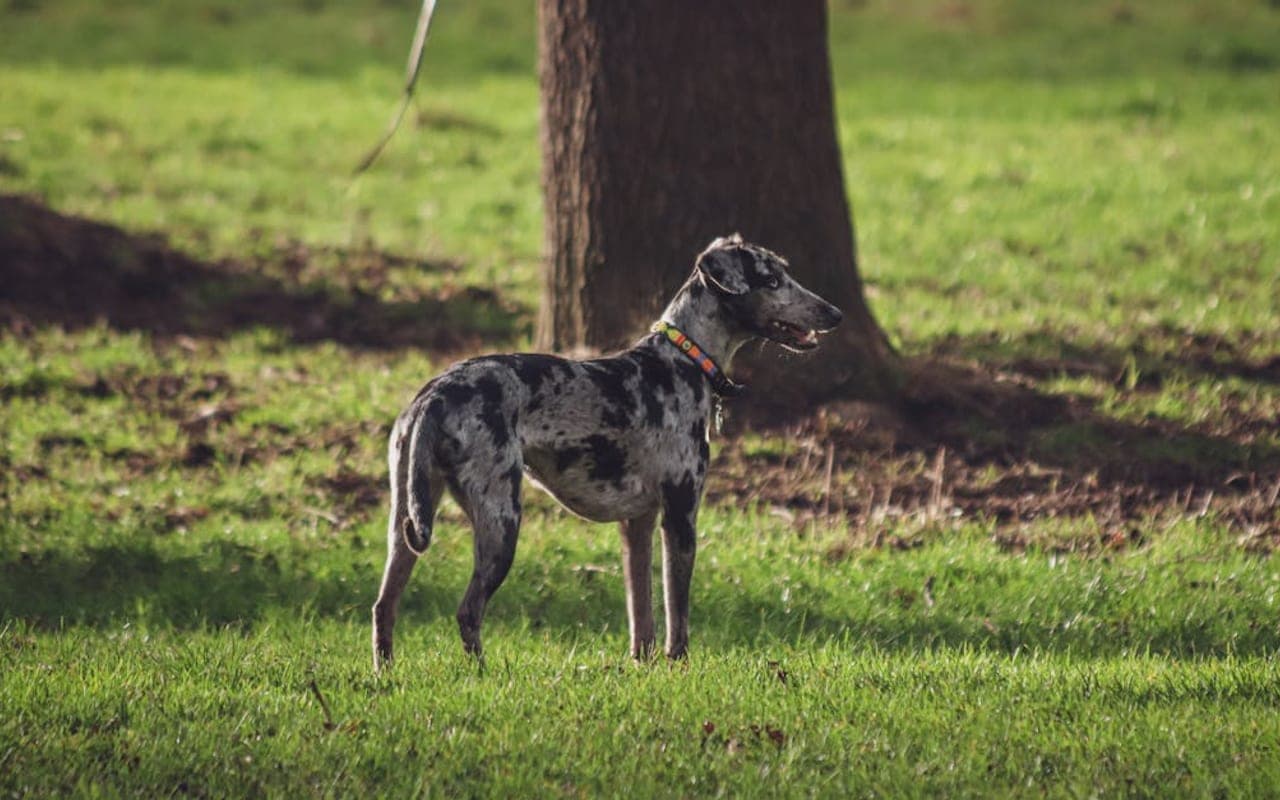
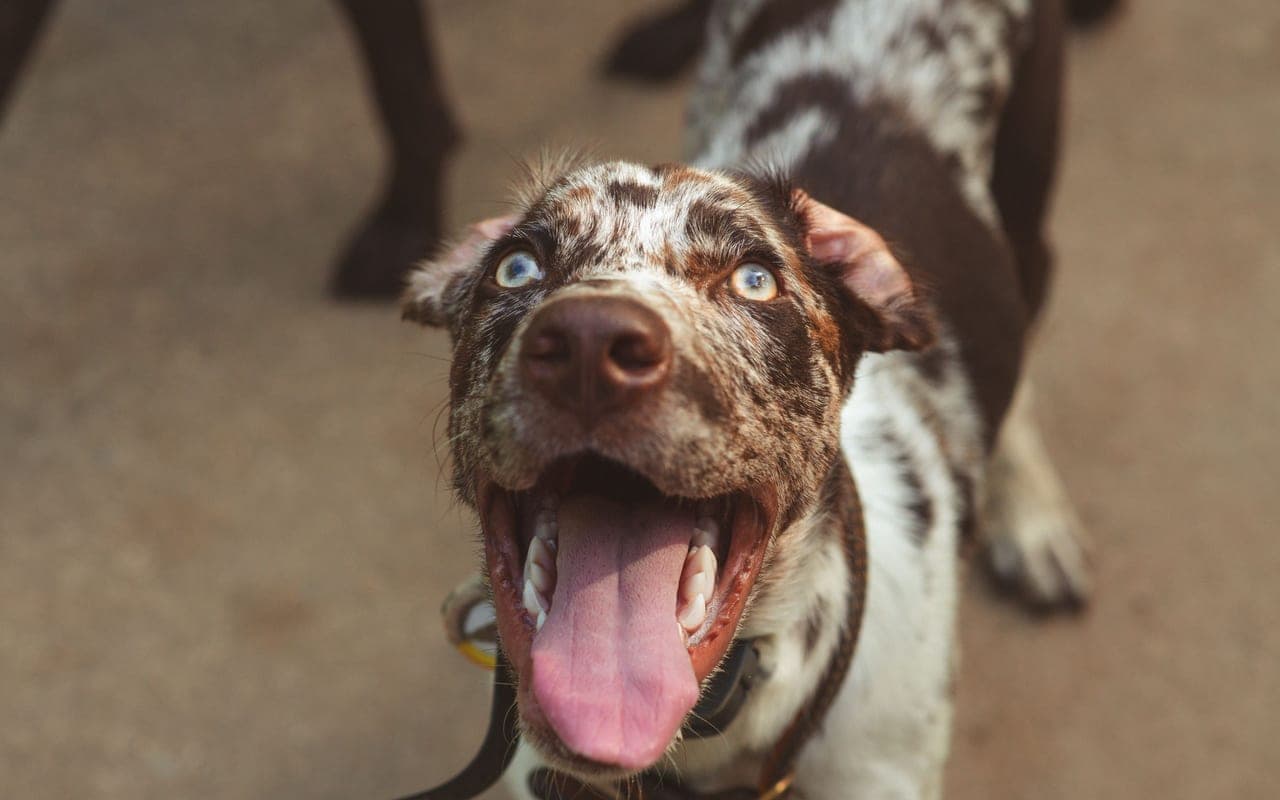
The Catahoula Leopard Dog is a working hog and stock dog from Louisiana — a serious, independent, territorial breed that is far more dog than the striking merle coat and glass-blue eyes suggest.
Size
49-90 lb
Lifespan
10-14 years
Exercise
20-40 minutes
Shedding
Moderate
Experience
Match to owner routine
Decision first
Is a Catahoula Leopard Dog right for you?
Start with fit before history or trivia. These are ownership signals, not guarantees about any individual dog.
Best suited for
- Households with children.
- Homes with other compatible pets.
- Owners seeking a manageable daily exercise routine.
Think carefully if
- You need a dog with almost no daily routine.
- You cannot keep up with grooming and preventive care.
- The dog will spend most days alone without support.
Conditional fit
Apartment living may be difficult unless the owner can meet the breed's exercise, training, and space needs.
Daily reality
Catahoula Leopard Dog commitment snapshot
Daily exercise
20-40 minutes
Match activity to age, health, weather, and training goals.
Coat care
Moderate
Grooming needs vary by coat, shedding, and lifestyle.
Time alone
Needs planning
Most dogs need gradual alone-time conditioning and support.
Structured facts
Catahoula Leopard Dog at a glance
The measurements and traits that most affect day-to-day life with this breed.
Group
Foundation Stock Service
Weight
49-90 lb
Height
20-26 in
Lifespan
10-14 years
Temperament
Loyal | Independent | Watchful
View all characteristics and methodology
Lifestyle fit
- Apartment suitability
- Needs caution
- Child friendliness
- Often good, with socialisation and supervision
- Other-pet fit
- Often compatible with careful introductions
Owner commitment
- Exercise
- 20-40 minutes
- Grooming
- Moderate
- Shedding
- Moderate
- Training
- Moderate
Environment and health
- Health risk
- Needs planning
Ratings combine structured breed data, visible breed fields, and editorial context. They are planning aids, not predictions for an individual dog.
Daily life
Catahoula Leopard Dog temperament and behavior
The Catahoula Leopard Dog is a working hog and stock dog from Louisiana — a serious, independent, territorial breed that is far more dog than the striking merle coat and glass-blue eyes suggest. The name comes from a Choctaw word for 'sacred lake', and it is the only breed historically native to Louisiana, developed to bay and drive feral hogs and cattle across swamp and timber. That job is the breed: a 40-90 lb, athletic, weather-hardy dog with a high prey drive, a low tolerance for being mishandled, and an instinct to make its own decisions when working out of sight of a handler. This is not a beginner's dog and not a casual family pet. A well-raised Catahoula is loyal, protective, and gentle with its own people once it understands its place in the household, but it is wary of strangers, will assert itself if pushed, and needs early, sustained socialization and firm, fair leadership. Under-exercised or under-led, the same drive that makes it a phenomenal stock dog turns into fence-running, destruction, same-sex dog aggression, and a hard-to-contain escape artist. The Catahoula is right for an active owner who hunts, farms, dog-sports, or commits to 60-90 minutes of real physical and mental work daily and wants a one-family guardian-companion. It is wrong for apartment life, for first-time owners, for homes with constant visitors or small uncontrolled pets, and — critically — for anyone shopping by color. The white-heavy 'double merle' pattern (two merle-carrying parents) is the single biggest mistake buyers make: those dogs are far more likely to be born deaf, blind, or both. Buy this breed for its working brain and temperament, never for the leopard coat.
Loyal | Independent | Watchful
Loyal
A common Catahoula Leopard Dog temperament descriptor that should be interpreted alongside training, exercise, and household fit.
Independent
A common Catahoula Leopard Dog temperament descriptor that should be interpreted alongside training, exercise, and household fit.
Watchful
A common Catahoula Leopard Dog temperament descriptor that should be interpreted alongside training, exercise, and household fit.
Owner note
Temperament labels are starting points, not guarantees. Meet the individual dog and ask about behavior history whenever possible.
Care essentials
How to care for a Catahoula Leopard Dog
What looking after one actually involves: exercise, grooming, food, training, and routine health.
ExerciseAs needed
- Lower-energy breed that is content with daily walks and moderate play. Avoid over-exercising.
GroomingAs needed
- Regular grooming needed — brush 2-3 times per week and bathe monthly.
TrainingAs needed
- Moderately trainable — consistent, patient training with positive methods works best.
NutritionAs needed
- Feed a high-quality dog food appropriate for their age, size, and activity level. Monitor portions to prevent obesity.
Veterinary CareAs needed
- Annual wellness exams, core vaccinations, dental care, and parasite prevention. Breed-specific health screenings as recommended by your vet.
Health planning
Catahoula Leopard Dog health risks and screening
Every breed has individual health variation. Use this profile for planning and discuss medical decisions with a veterinarian.
Responsible ownership
Finding a Catahoula Leopard Dog responsibly
What to ask a breeder or rescue is the same conversation for every breed, so we keep it in one place and keep it current.
Health documentation, meeting the parents or foster, contracts and return support, and the warning signs worth walking away from.
Original purpose
Catahoula Leopard Dog history
History is useful when it explains today's behavior, coat, exercise needs, and training style.
Read the breed history
The Catahoula Leopard Dog developed in northern Louisiana, almost certainly from crosses between dogs kept by Indigenous peoples, dogs left by Spanish explorers, and later working stock and herding dogs brought by settlers. It is the only dog breed historically originating in Louisiana and was named the state dog of Louisiana in 1979. It was bred for a brutal practical job: locating, baying, and driving half-wild hogs and cattle out of dense Southern swamp and bottomland forest, work that demanded independence, grit, stamina, and a dog that could think and act alone at a distance from its handler. Those traits — self-reliance, territoriality, intensity, and willingness to confront — are not flaws to train out; they are the breed's purpose and explain why it needs experienced, structured handling. The American Kennel Club records it in its Foundation Stock Service, and dedicated breed registries maintain its working lines and varied coat and eye patterns.
Gallery
Catahoula Leopard Dog photos
Images are cropped consistently and loaded progressively to keep the page responsive.
Lower-page context
Catahoula Leopard Dogs in culture
Where the breed shows up in film, sport, work and folklore — the enjoyable part, once the practical questions are answered.
Fun facts
- The Catahoula Leopard Dog belongs to the Foundation Stock Service.
- The average lifespan of a Catahoula Leopard Dog is 10 to 14 years.
- Catahoula Leopard Dog dogs are valued for their loyal, independent, watchful nature.
Catahoula Leopard Dog FAQs
How long do Catahoula Leopard Dogs live?
A Catahoula typically lives about 10-14 years. The biggest levers on lifespan are keeping the dog lean to protect its hips, screening breeding stock for hip dysplasia and eye disease, and avoiding double-merle breeding entirely. A working-line Catahoula kept fit and mentally occupied tends to age well; an overweight, under-exercised one develops joint disease and the secondary problems that come with it years earlier.
Are Catahoula Leopard Dogs good with children?
They can be devoted and gentle with the children of their own family once well-socialized and securely bonded, but this is a high-drive, territorial, strong-willed breed that needs supervision around kids and is wary of visiting children. It is not an automatic 'good with kids' family dog. Early socialization, firm structure, and never leaving young children unsupervised with any powerful guarding breed are non-negotiable here. Households with constant child traffic and visitors are usually a poor fit.
How much exercise does a Catahoula Leopard Dog need?
A lot — plan 60-90 minutes of vigorous physical work daily plus 15-20 minutes of training or problem-solving. This breed was built to drive hogs through swamp for hours; a neighborhood walk does not touch its needs. Running, swimming, hiking, herding, scent work, or dog sports all qualify. An under-exercised Catahoula becomes destructive, reactive, and an escape artist within weeks, which is the single most common reason these dogs are surrendered.
Are Catahoula Leopard Dogs easy to train?
They are highly intelligent but independent and strong-willed — trainable, but not biddable like a retriever. They were bred to make decisions alone at a distance, so they question handlers and need firm, fair, consistent leadership and early socialization rather than harsh correction or permissiveness. First-time owners usually struggle. If your dog is deaf, start hand-signal and vibration training immediately; deaf Catahoulas train well but require a different communication system from day one.
Why shouldn't I buy a white or 'double merle' Catahoula?
Because mating two merle-patterned dogs gives roughly a 25% chance of 'double merle' puppies that are mostly white and far more likely to be born deaf, blind with abnormally small or malformed eyes, or both. These are serious, lifelong, preventable disabilities caused entirely by the breeding pairing, not bad luck. Buy from breeders who never pair two merles, ask for BAER hearing results, and choose for working temperament — never select a Catahoula for the leopard coat or blue eyes.
Can a Catahoula Leopard Dog live in an apartment?
It is a poor fit. This is a 40-90 lb working breed with intense exercise needs, a guarding temperament, strong territoriality, and a tendency to vocalize and react to activity — all of which clash with apartment life and close neighbors. It needs a securely fenced yard (6-foot, never invisible fencing, which a deaf dog cannot respond to) and a job. An owner with a rural or active lifestyle and real daily work for the dog is the right home; an apartment without that is a setup for behavior problems and surrender.
Sources
These are the published sources this page draws on. Each opens in a new tab so you can check it yourself.
American Kennel Club
Catahoula Leopard Dog — breed standard and profile(opens in a new tab)Supports: Breed standard and recognition details.
Similar breeds to consider
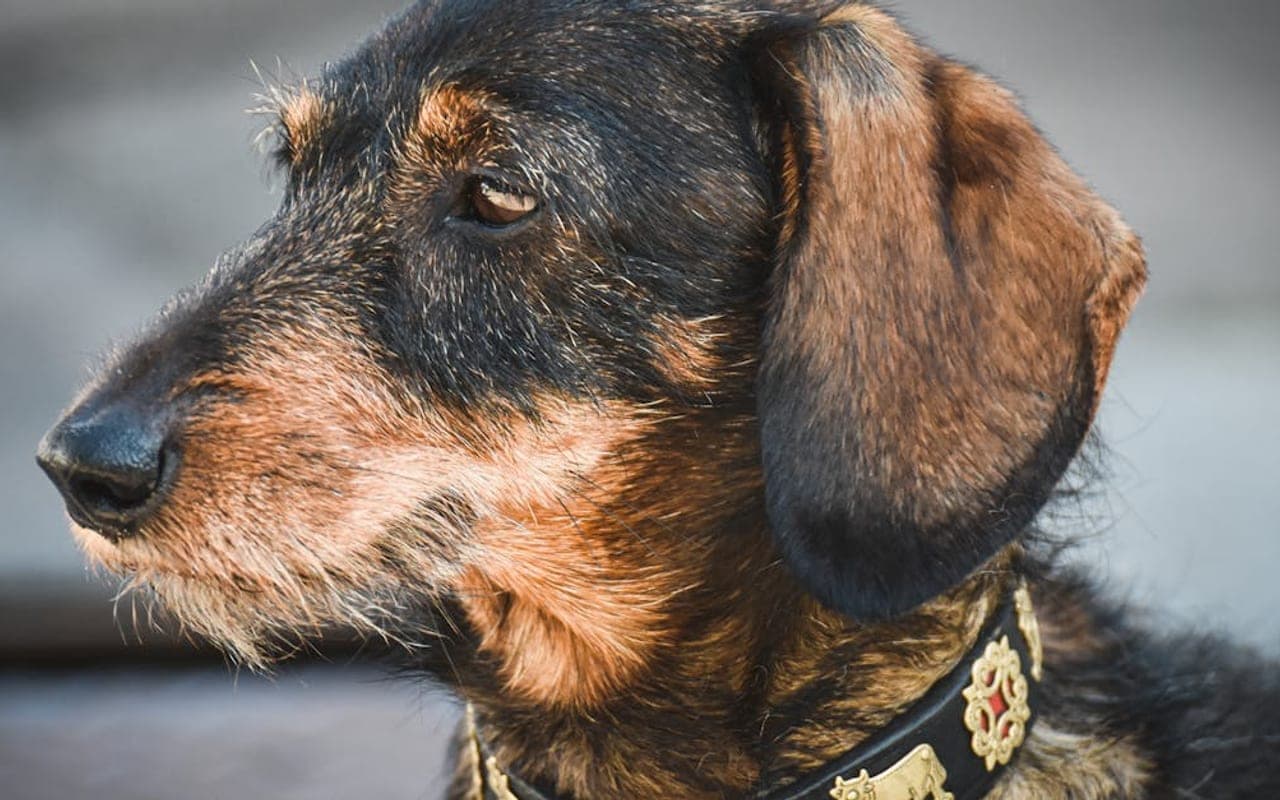
Jagdterrier
Also in the Foundation Stock Service group, with different care and temperament tradeoffs.
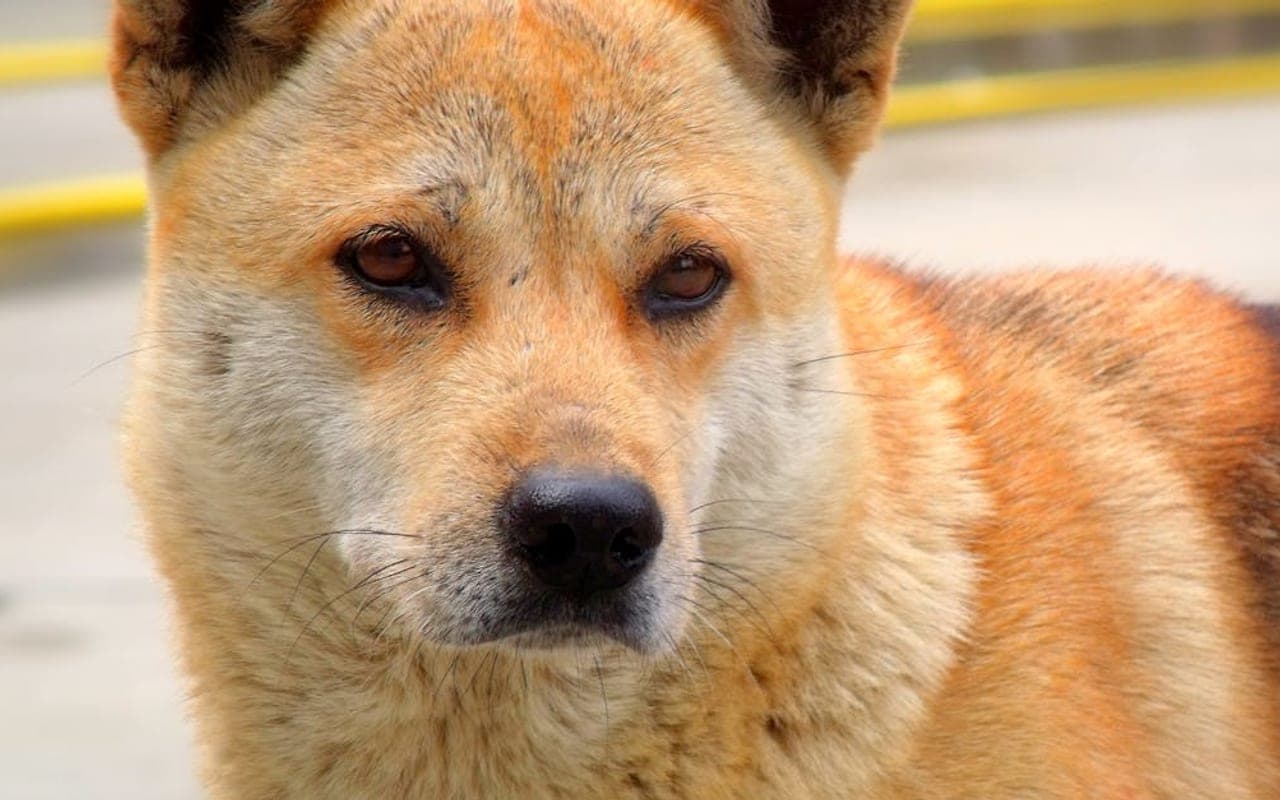
Jindo
Also in the Foundation Stock Service group, with different care and temperament tradeoffs.
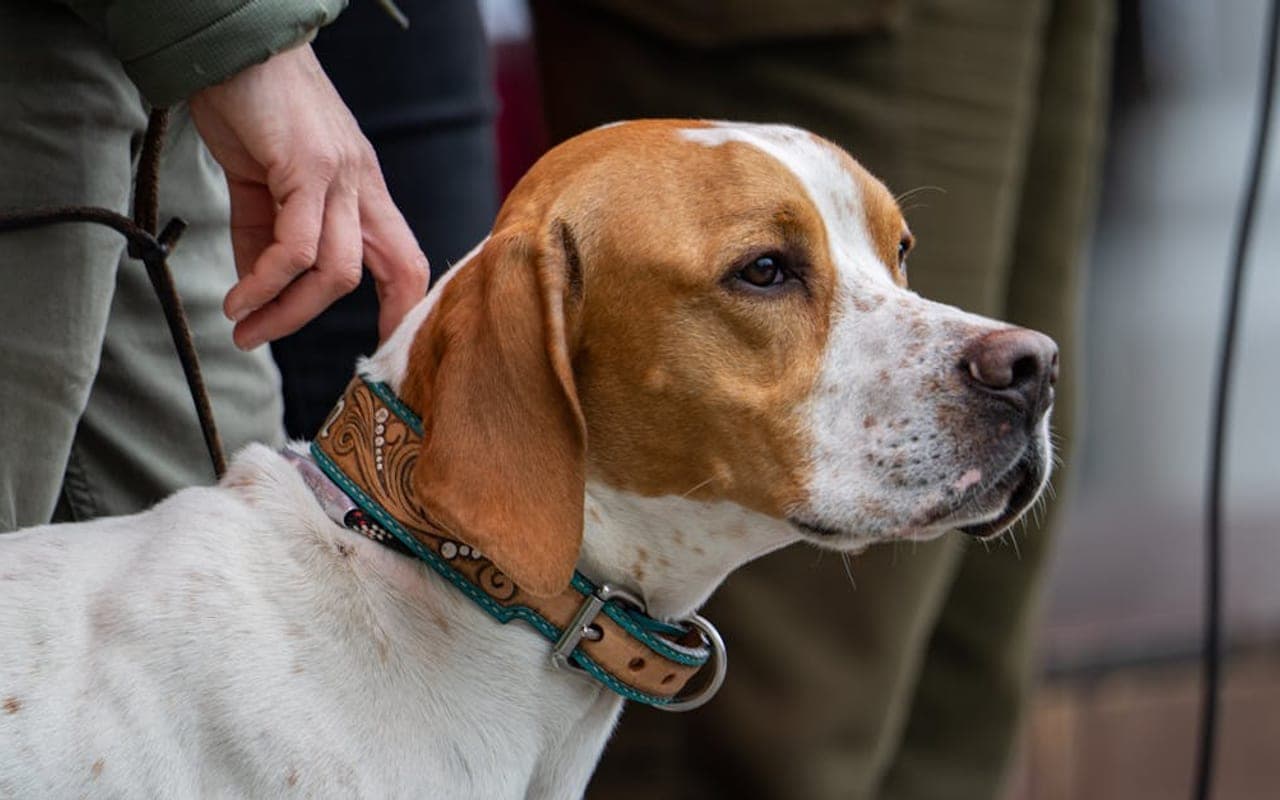
Portuguese Pointer
Also in the Foundation Stock Service group, with different care and temperament tradeoffs.
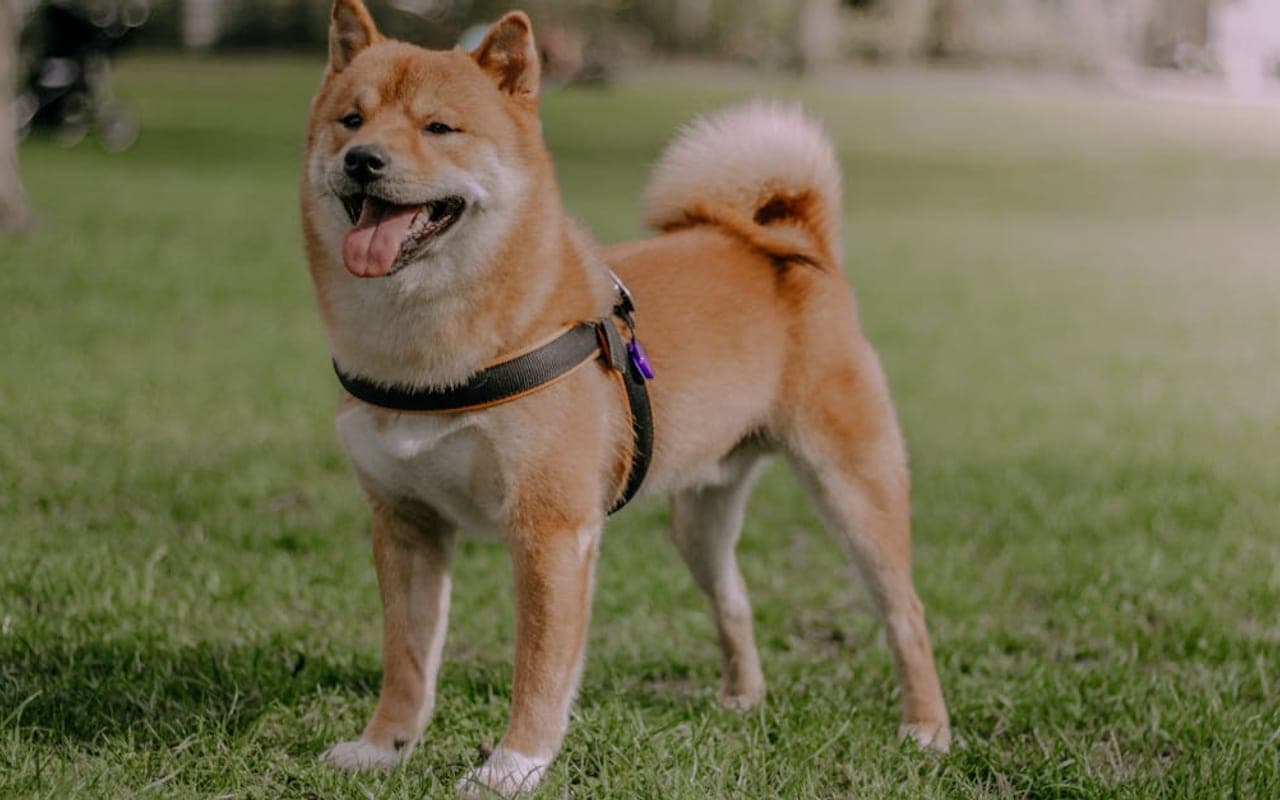
Kishu Ken
Also in the Foundation Stock Service group, with different care and temperament tradeoffs.
Explore More About Catahoula Leopard Dog
Dive deeper into everything Catahoula Leopard Dog — costs, care, and expert insights.
Considering a cat instead?
Browse Cats