
Foundation Stock Service group
Caucasian Shepherd Dog
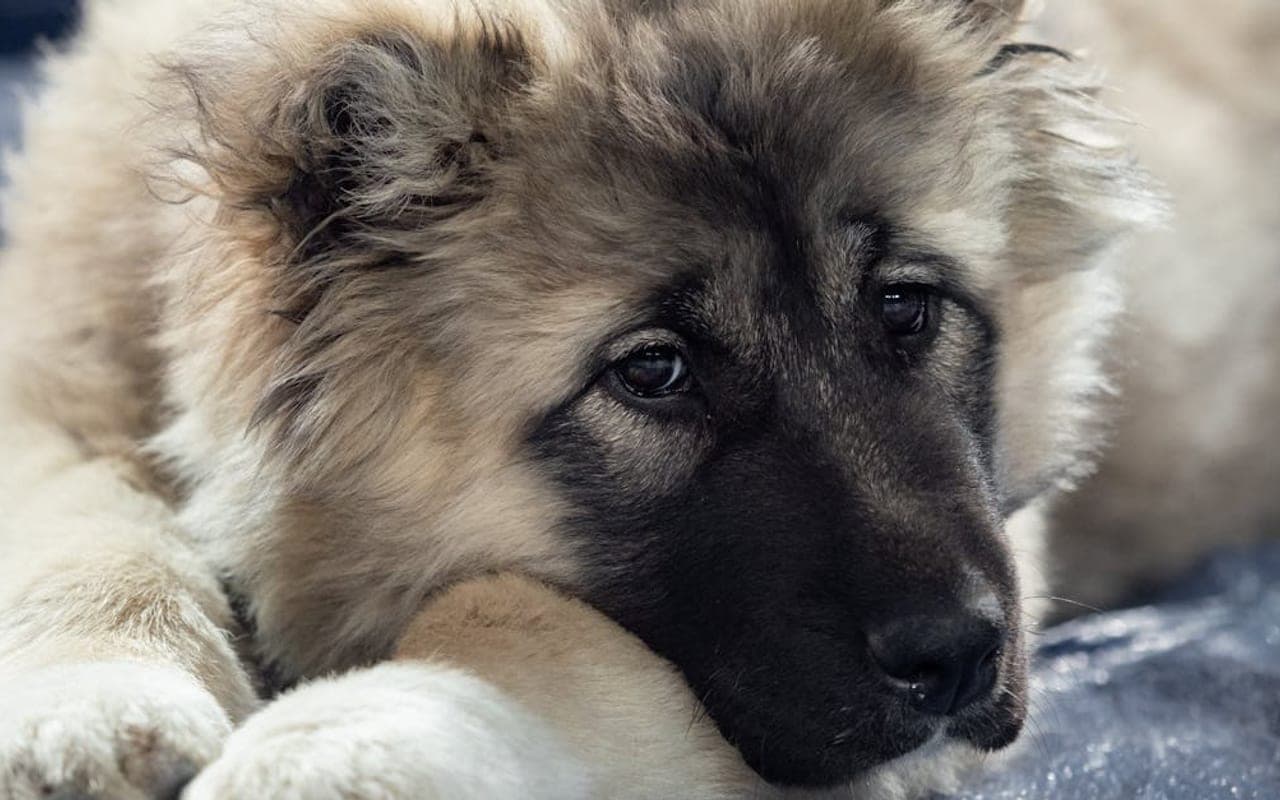
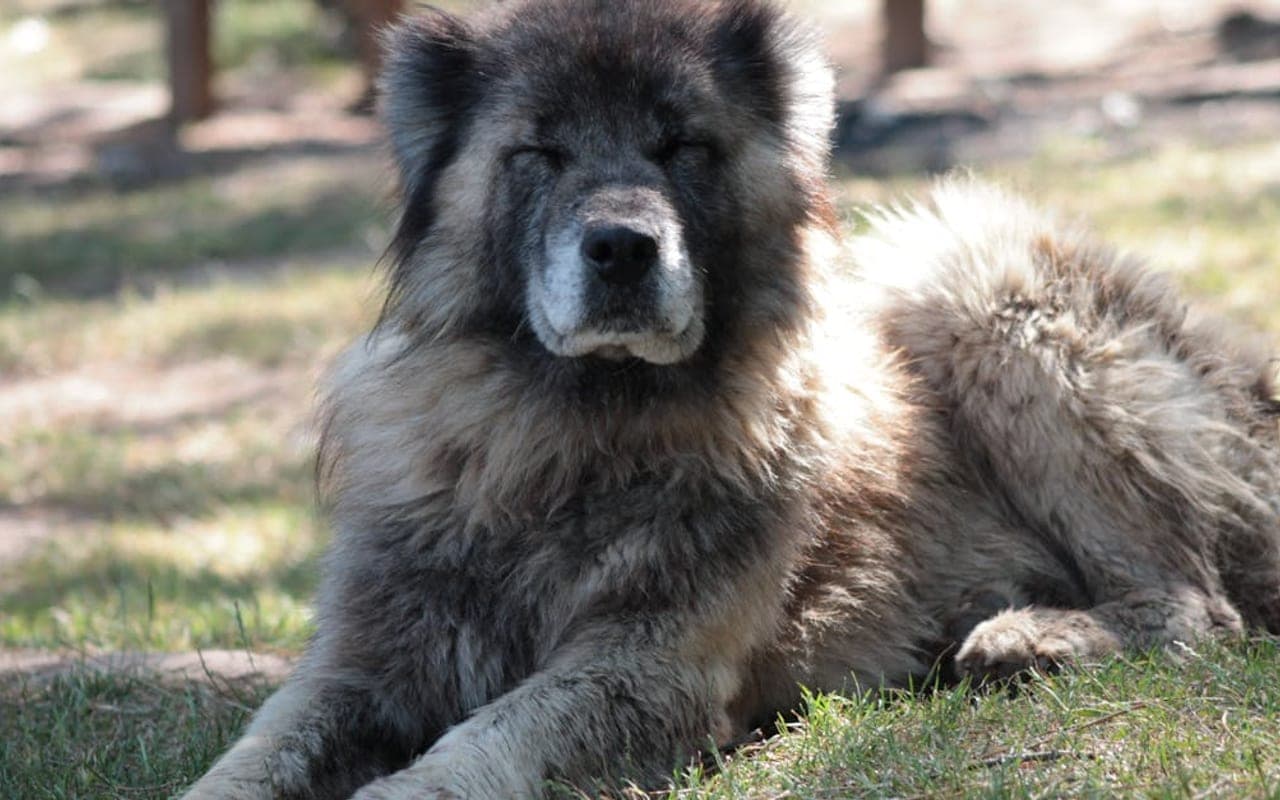
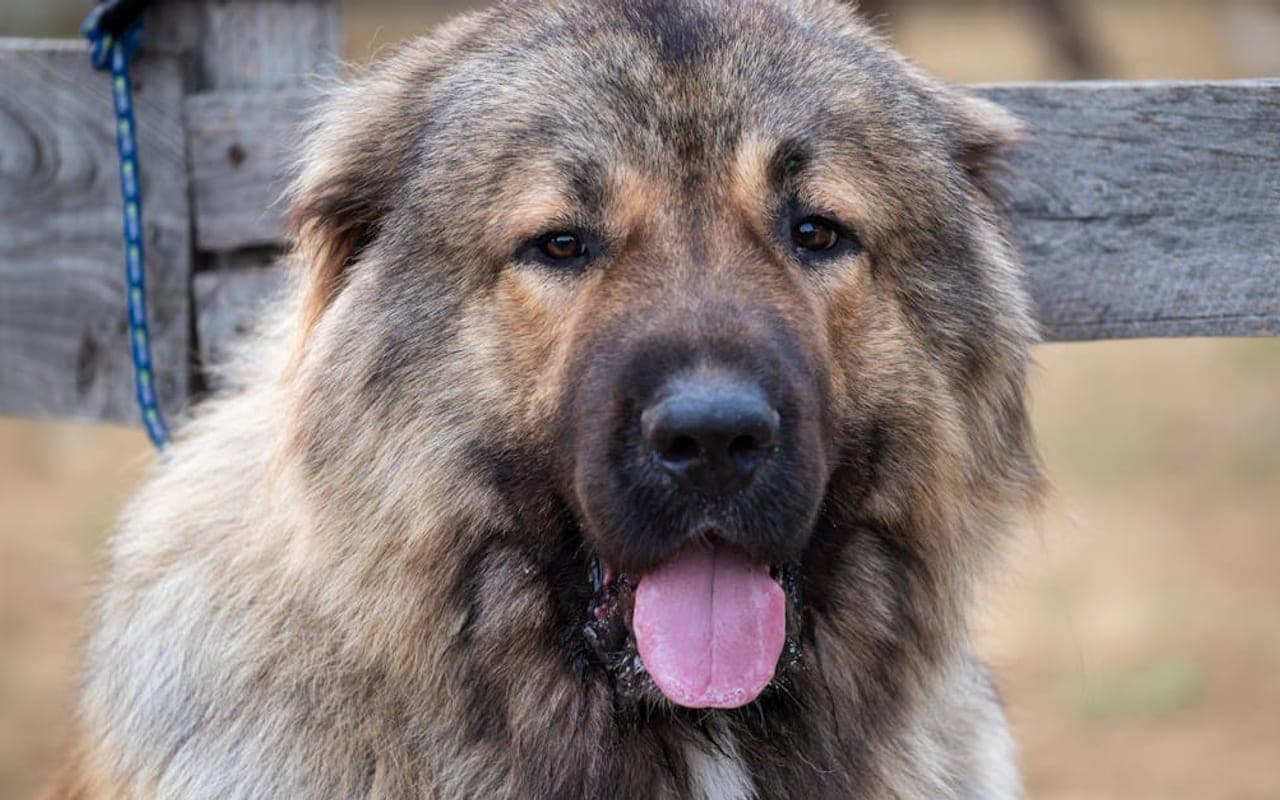
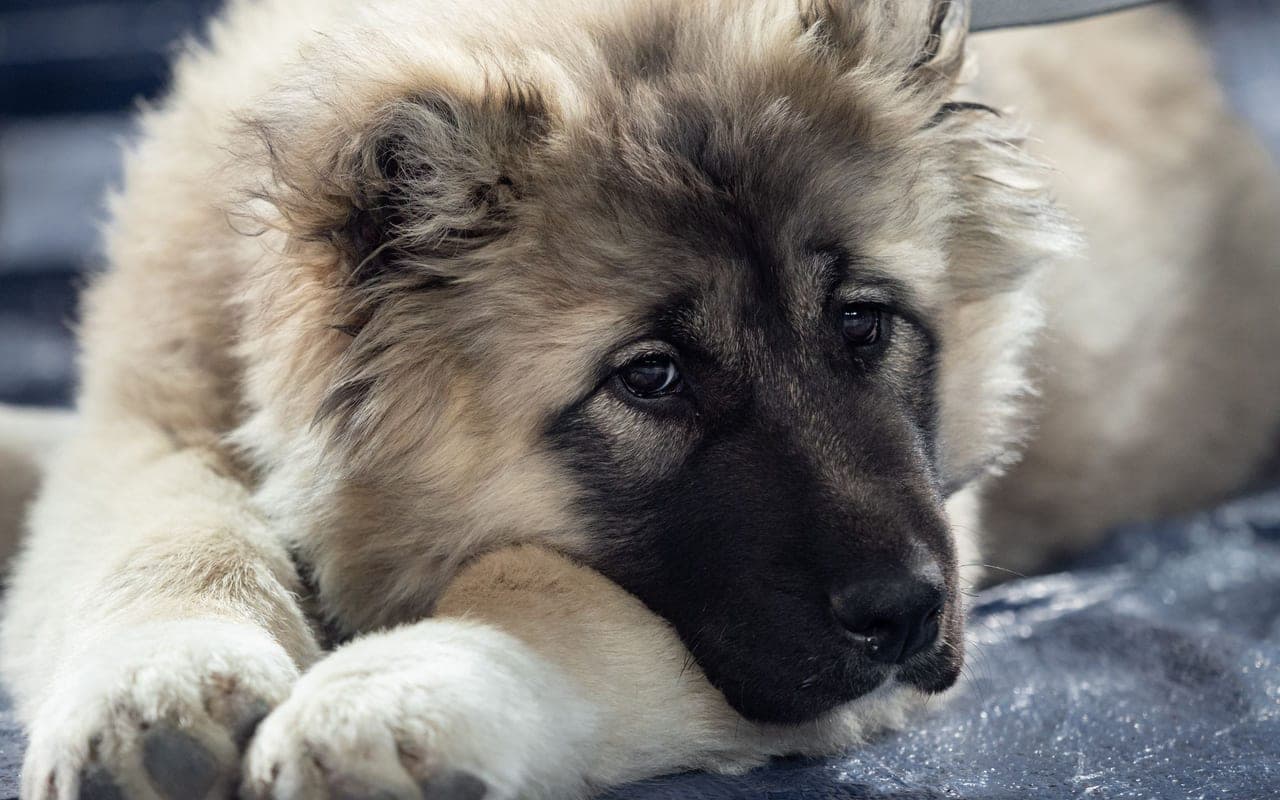
The Caucasian Shepherd Dog (Caucasian Ovcharka) is a livestock-guardian giant — a 100-to-170-pound dog bred for centuries in the Caucasus mountains to fight off wolves and bears protecting flocks.
Size
99-198 lb
Lifespan
10-12 years
Exercise
30-60 minutes
Shedding
Moderate
Experience
Match to owner routine
Decision first
Is a Caucasian Shepherd Dog right for you?
Start with fit before history or trivia. These are ownership signals, not guarantees about any individual dog.
Best suited for
- Households with children.
- Homes with other compatible pets.
- Apartment homes with a consistent routine.
- Owners seeking a manageable daily exercise routine.
Think carefully if
- You need a dog with almost no daily routine.
- You cannot keep up with grooming and preventive care.
- The dog will spend most days alone without support.
Conditional fit
Apartment fit depends on exercise, enrichment, noise management, and outdoor access.
Daily reality
Caucasian Shepherd Dog commitment snapshot
Daily exercise
30-60 minutes
Match activity to age, health, weather, and training goals.
Coat care
Moderate
Grooming needs vary by coat, shedding, and lifestyle.
Time alone
Needs planning
Most dogs need gradual alone-time conditioning and support.
Structured facts
Caucasian Shepherd Dog at a glance
The measurements and traits that most affect day-to-day life with this breed.
Group
Foundation Stock Service
Weight
99-198 lb
Height
25-31 in
Lifespan
10-12 years
Temperament
Fearless | Bold | Kind
View all characteristics and methodology
Lifestyle fit
- Apartment suitability
- Likely fit
- Child friendliness
- Often good, with socialisation and supervision
- Other-pet fit
- Often compatible with careful introductions
Owner commitment
- Exercise
- 30-60 minutes
- Grooming
- Moderate
- Shedding
- Moderate
- Training
- Moderate
Environment and health
- Health risk
- Needs planning
Ratings combine structured breed data, visible breed fields, and editorial context. They are planning aids, not predictions for an individual dog.
Daily life
Caucasian Shepherd Dog temperament and behavior
The Caucasian Shepherd Dog (Caucasian Ovcharka) is a livestock-guardian giant — a 100-to-170-pound dog bred for centuries in the Caucasus mountains to fight off wolves and bears protecting flocks. This is the defining fact, and any honest profile leads with it: you are not adopting a large family dog with a guarding streak, you are adopting a working guardian whose entire genetic program is independent threat-assessment and force. The devotion to its own family is real and deep; so is the breed's default suspicion of everything outside it. Temperamentally the Caucasian Shepherd is calm, confident and self-directed — not hyperactive, not needy, and not eager to please. It was bred to make its own decisions about threats without a handler present, which means it does not naturally defer to commands the way a herding or sporting breed does. With its family it is gentle, kind and protective. With strangers, strange dogs and unfamiliar situations it is, by design, wary and capable of decisive action. This is not aggression to be trained out; it is the trait the breed exists for, and pretending otherwise gets people and dogs hurt. The hidden cost is twofold. First, the giant-breed economics: food, anesthesia, surgery and joint care all scale with a 130-plus-pound body, and the breed's life expectancy is short — commonly 10-12 years, with at least one recent study suggesting a sobering median. Second, the management cost: secure containment, professional-grade socialization, and legal/insurance considerations (some jurisdictions and insurers restrict the breed) are not optional extras. Who the Caucasian Shepherd is right for: an experienced owner with property, a realistic giant-breed budget, and a genuine need for a livestock or property guardian who will commit to lifelong structured socialization. Who it is wrong for: first-time owners, apartment or close-suburban homes, families wanting a sociable pet, or anyone who has not priced giant-breed veterinary care.
Fearless | Bold | Kind
Fearless
A common Caucasian Shepherd Dog temperament descriptor that should be interpreted alongside training, exercise, and household fit.
Bold
A common Caucasian Shepherd Dog temperament descriptor that should be interpreted alongside training, exercise, and household fit.
Kind
A common Caucasian Shepherd Dog temperament descriptor that should be interpreted alongside training, exercise, and household fit.
Owner note
Temperament labels are starting points, not guarantees. Meet the individual dog and ask about behavior history whenever possible.
Care essentials
How to care for a Caucasian Shepherd Dog
What looking after one actually involves: exercise, grooming, food, training, and routine health.
ExerciseAs needed
- Moderately active breed needing 30-60 minutes of daily exercise through walks, play, and mental stimulation.
GroomingAs needed
- Regular grooming needed — brush 2-3 times per week and bathe monthly.
TrainingAs needed
- Moderately trainable — consistent, patient training with positive methods works best.
NutritionAs needed
- Feed a high-quality dog food appropriate for their age, size, and activity level. Monitor portions to prevent obesity.
Veterinary CareAs needed
- Annual wellness exams, core vaccinations, dental care, and parasite prevention. Breed-specific health screenings as recommended by your vet.
Health planning
Caucasian Shepherd Dog health risks and screening
Every breed has individual health variation. Use this profile for planning and discuss medical decisions with a veterinarian.
Responsible ownership
Finding a Caucasian Shepherd Dog responsibly
What to ask a breeder or rescue is the same conversation for every breed, so we keep it in one place and keep it current.
Health documentation, meeting the parents or foster, contracts and return support, and the warning signs worth walking away from.
Original purpose
Caucasian Shepherd Dog history
History is useful when it explains today's behavior, coat, exercise needs, and training style.
Read the breed history
The Caucasian Shepherd Dog is one of the oldest livestock-guardian types, developed over centuries across the Caucasus mountain region — Georgia, Armenia, Azerbaijan and the surrounding ranges — to protect sheep flocks from wolves, bears and human raiders. It was never a companion breed; it was working infrastructure for mountain shepherds, selected purely for size, weather-hardiness, courage and independent guarding judgment. Regional isolation produced two enduring types: the heavier, long-coated Mountain type and the lighter, shorter-coated Steppe type. In the 20th century the breed was used as a working guard dog in the Soviet Union, including border and facility security, which further selected for protective drive. It is known by several names — Caucasian Ovcharka, Caucasian Sheepdog, Kavkazskaya Ovcharka — and is recognized in the AKC Foundation Stock Service. This origin is not historical color: a breed shaped exclusively for autonomous guarding against large predators behaves like one, and every management and socialization requirement an owner faces traces directly back to that purpose.
Gallery
Caucasian Shepherd Dog photos
Images are cropped consistently and loaded progressively to keep the page responsive.
Lower-page context
Caucasian Shepherd Dogs in culture
Where the breed shows up in film, sport, work and folklore — the enjoyable part, once the practical questions are answered.
Fun facts
- The Caucasian Shepherd Dog belongs to the Foundation Stock Service.
- The average lifespan of a Caucasian Shepherd Dog is 10 to 12 years.
- Caucasian Shepherd Dog dogs are valued for their fearless, bold, kind nature.
Caucasian Shepherd Dog FAQs
How long do Caucasian Shepherd Dogs live?
A Caucasian Shepherd typically lives about 10-12 years, which is relatively long for a giant breed, though some recent data suggest the real-world average can be considerably shorter. As with all giants, lifespan is heavily controllable: keeping this obesity-prone breed lean its entire life, pacing a puppy's growth to protect joints, screening for bloat risk, and buying from a breeder who tests hips, elbows and hearts are what defend the upper end of that already-short range.
Is the Caucasian Shepherd a good family dog?
It is deeply devoted to its own family but it is a livestock-guardian breed, not a family pet in the usual sense. It is gentle and protective with its people and, by design, wary and capable of decisive action toward strangers and strange dogs. It suits experienced owners with property and a genuine guarding need, not households wanting a sociable companion. The protectiveness is the breed's purpose — it is managed through socialization and containment, not trained away.
What is the biggest health risk in a Caucasian Shepherd?
Two things compete for that title. Obesity is the most pervasive: this breed is strongly predisposed to weight gain, which directly worsens its hip and elbow dysplasia, heart disease and back pain — so lifelong lean feeding is essential. Bloat (gastric dilatation-volvulus) is the most acutely lethal: the deep giant-breed chest predisposes the stomach to twist, killing in hours. Discuss prophylactic gastropexy with your vet and never free-feed this breed.
How much does it cost to own a Caucasian Shepherd?
Plan on giant-breed economics. Beyond the purchase price, food volume, weight-scaled anesthesia and surgery, orthopedic support, and the realistic risk of a multi-thousand-dollar bloat or joint emergency all add up. There can also be hidden non-medical costs: some jurisdictions restrict the breed and some insurers decline or surcharge homeowner coverage for it. The honest hidden cost is that both the veterinary care and the liability/insurance picture are priced for a powerful giant.
Can a Caucasian Shepherd be socialized to be safe around strangers?
It can be managed to be reliably controllable, but its core guarding judgment is genetic and will not be erased. Extensive, structured socialization from early puppyhood, ongoing exposure, secure containment and an experienced handler produce a stable, predictable guardian. The realistic goal is a well-managed dog whose protective instincts are channeled and contained — not a stranger-friendly social dog. Owners who expect the latter, or who under-invest in socialization, are the ones who end up with serious problems.
How much exercise and grooming does a Caucasian Shepherd need?
Exercise needs are moderate, not high — this is a calm, self-directed guardian content with daily walks and a securely fenced space, and over-exercising a puppy actively harms developing giant-breed joints. Grooming depends on type: the long-coated Mountain type has a heavy double coat needing frequent brushing, especially during seasonal sheds, while the Steppe type is lighter. Weekly ear care and routine eye checks for entropion round out a maintenance load that is real but manageable.
Sources
These are the published sources this page draws on. Each opens in a new tab so you can check it yourself.
American Kennel Club
Caucasian Shepherd Dog — breed standard and profile(opens in a new tab)Supports: Breed standard and recognition details.
Similar breeds to consider
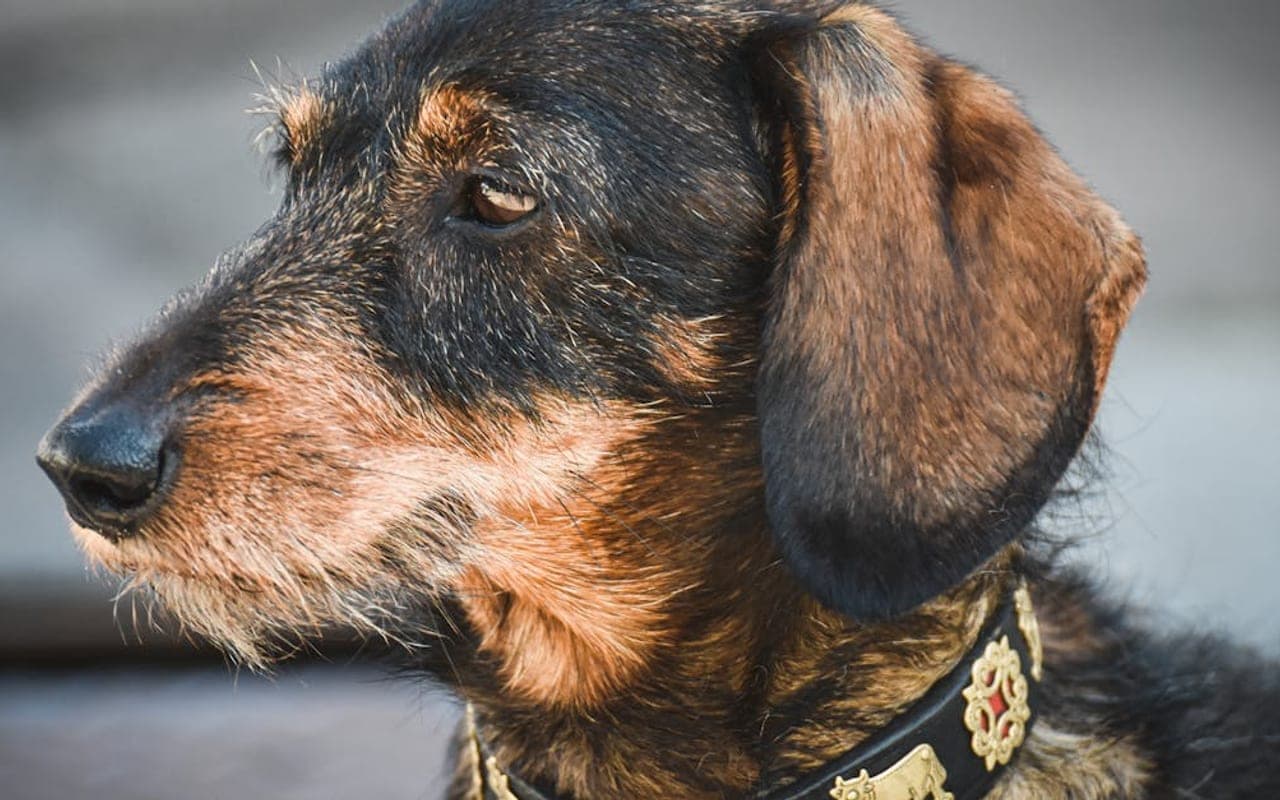
Jagdterrier
Also in the Foundation Stock Service group, with different care and temperament tradeoffs.
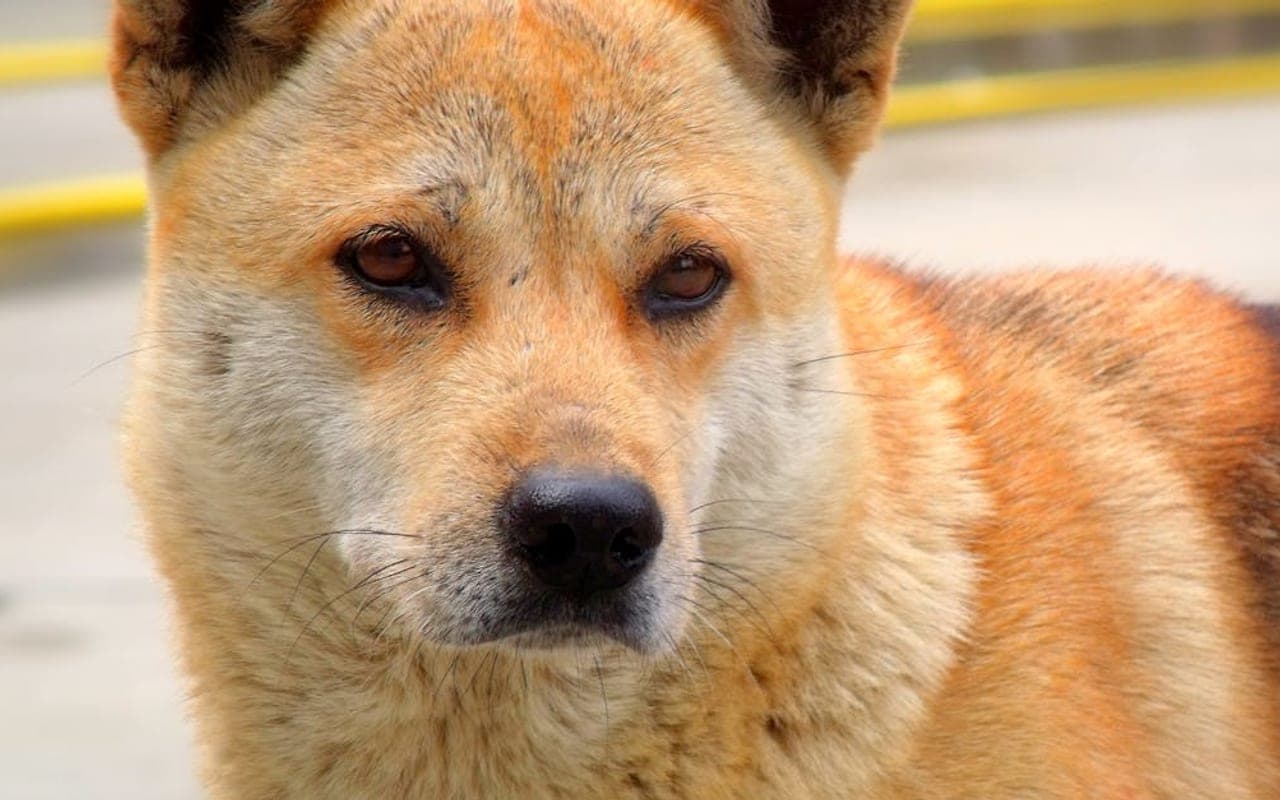
Jindo
Also in the Foundation Stock Service group, with different care and temperament tradeoffs.
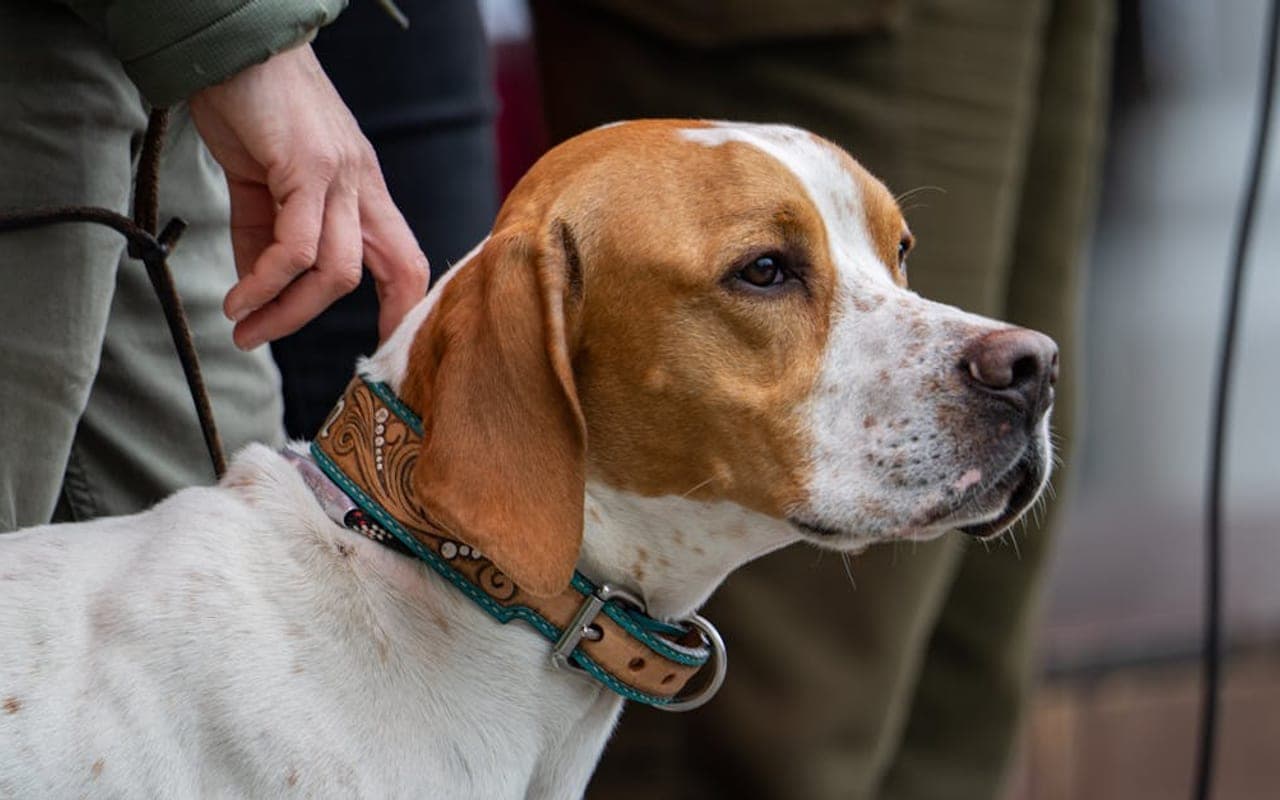
Portuguese Pointer
Also in the Foundation Stock Service group, with different care and temperament tradeoffs.
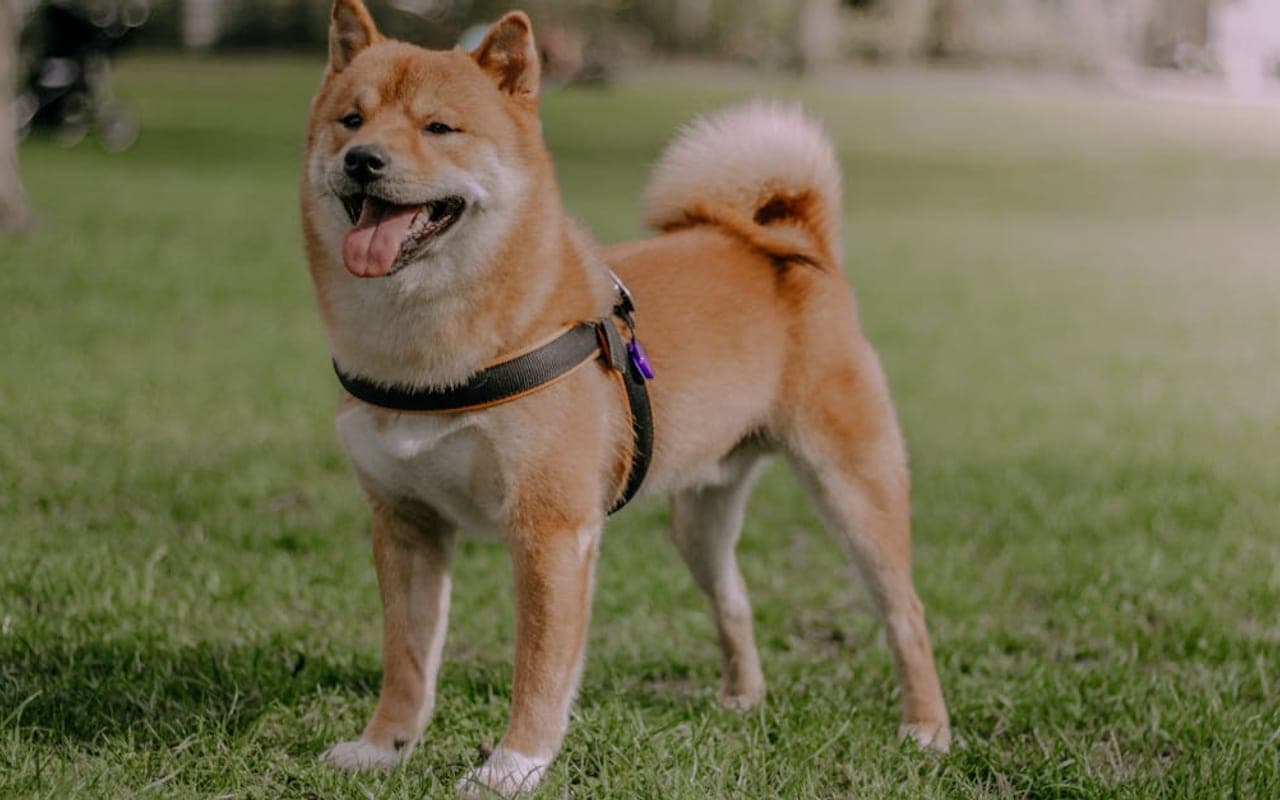
Kishu Ken
Also in the Foundation Stock Service group, with different care and temperament tradeoffs.
Explore More About Caucasian Shepherd Dog
Dive deeper into everything Caucasian Shepherd Dog — costs, care, and expert insights.
Considering a cat instead?
Browse Cats