
Foundation Stock Service group
Central Asian Shepherd Dog
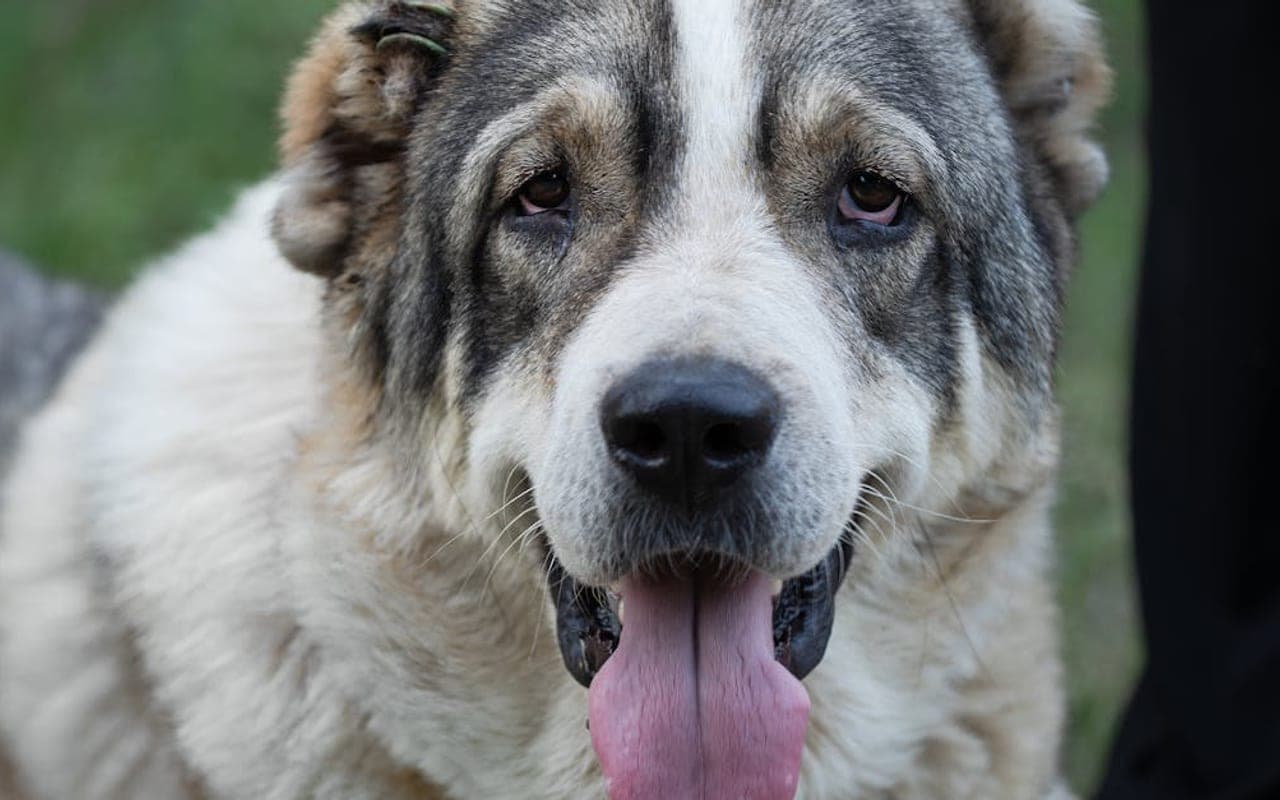
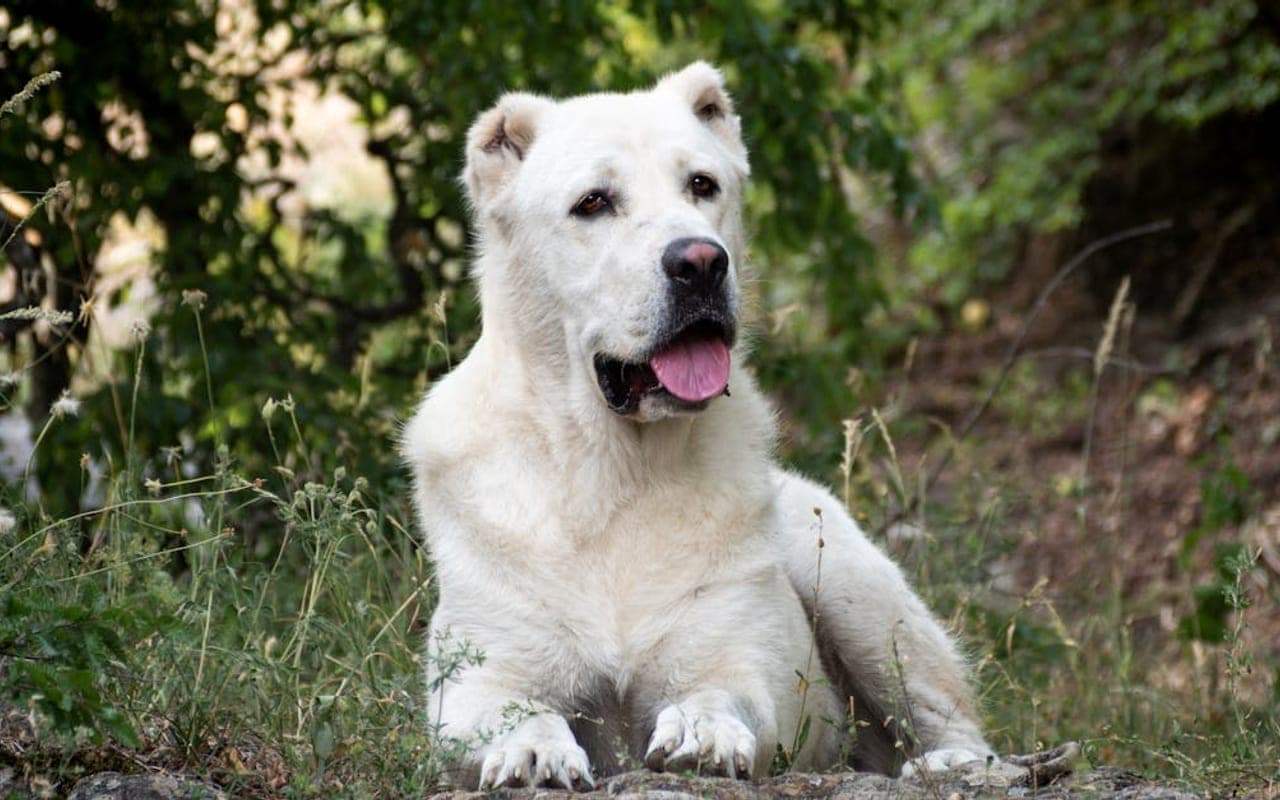
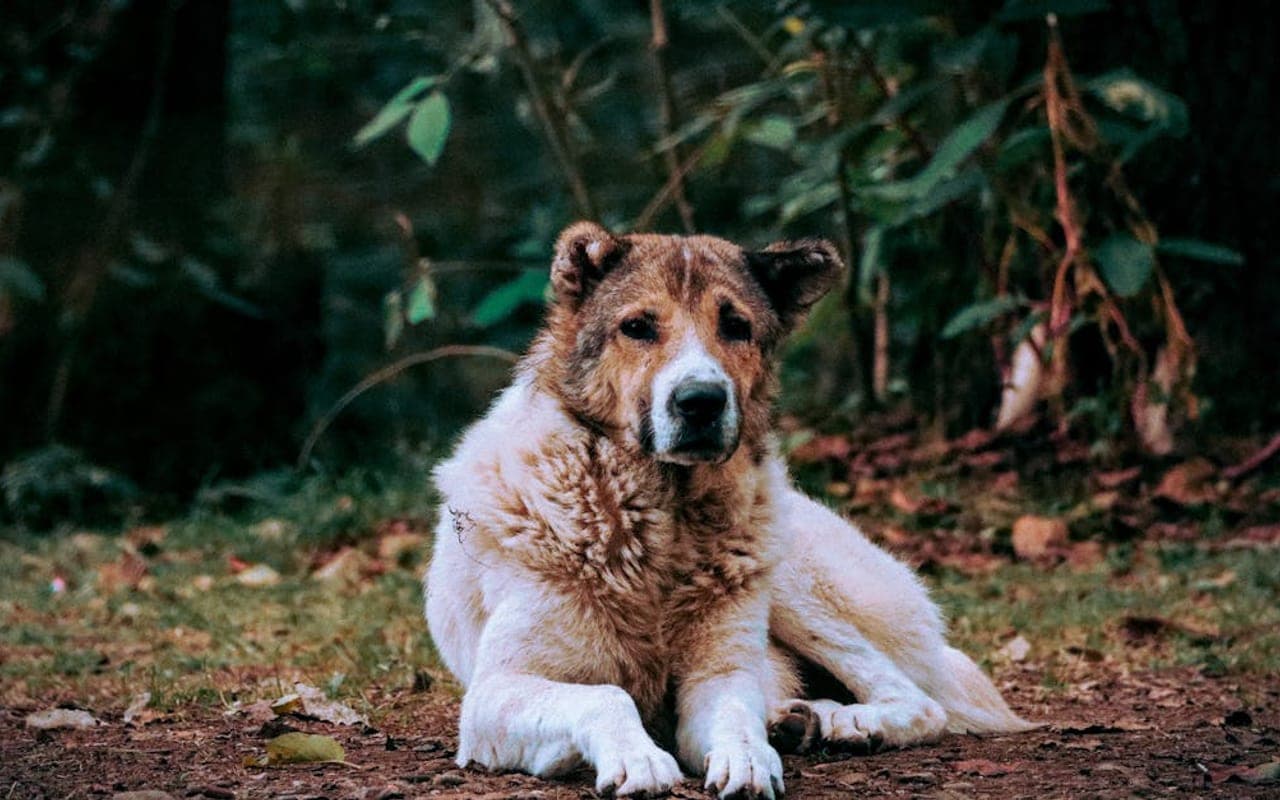
The Central Asian Shepherd Dog (often called the Alabai) is one of the oldest and largest livestock guardian breeds on earth — a flock and territory protector shaped by roughly four thousand years of natural selection across a vast region stretching from the Caspian Sea to China.
Size
88-174 lb
Lifespan
12-14 years
Exercise
30-60 minutes
Shedding
Moderate
Experience
Match to owner routine
Decision first
Is a Central Asian Shepherd Dog right for you?
Start with fit before history or trivia. These are ownership signals, not guarantees about any individual dog.
Best suited for
- Households with children.
- Homes with other compatible pets.
- Owners seeking a manageable daily exercise routine.
Think carefully if
- You need a dog with almost no daily routine.
- You cannot keep up with grooming and preventive care.
- The dog will spend most days alone without support.
Conditional fit
Apartment living may be difficult unless the owner can meet the breed's exercise, training, and space needs.
Daily reality
Central Asian Shepherd Dog commitment snapshot
Daily exercise
30-60 minutes
Match activity to age, health, weather, and training goals.
Coat care
Moderate
Grooming needs vary by coat, shedding, and lifestyle.
Time alone
Needs planning
Most dogs need gradual alone-time conditioning and support.
Structured facts
Central Asian Shepherd Dog at a glance
The measurements and traits that most affect day-to-day life with this breed.
Group
Foundation Stock Service
Weight
88-174 lb
Height
26-31 in
Lifespan
12-14 years
Temperament
Independent | Courageous | Self-Confident
View all characteristics and methodology
Lifestyle fit
- Apartment suitability
- Needs caution
- Child friendliness
- Often good, with socialisation and supervision
- Other-pet fit
- Often compatible with careful introductions
Owner commitment
- Exercise
- 30-60 minutes
- Grooming
- Moderate
- Shedding
- Moderate
- Training
- Moderate
Environment and health
- Health risk
- Needs planning
Ratings combine structured breed data, visible breed fields, and editorial context. They are planning aids, not predictions for an individual dog.
Daily life
Central Asian Shepherd Dog temperament and behavior
The Central Asian Shepherd Dog (often called the Alabai) is one of the oldest and largest livestock guardian breeds on earth — a flock and territory protector shaped by roughly four thousand years of natural selection across a vast region stretching from the Caspian Sea to China. This is a serious dog: males commonly stand 27-32 inches and run 110-175 pounds (the prep-sheet weight figures are far too low for the breed). It was bred to live with flocks and independently confront wolves and other large predators, and that reality defines everything about owning one. The breed is self-assured, calm, proud, and intensely territorial. It is courageous to the point of fearlessness toward large predators, deeply bonded and gentle with its own family, and naturally suspicious and serious toward strangers and intruders. It is explicitly not a first-time-owner dog. The same independent, decision-making temperament that makes it an effective autonomous guardian makes it a poor fit for anyone expecting obedience, off-leash reliability, or a sociable pet. Owning one responsibly is a real commitment: a securely fenced rural or large property (never an apartment), early and continuous socialization, an experienced and confident owner, and ideally an actual guarding job. Under-socialized or under-contained, a dog this size and this protective is a genuine safety and liability concern, not a manageable quirk. Who it is right for: experienced owners with land, livestock or property to protect, and realistic expectations of an autonomous guardian. Who it is wrong for: city dwellers, novice owners, anyone wanting a biddable companion, or anyone who cannot securely contain and thoroughly socialize a 100-plus-pound protective dog. This breed must be chosen for what it is — a working guardian — not for its impressive appearance.
Independent | Courageous | Self-Confident
Independent
A common Central Asian Shepherd Dog temperament descriptor that should be interpreted alongside training, exercise, and household fit.
Courageous
A common Central Asian Shepherd Dog temperament descriptor that should be interpreted alongside training, exercise, and household fit.
Self-Confident
A common Central Asian Shepherd Dog temperament descriptor that should be interpreted alongside training, exercise, and household fit.
Owner note
Temperament labels are starting points, not guarantees. Meet the individual dog and ask about behavior history whenever possible.
Care essentials
How to care for a Central Asian Shepherd Dog
What looking after one actually involves: exercise, grooming, food, training, and routine health.
ExerciseAs needed
- Moderately active breed needing 30-60 minutes of daily exercise through walks, play, and mental stimulation.
GroomingAs needed
- Regular grooming needed — brush 2-3 times per week and bathe monthly.
TrainingAs needed
- Moderately trainable — consistent, patient training with positive methods works best.
NutritionAs needed
- Feed a high-quality dog food appropriate for their age, size, and activity level. Monitor portions to prevent obesity.
Veterinary CareAs needed
- Annual wellness exams, core vaccinations, dental care, and parasite prevention. Breed-specific health screenings as recommended by your vet.
Health planning
Central Asian Shepherd Dog health risks and screening
Every breed has individual health variation. Use this profile for planning and discuss medical decisions with a veterinarian.
Responsible ownership
Finding a Central Asian Shepherd Dog responsibly
What to ask a breeder or rescue is the same conversation for every breed, so we keep it in one place and keep it current.
Health documentation, meeting the parents or foster, contracts and return support, and the warning signs worth walking away from.
Original purpose
Central Asian Shepherd Dog history
History is useful when it explains today's behavior, coat, exercise needs, and training style.
Read the breed history
The Central Asian Shepherd Dog is not a created or designed breed but a landrace — a type shaped over roughly four millennia by natural selection and the practical needs of nomadic and pastoral peoples across an enormous territory spanning modern Turkmenistan, Uzbekistan, Kazakhstan, Tajikistan, Kyrgyzstan, and surrounding regions, from the Caspian Sea to China and from the southern Urals toward Afghanistan. Its job was constant and severe: live with flocks and herds in harsh terrain and climate, and independently defend them against wolves, bears, and human raiders. Because it developed across such a wide area through function rather than a studbook, the breed shows real regional variation in size and type. That long history of autonomous predator defense — rather than handler-directed work — is exactly why the modern dog is self-reliant, territorial, fearless toward large threats, and unsuited to owners who expect conventional obedience. It is recognized through the AKC Foundation Stock Service and by other registries, but remains primarily a working guardian breed worldwide.
Gallery
Central Asian Shepherd Dog photos
Images are cropped consistently and loaded progressively to keep the page responsive.
Lower-page context
Central Asian Shepherd Dogs in culture
Where the breed shows up in film, sport, work and folklore — the enjoyable part, once the practical questions are answered.
Fun facts
- The Central Asian Shepherd Dog belongs to the Foundation Stock Service.
- The average lifespan of a Central Asian Shepherd Dog is 12 to 14 years.
- Central Asian Shepherd Dog dogs are valued for their independent, courageous, self-confident nature.
Central Asian Shepherd Dog FAQs
How long do Central Asian Shepherd Dogs live?
A healthy Central Asian Shepherd typically lives 12 to 15 years, which is notably good longevity for a giant breed — many giant dogs live considerably shorter lives. This relative robustness reflects the breed's landrace, natural-selection origin. The biggest threats to an individual's lifespan are orthopedic disease (hip and elbow dysplasia worsened by excess weight) and the acute danger of bloat. Keeping the dog lean and knowing the signs of GDV are the two most powerful levers an owner controls.
Is the Central Asian Shepherd Dog good for first-time owners?
No — and this is one of the clearest 'wrong breed' cases in dog ownership. It is a giant, intensely territorial, independent livestock guardian bred to make its own decisions about threats without a handler. That requires an experienced owner who understands guardian breeds, can provide secure containment and continuous socialization, and has realistic expectations. A novice owner with this breed risks a poorly socialized, under-contained, 100-plus-pound protective dog — a genuine safety and liability problem. Choose a different breed if you are new to dogs.
Do Central Asian Shepherds need a lot of space and a fence?
Yes, both, and they are non-negotiable requirements. The breed was developed to patrol and defend territory across open terrain; it needs a securely fenced rural or large property to function without stress. It is genuinely unsuited to apartments or small urban yards. A high, strong fence is mandatory — not for the dog's exercise, but because an unsecured territorial guardian of this size is an escape and liability risk. If you cannot provide secure land, this breed is not a viable choice.
Are Central Asian Shepherd Dogs aggressive?
They are not indiscriminately aggressive, but they are serious, territorial guardians that will confront perceived threats — that is the breed's purpose, not a fault. With its family the well-socialized dog is calm, gentle, and devoted; with strangers and intruders it is suspicious and protective by instinct. The outcome depends almost entirely on socialization, containment, and an experienced owner. Treated as an autonomous guardian with proper management it is stable; treated as a casual pet without that structure it becomes a real risk.
What is the most important health emergency for owners to know?
Bloat (gastric dilatation-volvulus). In a giant, deep-chested dog the stomach can fill with gas and twist on itself, cutting off blood flow and becoming fatal within a few hours without emergency surgery. Warning signs are unproductive retching, a swollen and hard abdomen, restlessness, and obvious distress — this is a within-the-hour emergency, never wait-and-see. Reduce risk with multiple smaller daily meals and no hard exercise around feeding. Every owner of this breed must know these signs before bringing one home.
How much grooming does a Central Asian Shepherd Dog need?
Minimal and predictable — grooming is one of the easiest parts of owning this demanding breed. The dense double coat needs only about a 10-15 minute brush once a week to control loose hair and prevent matting, increasing to more frequent brushing during the heavy twice-yearly seasonal sheds. No trimming or professional grooming is required. Routine nail, dental, and ear care, plus regular checks of the eyes for entropion, complete the maintenance. The breed's real demands are containment and socialization, not coat care.
Sources
These are the published sources this page draws on. Each opens in a new tab so you can check it yourself.
American Kennel Club
Central Asian Shepherd Dog — breed standard and profile(opens in a new tab)Supports: Breed standard and recognition details.
Similar breeds to consider
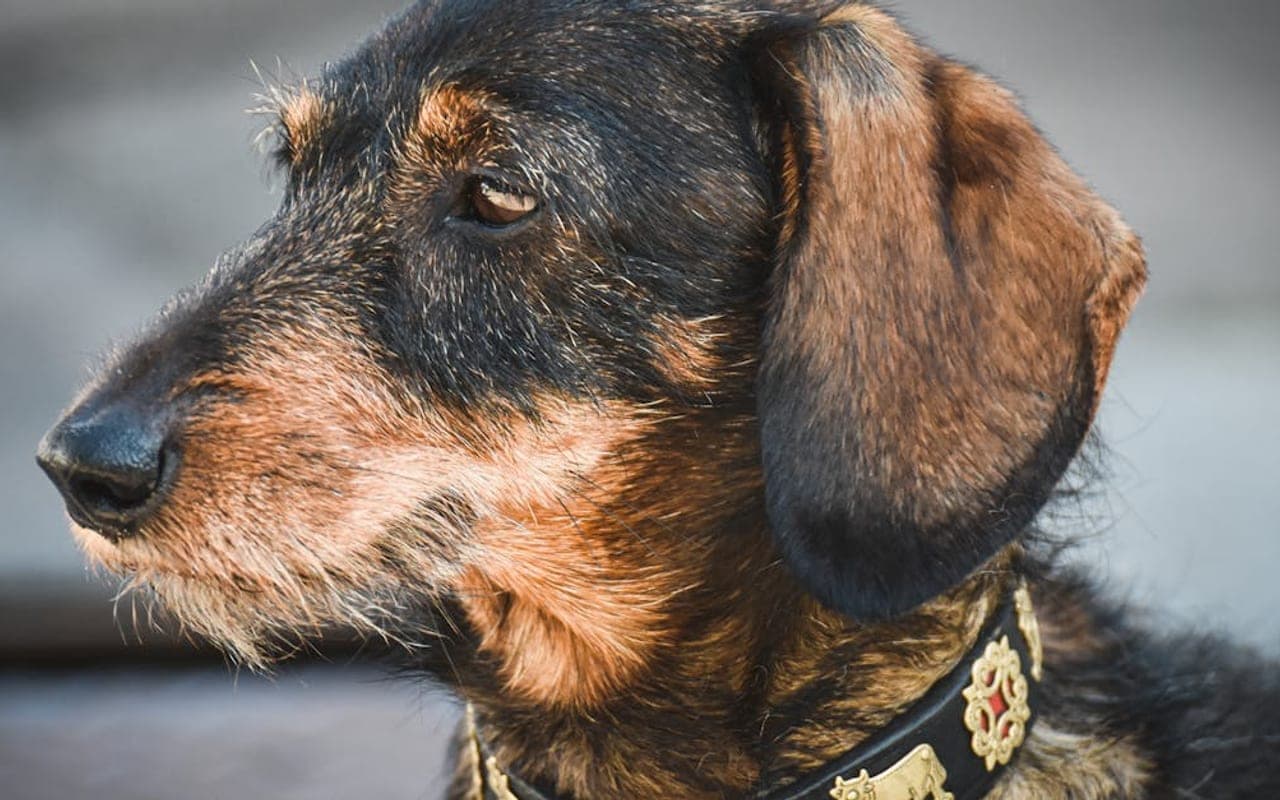
Jagdterrier
Also in the Foundation Stock Service group, with different care and temperament tradeoffs.
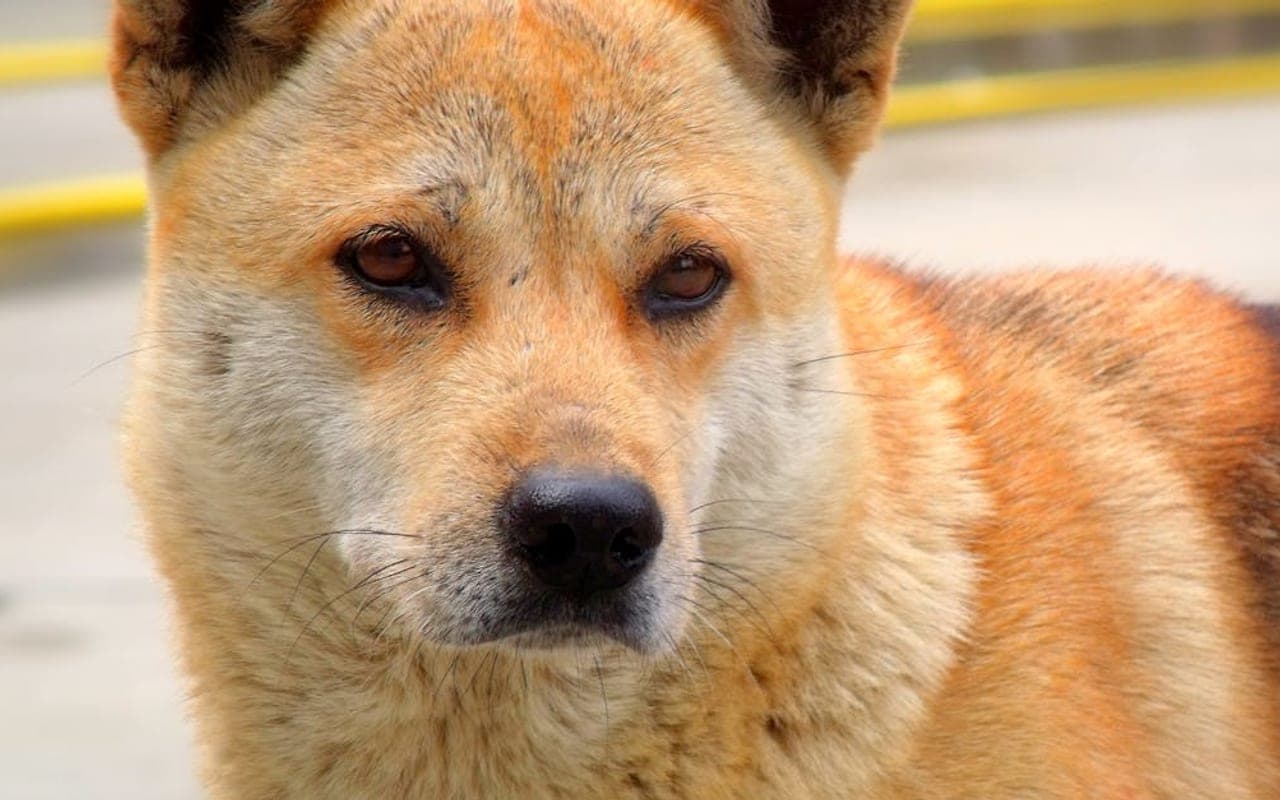
Jindo
Also in the Foundation Stock Service group, with different care and temperament tradeoffs.
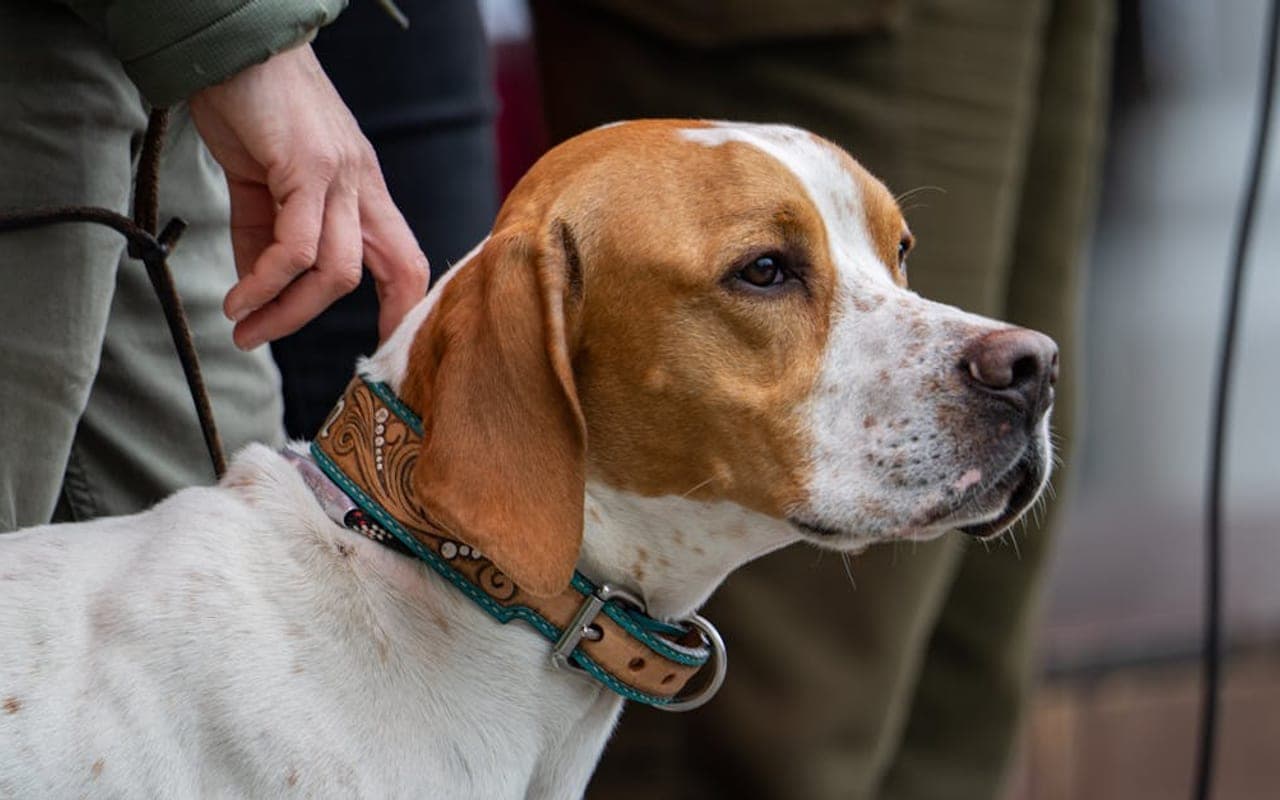
Portuguese Pointer
Also in the Foundation Stock Service group, with different care and temperament tradeoffs.
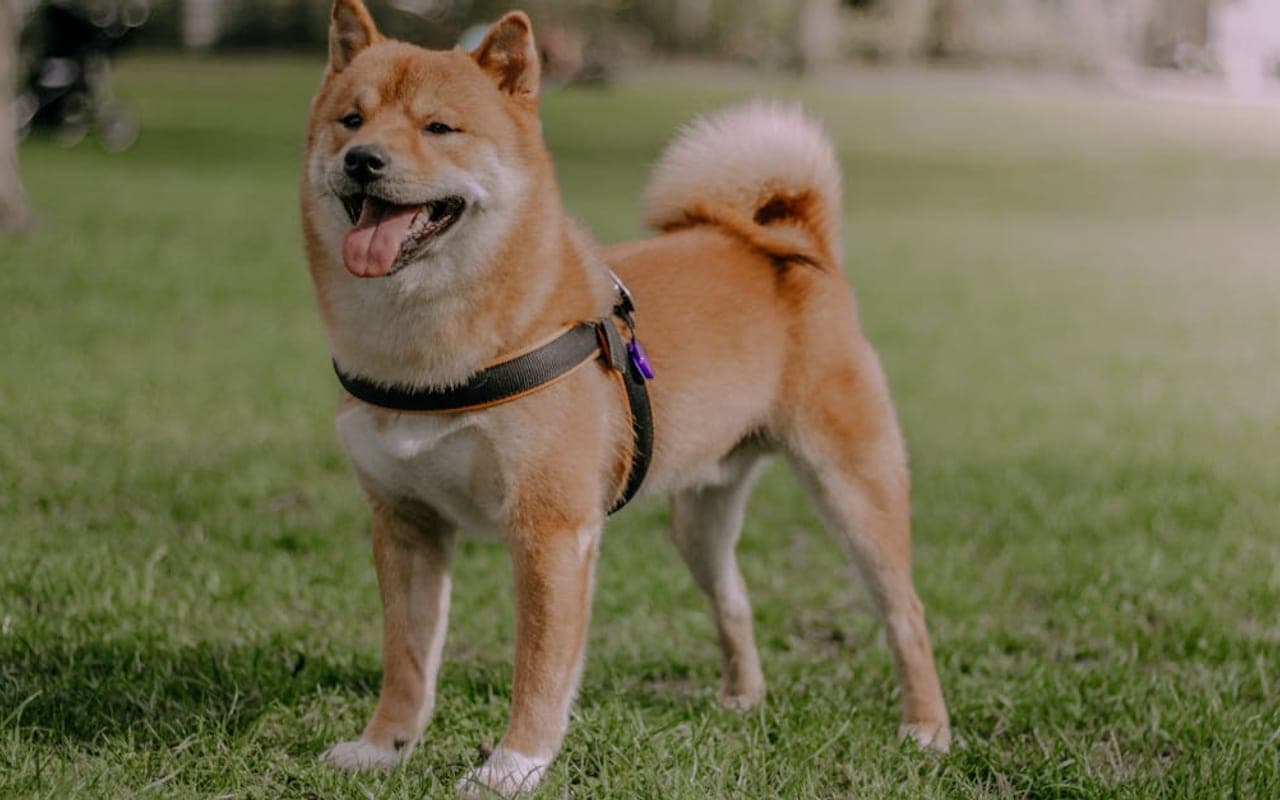
Kishu Ken
Also in the Foundation Stock Service group, with different care and temperament tradeoffs.
Explore More About Central Asian Shepherd Dog
Dive deeper into everything Central Asian Shepherd Dog — costs, care, and expert insights.
Considering a cat instead?
Browse Cats