
Toy group
Chinese Crested
The Chinese Crested is a toy companion dog that comes in two coat types from the same litter, and understanding that split is the first decision a buyer makes.
Size
8-12 lb
Lifespan
13-18 years
Exercise
30-60 minutes
Shedding
Moderate
Experience
Match to owner routine
Decision first
Is a Chinese Crested right for you?
Start with fit before history or trivia. These are ownership signals, not guarantees about any individual dog.
Best suited for
- Households with children.
- Homes with other compatible pets.
- Apartment homes with a consistent routine.
- Owners seeking a manageable daily exercise routine.
Think carefully if
- You need a dog with almost no daily routine.
- You cannot keep up with grooming and preventive care.
- The dog will spend most days alone without support.
Conditional fit
Apartment fit depends on exercise, enrichment, noise management, and outdoor access.
Daily reality
Chinese Crested commitment snapshot
Daily exercise
30-60 minutes
Match activity to age, health, weather, and training goals.
Coat care
Moderate
Grooming needs vary by coat, shedding, and lifestyle.
Time alone
Needs planning
Most dogs need gradual alone-time conditioning and support.
Structured facts
Chinese Crested at a glance
The measurements and traits that most affect day-to-day life with this breed.
Group
Toy
Weight
8-12 lb
Height
9-13 in
Lifespan
13-18 years
Temperament
Affectionate | Alert | Lively
View all characteristics and methodology
Lifestyle fit
- Apartment suitability
- Likely fit
- Child friendliness
- Often good, with socialisation and supervision
- Other-pet fit
- Often compatible with careful introductions
Owner commitment
- Exercise
- 30-60 minutes
- Grooming
- Moderate
- Shedding
- Moderate
- Training
- Moderate
Environment and health
- Health risk
- Needs planning
Ratings combine structured breed data, visible breed fields, and editorial context. They are planning aids, not predictions for an individual dog.
Daily life
Chinese Crested temperament and behavior
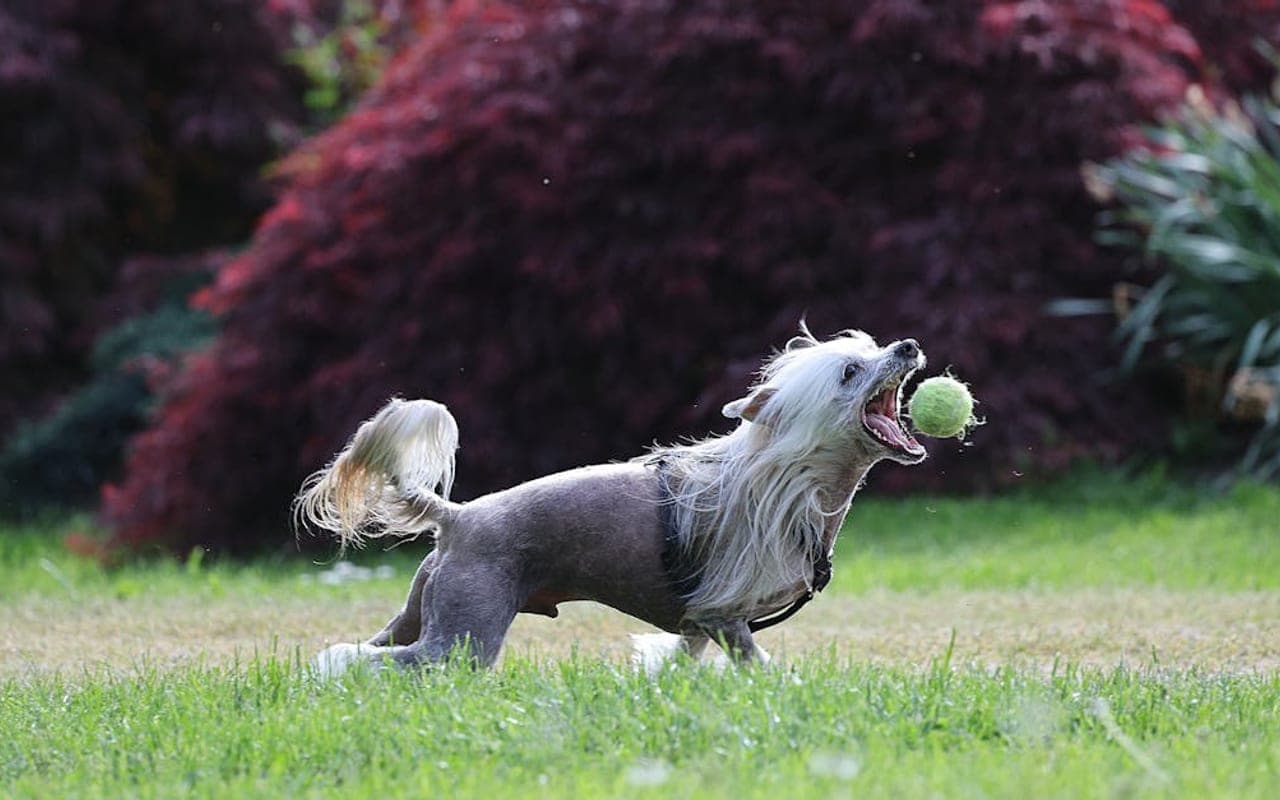
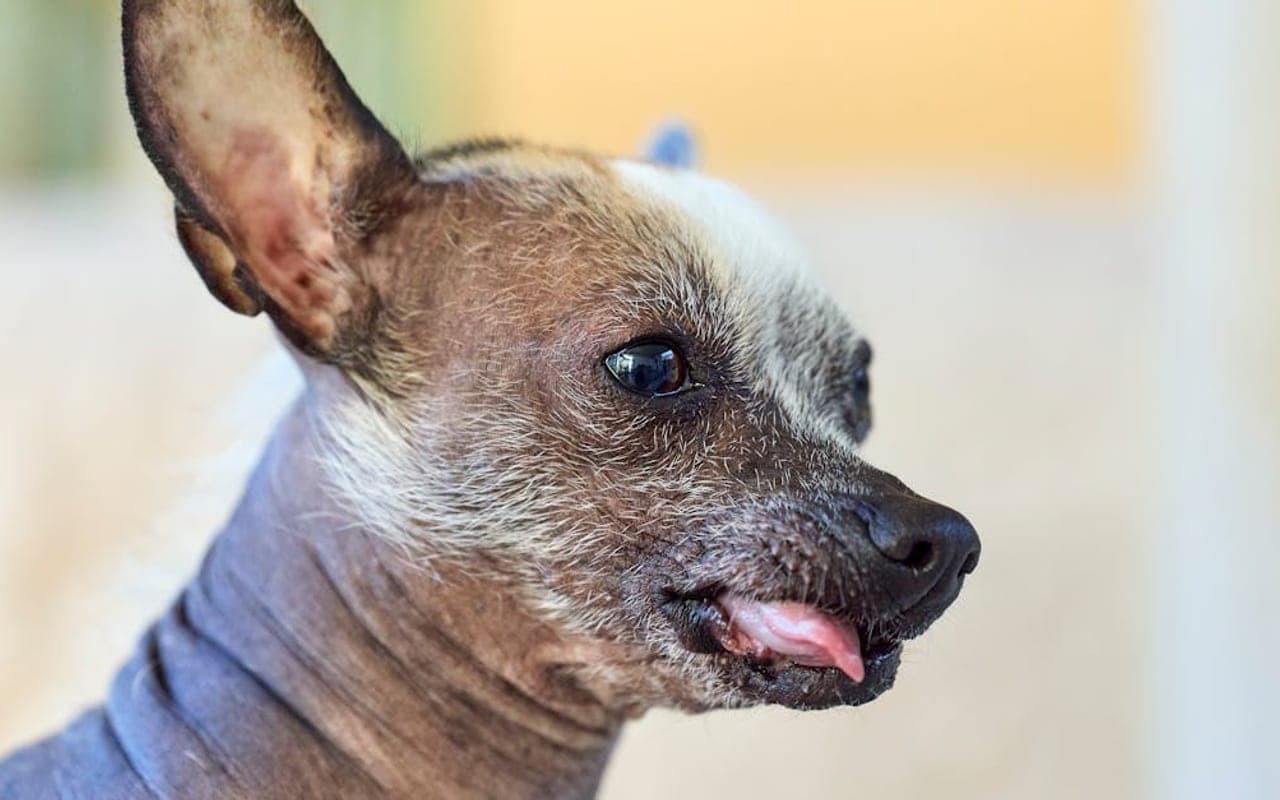
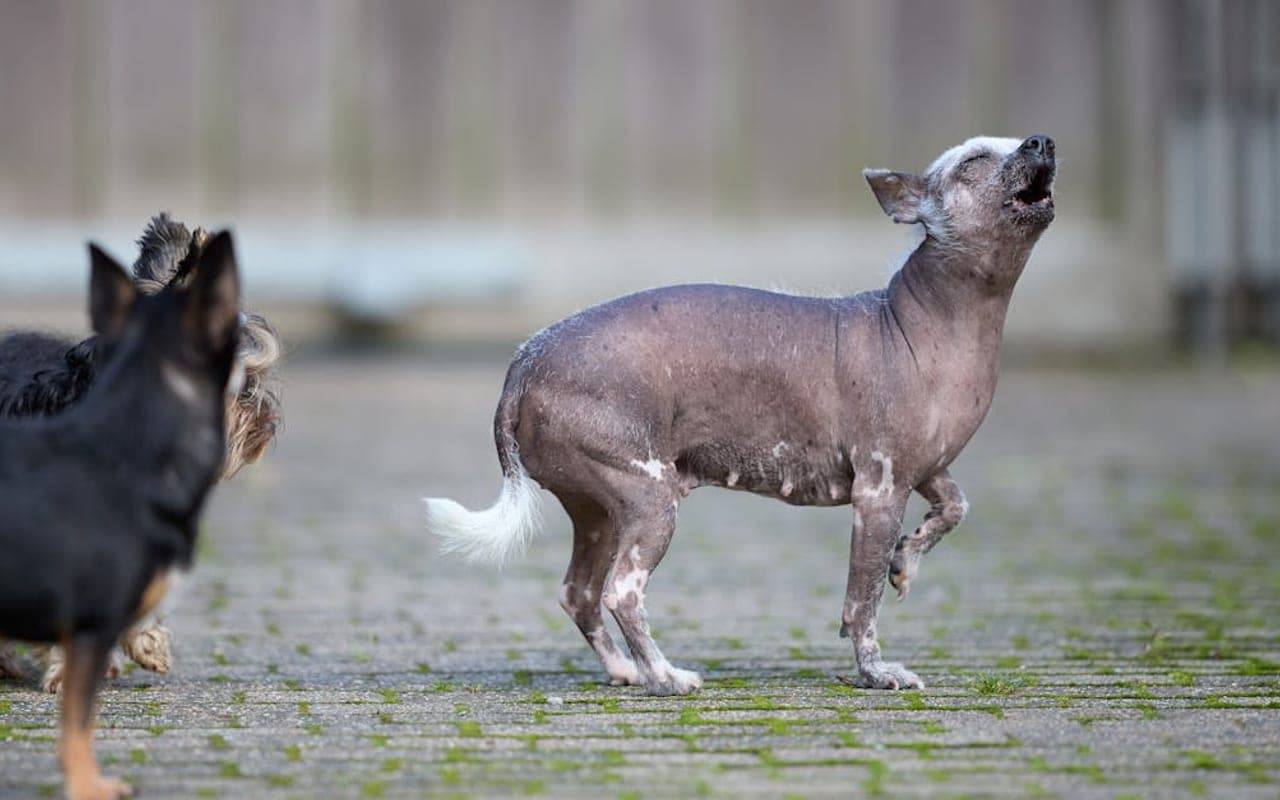
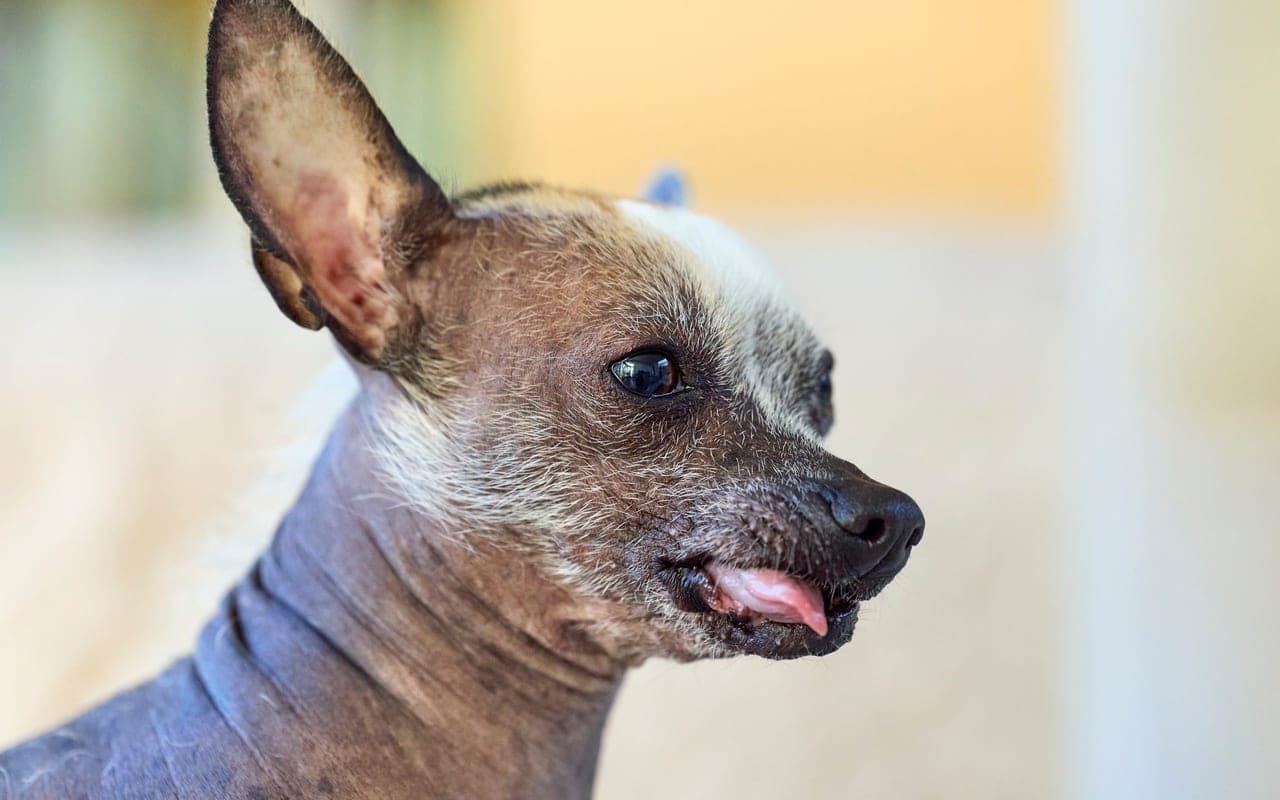
The Chinese Crested is a toy companion dog that comes in two coat types from the same litter, and understanding that split is the first decision a buyer makes. The Hairless variety has skin over most of the body with a crest of hair on the head, plumed tail, and 'socks' on the feet; the Powderpuff is fully coated with a soft double coat. Same breed, same temperament, very different care. Adults stand 9-13 inches and weigh roughly 8-12 pounds — a genuinely small dog whose fragility is part of the ownership reality. Temperament is the breed's strong suit. Chinese Cresteds are affectionate, lively, playful, and intensely attached to their people — true lap dogs that often bond hardest to one person and dislike being left alone, making separation anxiety a real and common problem. They are alert and make decent little watchdogs, sensitive to tone, and not suited to harsh handling or rough children. Some are reserved with strangers; early socialization smooths this. Who the Chinese Crested is right for: someone who wants a small, devoted, low-shedding companion, is home often or can arrange company, and — for the Hairless — is willing to run a genuine skin-care routine including sunscreen, moisturizing, and bathing. Who it is wrong for: anyone wanting an independent or outdoorsy dog, homes with very young or rough children, owners who leave a dog alone all day, or anyone who assumes 'hairless' means 'no maintenance.' The Hairless trades brushing for dermatology; the Powderpuff trades skin care for grooming. Pick the coat you can actually maintain.
Affectionate | Alert | Lively
Affectionate
A common Chinese Crested temperament descriptor that should be interpreted alongside training, exercise, and household fit.
Alert
A common Chinese Crested temperament descriptor that should be interpreted alongside training, exercise, and household fit.
Lively
A common Chinese Crested temperament descriptor that should be interpreted alongside training, exercise, and household fit.
Owner note
Temperament labels are starting points, not guarantees. Meet the individual dog and ask about behavior history whenever possible.
Care essentials
How to care for a Chinese Crested
What looking after one actually involves: exercise, grooming, food, training, and routine health.
ExerciseAs needed
- Moderately active breed needing 30-60 minutes of daily exercise through walks, play, and mental stimulation.
GroomingAs needed
- Regular grooming needed — brush 2-3 times per week and bathe monthly.
TrainingAs needed
- Moderately trainable — consistent, patient training with positive methods works best.
NutritionAs needed
- Feed a high-quality dog food appropriate for their age, size, and activity level. Monitor portions to prevent obesity.
Veterinary CareAs needed
- Annual wellness exams, core vaccinations, dental care, and parasite prevention. Breed-specific health screenings as recommended by your vet.
Health planning
Chinese Crested health risks and screening
Every breed has individual health variation. Use this profile for planning and discuss medical decisions with a veterinarian.
Responsible ownership
Finding a Chinese Crested responsibly
What to ask a breeder or rescue is the same conversation for every breed, so we keep it in one place and keep it current.
Health documentation, meeting the parents or foster, contracts and return support, and the warning signs worth walking away from.
Original purpose
Chinese Crested history
History is useful when it explains today's behavior, coat, exercise needs, and training style.
Read the breed history
The Chinese Crested's exact origin is debated, but the prevailing account is that hairless dogs (the hairlessness gene is shared across several hairless breeds worldwide) were carried aboard Chinese trading and treasure ships from at least several centuries ago, where the small dogs were valued as ratters and companions and traded in port cities across Africa, Asia, and the Americas — which is how a 'Chinese' breed came to have a near-global early footprint. The breed was refined and standardized in the 19th and 20th centuries largely through Western fanciers, and it gained particular public visibility in the United States in the late 20th century. Its modern role is purely companionship. The genetics matter to buyers: the dominant hairless gene is also linked to the breed's dental abnormalities, so the coat type and the tooth issues are biologically connected, not coincidental.
Gallery
Chinese Crested photos
Images are cropped consistently and loaded progressively to keep the page responsive.
Lower-page context
Chinese Cresteds in culture
Where the breed shows up in film, sport, work and folklore — the enjoyable part, once the practical questions are answered.
Fun facts
- The Chinese Crested belongs to the Toy Group.
- The Chinese Crested is considered a hypoallergenic breed, making it a good choice for allergy sufferers.
- With proper care, Chinese Crested dogs can live up to 18 years or more.
Chinese Crested FAQs
Are hairless Chinese Cresteds really hypoallergenic and low-maintenance?
They shed little and many allergy sufferers tolerate them better than coated breeds, but no dog is truly hypoallergenic, and 'low-maintenance' is the bigger myth. The Hairless trades brushing for dermatology: sunscreen before sun exposure, gentle baths every 1-2 weeks, moisturizing, acne and blackhead management, and a coat in cold weather. You are not skipping grooming, you are swapping it for skin care that, done wrong, causes problems.
What is the difference between the Hairless and the Powderpuff?
They are two coat types of the same breed and appear in the same litters with identical temperament. The Hairless has bare skin with hair only on the head, tail, and feet and needs an active skin-care routine. The Powderpuff has a full soft double coat and instead needs brushing 2-3 times a week to prevent matting. Choose based on which maintenance you will realistically do — skin care versus coat care — because both require ongoing effort.
Do Chinese Cresteds have bad teeth?
Yes, predictably so in the Hairless variety. The same gene that produces hairlessness is linked to missing, malformed, and crowded teeth, so periodontal disease and early tooth loss are near-certain without intervention. Brush the dog's teeth several times a week from puppyhood and budget for regular professional cleanings under anesthesia. Treat dentistry as a planned recurring cost in this breed, not an occasional surprise — it is the most reliable health expense you will have.
How long do Chinese Cresteds live?
Typically 13 to 18 years, a long lifespan even for a toy breed. Over that long life the costs that recur are dental care (effectively guaranteed), skin maintenance in the Hairless, and watching for the inherited eye diseases primary lens luxation and PRA. Buying from a breeder who DNA-tests parents for PLL and PRA and keeping up rigorous dental and skin routines is what turns that long lifespan into a comfortable one rather than an expensive one.
Are Chinese Cresteds good with children?
Better with calm, older, dog-savvy children than with toddlers. They are affectionate and playful but small, fragile, and sensitive to rough handling; a drop or a squeeze can cause real injury, and they may snap defensively if mishandled. In a household with very young children, supervise every interaction, teach children to sit with the dog rather than carry it, and give the dog an escape space. They are not a robust 'kid's dog.'
Can Chinese Cresteds be left alone during the workday?
Not comfortably. They are intensely people-bonded lap dogs and are prone to separation anxiety, often manifesting as vocalizing, destructiveness, or house-soiling when left alone for long stretches. If everyone in the household is out all day, plan for a dog walker, daycare, or a companion, and build independence gradually from puppyhood. Owners who are home often or work from home are the best fit; routinely leaving this breed alone all day is setting it up to struggle.
Sources
These are the published sources this page draws on. Each opens in a new tab so you can check it yourself.
American Kennel Club
Chinese Crested — breed standard and profile(opens in a new tab)Supports: Breed standard and recognition details.
Similar breeds to consider
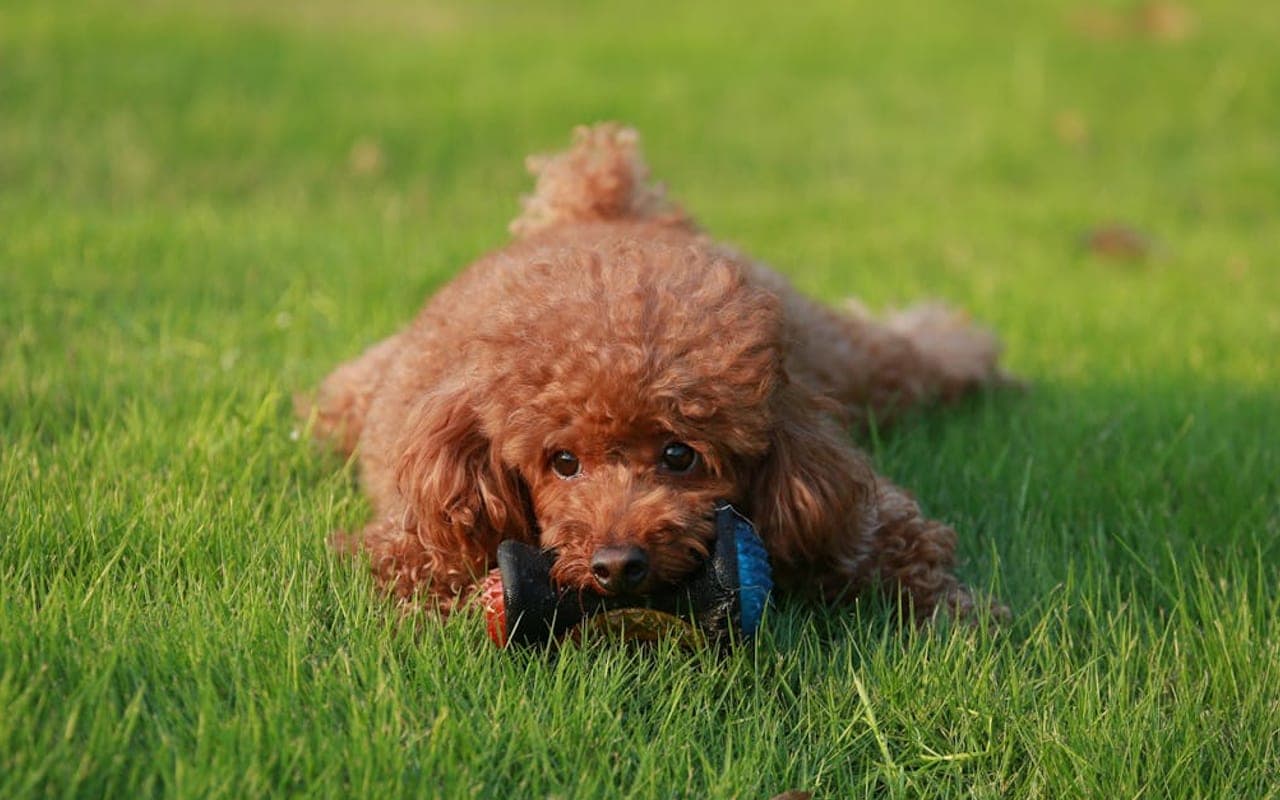
Poodle (Toy)
Also in the Toy group, with different care and temperament tradeoffs.

Yorkshire Terrier
Also in the Toy group, with different care and temperament tradeoffs.

Cavalier King Charles Spaniel
Also in the Toy group, with different care and temperament tradeoffs.

Havanese
Also in the Toy group, with different care and temperament tradeoffs.
Explore More About Chinese Crested
Dive deeper into everything Chinese Crested — costs, care, and expert insights.
Large Dog Care Guide: Everything Over 50 lbs
Owning a large or giant breed dog means accepting one of biology's...
Puppy Teething & Biting: Timeline and What Actually Works
A puppy has all 28 deciduous ("baby") teeth by roughly eight weeks of age, and...
Considering a cat instead?
Browse Cats