
Non-Sporting group
Chow Chow
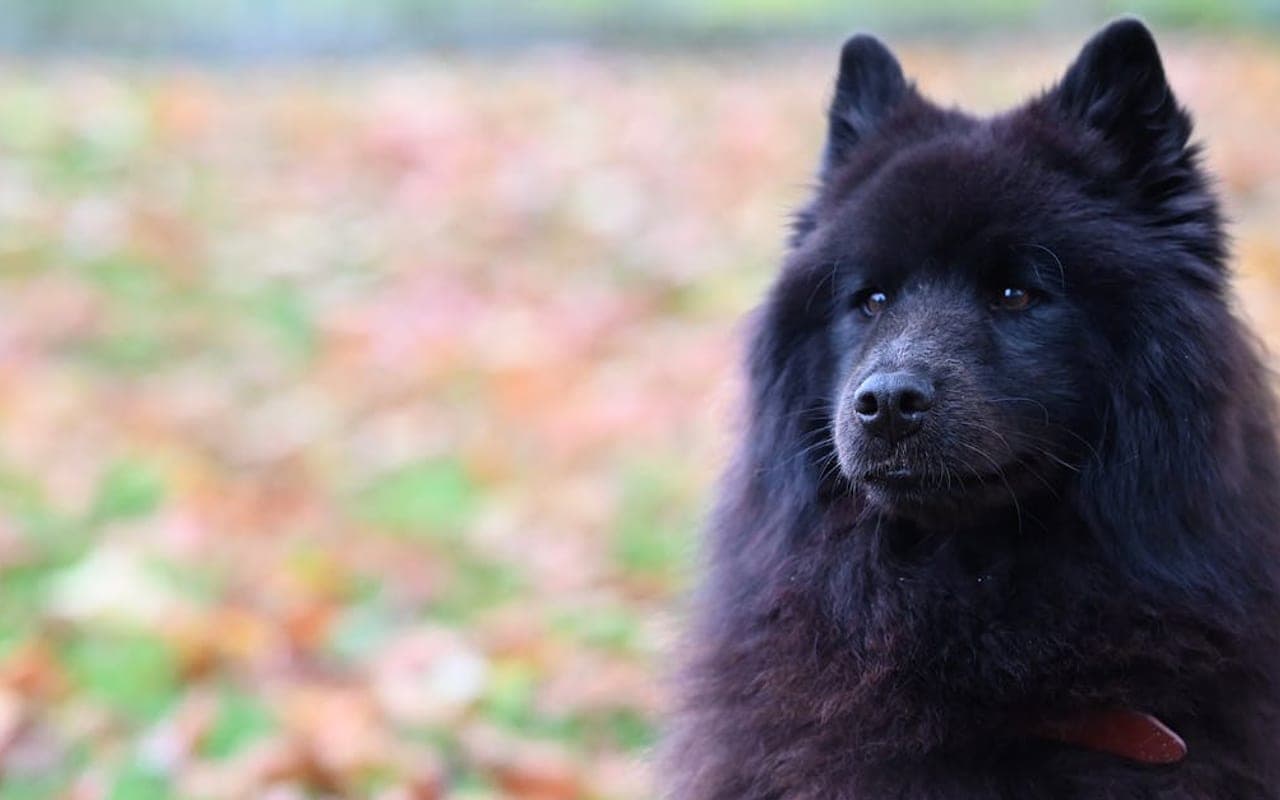
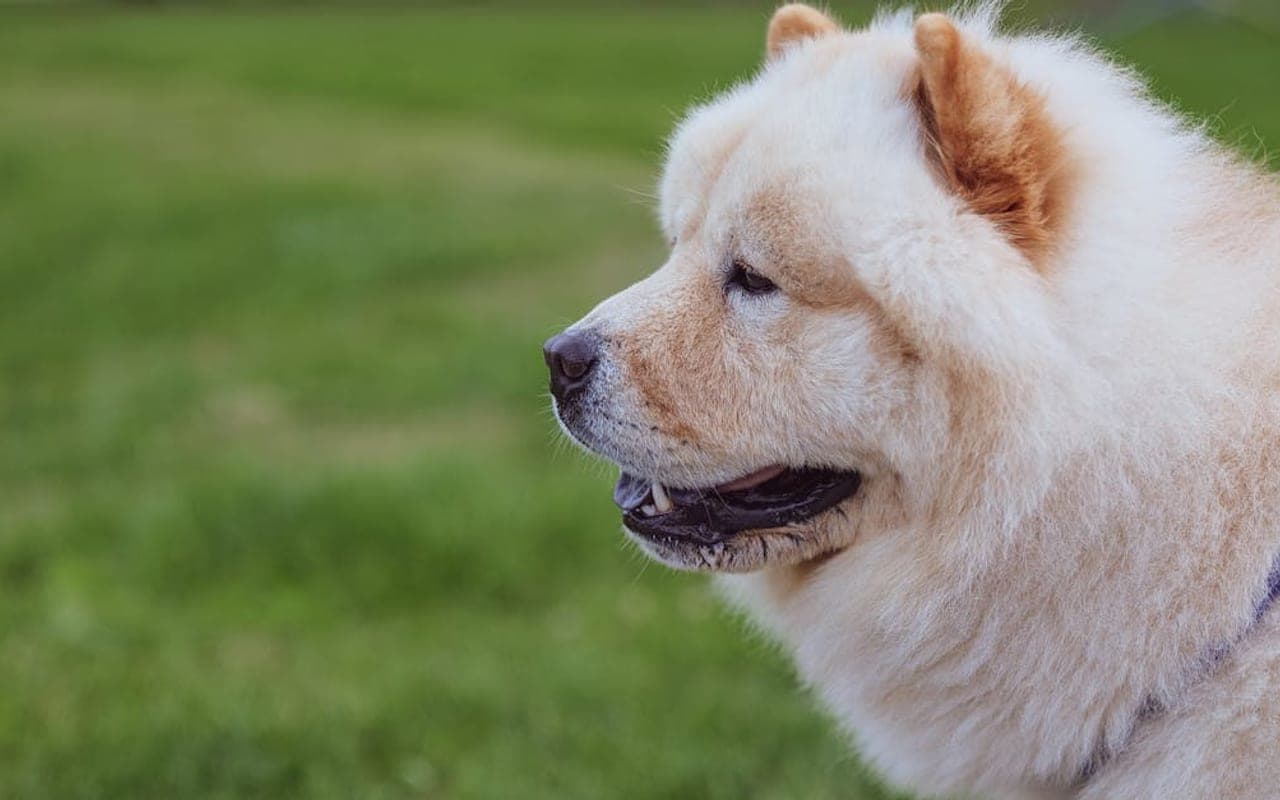
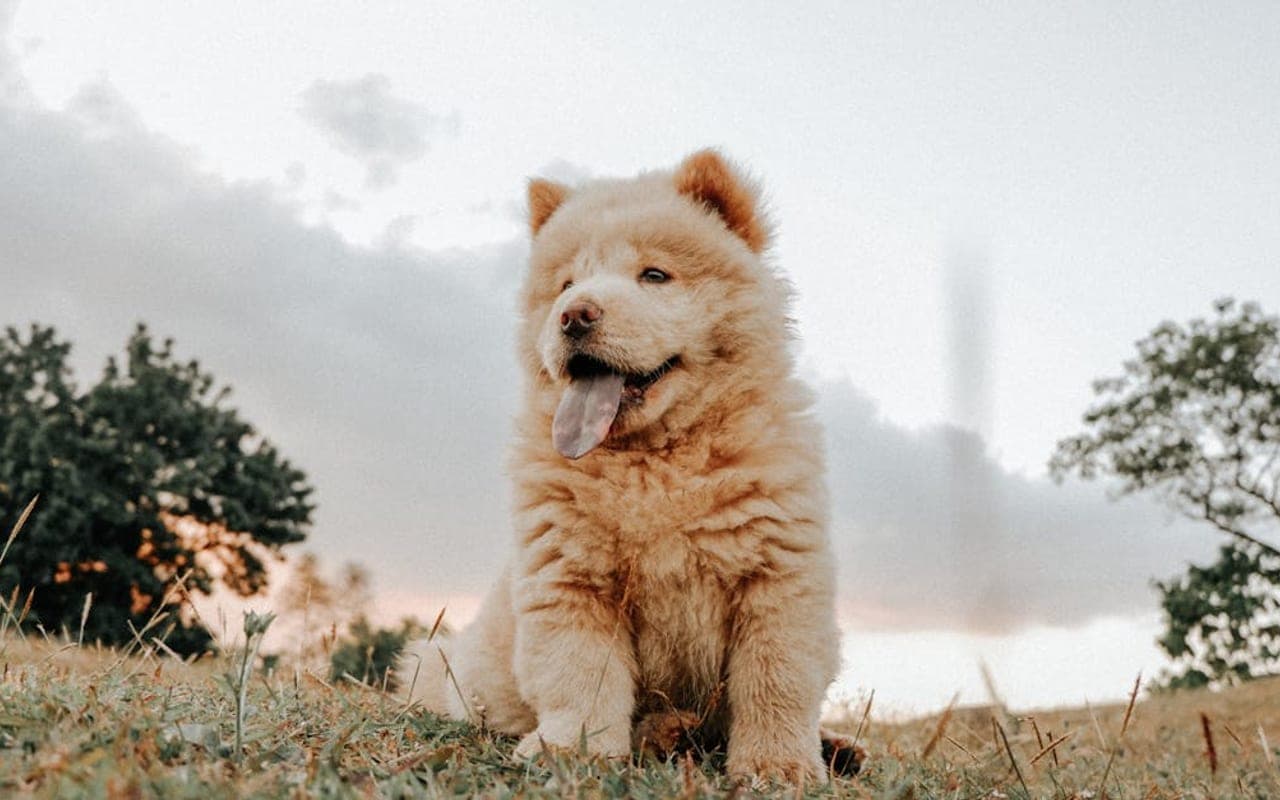
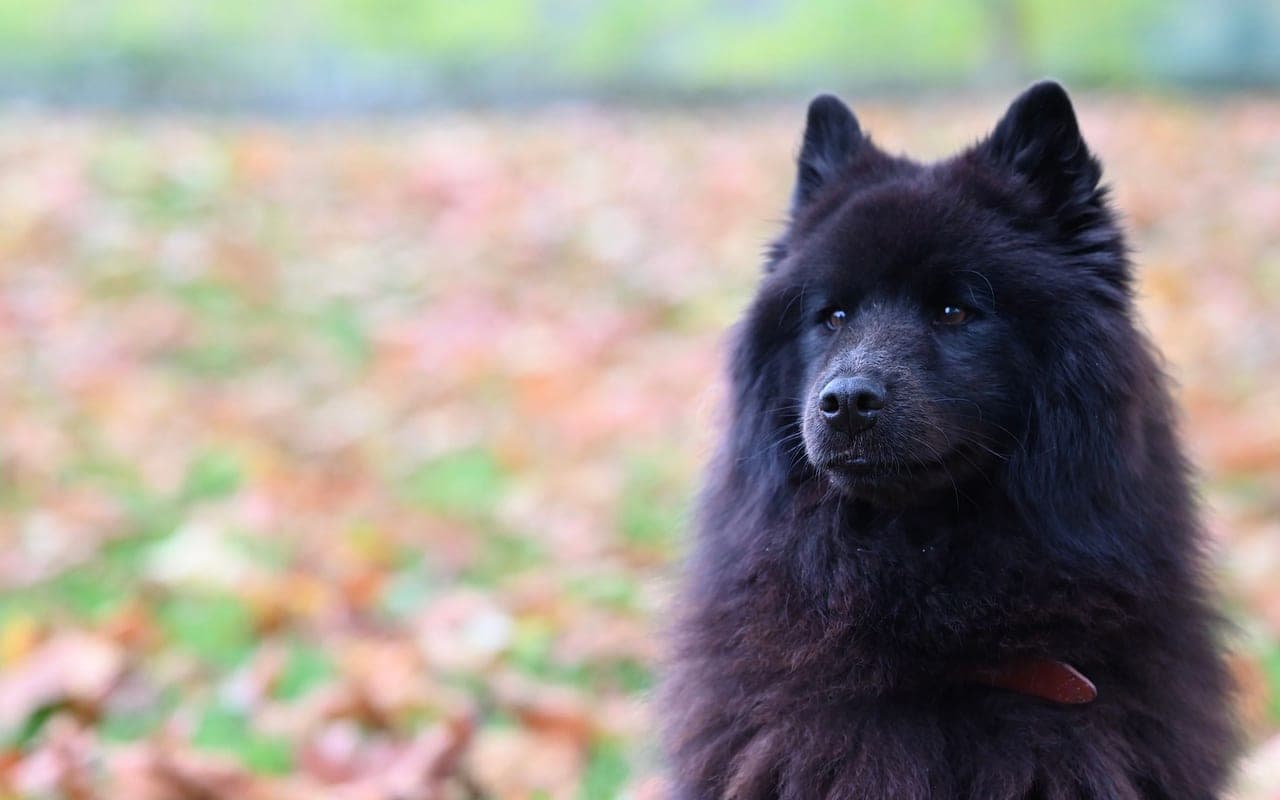
The Chow Chow is a medium-large (45-70 pounds, 17-20 inches), ancient Chinese breed instantly known for its lion-like ruff, blue-black tongue, and stilted, stiff-legged gait.
Size
44-71 lb
Lifespan
8-12 years
Exercise
30-60 minutes
Shedding
Moderate
Experience
Match to owner routine
Decision first
Is a Chow Chow right for you?
Start with fit before history or trivia. These are ownership signals, not guarantees about any individual dog.
Best suited for
- Homes with other compatible pets.
- Apartment homes with a consistent routine.
- Owners seeking a manageable daily exercise routine.
Think carefully if
- You need a dog with almost no daily routine.
- You cannot keep up with grooming and preventive care.
- The dog will spend most days alone without support.
Conditional fit
Apartment fit depends on exercise, enrichment, noise management, and outdoor access.
Daily reality
Chow Chow commitment snapshot
Daily exercise
30-60 minutes
Match activity to age, health, weather, and training goals.
Coat care
Moderate
Grooming needs vary by coat, shedding, and lifestyle.
Time alone
Needs planning
Most dogs need gradual alone-time conditioning and support.
Structured facts
Chow Chow at a glance
The measurements and traits that most affect day-to-day life with this breed.
Group
Non-Sporting
Weight
44-71 lb
Height
17-20 in
Lifespan
8-12 years
Temperament
Dignified | Bright | Serious-Minded
View all characteristics and methodology
Lifestyle fit
- Apartment suitability
- Likely fit
- Other-pet fit
- Often compatible with careful introductions
Owner commitment
- Exercise
- 30-60 minutes
- Grooming
- Moderate
- Shedding
- Moderate
- Training
- Moderate
Environment and health
- Health risk
- Needs planning
Ratings combine structured breed data, visible breed fields, and editorial context. They are planning aids, not predictions for an individual dog.
Daily life
Chow Chow temperament and behavior
The Chow Chow is a medium-large (45-70 pounds, 17-20 inches), ancient Chinese breed instantly known for its lion-like ruff, blue-black tongue, and stilted, stiff-legged gait. Behind the teddy-bear appearance is a serious, independent, territorial dog with a guardian temperament — and the gap between how a Chow looks and how a Chow behaves is the single most important thing a prospective owner must understand. People who buy the fluffy puppy expecting an affectionate, easygoing companion are routinely unprepared for an aloof, strong-willed, one-family dog. Expect a cat-like dog: dignified, clean, undemonstrative, loyal to its people but indifferent or suspicious toward strangers and often same-sex-dog-aggressive. Chows are not eager to please and do not train through repetition or dominance; they require early, extensive, positive socialization to prevent the natural wariness from becoming reactivity or guarding problems. They are quiet and low-energy enough for many homes but are emphatically not a casual or beginner breed. Physically, the Chow is shaped for trouble: deep-set eyes with heavy facial folds drive serious eye disease, the heavy double coat is a grooming and heat liability, and the breed is prone to disabling joint disease and brachycephalic-type breathing limits in heat. Pet insurance and a grooming budget are not optional. Who the Chow is right for: an experienced, calm, consistent owner who wants a dignified, low-energy, devoted guardian, will commit to early heavy socialization, serious grooming, and proactive eye and joint care, and accepts an aloof rather than cuddly dog. Who it is wrong for: first-time owners, busy households with constant strangers and dogs, hot climates without climate control, families wanting an affectionate, biddable, kid-friendly dog by default.
Dignified | Bright | Serious-Minded
Dignified
A common Chow Chow temperament descriptor that should be interpreted alongside training, exercise, and household fit.
Bright
A common Chow Chow temperament descriptor that should be interpreted alongside training, exercise, and household fit.
Serious-Minded
A common Chow Chow temperament descriptor that should be interpreted alongside training, exercise, and household fit.
Owner note
Temperament labels are starting points, not guarantees. Meet the individual dog and ask about behavior history whenever possible.
Care essentials
How to care for a Chow Chow
What looking after one actually involves: exercise, grooming, food, training, and routine health.
ExerciseAs needed
- Moderately active breed needing 30-60 minutes of daily exercise through walks, play, and mental stimulation.
GroomingAs needed
- Regular grooming needed — brush 2-3 times per week and bathe monthly.
TrainingAs needed
- Moderately trainable — consistent, patient training with positive methods works best.
NutritionAs needed
- Feed a high-quality dog food appropriate for their age, size, and activity level. Monitor portions to prevent obesity.
Veterinary CareAs needed
- Annual wellness exams, core vaccinations, dental care, and parasite prevention. Breed-specific health screenings as recommended by your vet.
Health planning
Chow Chow health risks and screening
Every breed has individual health variation. Use this profile for planning and discuss medical decisions with a veterinarian.
Responsible ownership
Finding a Chow Chow responsibly
What to ask a breeder or rescue is the same conversation for every breed, so we keep it in one place and keep it current.
Health documentation, meeting the parents or foster, contracts and return support, and the warning signs worth walking away from.
Original purpose
Chow Chow history
History is useful when it explains today's behavior, coat, exercise needs, and training style.
Read the breed history
The Chow Chow is one of the oldest recognizable dog breeds, native to China and depicted in artifacts dating back roughly two thousand years, with origins likely far older. It was a true all-purpose dog of ancient China — used for hunting, herding, guarding, cart-pulling, and, historically and uncomfortably for modern owners, as a source of food and fur, which shaped its wary, self-contained temperament. The breed's name is an Anglicization thought to derive from pidgin-trade terminology used when the dogs were brought to the West aboard merchant ships in the 18th and 19th centuries. It gained Western popularity after Queen Victoria took an interest in the breed, and was recognized by the American Kennel Club in 1903. That long history as a working guardian rather than a bred companion explains the modern Chow's independence, territoriality, stranger-aloofness, and resistance to obedience-for-its-own-sake — these are deep breed traits, not training failures.
Gallery
Chow Chow photos
Images are cropped consistently and loaded progressively to keep the page responsive.
Lower-page context
Chow Chows in culture
Where the breed shows up in film, sport, work and folklore — the enjoyable part, once the practical questions are answered.
Fun facts
- The Chow Chow belongs to the Non-Sporting Group.
- The average lifespan of a Chow Chow is 8 to 12 years.
- Chow Chow dogs are valued for their dignified, bright, serious-minded nature.
Chow Chow FAQs
Are Chow Chows aggressive?
Not inherently, but they are aloof, territorial, and guarding by nature, and that wariness becomes aggression in under-socialized, under-managed, or poorly bred dogs. A well-bred Chow given heavy positive socialization from puppyhood is dignified and discriminating rather than dangerous — devoted to its family, indifferent to strangers, and often intolerant of unfamiliar same-sex dogs. The honest summary: the Chow's temperament is unforgiving of inexperienced handling, inconsistent rules, and inadequate socialization, and the breed is also genuinely difficult to read because its facial folds and deep-set eyes mask the early warning signals other dogs show. That combination is exactly why it is not a beginner breed.
How long do Chow Chows live?
Typically 8-12 years. Lifespan and quality of life are most often limited by chronic eye disease (especially untreated entropion and glaucoma), orthopedic disease and arthritis, autoimmune conditions, and heat-related crises. The practical levers are buying from a breeder who screens eyes and hips, treating entropion early, keeping the dog lean, and being rigorous about heat protection. A Chow with proactive, early eye and joint care reaches the top of that range far more often than one whose owner waits for problems to become obvious.
Why does my Chow Chow squint or have weepy eyes?
Assume entropion until a vet rules it out — it is the breed's most common and most predictable problem. The deep-set eyes and heavy folds roll the eyelids inward so the lashes scrape the cornea, causing pain, tearing, and squinting that worsens to ulceration and scarring if ignored. It is corrected surgically and the earlier the better. Persistent squinting, a held-shut eye, or face-pawing is a within-days vet visit, not a watch-and-wait.
Can Chow Chows handle hot weather?
Poorly — this is a serious welfare issue. The combination of a relatively short muzzle and a thick double coat makes the Chow inefficient at cooling and genuinely prone to heat exhaustion and fatal heatstroke. Exercise only in the cool parts of the day, never leave a Chow outside or in a car in heat, provide constant shade and water, and use air conditioning in hot climates. And never shave the coat to "cool it down" — the coat insulates against heat and shaving makes things worse.
Are Chow Chows good with children and other pets?
They can be, but it is not the breed default and must be built deliberately. A Chow raised from puppyhood with respectful children and other animals, and heavily socialized, can be a steady family guardian — but the breed is aloof, dislikes rough handling, and is often same-sex-dog-aggressive. It is generally a poor match for homes with toddlers or constant new dogs. Always supervise interactions, respect the dog's space, and never expect the easy tolerance of a retriever-type breed.
Sources
These are the published sources this page draws on. Each opens in a new tab so you can check it yourself.
American Kennel Club
Chow Chow — breed standard and profile(opens in a new tab)Supports: Breed standard and recognition details.
Similar breeds to consider
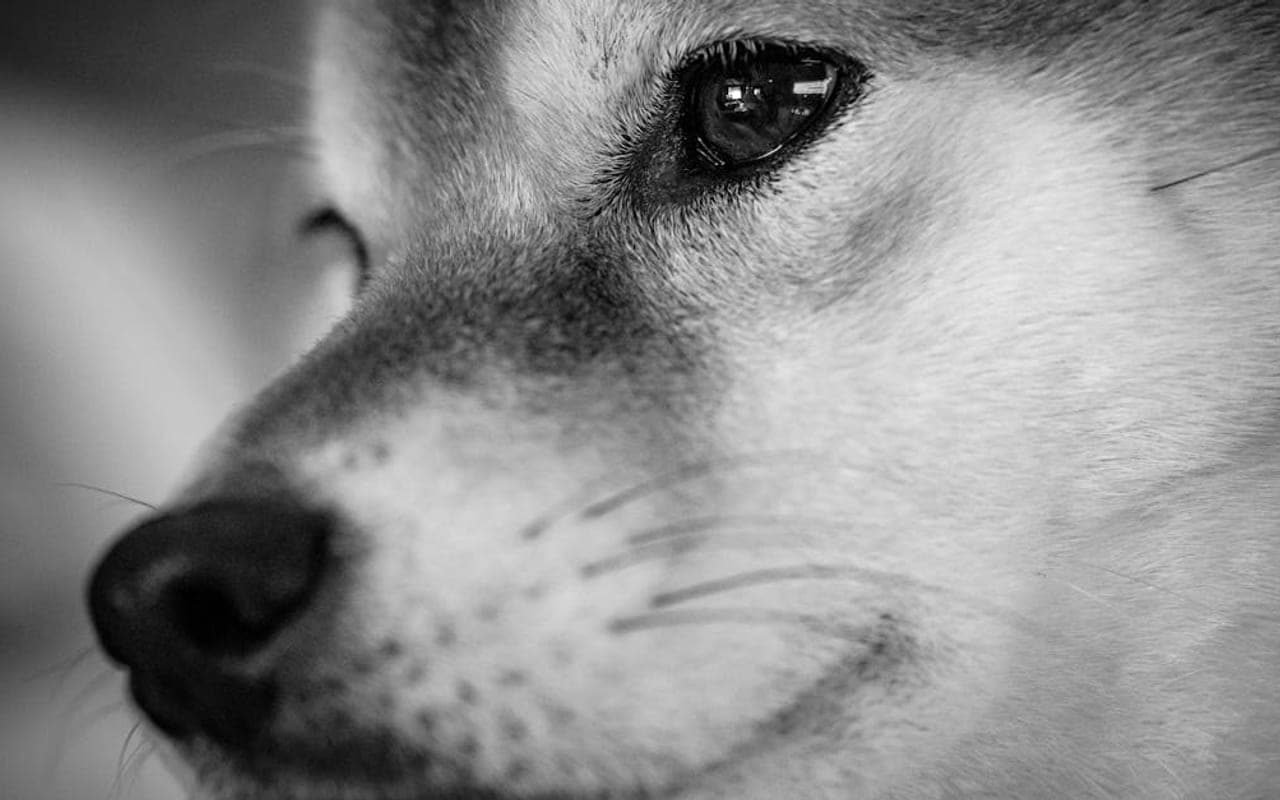
Shiba Inu
Also in the Non-Sporting group, with different care and temperament tradeoffs.
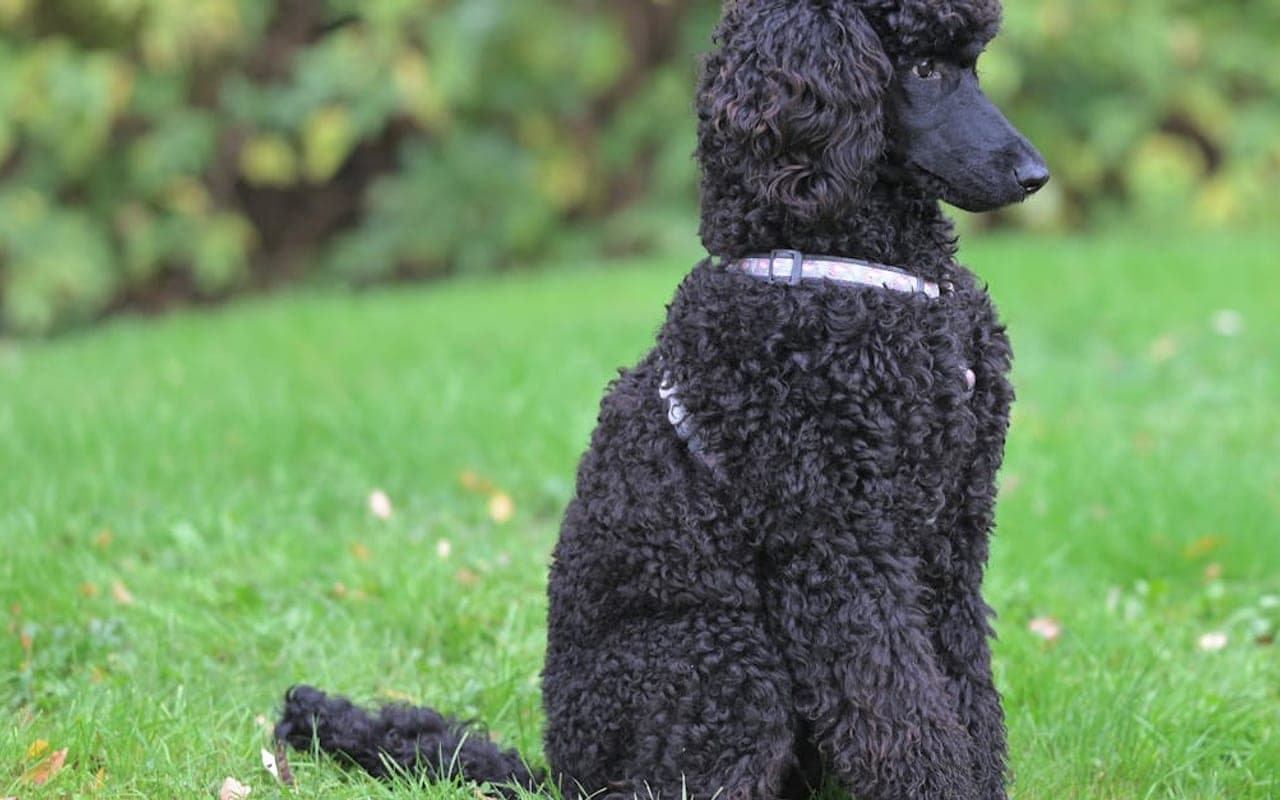
Poodle
Also in the Non-Sporting group, with different care and temperament tradeoffs.
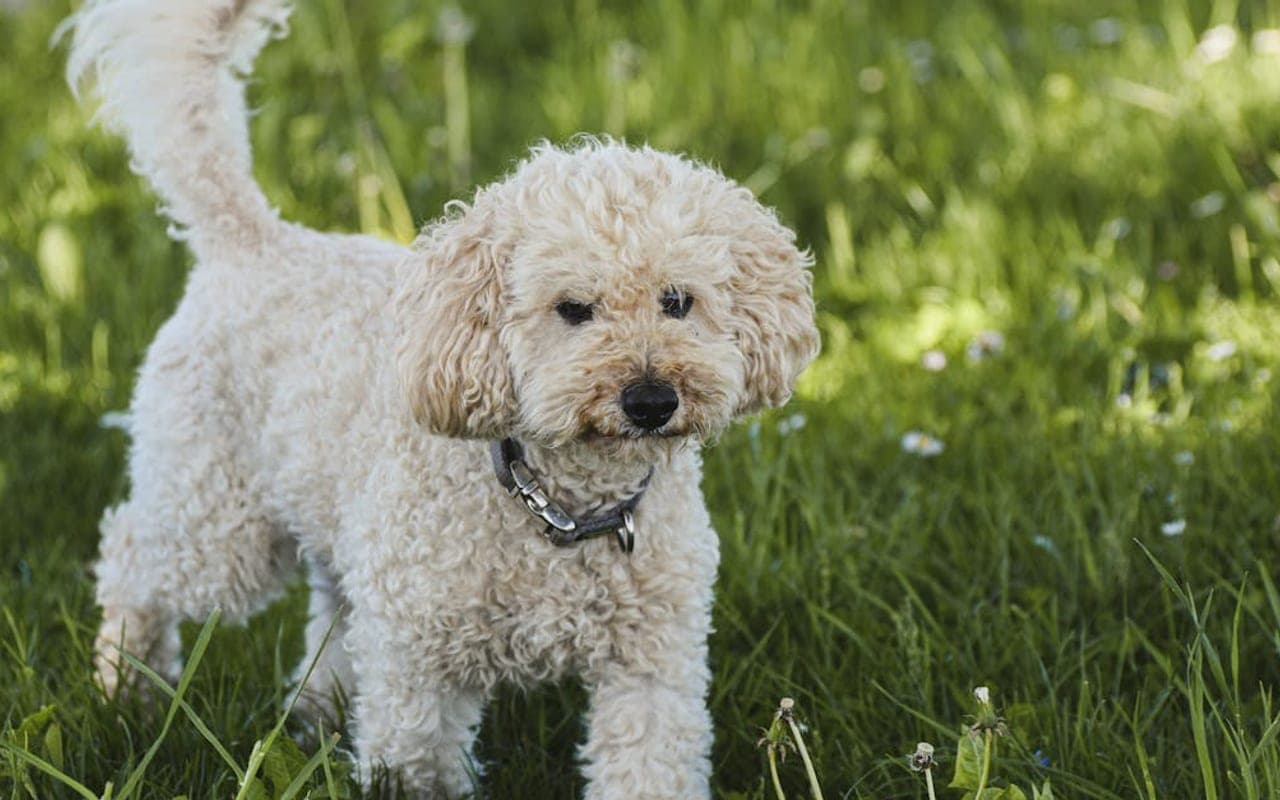
Poodle (Miniature)
Also in the Non-Sporting group, with different care and temperament tradeoffs.
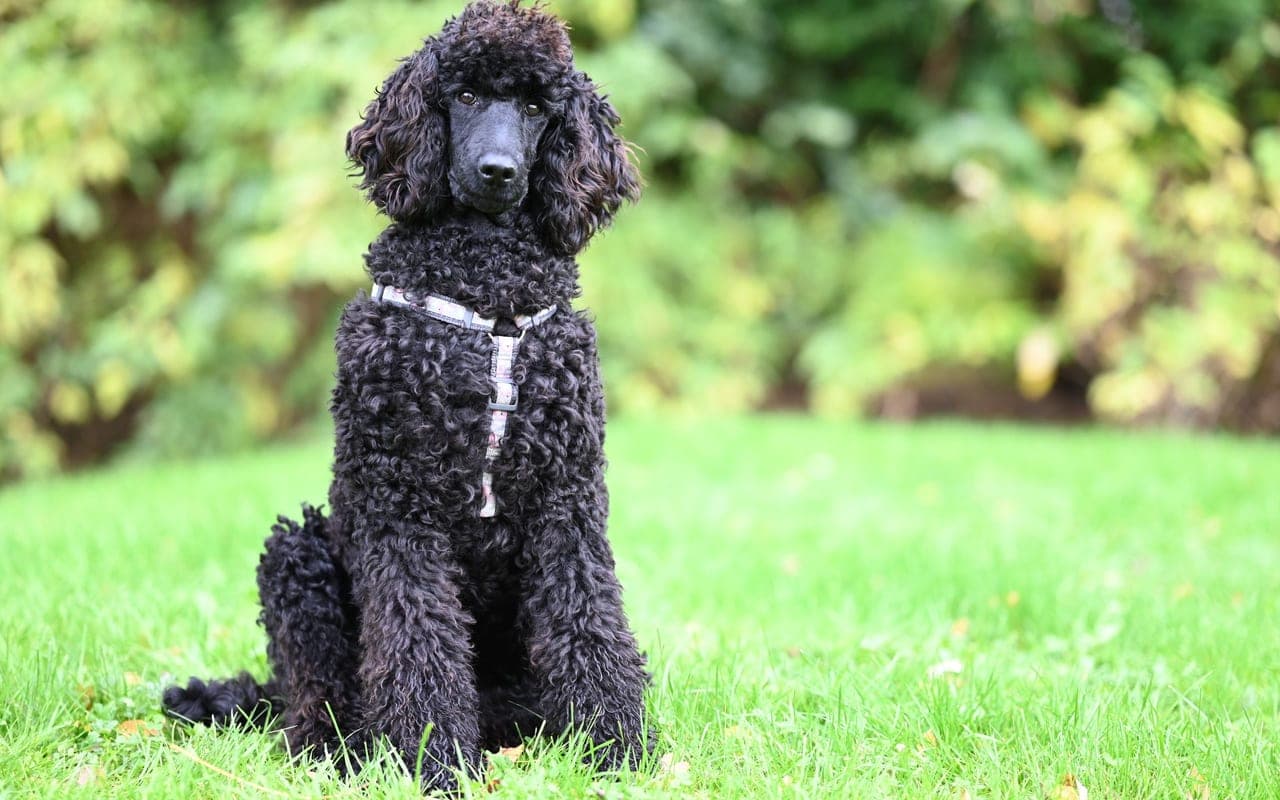
Poodle (Standard)
Also in the Non-Sporting group, with different care and temperament tradeoffs.
Explore More About Chow Chow
Dive deeper into everything Chow Chow — costs, care, and expert insights.
Considering a cat instead?
Browse Cats