
Hound group
Cirneco dell’Etna
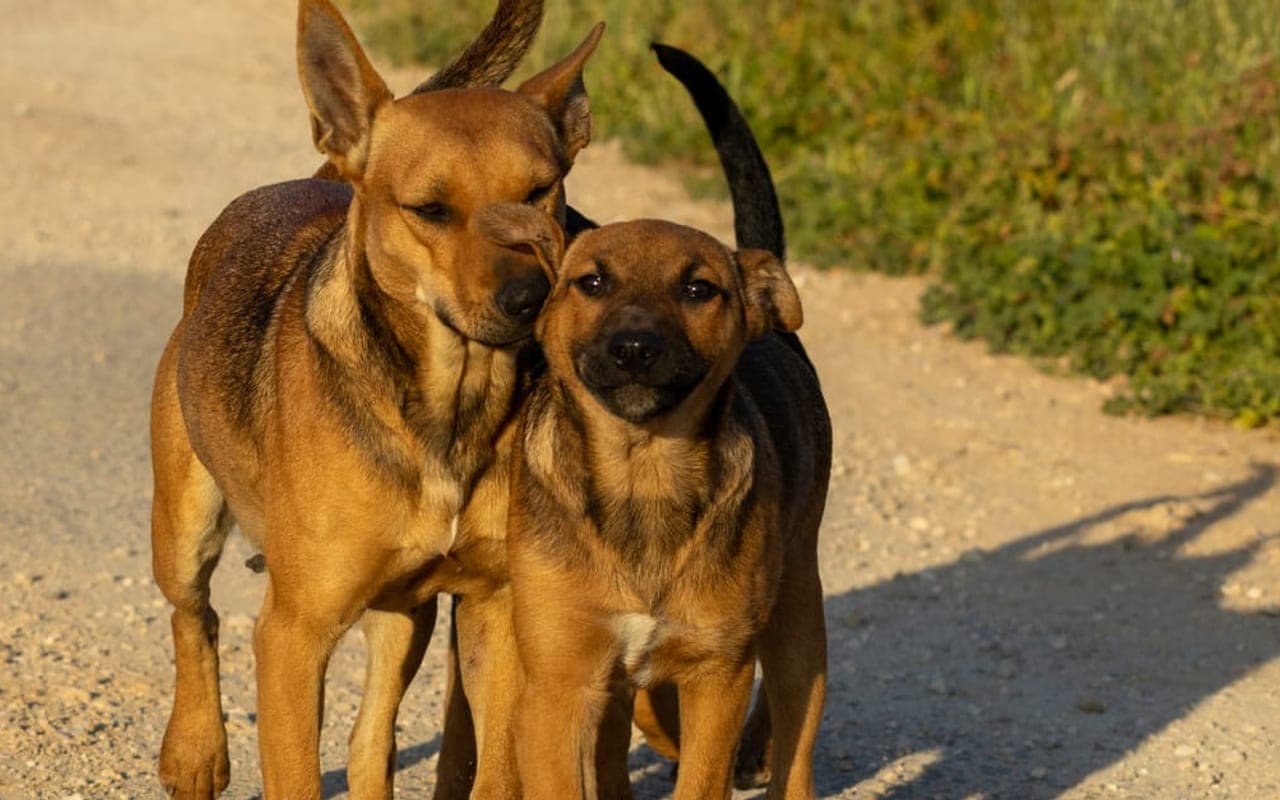
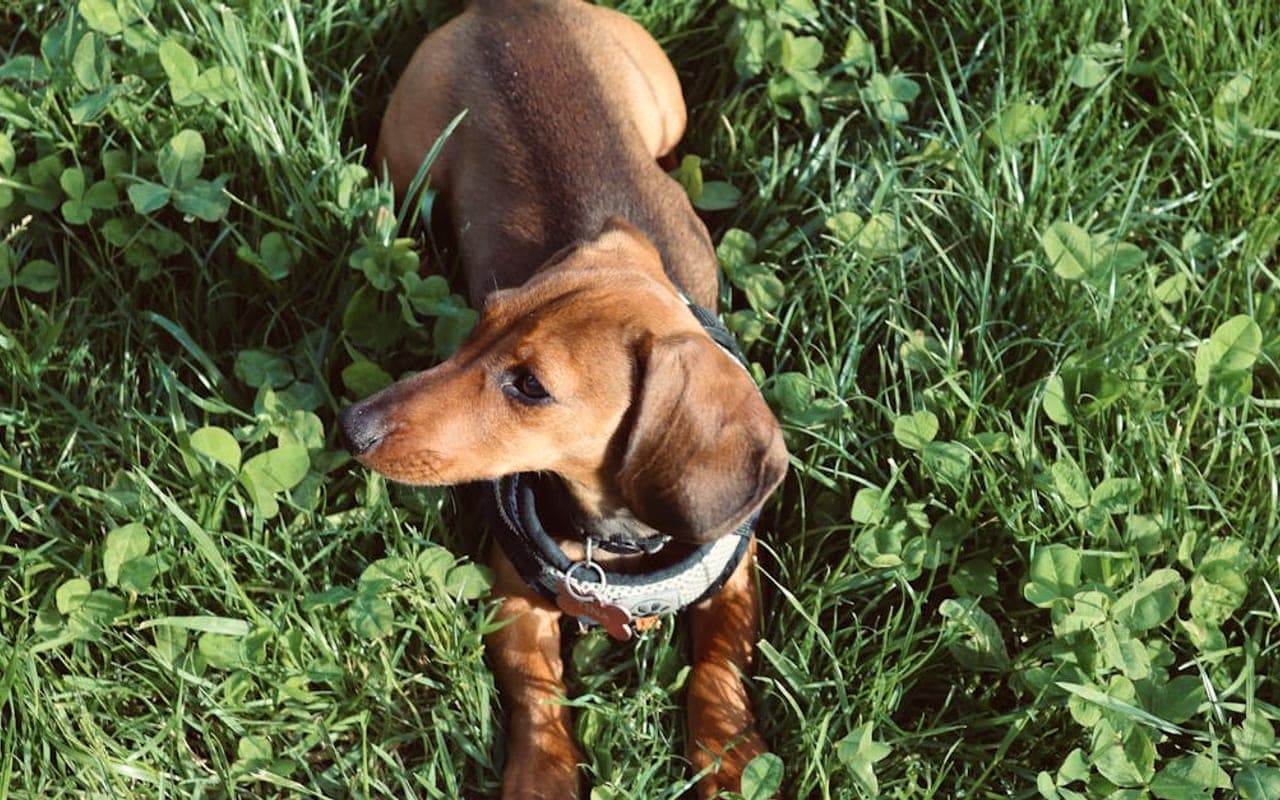
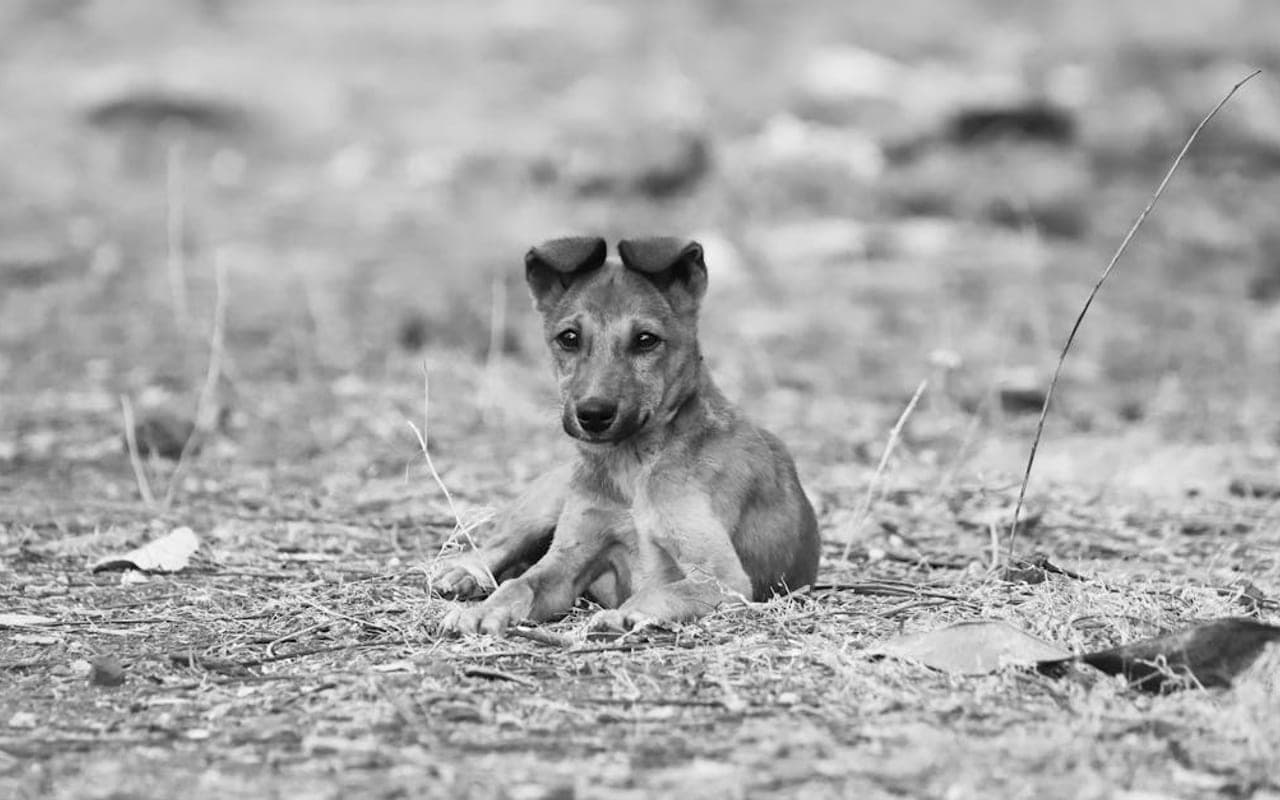
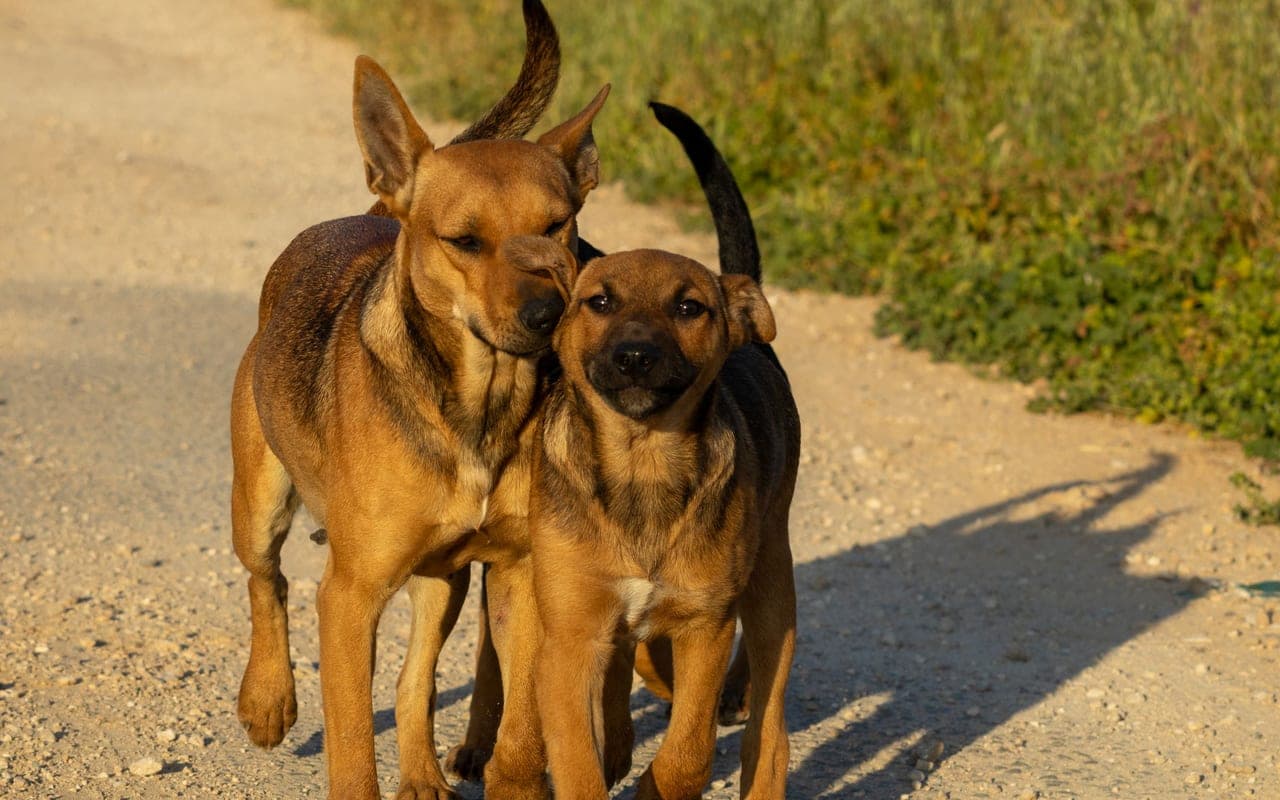
The Cirneco dell'Etna (pronounced 'cheer-NEK-o', plural Cirnechi) is an ancient small sighthound from Sicily, historically a coursing hound that worked the volcanic terrain around Mount Etna hunting rabbit.
Size
17-26 lb
Lifespan
12-14 years
Exercise
30-60 minutes
Shedding
Moderate
Experience
Match to owner routine
Decision first
Is a Cirneco dell’Etna right for you?
Start with fit before history or trivia. These are ownership signals, not guarantees about any individual dog.
Best suited for
- Households with children.
- Homes with other compatible pets.
- Owners seeking a manageable daily exercise routine.
Think carefully if
- You need a dog with almost no daily routine.
- You cannot keep up with grooming and preventive care.
- The dog will spend most days alone without support.
Conditional fit
Apartment living may be difficult unless the owner can meet the breed's exercise, training, and space needs.
Daily reality
Cirneco dell’Etna commitment snapshot
Daily exercise
30-60 minutes
Match activity to age, health, weather, and training goals.
Coat care
Moderate
Grooming needs vary by coat, shedding, and lifestyle.
Time alone
Needs planning
Most dogs need gradual alone-time conditioning and support.
Structured facts
Cirneco dell’Etna at a glance
The measurements and traits that most affect day-to-day life with this breed.
Group
Hound
Weight
17-26 lb
Height
17-20 in
Lifespan
12-14 years
Temperament
Affectionate | Friendly | Independent
View all characteristics and methodology
Lifestyle fit
- Apartment suitability
- Needs caution
- Child friendliness
- Often good, with socialisation and supervision
- Other-pet fit
- Often compatible with careful introductions
Owner commitment
- Exercise
- 30-60 minutes
- Grooming
- Moderate
- Shedding
- Moderate
- Training
- Moderate
Environment and health
- Health risk
- Needs planning
Ratings combine structured breed data, visible breed fields, and editorial context. They are planning aids, not predictions for an individual dog.
Daily life
Cirneco dell’Etna temperament and behavior
The Cirneco dell'Etna (pronounced 'cheer-NEK-o', plural Cirnechi) is an ancient small sighthound from Sicily, historically a coursing hound that worked the volcanic terrain around Mount Etna hunting rabbit. It stands 16.5-19.5 inches and weighs roughly 17-26 lbs — a lean, leggy, low-fat dog with a short tan-to-chestnut coat and large erect ears. Think of a smaller, sturdier cousin of the Pharaoh Hound, built for endurance and quick bursts of speed over rock and lava rather than flat-out track racing. This is one of the genuinely healthy, low-maintenance hounds — but it is still a sighthound, and that brings sighthound trade-offs you must accept rather than train away. The Cirneco is sweet, affectionate, and bonds closely with family, and it is widely considered more trainable and biddable than most sighthounds. But it hunts by sight and motion, so off-lead recall in open, unfenced areas is unreliable: a moving rabbit, cat, or squirrel can switch the dog off you instantly. It needs a securely fenced yard and on-lead walks elsewhere. Unlike many sighthounds it is hardy and adaptable, copes well with heat (it evolved on a Sicilian volcano), and is relatively quiet indoors — a calm housedog that becomes an explosive athlete outside. It is sensitive and does not respond to harsh training; it can be reserved with strangers but is not aggressive. Who the Cirneco is right for: an owner who wants an affectionate, clean, low-shedding, healthy companion, can provide secure off-lead space plus daily exercise, and accepts a permanent on-lead rule in open areas. Who it is wrong for: anyone wanting a reliable off-lead dog in unfenced country, a household with free-roaming small pets, or an owner expecting a robust dog that tolerates cold weather and being left to its own devices outdoors. It is rare outside Italy, so expect a wait to find one.
Affectionate | Friendly | Independent
Affectionate
A common Cirneco dell’Etna temperament descriptor that should be interpreted alongside training, exercise, and household fit.
Friendly
A common Cirneco dell’Etna temperament descriptor that should be interpreted alongside training, exercise, and household fit.
Independent
A common Cirneco dell’Etna temperament descriptor that should be interpreted alongside training, exercise, and household fit.
Owner note
Temperament labels are starting points, not guarantees. Meet the individual dog and ask about behavior history whenever possible.
Care essentials
How to care for a Cirneco dell’Etna
What looking after one actually involves: exercise, grooming, food, training, and routine health.
ExerciseAs needed
- Moderately active breed needing 30-60 minutes of daily exercise through walks, play, and mental stimulation.
GroomingAs needed
- Regular grooming needed — brush 2-3 times per week and bathe monthly.
TrainingAs needed
- Moderately trainable — consistent, patient training with positive methods works best.
NutritionAs needed
- Feed a high-quality dog food appropriate for their age, size, and activity level. Monitor portions to prevent obesity.
Veterinary CareAs needed
- Annual wellness exams, core vaccinations, dental care, and parasite prevention. Breed-specific health screenings as recommended by your vet.
Health planning
Cirneco dell’Etna health risks and screening
Every breed has individual health variation. Use this profile for planning and discuss medical decisions with a veterinarian.
Responsible ownership
Finding a Cirneco dell’Etna responsibly
What to ask a breeder or rescue is the same conversation for every breed, so we keep it in one place and keep it current.
Health documentation, meeting the parents or foster, contracts and return support, and the warning signs worth walking away from.
Original purpose
Cirneco dell’Etna history
History is useful when it explains today's behavior, coat, exercise needs, and training style.
Read the breed history
The Cirneco dell'Etna is one of the oldest dog types in existence, a primitive sighthound native to Sicily and strongly associated with the volcanic slopes of Mount Etna. Dogs of this physical type appear on Sicilian coins and artifacts dating back roughly 2,500 years, and the breed is generally regarded as a descendant of ancient hounds spread across the Mediterranean by Phoenician traders, closely related to other Mediterranean primitive hounds such as the Pharaoh Hound, Pharaoh's Ibizan relatives, and the Podenco group. For centuries it survived as a working hunter's dog among Sicilian peasants, prized for its ability to hunt rabbit over harsh, hot, rocky lava terrain on minimal food — an economy of build and stamina that still defines it. The breed was nearly lost in the early 20th century and was deliberately preserved through the efforts of a Sicilian baroness and veterinarian who collected and bred surviving rural specimens. It remains rare outside Italy, recognized by the AKC only in 2015, which is why finding one typically means a waitlist.
Gallery
Cirneco dell’Etna photos
Images are cropped consistently and loaded progressively to keep the page responsive.
Lower-page context
Cirneco dell’Etnas in culture
Where the breed shows up in film, sport, work and folklore — the enjoyable part, once the practical questions are answered.
Fun facts
- The Cirneco dell’Etna belongs to the Hound Group.
- The average lifespan of a Cirneco dell’Etna is 12 to 14 years.
- Cirneco dell’Etna dogs are valued for their affectionate, friendly, independent nature.
Cirneco dell’Etna FAQs
Is the Cirneco dell'Etna a healthy breed?
Yes — it is one of the genuinely healthier purebred dogs, owing to its ancient lineage and limited modern inbreeding, and it commonly lives 12-14 years. There are no widespread crippling breed diseases. The conditions worth screening for are inherited eye disease (PRA, cataracts), patellar luxation, and hypothyroidism. A dog from eye-tested parents kept at a lean weight is a low-cost dog to own across its life, which is unusual among pedigree breeds.
Can a Cirneco be trusted off-leash?
Only in securely fenced or fully enclosed areas. The Cirneco is more biddable than most sighthounds and has a reliable recall in calm conditions, but it hunts by sight and motion — a fleeing rabbit, cat, or squirrel can override training instantly and it will give chase at speed across roads or distance. Treat secure fencing as mandatory and on-lead walking as the permanent default in open or unfenced country. This is breed wiring, not a training shortfall.
Does the Cirneco do well in cold climates?
Not without help. This breed evolved on a hot Sicilian volcano with a thin single coat and very low body fat, so it tolerates heat well but chills quickly. In cold or wet weather it needs a fitted coat for walks, should not be left outdoors, and will seek out warm indoor spots and blankets. If you live somewhere with real winters, factor in dog coats and indoor-only outdoor time as a genuine, ongoing requirement rather than an optional extra.
Are Cirnechi good with children and other pets?
They are affectionate and gentle with their family, including children, with normal supervision of small kids around a fine-boned, fast dog. With other dogs they are generally social. The real caution is small furry or feathered pets: the Cirneco is a functional rabbit-hunting sighthound with a live prey drive, so cats raised with it from puppyhood may be fine, but rabbits, rodents, and birds are a high-risk match and need permanent separation.
How much grooming and exercise does a Cirneco need?
Grooming is minimal — a weekly rub-down with a mitt or soft brush and a bath a few times a year; shedding is low. Exercise is the bigger commitment: 45-60 minutes daily including a chance to sprint in a secure space, plus short reward-based training, which this comparatively trainable hound enjoys. It is calm and quiet indoors once exercised, so the trade is real activity outdoors in exchange for a relaxed, undemanding housemate at home.
Why is the Cirneco dell'Etna so hard to find outside Italy?
It is an ancient rare breed that was nearly lost in the early 1900s, has a small global population, and was only AKC-recognized in 2015. Practically, that means limited litters, likely waitlists, and possibly travel to acquire one. Use the wait productively: ask directly for the parents' eye-exam (CAER/OFA) and patella results, since inherited eye disease is the main thing screening protects against in this otherwise robust breed.
Sources
These are the published sources this page draws on. Each opens in a new tab so you can check it yourself.
American Kennel Club
Cirneco dell’Etna — breed standard and profile(opens in a new tab)Supports: Breed standard and recognition details.
Similar breeds to consider
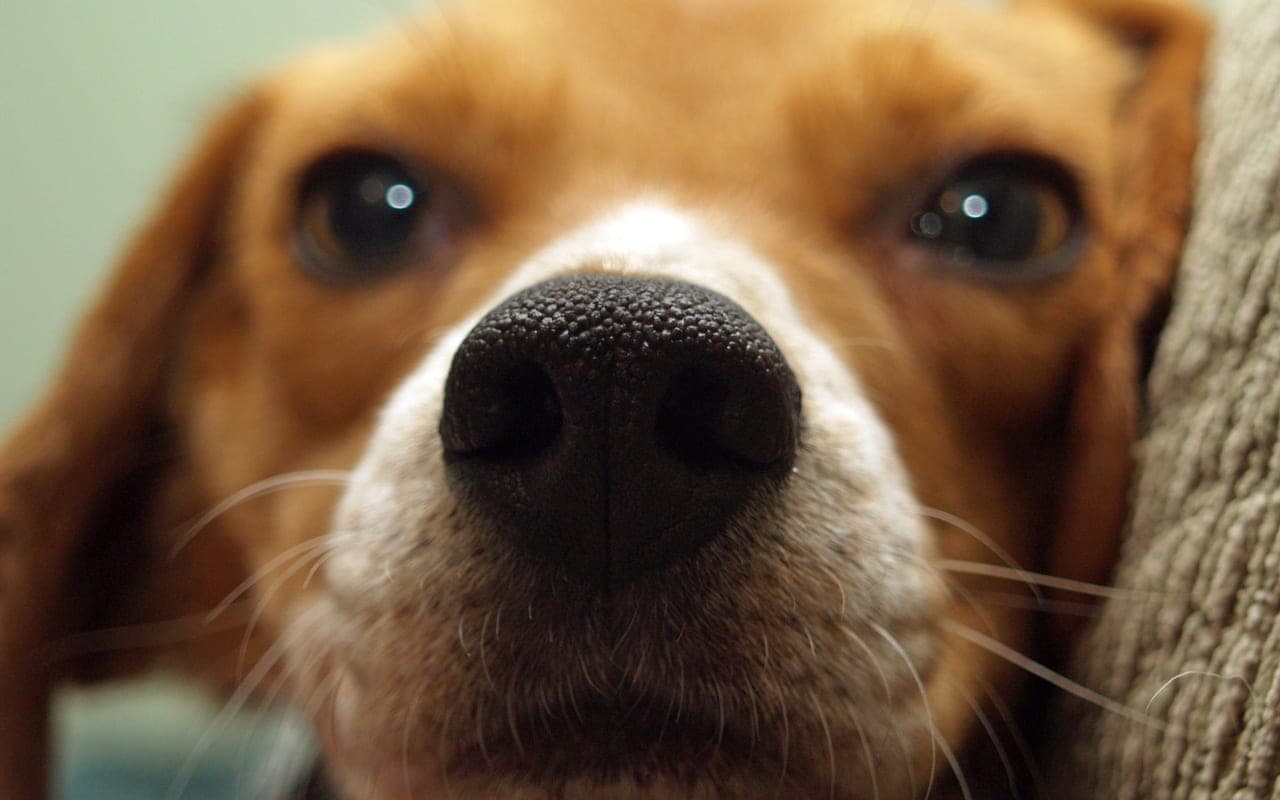
Beagle
Also in the Hound group, with different care and temperament tradeoffs.

Dachshund
Also in the Hound group, with different care and temperament tradeoffs.
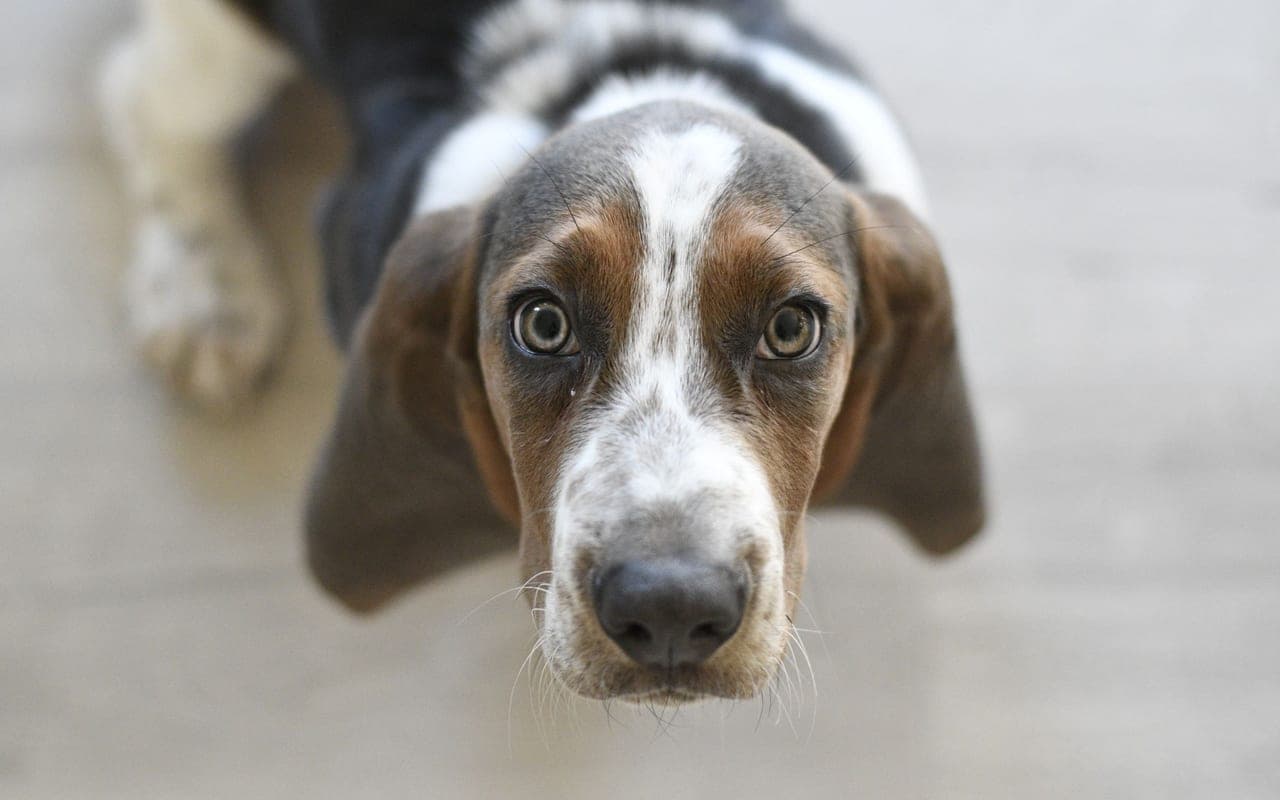
Basset Hound
Also in the Hound group, with different care and temperament tradeoffs.
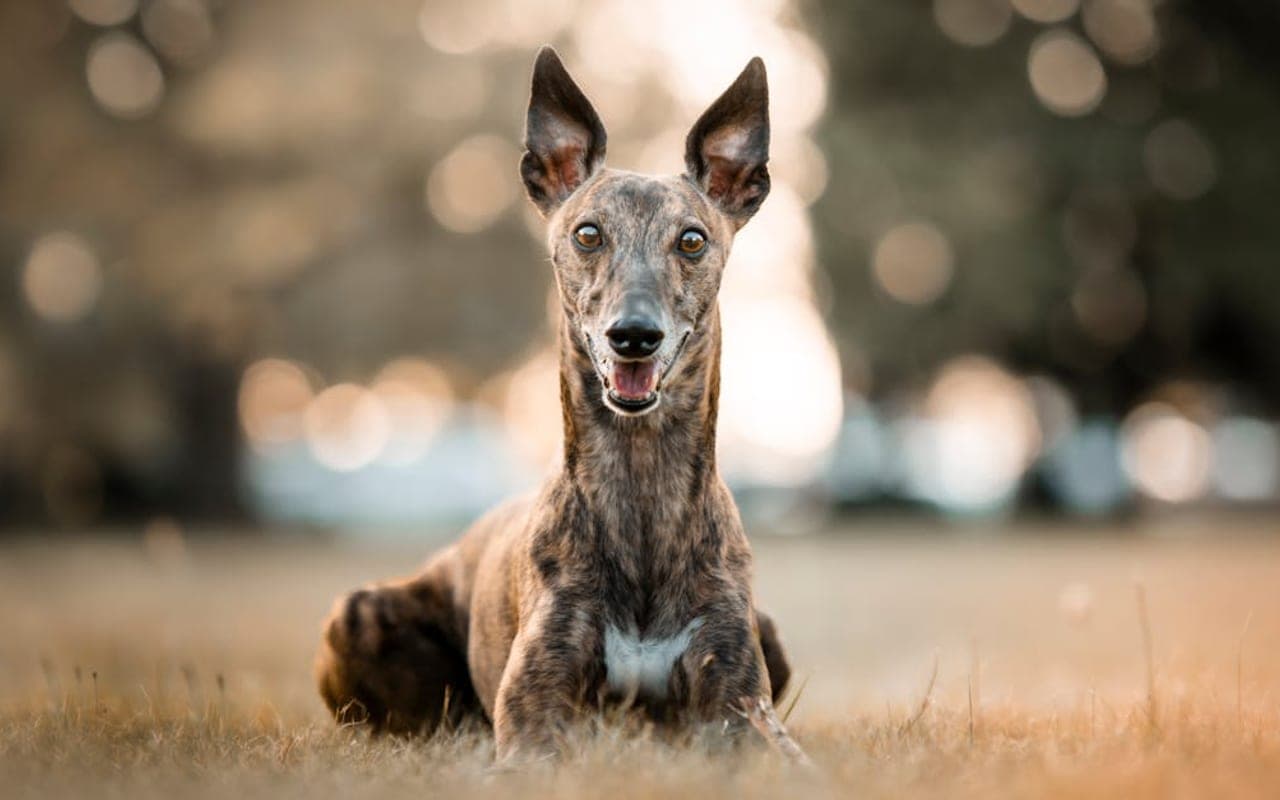
Greyhound
Also in the Hound group, with different care and temperament tradeoffs.
Explore More About Cirneco dell’Etna
Dive deeper into everything Cirneco dell’Etna — costs, care, and expert insights.
Considering a cat instead?
Browse Cats