
Foundation Stock Service group
Croatian Sheepdog
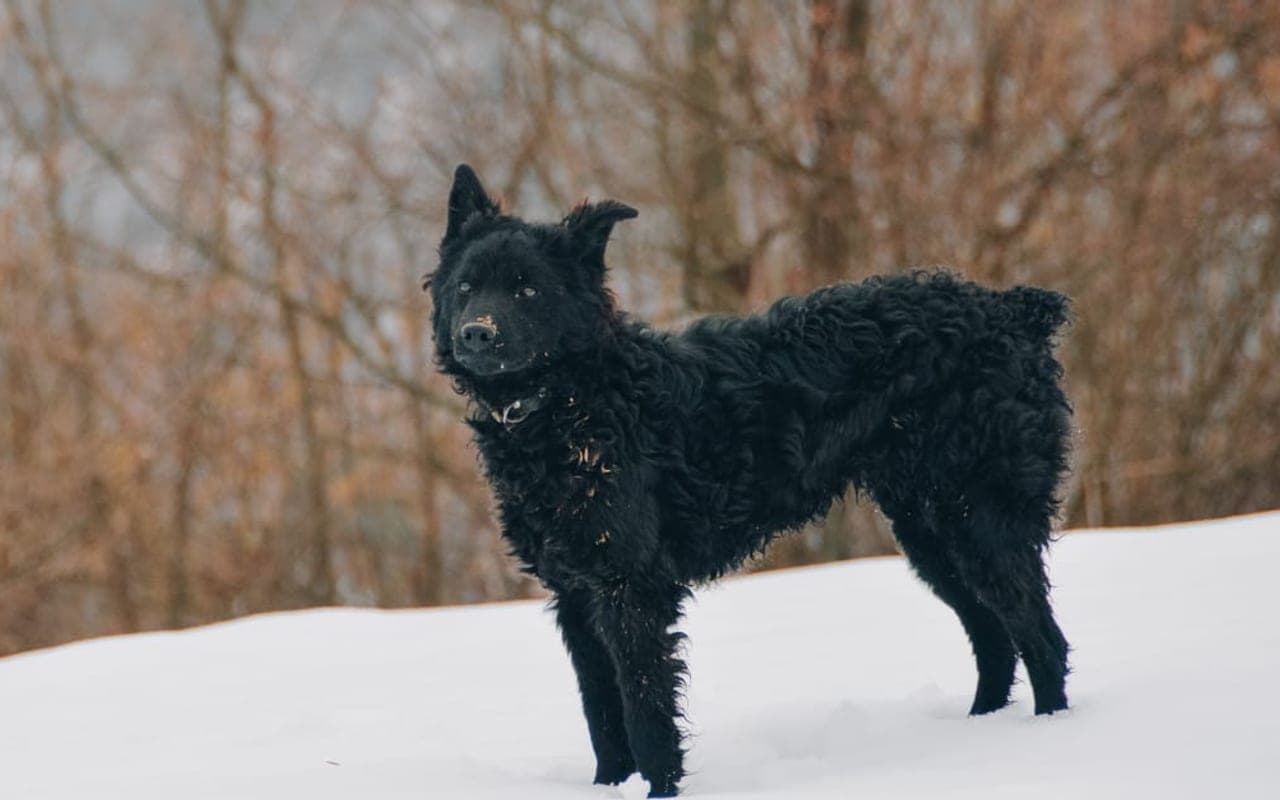
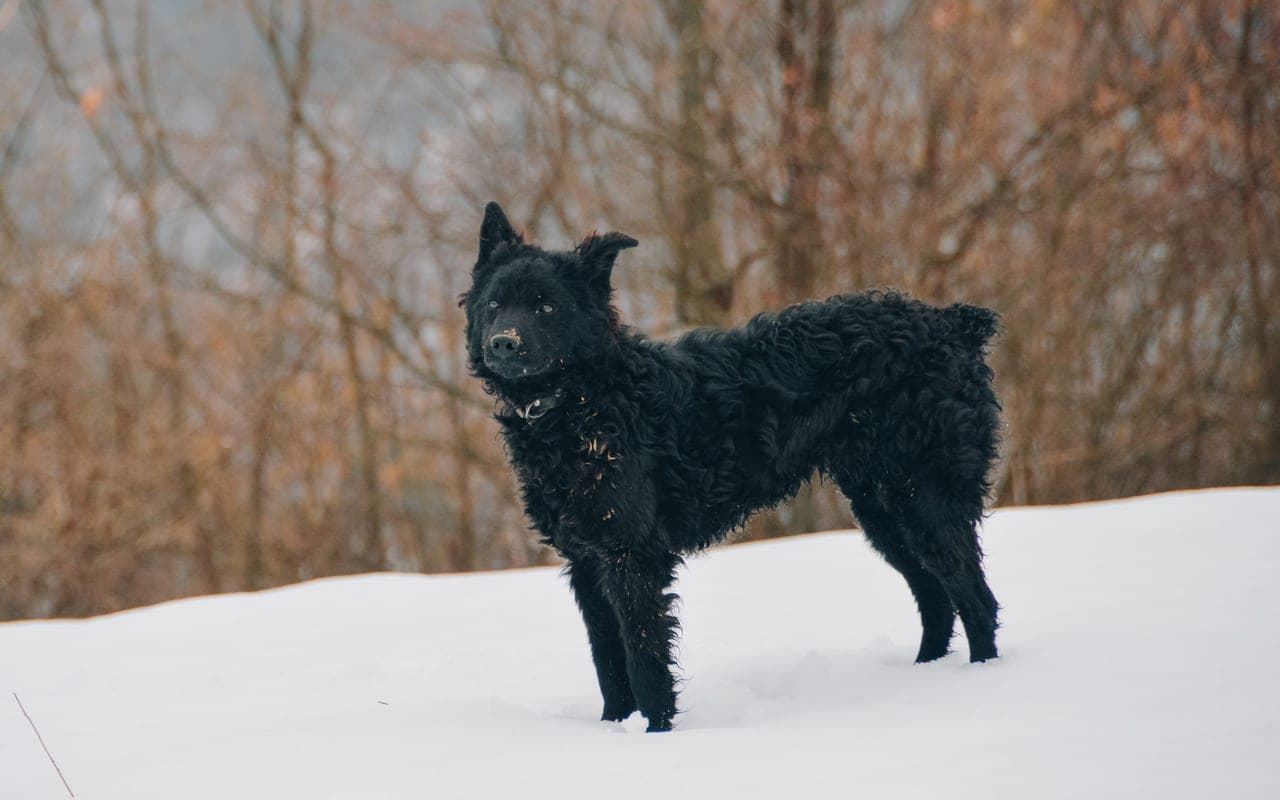
The Croatian Sheepdog (Hrvatski ovčar) is a small, black, intensely energetic herding dog from the Slavonia region of Croatia — a true working sheepdog packed into a 13-20 kg (29-45 lb), 41-53 cm frame, not the calm small companion its size implies.
Size
29-44 lb
Lifespan
13-14 years
Exercise
20-40 minutes
Shedding
Moderate
Experience
Match to owner routine
Decision first
Is a Croatian Sheepdog right for you?
Start with fit before history or trivia. These are ownership signals, not guarantees about any individual dog.
Best suited for
- Households with children.
- Homes with other compatible pets.
- Apartment homes with a consistent routine.
- Owners seeking a manageable daily exercise routine.
Think carefully if
- You need a dog with almost no daily routine.
- You cannot keep up with grooming and preventive care.
- The dog will spend most days alone without support.
Conditional fit
Apartment fit depends on exercise, enrichment, noise management, and outdoor access.
Daily reality
Croatian Sheepdog commitment snapshot
Daily exercise
20-40 minutes
Match activity to age, health, weather, and training goals.
Coat care
Moderate
Grooming needs vary by coat, shedding, and lifestyle.
Time alone
Needs planning
Most dogs need gradual alone-time conditioning and support.
Structured facts
Croatian Sheepdog at a glance
The measurements and traits that most affect day-to-day life with this breed.
Group
Foundation Stock Service
Weight
29-44 lb
Height
16-21 in
Lifespan
13-14 years
Temperament
Loyal | Active | Alert and Intelligent
View all characteristics and methodology
Lifestyle fit
- Apartment suitability
- Likely fit
- Child friendliness
- Often good, with socialisation and supervision
- Other-pet fit
- Often compatible with careful introductions
Owner commitment
- Exercise
- 20-40 minutes
- Grooming
- Moderate
- Shedding
- Moderate
- Training
- Low
Environment and health
- Health risk
- Needs planning
Ratings combine structured breed data, visible breed fields, and editorial context. They are planning aids, not predictions for an individual dog.
Daily life
Croatian Sheepdog temperament and behavior
The Croatian Sheepdog (Hrvatski ovčar) is a small, black, intensely energetic herding dog from the Slavonia region of Croatia — a true working sheepdog packed into a 13-20 kg (29-45 lb), 41-53 cm frame, not the calm small companion its size implies. The coat is short on the face and legs and wavy-to-curly and dense on the body, almost always solid black with at most a small white chest mark. Everything about the breed traces back to one job: independently moving and guarding flocks of sheep and cattle over open country, often making decisions without a shepherd nearby. That working heritage drives the temperament. This is a brave, alert, highly intelligent, and deeply attached dog that bonds tightly to one person or family, is naturally suspicious of strangers, and is an excellent and vocal watchdog. It is agile, tireless, and quick to learn — but it is also opinionated and independent, which is often mistaken for low trainability. It is not low-trainability in the sense of being slow; it learns fast but expects a reason and will out-think a passive owner. The Croatian Sheepdog is right for an active owner who will give it 60+ minutes of daily exercise plus a job — herding, agility, obedience, trick training, or scent work — and who wants a small, hardy, devoted, weather-proof companion guard. It is wrong for a sedentary household, a first-time owner expecting an easy lap dog, or anyone who mistakes its size for low needs. Under-stimulated, this breed barks, nips at moving feet (herding instinct redirected onto children and pets), and becomes neurotically busy. Bought for what it is — a working dog in a small package — it is robust, long-lived, and exceptional.
Loyal | Active | Alert and Intelligent
Loyal
A common Croatian Sheepdog temperament descriptor that should be interpreted alongside training, exercise, and household fit.
Active
A common Croatian Sheepdog temperament descriptor that should be interpreted alongside training, exercise, and household fit.
Alert and Intelligent
A common Croatian Sheepdog temperament descriptor that should be interpreted alongside training, exercise, and household fit.
Owner note
Temperament labels are starting points, not guarantees. Meet the individual dog and ask about behavior history whenever possible.
Care essentials
How to care for a Croatian Sheepdog
What looking after one actually involves: exercise, grooming, food, training, and routine health.
ExerciseAs needed
- Lower-energy breed that is content with daily walks and moderate play. Avoid over-exercising.
GroomingAs needed
- Regular grooming needed — brush 2-3 times per week and bathe monthly.
TrainingAs needed
- Independent-minded breed that may require extra patience in training. Short, engaging sessions recommended.
NutritionAs needed
- Feed a high-quality dog food appropriate for their age, size, and activity level. Monitor portions to prevent obesity.
Veterinary CareAs needed
- Annual wellness exams, core vaccinations, dental care, and parasite prevention. Breed-specific health screenings as recommended by your vet.
Health planning
Croatian Sheepdog health risks and screening
Every breed has individual health variation. Use this profile for planning and discuss medical decisions with a veterinarian.
Responsible ownership
Finding a Croatian Sheepdog responsibly
What to ask a breeder or rescue is the same conversation for every breed, so we keep it in one place and keep it current.
Health documentation, meeting the parents or foster, contracts and return support, and the warning signs worth walking away from.
Original purpose
Croatian Sheepdog history
History is useful when it explains today's behavior, coat, exercise needs, and training style.
Read the breed history
The Croatian Sheepdog is one of Europe's oldest documented herding breeds. A manuscript by Petar Horvat, bishop of Đakovo, from 1374 describes a shepherd dog the Croats brought during their migration, calling it Canis pastoralis croaticus; bishop Petar Bakić's 1719 manuscript quotes that record and notes the dog was essentially unchanged in the intervening centuries. The breed was systematically consolidated by veterinarian Prof. Dr. Stjepan Romić, regarded as the 'father of the breed', who began a selective breeding program in 1935 around dogs in the Đakovo region of Slavonia. After roughly 34 years of work, the Fédération Cynologique Internationale recognized the breed in 1969. It was developed entirely as an independent flock-driving and guarding dog over open Slavonian country, which is why the modern dog retains intense energy, sharp intelligence, strong attachment, and an independent decision-making streak rather than handler-dependent biddability.
Gallery
Croatian Sheepdog photos
Images are cropped consistently and loaded progressively to keep the page responsive.
Lower-page context
Croatian Sheepdogs in culture
Where the breed shows up in film, sport, work and folklore — the enjoyable part, once the practical questions are answered.
Fun facts
- The Croatian Sheepdog belongs to the Foundation Stock Service.
- The average lifespan of a Croatian Sheepdog is 13 to 14 years.
- Croatian Sheepdog dogs are valued for their loyal, active, alert and intelligent nature.
Croatian Sheepdog FAQs
How long do Croatian Sheepdogs live?
This is a robust, long-lived small breed; most live around 13-14 years and many reach the upper end with good weight management and dental and joint care. There are no widespread severe inherited diseases dominating its lifespan, so the main levers are keeping the dog lean to protect hips and knees, staying current on dental care, and choosing a breeder who screens for hip and eye problems. A fit, well-exercised Croatian Sheepdog typically ages well.
Are Croatian Sheepdogs good with children?
They can be devoted, playful family dogs with children they are raised with, but the strong herding instinct means they may nip at the heels of running, shrieking kids — instinct, not aggression, though it still needs managing. Supervise interactions, teach the dog a reliable 'leave it', give the herding drive a legitimate outlet, and teach children not to run and scream around the dog. Early socialization makes the difference between a great family dog and a heel-nipper.
How much exercise does a Croatian Sheepdog need?
Substantial — at least 60 minutes of vigorous daily activity plus 15-20 minutes of mental work, despite the small size. This is a genuine working herding breed, not a lap dog; the prep characteristics under-rate its energy. Running, hiking, herding, agility, obedience, and scent work all suit it. Without adequate physical and mental work it becomes a persistent barker, a heel-nipper, and destructively busy — the most common complaint from owners who bought it expecting a low-effort small dog.
Are Croatian Sheepdogs easy to train?
They are extremely intelligent and learn very fast, but they are independent thinkers bred to make decisions without a shepherd, so they are not blindly obedient and will test a passive handler. The low 'trainability' in breed summaries reflects this independence, not low intelligence. They respond best to consistent, fair, reward-based training that gives them a job and a reason; harsh or repetitive drilling backfires. Experienced or committed owners find them highly capable; permissive first-time owners often struggle.
How much grooming does a Croatian Sheepdog need?
Very little. The short-faced, wavy-bodied double coat needs only a weekly brush, increasing during the twice-yearly seasonal shed, and a bath only when actually dirty — roughly every couple of months. The coat is weather-resistant and largely self-maintaining. The grooming task owners most often overlook is the ears: check them every one to two weeks for moisture and odor, because this active outdoor breed is prone to ear infections, especially after working in wet conditions.
Is the Croatian Sheepdog a healthy breed?
Comparatively, yes — it is a hardy, naturally selected working breed with no single dominant severe inherited disease, and it tends to be long-lived. The realistic risks are hip dysplasia, patellar luxation, cataracts and PRA, and skin allergies, plus ear infections from its outdoor lifestyle. Buying from a breeder who hip- and eye-screens, keeping the dog lean, and routine ear care address the great majority of preventable problems. It is genuinely robust, but 'healthy breed' is not a substitute for screening and weight control.
Sources
These are the published sources this page draws on. Each opens in a new tab so you can check it yourself.
American Kennel Club
Croatian Sheepdog — breed standard and profile(opens in a new tab)Supports: Breed standard and recognition details.
Similar breeds to consider
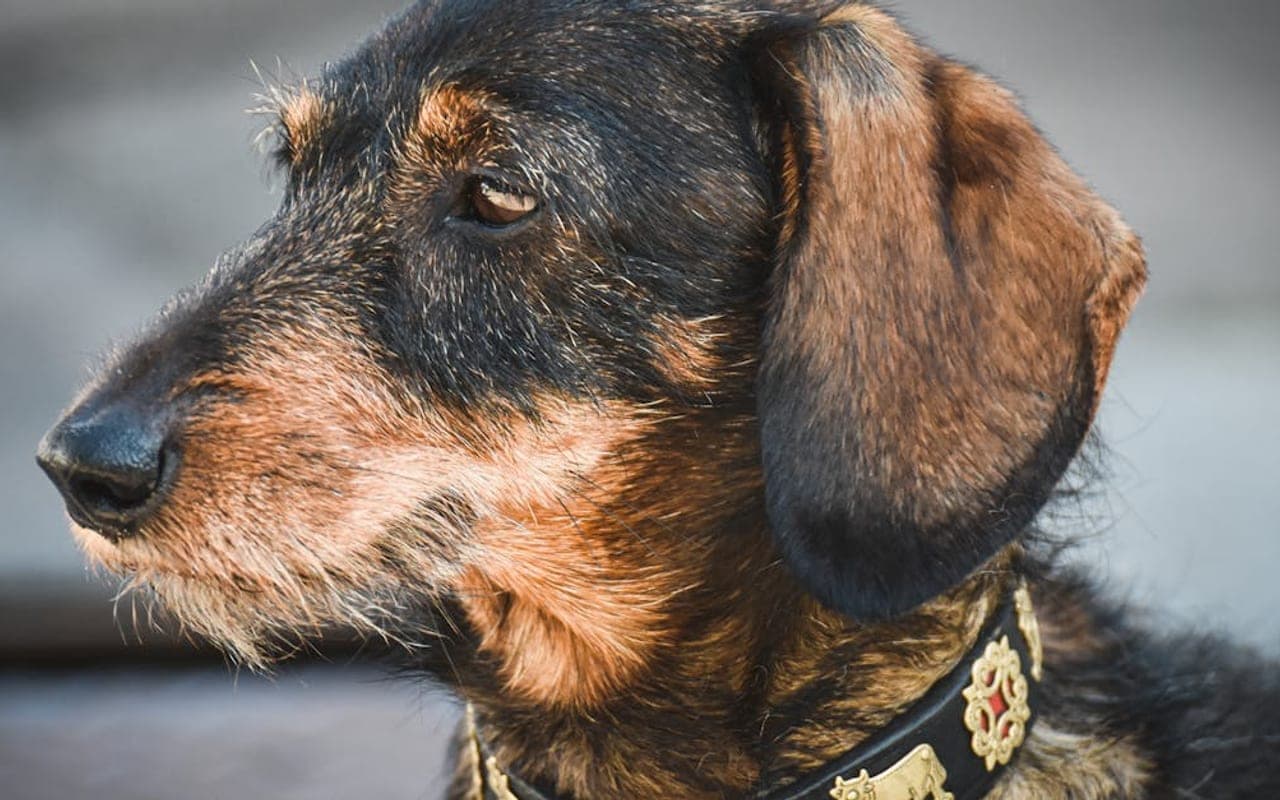
Jagdterrier
Also in the Foundation Stock Service group, with different care and temperament tradeoffs.
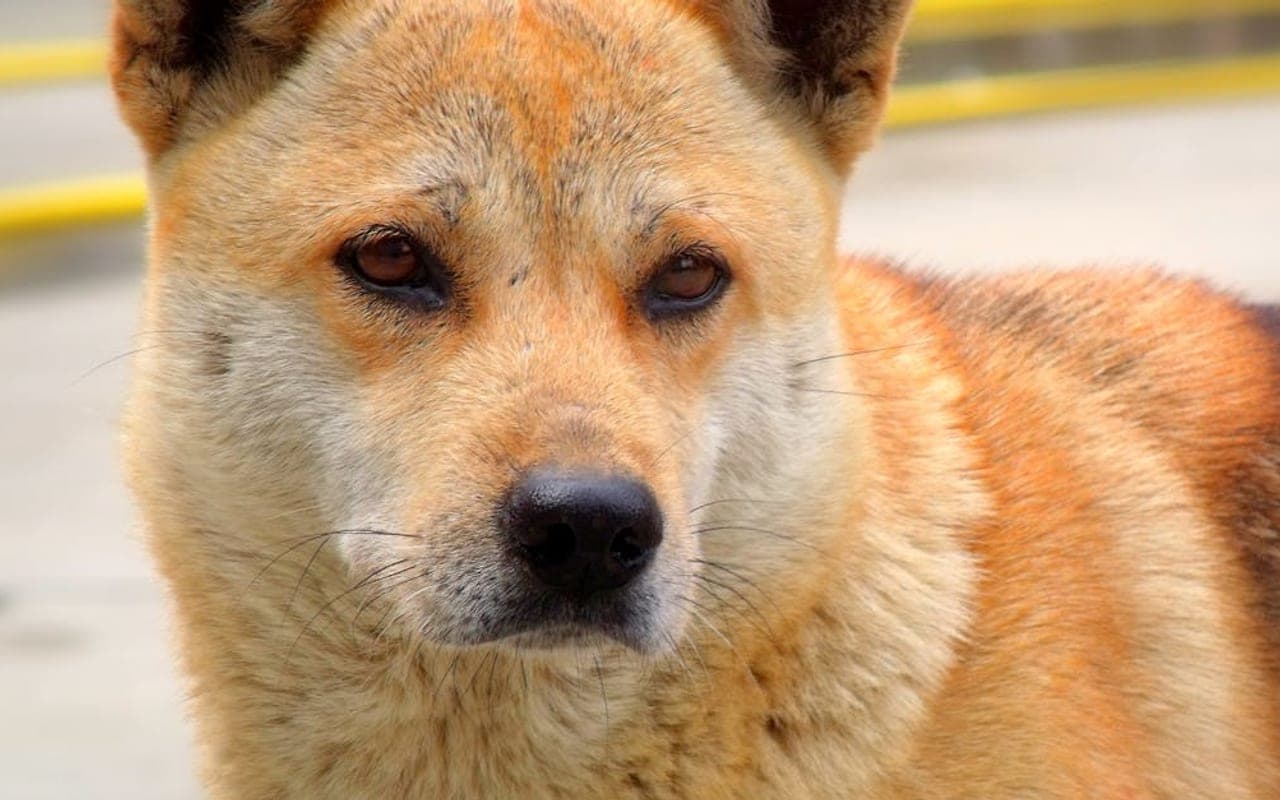
Jindo
Also in the Foundation Stock Service group, with different care and temperament tradeoffs.
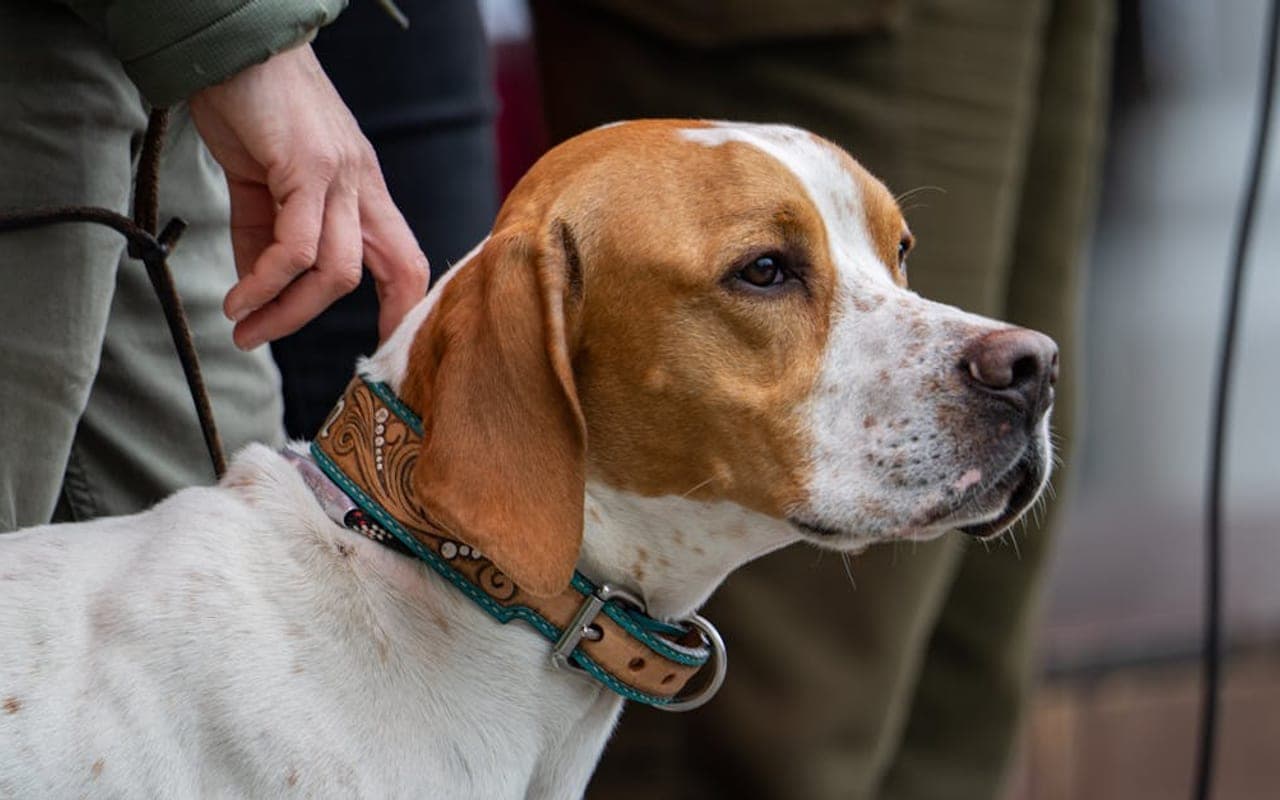
Portuguese Pointer
Also in the Foundation Stock Service group, with different care and temperament tradeoffs.
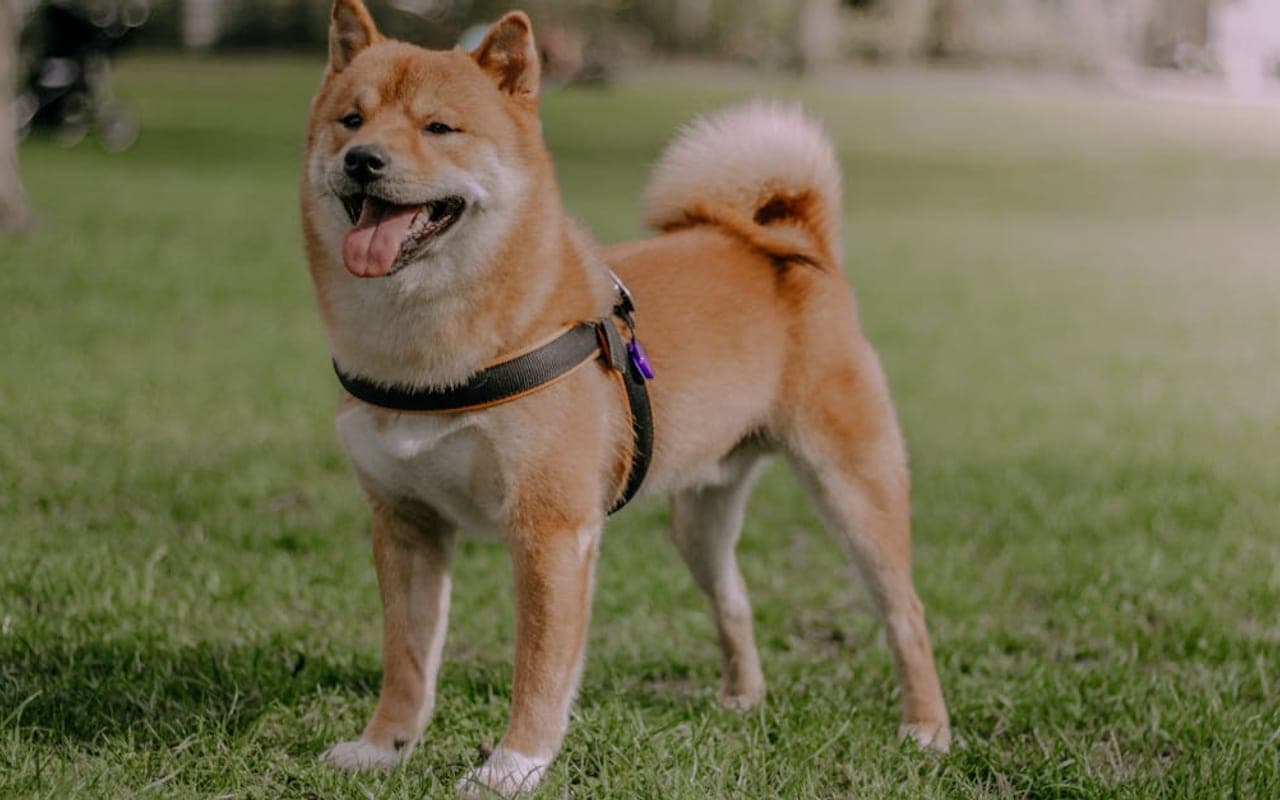
Kishu Ken
Also in the Foundation Stock Service group, with different care and temperament tradeoffs.
Explore More About Croatian Sheepdog
Dive deeper into everything Croatian Sheepdog — costs, care, and expert insights.
Considering a cat instead?
Browse Cats