
Working group
Danish-Swedish Farmdog
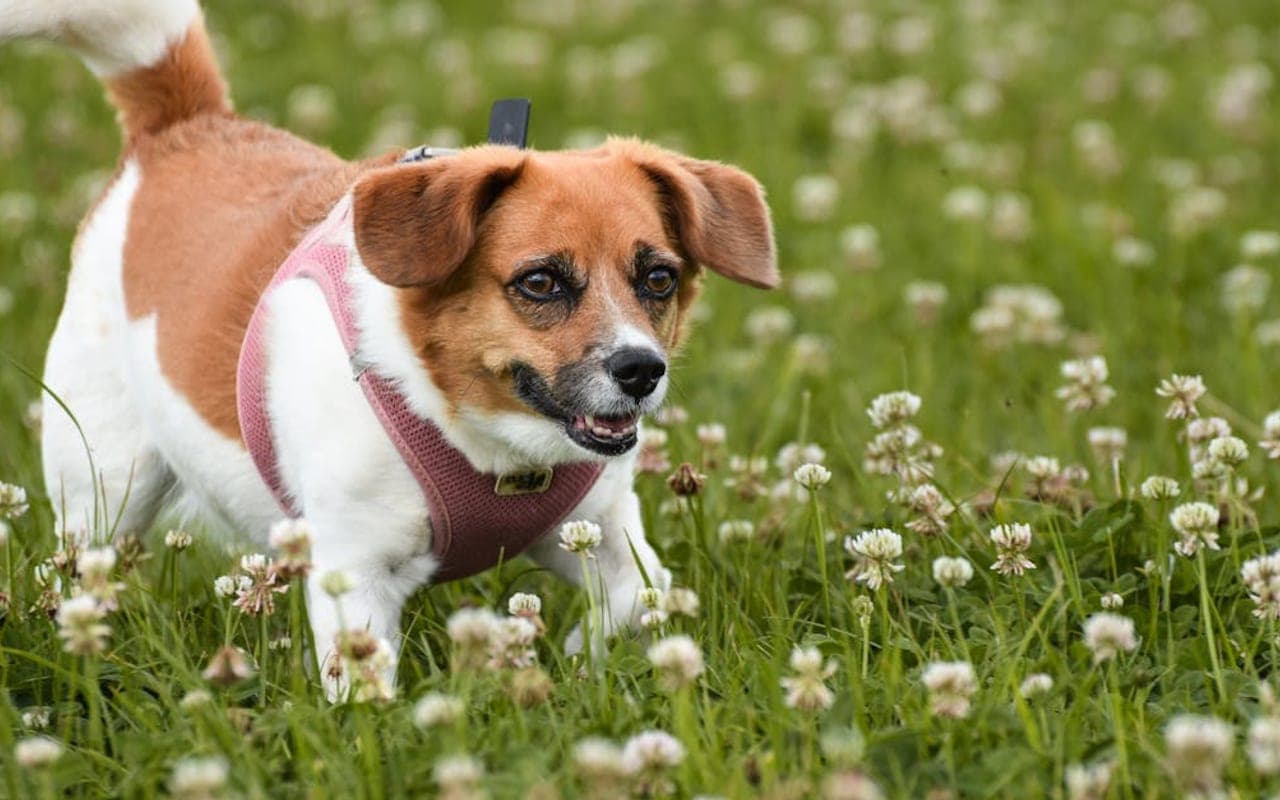
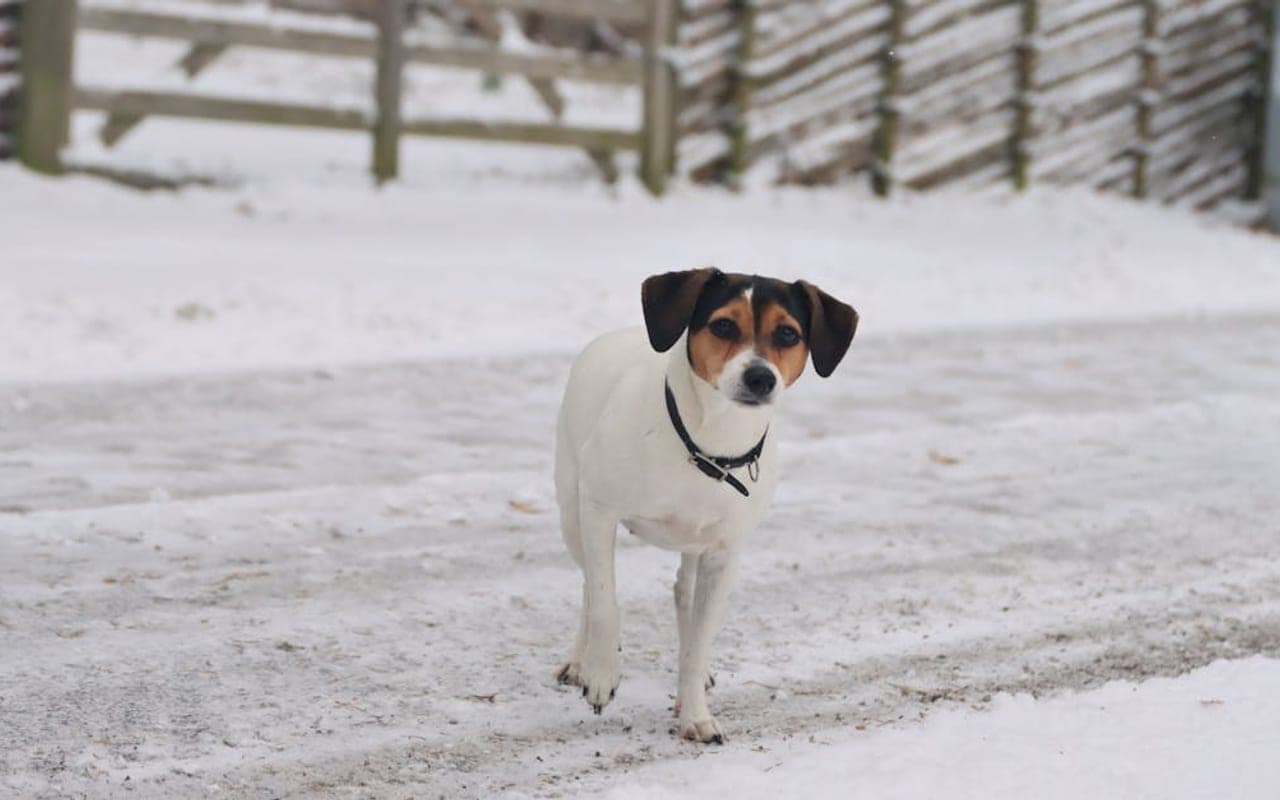
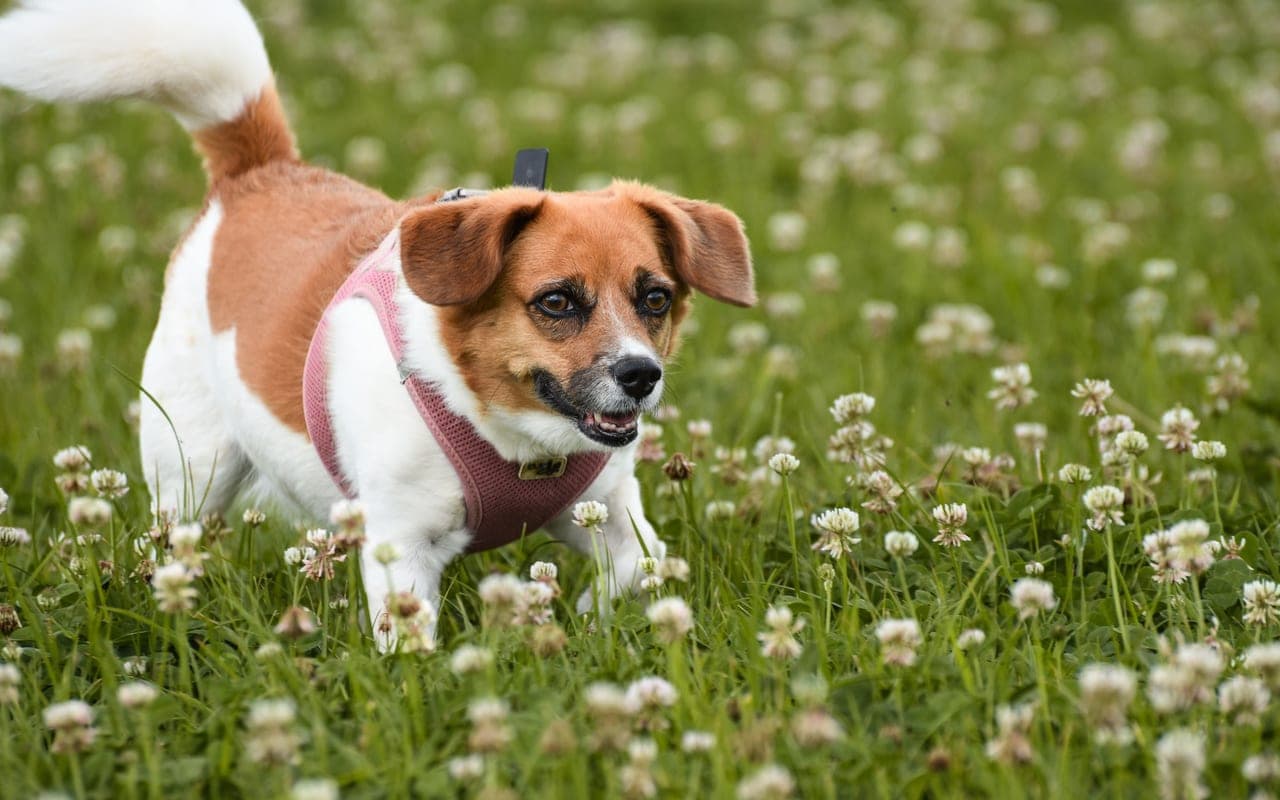
The Danish-Swedish Farmdog is best understood by correcting one common misread: despite looking like a Jack Russell or smooth Fox Terrier, it is not a terrier — it belongs to the Pinscher family, and that distinction matters because it explains the temperament.
Size
15-26 lb
Lifespan
11-13 years
Exercise
30-60 minutes
Shedding
Moderate
Experience
Match to owner routine
Decision first
Is a Danish-Swedish Farmdog right for you?
Start with fit before history or trivia. These are ownership signals, not guarantees about any individual dog.
Best suited for
- Households with children.
- Homes with other compatible pets.
- Apartment homes with a consistent routine.
- Owners seeking a manageable daily exercise routine.
Think carefully if
- You need a dog with almost no daily routine.
- You cannot keep up with grooming and preventive care.
- The dog will spend most days alone without support.
Conditional fit
Apartment fit depends on exercise, enrichment, noise management, and outdoor access.
Daily reality
Danish-Swedish Farmdog commitment snapshot
Daily exercise
30-60 minutes
Match activity to age, health, weather, and training goals.
Coat care
Moderate
Grooming needs vary by coat, shedding, and lifestyle.
Time alone
Needs planning
Most dogs need gradual alone-time conditioning and support.
Structured facts
Danish-Swedish Farmdog at a glance
The measurements and traits that most affect day-to-day life with this breed.
Group
Working
Weight
15-26 lb
Height
12-15 in
Lifespan
11-13 years
Temperament
Energetic | Trainable | Attentive
View all characteristics and methodology
Lifestyle fit
- Apartment suitability
- Likely fit
- Child friendliness
- Often good, with socialisation and supervision
- Other-pet fit
- Often compatible with careful introductions
Owner commitment
- Exercise
- 30-60 minutes
- Grooming
- Moderate
- Shedding
- Moderate
- Training
- Moderate
Environment and health
- Health risk
- Needs planning
Ratings combine structured breed data, visible breed fields, and editorial context. They are planning aids, not predictions for an individual dog.
Daily life
Danish-Swedish Farmdog temperament and behavior
The Danish-Swedish Farmdog is best understood by correcting one common misread: despite looking like a Jack Russell or smooth Fox Terrier, it is not a terrier — it belongs to the Pinscher family, and that distinction matters because it explains the temperament. This is a small, compact, slightly rectangular farm-utility dog (roughly 12.5-15 inches, about 7-9 kg / 15-20 lb) developed over centuries across Denmark and southern Sweden as the all-purpose 'gaardhund' — yard dog — that ratted in the barn, watched the property, herded a little, and went hunting on Sunday. The honest headline is that this is a genuinely sound, late-maturing working breed with no defining genetic disorder, so this profile names the real, modest risks rather than inflating them. Functionally the Danish-Swedish Farmdog is a versatile, biddable, people-oriented dog that wants a job. It is calmer and softer than a working terrier — pinscher-family steadiness rather than terrier intensity — but it is still an active dog that excels at agility, barn hunt, nosework, obedience, and tracking. It matures slowly, often staying mentally puppyish for two to three years, which surprises owners expecting a small dog to settle quickly. Temperament is the breed's strength: affectionate, attentive, eager to please, good with children and other dogs, and adaptable to town or country provided it gets work and contact. It is alert and will announce visitors but is not a nervous or yappy breed when exercised and engaged. Who the Danish-Swedish Farmdog is right for: an owner wanting a healthy, trainable, medium-energy small dog for an active family or a dog-sport hobbyist. Who it is wrong for: someone wanting an ornamental lap dog content with a short daily stroll, or an owner who will leave a clever working breed under-stimulated and then be surprised by the digging and barking that follows.
Energetic | Trainable | Attentive
Energetic
A common Danish-Swedish Farmdog temperament descriptor that should be interpreted alongside training, exercise, and household fit.
Trainable
A common Danish-Swedish Farmdog temperament descriptor that should be interpreted alongside training, exercise, and household fit.
Attentive
A common Danish-Swedish Farmdog temperament descriptor that should be interpreted alongside training, exercise, and household fit.
Owner note
Temperament labels are starting points, not guarantees. Meet the individual dog and ask about behavior history whenever possible.
Care essentials
How to care for a Danish-Swedish Farmdog
What looking after one actually involves: exercise, grooming, food, training, and routine health.
ExerciseAs needed
- Moderately active breed needing 30-60 minutes of daily exercise through walks, play, and mental stimulation.
GroomingAs needed
- Regular grooming needed — brush 2-3 times per week and bathe monthly.
TrainingAs needed
- Moderately trainable — consistent, patient training with positive methods works best.
NutritionAs needed
- Feed a high-quality dog food appropriate for their age, size, and activity level. Monitor portions to prevent obesity.
Veterinary CareAs needed
- Annual wellness exams, core vaccinations, dental care, and parasite prevention. Breed-specific health screenings as recommended by your vet.
Health planning
Danish-Swedish Farmdog health risks and screening
Every breed has individual health variation. Use this profile for planning and discuss medical decisions with a veterinarian.
Responsible ownership
Finding a Danish-Swedish Farmdog responsibly
What to ask a breeder or rescue is the same conversation for every breed, so we keep it in one place and keep it current.
Health documentation, meeting the parents or foster, contracts and return support, and the warning signs worth walking away from.
Original purpose
Danish-Swedish Farmdog history
History is useful when it explains today's behavior, coat, exercise needs, and training style.
Read the breed history
The Danish-Swedish Farmdog descends from old pinscher- and ratting-type farm dogs found across Denmark, southern Sweden, and the broader northern European farming belt for centuries; similar dogs traveled with traders and, by some accounts, Vikings, with farm-dog remains noted as far as Normandy. For most of its history it had no breed name — it was simply the regional all-purpose yard dog, known variously as the Old Danish Fox Terrier, Scanian Terrier, Danish Pinscher, or 'rat dog.' By the mid-20th century mechanized farming and crossbreeding nearly erased it. A coordinated rescue by the Danish (DKK) and Swedish (SKK) kennel clubs in 1985 produced a unified standard and the modern name. A 1970s-80s Danish TV drama, 'Matador,' featuring the breed is widely credited with reviving public interest. It entered the AKC Foundation Stock Service in 2011 and full recognition more recently; it remains uncommon outside Scandinavia.
Gallery
Danish-Swedish Farmdog photos
Images are cropped consistently and loaded progressively to keep the page responsive.
Lower-page context
Danish-Swedish Farmdogs in culture
Where the breed shows up in film, sport, work and folklore — the enjoyable part, once the practical questions are answered.
Fun facts
- The Danish-Swedish Farmdog belongs to the Foundation Stock Service.
- The average lifespan of a Danish-Swedish Farmdog is 11 to 13 years.
- Danish-Swedish Farmdog dogs are valued for their energetic, trainable, attentive nature.
Danish-Swedish Farmdog FAQs
How long do Danish-Swedish Farmdogs live?
Typically 11-13 years on paper, but this is a notably sound breed and many reach 16-18 with good care. Because there is no defining hereditary disorder, lifespan tracks husbandry: a lean body weight, adequate exercise for a working breed, dental care, and early management of patellar luxation are the levers. An overweight, under-exercised individual is the short-lived profile; an active, lean dog routinely outlives the headline range.
Is the Danish-Swedish Farmdog a terrier?
No — and the distinction is practical, not pedantic. It looks like a Jack Russell or smooth Fox Terrier but belongs to the Pinscher family. That means it has the steadiness and biddability of a pinscher rather than the high-octane intensity and prey-driven independence of a working terrier. It is softer to train, calmer in the house when exercised, and generally more dog-social than a typical terrier — set expectations on the pinscher side.
How much exercise does a Danish-Swedish Farmdog need?
About 45-60 minutes of real activity daily, and crucially it should include a job, not just a walk. This is a centuries-old working farm dog that excels at agility, barn hunt, nosework, and tracking. Owners who treat it as an ornamental small dog and give it only a short stroll typically get the boredom package: digging, barking, and escaping. Mental work counts as much as physical distance for this breed.
Are Danish-Swedish Farmdogs good with children and other dogs?
Yes — this is one of the breed's strengths. They are affectionate, attentive, patient, and generally dog-social, reflecting the pinscher steadiness rather than terrier edginess. They suit active families well. Standard supervision with toddlers applies, mostly to protect a small, late-maturing dog from rough handling rather than because of any temperament concern; well-exercised individuals are stable and tolerant.
Are Danish-Swedish Farmdogs easy to train?
Yes, with the right method. They are intelligent, eager to please, and biddable, but they are also soft — harsh corrections shut them down rather than improve them. Short, reward-based sessions started in puppyhood work best. The realistic caveat is late maturity: they stay mentally puppyish for two to three years, so consistency over time, not a six-week course, is what produces a steady adult.
What health screening should I ask a Danish-Swedish Farmdog breeder about?
Prioritize patella and hip evaluations on the parents, since patellar luxation is the breed's most relevant orthopedic risk and hip dysplasia is reported, plus an eye check given periodic inherited eye issues. This is a genuinely sound breed, so the goal is confirming the parents were screened and clear rather than chasing a long disease list. A breeder who readily shares patella, hip, and eye results is a meaningful filter.
Sources
These are the published sources this page draws on. Each opens in a new tab so you can check it yourself.
American Kennel Club
Danish-Swedish Farmdog — breed standard and profile(opens in a new tab)Supports: Breed standard and recognition details.
Similar breeds to consider
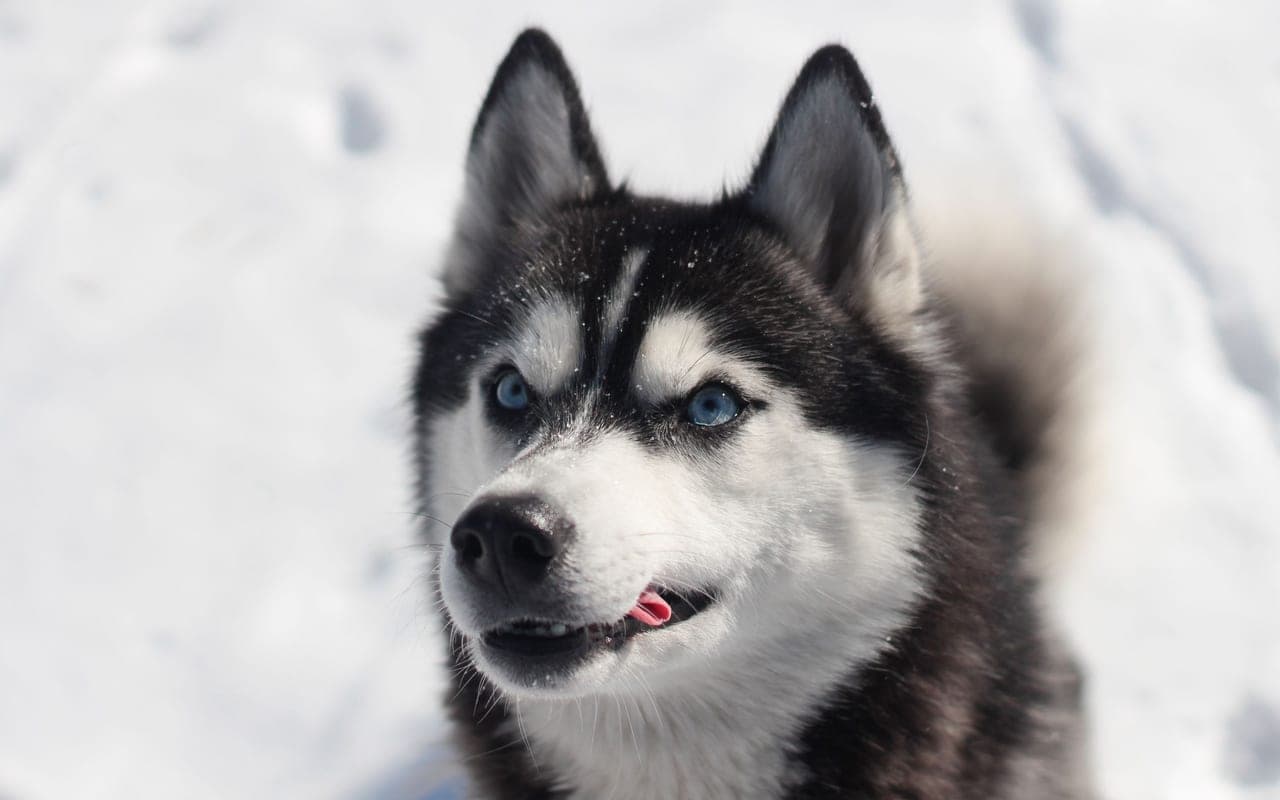
Siberian Husky
Also in the Working group, with different care and temperament tradeoffs.
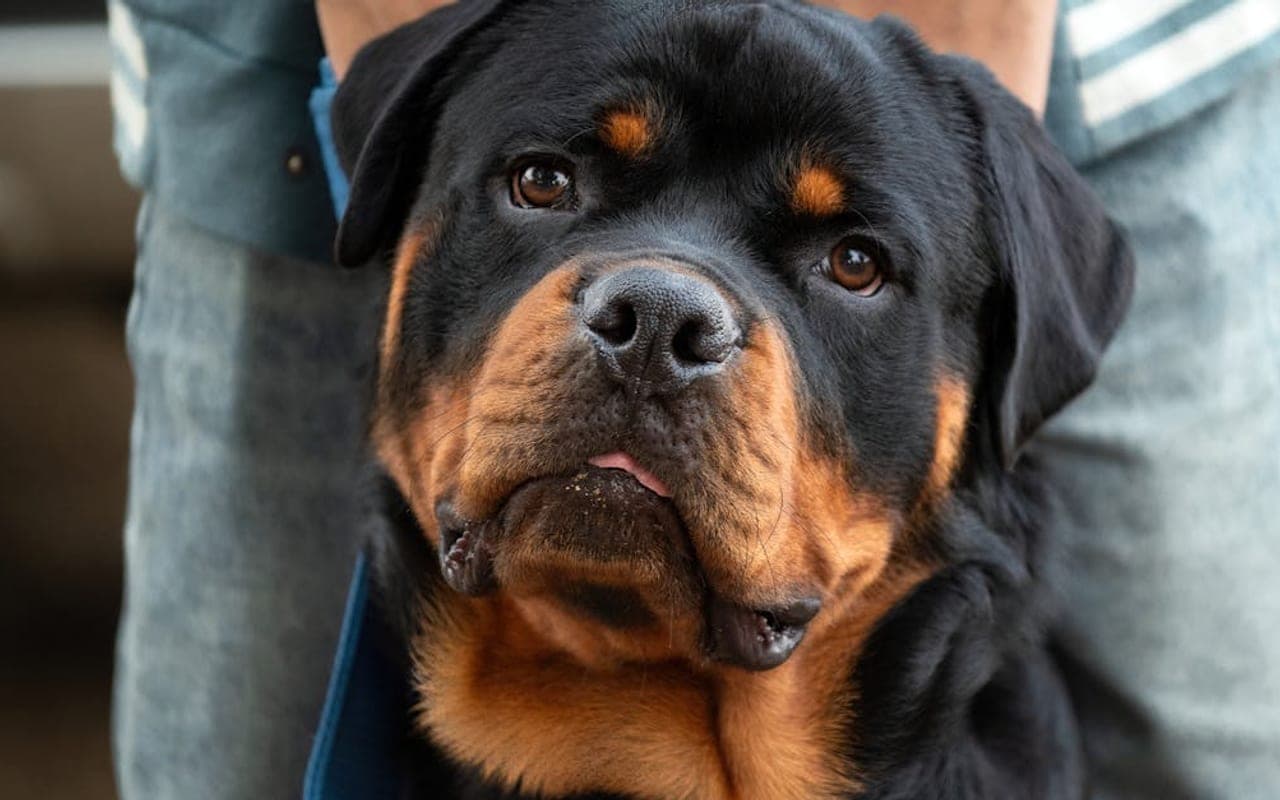
Rottweiler
Also in the Working group, with different care and temperament tradeoffs.
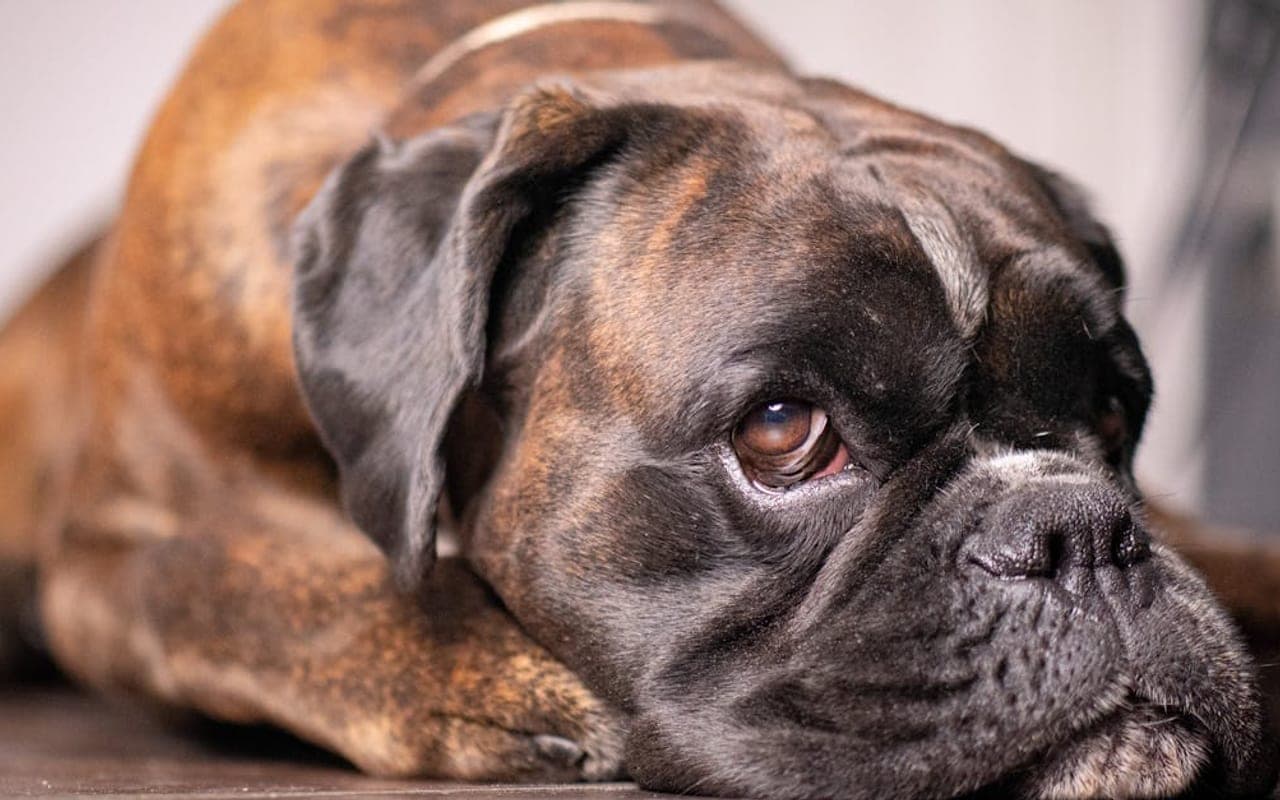
Boxer
Also in the Working group, with different care and temperament tradeoffs.
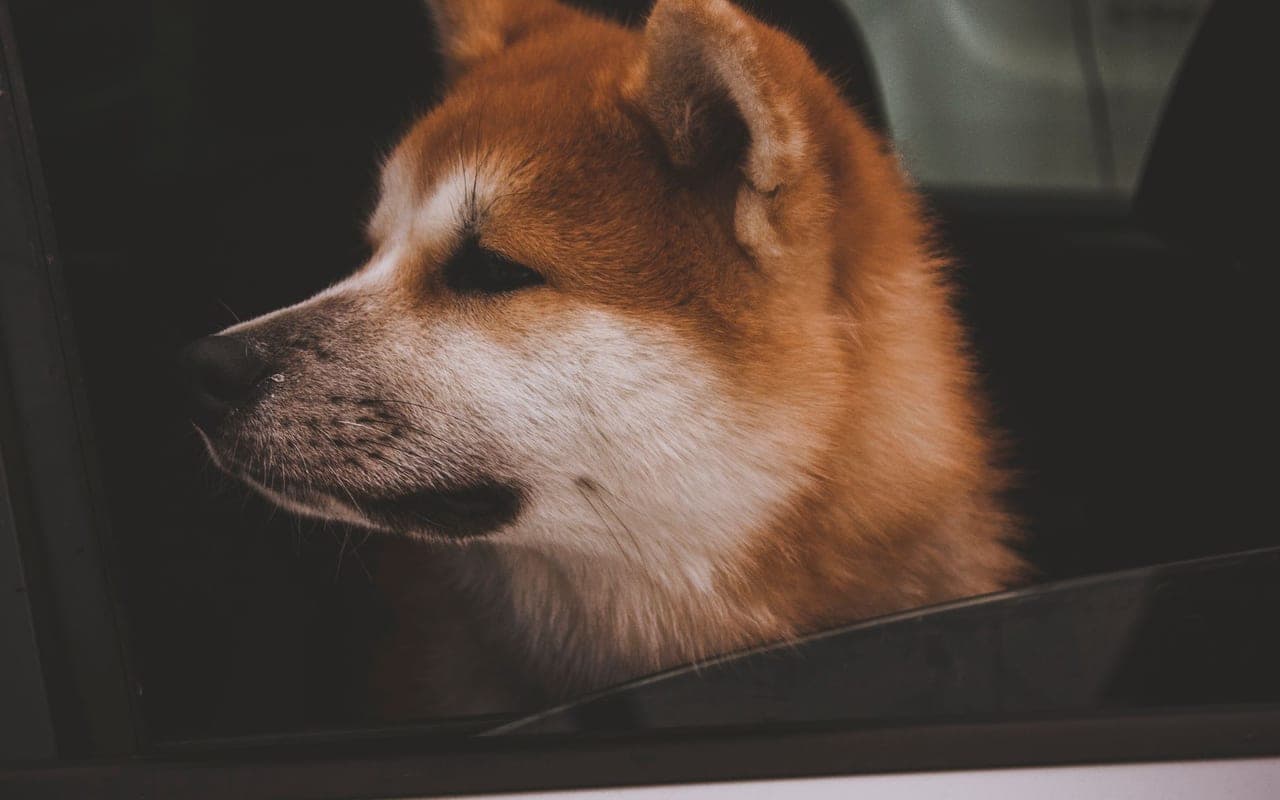
Akita
Also in the Working group, with different care and temperament tradeoffs.
Explore More About Danish-Swedish Farmdog
Dive deeper into everything Danish-Swedish Farmdog — costs, care, and expert insights.
Considering a cat instead?
Browse Cats