
Working group
Dogo Argentino
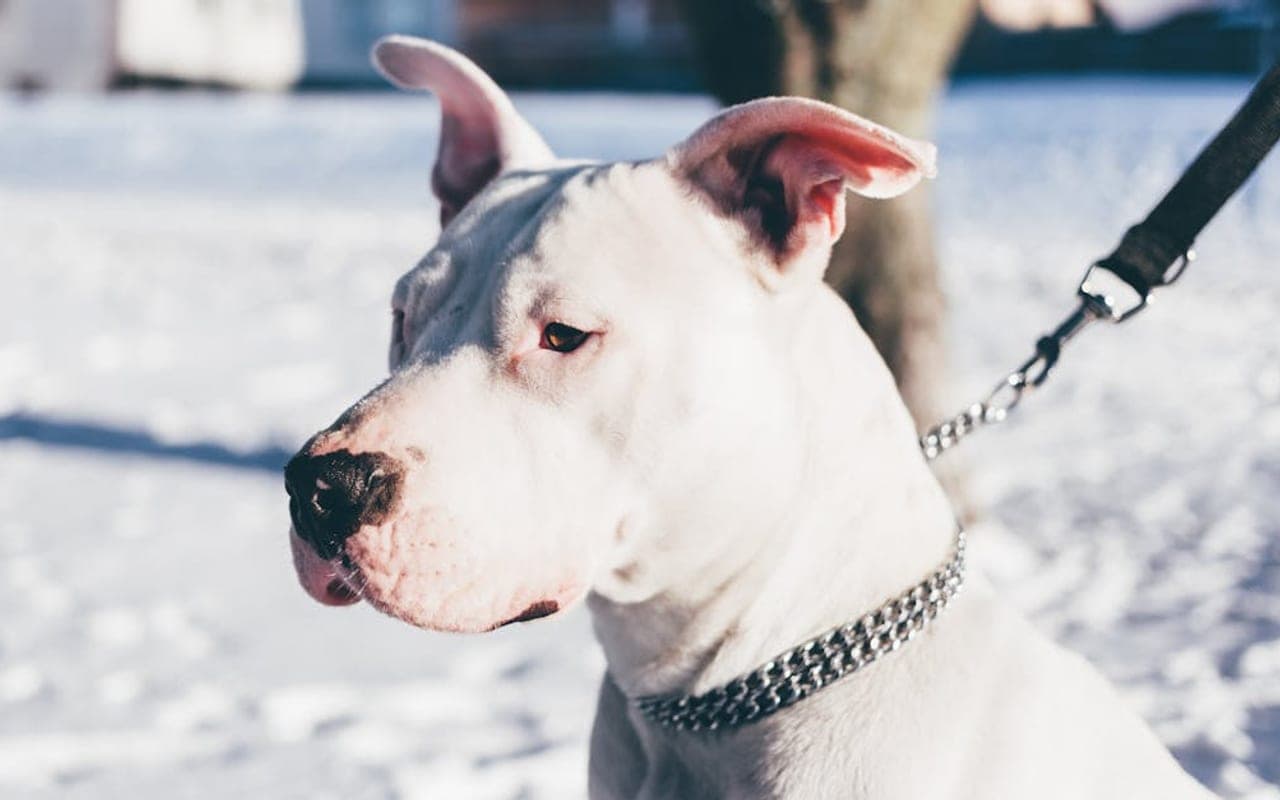
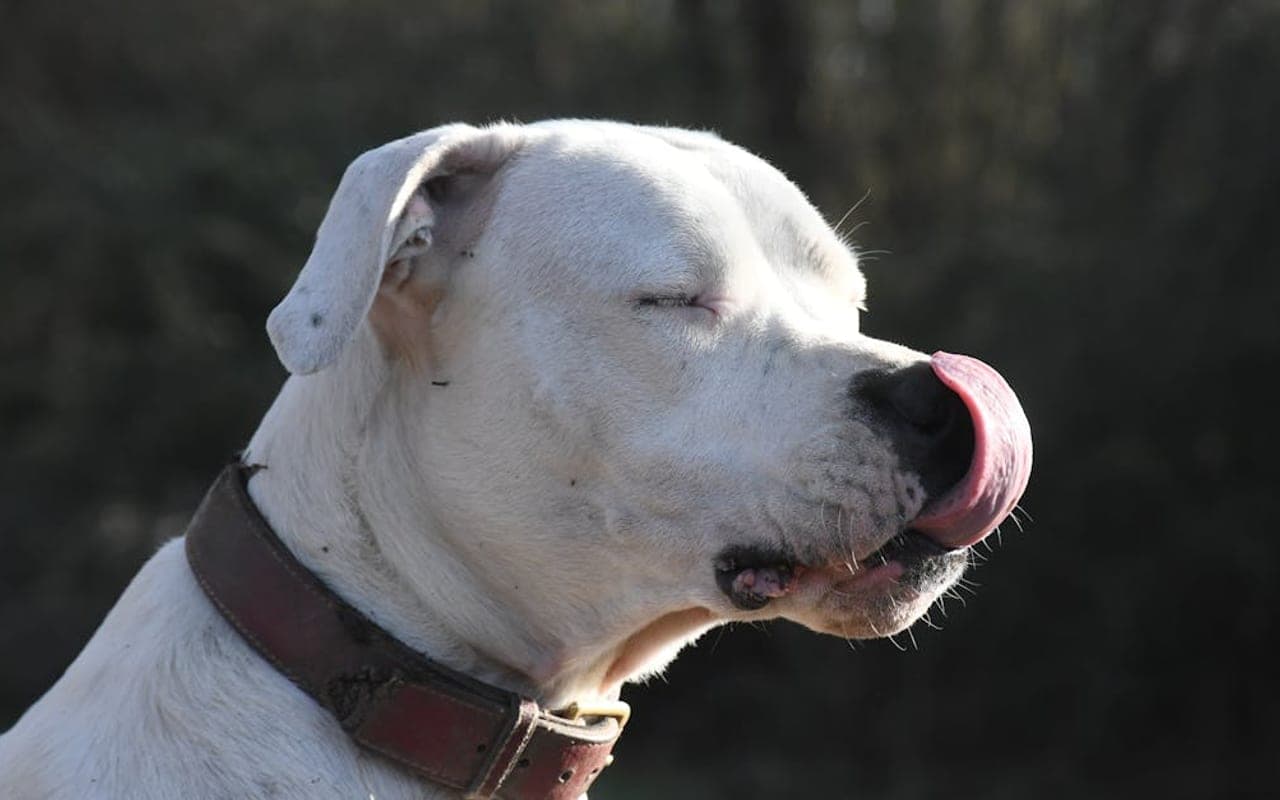
The Dogo Argentino is a 40-45 kg (88-100 lb) white-coated, pack-hunting dog built in 1920s Argentina by Antonio Nores Martinez to catch wild boar and puma.
Size
77-99 lb
Lifespan
9-15 years
Exercise
20-40 minutes
Shedding
Moderate
Experience
Match to owner routine
Decision first
Is a Dogo Argentino right for you?
Start with fit before history or trivia. These are ownership signals, not guarantees about any individual dog.
Best suited for
- Households with children.
- Homes with other compatible pets.
- Apartment homes with a consistent routine.
- Owners seeking a manageable daily exercise routine.
Think carefully if
- You need a dog with almost no daily routine.
- You cannot keep up with grooming and preventive care.
- The dog will spend most days alone without support.
Conditional fit
Apartment fit depends on exercise, enrichment, noise management, and outdoor access.
Daily reality
Dogo Argentino commitment snapshot
Daily exercise
20-40 minutes
Match activity to age, health, weather, and training goals.
Coat care
Moderate
Grooming needs vary by coat, shedding, and lifestyle.
Time alone
Needs planning
Most dogs need gradual alone-time conditioning and support.
Structured facts
Dogo Argentino at a glance
The measurements and traits that most affect day-to-day life with this breed.
Group
Working
Weight
77-99 lb
Height
24-27 in
Lifespan
9-15 years
Temperament
Friendly | Cheerful | Humble
View all characteristics and methodology
Lifestyle fit
- Apartment suitability
- Likely fit
- Child friendliness
- Often good, with socialisation and supervision
- Other-pet fit
- Often compatible with careful introductions
Owner commitment
- Exercise
- 20-40 minutes
- Grooming
- Moderate
- Shedding
- Moderate
- Training
- Moderate
Environment and health
- Health risk
- Needs planning
Ratings combine structured breed data, visible breed fields, and editorial context. They are planning aids, not predictions for an individual dog.
Daily life
Dogo Argentino temperament and behavior
The Dogo Argentino is a 40-45 kg (88-100 lb) white-coated, pack-hunting dog built in 1920s Argentina by Antonio Nores Martinez to catch wild boar and puma. Two facts about that breeding history dominate every honest profile of the dog, and you have to confront both before you fall in love with the look. The first is the all-white coat. The same piebald genetics that make the Dogo white also make it the textbook breed for pigment-linked congenital deafness. Published prevalence data on Dogos found roughly 26% of dogs affected — about 20% deaf in one ear, 5% deaf in both — with patched dogs (the small dark eye patch the standard permits on under 10% of the head) statistically less likely to be deaf than solid-white dogs. A Dogo that hears in only one ear can live a normal life; a bilaterally deaf one is a serious, lifelong training and safety commitment. You cannot tell by watching a bouncy 8-week-old puppy. Only a BAER test can. The second is what the breed was built to do: find, chase, and physically catch dangerous game in a pack. That produces a powerful, high-prey-drive, dog-assertive animal that is genuinely affectionate and people-soft with its own family but is not a beginner's dog and is legally restricted or banned in many jurisdictions — the UK, parts of Australia, and numerous US municipalities and insurers. Who the Dogo is right for: an experienced, physically capable owner who has confirmed it is legal where they live, will only take a BAER-tested puppy, and can give an athletic working dog real exercise and firm, reward-based structure. Who it is wrong for: a first-time owner, anyone who skips the legality check, and anyone who buys an untested white puppy on looks alone.
Friendly | Cheerful | Humble
Friendly
A common Dogo Argentino temperament descriptor that should be interpreted alongside training, exercise, and household fit.
Cheerful
A common Dogo Argentino temperament descriptor that should be interpreted alongside training, exercise, and household fit.
Humble
A common Dogo Argentino temperament descriptor that should be interpreted alongside training, exercise, and household fit.
Owner note
Temperament labels are starting points, not guarantees. Meet the individual dog and ask about behavior history whenever possible.
Care essentials
How to care for a Dogo Argentino
What looking after one actually involves: exercise, grooming, food, training, and routine health.
ExerciseAs needed
- Lower-energy breed that is content with daily walks and moderate play. Avoid over-exercising.
GroomingAs needed
- Regular grooming needed — brush 2-3 times per week and bathe monthly.
TrainingAs needed
- Moderately trainable — consistent, patient training with positive methods works best.
NutritionAs needed
- Feed a high-quality dog food appropriate for their age, size, and activity level. Monitor portions to prevent obesity.
Veterinary CareAs needed
- Annual wellness exams, core vaccinations, dental care, and parasite prevention. Breed-specific health screenings as recommended by your vet.
Health planning
Dogo Argentino health risks and screening
Every breed has individual health variation. Use this profile for planning and discuss medical decisions with a veterinarian.
Responsible ownership
Finding a Dogo Argentino responsibly
What to ask a breeder or rescue is the same conversation for every breed, so we keep it in one place and keep it current.
Health documentation, meeting the parents or foster, contracts and return support, and the warning signs worth walking away from.
Original purpose
Dogo Argentino history
History is useful when it explains today's behavior, coat, exercise needs, and training style.
Read the breed history
The Dogo Argentino was created in Cordoba, Argentina, in 1928 by physician Antonio Nores Martinez, who set out to build a brave, capable pack-hunting dog for big game such as wild boar and puma. He started from the now-extinct Cordoba fighting dog and crossed in roughly ten breeds — among them the Great Dane, Boxer, Spanish Mastiff, Bull Terrier, Pointer, and Irish Wolfhound — selecting for stamina, scenting, courage, and a sound, people-friendly temperament so the pack could work together without turning on each other. The all-white coat was deliberate: it let hunters distinguish the dog from game in dense cover. The breed was recognized by Argentina's kennel club in 1964 and by the FCI in 1973, entered the AKC Working Group in 2020, and is simultaneously banned or restricted in several countries because of its power and hunting origin — a tension that defines the breed to this day.
Gallery
Dogo Argentino photos
Images are cropped consistently and loaded progressively to keep the page responsive.
Lower-page context
Dogo Argentinos in culture
Where the breed shows up in film, sport, work and folklore — the enjoyable part, once the practical questions are answered.
Fun facts
- The Dogo Argentino belongs to the Working Group.
- With proper care, Dogo Argentino dogs can live up to 15 years or more.
- Dogo Argentino dogs are valued for their friendly, cheerful, humble nature.
Dogo Argentino FAQs
How long do Dogo Argentino dogs live?
A healthy Dogo from screened lines typically lives 10-15 years, with 12 a common figure. The wide range reflects the conditions that shorten it: untreated hypothyroidism, joint disease from hip or elbow dysplasia, and bloat, which can kill a dog in hours. None of these is mysterious. A BAER-tested, hip-evaluated, healthy-weight Dogo on measured meals and real exercise sits at the top of that range; the bottom belongs to overweight, unscreened, under-exercised dogs.
Are Dogo Argentinos deaf, and how do I avoid getting a deaf puppy?
About 26% of Dogos have some hearing loss — roughly 20% in one ear, 5% in both — because the white piebald coat that defines the breed is genetically linked to congenital deafness. You cannot tell by watching a puppy; a bilaterally deaf one often seems normal in a litter. The only protection is a BAER test, which objectively measures each ear. Buy only a BAER-tested puppy from BAER-tested parents, and favor the small permitted eye patch — patched dogs are statistically less likely to be deaf.
Are Dogo Argentinos legal to own?
Not everywhere. The Dogo is banned outright in the UK and restricted or banned in parts of Australia, several other countries, and numerous US municipalities, and many home and liability insurers will not cover the breed. This is the single most expensive mistake owners make: buying the puppy before checking the law and their insurance. Confirm legality at country, state, county, and rental-agreement level, and confirm you can get liability coverage, before you commit — not after.
Are Dogo Argentinos good family dogs?
With the right owner, yes — they are genuinely affectionate, people-soft, and bonded to their family, and the breed standard explicitly selected against human aggression. But this is a large, powerful, high-prey-drive working dog that can be assertive toward other dogs and needs an experienced handler, early socialization, firm reward-based structure, and serious daily exercise. They can be excellent with children they are raised with, but their size and strength mean supervision and training are not optional, and they are not a starter breed.
How much exercise does a Dogo Argentino need?
More than many profiles claim. This is a stamina-built pack hunter, not a low-energy guardian: plan on 60-90 minutes of real daily exercise — secure off-lead running, structured walks, drag or scent work — plus mental enrichment. Under-exercised Dogos become destructive and harder to manage, which is a leading reason they end up in rescue. If you cannot commit that time most days for a decade, this is the wrong breed; the exercise requirement is the breed, not an add-on.
What health tests should a Dogo Argentino breeder provide?
Three at minimum, in writing: an OFA BAER hearing test (covering both the puppy and its parents where possible), an OFA hip evaluation on the parents, and an OFA thyroid panel. Bloat risk and elbow dysplasia are also breed-relevant. A breeder who cannot or will not produce a BAER certificate is the single biggest red flag in this breed, because deafness is common, invisible in young puppies, and lifelong. No certificates means walk away.
Sources
These are the published sources this page draws on. Each opens in a new tab so you can check it yourself.
American Kennel Club
Dogo Argentino — breed standard and profile(opens in a new tab)Supports: Breed standard and recognition details.
Similar breeds to consider
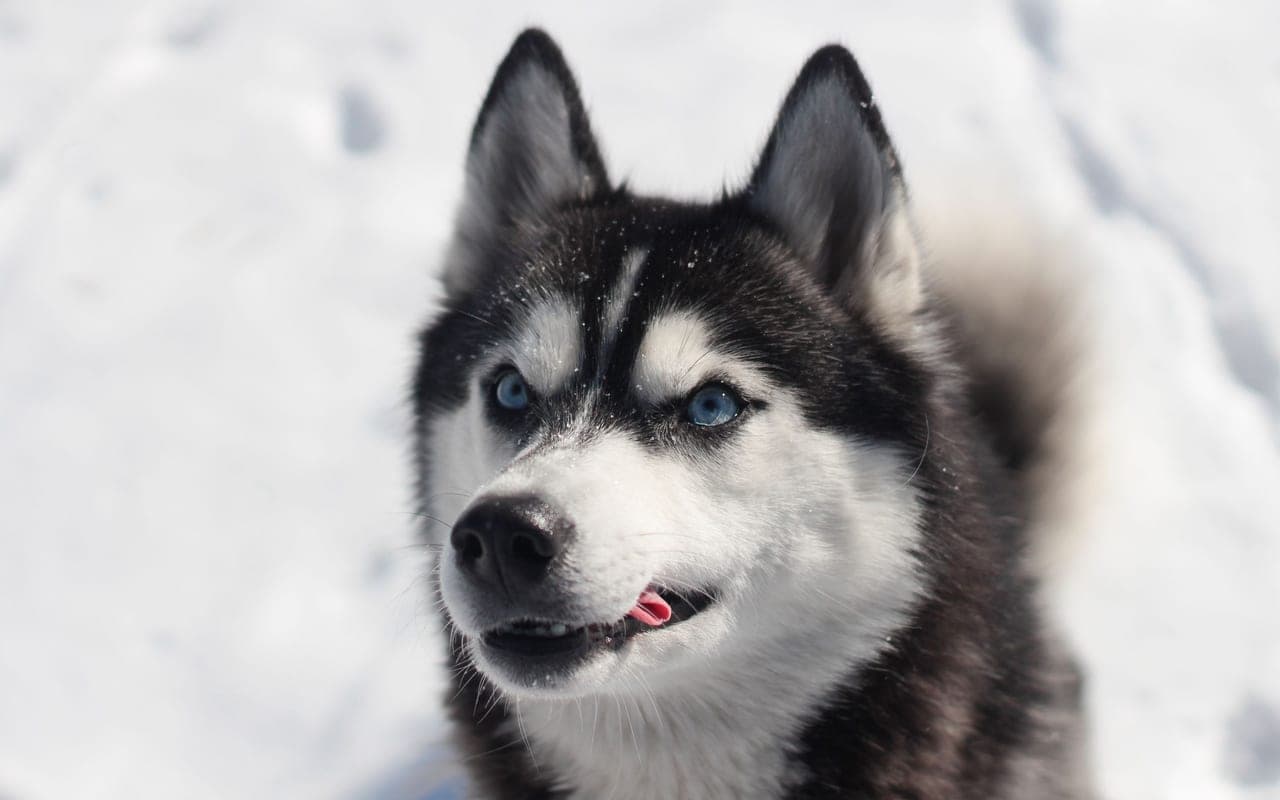
Siberian Husky
Also in the Working group, with different care and temperament tradeoffs.
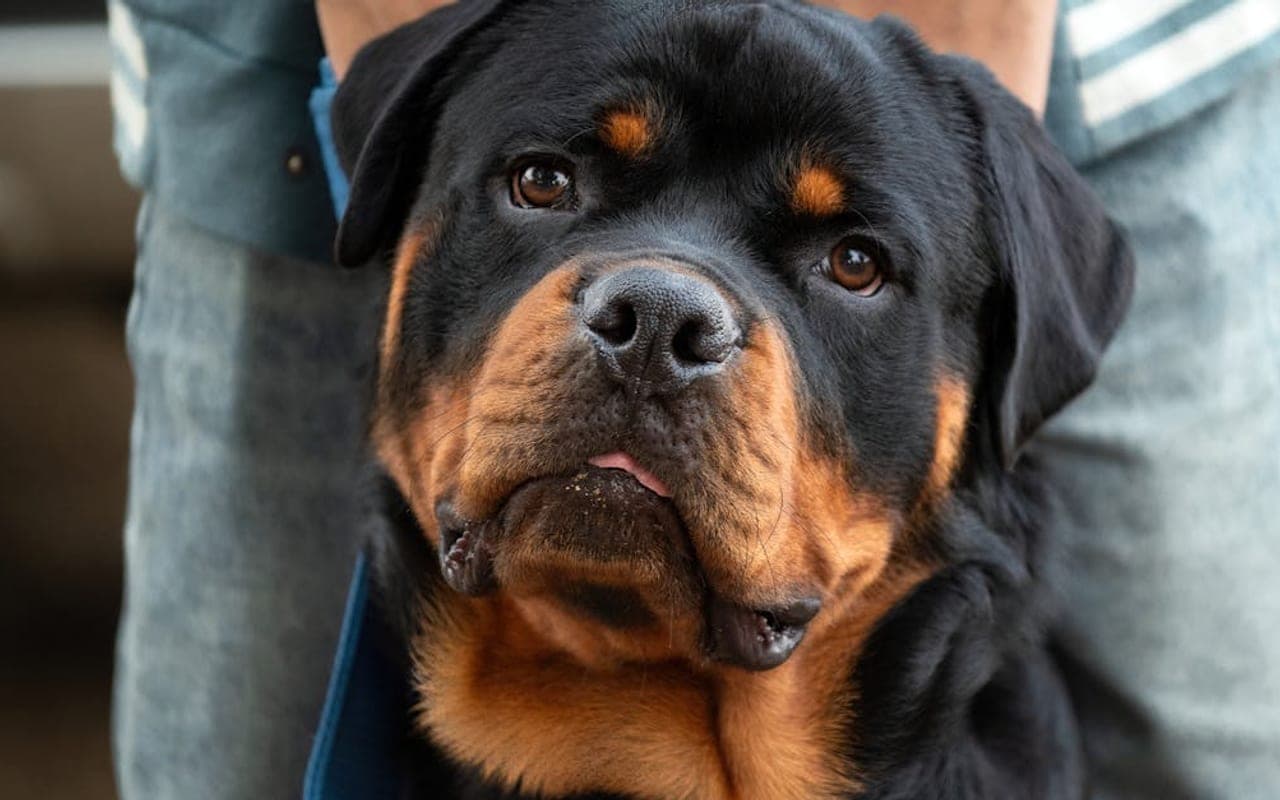
Rottweiler
Also in the Working group, with different care and temperament tradeoffs.

Boxer
Also in the Working group, with different care and temperament tradeoffs.

Akita
Also in the Working group, with different care and temperament tradeoffs.
Explore More About Dogo Argentino
Dive deeper into everything Dogo Argentino — costs, care, and expert insights.
Considering a cat instead?
Browse Cats