
Sporting group
English Cocker Spaniel
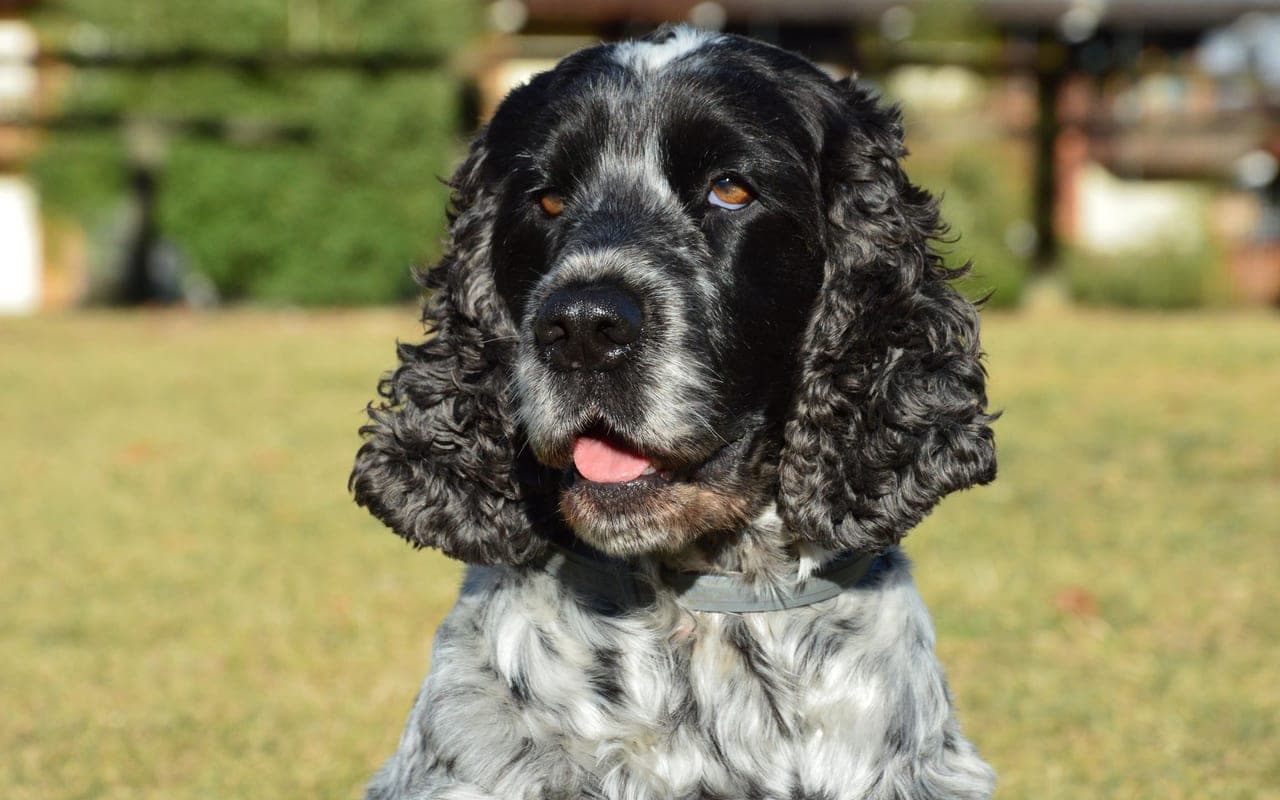
The English Cocker Spaniel is a 28-34 lb (males) / 26-32 lb (females) bird dog that stands 15-17 inches at the shoulder, and the single most important thing to know is that there are effectively two of them.



Size
26-34 lb
Lifespan
12-14 years
Exercise
30-60 minutes
Shedding
Moderate
Experience
Match to owner routine
Decision first
Is a English Cocker Spaniel right for you?
Start with fit before history or trivia. These are ownership signals, not guarantees about any individual dog.
Best suited for
- Households with children.
- Homes with other compatible pets.
- Apartment homes with a consistent routine.
- Owners seeking a manageable daily exercise routine.
Think carefully if
- You need a dog with almost no daily routine.
- You cannot keep up with grooming and preventive care.
- The dog will spend most days alone without support.
Conditional fit
Apartment fit depends on exercise, enrichment, noise management, and outdoor access.
Daily reality
English Cocker Spaniel commitment snapshot
Daily exercise
30-60 minutes
Match activity to age, health, weather, and training goals.
Coat care
Moderate
Grooming needs vary by coat, shedding, and lifestyle.
Time alone
Needs planning
Most dogs need gradual alone-time conditioning and support.
Structured facts
English Cocker Spaniel at a glance
The measurements and traits that most affect day-to-day life with this breed.
Group
Sporting
Weight
26-34 lb
Height
15-17 in
Lifespan
12-14 years
Temperament
Energetic | Merry | Responsive
View all characteristics and methodology
Lifestyle fit
- Apartment suitability
- Likely fit
- Child friendliness
- Often good, with socialisation and supervision
- Other-pet fit
- Often compatible with careful introductions
Owner commitment
- Exercise
- 30-60 minutes
- Grooming
- Moderate
- Shedding
- Moderate
- Training
- Low
Environment and health
- Health risk
- Needs planning
Ratings combine structured breed data, visible breed fields, and editorial context. They are planning aids, not predictions for an individual dog.
Daily life
English Cocker Spaniel temperament and behavior
The English Cocker Spaniel is a 28-34 lb (males) / 26-32 lb (females) bird dog that stands 15-17 inches at the shoulder, and the single most important thing to know is that there are effectively two of them. The 'show' or bench line is mellower and heavier-coated; the 'working' or field line is leaner, faster, and noticeably busier. Buy the wrong one for your life and you will spend years apologizing to a dog that needed a job you can't give it. This is not a decorative spaniel. It was bred to quarter dense cover and flush gamebirds within gun range all day, and that drive is intact. The breed earned the nickname 'merry' for the perpetually wagging tail and genuinely sunny disposition. They are people-saturated dogs: a Cocker that is left alone for long workdays without enrichment is a Cocker that develops separation distress and noise habits. They bond hard, read tone of voice acutely, and are soft enough that harsh corrections backfire and shut them down. Who the English Cocker is right for: an owner who walks or works the dog 60+ minutes daily, will commit to a real grooming routine or a professional groomer every 6-8 weeks, and wants an affectionate, biddable medium dog that travels well and likes children. Who it is wrong for: someone who wants a low-maintenance coat, is gone 10 hours a day, or cannot tell a show line from a field line at purchase. Get those two decisions right — line and lifestyle fit — and almost everything else about this breed is easy. Get them wrong and you have bought a frustrated hunting dog in a house.
Energetic | Merry | Responsive
Energetic
A common English Cocker Spaniel temperament descriptor that should be interpreted alongside training, exercise, and household fit.
Merry
A common English Cocker Spaniel temperament descriptor that should be interpreted alongside training, exercise, and household fit.
Responsive
A common English Cocker Spaniel temperament descriptor that should be interpreted alongside training, exercise, and household fit.
Owner note
Temperament labels are starting points, not guarantees. Meet the individual dog and ask about behavior history whenever possible.
Care essentials
How to care for a English Cocker Spaniel
What looking after one actually involves: exercise, grooming, food, training, and routine health.
ExerciseAs needed
- Moderately active breed needing 30-60 minutes of daily exercise through walks, play, and mental stimulation.
GroomingAs needed
- Regular grooming needed — brush 2-3 times per week and bathe monthly.
TrainingAs needed
- Independent-minded breed that may require extra patience in training. Short, engaging sessions recommended.
NutritionAs needed
- Feed a high-quality dog food appropriate for their age, size, and activity level. Monitor portions to prevent obesity.
Veterinary CareAs needed
- Annual wellness exams, core vaccinations, dental care, and parasite prevention. Breed-specific health screenings as recommended by your vet.
Health planning
English Cocker Spaniel health risks and screening
Every breed has individual health variation. Use this profile for planning and discuss medical decisions with a veterinarian.
Responsible ownership
Finding a English Cocker Spaniel responsibly
What to ask a breeder or rescue is the same conversation for every breed, so we keep it in one place and keep it current.
Health documentation, meeting the parents or foster, contracts and return support, and the warning signs worth walking away from.
Original purpose
English Cocker Spaniel history
History is useful when it explains today's behavior, coat, exercise needs, and training style.
Read the breed history
The English Cocker Spaniel descends from the old land spaniels of the British Isles, where 'spaniel' work was split by quarry: the smaller dogs that flushed woodcock became 'cocking' or cocker spaniels, while larger littermates became springers. For most of the 19th century cockers and springers could appear in the same litter, divided by size and job rather than ancestry. The Spaniel Club (UK) drew firmer lines in the 1880s-1890s, and the English Cocker was recognized as a distinct breed by the Kennel Club in 1892. When the breed reached North America, breeders selected for a smaller dog with a rounder head and more profuse coat, and that divergence eventually split into two breeds: the American Cocker Spaniel and the English Cocker Spaniel, which the AKC recognized separately in 1946. The English type retained more of the original functional, sporting build. Understanding this history matters to an owner because the show/field split inside the modern breed is a direct continuation of a working dog whose entire purpose was all-day flushing within gun range.
Gallery
English Cocker Spaniel photos
Images are cropped consistently and loaded progressively to keep the page responsive.
Lower-page context
English Cocker Spaniels in culture
Where the breed shows up in film, sport, work and folklore — the enjoyable part, once the practical questions are answered.
Fun facts
- The English Cocker Spaniel belongs to the Sporting Group.
- The average lifespan of a English Cocker Spaniel is 12 to 14 years.
- English Cocker Spaniel dogs are valued for their energetic, merry, responsive nature.
English Cocker Spaniel FAQs
How long do English Cocker Spaniels live?
A healthy English Cocker Spaniel typically lives 12-14 years. The breed's lifespan is generally good for a sporting dog, but it is shortened most often by two preventable or screenable categories: chronic untreated ear disease and pain, and inherited disorders such as familial nephropathy or progressive retinal atrophy. Buying from a line with DNA test results and treating ear flares early does more for longevity in this breed than almost anything else.
Are English Cocker Spaniels good with children?
Yes — this is one of the more reliably child-friendly sporting breeds. They are merry, patient, and sturdy enough for family life, and they generally enjoy the activity children bring. The realistic cautions are practical, not temperamental: supervise toddlers around the dog's sensitive ears, teach children not to grab the long coat, and choose a well-socialized line, because soft-tempered dogs can develop fear or submissive urination if handled roughly.
How much does it cost to groom an English Cocker Spaniel?
Plan on a professional groom every 6-8 weeks at roughly $60-$90 per visit, which is $400-$700 a year, plus brushes and ear cleaner at home. If you skip routine grooming you do not save money — you trade it for shave-downs, matting-related skin infections, and recurrent ear infections that can run $150-$400 per flare. Learning to clip the dog yourself is the only way to genuinely lower this cost.
What is the difference between a show line and a working line English Cocker?
It is the most important purchase decision in this breed. Show (bench) line Cockers are heavier-coated, calmer, and bred for conformation; working (field) line Cockers are lighter, faster, intensely driven, and bred to hunt all day. A field-bred dog in a sedentary home is a frustrated, often destructive dog. Decide your activity level honestly first, then choose the line that matches it — not the other way around.
Do English Cocker Spaniels have a lot of health problems?
They are not a fragile breed, but they carry specific, screenable risks that buyers must verify. Ear infections are near-universal without diligent weekly ear care. Beyond that, ask the breeder for DNA or screening results for progressive retinal atrophy, familial nephropathy, and hip dysplasia, and ask about any immune-mediated blood disease in the line. A breeder who cannot produce these results is the single biggest avoidable health risk in this breed.
How much exercise does an English Cocker Spaniel need?
At least 60 minutes of real activity daily, and crucially it should include sniffing and free movement, not just lead walking. This breed was built to quarter cover and flush birds for hours, so its mind needs work as much as its body. Twenty minutes of scent games or training tires a Cocker more than a longer plodding walk, and a mentally under-stimulated Cocker is the one that develops barking and chewing habits.
Sources
These are the published sources this page draws on. Each opens in a new tab so you can check it yourself.
American Kennel Club
English Cocker Spaniel — breed standard and profile(opens in a new tab)Supports: Breed standard and recognition details.
Similar breeds to consider

Golden Retriever
Also in the Sporting group, with different care and temperament tradeoffs.

German Shorthaired Pointer
Also in the Sporting group, with different care and temperament tradeoffs.

Labrador Retriever
Also in the Sporting group, with different care and temperament tradeoffs.

Vizsla
Also in the Sporting group, with different care and temperament tradeoffs.
Explore More About English Cocker Spaniel
Dive deeper into everything English Cocker Spaniel — costs, care, and expert insights.
Large Dog Care Guide: Everything Over 50 lbs
Owning a large or giant breed dog means accepting one of biology's...
Puppy Teething & Biting: Timeline and What Actually Works
A puppy has all 28 deciduous ("baby") teeth by roughly eight weeks of age, and...
Considering a cat instead?
Browse Cats