
Non-Sporting group
Finnish Spitz
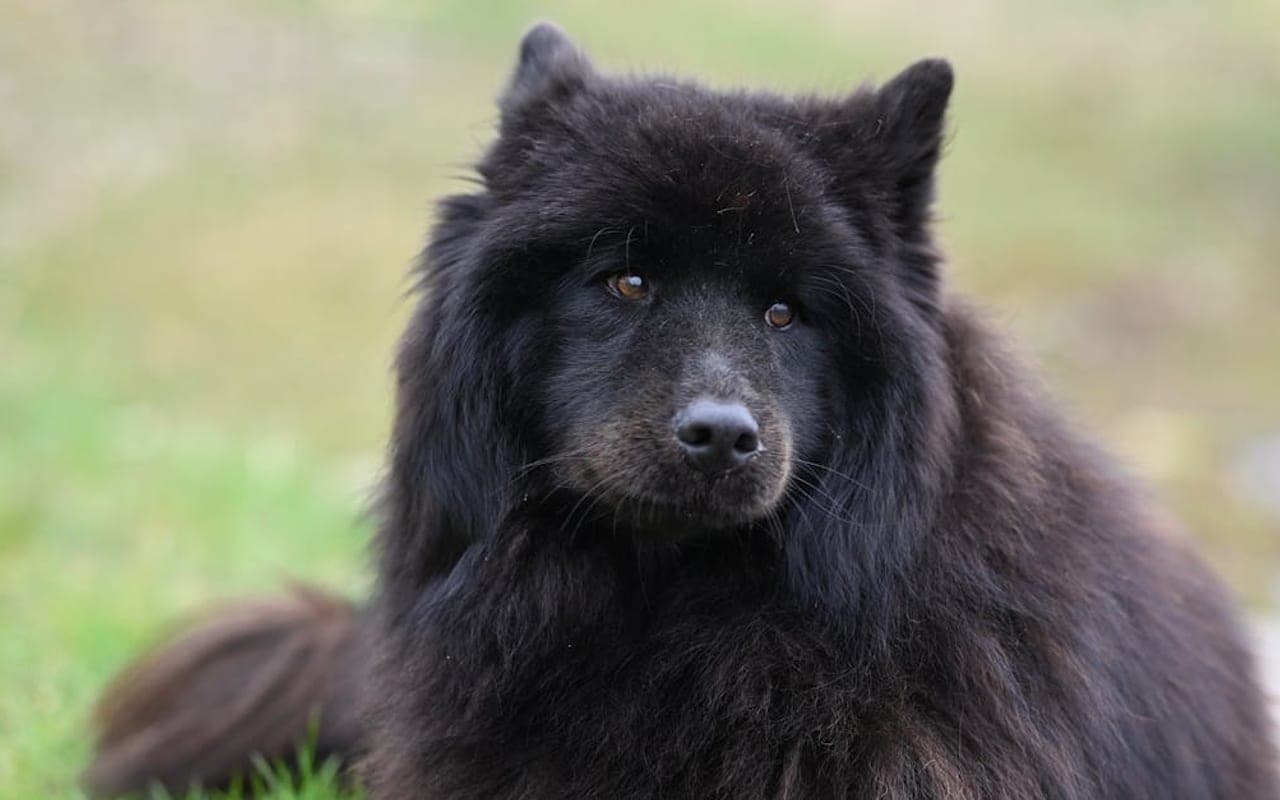
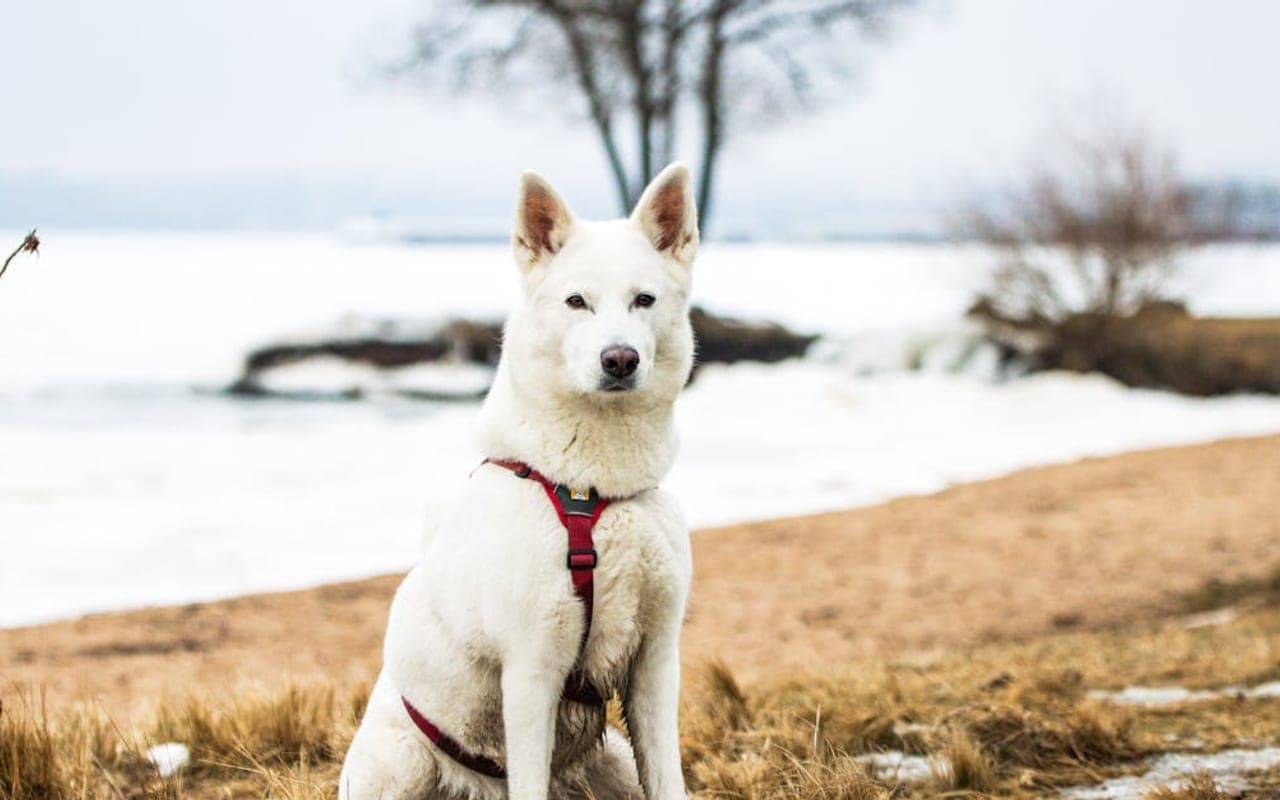
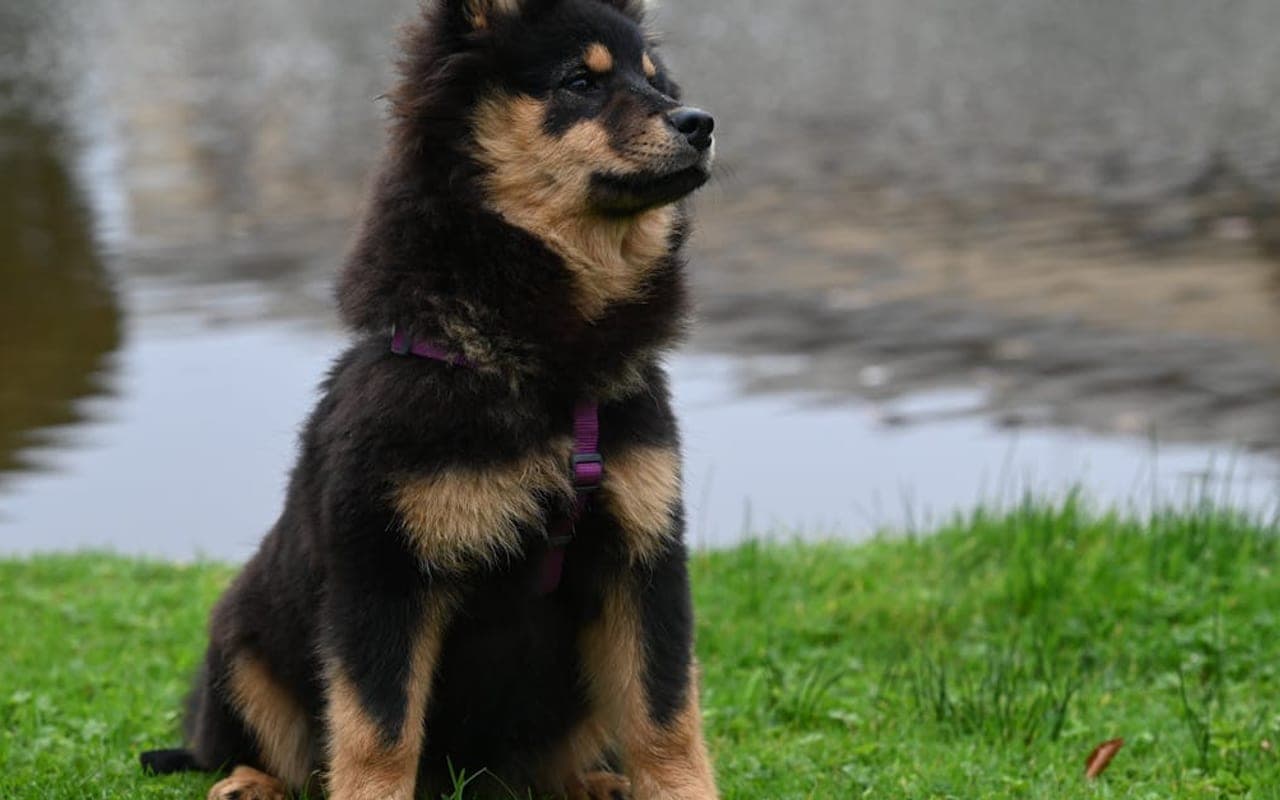
The Finnish Spitz — 'Finkie' or 'Finn' — is the national dog of Finland, a fox-faced, golden-red spitz of about 31-33 lbs (males) and 23-29 lbs (females), standing 15.
Size
22-35 lb
Lifespan
13-15 years
Exercise
20-40 minutes
Shedding
Moderate
Experience
Match to owner routine
Decision first
Is a Finnish Spitz right for you?
Start with fit before history or trivia. These are ownership signals, not guarantees about any individual dog.
Best suited for
- Households with children.
- Homes with other compatible pets.
- Apartment homes with a consistent routine.
- Owners seeking a manageable daily exercise routine.
Think carefully if
- You need a dog with almost no daily routine.
- You cannot keep up with grooming and preventive care.
- The dog will spend most days alone without support.
Conditional fit
Apartment fit depends on exercise, enrichment, noise management, and outdoor access.
Daily reality
Finnish Spitz commitment snapshot
Daily exercise
20-40 minutes
Match activity to age, health, weather, and training goals.
Coat care
Moderate
Grooming needs vary by coat, shedding, and lifestyle.
Time alone
Needs planning
Most dogs need gradual alone-time conditioning and support.
Structured facts
Finnish Spitz at a glance
The measurements and traits that most affect day-to-day life with this breed.
Group
Non-Sporting
Weight
22-35 lb
Height
16-20 in
Lifespan
13-15 years
Temperament
Friendly | Good-Natured | Lively
View all characteristics and methodology
Lifestyle fit
- Apartment suitability
- Likely fit
- Child friendliness
- Often good, with socialisation and supervision
- Other-pet fit
- Often compatible with careful introductions
Owner commitment
- Exercise
- 20-40 minutes
- Grooming
- Moderate
- Shedding
- Moderate
- Training
- Moderate
Environment and health
- Health risk
- Needs planning
Ratings combine structured breed data, visible breed fields, and editorial context. They are planning aids, not predictions for an individual dog.
Daily life
Finnish Spitz temperament and behavior
The Finnish Spitz — 'Finkie' or 'Finn' — is the national dog of Finland, a fox-faced, golden-red spitz of about 31-33 lbs (males) and 23-29 lbs (females), standing 15.5-20 inches. It was bred for one specific job: a 'bark-pointer' that tracks game birds, then signals the hunter by barking continuously at the treed bird while waving its plumed tail. Every honest profile of this breed has to lead with the bark, because that single trait decides whether the dog is right for you. This is one of the most vocal dog breeds that exists. The breed was selected for sustained barking — in Finland there are competitions to crown a 'King Barker' with rates measured in barks per minute. A Finnish Spitz that is bored, alarmed, or simply alert will bark, and a great deal of it. In an apartment or a noise-sensitive neighborhood this is a deal-breaker, not a training problem you will fully fix. Temperament otherwise is excellent: friendly, good-natured, lively, devoted to family, playful into old age, and a naturally clean, low-odor dog. They are intelligent but independent and somewhat sensitive — they learn fast but resent harsh handling and bore of repetition. They are wary of strangers (good alert dogs), generally good with children they are raised with, and have a moderate prey drive toward small animals. Who the Finnish Spitz is right for: an active owner in a detached house with tolerant or distant neighbors, who wants a clean, healthy, long-lived companion and finds the vocal nature charming rather than maddening. Who it is wrong for: apartment dwellers, anyone in a noise-restricted setting, owners wanting a quiet or bidable obedience dog, or anyone unwilling to manage barking with structure for the dog's whole life. Decide on the bark first; everything else about the breed is easy.
Friendly | Good-Natured | Lively
Friendly
A common Finnish Spitz temperament descriptor that should be interpreted alongside training, exercise, and household fit.
Good-Natured
A common Finnish Spitz temperament descriptor that should be interpreted alongside training, exercise, and household fit.
Lively
A common Finnish Spitz temperament descriptor that should be interpreted alongside training, exercise, and household fit.
Owner note
Temperament labels are starting points, not guarantees. Meet the individual dog and ask about behavior history whenever possible.
Care essentials
How to care for a Finnish Spitz
What looking after one actually involves: exercise, grooming, food, training, and routine health.
ExerciseAs needed
- Lower-energy breed that is content with daily walks and moderate play. Avoid over-exercising.
GroomingAs needed
- Regular grooming needed — brush 2-3 times per week and bathe monthly.
TrainingAs needed
- Moderately trainable — consistent, patient training with positive methods works best.
NutritionAs needed
- Feed a high-quality dog food appropriate for their age, size, and activity level. Monitor portions to prevent obesity.
Veterinary CareAs needed
- Annual wellness exams, core vaccinations, dental care, and parasite prevention. Breed-specific health screenings as recommended by your vet.
Health planning
Finnish Spitz health risks and screening
Every breed has individual health variation. Use this profile for planning and discuss medical decisions with a veterinarian.
Responsible ownership
Finding a Finnish Spitz responsibly
What to ask a breeder or rescue is the same conversation for every breed, so we keep it in one place and keep it current.
Health documentation, meeting the parents or foster, contracts and return support, and the warning signs worth walking away from.
Original purpose
Finnish Spitz history
History is useful when it explains today's behavior, coat, exercise needs, and training style.
Read the breed history
The Finnish Spitz descends from spitz-type dogs brought into Finland by ancestors of the Finnish people thousands of years ago, where they were developed in relative isolation as a versatile hunting dog for the northern forests. Its specialty became hunting game birds, particularly capercaillie and black grouse: the dog ranges ahead, locates and trees the bird, then barks rhythmically and continuously while flagging its tail, holding the bird's attention so the hunter can approach — a working style that earned it the nickname 'Barking Bird Dog.' By the late 19th century crossbreeding nearly diluted the original type out of existence, and the breed was deliberately reconstructed from remaining pure forest dogs by Finnish enthusiasts, with a breed standard set in 1892. It was declared the national dog of Finland and remains a working hunting dog there, where bark-pointing field trials are still held. The sustained, rhythmic barking that defines the modern pet is not a behavioral flaw — it is the precise trait the breed was selected for over centuries of bird hunting.
Gallery
Finnish Spitz photos
Images are cropped consistently and loaded progressively to keep the page responsive.
Lower-page context
Finnish Spitzs in culture
Where the breed shows up in film, sport, work and folklore — the enjoyable part, once the practical questions are answered.
Fun facts
- The Finnish Spitz belongs to the Non-Sporting Group.
- With proper care, Finnish Spitz dogs can live up to 15 years or more.
- Finnish Spitz dogs are valued for their friendly, good-natured, lively nature.
Finnish Spitz FAQs
Is the Finnish Spitz too loud for an apartment?
For most apartments and noise-sensitive neighborhoods, yes. This breed was deliberately selected over centuries to bark continuously at treed game — Finland even runs 'King Barker' contests measuring barks per minute. You can manage it with early 'quiet' training and adequate exercise, but you will not train it into a quiet dog. If neighbors share a wall or are close by, choose a different breed; this is the single most important decision factor for the Finnish Spitz.
How long do Finnish Spitz live, and are they a healthy breed?
They are one of the longer-lived and generally healthier purebreds, typically living 13-15 years. The main inherited concerns are patellar luxation, hip dysplasia, idiopathic epilepsy, and a noted predisposition to diabetes. None of these is universal, and a lean dog from patella- and hip-screened parents has good odds of a long, low-cost old age. Weight control is the biggest lever you personally control.
Are Finnish Spitz easy to train?
They are intelligent and learn quickly, but they are independent and sensitive — bred to work apart from the hunter and make their own decisions. They bore of repetition and shut down under harsh corrections. Use short, varied, reward-based sessions, and accept that off-lead recall around birds or small animals will be unreliable for life because of the prey drive. They are trainable, just not biddable in the way a Labrador is — set expectations accordingly.
How much grooming does a Finnish Spitz need?
Very little for most of the year. The dense double coat is self-cleaning and low-odor; a brush 1-2 times a week and a few baths a year is enough. The exception is the spring and autumn shed, when the undercoat blows out heavily for 2-3 weeks and you will need to brush daily and tolerate significant loose hair around the home. Never shave the coat — it is the dog's insulation against both cold and heat.
Are Finnish Spitz good with children and other pets?
Generally yes with children, especially those they are raised with — they are friendly, playful, and sturdy enough for active family life, with normal supervision of young kids. With other dogs they are usually social. The caution is small animals: they retain a moderate hunting prey drive, so cats raised alongside them are usually fine, but pet birds, rabbits, and rodents are a poor match without strict separation.
How much exercise does a Finnish Spitz actually need?
Plan on 45-60 minutes of real activity daily — brisk walks, hikes, and secured-area running — plus mental work like scent games and short training sessions. They are athletic working dogs, not couch dogs, and an under-exercised Finnish Spitz barks more, not less, and can become destructive. Mental stimulation matters as much as physical for this intelligent breed; a tired body with a bored mind still produces problem behavior.
Sources
These are the published sources this page draws on. Each opens in a new tab so you can check it yourself.
American Kennel Club
Finnish Spitz — breed standard and profile(opens in a new tab)Supports: Breed standard and recognition details.
Similar breeds to consider
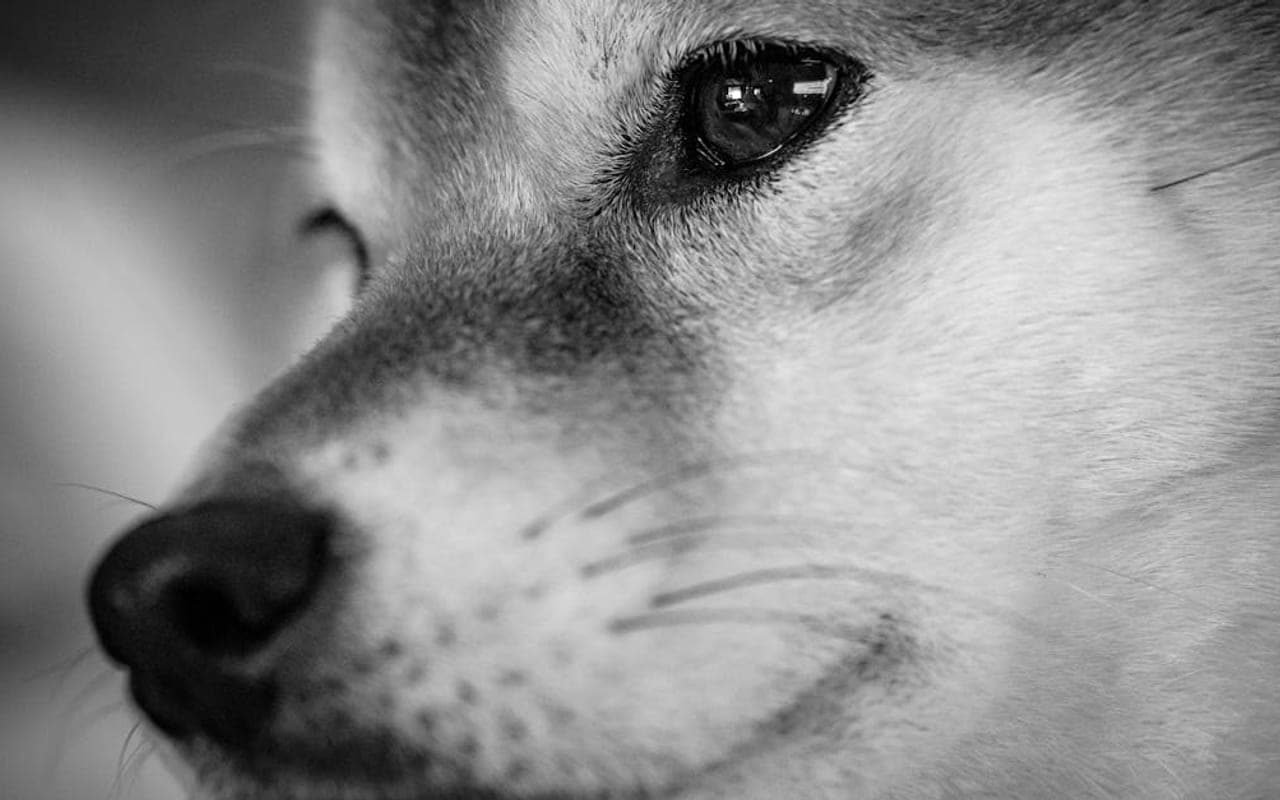
Shiba Inu
Also in the Non-Sporting group, with different care and temperament tradeoffs.
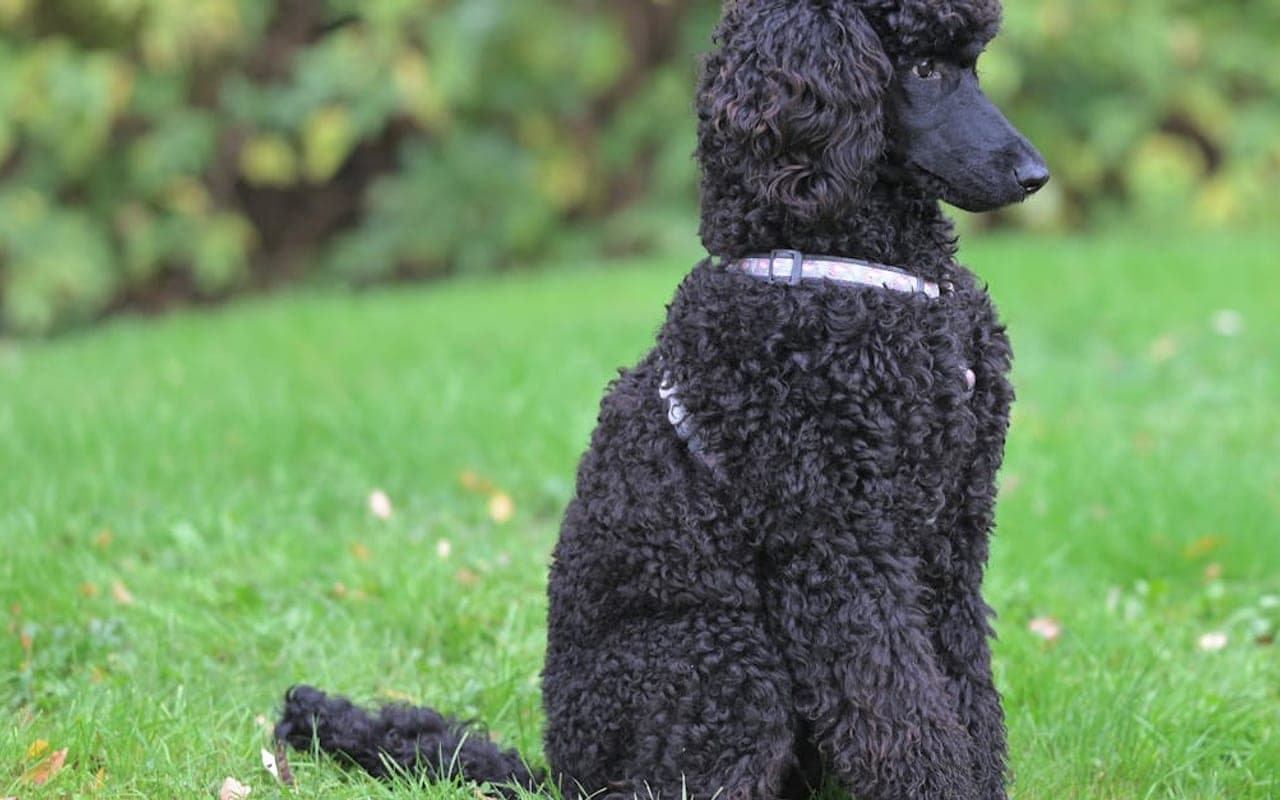
Poodle
Also in the Non-Sporting group, with different care and temperament tradeoffs.
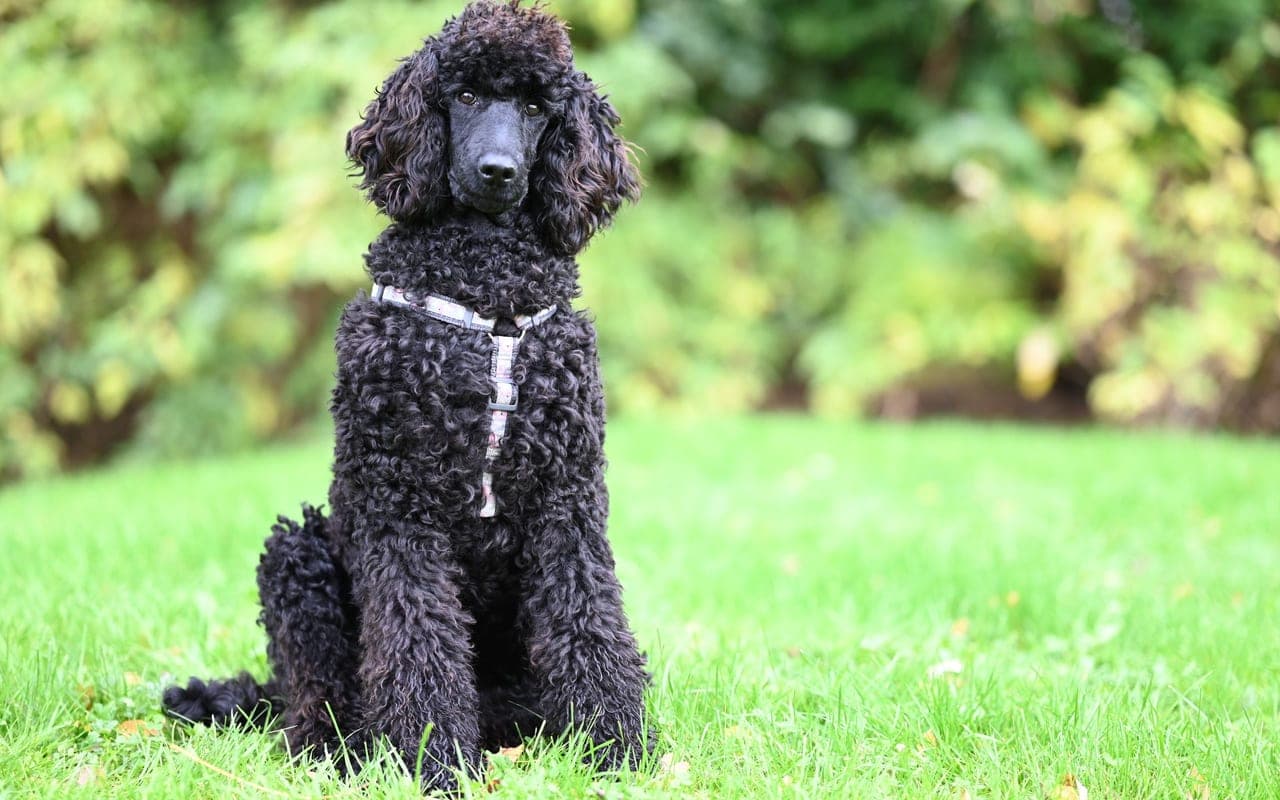
Poodle (Standard)
Also in the Non-Sporting group, with different care and temperament tradeoffs.

Poodle (Miniature)
Also in the Non-Sporting group, with different care and temperament tradeoffs.
Explore More About Finnish Spitz
Dive deeper into everything Finnish Spitz — costs, care, and expert insights.
Considering a cat instead?
Browse Cats