
Foundation Stock Service group
French Spaniel
The French Spaniel (Épagneul Français) is a medium continental pointing dog from France — and the honest framing is that this is a relatively healthy, sound working breed whose biggest ownership risk is mismatch, not medicine.




Size
44-60 lb
Lifespan
10-12 years
Exercise
30-60 minutes
Shedding
Moderate
Experience
Match to owner routine
Decision first
Is a French Spaniel right for you?
Start with fit before history or trivia. These are ownership signals, not guarantees about any individual dog.
Best suited for
- Households with children.
- Homes with other compatible pets.
- Apartment homes with a consistent routine.
- Owners seeking a manageable daily exercise routine.
Think carefully if
- You need a dog with almost no daily routine.
- You cannot keep up with grooming and preventive care.
- The dog will spend most days alone without support.
Conditional fit
Apartment fit depends on exercise, enrichment, noise management, and outdoor access.
Daily reality
French Spaniel commitment snapshot
Daily exercise
30-60 minutes
Match activity to age, health, weather, and training goals.
Coat care
Moderate
Grooming needs vary by coat, shedding, and lifestyle.
Time alone
Needs planning
Most dogs need gradual alone-time conditioning and support.
Structured facts
French Spaniel at a glance
The measurements and traits that most affect day-to-day life with this breed.
Group
Foundation Stock Service
Weight
44-60 lb
Height
22-24 in
Lifespan
10-12 years
Temperament
Gentle | Sociable | Intelligent
View all characteristics and methodology
Lifestyle fit
- Apartment suitability
- Likely fit
- Child friendliness
- Often good, with socialisation and supervision
- Other-pet fit
- Often compatible with careful introductions
Owner commitment
- Exercise
- 30-60 minutes
- Grooming
- Moderate
- Shedding
- Moderate
- Training
- Moderate
Environment and health
- Health risk
- Needs planning
Ratings combine structured breed data, visible breed fields, and editorial context. They are planning aids, not predictions for an individual dog.
Daily life
French Spaniel temperament and behavior
The French Spaniel (Épagneul Français) is a medium continental pointing dog from France — and the honest framing is that this is a relatively healthy, sound working breed whose biggest ownership risk is mismatch, not medicine. People buy the calm, gentle, biddable temperament and then fail to deliver the exercise and job a bred-to-hunt-all-day pointer actually requires. The result is a frustrated dog, not a sick one. Structurally it is an elegant, well-muscled gun dog, the tallest of the French pointing spaniels, with a medium-length feathered coat in white and brown, a noble head, and the athletic, balanced build of a dog meant to quarter fields and point and retrieve for hours. The breed standard runs about 20-27 kg and 55-61 cm at the shoulder — a true medium-large sporting dog. Temperament is the breed's reputation and it is well earned: gentle, calm in the house, sociable with other dogs, people-oriented, and notably trainable — one of the easier pointing breeds to live with for an active owner. It is sensitive to harsh handling and bonds closely; it is a companion that also hunts, not a kennel dog. Who the French Spaniel is right for: an active household — hunting, hiking, dog sports, daily long structured exercise — that wants a soft-tempered, trainable medium gun dog with a comparatively clean health record. Who it is wrong for: sedentary or absent owners who will treat a bird dog as a low-maintenance pet. The breed's body is rarely the problem; the lifestyle gap is.
Gentle | Sociable | Intelligent
Gentle
A common French Spaniel temperament descriptor that should be interpreted alongside training, exercise, and household fit.
Sociable
A common French Spaniel temperament descriptor that should be interpreted alongside training, exercise, and household fit.
Intelligent
A common French Spaniel temperament descriptor that should be interpreted alongside training, exercise, and household fit.
Owner note
Temperament labels are starting points, not guarantees. Meet the individual dog and ask about behavior history whenever possible.
Care essentials
How to care for a French Spaniel
What looking after one actually involves: exercise, grooming, food, training, and routine health.
ExerciseAs needed
- Moderately active breed needing 30-60 minutes of daily exercise through walks, play, and mental stimulation.
GroomingAs needed
- Regular grooming needed — brush 2-3 times per week and bathe monthly.
TrainingAs needed
- Moderately trainable — consistent, patient training with positive methods works best.
NutritionAs needed
- Feed a high-quality dog food appropriate for their age, size, and activity level. Monitor portions to prevent obesity.
Veterinary CareAs needed
- Annual wellness exams, core vaccinations, dental care, and parasite prevention. Breed-specific health screenings as recommended by your vet.
Health planning
French Spaniel health risks and screening
Every breed has individual health variation. Use this profile for planning and discuss medical decisions with a veterinarian.
Responsible ownership
Finding a French Spaniel responsibly
What to ask a breeder or rescue is the same conversation for every breed, so we keep it in one place and keep it current.
Health documentation, meeting the parents or foster, contracts and return support, and the warning signs worth walking away from.
Original purpose
French Spaniel history
History is useful when it explains today's behavior, coat, exercise needs, and training style.
Read the breed history
The French Spaniel descends from old continental gun dogs and is regarded as one of the oldest of the French pointing breeds, valued by hunters for quartering, pointing, and retrieving. The breed nearly disappeared by the late 19th century and was deliberately revived in France, notably through the efforts of breed advocates who consolidated surviving stock; it is classified among the continental pointing dogs and recorded in North America under the AKC Foundation Stock Service. That working-gun-dog origin is the practical key for owners. The calm, biddable temperament that makes the breed pleasant in the home is paired, inseparably, with the stamina, drive, and need for purpose that let it hunt all day. Buyers who read only the 'gentle, easy' half of the history and skip the 'tireless field worker' half create the breed's most common ownership failure. The history is a usage manual, not background color.
Gallery
French Spaniel photos
Images are cropped consistently and loaded progressively to keep the page responsive.
Lower-page context
French Spaniels in culture
Where the breed shows up in film, sport, work and folklore — the enjoyable part, once the practical questions are answered.
Fun facts
- The French Spaniel belongs to the Foundation Stock Service.
- The average lifespan of a French Spaniel is 10 to 12 years.
- French Spaniel dogs are valued for their gentle, sociable, intelligent nature.
French Spaniel FAQs
How long do French Spaniels live?
Roughly 12-14 years, typical for a medium-large sporting dog and reflecting a comparatively sound breed without a long list of fatal genetic conditions. Lifespan is driven mostly by controllables: keeping the dog lean to protect hips and elbows, dental and ear maintenance, and the injury-avoidance that comes with a well-exercised, well-managed working dog. The breed's main inherited concern, acral mutilation syndrome, is DNA-screenable and largely avoidable by buying from tested lines.
Is the French Spaniel a healthy breed?
Relatively, yes — it is generally regarded as a robust, sound working breed. The real screens are hip and elbow dysplasia (low-to-moderate risk), the DNA-testable acral mutilation syndrome and degenerative myelopathy, and routine entropion and ear issues. None of these is a breed-defining catastrophe. The honest caveat is that 'healthy' here assumes an owner who provides serious daily exercise; the breed's most common problems are behavioral consequences of under-exercise, not veterinary disease.
How much exercise does a French Spaniel really need?
More than most pet owners expect: 60+ minutes of vigorous daily activity plus mental engagement, ideally hunting, dog sports, swimming, or long structured off-property work. This is a pointing dog bred to range fields for hours. A neighborhood walk is maintenance, not satisfaction. Owners who under-deliver exercise get an anxious, destructive dog and wrongly conclude the breed is 'difficult' — the breed is fine; the activity budget was wrong.
Are French Spaniels good family dogs and good with children?
Yes — temperament is the breed's strongest selling point. They are gentle, calm indoors, patient with children, sociable with other dogs, and strongly people-bonded. The two caveats are practical, not behavioral: they need their substantial exercise met or household behavior degrades, and they are sensitive dogs that do poorly with harsh handling — teach children to interact kindly and train with positive methods. A well-exercised French Spaniel is an excellent family companion.
Are French Spaniels easy to train?
Among the more trainable pointing breeds, yes. They are intelligent, eager to work with their handler, and responsive to consistent reward-based training. The key constraint is their sensitivity: harsh corrections backfire and can shut a soft dog down. Start early, keep sessions positive and structured, and channel the work drive into real tasks. Trainability is high precisely because it was bred for cooperative field work — use that, don't suppress it.
What should I watch for in a French Spaniel puppy's health?
Beyond standard hip/elbow-screened, DNA-tested parents, watch a young puppy (3-12 months) for persistent licking, chewing, or self-injury of the paws and toes — this is not normal teething or boredom and can signal acral mutilation syndrome, which warrants prompt veterinary evaluation. Also establish an early ear-care routine: the pendulous ears on an active water dog make chronic ear infections a predictable maintenance item that early habits prevent.
Sources
These are the published sources this page draws on. Each opens in a new tab so you can check it yourself.
American Kennel Club
French Spaniel — breed standard and profile(opens in a new tab)Supports: Breed standard and recognition details.
Similar breeds to consider

Jagdterrier
Also in the Foundation Stock Service group, with different care and temperament tradeoffs.

Jindo
Also in the Foundation Stock Service group, with different care and temperament tradeoffs.

Portuguese Pointer
Also in the Foundation Stock Service group, with different care and temperament tradeoffs.
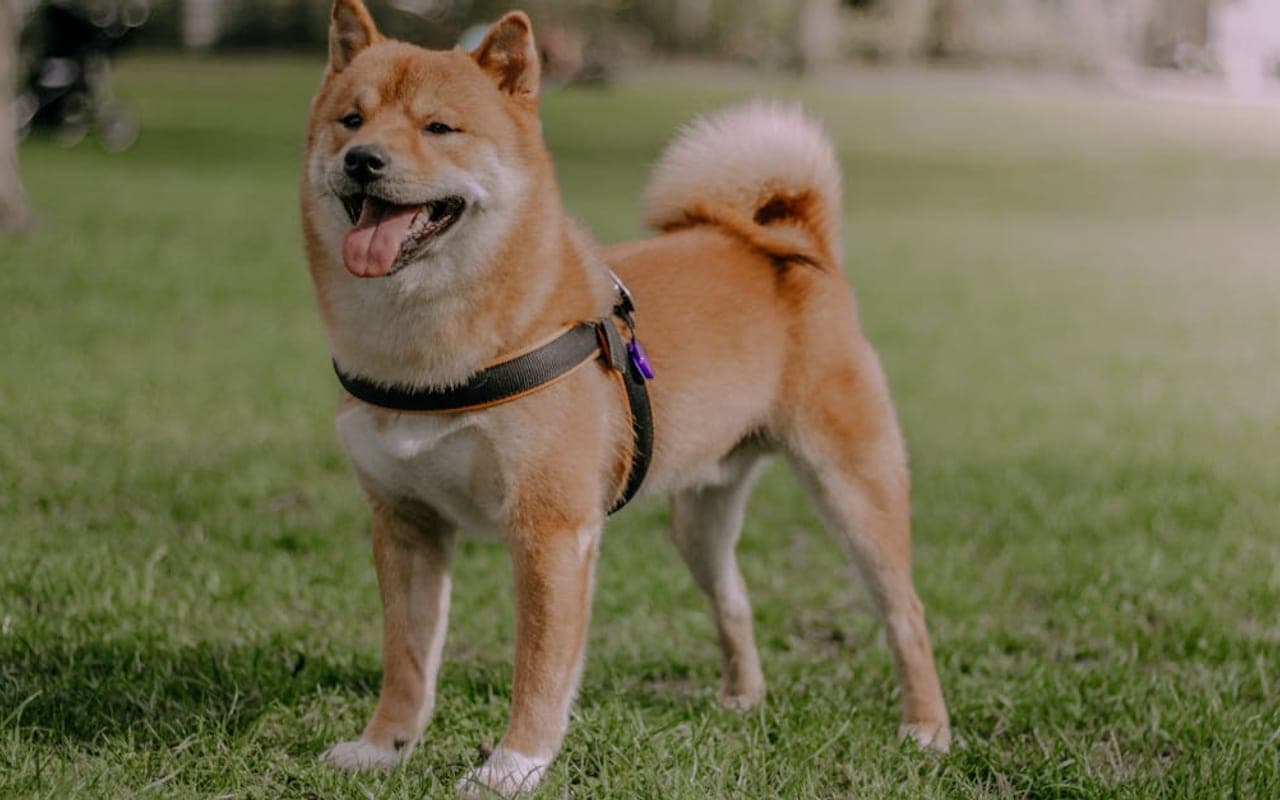
Kishu Ken
Also in the Foundation Stock Service group, with different care and temperament tradeoffs.
Explore More About French Spaniel
Dive deeper into everything French Spaniel — costs, care, and expert insights.
Considering a cat instead?
Browse Cats