
Working group
German Pinscher
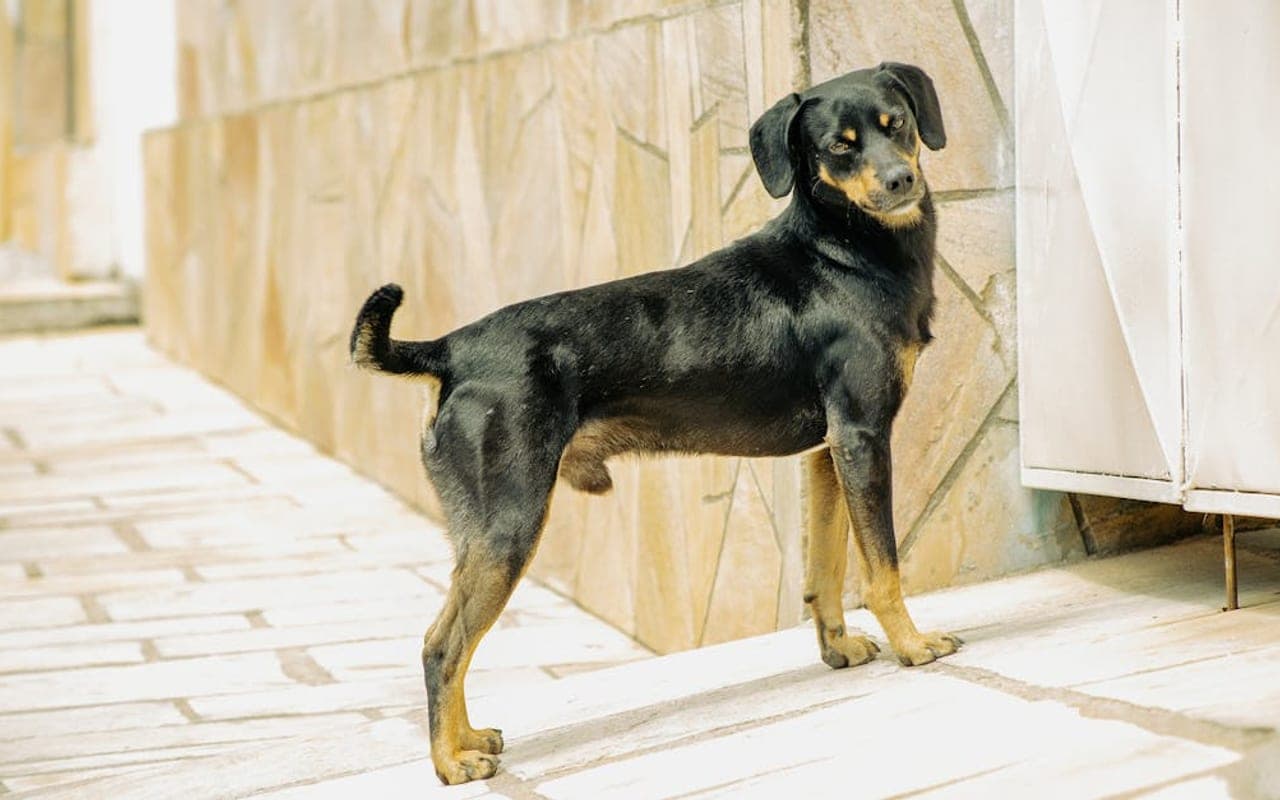
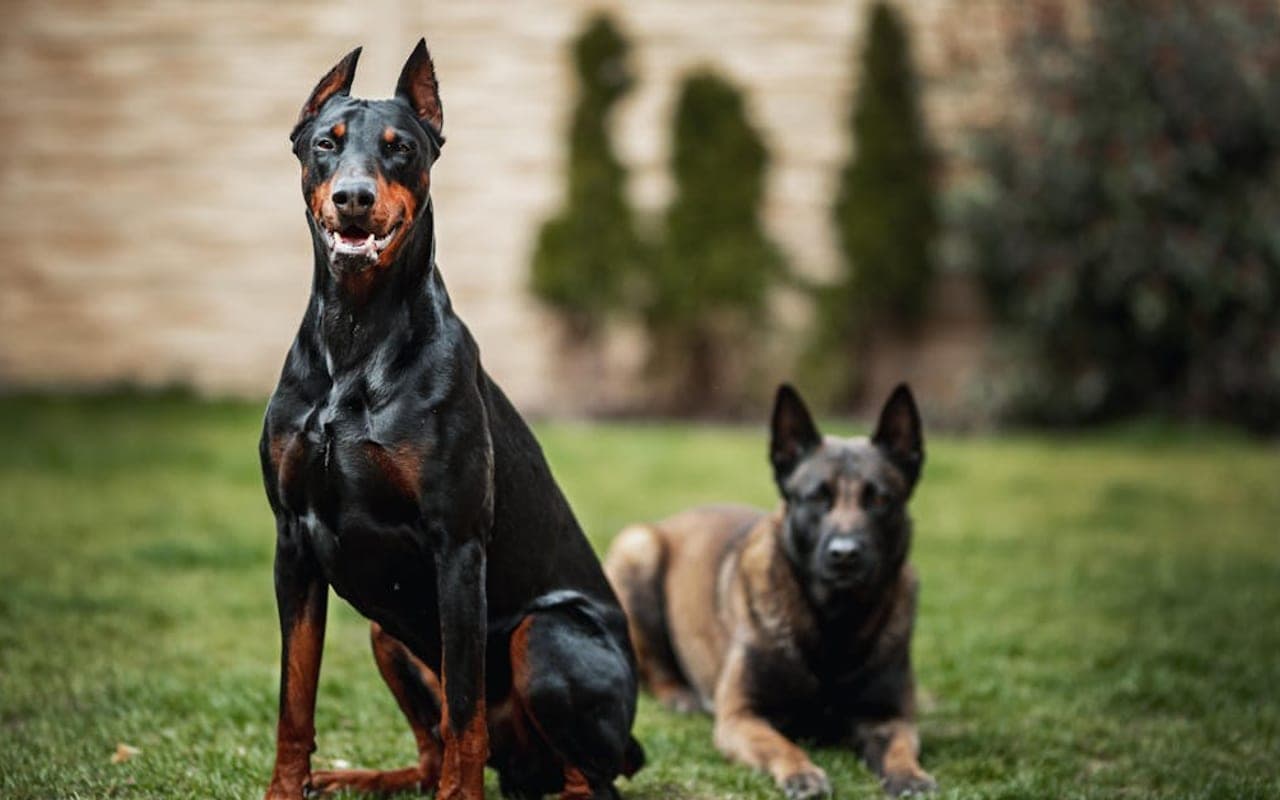
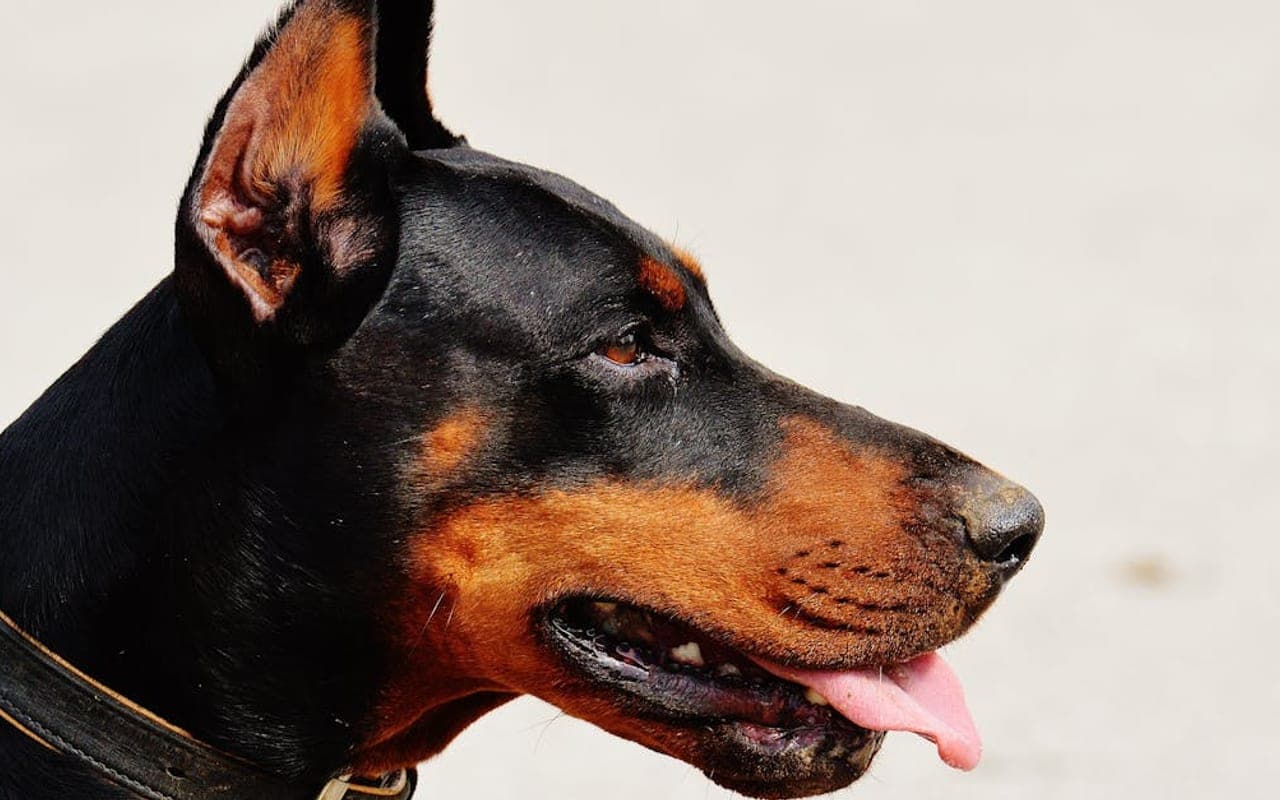
The German Pinscher is a medium, square, short-coated working dog of about 25-45 pounds (roughly 11-20 kg) that stands knee-high and looks like a smaller, sleeker relative of the Doberman — which is essentially what it is, since the German Pinscher is one of the foundation breeds behind it.
Size
24-44 lb
Lifespan
12-14 years
Exercise
20-40 minutes
Shedding
Moderate
Experience
Match to owner routine
Decision first
Is a German Pinscher right for you?
Start with fit before history or trivia. These are ownership signals, not guarantees about any individual dog.
Best suited for
- Households with children.
- Homes with other compatible pets.
- Apartment homes with a consistent routine.
- Owners seeking a manageable daily exercise routine.
Think carefully if
- You need a dog with almost no daily routine.
- You cannot keep up with grooming and preventive care.
- The dog will spend most days alone without support.
Conditional fit
Apartment fit depends on exercise, enrichment, noise management, and outdoor access.
Daily reality
German Pinscher commitment snapshot
Daily exercise
20-40 minutes
Match activity to age, health, weather, and training goals.
Coat care
Moderate
Grooming needs vary by coat, shedding, and lifestyle.
Time alone
Needs planning
Most dogs need gradual alone-time conditioning and support.
Structured facts
German Pinscher at a glance
The measurements and traits that most affect day-to-day life with this breed.
Group
Working
Weight
24-44 lb
Height
17-20 in
Lifespan
12-14 years
Temperament
Courageous | Intelligent | Vivacious
View all characteristics and methodology
Lifestyle fit
- Apartment suitability
- Likely fit
- Child friendliness
- Often good, with socialisation and supervision
- Other-pet fit
- Often compatible with careful introductions
Owner commitment
- Exercise
- 20-40 minutes
- Grooming
- Moderate
- Shedding
- Moderate
- Training
- Moderate
Environment and health
- Health risk
- Needs planning
Ratings combine structured breed data, visible breed fields, and editorial context. They are planning aids, not predictions for an individual dog.
Daily life
German Pinscher temperament and behavior
The German Pinscher is a medium, square, short-coated working dog of about 25-45 pounds (roughly 11-20 kg) that stands knee-high and looks like a smaller, sleeker relative of the Doberman — which is essentially what it is, since the German Pinscher is one of the foundation breeds behind it. It is one of Germany's oldest breeds, built as a stable rat-catcher, farm guardian, and all-purpose vermin dog. That heritage is the whole point of understanding this breed: it is intensely intelligent, high-drive, territorial, and independent — a dog that thinks for itself and will run the household if you do not. Forget any source that calls this a low-energy companion. The German Pinscher is a working terrier-type in a medium body: athletic, tireless, busy-minded, and quick to find its own entertainment if you do not provide it — usually digging, barking, escaping, or guarding the house against the mail. They bond hard to their family, are naturally suspicious of strangers, and have a real prey drive that makes small pets and off-leash freedom genuine considerations, not afterthoughts. The German Pinscher is right for you if you are an experienced, active owner who wants a sharp, loyal, low-grooming partner for training, sport, or an active outdoor life, and who will out-think a dog that out-thinks most people. It is wrong for you if you are a first-time owner, want a soft and biddable dog, are gone all day, or expect the 'lower exercise needs' some breed databases wrongly list — that single misconception produces more surrendered, destructive German Pinschers than any health problem. This is a 60-plus-minutes-a-day, mentally-engaged, firmly-but-fairly-trained dog or it is a problem dog. Decide honestly.
Courageous | Intelligent | Vivacious
Courageous
A common German Pinscher temperament descriptor that should be interpreted alongside training, exercise, and household fit.
Intelligent
A common German Pinscher temperament descriptor that should be interpreted alongside training, exercise, and household fit.
Vivacious
A common German Pinscher temperament descriptor that should be interpreted alongside training, exercise, and household fit.
Owner note
Temperament labels are starting points, not guarantees. Meet the individual dog and ask about behavior history whenever possible.
Care essentials
How to care for a German Pinscher
What looking after one actually involves: exercise, grooming, food, training, and routine health.
ExerciseAs needed
- Lower-energy breed that is content with daily walks and moderate play. Avoid over-exercising.
GroomingAs needed
- Regular grooming needed — brush 2-3 times per week and bathe monthly.
TrainingAs needed
- Moderately trainable — consistent, patient training with positive methods works best.
NutritionAs needed
- Feed a high-quality dog food appropriate for their age, size, and activity level. Monitor portions to prevent obesity.
Veterinary CareAs needed
- Annual wellness exams, core vaccinations, dental care, and parasite prevention. Breed-specific health screenings as recommended by your vet.
Health planning
German Pinscher health risks and screening
Every breed has individual health variation. Use this profile for planning and discuss medical decisions with a veterinarian.
Responsible ownership
Finding a German Pinscher responsibly
What to ask a breeder or rescue is the same conversation for every breed, so we keep it in one place and keep it current.
Health documentation, meeting the parents or foster, contracts and return support, and the warning signs worth walking away from.
Original purpose
German Pinscher history
History is useful when it explains today's behavior, coat, exercise needs, and training style.
Read the breed history
The German Pinscher is among Germany's oldest breeds and the prototype from which several other pinscher and schnauzer-type breeds descend, including the Miniature Pinscher and, by way of its working stock, the Doberman Pinscher. It was developed as a versatile farm and stable dog: a tireless rat- and vermin-catcher, a vigilant property guardian, and a coach-dog that ran with and protected horse-drawn vehicles. The Standard Schnauzer and German Pinscher were once considered the same breed differing only by coat (wire versus smooth). The breed nearly went extinct after the World Wars — there were almost no registered litters in Germany in the 1950s — and the modern population was rebuilt from a very small number of dogs by dedicated breeders, which is part of why genetic-diversity and health screening matter so much in the breed today. Understanding this working, guarding, vermin-control past is essential to predicting the dog's drive, suspicion of strangers, and need for a job.
Gallery
German Pinscher photos
Images are cropped consistently and loaded progressively to keep the page responsive.
Lower-page context
German Pinschers in culture
Where the breed shows up in film, sport, work and folklore — the enjoyable part, once the practical questions are answered.
Fun facts
- The German Pinscher belongs to the Working Group.
- The average lifespan of a German Pinscher is 12 to 14 years.
- German Pinscher dogs are valued for their courageous, intelligent, vivacious nature.
German Pinscher FAQs
How long do German Pinschers live?
German Pinschers typically live 12-14 years, a solid lifespan for a medium-sized dog. The breed is generally robust, and most of the conditions that shorten or worsen life — hip dysplasia, cardiac disease, von Willebrand disease, hypothyroidism — are screenable in the parents through the breed's CHIC protocol. The most controllable lifespan factor is body condition: keeping a German Pinscher lean and well-exercised meaningfully delays the hip arthritis that otherwise erodes quality of life in the senior years.
Are German Pinschers good with children?
They can be, in the right home, but this is not an automatic family dog. German Pinschers are high-drive, assertive, and territorial; they do best with older, dog-respecting children in an active household that provides leadership and exercise. They are generally loyal and protective of their own family's children but can be intolerant of rough handling and chasing games that trigger prey drive. Early socialization is essential. They are a poor match for chaotic homes with very young toddlers and no time for training.
How much exercise does a German Pinscher really need?
At least 60 minutes of genuine activity every day, plus daily mental work — and this directly contradicts the 'lower exercise needs' rating some breed databases incorrectly assign. The German Pinscher is a working vermin and guard dog with a tireless engine. Brisk walks alone do not satisfy it; it needs running, fetch, dog sport, or training games. Under-exercised German Pinschers become destructive, vocal, escape-prone, and over-guarding. This single misconception is the leading reason the breed ends up rehomed.
Are German Pinschers easy to train?
They are highly intelligent and learn quickly, but 'intelligent' here means independent and willful, not obedient by default. A German Pinscher will test boundaries, exploit any inconsistency, and decide whether your request is worth its time. They train well for experienced owners who start early, stay firm and consistent, and use reward-based methods — and poorly for owners who are passive or harsh. Heavy early socialization is mandatory to keep the natural stranger-suspicion from becoming problem guarding. First-time owners often find them too much dog.
What health tests should a German Pinscher breeder provide?
Ask for the parents' OFA or PennHIP hip clearances, an OFA/DNA von Willebrand disease result, an eye clearance from a veterinary ophthalmologist (ideally with annual exams continuing because cataracts are late-onset), and a cardiac echocardiogram clearance — these are the German Pinscher Club of America's core requirements and the basis for CHIC certification. Because the modern breed was rebuilt from a very small post-war gene pool, screened, health-transparent breeding is especially important; a breeder who cannot produce these clearances is selling unmanaged genetic risk, and the savings on the purchase price are routinely dwarfed by the later cost of cardiac, orthopedic, or bleeding-disorder management.
Sources
These are the published sources this page draws on. Each opens in a new tab so you can check it yourself.
American Kennel Club
German Pinscher — breed standard and profile(opens in a new tab)Supports: Breed standard and recognition details.
Similar breeds to consider
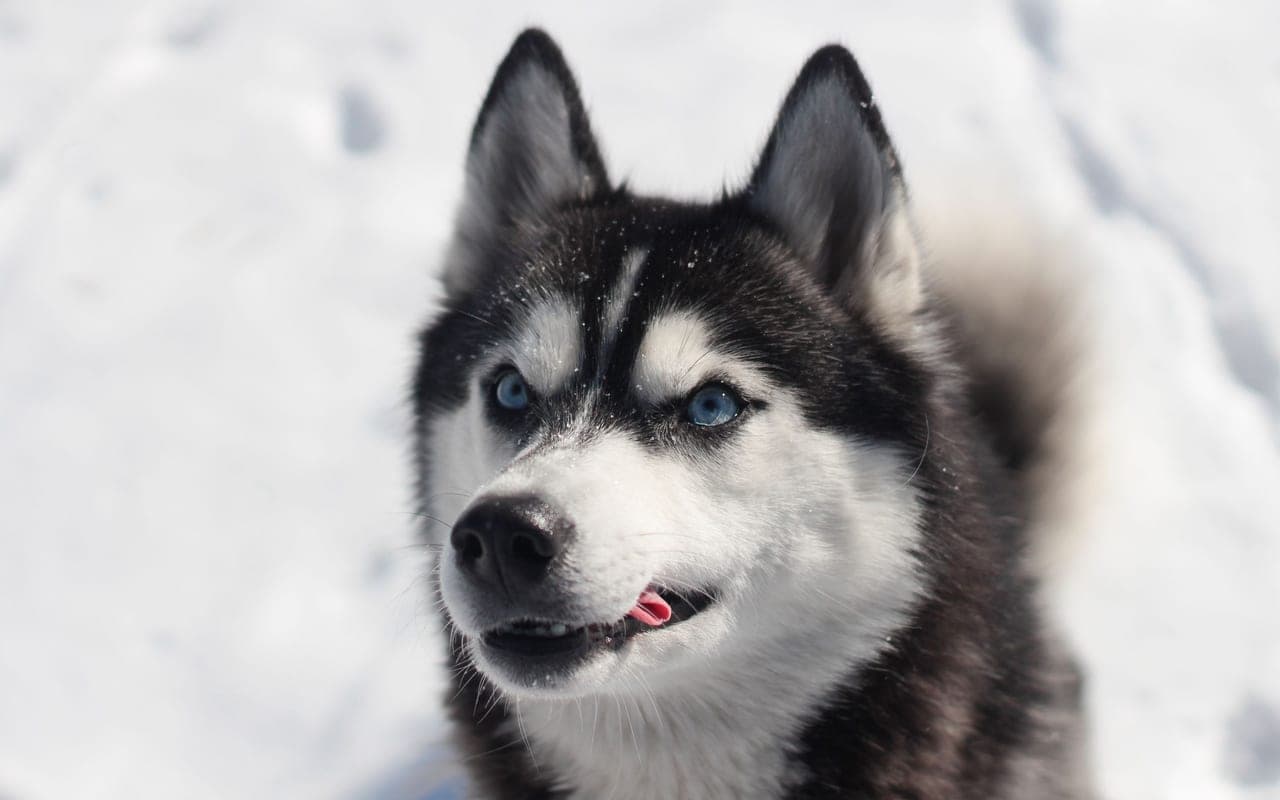
Siberian Husky
Also in the Working group, with different care and temperament tradeoffs.
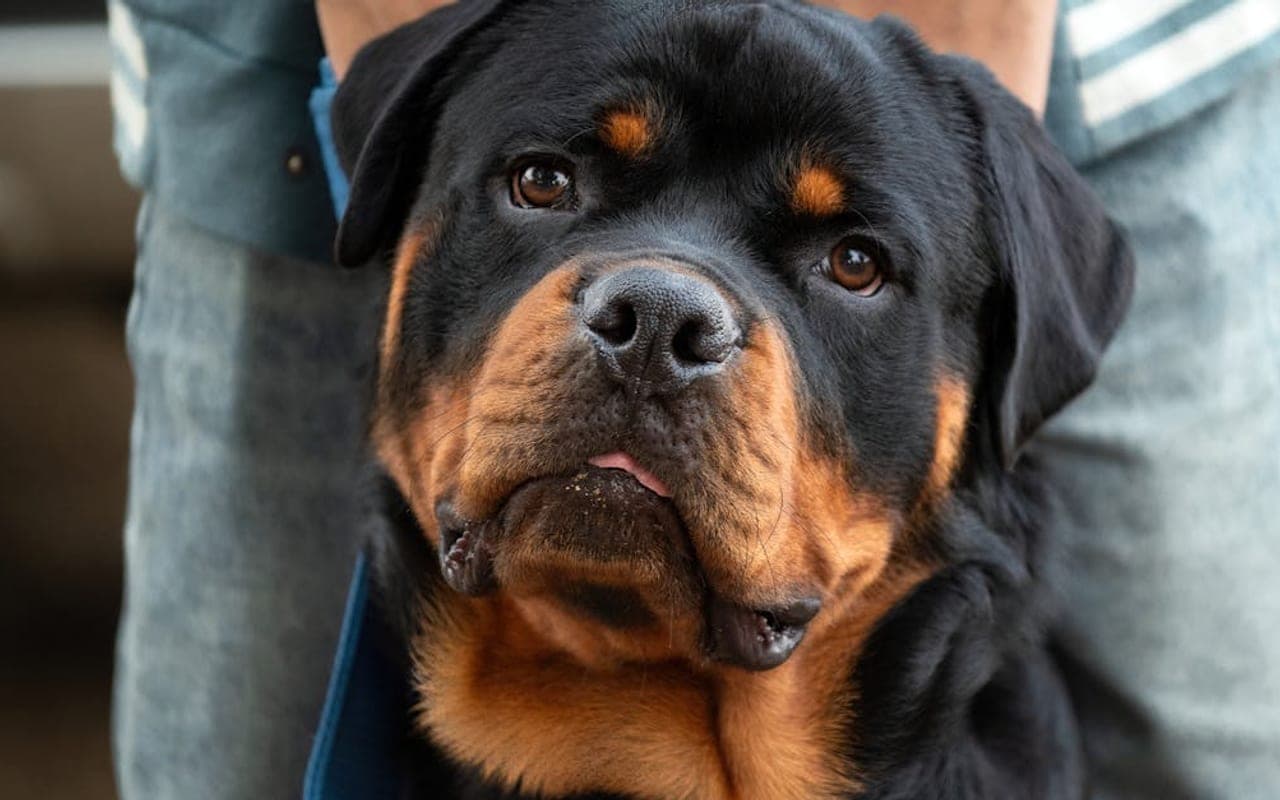
Rottweiler
Also in the Working group, with different care and temperament tradeoffs.
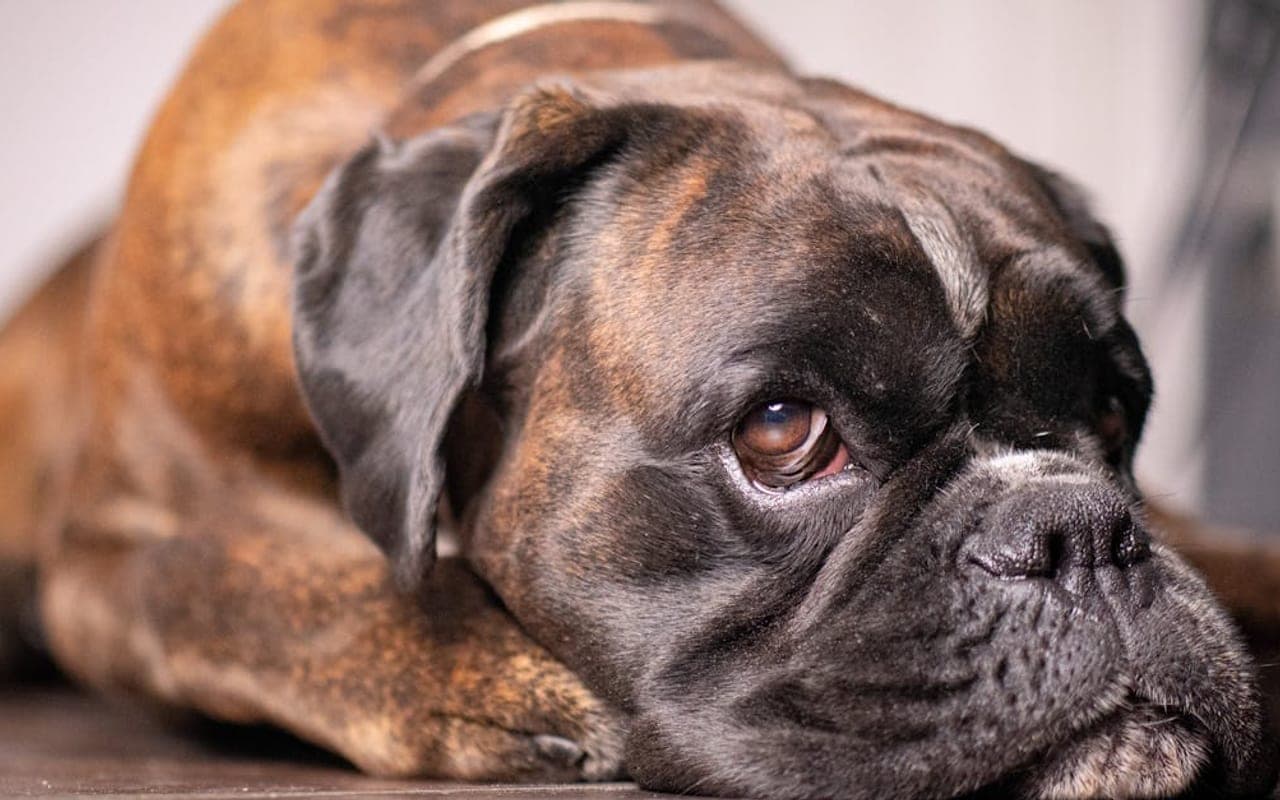
Boxer
Also in the Working group, with different care and temperament tradeoffs.
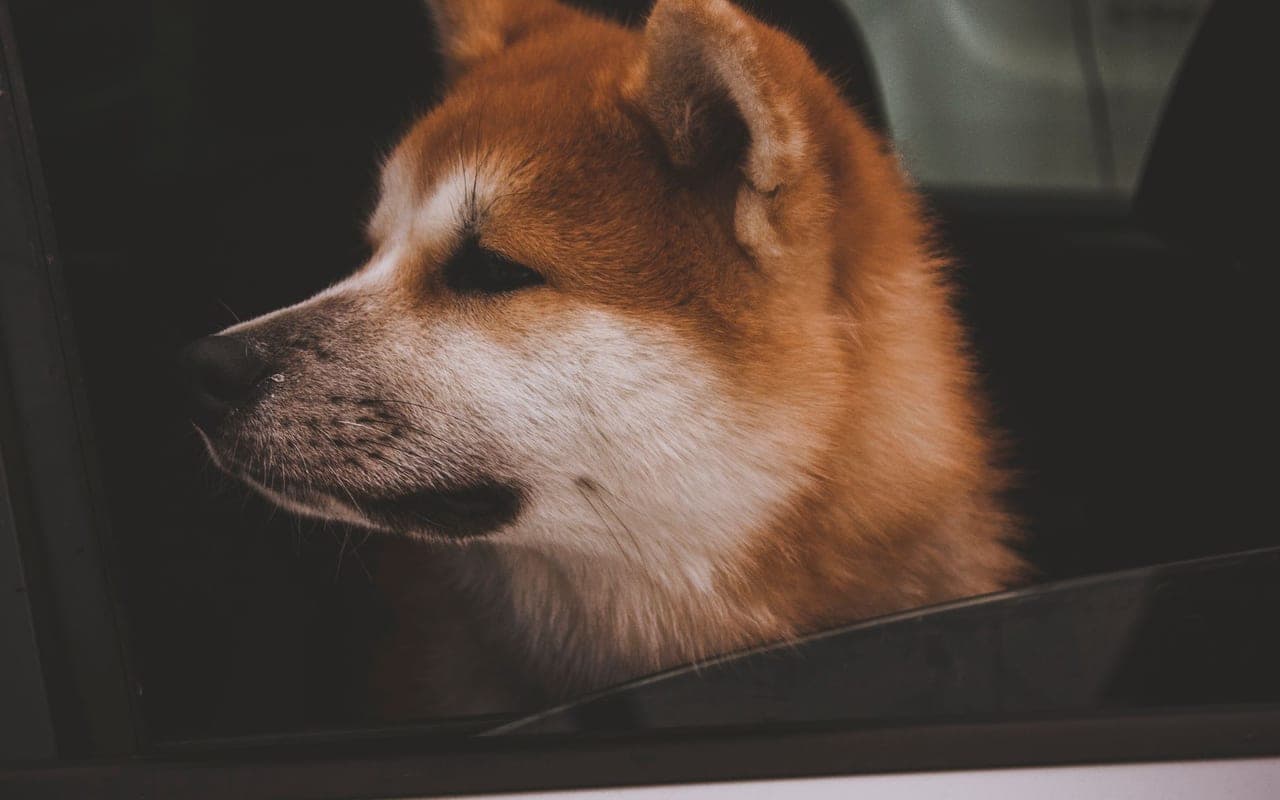
Akita
Also in the Working group, with different care and temperament tradeoffs.
Explore More About German Pinscher
Dive deeper into everything German Pinscher — costs, care, and expert insights.
Considering a cat instead?
Browse Cats