
Hound group
Greyhound
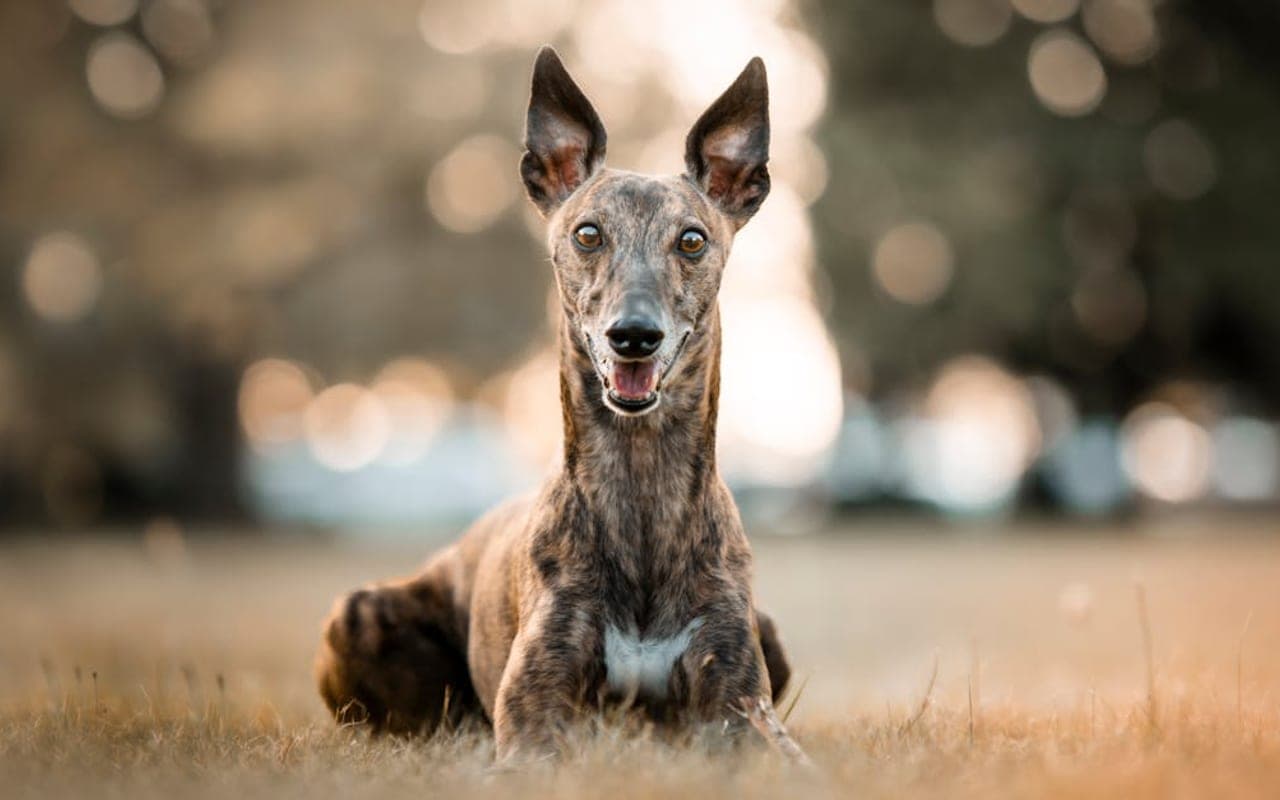
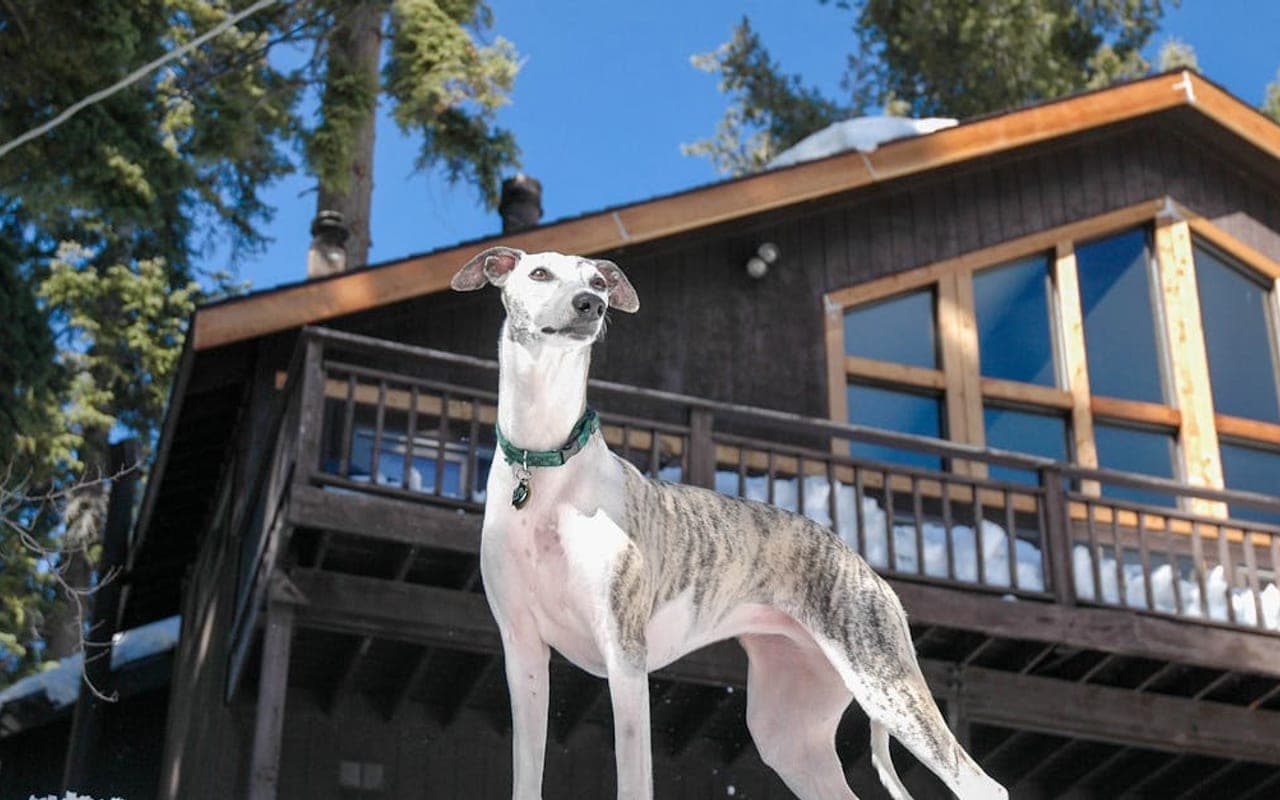
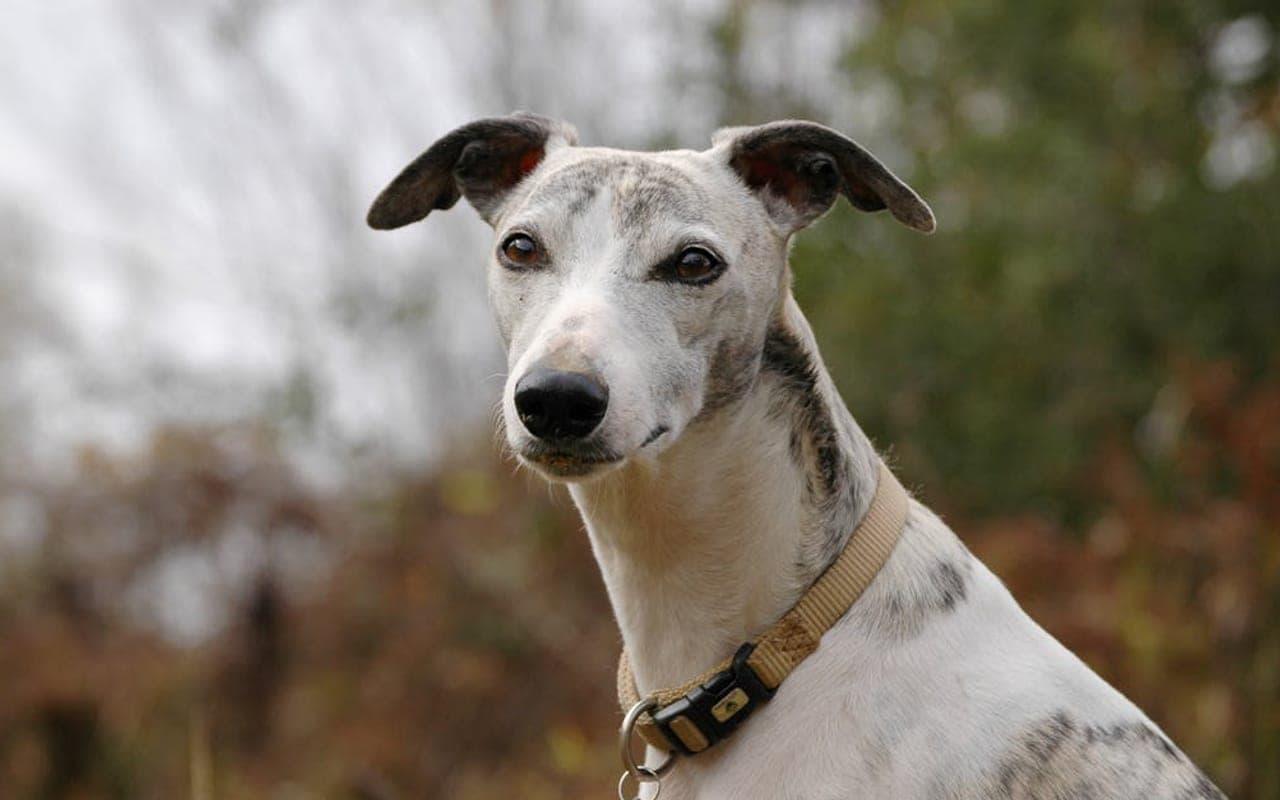
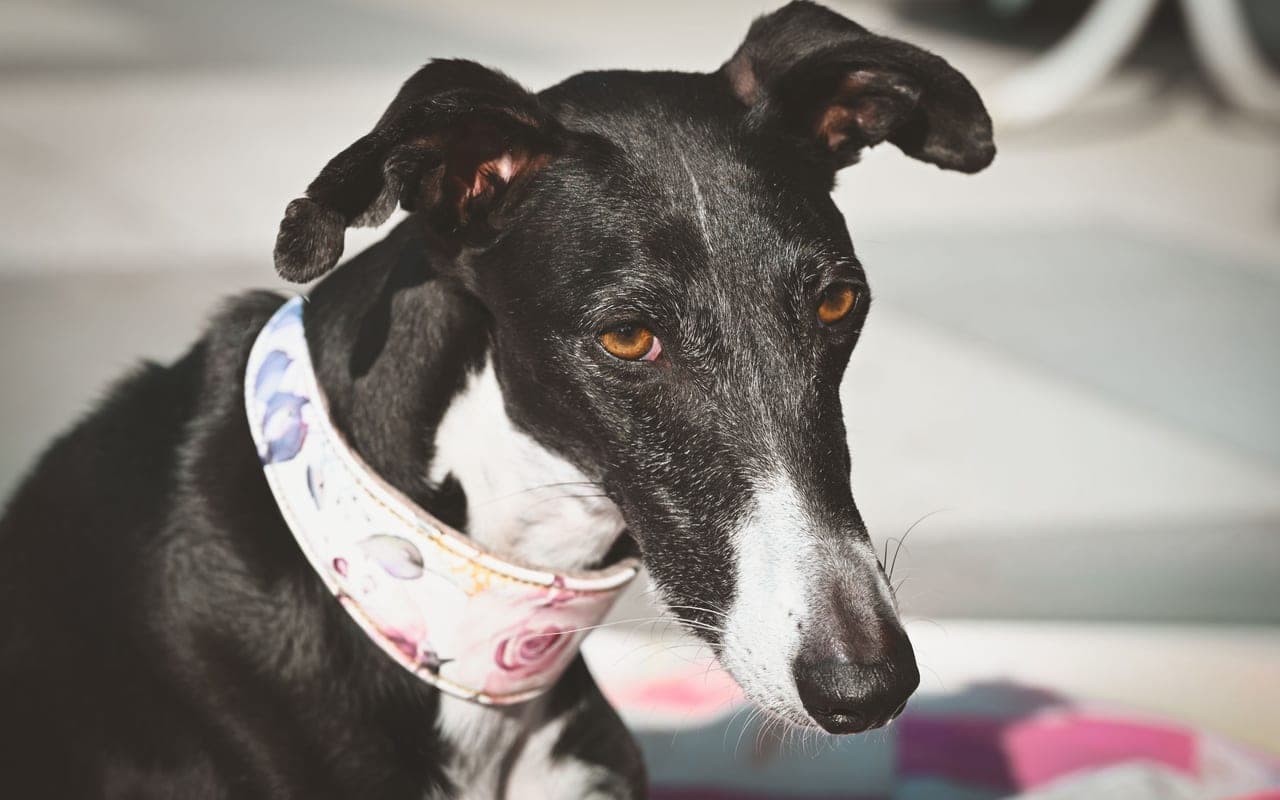
The Greyhound is the fastest dog on earth and the most surprising pet in this list — because the dog people imagine (a hyperactive racing machine) is almost the opposite of the dog they get.
Size
60-70 lb
Lifespan
8-12 years
Exercise
30-60 minutes
Shedding
Low
Experience
Match to owner routine
Decision first
Is a Greyhound right for you?
Start with fit before history or trivia. These are ownership signals, not guarantees about any individual dog.
Best suited for
- Households with children.
- Apartment homes with a consistent routine.
- Owners seeking a manageable daily exercise routine.
Think carefully if
- You need a dog with almost no daily routine.
- You cannot keep up with grooming and preventive care.
- The dog will spend most days alone without support.
Conditional fit
Apartment fit depends on exercise, enrichment, noise management, and outdoor access.
Daily reality
Greyhound commitment snapshot
Daily exercise
30-60 minutes
Match activity to age, health, weather, and training goals.
Coat care
Low
Grooming needs vary by coat, shedding, and lifestyle.
Time alone
Needs planning
Most dogs need gradual alone-time conditioning and support.
Structured facts
Greyhound at a glance
The measurements and traits that most affect day-to-day life with this breed.
Origin
Great Britain
Group
Hound
Weight
60-70 lb
Height
27-30 in
Lifespan
8-12 years
Temperament
Gentle | Noble | Athletic | Quiet | Independent
View all characteristics and methodology
Lifestyle fit
- Apartment suitability
- Likely fit
- Child friendliness
- Often good, with socialisation and supervision
- Adaptability
- High
Owner commitment
- Exercise
- 30-60 minutes
- Grooming
- Low
- Shedding
- Low
- Training
- Moderate
Environment and health
- Health risk
- Needs planning
Ratings combine structured breed data, visible breed fields, and editorial context. They are planning aids, not predictions for an individual dog.
Daily life
Greyhound temperament and behavior
The Greyhound is the fastest dog on earth and the most surprising pet in this list — because the dog people imagine (a hyperactive racing machine) is almost the opposite of the dog they get. A 27-39 kg sighthound built for explosive 70 km/h sprints, the Greyhound is also, off the track, one of the calmest, quietest, lowest-energy companions in dogdom. The breed's nickname among adopters is '40 mph couch potato', and it is accurate: a healthy adult Greyhound is content with two or three short walks and a couple of sprints a week, and spends the rest of the day asleep. The mismatch to manage is not energy — it is the dog's unique physiology and its prey drive. Three honest cautions define ownership. First, anaesthesia: Greyhounds have very low body fat and an unusual liver-enzyme profile, so standard anaesthetic doses and protocols can be dangerous or fatal. This is not a footnote — it is a sentence you must say to every vet before any sedation or surgery, and it is the reason Greyhound-experienced vets matter. Second, the prey drive: a sighthound will chase a fleeing cat, squirrel or small dog instinctively and can be gone at 60 km/h before you react, so off-lead freedom in unfenced areas is generally unsafe. Third, the body itself: almost no fat means poor cold tolerance (this dog needs a coat outdoors in winter and a padded bed indoors) and bony pressure sores on hard floors. Physically the Greyhound stands 69-79 cm at the shoulder, deep-chested, fine-skinned, with a short, near-maintenance-free coat. Lifespan is shorter than many comparable dogs at roughly 8-12 years, and bloat and bone cancer are real shadows over the back half of that. Temperament is gentle, sensitive, quiet, affectionate and notably non-aggressive — superb with calm households and often with children, and famously good apartment dogs. The Greyhound is right for an owner who wants a gentle, low-exercise, sensitive companion, will manage prey drive and cold, and will brief every vet about anaesthesia. It is wrong for homes with free-roaming small pets the dog can't be separated from, owners who want an off-lead trail dog, or anyone unwilling to use a Greyhound-aware vet.
Gentle | Noble | Athletic | Quiet | Independent
Gentle
A common Greyhound temperament descriptor that should be interpreted alongside training, exercise, and household fit.
Noble
A common Greyhound temperament descriptor that should be interpreted alongside training, exercise, and household fit.
Athletic
A common Greyhound temperament descriptor that should be interpreted alongside training, exercise, and household fit.
Quiet
A common Greyhound temperament descriptor that should be interpreted alongside training, exercise, and household fit.
Owner note
Temperament labels are starting points, not guarantees. Meet the individual dog and ask about behavior history whenever possible.
Care essentials
How to care for a Greyhound
What looking after one actually involves: exercise, grooming, food, training, and routine health.
HealthAs needed
- Greyhounds can be prone to bloat (GDV), osteosarcoma, dental disease, and sensitivity to anesthesia. Their thin skin tears easily. They have unique blood values different from other breeds, which vets should be aware of.
ExerciseAs needed
- Despite being the fastest dogs, Greyhounds need only moderate daily exercise — about 30-45 minutes of walking plus occasional sprints in a fenced area. They are sprinters, not endurance runners, and spend most of their time sleeping (up to 18 hours a day).
GroomingAs needed
- Greyhounds are very low-maintenance groomers. Their short, smooth coat only needs weekly brushing. They rarely need baths as their coat doesn't hold odor well. Dental care is important as the breed can be prone to dental disease.
TrainingAs needed
- Greyhounds are intelligent but independent. They respond best to gentle, positive reinforcement methods. They have a strong prey drive, so recall training is essential. Many adopted racing Greyhounds need patience learning basic house manners like stairs and glass doors.
NutritionAs needed
- Feed a high-quality dog food appropriate for their lean build, about 2-4 cups daily divided into two meals. Greyhounds have unique dietary needs due to their low body fat percentage. Avoid foods with high grain content. Some do well on a higher protein diet.
Health planning
Greyhound health risks and screening
Every breed has individual health variation. Use this profile for planning and discuss medical decisions with a veterinarian.
Ownership cost
How much does a Greyhound cost?
Cost figures are structured so first-year and lifetime estimates do not conflict with the underlying line items.
| Acquisition | $500-$2,500 |
|---|---|
| Routine monthly | About $120/month |
| Routine annual | About $1,440/year |
| First-year estimate | $1,940-$3,940 |
| Lifetime routine estimate | $11,520-$17,280 routine costs |
Currency: USD. Region: United States. Typical ranges for this breed. Equipment, insurance, emergency veterinary care, boarding and training are NOT included: we hold no sourced figures for them, and estimating them would be a guess presented as data.
Responsible ownership
Finding a Greyhound responsibly
What to ask a breeder or rescue is the same conversation for every breed, so we keep it in one place and keep it current.
Health documentation, meeting the parents or foster, contracts and return support, and the warning signs worth walking away from.
Original purpose
Greyhound history
History is useful when it explains today's behavior, coat, exercise needs, and training style.
Read the breed history
The Greyhound is one of the oldest dog breeds, a sighthound type depicted in art for thousands of years and long associated with nobility — for centuries in England the breed was protected by law and ownership restricted to the aristocracy. It was bred purely for coursing: spotting and running down fast game (especially hares) by sight and raw speed across open ground. The sport of coursing, and later track racing in the 20th century, shaped the modern dog's extreme sprint physiology — the deep chest, huge heart and lung capacity, long limbs and minimal body fat. The American Kennel Club recognized the Greyhound in 1885. The breed's modern pet population is dominated by retired racing dogs rehomed through adoption groups as track racing has declined, which is why most companion Greyhounds enter homes as calm, already-adult dogs needing decompression rather than puppies.
Gallery
Greyhound photos
Images are cropped consistently and loaded progressively to keep the page responsive.
Lower-page context
Greyhounds in culture
Where the breed shows up in film, sport, work and folklore — the enjoyable part, once the practical questions are answered.
Fun facts
- Greyhounds can reach speeds of 45 mph (72 km/h), making them the fastest dog breed in the world
- Despite their speed, Greyhounds are known as "45-mph couch potatoes" because they sleep 16-18 hours a day
- They are the only dog breed mentioned by name in the Bible (Proverbs 30:29-31)
- Greyhounds have been found depicted in art dating back to ancient Egypt over 4,000 years ago
- They have a unique double-suspension gallop — all four feet leave the ground twice during each stride
Greyhound FAQs
Why is anaesthesia so dangerous for Greyhounds?
Greyhounds carry very little body fat and metabolize many drugs differently in the liver, so standard anaesthetic and sedative doses and recovery protocols designed for typical dogs can be excessive or fatal in a Greyhound. The practical rule is absolute: tell every veterinarian the dog is a Greyhound before any sedation, dental procedure or surgery, and ideally use a vet experienced with the breed so dose and agents are adjusted. This single briefing prevents the most avoidable cause of Greyhound death in the clinic.
Do Greyhounds need a lot of exercise?
No — and this surprises almost everyone. A Greyhound is a sprinter, not an endurance dog. Two or three 20-30 minute walks a day plus the chance to sprint safely a few times a week is genuinely enough; most of the day a healthy Greyhound sleeps. They are famously calm, low-energy housemates often called '40 mph couch potatoes'. The exercise commitment is lighter than for many far smaller breeds.
Can Greyhounds live with cats or small dogs?
Sometimes, but it is individual and must be tested carefully. Greyhounds have a strong sighthound chase instinct triggered by fast movement, and some will never be safe with cats or small dogs while others (often 'cat-tested' retired racers) live peacefully with them. Adoption groups assess this and place accordingly. Off-lead in unfenced areas is generally unsafe regardless, because a chasing Greyhound can be gone at 60 km/h before you can react.
How long do Greyhounds live and what are the main health costs?
Greyhounds typically live about 8-12 years, shorter than many comparable-sized dogs. The biggest cost shadows are osteosarcoma (bone cancer) in middle to old age, bloat (GDV) which is an emergency-surgery event, and near-universal dental disease requiring repeated professional cleanings. Each dental cleaning also carries the anaesthesia caution. Budgeting for senior cancer screening, dental care and emergency-bloat capability is realistic financial planning for this breed.
Are retired racing Greyhounds good pets for families and apartments?
Yes, very often. Retired racers are typically gentle, quiet, sensitive, non-aggressive and excellent apartment dogs because of their low energy and minimal barking. They usually arrive as calm adults needing a few weeks of home decompression rather than puppy training. The main adjustments are managing prey drive around small animals, providing warmth and padded bedding for a near-fatless body, and lead-walking discipline — modest trade-offs for an unusually easy temperament.
Sources
These are the published sources this page draws on. Each opens in a new tab so you can check it yourself.
American Kennel Club
Greyhound — breed standard and profile(opens in a new tab)Supports: Breed standard and recognition details.
Similar breeds to consider
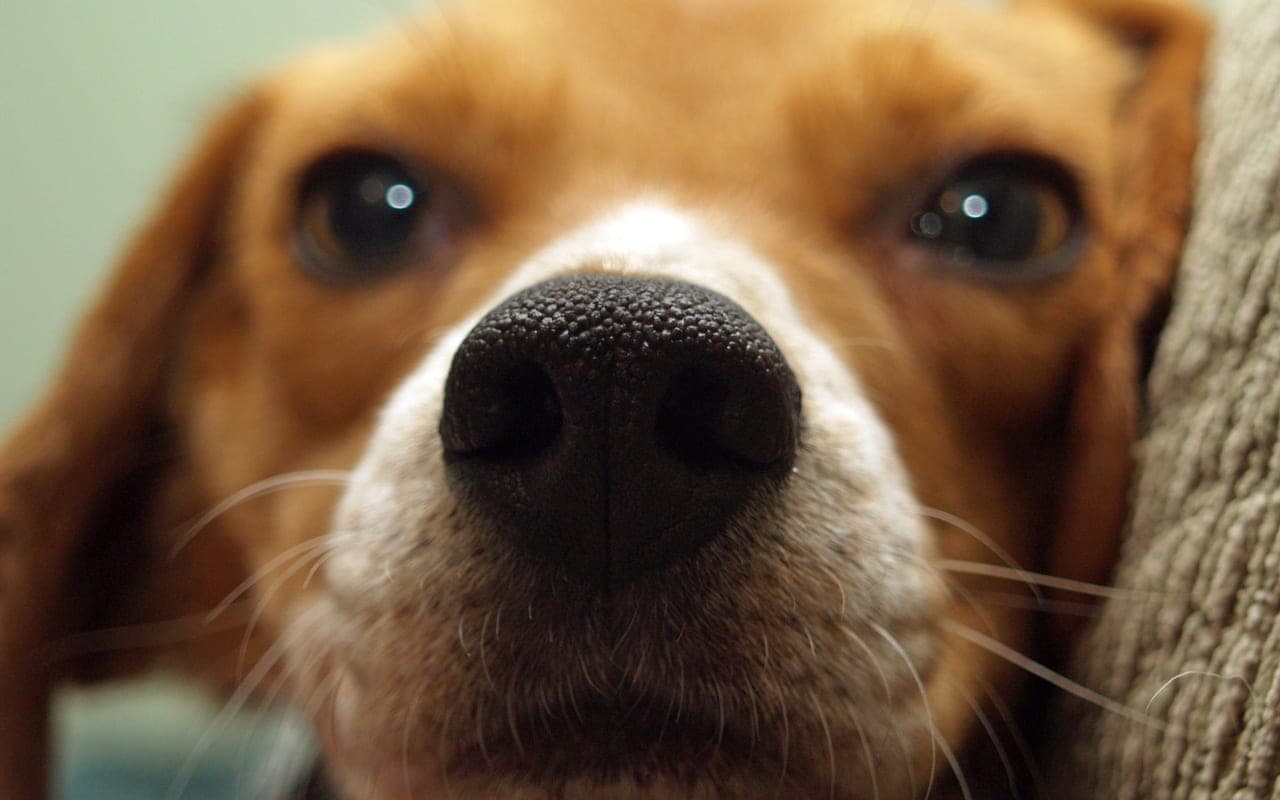
Beagle
Also in the Hound group, with different care and temperament tradeoffs.
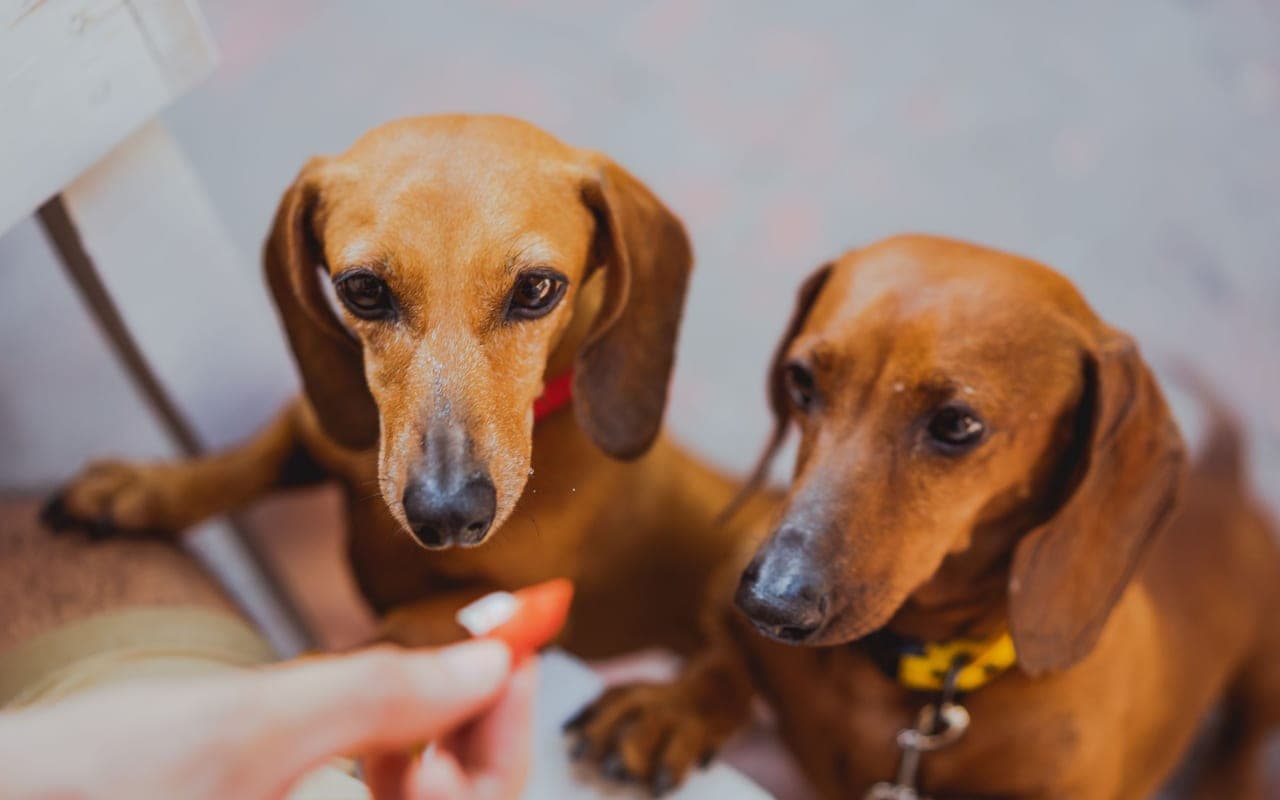
Dachshund
Also in the Hound group, with different care and temperament tradeoffs.
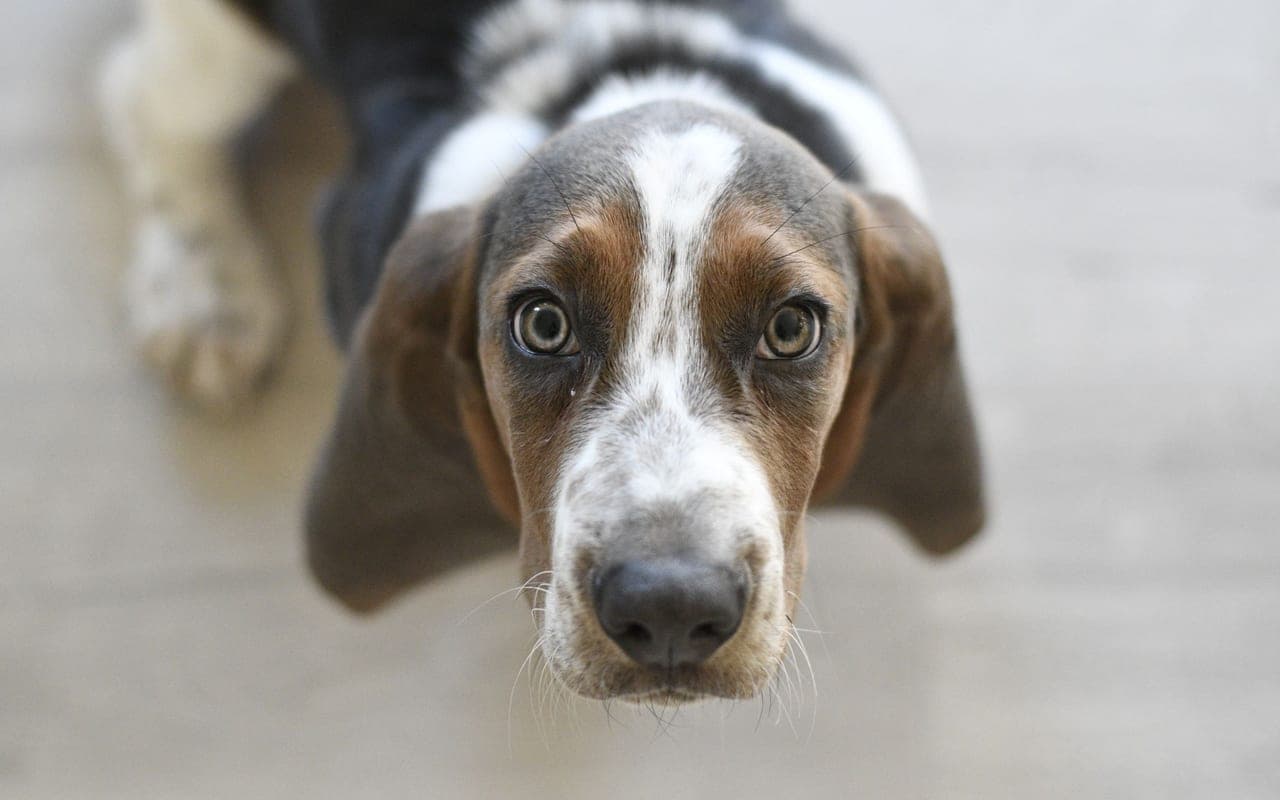
Basset Hound
Also in the Hound group, with different care and temperament tradeoffs.
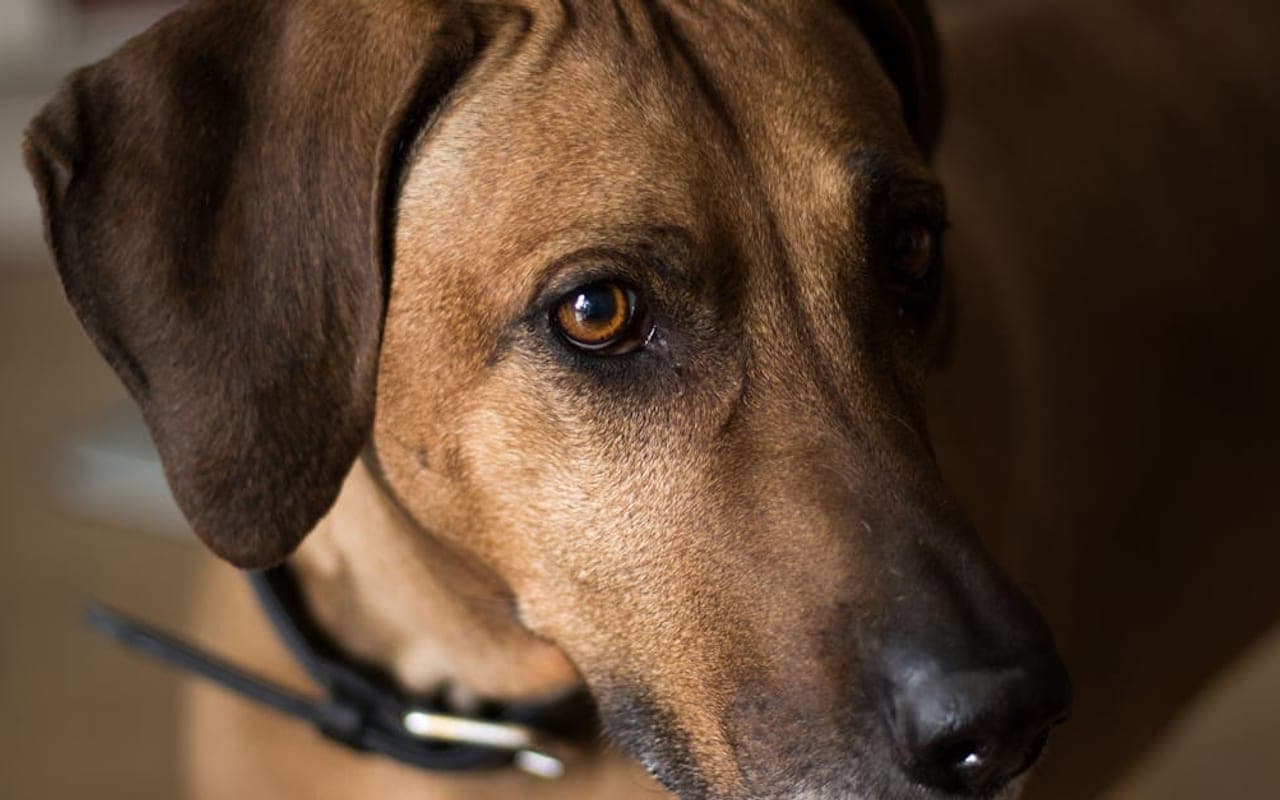
Rhodesian Ridgeback
Also in the Hound group, with different care and temperament tradeoffs.
Explore More About Greyhound
Dive deeper into everything Greyhound — costs, care, and expert insights.
How Much Does a Greyhound Cost?
Purchase price, monthly costs, and lifetime expenses
Large Dog Care Guide: Everything Over 50 lbs
Owning a large or giant breed dog means accepting one of biology's...
Puppy Teething & Biting: Timeline and What Actually Works
A puppy has all 28 deciduous ("baby") teeth by roughly eight weeks of age, and...
Your Dog's Tail Position Says More Than You Think
Your dog's tail is a communication tool. Learn what different positions, speeds, and directions...
Considering a cat instead?
Browse Cats