
Foundation Stock Service group
Hamiltonstovare
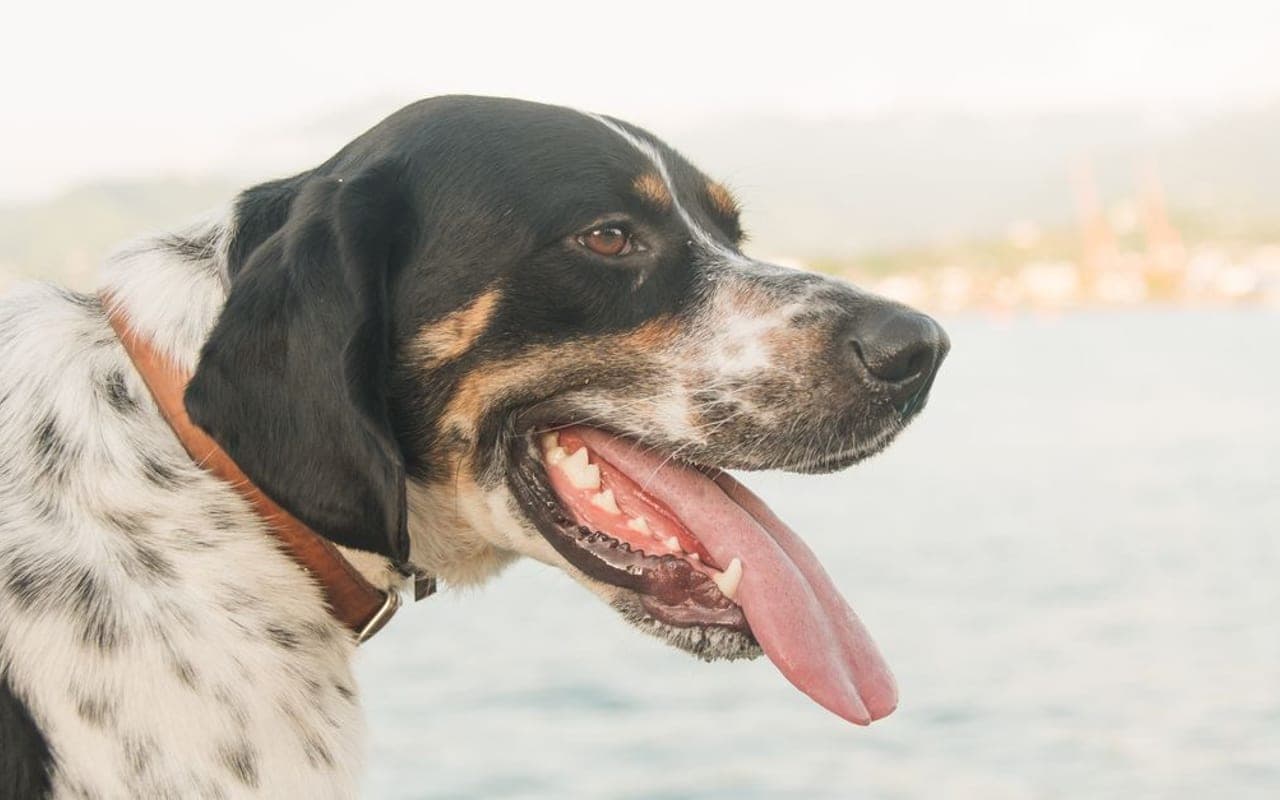
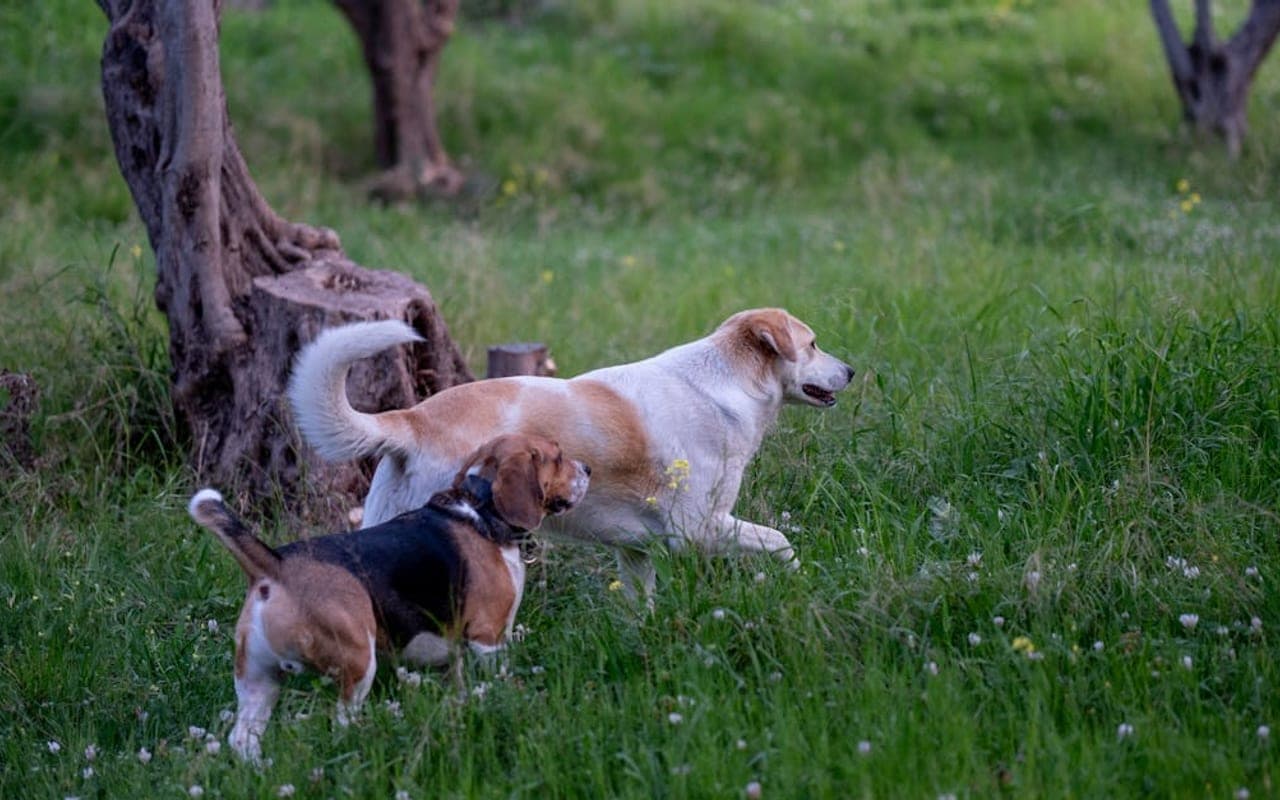
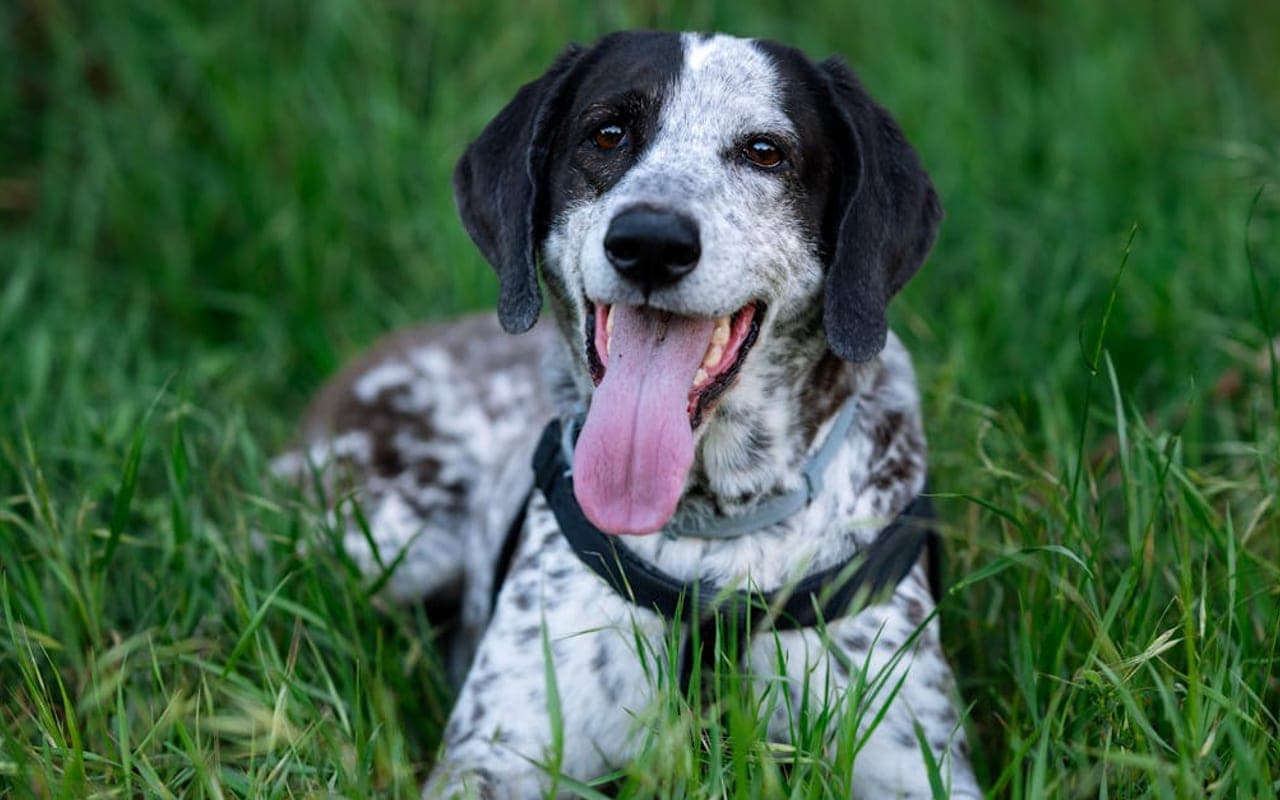
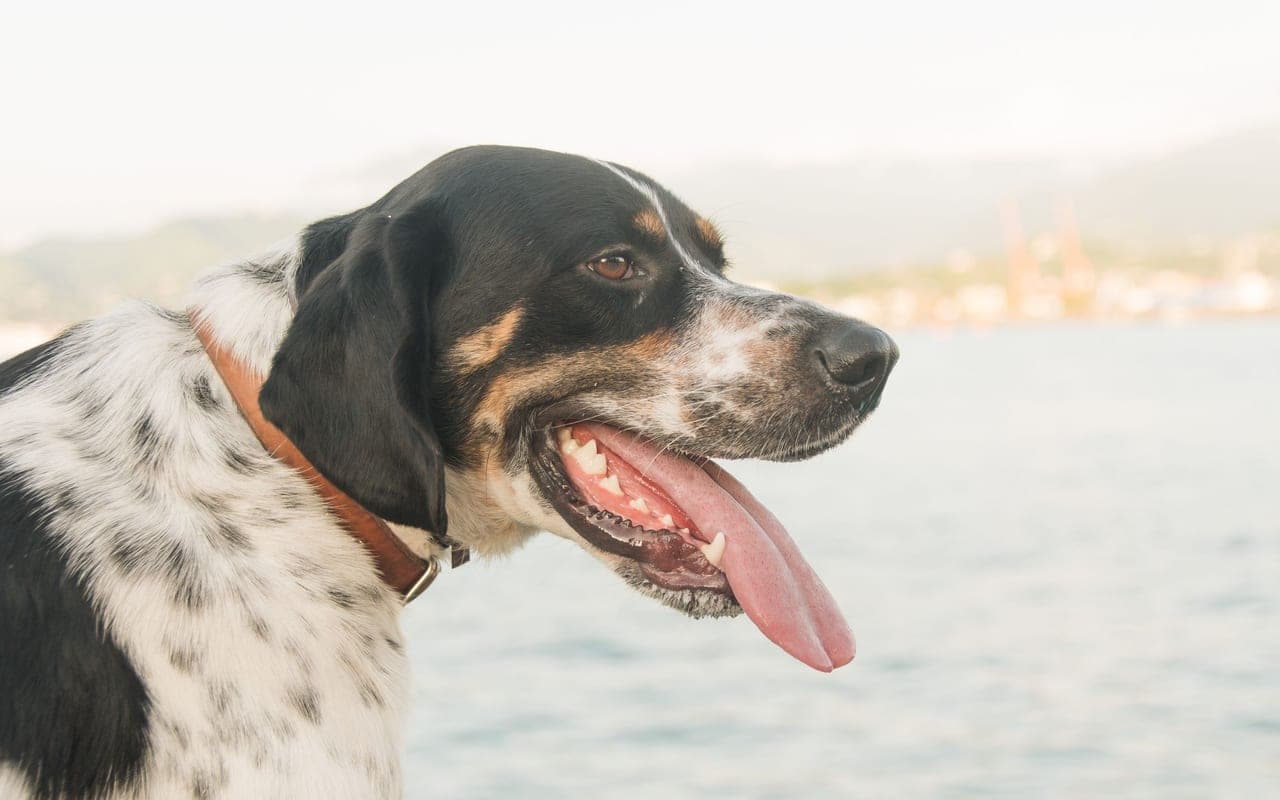
The Hamiltonstovare (Hamilton Hound) is a Swedish scent hound — a tricolour, black-blanket, tan-and-white dog of about 22-27 kg and 49-61 cm — bred to hunt hare and fox solo across the Swedish forest by tracking, flushing, and giving voice.
Size
51-60 lb
Lifespan
14-17 years
Exercise
30-60 minutes
Shedding
Moderate
Experience
Match to owner routine
Decision first
Is a Hamiltonstovare right for you?
Start with fit before history or trivia. These are ownership signals, not guarantees about any individual dog.
Best suited for
- Households with children.
- Homes with other compatible pets.
- Apartment homes with a consistent routine.
- Owners seeking a manageable daily exercise routine.
Think carefully if
- You need a dog with almost no daily routine.
- You cannot keep up with grooming and preventive care.
- The dog will spend most days alone without support.
Conditional fit
Apartment fit depends on exercise, enrichment, noise management, and outdoor access.
Daily reality
Hamiltonstovare commitment snapshot
Daily exercise
30-60 minutes
Match activity to age, health, weather, and training goals.
Coat care
Moderate
Grooming needs vary by coat, shedding, and lifestyle.
Time alone
Needs planning
Most dogs need gradual alone-time conditioning and support.
Structured facts
Hamiltonstovare at a glance
The measurements and traits that most affect day-to-day life with this breed.
Group
Foundation Stock Service
Weight
51-60 lb
Height
19-24 in
Lifespan
14-17 years
Temperament
Agile | Versatile | Regal
View all characteristics and methodology
Lifestyle fit
- Apartment suitability
- Likely fit
- Child friendliness
- Often good, with socialisation and supervision
- Other-pet fit
- Often compatible with careful introductions
Owner commitment
- Exercise
- 30-60 minutes
- Grooming
- Moderate
- Shedding
- Moderate
- Training
- Moderate
Environment and health
- Health risk
- Needs planning
Ratings combine structured breed data, visible breed fields, and editorial context. They are planning aids, not predictions for an individual dog.
Daily life
Hamiltonstovare temperament and behavior
The Hamiltonstovare (Hamilton Hound) is a Swedish scent hound — a tricolour, black-blanket, tan-and-white dog of about 22-27 kg and 49-61 cm — bred to hunt hare and fox solo across the Swedish forest by tracking, flushing, and giving voice. It looks like a refined Foxhound and behaves like a scent hound, which is the single most important thing a prospective owner has to internalise: the nose runs this dog, not the recall. The breed is rare outside Scandinavia. In North America it is uncommon, with a very small breeding base and occasional dogs turning up in rural shelters in the American South. In the home it is genuinely calm, low-maintenance, and rarely-shedding — a relaxed, affectionate housemate. Outdoors, off-lead, near a scent, it is a different animal: independent, driven, and capable of working a trail for a long time without checking in. Temperament: friendly, even-tempered, affectionate with family, sociable with people and usually other dogs (it was bred to hunt alone, not in packs, so it is not as pack-obligate as some hounds but is not dog-aggressive either), good with children, and notably food-motivated, which makes training workable despite hound independence. It is a hound, so high-level competitive obedience is usually unrealistic and that is fine. Who the Hamiltonstovare is right for: an owner with secure fencing, a commitment to leashed or long-line freedom, and an appetite for daily exercise who wants a calm-at-home, healthy hound. Who it is wrong for: anyone expecting reliable off-lead recall near wildlife, or anyone in a no-fence situation — the trade-off is built into the breed.
Agile | Versatile | Regal
Agile
A common Hamiltonstovare temperament descriptor that should be interpreted alongside training, exercise, and household fit.
Versatile
A common Hamiltonstovare temperament descriptor that should be interpreted alongside training, exercise, and household fit.
Regal
A common Hamiltonstovare temperament descriptor that should be interpreted alongside training, exercise, and household fit.
Owner note
Temperament labels are starting points, not guarantees. Meet the individual dog and ask about behavior history whenever possible.
Care essentials
How to care for a Hamiltonstovare
What looking after one actually involves: exercise, grooming, food, training, and routine health.
ExerciseAs needed
- Moderately active breed needing 30-60 minutes of daily exercise through walks, play, and mental stimulation.
GroomingAs needed
- Regular grooming needed — brush 2-3 times per week and bathe monthly.
TrainingAs needed
- Moderately trainable — consistent, patient training with positive methods works best.
NutritionAs needed
- Feed a high-quality dog food appropriate for their age, size, and activity level. Monitor portions to prevent obesity.
Veterinary CareAs needed
- Annual wellness exams, core vaccinations, dental care, and parasite prevention. Breed-specific health screenings as recommended by your vet.
Health planning
Hamiltonstovare health risks and screening
Every breed has individual health variation. Use this profile for planning and discuss medical decisions with a veterinarian.
Responsible ownership
Finding a Hamiltonstovare responsibly
What to ask a breeder or rescue is the same conversation for every breed, so we keep it in one place and keep it current.
Health documentation, meeting the parents or foster, contracts and return support, and the warning signs worth walking away from.
Original purpose
Hamiltonstovare history
History is useful when it explains today's behavior, coat, exercise needs, and training style.
Read the breed history
The Hamiltonstovare was developed in late-19th-century Sweden by Count Adolf Patrik Hamilton, a founder of the Swedish Kennel Club, who crossed German and English hounds — accounts cite Holsteiner, Hanoverian, and Curländer hounds with English Foxhound and Harrier blood — to create a hardy scent hound suited to the Swedish climate and to solo hunting of hare and fox where pack hunting was impractical. The breed was first shown in 1886 and became Sweden's most popular hunting hound; it is sometimes still called the Swedish Foxhound. It remains common in Scandinavia and rare elsewhere. The history matters practically: the breed was function-bred for endurance and independent trailing in harsh conditions by a kennel-club founder applying deliberate selection, which is a large part of why it is, by hound standards, a notably healthy and uncomplicated breed today — its problems are mostly the predictable consequences of being a scent hound, not a catalogue of inherited disease.
Gallery
Hamiltonstovare photos
Images are cropped consistently and loaded progressively to keep the page responsive.
Lower-page context
Hamiltonstovares in culture
Where the breed shows up in film, sport, work and folklore — the enjoyable part, once the practical questions are answered.
Fun facts
- The Hamiltonstovare belongs to the Foundation Stock Service.
- With proper care, Hamiltonstovare dogs can live up to 17 years or more.
- Hamiltonstovare dogs are valued for their agile, versatile, regal nature.
Hamiltonstovare FAQs
Can a Hamiltonstovare be trusted off-lead?
Honestly, usually not near wildlife or unfamiliar ground. This is a scent hound bred to follow a trail independently for long distances without handler contact — when the nose locks onto a scent, recall typically loses. Many individuals can be reliable in genuinely enclosed spaces, but in open country a long line is the realistic tool. This is a built-in breed trade-off, not a training failure: you are choosing a calm, healthy, affectionate house hound and accepting that secure containment is part of the deal.
How long do Hamiltonstovares live, and are they a healthy breed?
They are long-lived for their size, typically 14-17 years, and are genuinely one of the healthier hound breeds — a benefit of deliberate, function-first development by a kennel-club founder. The honest picture: most of its issues are the predictable consequences of being a pendulous-eared, food-motivated scent hound (ear infections, weight gain) rather than a deep catalogue of inherited disease. Hip and elbow screening in breeding stock and routine ear care cover the majority of real risk.
How much exercise does a Hamiltonstovare need?
Plan on at least 60 minutes of daily activity, ideally including scent work or tracking, which satisfies the breed far more efficiently than plain walking. It is calm and relaxed indoors specifically when its working drive has been met outdoors — the indoor mellowness is earned, not default. An under-exercised Hamiltonstovare becomes restless and vocal, and the breed's carrying hunting bay is loud enough that neighbours will know. Exercise here is also noise management.
Are Hamiltonstovares good with children and other dogs?
Yes on both counts when raised and socialised normally. They are friendly, even-tempered, and affectionate with family including children, and being bred to hunt solo rather than in large packs they are sociable rather than dog-reactive with other dogs. The realistic cautions are size-and-enthusiasm with very small children (a happy hound is bouncy) and the prey-drive toward small fleeing animals, so cats and pocket pets need careful, managed introductions rather than assumed compatibility.
Why does my Hamiltonstovare keep getting ear infections?
Because the long, heavy hound ear flap seals the ear canal, trapping warmth and moisture — a near-perfect environment for bacteria and yeast, especially after the wet, brushy work the breed loves. It is the breed's most common veterinary issue and is mostly preventable: check and gently dry the ears weekly and after every wet outing. If head-shaking, scratching, odour, or discharge does not clear within a day of cleaning, see a vet, because hound-ear infections worsen quickly and become a recurring expense when treated late.
Are Hamiltonstovares rare, and where do they come from in the US?
Yes — outside Scandinavia they are uncommon, with a very small North American breeding base. The breed was created in 1880s Sweden by Count Adolf Patrik Hamilton, a Swedish Kennel Club founder, by crossing German and English hounds for solo hare and fox hunting. In the US, alongside the few intentional litters, individual Hamiltonstovares occasionally appear in rural Southern shelters; a breed-rescue route exists. Expect a search and a waiting list rather than ready availability, and prioritise breeders who hip- and elbow-screen their stock.
Sources
These are the published sources this page draws on. Each opens in a new tab so you can check it yourself.
American Kennel Club
Hamiltonstovare — breed standard and profile(opens in a new tab)Supports: Breed standard and recognition details.
Similar breeds to consider
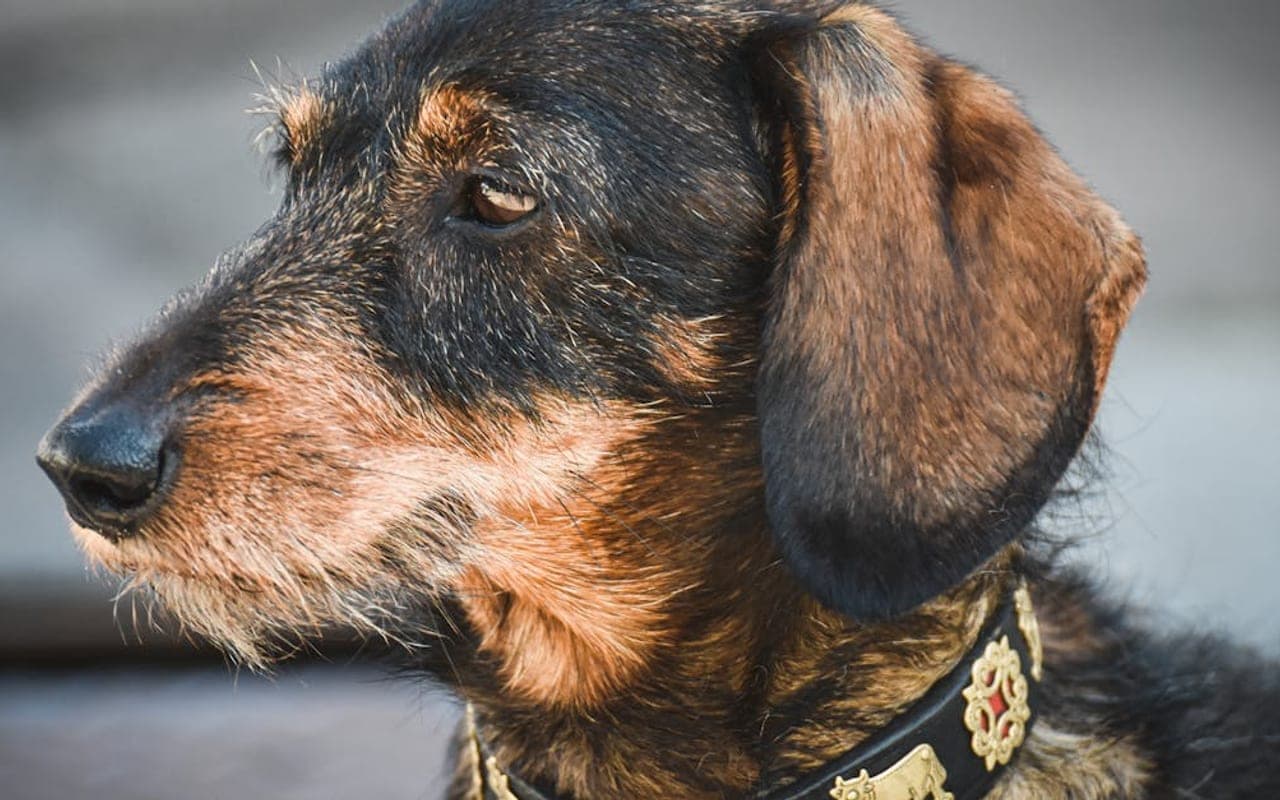
Jagdterrier
Also in the Foundation Stock Service group, with different care and temperament tradeoffs.
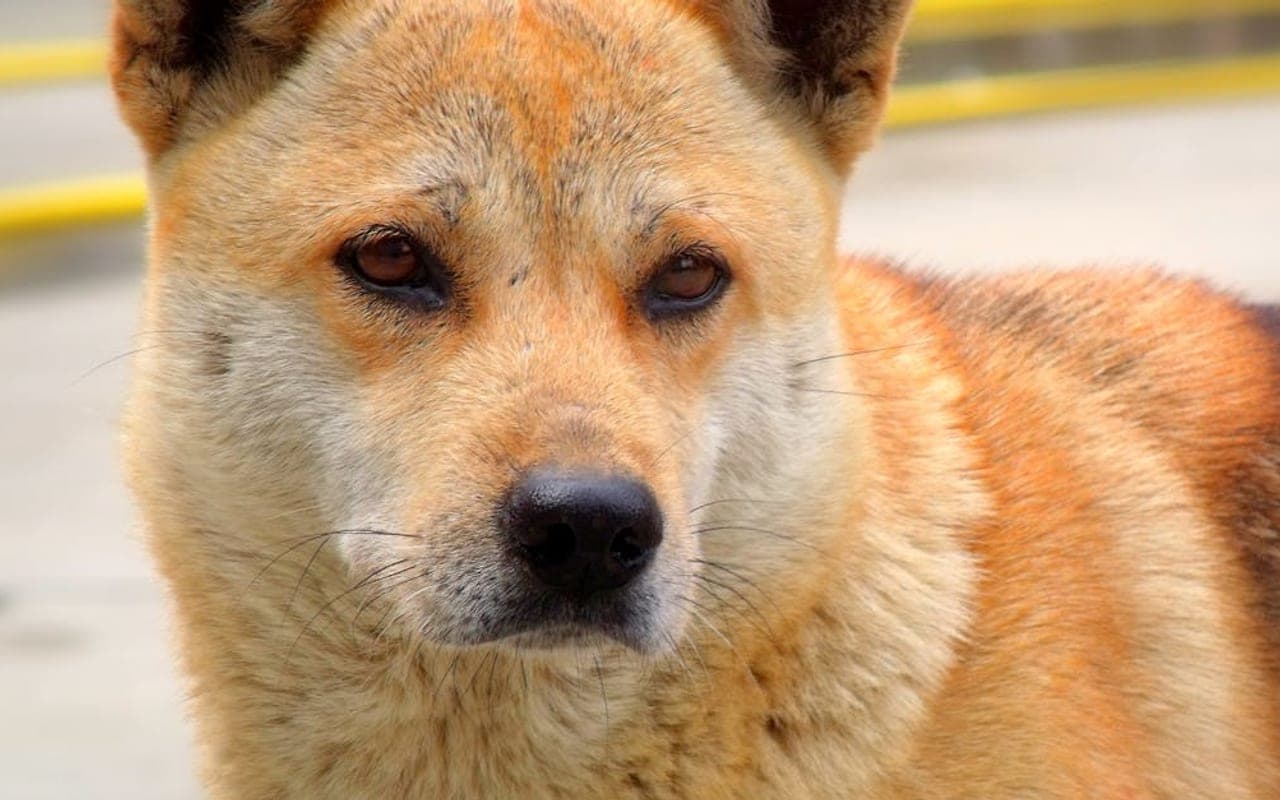
Jindo
Also in the Foundation Stock Service group, with different care and temperament tradeoffs.
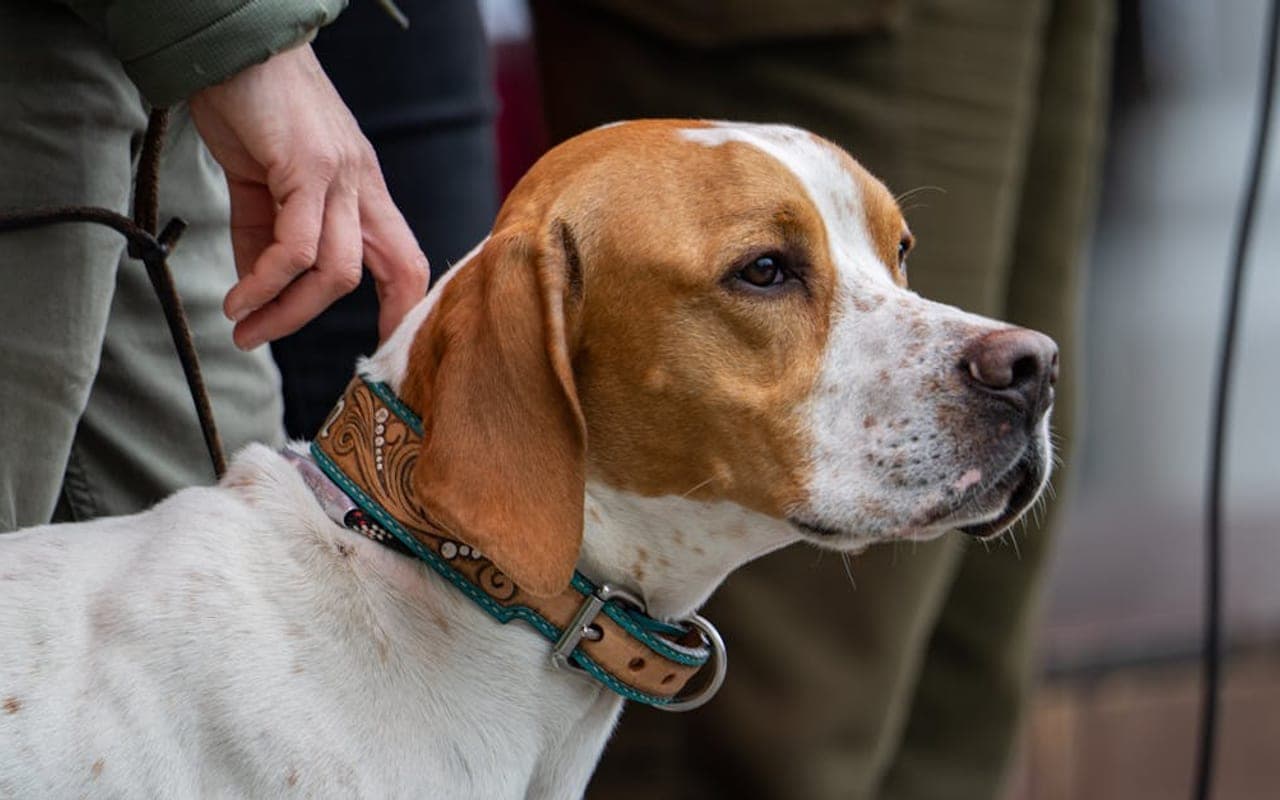
Portuguese Pointer
Also in the Foundation Stock Service group, with different care and temperament tradeoffs.
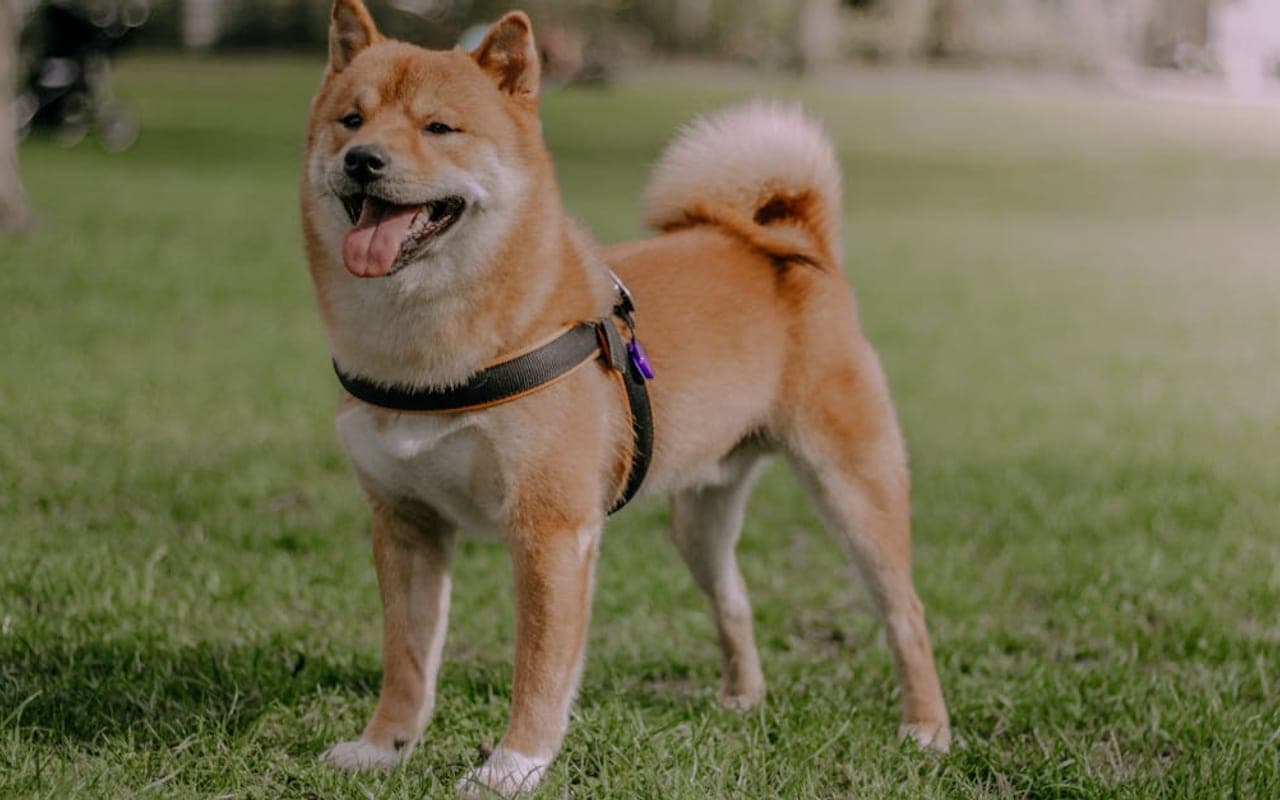
Kishu Ken
Also in the Foundation Stock Service group, with different care and temperament tradeoffs.
Explore More About Hamiltonstovare
Dive deeper into everything Hamiltonstovare — costs, care, and expert insights.
Considering a cat instead?
Browse Cats