
Foundation Stock Service group
Hovawart
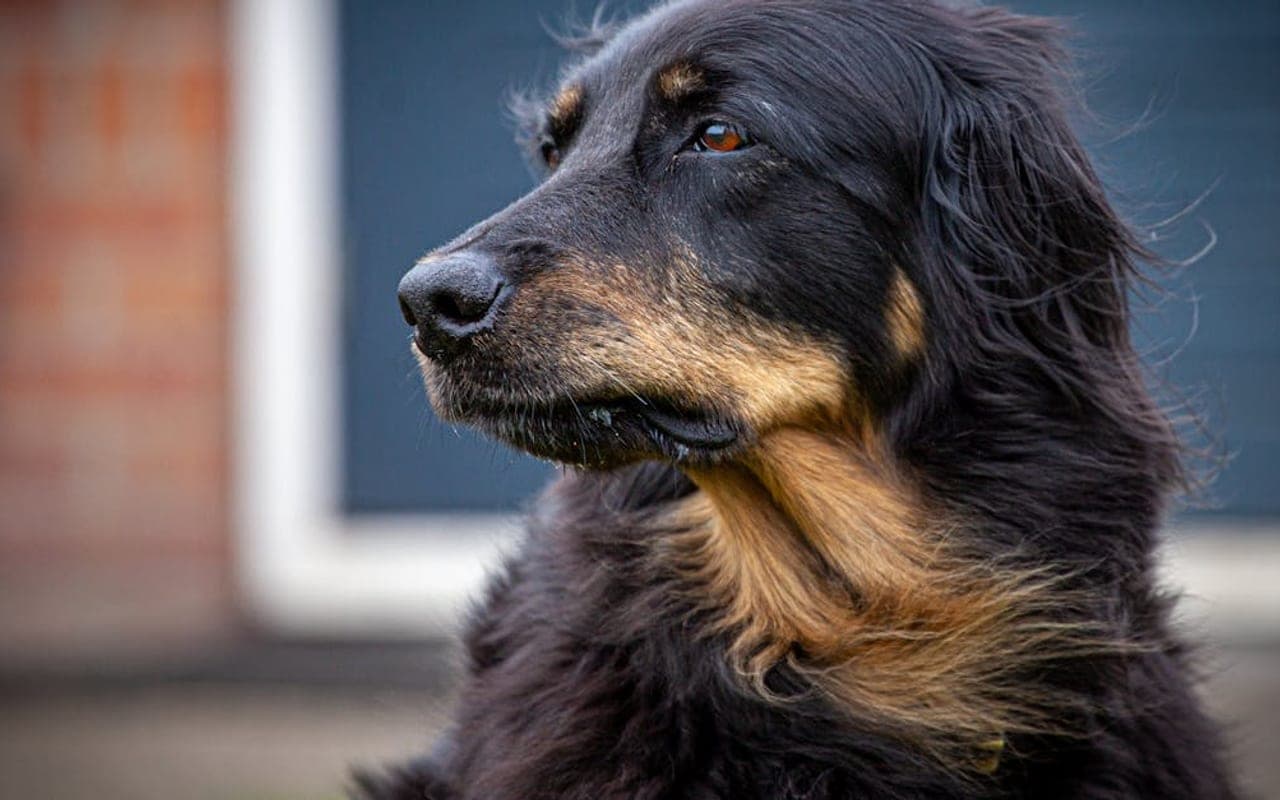
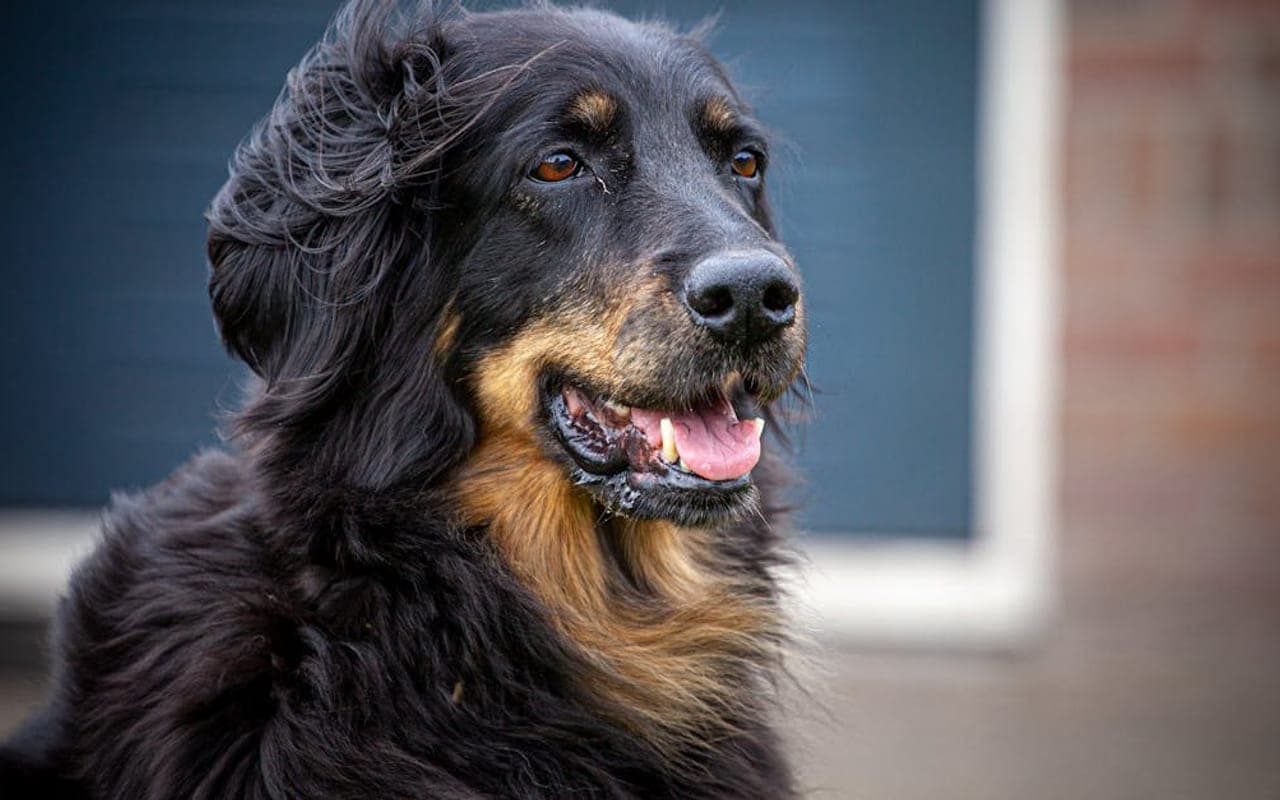
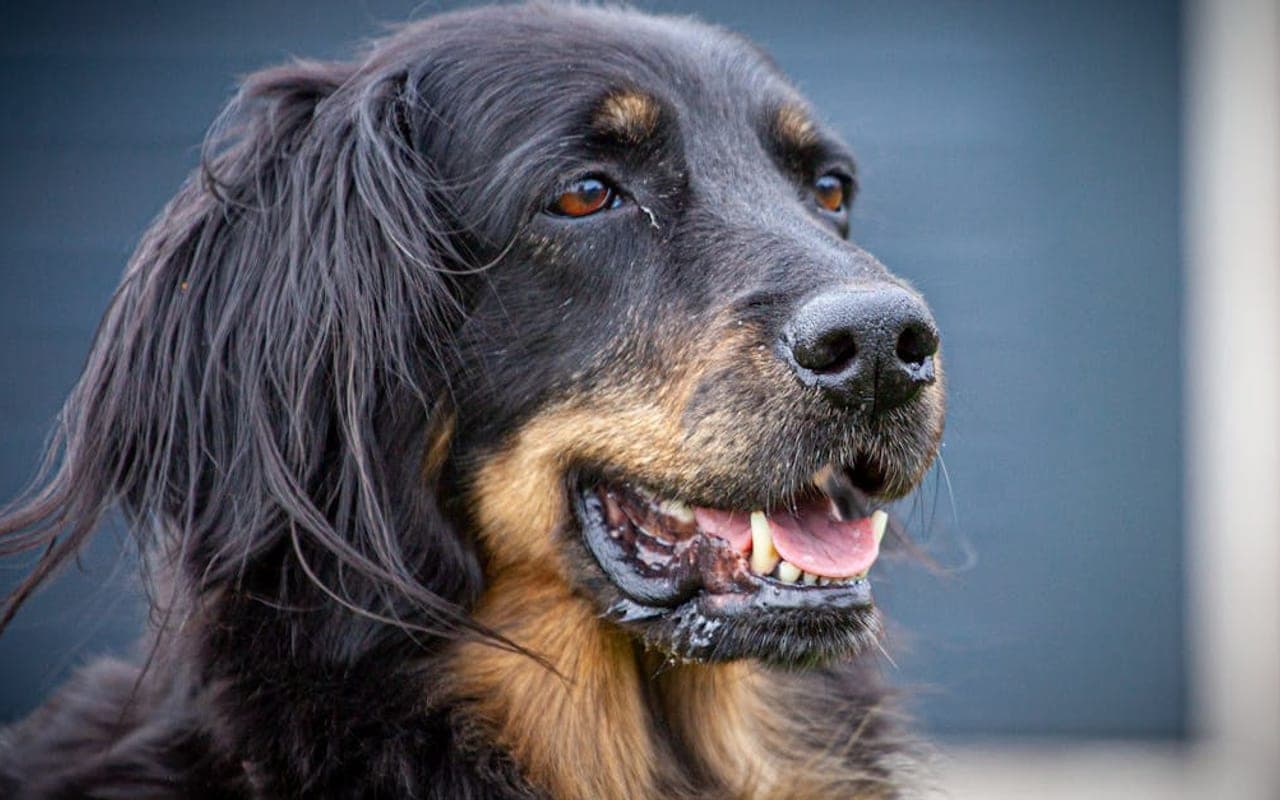
The Hovawart is a large German working guardian — 25-40+ kg, medium-long double coat, in blond, black, or black-and-gold — bred to guard the farm, the family, and the property without being an indiscriminate biter.
Size
55-88 lb
Lifespan
10-14 years
Exercise
30-60 minutes
Shedding
Moderate
Experience
Match to owner routine
Decision first
Is a Hovawart right for you?
Start with fit before history or trivia. These are ownership signals, not guarantees about any individual dog.
Best suited for
- Households with children.
- Homes with other compatible pets.
- Apartment homes with a consistent routine.
- Owners seeking a manageable daily exercise routine.
Think carefully if
- You need a dog with almost no daily routine.
- You cannot keep up with grooming and preventive care.
- The dog will spend most days alone without support.
Conditional fit
Apartment fit depends on exercise, enrichment, noise management, and outdoor access.
Daily reality
Hovawart commitment snapshot
Daily exercise
30-60 minutes
Match activity to age, health, weather, and training goals.
Coat care
Moderate
Grooming needs vary by coat, shedding, and lifestyle.
Time alone
Needs planning
Most dogs need gradual alone-time conditioning and support.
Structured facts
Hovawart at a glance
The measurements and traits that most affect day-to-day life with this breed.
Group
Foundation Stock Service
Weight
55-88 lb
Height
23-28 in
Lifespan
10-14 years
Temperament
Alert | Faithful | Intelligent
View all characteristics and methodology
Lifestyle fit
- Apartment suitability
- Likely fit
- Child friendliness
- Often good, with socialisation and supervision
- Other-pet fit
- Often compatible with careful introductions
Owner commitment
- Exercise
- 30-60 minutes
- Grooming
- Moderate
- Shedding
- Moderate
- Training
- Moderate
Environment and health
- Health risk
- Needs planning
Ratings combine structured breed data, visible breed fields, and editorial context. They are planning aids, not predictions for an individual dog.
Daily life
Hovawart temperament and behavior
The Hovawart is a large German working guardian — 25-40+ kg, medium-long double coat, in blond, black, or black-and-gold — bred to guard the farm, the family, and the property without being an indiscriminate biter. The name comes from old German for 'farm watcher', and that job description still defines the dog: territorial, intelligent, deeply bonded to its family, slow to mature (roughly two years), and equipped with a serious protective instinct that needs structure rather than suppression. This is not a beginner's dog and the breed clubs say so plainly. A Hovawart is independent, stubborn, sensitive to its handler's consistency, and quick to invent its own job if you do not provide one. Harsh training backfires; vague leadership produces a self-appointed guard dog that decides for itself who is a threat. Done right, the same traits produce an outstanding companion, watchdog, tracking, and rescue dog — many work in search-and-rescue and as service dogs. Temperament: confident, even-tempered, affectionate with its own people, naturally reserved with strangers (not nervy), good with children it is raised with, and capable of real discrimination about threats when properly socialised. It bonds to the whole family rather than one person and genuinely needs to live with that family, not in a kennel. Who the Hovawart is right for: an experienced, consistent owner with time, who wants a large guardian that thinks, and who will buy only from a breeder doing the breed-club-required health tests. Who it is wrong for: a first-time owner, an absentee household, or anyone who wants a soft, biddable large dog — the Hovawart's intelligence and independence are the whole point and the whole challenge.
Alert | Faithful | Intelligent
Alert
A common Hovawart temperament descriptor that should be interpreted alongside training, exercise, and household fit.
Faithful
A common Hovawart temperament descriptor that should be interpreted alongside training, exercise, and household fit.
Intelligent
A common Hovawart temperament descriptor that should be interpreted alongside training, exercise, and household fit.
Owner note
Temperament labels are starting points, not guarantees. Meet the individual dog and ask about behavior history whenever possible.
Care essentials
How to care for a Hovawart
What looking after one actually involves: exercise, grooming, food, training, and routine health.
ExerciseAs needed
- Moderately active breed needing 30-60 minutes of daily exercise through walks, play, and mental stimulation.
GroomingAs needed
- Regular grooming needed — brush 2-3 times per week and bathe monthly.
TrainingAs needed
- Moderately trainable — consistent, patient training with positive methods works best.
NutritionAs needed
- Feed a high-quality dog food appropriate for their age, size, and activity level. Monitor portions to prevent obesity.
Veterinary CareAs needed
- Annual wellness exams, core vaccinations, dental care, and parasite prevention. Breed-specific health screenings as recommended by your vet.
Health planning
Hovawart health risks and screening
Every breed has individual health variation. Use this profile for planning and discuss medical decisions with a veterinarian.
Responsible ownership
Finding a Hovawart responsibly
What to ask a breeder or rescue is the same conversation for every breed, so we keep it in one place and keep it current.
Health documentation, meeting the parents or foster, contracts and return support, and the warning signs worth walking away from.
Original purpose
Hovawart history
History is useful when it explains today's behavior, coat, exercise needs, and training style.
Read the breed history
The Hovawart is an old German type revived in the 20th century. Medieval German estate records describe a 'Hofewart' — a farm-and-castle guard dog — and that historical working role gave the modern breed its name and its purpose. The type effectively disappeared, and from the 1920s German breeders deliberately reconstructed it using surviving farm guardian dogs from the Black Forest and Harz regions, with documented input from working herding and guardian stock. The reconstructed breed was officially recognised in Germany in 1937, suffered heavy losses during the Second World War, and was rebuilt again afterward by a small group of dedicated breeders. That twice-narrowed history matters: it explains why responsible breeders today follow strict, club-mandated health screening, and why the breed's guardian temperament — territorial, discriminating, slow to mature — is a faithfully preserved working trait, not an accident of looks.
Gallery
Hovawart photos
Images are cropped consistently and loaded progressively to keep the page responsive.
Lower-page context
Hovawarts in culture
Where the breed shows up in film, sport, work and folklore — the enjoyable part, once the practical questions are answered.
Fun facts
- The Hovawart belongs to the Foundation Stock Service.
- The average lifespan of a Hovawart is 10 to 14 years.
- Hovawart dogs are valued for their alert, faithful, intelligent nature.
Hovawart FAQs
How long do Hovawarts live, and is the breed actually healthy?
A Hovawart typically lives 10-14 years, which is solid for a large guardian breed. The breed is genuinely one of the better large breeds for orthopaedic health — hip dysplasia incidence has been kept comparatively low — but that is the result of decades of mandatory club health testing, not inherent immunity. The honest summary: a Hovawart from breed-club-tested parents (hips, thyroid, DM) is a robust dog; an untested one carries the same risks as any large breed plus the breed's DM mutation.
Is the Hovawart a good first dog?
No, and the breed clubs say so directly. The Hovawart is large, slow to mature, independent, stubborn, and equipped with a real guardian instinct. It needs an owner who provides consistent, fair leadership and a job; without that it appoints itself as decision-maker about who is a threat, which in a 35 kg territorial dog is a serious problem. For an experienced owner who wants a thinking guardian it is superb; for a first-time owner it is a setup for failure that is unfair to the dog.
What health tests should a Hovawart breeder have done?
At minimum: hip scoring, elbow evaluation, thyroid function testing, and the DNA test for the SOD1 degenerative myelopathy mutation — these are the tests Hovawart breed clubs require before breeding. Ask to see the actual certificates for both parents, not a verbal assurance. The breed's good orthopaedic record exists precisely because responsible breeders screen; a litter from untested parents forfeits that advantage and reintroduces exactly the risks the breed worked decades to suppress.
How much exercise and training does a Hovawart need?
Plan on 60-90 minutes of purposeful daily activity plus regular mental work — tracking, obedience, scent games, structured play. This is a guardian, not a sprinter, so it needs engagement and a job more than frantic running. Crucially, training is exercise for this breed: a Hovawart left mentally idle invents work (patrolling, barking, door-guarding). Two years of consistent socialisation and training is the realistic commitment; this is a long, deliberate project, not a weekend of puppy class.
Are Hovawarts good with children and other pets?
Yes with children raised in the household — they are affectionate, even-tempered, and protective of their family, including its kids. Their guardian nature means early, broad socialisation is essential so they learn to distinguish normal visitors and a child's friends from genuine threats. With other pets they generally do well when raised together; the caution is their territorial streak toward unfamiliar dogs entering 'their' property, which structured socialisation manages but does not erase.
What is degenerative myelopathy and can I avoid it in a Hovawart?
Degenerative myelopathy is a progressive, painless, ultimately untreatable spinal-cord disease causing gradual hind-limb weakness and eventual paralysis in adulthood. The Hovawart carries the SOD1 mutation linked to it, and there is a reliable DNA test. You substantially reduce risk by buying from a breeder who DNA-tests breeding stock and pairs them so no at-risk puppies are produced. Because early signs mimic arthritis but the management is completely different, a painless progressive hind-limb weakness in an adult Hovawart warrants a prompt, neurology-aware vet exam.
Sources
These are the published sources this page draws on. Each opens in a new tab so you can check it yourself.
American Kennel Club
Hovawart — breed standard and profile(opens in a new tab)Supports: Breed standard and recognition details.
Similar breeds to consider
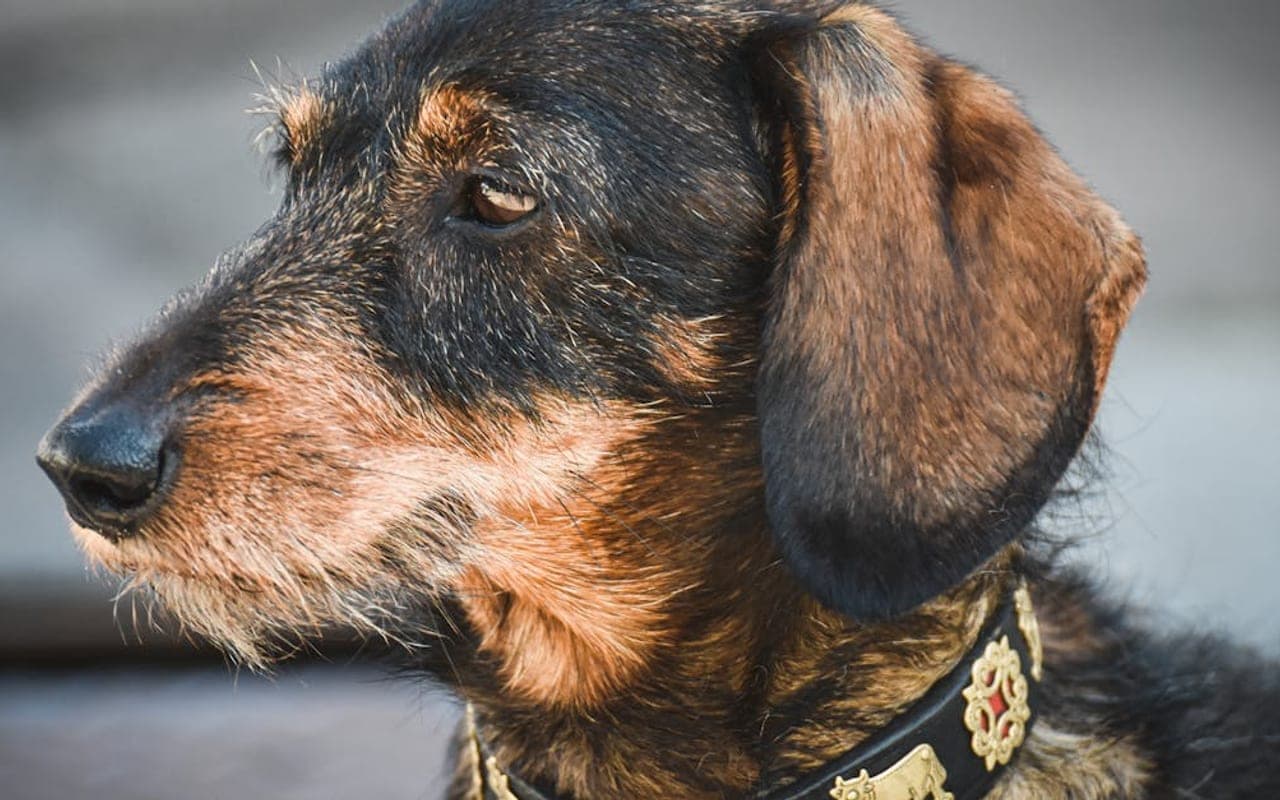
Jagdterrier
Also in the Foundation Stock Service group, with different care and temperament tradeoffs.
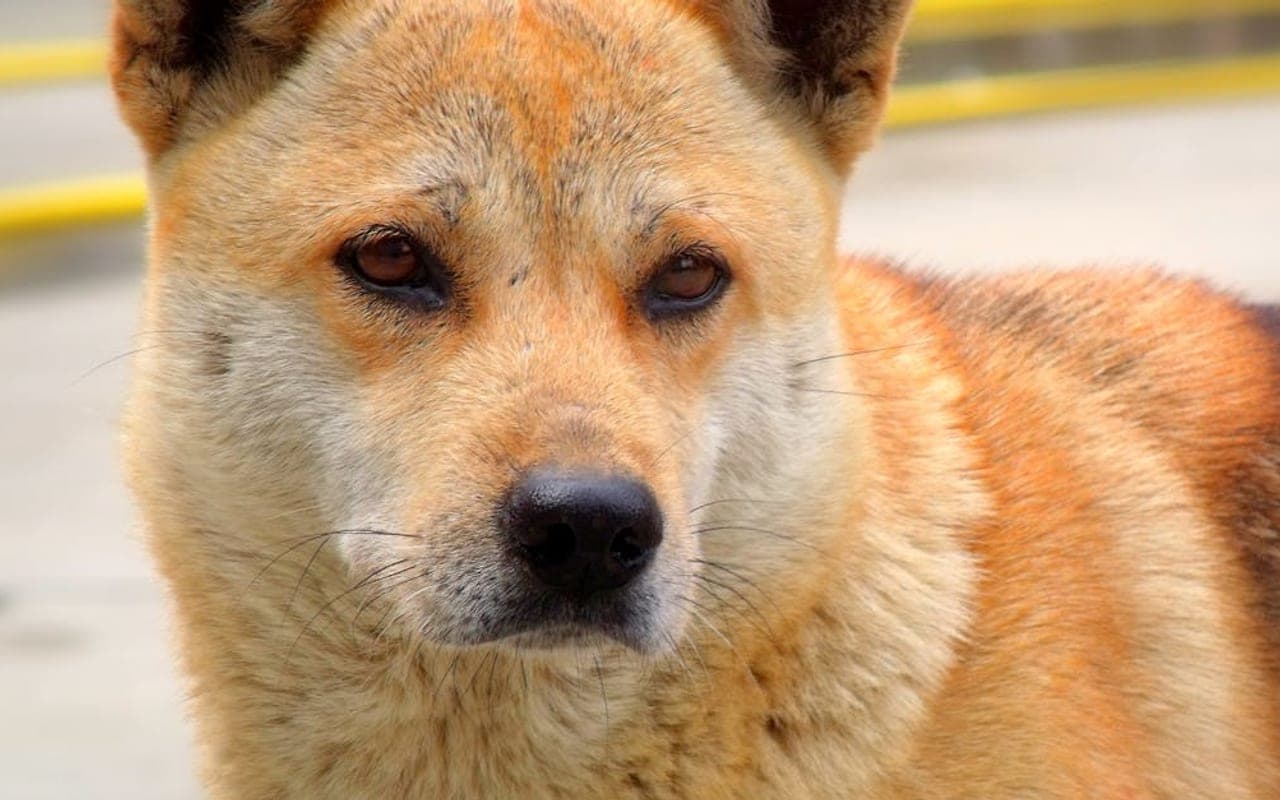
Jindo
Also in the Foundation Stock Service group, with different care and temperament tradeoffs.
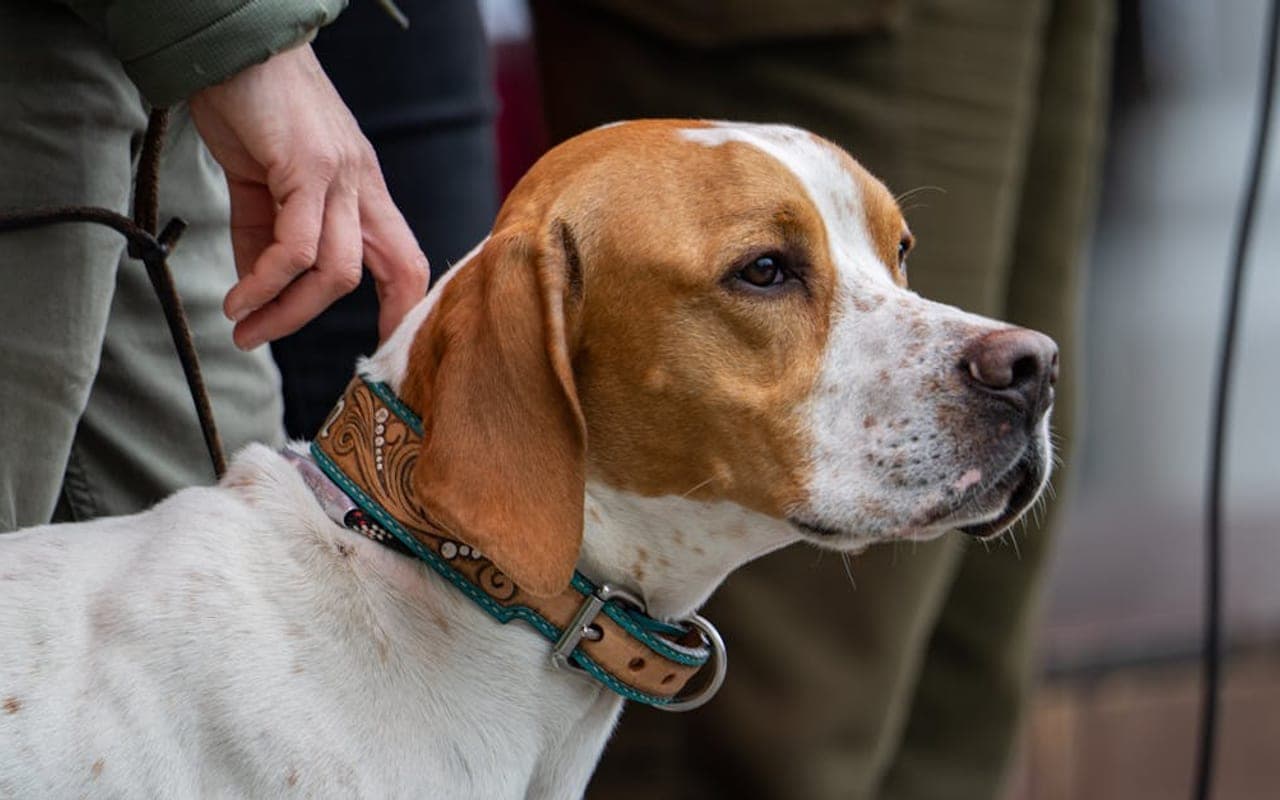
Portuguese Pointer
Also in the Foundation Stock Service group, with different care and temperament tradeoffs.
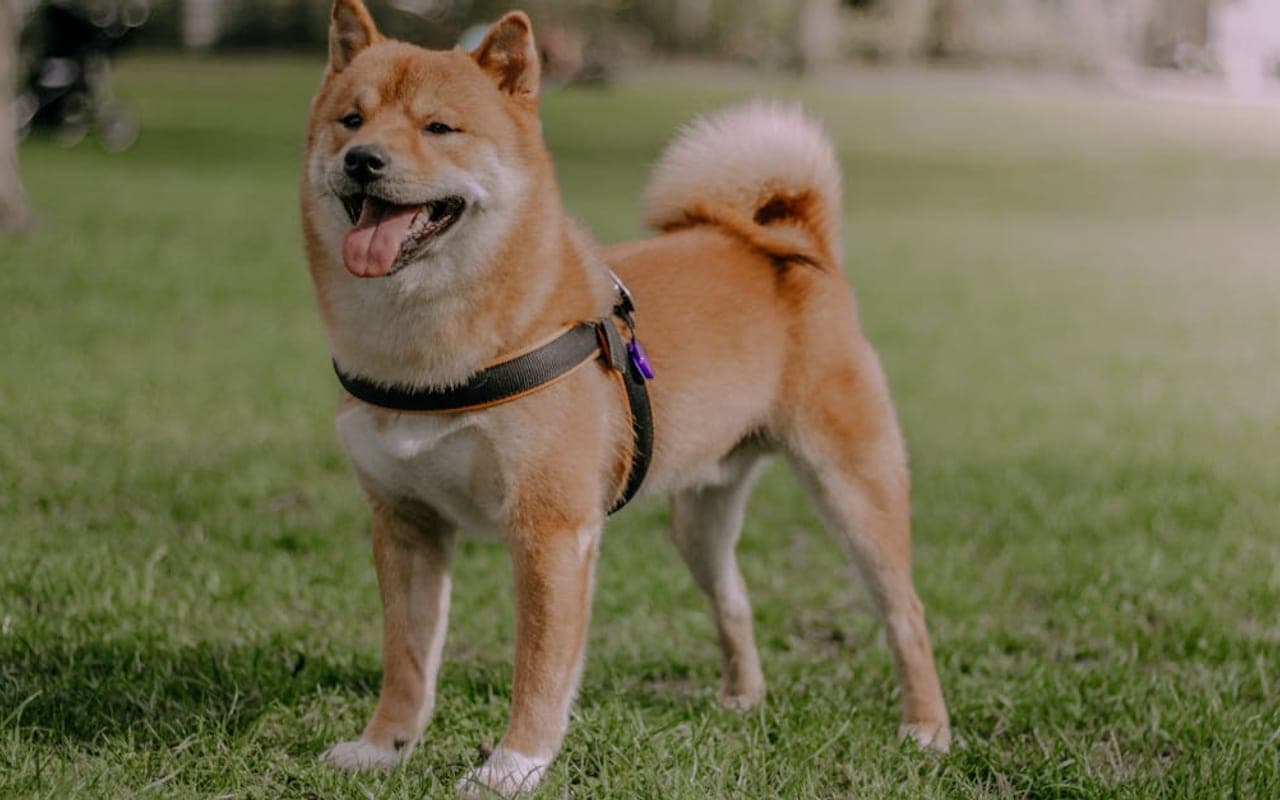
Kishu Ken
Also in the Foundation Stock Service group, with different care and temperament tradeoffs.
Explore More About Hovawart
Dive deeper into everything Hovawart — costs, care, and expert insights.
Considering a cat instead?
Browse Cats