
Sporting group
Irish Water Spaniel
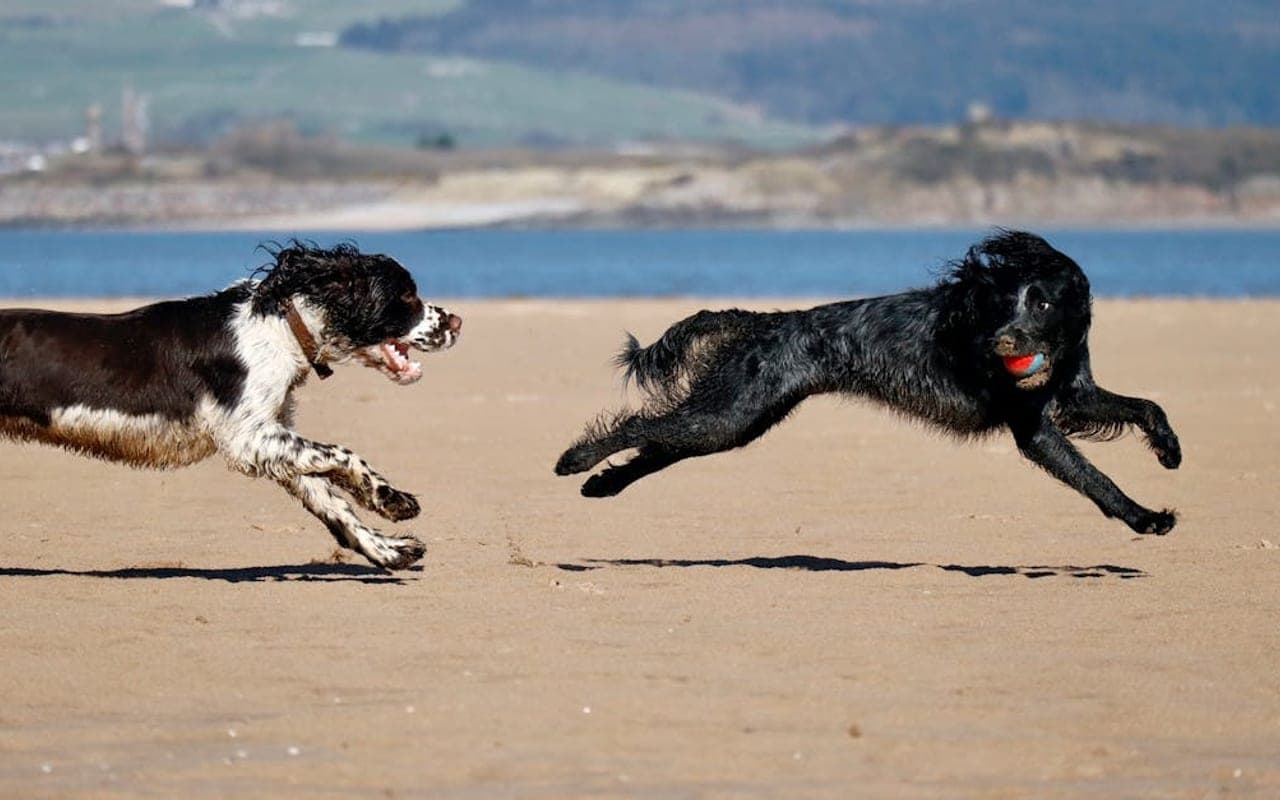
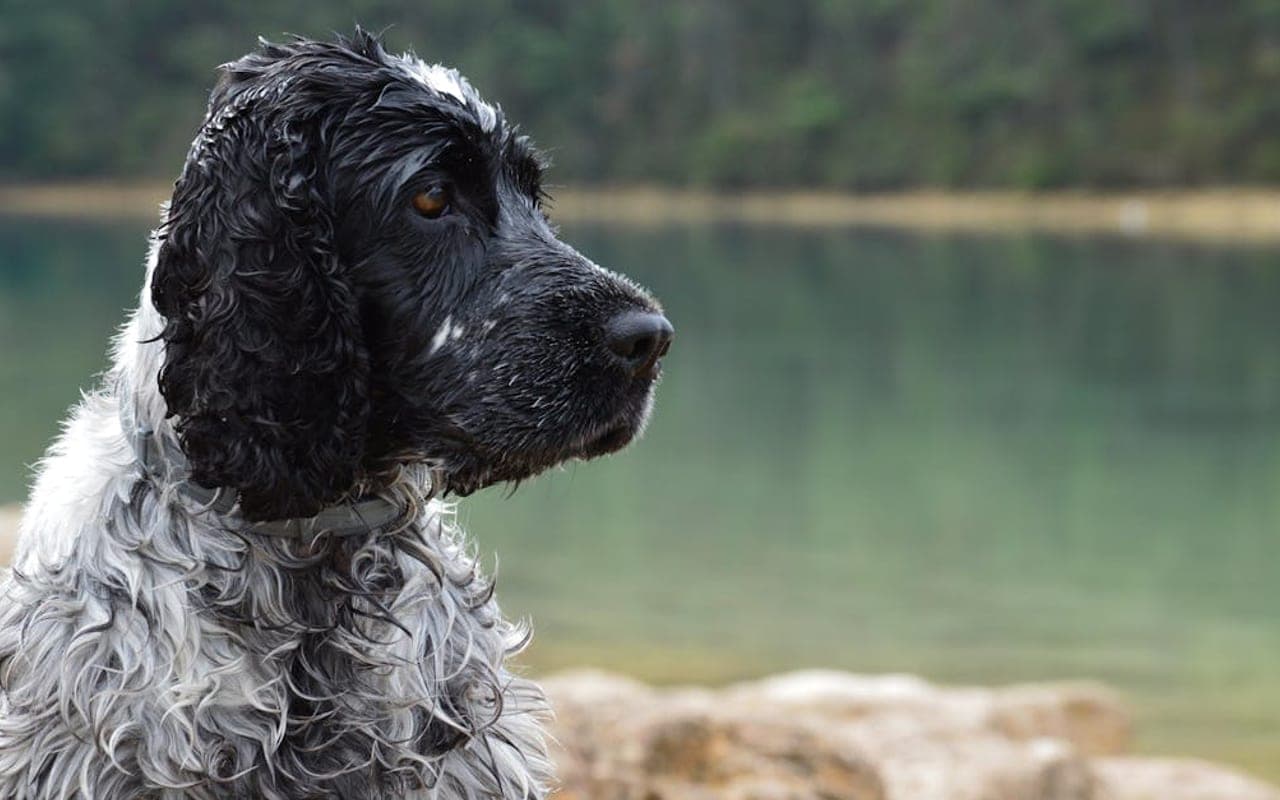
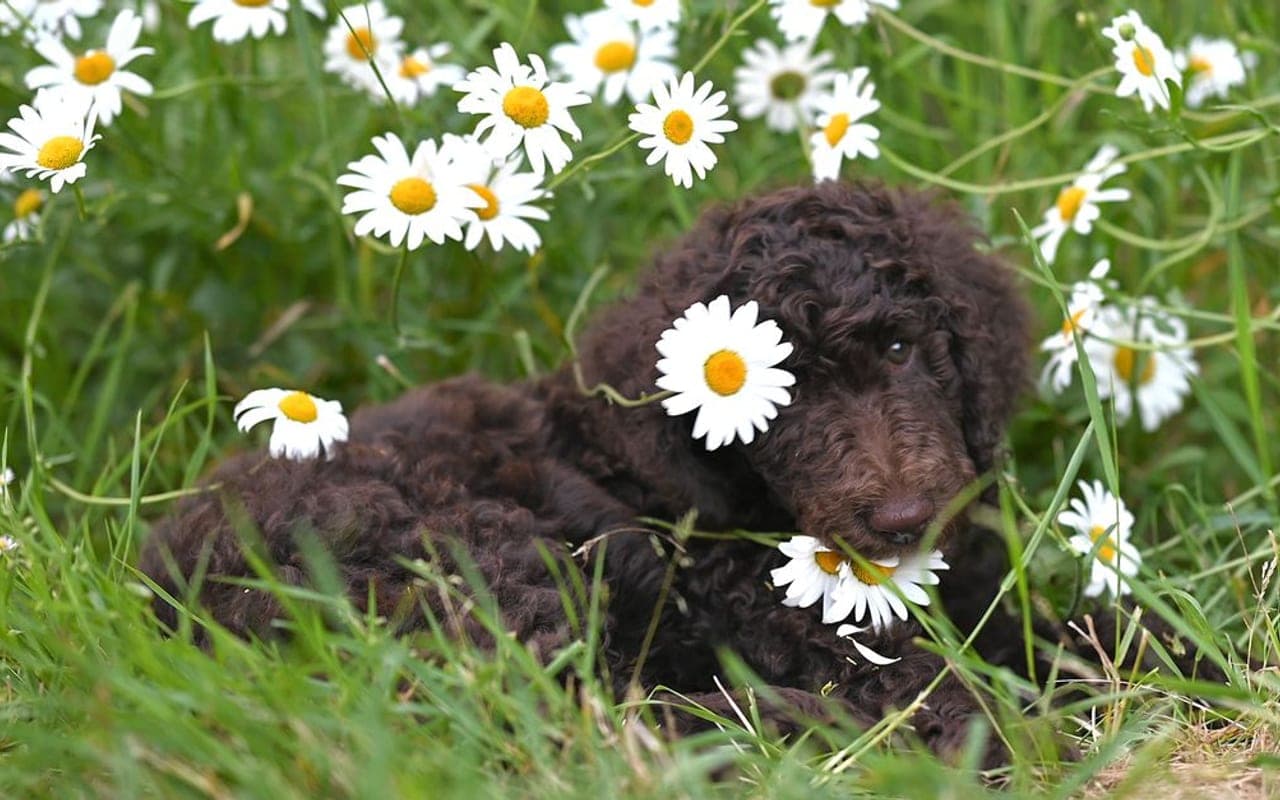
The Irish Water Spaniel is the tallest of the spaniels — a 21-24 inch, roughly 45-65 pound water retriever instantly identified by a dense, crisply curled, liver-colored, near-waterproof coat, a topknot of loose curls, and a smooth tapering 'rat tail.

Size
44-66 lb
Lifespan
12-13 years
Exercise
20-40 minutes
Shedding
Moderate
Experience
Match to owner routine
Decision first
Is a Irish Water Spaniel right for you?
Start with fit before history or trivia. These are ownership signals, not guarantees about any individual dog.
Best suited for
- Households with children.
- Homes with other compatible pets.
- Apartment homes with a consistent routine.
- Owners seeking a manageable daily exercise routine.
Think carefully if
- You need a dog with almost no daily routine.
- You cannot keep up with grooming and preventive care.
- The dog will spend most days alone without support.
Conditional fit
Apartment fit depends on exercise, enrichment, noise management, and outdoor access.
Daily reality
Irish Water Spaniel commitment snapshot
Daily exercise
20-40 minutes
Match activity to age, health, weather, and training goals.
Coat care
Moderate
Grooming needs vary by coat, shedding, and lifestyle.
Time alone
Needs planning
Most dogs need gradual alone-time conditioning and support.
Structured facts
Irish Water Spaniel at a glance
The measurements and traits that most affect day-to-day life with this breed.
Group
Sporting
Weight
44-66 lb
Height
20-24 in
Lifespan
12-13 years
Temperament
Playful | Hardworking | Brave
View all characteristics and methodology
Lifestyle fit
- Apartment suitability
- Likely fit
- Child friendliness
- Often good, with socialisation and supervision
- Other-pet fit
- Often compatible with careful introductions
Owner commitment
- Exercise
- 20-40 minutes
- Grooming
- Moderate
- Shedding
- Moderate
- Training
- Moderate
Environment and health
- Health risk
- Needs planning
Ratings combine structured breed data, visible breed fields, and editorial context. They are planning aids, not predictions for an individual dog.
Daily life
Irish Water Spaniel temperament and behavior
The Irish Water Spaniel is the tallest of the spaniels — a 21-24 inch, roughly 45-65 pound water retriever instantly identified by a dense, crisply curled, liver-colored, near-waterproof coat, a topknot of loose curls, and a smooth tapering 'rat tail.' Behind the comic, slightly clownish appearance is a serious, hardy gundog bred to retrieve waterfowl from cold Irish rivers and bogs all day. It is one of the strongest swimmers in dogdom and one of the lower-shedding sporting breeds, which is why it is often described as a good fit for some allergy-prone households. The decision turns on energy, intelligence, and sensitivity together. The IWS is alert, brave, hardworking, and playfully affectionate at home, but it is also highly intelligent, energetic, sometimes reserved with strangers, and notably sensitive — it does not respond well to harsh handling and can become stubborn or shut down under heavy-handed training. It needs both a body job and a brain job, plus the water and retrieving outlets it was built for. Who the Irish Water Spaniel is right for: an active owner who wants a smart, low-shed, water-loving sporting partner for hunting, dock diving, field work, agility, or long active days, who can commit to upbeat positive training and regular coat maintenance, and who values a quirky, devoted one-family dog. Who it is wrong for: sedentary households, owners wanting an easy first dog or a low-effort coat, anyone expecting an instantly outgoing social butterfly, or those who train with corrections. The breed is rare, so plan on a breed-club waitlist — choose it for the working sensitivity, not the curly novelty.
Playful | Hardworking | Brave
Playful
A common Irish Water Spaniel temperament descriptor that should be interpreted alongside training, exercise, and household fit.
Hardworking
A common Irish Water Spaniel temperament descriptor that should be interpreted alongside training, exercise, and household fit.
Brave
A common Irish Water Spaniel temperament descriptor that should be interpreted alongside training, exercise, and household fit.
Owner note
Temperament labels are starting points, not guarantees. Meet the individual dog and ask about behavior history whenever possible.
Care essentials
How to care for a Irish Water Spaniel
What looking after one actually involves: exercise, grooming, food, training, and routine health.
ExerciseAs needed
- Lower-energy breed that is content with daily walks and moderate play. Avoid over-exercising.
GroomingAs needed
- Regular grooming needed — brush 2-3 times per week and bathe monthly.
TrainingAs needed
- Moderately trainable — consistent, patient training with positive methods works best.
NutritionAs needed
- Feed a high-quality dog food appropriate for their age, size, and activity level. Monitor portions to prevent obesity.
Veterinary CareAs needed
- Annual wellness exams, core vaccinations, dental care, and parasite prevention. Breed-specific health screenings as recommended by your vet.
Health planning
Irish Water Spaniel health risks and screening
Every breed has individual health variation. Use this profile for planning and discuss medical decisions with a veterinarian.
Responsible ownership
Finding a Irish Water Spaniel responsibly
What to ask a breeder or rescue is the same conversation for every breed, so we keep it in one place and keep it current.
Health documentation, meeting the parents or foster, contracts and return support, and the warning signs worth walking away from.
Original purpose
Irish Water Spaniel history
History is useful when it explains today's behavior, coat, exercise needs, and training style.
Read the breed history
The Irish Water Spaniel in its modern form is credited largely to Justin McCarthy of Dublin in the mid-19th century, who developed a distinctive curly-coated water retriever from older Irish water dog types. The breed was purpose-built for the wildfowler working Ireland's cold rivers, lakes, and bogs: the dense, oily, tightly curled coat shed water and insulated against frigid plunges, the powerful build and webbed feet made it a tireless swimmer, and the low-shedding single-purpose coat suited long days of repeated retrieving. The rat tail and topknot became the breed's unmistakable signatures. It is one of the oldest and rarest of the AKC sporting spaniels, recognized in the Sporting Group, and it remains uncommon today, maintained primarily by hunting and breed-club enthusiasts — which is why acquiring one typically means working through the parent club and a waitlist.
Gallery
Irish Water Spaniel photos
Images are cropped consistently and loaded progressively to keep the page responsive.
Lower-page context
Irish Water Spaniels in culture
Where the breed shows up in film, sport, work and folklore — the enjoyable part, once the practical questions are answered.
Fun facts
- The Irish Water Spaniel belongs to the Sporting Group.
- The Irish Water Spaniel is considered a hypoallergenic breed, making it a good choice for allergy sufferers.
- Irish Water Spaniel dogs are valued for their playful, hardworking, brave nature.
Irish Water Spaniel FAQs
How long do Irish Water Spaniel dogs live?
Typically 12 to 13 years. The breed has no single dominant early-fatal disease the way some giants do, so the main lifespan and welfare levers are practical: source from hip- and elbow-screened, eye- and thyroid-tested lines, keep the dog lean to protect joints, maintain the coat to prevent painful matting and skin infection, and inform every vet about the breed's reported drug sensitivities before any anesthesia or medication. A fit, well-managed IWS commonly stays active well into its teens.
Are Irish Water Spaniels good with children?
Generally yes with children who treat dogs respectfully — the IWS is playful, sturdy, and affectionate with its family. The honest caveats are energy and sensitivity: it is bouncy enough to knock over a small child in exuberant play, and being a sensitive breed it does not tolerate rough handling, ear or tail pulling, or chaotic teasing well. Supervise young children, teach gentle handling, and ensure the dog has enough exercise that it meets the kids calm rather than over-aroused.
Are Irish Water Spaniels hypoallergenic?
No dog is truly hypoallergenic, but the IWS is a low-shedding, low-dander single-coated breed that many allergy-prone owners tolerate better than typical double-coated dogs. The trade-off is direct: that allergy-friendly curly coat is high-maintenance, requiring thorough combing 1-2 times a week and professional trimming every 6-8 weeks. If you choose the breed partly for allergies, commit to the grooming — a neglected coat that mats and traps dander undermines the very benefit you wanted.
How much exercise does an Irish Water Spaniel need?
60 to 90 minutes of vigorous daily activity plus mental work. This is a working water retriever with real stamina, so swimming, retrieving, dock diving, field work, agility, and long hikes suit it far better than a short walk. Water access in particular is genuine enrichment for the breed, not a luxury. An IWS that is under-exercised and mentally bored becomes restless, vocal, and destructive — the exercise requirement is a baseline, not a target.
Are Irish Water Spaniels easy to train?
They are highly intelligent and capable of advanced field and sport work, but they are sensitive and can be stubborn, which makes the training method decisive. Upbeat, reward-based, varied sessions produce a brilliant, willing partner; harsh corrections or heavy-handed methods produce a shut-down, evasive, or anxious dog. They also tend to be reserved with strangers, so early and broad socialization is essential. This is a smart dog that must be trained with the brain and the mood managed, not drilled.
Why do vets need to know about Irish Water Spaniel drug sensitivity?
Some IWS lines have reported sensitivity to ivermectin, sulfa-class drugs, and certain anesthetic agents, meaning standard doses or protocols can cause exaggerated or adverse reactions in affected individuals. Because it is line-dependent and not universal, you should proactively tell every veterinarian — especially before anesthesia, surgery, or parasite medication — that this is a breed-specific concern, so they can choose safer agents and adjust dosing. This is a low-cost precaution that prevents a potentially serious complication.
Sources
These are the published sources this page draws on. Each opens in a new tab so you can check it yourself.
American Kennel Club
Irish Water Spaniel — breed standard and profile(opens in a new tab)Supports: Breed standard and recognition details.
Similar breeds to consider
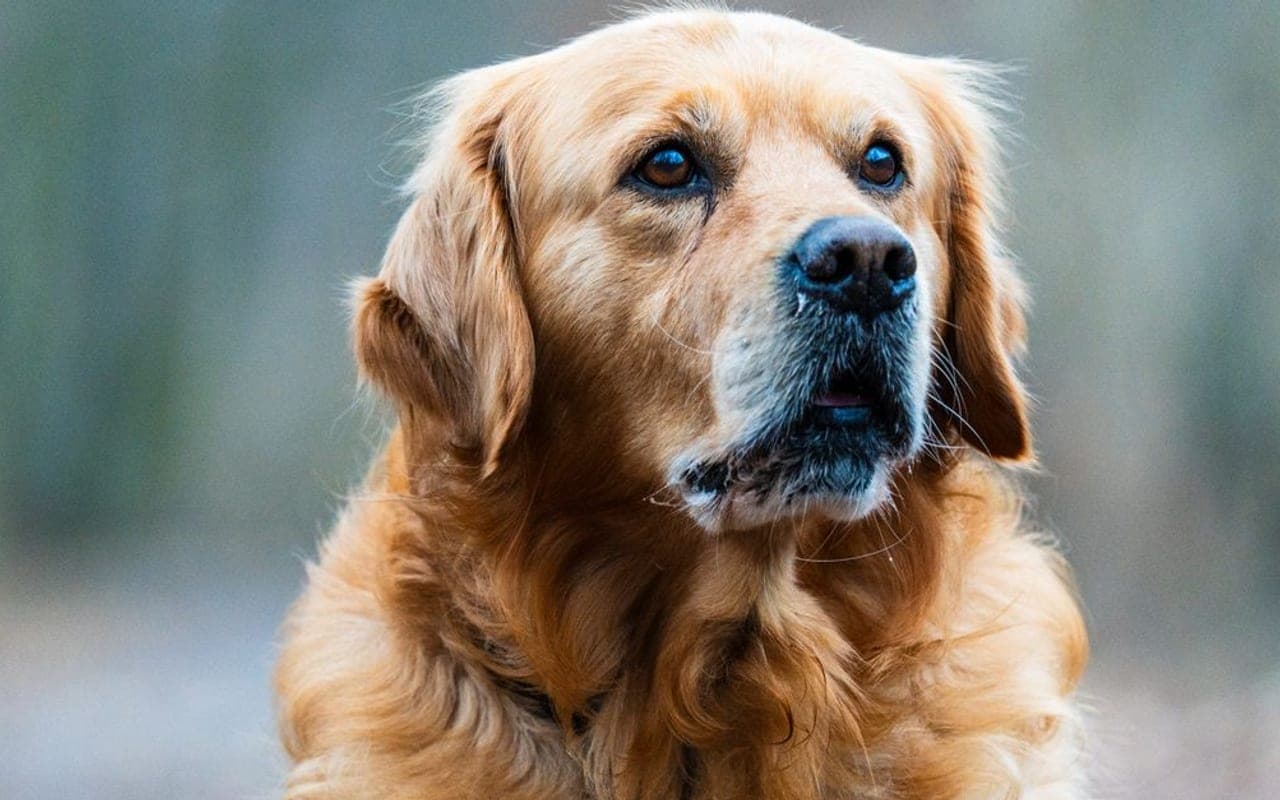
Golden Retriever
Also in the Sporting group, with different care and temperament tradeoffs.
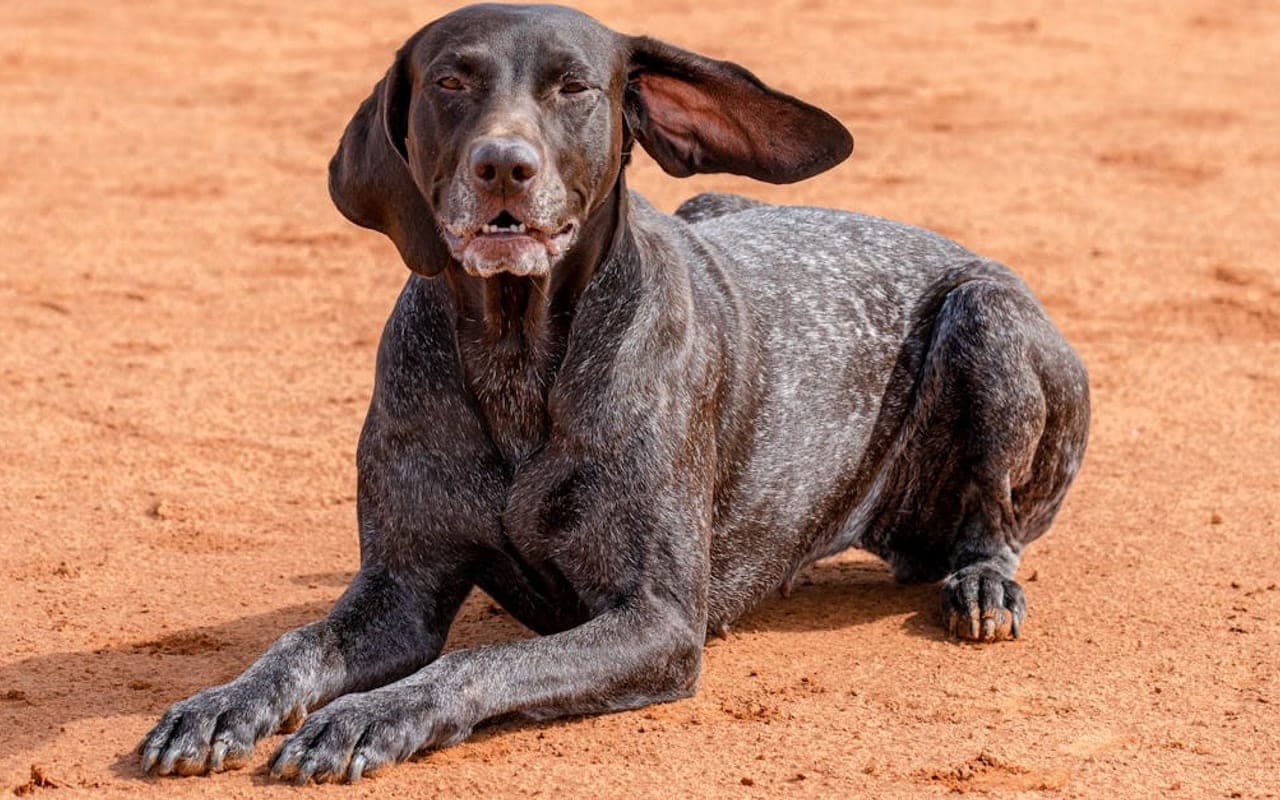
German Shorthaired Pointer
Also in the Sporting group, with different care and temperament tradeoffs.
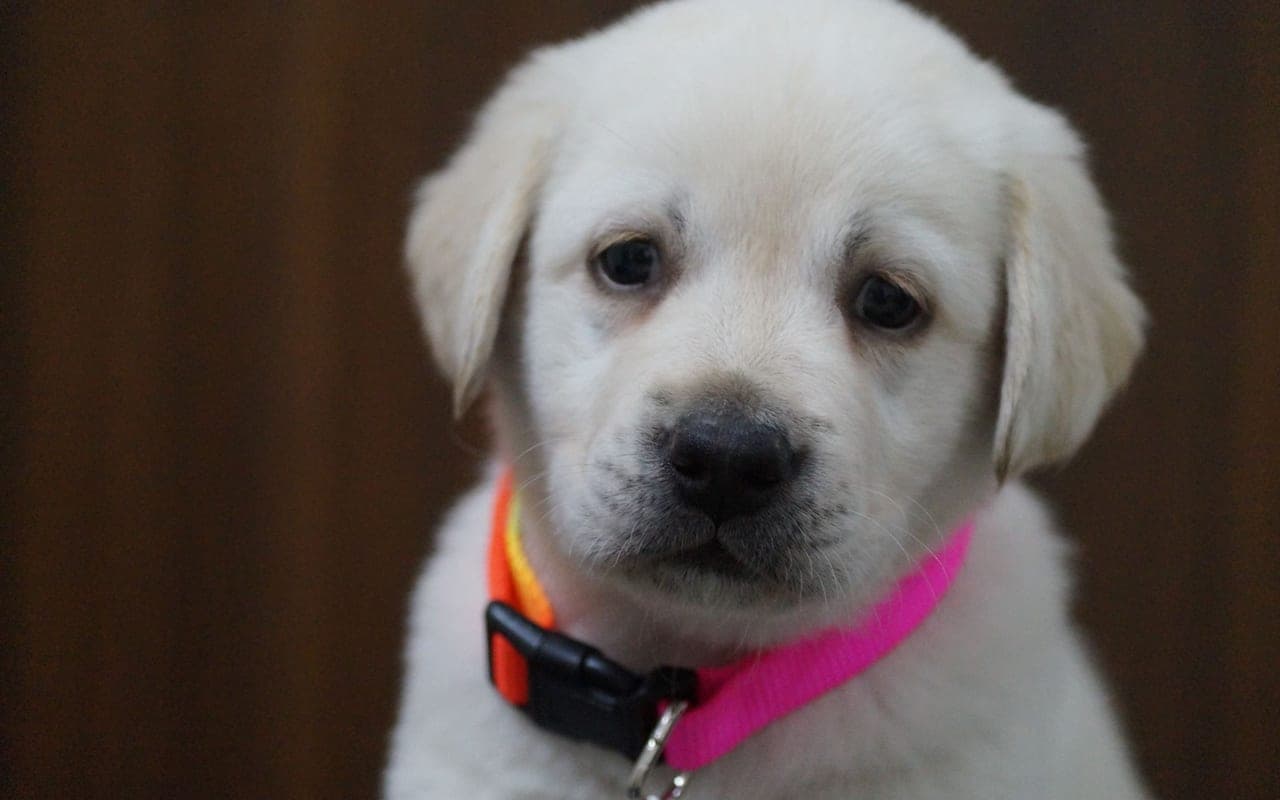
Labrador Retriever
Also in the Sporting group, with different care and temperament tradeoffs.
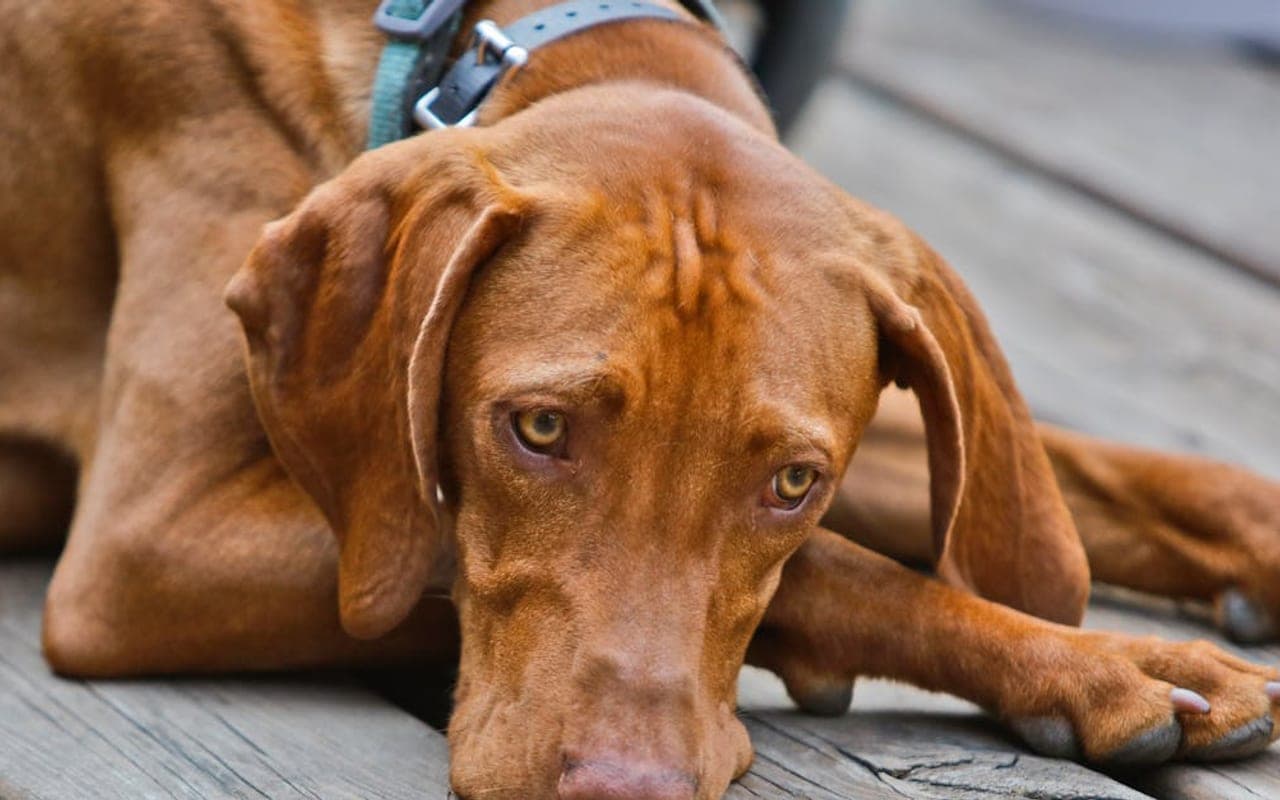
Vizsla
Also in the Sporting group, with different care and temperament tradeoffs.
Explore More About Irish Water Spaniel
Dive deeper into everything Irish Water Spaniel — costs, care, and expert insights.
Considering a cat instead?
Browse Cats