
Foundation Stock Service group
Japanese Spitz
The Japanese Spitz is the rare case where the marketing and the reality line up: this is a genuinely healthy, easy small dog, and the honest version of its profile is allowed to say so without hedging.



Size
11-22 lb
Lifespan
12-14 years
Exercise
30-60 minutes
Shedding
Moderate
Experience
Match to owner routine
Decision first
Is a Japanese Spitz right for you?
Start with fit before history or trivia. These are ownership signals, not guarantees about any individual dog.
Best suited for
- Households with children.
- Homes with other compatible pets.
- Apartment homes with a consistent routine.
- Owners seeking a manageable daily exercise routine.
Think carefully if
- You need a dog with almost no daily routine.
- You cannot keep up with grooming and preventive care.
- The dog will spend most days alone without support.
Conditional fit
Apartment fit depends on exercise, enrichment, noise management, and outdoor access.
Daily reality
Japanese Spitz commitment snapshot
Daily exercise
30-60 minutes
Match activity to age, health, weather, and training goals.
Coat care
Moderate
Grooming needs vary by coat, shedding, and lifestyle.
Time alone
Needs planning
Most dogs need gradual alone-time conditioning and support.
Structured facts
Japanese Spitz at a glance
The measurements and traits that most affect day-to-day life with this breed.
Group
Foundation Stock Service
Weight
11-22 lb
Height
12-15 in
Lifespan
12-14 years
Temperament
Loyal | Playful | Smart
View all characteristics and methodology
Lifestyle fit
- Apartment suitability
- Likely fit
- Child friendliness
- Often good, with socialisation and supervision
- Other-pet fit
- Often compatible with careful introductions
Owner commitment
- Exercise
- 30-60 minutes
- Grooming
- Moderate
- Shedding
- Moderate
- Training
- Moderate
Environment and health
- Health risk
- Needs planning
Ratings combine structured breed data, visible breed fields, and editorial context. They are planning aids, not predictions for an individual dog.
Daily life
Japanese Spitz temperament and behavior
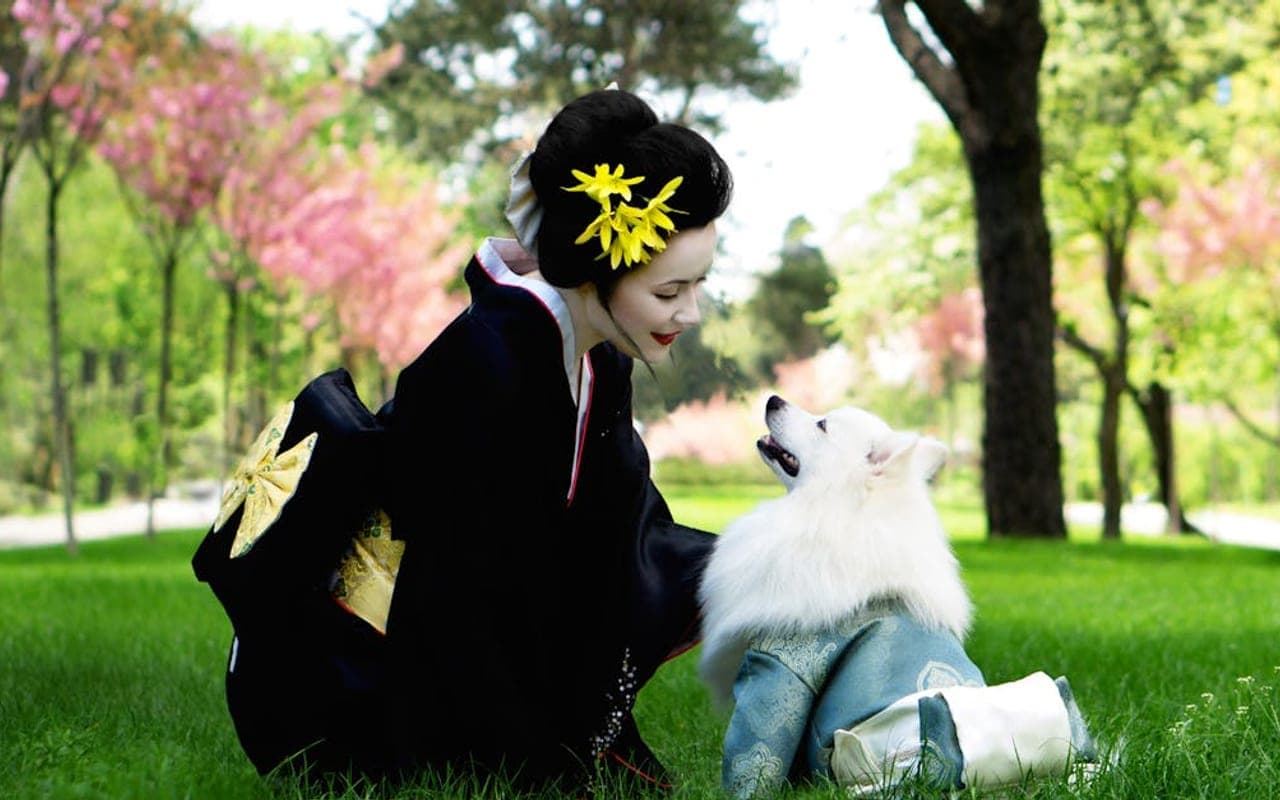
The Japanese Spitz is the rare case where the marketing and the reality line up: this is a genuinely healthy, easy small dog, and the honest version of its profile is allowed to say so without hedging. A 2024 UK VetCompass study put life expectancy at 13 years — slightly above the 12.7-year purebred average and well above the 12-year crossbreed figure. There is no defining genetic catastrophe lurking behind the white coat. The realistic concerns are mechanical and cosmetic, not life-threatening: patellar luxation (a kneecap that slips out of its groove, common across small breeds) and tear-staining from undersized tear ducts. Physically, picture a smaller, all-white cousin of the Samoyed: a stand-off double coat, a plumed tail carried over the back, pricked triangular ears, a foxy muzzle, and a black nose, eye rims, and lips that pop against the pure-white fur. Adults run roughly 2 to 5 kg (about 5 to 11 lb) and 30 to 37 cm at the shoulder — a true small dog, not a toy you can ignore. Temperament is the selling point. This is a bright, comedic, people-bonded companion bred for nothing but company. The Japanese Spitz alerts readily — it will tell you someone is at the door — but it is not a nuisance barker once you teach it the off-switch early. It is affectionate without being neurotically clingy, good with sensible children and other pets, and trainable enough for tricks and light agility. Who it is right for: a household wanting a small, hardy, low-drama companion that does not come with a five-figure genetic gamble. Who it is wrong for: anyone who wants a low-maintenance coat (the white double coat is work) or a silent dog (it alerts — manage it, don't expect zero).
Loyal | Playful | Smart
Loyal
A common Japanese Spitz temperament descriptor that should be interpreted alongside training, exercise, and household fit.
Playful
A common Japanese Spitz temperament descriptor that should be interpreted alongside training, exercise, and household fit.
Smart
A common Japanese Spitz temperament descriptor that should be interpreted alongside training, exercise, and household fit.
Owner note
Temperament labels are starting points, not guarantees. Meet the individual dog and ask about behavior history whenever possible.
Care essentials
How to care for a Japanese Spitz
What looking after one actually involves: exercise, grooming, food, training, and routine health.
ExerciseAs needed
- Moderately active breed needing 30-60 minutes of daily exercise through walks, play, and mental stimulation.
GroomingAs needed
- Regular grooming needed — brush 2-3 times per week and bathe monthly.
TrainingAs needed
- Moderately trainable — consistent, patient training with positive methods works best.
NutritionAs needed
- Feed a high-quality dog food appropriate for their age, size, and activity level. Monitor portions to prevent obesity.
Veterinary CareAs needed
- Annual wellness exams, core vaccinations, dental care, and parasite prevention. Breed-specific health screenings as recommended by your vet.
Health planning
Japanese Spitz health risks and screening
Every breed has individual health variation. Use this profile for planning and discuss medical decisions with a veterinarian.
Responsible ownership
Finding a Japanese Spitz responsibly
What to ask a breeder or rescue is the same conversation for every breed, so we keep it in one place and keep it current.
Health documentation, meeting the parents or foster, contracts and return support, and the warning signs worth walking away from.
Original purpose
Japanese Spitz history
History is useful when it explains today's behavior, coat, exercise needs, and training style.
Read the breed history
The Japanese Spitz was developed in Japan between the 1920s and 1940s, almost certainly from white German Spitz dogs imported via China and elsewhere, then refined by Japanese breeders into a smaller, uniformly white companion. The breed standard was finalized by the Japan Kennel Club in 1948, after World War II disrupted earlier breeding programs. Because it descends from broader Spitz stock rather than a single closed founding population, it never inherited the narrow gene pool that burdens many modern breeds — a plausible reason for its notably robust health record today. It remains primarily a companion breed; it was never asked to herd, hunt, or guard, so its drives are social rather than working. The AKC records it under Foundation Stock Service. For owners, the takeaway is practical: this is a dog bred for one job — being good company — and it does that job with low genetic baggage, which is exactly why an honest profile leads with its health rather than its history.
Gallery
Japanese Spitz photos
Images are cropped consistently and loaded progressively to keep the page responsive.
Lower-page context
Japanese Spitzs in culture
Where the breed shows up in film, sport, work and folklore — the enjoyable part, once the practical questions are answered.
Fun facts
- The Japanese Spitz belongs to the Foundation Stock Service.
- The average lifespan of a Japanese Spitz is 12 to 14 years.
- Japanese Spitz dogs are valued for their loyal, playful, smart nature.
Japanese Spitz FAQs
How long do Japanese Spitz dogs live?
A 2024 UK VetCompass study found a median life expectancy of 13 years for the Japanese Spitz, slightly above the 12.7-year purebred average and clearly above the 12-year crossbreed figure. Many individuals reach 14-16 years. This is one of the genuinely healthy small breeds — there is no single defining genetic killer — so lifespan tracks weight management, dental care, and routine vet visits far more than it tracks any breed-specific disease.
Are Japanese Spitz dogs hard to keep clean given the white coat?
Less than people expect. The coat texture is self-cleaning: mud dries and brushes out, and the dog is naturally odor-resistant, so you bathe only every 2-3 months. The real work is brushing twice weekly (daily during the twice-yearly coat-blow) to prevent mats, and a daily wipe under the eyes to manage tear-staining. Over-bathing is the common mistake — it strips coat oils and makes the coat worse, not whiter.
Do Japanese Spitz bark a lot?
They are alert barkers by nature — they will announce visitors, deliveries, and odd noises — but they are not compulsive yappers if trained early with a reliable 'enough' cue and given 30-45 minutes of daily exercise. The mistake owners make is reinforcing alert-barking with attention as a puppy, then expecting silence at two years. Manage it from week one; this is a trainable, biddable breed that learns the off-switch quickly.
Are Japanese Spitz good with children and other pets?
Yes, generally among the better small breeds for family life. They are playful, sturdy enough for sensible kids, non-aggressive, and typically sociable with other dogs and cats when raised together. As with any small dog, supervise toddlers and teach them not to grab — a Japanese Spitz will tolerate a lot but a small dog's joints (see patellar luxation) are vulnerable to rough handling and bad falls.
How much does a Japanese Spitz cost to buy and own?
Purchase typically runs $1,000-$2,500 from a registered breeder, as the breed is uncommon in North America. The honest good news is the lifetime cost: with no defining genetic disease, routine annual vet care runs a few hundred dollars, and the main avoidable expense is patellar luxation surgery ($1,500-$3,000 per knee) — which good weight control and early detection often prevent entirely. Grooming is the steady cost: DIY brushing is free; professional de-matting if you skip cadence runs $60-$100.
Is the Japanese Spitz actually a healthy breed, or is that just marketing?
Genuinely healthy, and the data supports it — a 2024 UK study gave it an above-average 13-year median lifespan with a short, mostly non-fatal problem list (patellar luxation, tear-staining, rare PRA). This traces to its origin from a broad Spitz gene pool rather than a narrow closed founding population. The honest caveat: 'healthy breed' is not 'no vet bills.' Buy from a breeder who DNA-tests for PRA-rcd4 and patella-screens, keep the dog lean, and the breed lives up to its reputation.
Sources
These are the published sources this page draws on. Each opens in a new tab so you can check it yourself.
American Kennel Club
Japanese Spitz — breed standard and profile(opens in a new tab)Supports: Breed standard and recognition details.
Similar breeds to consider

Jagdterrier
Also in the Foundation Stock Service group, with different care and temperament tradeoffs.
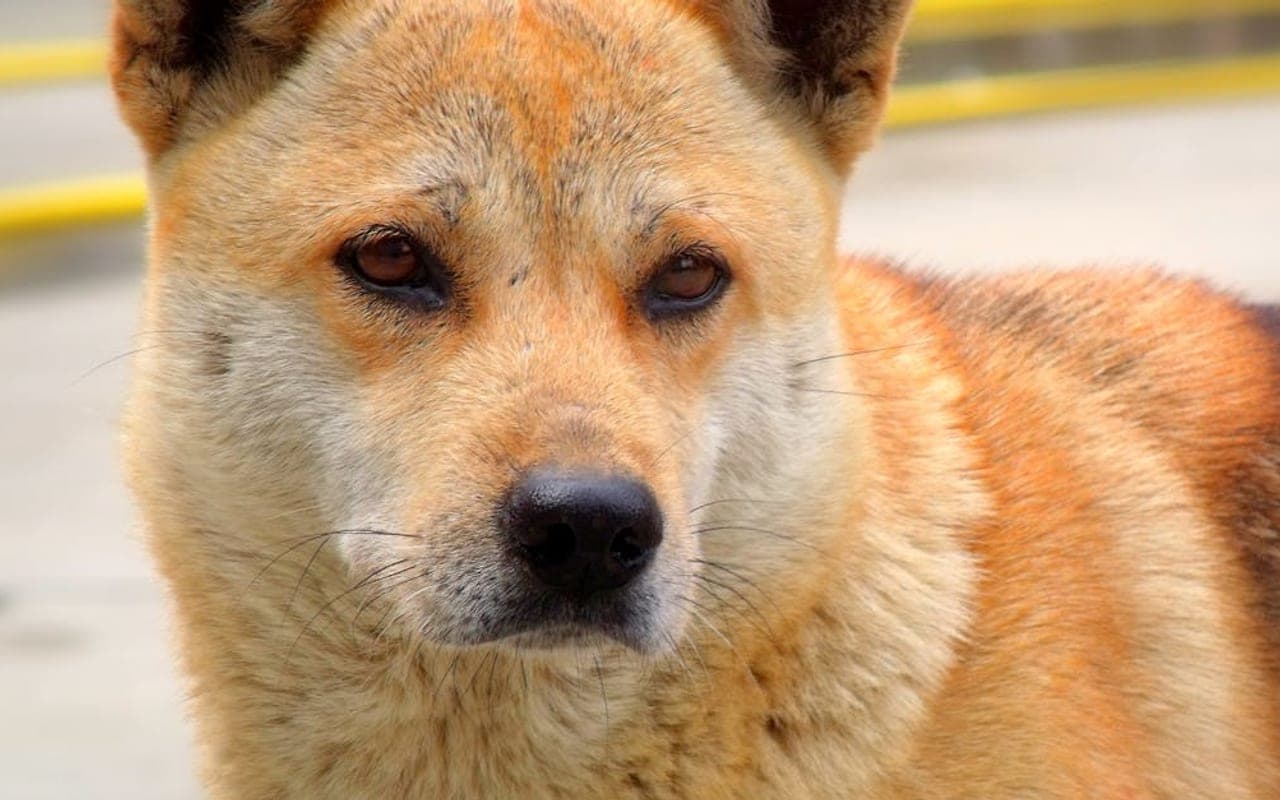
Jindo
Also in the Foundation Stock Service group, with different care and temperament tradeoffs.

Portuguese Pointer
Also in the Foundation Stock Service group, with different care and temperament tradeoffs.
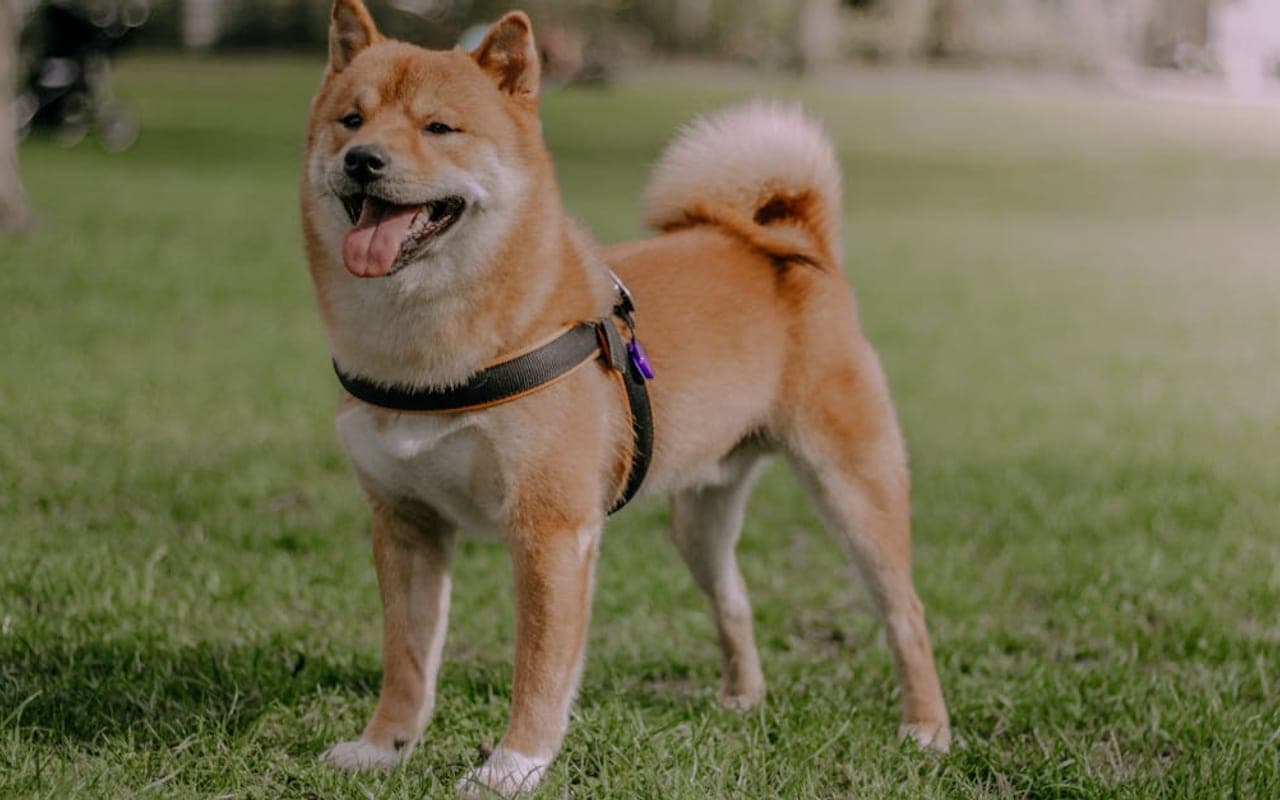
Kishu Ken
Also in the Foundation Stock Service group, with different care and temperament tradeoffs.
Explore More About Japanese Spitz
Dive deeper into everything Japanese Spitz — costs, care, and expert insights.
Considering a cat instead?
Browse Cats