
Foundation Stock Service group
Jindo
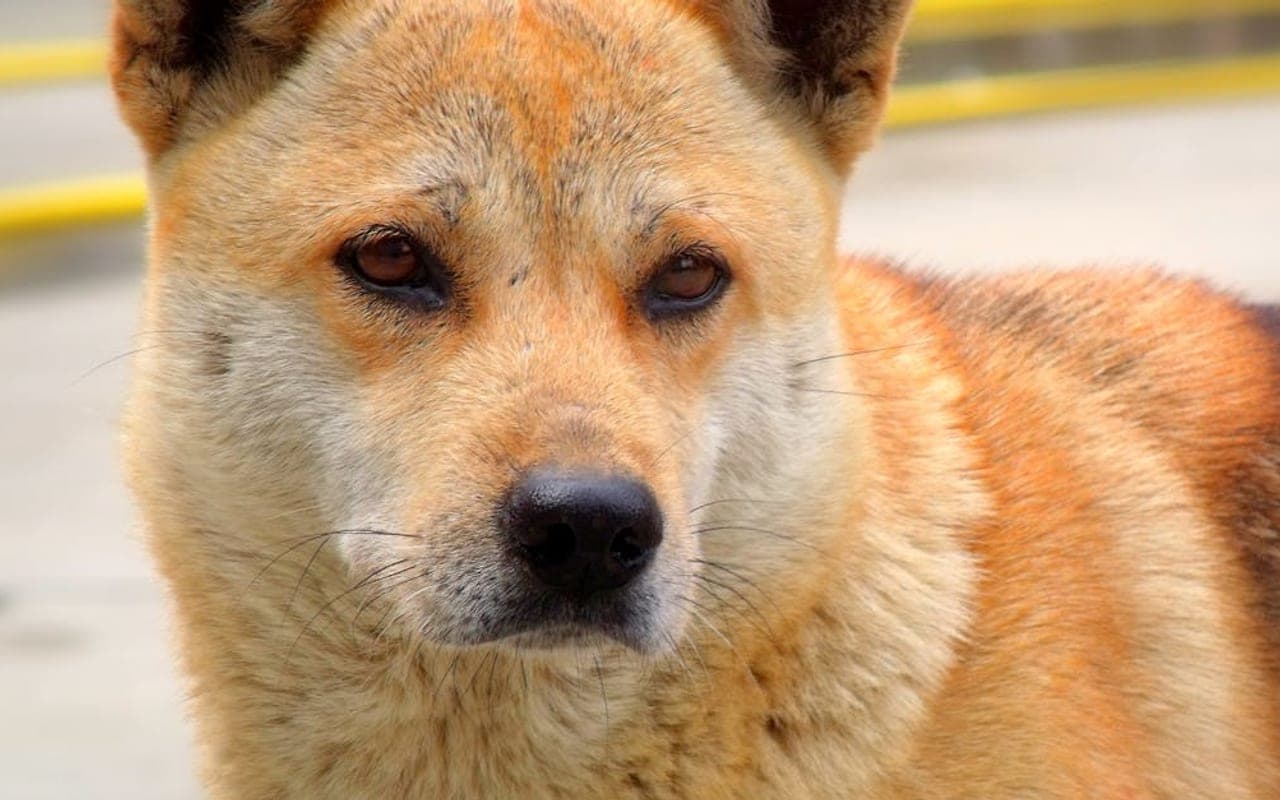
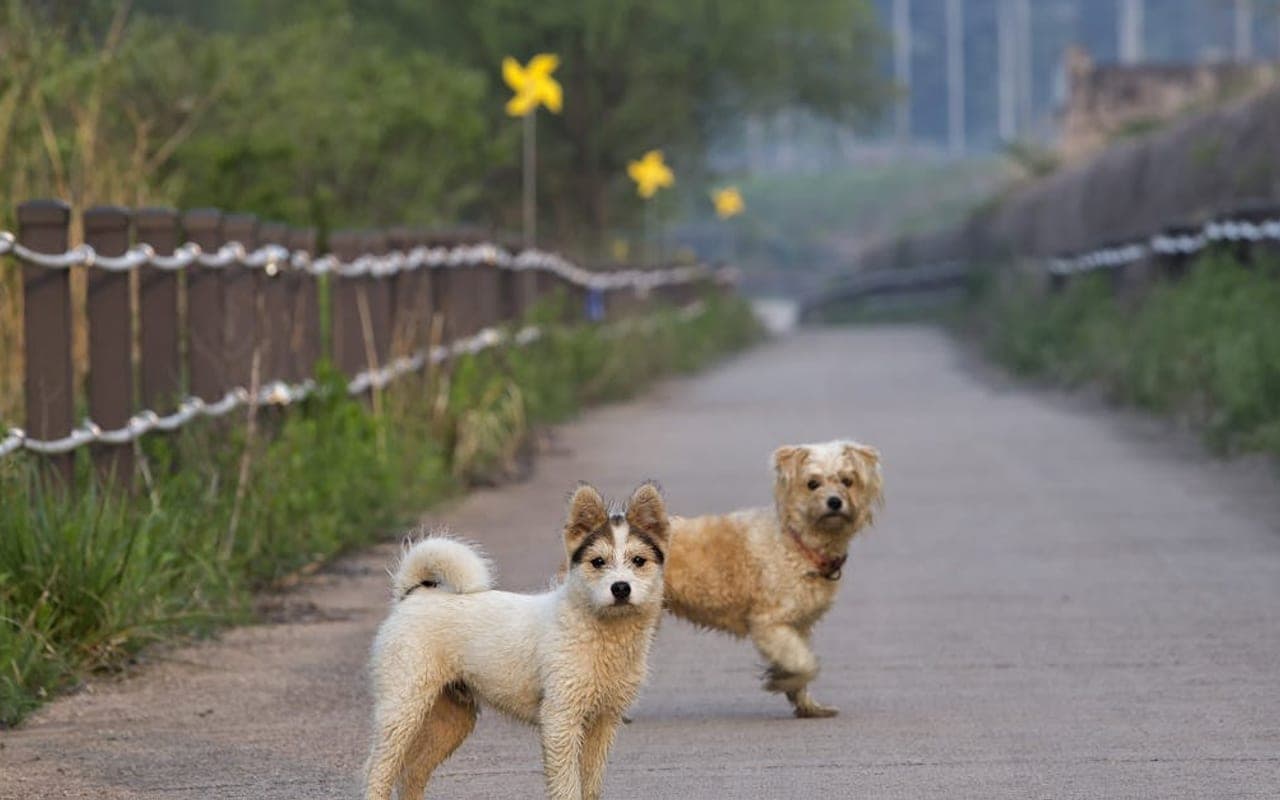
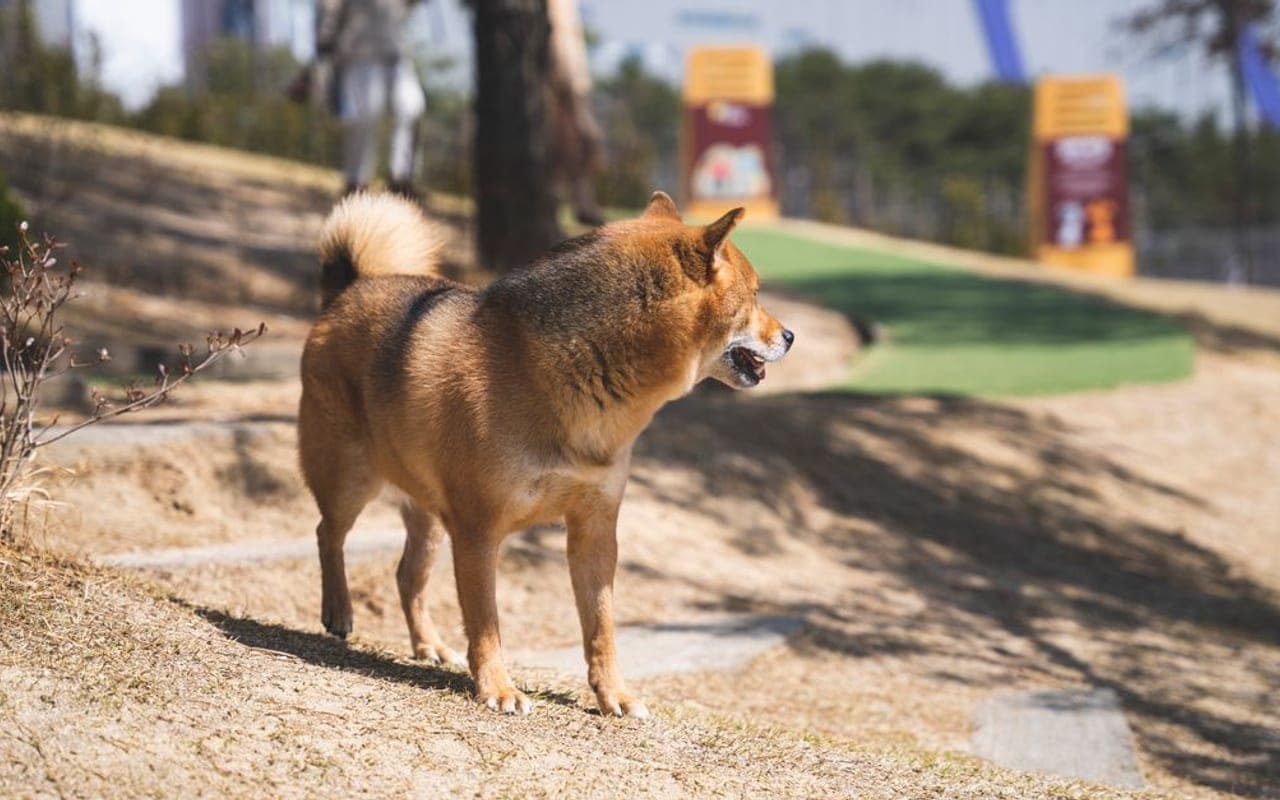
The Korean Jindo is a medium-sized spitz-type hunting and guarding dog from Jindo Island off the southwest coast of South Korea, and the single most useful thing to understand before getting one is that it is a true one-person (or one-family) dog with a famously absolute loyalty — and that loyalty is the whole reason it is hard to rehome and easy to mismatch.
Size
33-51 lb
Lifespan
14 years
Exercise
30-60 minutes
Shedding
Moderate
Experience
Match to owner routine
Decision first
Is a Jindo right for you?
Start with fit before history or trivia. These are ownership signals, not guarantees about any individual dog.
Best suited for
- Households with children.
- Homes with other compatible pets.
- Apartment homes with a consistent routine.
- Owners seeking a manageable daily exercise routine.
Think carefully if
- You need a dog with almost no daily routine.
- You cannot keep up with grooming and preventive care.
- The dog will spend most days alone without support.
Conditional fit
Apartment fit depends on exercise, enrichment, noise management, and outdoor access.
Daily reality
Jindo commitment snapshot
Daily exercise
30-60 minutes
Match activity to age, health, weather, and training goals.
Coat care
Moderate
Grooming needs vary by coat, shedding, and lifestyle.
Time alone
Needs planning
Most dogs need gradual alone-time conditioning and support.
Structured facts
Jindo at a glance
The measurements and traits that most affect day-to-day life with this breed.
Group
Foundation Stock Service
Weight
33-51 lb
Height
18-22 in
Lifespan
14 years
Temperament
Alert | Intelligent | Bold
View all characteristics and methodology
Lifestyle fit
- Apartment suitability
- Likely fit
- Child friendliness
- Often good, with socialisation and supervision
- Other-pet fit
- Often compatible with careful introductions
Owner commitment
- Exercise
- 30-60 minutes
- Grooming
- Moderate
- Shedding
- Moderate
- Training
- Moderate
Environment and health
- Health risk
- Needs planning
Ratings combine structured breed data, visible breed fields, and editorial context. They are planning aids, not predictions for an individual dog.
Daily life
Jindo temperament and behavior
The Korean Jindo is a medium-sized spitz-type hunting and guarding dog from Jindo Island off the southwest coast of South Korea, and the single most useful thing to understand before getting one is that it is a true one-person (or one-family) dog with a famously absolute loyalty — and that loyalty is the whole reason it is hard to rehome and easy to mismatch. Centuries of isolation on the island produced an unusually pure landrace: well-proportioned, agile, erect-eared, with a rolled or sickle tail and a weatherproof double coat. The honest framing is a genuinely healthy, long-lived primitive breed (14+ years is normal) whose challenges are behavioral and management-driven, not a list of genetic diseases. Functionally the Jindo is an independent hunter that historically tracked and held game alone, sometimes returning home unaided over long distances. That heritage shows daily: powerful prey drive (small animals and often other dogs are at risk), strong territorial guarding instinct, fastidious cleanliness, light eating, escape-artistry, and an intelligence that solves problems rather than waits for cues. It is not biddable in the retriever sense; it chooses to cooperate with someone it respects. Temperament is loyal, bold, alert, dignified, and reserved-to-aloof with strangers. A Jindo bonds intensely to its person and can transfer that bond to a new owner but never forgets the one who raised it — a documented trait that makes adult rehoming genuinely hard on the dog. Who the Jindo is right for: an experienced owner with secure fencing, time for early socialization, and a preference for an independent, dignified guardian over a demonstrative pet. Who it is wrong for: a multi-small-pet household, a first-time owner, or anyone unable to contain a determined escape artist with high prey drive.
Alert | Intelligent | Bold
Alert
A common Jindo temperament descriptor that should be interpreted alongside training, exercise, and household fit.
Intelligent
A common Jindo temperament descriptor that should be interpreted alongside training, exercise, and household fit.
Bold
A common Jindo temperament descriptor that should be interpreted alongside training, exercise, and household fit.
Owner note
Temperament labels are starting points, not guarantees. Meet the individual dog and ask about behavior history whenever possible.
Care essentials
How to care for a Jindo
What looking after one actually involves: exercise, grooming, food, training, and routine health.
ExerciseAs needed
- Moderately active breed needing 30-60 minutes of daily exercise through walks, play, and mental stimulation.
GroomingAs needed
- Regular grooming needed — brush 2-3 times per week and bathe monthly.
TrainingAs needed
- Moderately trainable — consistent, patient training with positive methods works best.
NutritionAs needed
- Feed a high-quality dog food appropriate for their age, size, and activity level. Monitor portions to prevent obesity.
Veterinary CareAs needed
- Annual wellness exams, core vaccinations, dental care, and parasite prevention. Breed-specific health screenings as recommended by your vet.
Health planning
Jindo health risks and screening
Every breed has individual health variation. Use this profile for planning and discuss medical decisions with a veterinarian.
Responsible ownership
Finding a Jindo responsibly
What to ask a breeder or rescue is the same conversation for every breed, so we keep it in one place and keep it current.
Health documentation, meeting the parents or foster, contracts and return support, and the warning signs worth walking away from.
Original purpose
Jindo history
History is useful when it explains today's behavior, coat, exercise needs, and training style.
Read the breed history
The Korean Jindo developed on Jindo Island off the southwest coast of South Korea, where geographic isolation produced and preserved an exceptionally pure landrace over many centuries. One account links its origins to indigenous Korean dogs crossing with dogs brought during the 13th-century Mongol invasions, after which Korean soldiers retreating to the island helped concentrate the strain; whatever the precise mix, the closed island environment is what kept the breed primitive and consistent. It was used for hunting deer, boar, and small game and for guarding home and property. South Korea designated the Jindo a protected Natural Monument (No. 53) in 1962, and it is a strong source of national pride, with export historically restricted. It entered the AKC Foundation Stock Service and is recognized by the UKC, but remains uncommon in the West and is still primarily a Korean working and companion breed.
Gallery
Jindo photos
Images are cropped consistently and loaded progressively to keep the page responsive.
Lower-page context
Jindos in culture
Where the breed shows up in film, sport, work and folklore — the enjoyable part, once the practical questions are answered.
Fun facts
- The Jindo belongs to the Foundation Stock Service.
- The average lifespan of a Jindo is 14 to 14 years.
- Jindo dogs are valued for their alert, intelligent, bold nature.
Jindo FAQs
How long do Jindo dogs live?
Jindos are notably long-lived, commonly reaching 14 years or more, reflecting a hardy, minimally inbred landrace constitution. Because the breed has few inherited diseases, lifespan is driven almost entirely by management and husbandry: secure containment to prevent fatal escapes and traffic injuries, lean body weight, exercise, and early detection of the two named medical risks — hypothyroidism and allergies — which are manageable when caught.
Is the Jindo really a one-person dog?
Yes, and it is more than a saying — it is a documented, practically important trait. Jindos bond with extraordinary intensity to their primary person or family and are reserved with everyone else. They can accept and bond with a new owner, but they reportedly never forget the person who raised them, which is exactly why adult Jindo rehoming is genuinely hard on the dog. Match this breed to a stable, committed home from the start.
Are Jindos good with other pets and dogs?
Often not, and this is the breed's biggest mismatch risk. The Jindo is an independent hunter with a strong prey drive — small animals are frequently seen as quarry — and many, especially same-sex dogs, are dog-selective or dog-aggressive without intensive early socialization. A Jindo can live well with animals it was raised alongside, but a multi-small-pet household or a dog-park lifestyle is usually a poor fit for this breed.
Why does my Jindo keep escaping, and how do I stop it?
Escaping is a breed feature, not a quirk: Jindos are athletic climbers, jumpers, and diggers with a strong homing instinct and prey drive. The fix is environmental, not corrective — tall, secure, dig-proofed fencing (consider an overhang), no off-lead access near roads or wildlife, and enough daily exercise and mental work to reduce the drive to roam. Plan containment before acquiring the dog; relying on training alone reliably fails with this breed.
Are Jindos easy to train, and are they good for first-time owners?
They are highly intelligent but independent, not biddable in the retriever sense — they decide whether to cooperate based on respect, and they bore quickly with repetition. Reward-based, varied, early training works; harsh handling backfires. For most first-time owners the combination of independence, prey drive, escape-artistry, guarding instinct, and required socialization makes the Jindo a poor first dog, despite its health and cleanliness.
My Jindo has become aggressive and is losing coat — is that behavioral?
Possibly not — and this is the breed's key diagnostic trap. Hypothyroidism is documented in Jindos and classically causes coat and skin deterioration, weight gain, lethargy, and behavioral change including aggression. Before treating new aggression as purely a training or temperament problem, have the vet run a thyroid panel. If thyroid levels are low, medication often improves both the coat and the behavior, which a training-only approach would never resolve.
Sources
These are the published sources this page draws on. Each opens in a new tab so you can check it yourself.
American Kennel Club
Jindo — breed standard and profile(opens in a new tab)Supports: Breed standard and recognition details.
Similar breeds to consider
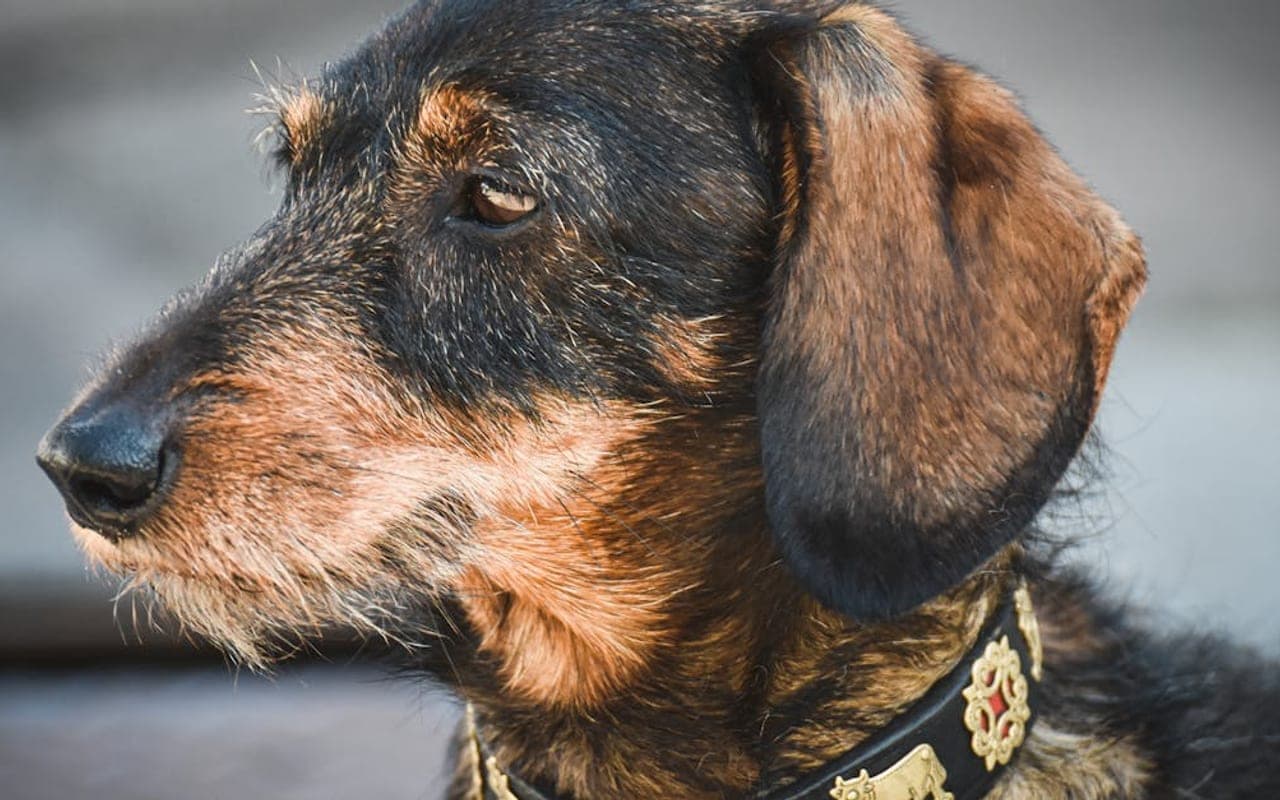
Jagdterrier
Also in the Foundation Stock Service group, with different care and temperament tradeoffs.
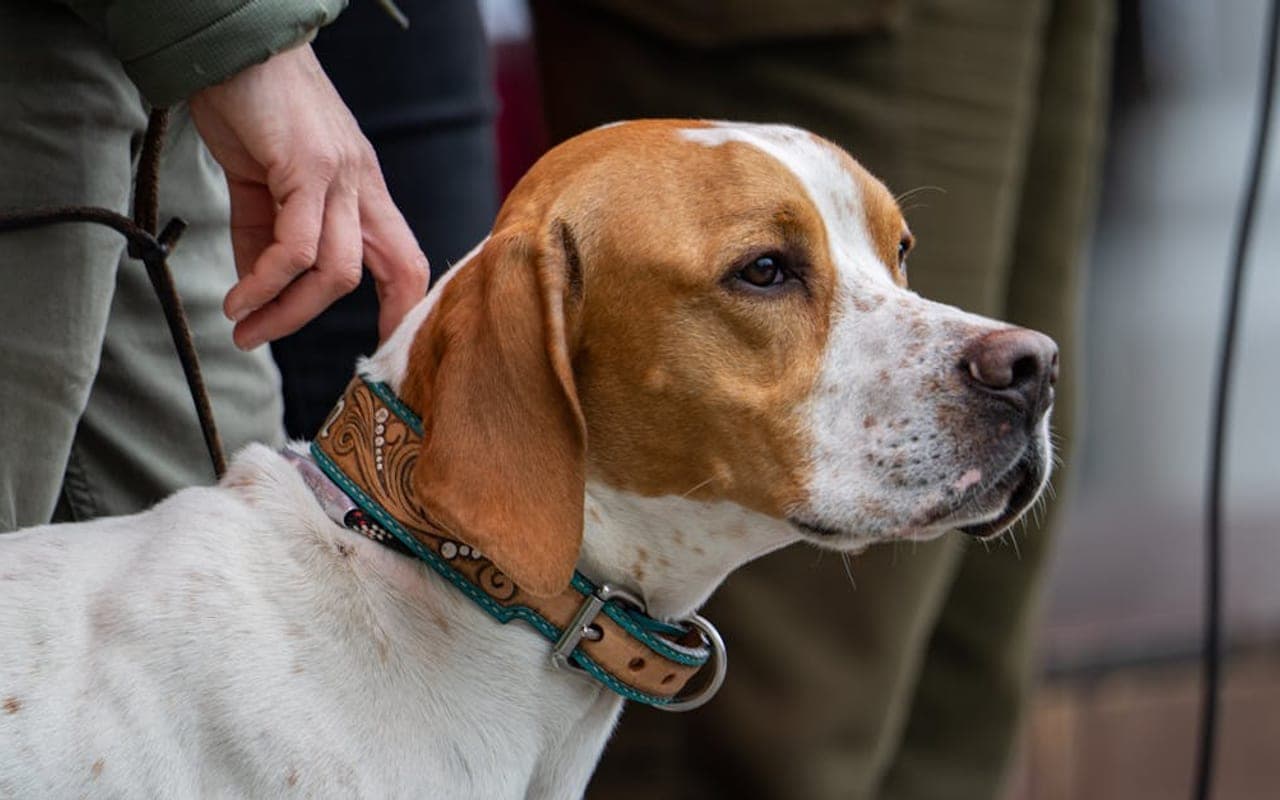
Portuguese Pointer
Also in the Foundation Stock Service group, with different care and temperament tradeoffs.
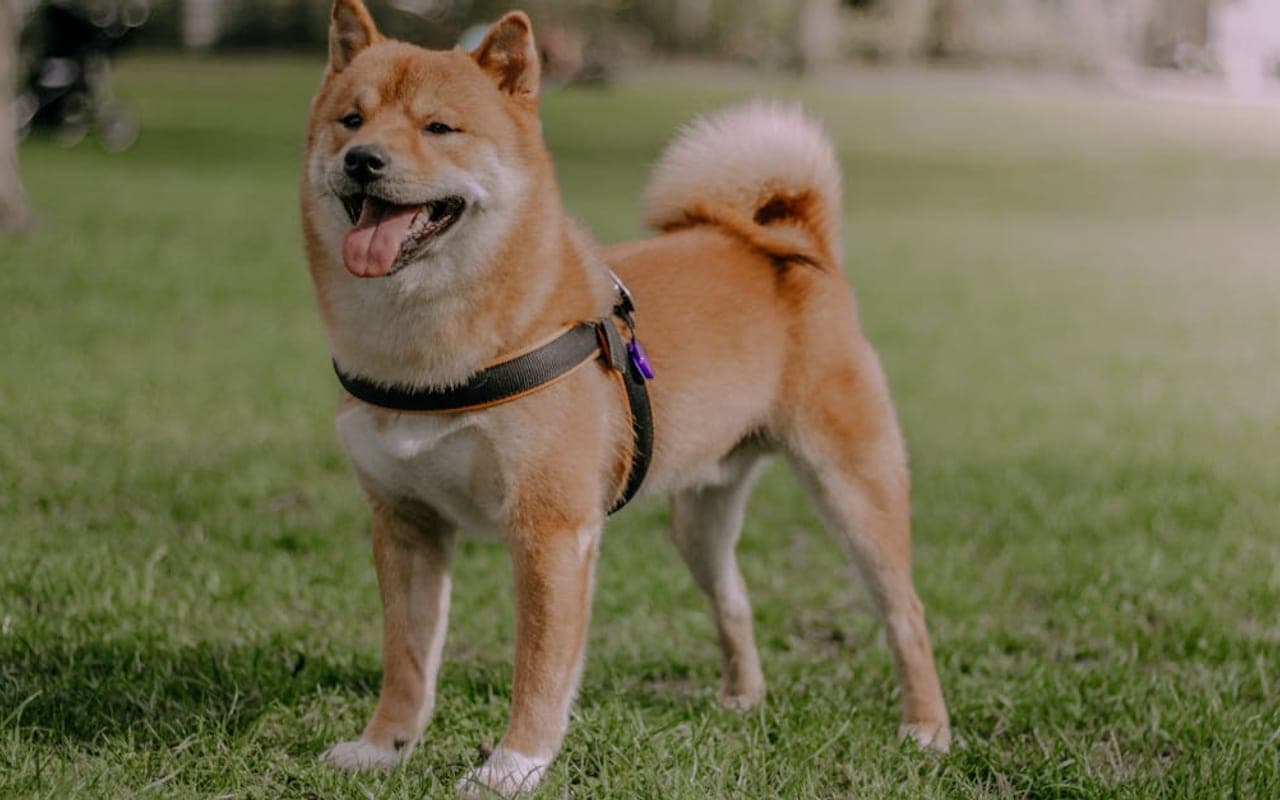
Kishu Ken
Also in the Foundation Stock Service group, with different care and temperament tradeoffs.
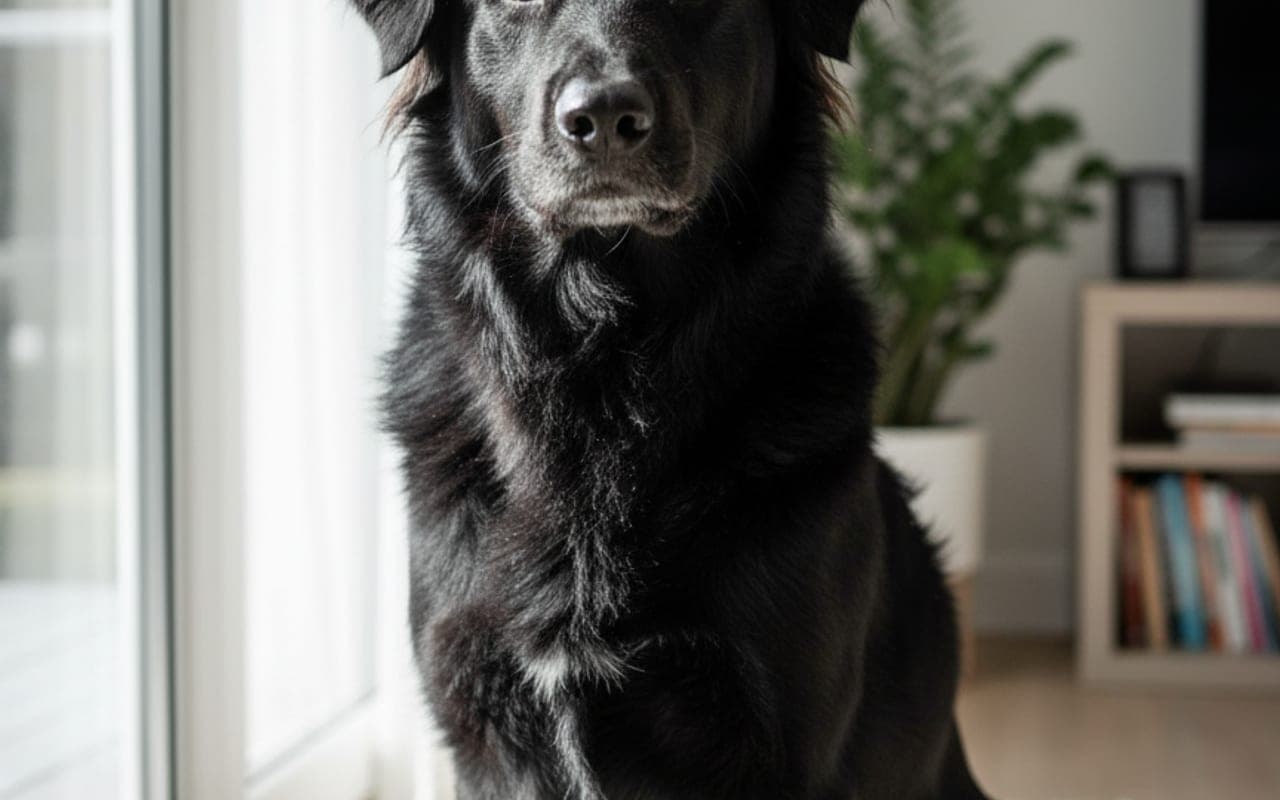
Romanian Carpathian Shepherd
Also in the Foundation Stock Service group, with different care and temperament tradeoffs.
Explore More About Jindo
Dive deeper into everything Jindo — costs, care, and expert insights.
Considering a cat instead?
Browse Cats