
Working group
Komondor
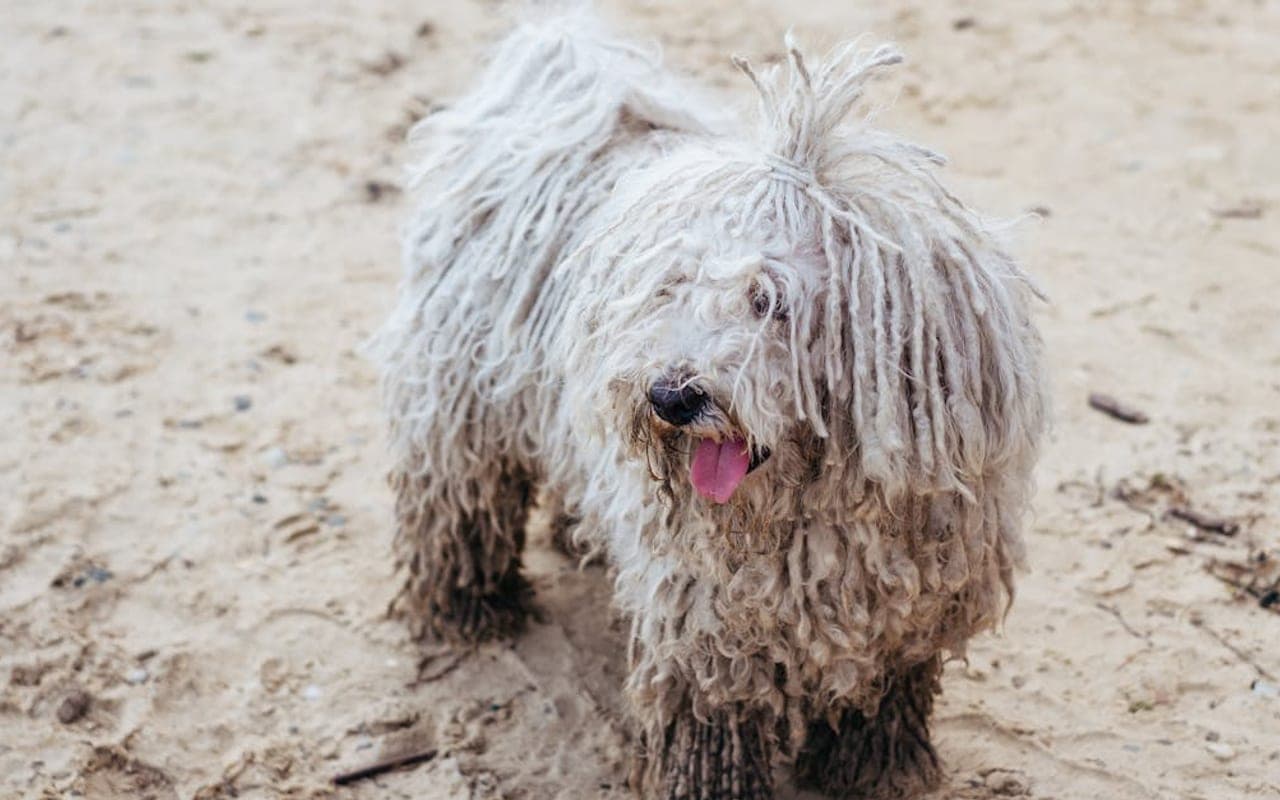
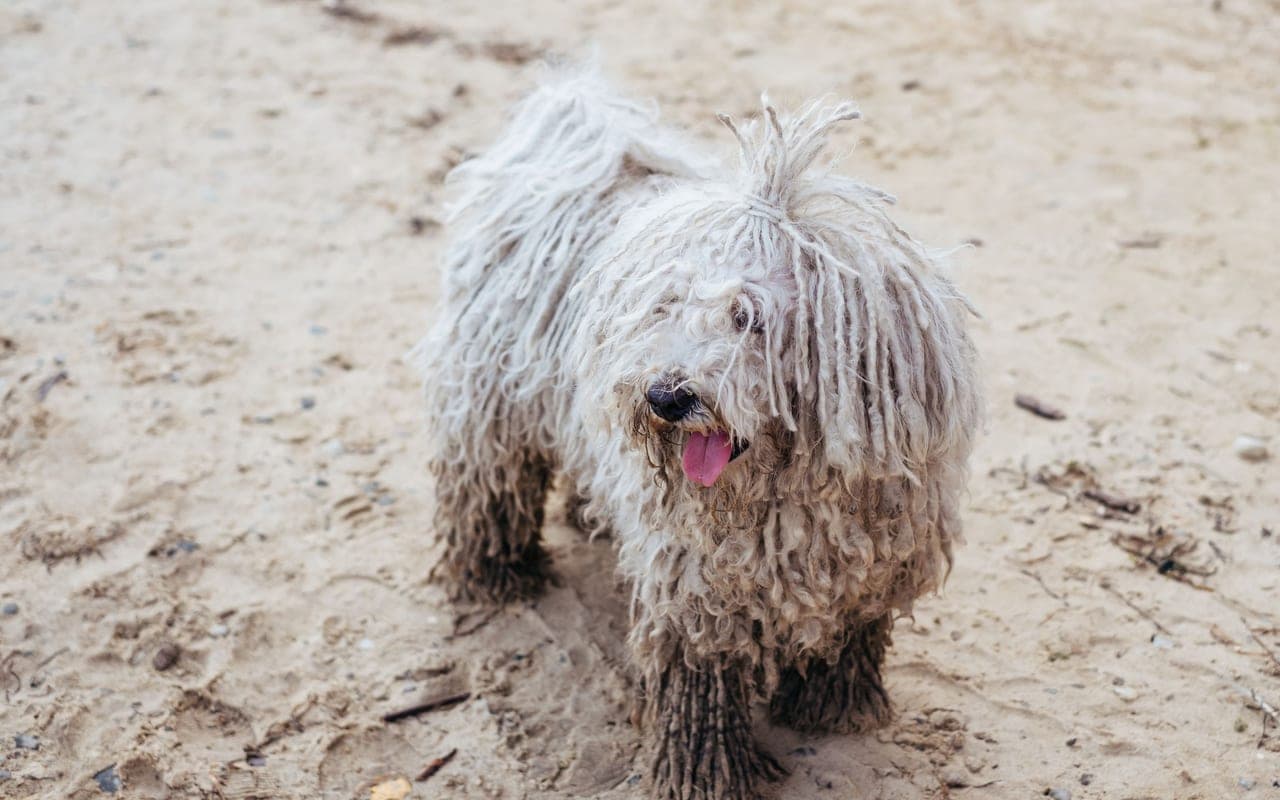
The Komondor is a large Hungarian livestock guardian — males commonly stand over 27 inches and weigh 100 to 130+ pounds, females somewhat smaller — instantly recognizable for the corded white coat that mimics a sheep's fleece so the dog could hide among the flock it protected.
Size
80-130 lb
Lifespan
10-12 years
Exercise
30-60 minutes
Shedding
Moderate
Experience
Match to owner routine
Decision first
Is a Komondor right for you?
Start with fit before history or trivia. These are ownership signals, not guarantees about any individual dog.
Best suited for
- Households with children.
- Homes with other compatible pets.
- Apartment homes with a consistent routine.
- Owners seeking a manageable daily exercise routine.
Think carefully if
- You need a dog with almost no daily routine.
- You cannot keep up with grooming and preventive care.
- The dog will spend most days alone without support.
Conditional fit
Apartment fit depends on exercise, enrichment, noise management, and outdoor access.
Daily reality
Komondor commitment snapshot
Daily exercise
30-60 minutes
Match activity to age, health, weather, and training goals.
Coat care
Low
Grooming needs vary by coat, shedding, and lifestyle.
Time alone
Needs planning
Most dogs need gradual alone-time conditioning and support.
Structured facts
Komondor at a glance
The measurements and traits that most affect day-to-day life with this breed.
Group
Working
Weight
80-130 lb
Height
26-31 in
Lifespan
10-12 years
Temperament
Loyal | Dignified | Brave
View all characteristics and methodology
Lifestyle fit
- Apartment suitability
- Likely fit
- Child friendliness
- Often good, with socialisation and supervision
- Other-pet fit
- Often compatible with careful introductions
Owner commitment
- Exercise
- 30-60 minutes
- Grooming
- Low
- Shedding
- Moderate
- Training
- Moderate
Environment and health
- Health risk
- Needs planning
Ratings combine structured breed data, visible breed fields, and editorial context. They are planning aids, not predictions for an individual dog.
Daily life
Komondor temperament and behavior
The Komondor is a large Hungarian livestock guardian — males commonly stand over 27 inches and weigh 100 to 130+ pounds, females somewhat smaller — instantly recognizable for the corded white coat that mimics a sheep's fleece so the dog could hide among the flock it protected. The corded coat is not a styling gimmick; it is the breed's defining ownership commitment and the single thing most prospective owners drastically underestimate. Understand the temperament first, the coat second. The Komondor was bred to live with livestock and make independent guarding decisions without a handler — to assess a threat and act on its own. That produces a dog that is devoted, calm, and gentle with its family but inherently territorial, suspicious of strangers and strange dogs, and not biddable in the obedience sense. It does not "obey" so much as decide. In the wrong hands — an inexperienced owner, no early socialization, no secure fencing — that guardian wiring becomes a serious liability with a 100-pound dog. The coat: the soft puppy coat begins forming cords around 8 to 12 months, and from then the owner spends years separating cords by hand. An adult Komondor is never brushed; the cords are split, kept clean, and dried slowly and thoroughly after every bath (a full bath-and-dry can take a day or more, because trapped damp causes skin disease and a sour odor). This is a lifelong, hours-per-month job, and grooming a neglected Komondor often means shaving the entire coat off. Who the Komondor is right for: an experienced owner with property and secure fencing who wants a serious livestock or property guardian, will socialize heavily from puppyhood, and accepts the coat as a years-long commitment. Who it is wrong for: first-time owners, apartment or small-yard homes, anyone wanting an obedient or stranger-friendly dog, and anyone who hears "low-shedding" and thinks low-effort — the opposite is true.
Loyal | Dignified | Brave
Loyal
A common Komondor temperament descriptor that should be interpreted alongside training, exercise, and household fit.
Dignified
A common Komondor temperament descriptor that should be interpreted alongside training, exercise, and household fit.
Brave
A common Komondor temperament descriptor that should be interpreted alongside training, exercise, and household fit.
Owner note
Temperament labels are starting points, not guarantees. Meet the individual dog and ask about behavior history whenever possible.
Care essentials
How to care for a Komondor
What looking after one actually involves: exercise, grooming, food, training, and routine health.
ExerciseAs needed
- Moderately active breed needing 30-60 minutes of daily exercise through walks, play, and mental stimulation.
GroomingAs needed
- Low-maintenance coat requiring weekly brushing and occasional bathing.
TrainingAs needed
- Moderately trainable — consistent, patient training with positive methods works best.
NutritionAs needed
- Feed a high-quality dog food appropriate for their age, size, and activity level. Monitor portions to prevent obesity.
Veterinary CareAs needed
- Annual wellness exams, core vaccinations, dental care, and parasite prevention. Breed-specific health screenings as recommended by your vet.
Health planning
Komondor health risks and screening
Every breed has individual health variation. Use this profile for planning and discuss medical decisions with a veterinarian.
Responsible ownership
Finding a Komondor responsibly
What to ask a breeder or rescue is the same conversation for every breed, so we keep it in one place and keep it current.
Health documentation, meeting the parents or foster, contracts and return support, and the warning signs worth walking away from.
Original purpose
Komondor history
History is useful when it explains today's behavior, coat, exercise needs, and training style.
Read the breed history
The Komondor is an ancient Hungarian livestock guardian, brought to the Carpathian Basin by the Cumans (a Turkic people) roughly a thousand years ago, where it was used to guard sheep and cattle against wolves and human thieves on the Hungarian plains. The corded white coat is a functional adaptation: it let the dog blend visually into the flock and gave physical protection against predator bites and harsh weather while the dog lived outdoors with livestock year-round. For centuries it worked independently, without a shepherd directing it moment to moment — the origin of its self-reliant, decision-making temperament. The breed was nearly destroyed in World War II, when many were killed defending Hungarian farms, and was rebuilt from a reduced population afterward. That bottleneck, plus its giant size and guardian function, is why responsible modern breeding emphasizes hip, eye, and temperament screening.
Gallery
Komondor photos
Images are cropped consistently and loaded progressively to keep the page responsive.
Lower-page context
Komondors in culture
Where the breed shows up in film, sport, work and folklore — the enjoyable part, once the practical questions are answered.
Fun facts
- The Komondor belongs to the Working Group.
- The average lifespan of a Komondor is 10 to 12 years.
- Komondor dogs are valued for their loyal, dignified, brave nature.
Komondor FAQs
How long do Komondors live?
A healthy Komondor typically lives 10 to 12 years, which is normal for a giant breed — large dogs are shorter-lived than small ones. Lifespan is most affected by joint health and bloat: keeping a giant-breed puppy growing slowly and lean protects the hips, and disciplined feeding plus considering prophylactic gastropexy addresses the deep-chest GDV risk that can end a Komondor's life in a single afternoon.
How much work is the Komondor's corded coat?
A lot, for the dog's entire life. Cords start forming around 8 to 12 months and must then be separated by hand at the roots regularly so they do not fuse into solid mats. The dog is never brushed. The hardest part is drying: a full bath-and-dry can take many hours to a day, and incomplete drying causes skin infection and a strong odor. Owners who fall behind end up shaving the coat off entirely.
Are Komondors good for first-time dog owners?
No. The Komondor is a large, independent livestock guardian bred to make protective decisions without a handler — it is territorial, suspicious of strangers, not biddable in the obedience sense, and 100+ pounds. Without an experienced owner, early heavy socialization, and secure fencing, the guarding instinct becomes a genuine liability. This breed suits people with guardian-breed experience and property, not first-time owners or apartment homes.
Are Komondors good with children and other animals?
With their own family and the livestock or pets they are raised to guard, Komondors are typically gentle, calm, and protective. The caution is outward-facing: they are instinctively wary of strange children, strange dogs, and visitors, and a guardian breed may misread rough play or an unfamiliar child as a threat. Heavy early socialization and constant supervision around non-family children are essential — this is a protector, not a casual family pet.
How much exercise does a Komondor need?
Moderate, not high. As a livestock guardian, the Komondor conserves energy and patrols rather than runs for hours. Daily walks plus secure space to move and survey its territory are enough. Over-exercising a fast-growing giant-breed puppy actively harms developing joints, so keep young dogs' activity controlled until growth plates close. Mental security from a stable routine and territory matters more to this breed than high-intensity exercise.
Why does my Komondor smell, and is shaving the coat okay?
A sour smell almost always means moisture or debris trapped in the cords — most often from incomplete drying after a bath, which also causes skin infection. The fix is rigorous coat hygiene and very thorough, slow drying, not masking the odor. Shaving is an acceptable last resort if the coat is severely neglected or for a senior dog whose owner can no longer maintain it; it is not cruel, but it should be a deliberate decision, not the result of letting cord care lapse.
Sources
These are the published sources this page draws on. Each opens in a new tab so you can check it yourself.
American Kennel Club
Komondor — breed standard and profile(opens in a new tab)Supports: Breed standard and recognition details.
Similar breeds to consider
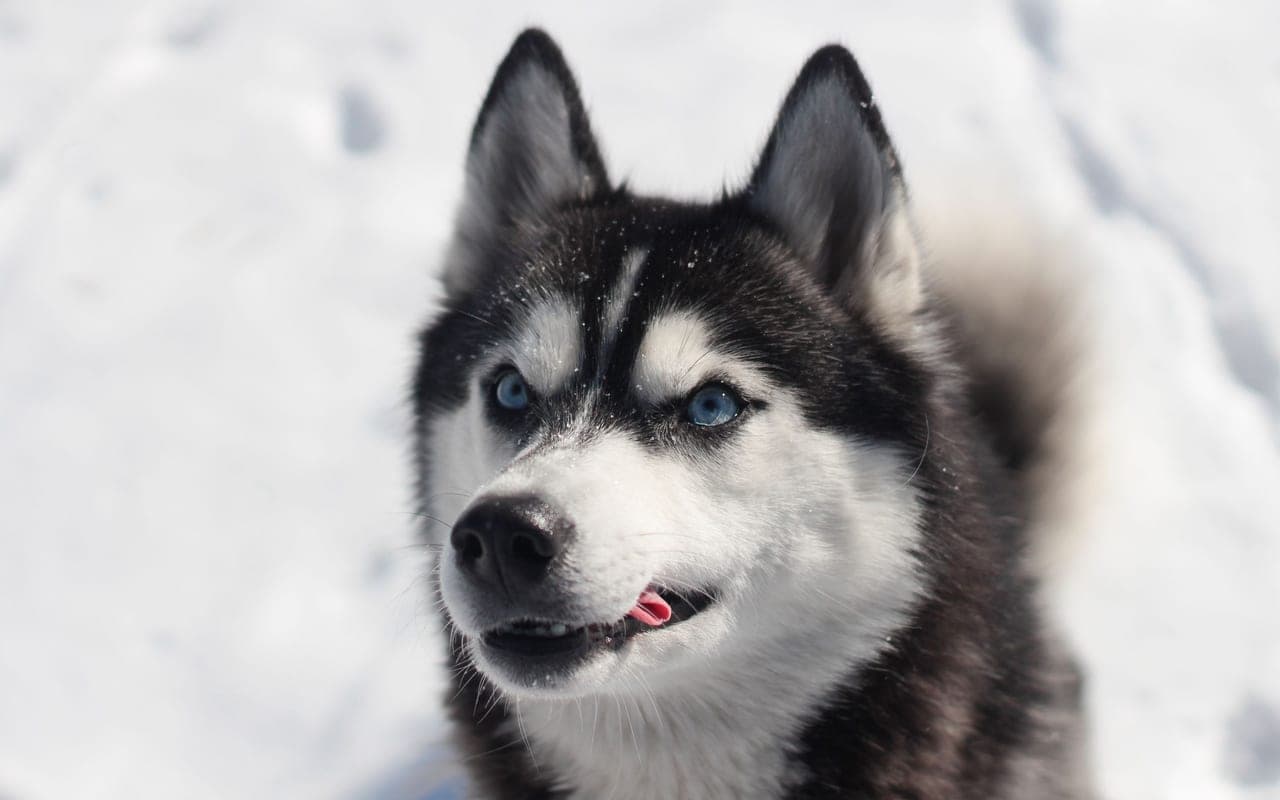
Siberian Husky
Also in the Working group, with different care and temperament tradeoffs.
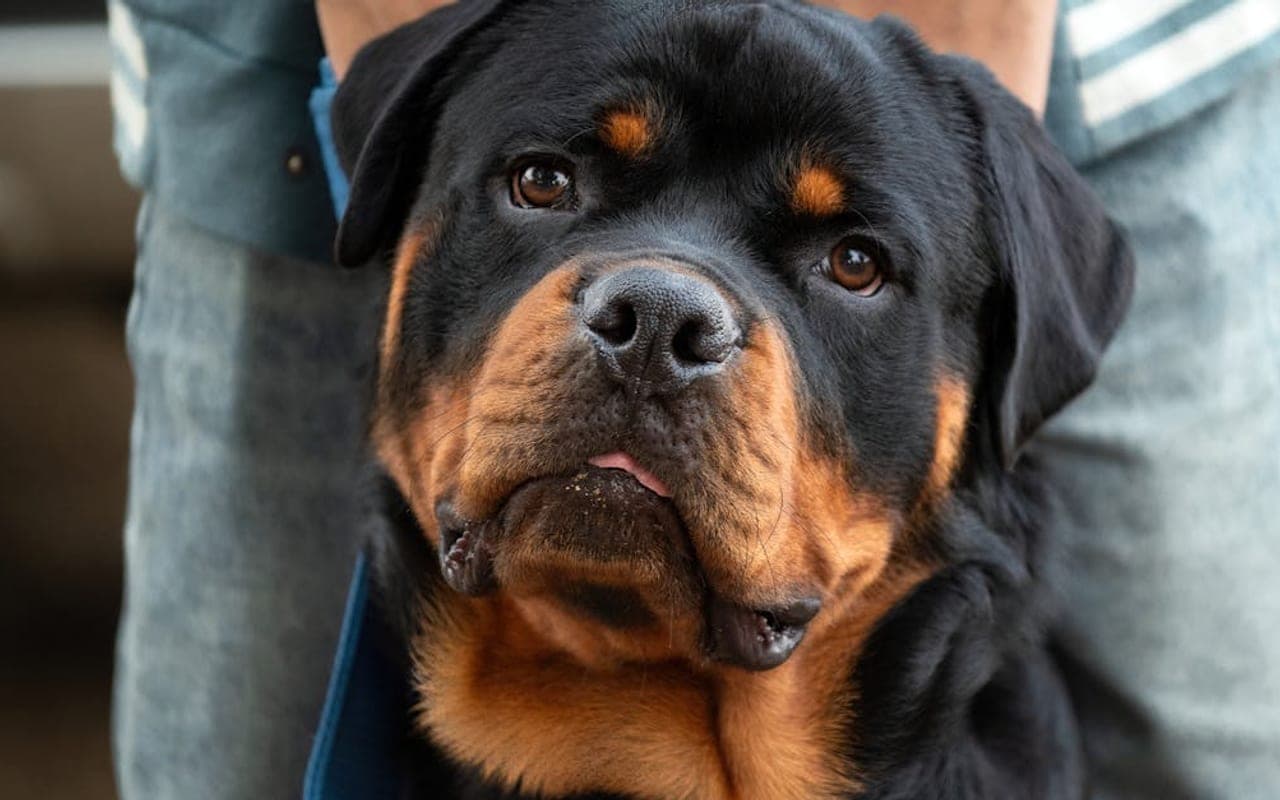
Rottweiler
Also in the Working group, with different care and temperament tradeoffs.
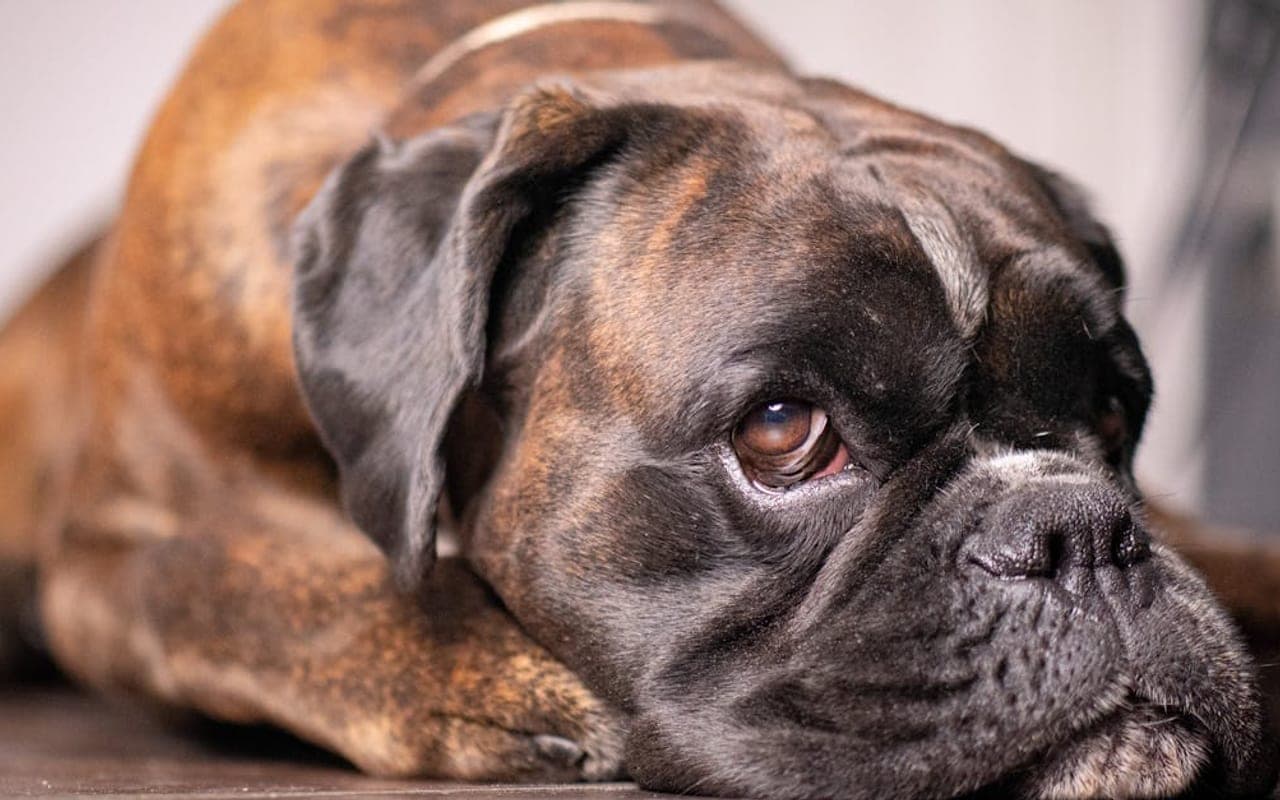
Boxer
Also in the Working group, with different care and temperament tradeoffs.
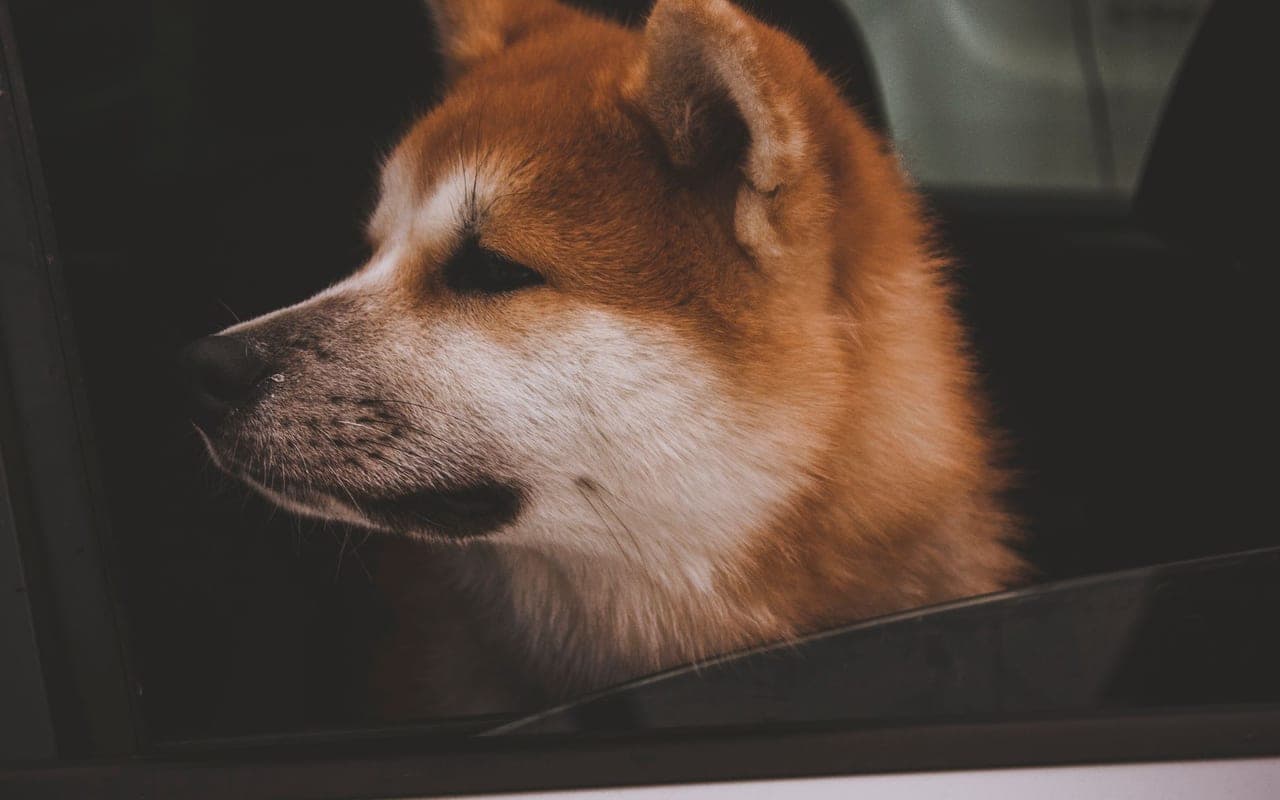
Akita
Also in the Working group, with different care and temperament tradeoffs.
Explore More About Komondor
Dive deeper into everything Komondor — costs, care, and expert insights.
Considering a cat instead?
Browse Cats