
Working group
Kuvasz
The Kuvasz is a Hungarian livestock guardian dog, and the honest version of this breed profile leads with a warning, not a welcome: this is one of the most challenging large breeds a typical owner can take on.
Size
71-115 lb
Lifespan
10-12 years
Exercise
30-60 minutes
Shedding
Moderate
Experience
Match to owner routine
Decision first
Is a Kuvasz right for you?
Start with fit before history or trivia. These are ownership signals, not guarantees about any individual dog.
Best suited for
- Households with children.
- Homes with other compatible pets.
- Apartment homes with a consistent routine.
- Owners seeking a manageable daily exercise routine.
Think carefully if
- You need a dog with almost no daily routine.
- You cannot keep up with grooming and preventive care.
- The dog will spend most days alone without support.
Conditional fit
Apartment fit depends on exercise, enrichment, noise management, and outdoor access.
Daily reality
Kuvasz commitment snapshot
Daily exercise
30-60 minutes
Match activity to age, health, weather, and training goals.
Coat care
Moderate
Grooming needs vary by coat, shedding, and lifestyle.
Time alone
Needs planning
Most dogs need gradual alone-time conditioning and support.
Structured facts
Kuvasz at a glance
The measurements and traits that most affect day-to-day life with this breed.
Group
Working
Weight
71-115 lb
Height
26-30 in
Lifespan
10-12 years
Temperament
Loyal | Fearless | Sweet
View all characteristics and methodology
Lifestyle fit
- Apartment suitability
- Likely fit
- Child friendliness
- Often good, with socialisation and supervision
- Other-pet fit
- Often compatible with careful introductions
Owner commitment
- Exercise
- 30-60 minutes
- Grooming
- Moderate
- Shedding
- Moderate
- Training
- Moderate
Environment and health
- Health risk
- Needs planning
Ratings combine structured breed data, visible breed fields, and editorial context. They are planning aids, not predictions for an individual dog.
Daily life
Kuvasz temperament and behavior
The Kuvasz is a Hungarian livestock guardian dog, and the honest version of this breed profile leads with a warning, not a welcome: this is one of the most challenging large breeds a typical owner can take on. A Kuvasz stands 26-30 inches and weighs roughly 70-115 pounds, with a thick white double coat and a guardian's wiring. It was bred for centuries to think independently, make its own decisions about threats, and protect flocks without a handler standing over it. That independence is not a defect to train away; it is the breed, and it is exactly what makes the Kuvasz unsuitable for most homes. A well-raised Kuvasz is profoundly loyal, gentle and devoted to its own family, calm in the house, and seriously protective. But the same dog is naturally suspicious of strangers, territorial, slow to obey commands it does not see the point of, and capable of acting on its own judgment with 100-plus pounds of conviction. Early, extensive, lifelong socialization is not optional — it is the difference between a confident guardian and a dangerous liability. Kuvaszok are also slow to mature, often not mentally adult until 2.5-3 years, and they bark, dig, and patrol. Who the Kuvasz is right for: an experienced large-breed owner with secure fenced acreage, a genuine guarding need, time for years of socialization and training, and tolerance for an independent dog that will not be a flashy obedience performer. Who it is wrong for: first-time owners, apartment or small-yard living, families wanting a biddable companion, anyone who travels with the dog frequently or hosts often, and anyone unprepared for the bloat, joint and growth costs of a giant breed. Buy only from a breeder who screens hips, elbows and thyroid — and be more honest with yourself about your lifestyle than the breed's beauty invites you to be.
Loyal | Fearless | Sweet
Loyal
A common Kuvasz temperament descriptor that should be interpreted alongside training, exercise, and household fit.
Fearless
A common Kuvasz temperament descriptor that should be interpreted alongside training, exercise, and household fit.
Sweet
A common Kuvasz temperament descriptor that should be interpreted alongside training, exercise, and household fit.
Owner note
Temperament labels are starting points, not guarantees. Meet the individual dog and ask about behavior history whenever possible.
Care essentials
How to care for a Kuvasz
What looking after one actually involves: exercise, grooming, food, training, and routine health.
ExerciseAs needed
- Moderately active breed needing 30-60 minutes of daily exercise through walks, play, and mental stimulation.
GroomingAs needed
- Regular grooming needed — brush 2-3 times per week and bathe monthly.
TrainingAs needed
- Moderately trainable — consistent, patient training with positive methods works best.
NutritionAs needed
- Feed a high-quality dog food appropriate for their age, size, and activity level. Monitor portions to prevent obesity.
Veterinary CareAs needed
- Annual wellness exams, core vaccinations, dental care, and parasite prevention. Breed-specific health screenings as recommended by your vet.
Health planning
Kuvasz health risks and screening
Every breed has individual health variation. Use this profile for planning and discuss medical decisions with a veterinarian.
Responsible ownership
Finding a Kuvasz responsibly
What to ask a breeder or rescue is the same conversation for every breed, so we keep it in one place and keep it current.
Health documentation, meeting the parents or foster, contracts and return support, and the warning signs worth walking away from.
Original purpose
Kuvasz history
History is useful when it explains today's behavior, coat, exercise needs, and training style.
Read the breed history
The Kuvasz is an ancient Hungarian livestock guardian whose ancestors are thought to have arrived in the Carpathian Basin with the Magyars and earlier nomadic peoples over a thousand years ago. For most of its history it worked as a flock and estate guardian, living among sheep and cattle and defending them from wolves and human thieves with minimal human direction — the source of the breed's deep independence and decision-making instinct. By the 15th century the Kuvasz had also become a prized guardian and hunting companion of Hungarian royalty and nobility, notably associated with King Matthias Corvinus, who reportedly trusted his Kuvaszok more than his courtiers. The breed nearly disappeared during World War II, when wartime devastation and deliberate killing of guard dogs reduced the population to a handful of dogs; it was rebuilt afterward from those survivors, which left a narrow gene pool that makes health screening especially important. That guardian heritage explains the modern dog's loyalty, suspicion of strangers, territorial drive, and resistance to rote obedience.
Gallery
Kuvasz photos
Images are cropped consistently and loaded progressively to keep the page responsive.
Lower-page context
Kuvaszs in culture
Where the breed shows up in film, sport, work and folklore — the enjoyable part, once the practical questions are answered.
Fun facts
- The Kuvasz belongs to the Working Group.
- The average lifespan of a Kuvasz is 10 to 12 years.
- Kuvasz dogs are valued for their loyal, fearless, sweet nature.
Kuvasz FAQs
How long do Kuvasz dogs live?
A Kuvasz typically lives 10-12 years, which is reasonable for a giant breed. Lifespan is most affected by orthopedic health, weight control and avoiding bloat. Keeping the dog lean throughout life protects the hips and reduces cruciate injuries, screened parents lower inherited joint risk, and feeding discipline around meals reduces the GDV risk that is the most acutely lethal threat. Well-managed dogs from screened lines reach the top of that range.
Are Kuvasz dogs good with children?
With their own family's children, a well-socialized Kuvasz is typically gentle and protective. The serious caveats are size and guardian instinct: a 100-pound dog can injure a small child unintentionally, and the breed's protectiveness can misread rough play between its child and a visiting child as a threat. Supervision is mandatory, early and ongoing socialization is essential, and the breed is not recommended for homes with a steady stream of unfamiliar children unless extensively managed.
Is a Kuvasz a good dog for a first-time owner?
No. The Kuvasz is widely considered one of the more challenging breeds for inexperienced owners. It is large, independent, territorial, suspicious of strangers, slow to mature, and resistant to rote obedience — a combination that punishes inconsistent or naive handling and can produce a fearful or over-reactive guardian. It needs secure space, years of structured socialization, and an owner who understands livestock-guardian temperament. First-time owners are far better served by a more biddable breed.
How much exercise does a Kuvasz need?
Moderate for its size — about 45-60 minutes of walking daily plus secure space to patrol and self-occupy. The Kuvasz is a working guardian, not an endurance athlete, so it does not need a runner's regimen, but it does need a job-like routine and territory; a bored, confined Kuvasz digs, barks and becomes destructive. Avoid forced repetitive impact exercise on growing puppies to protect immature joints, since the breed is prone to developmental orthopedic disease.
Do Kuvasz dogs need a lot of grooming?
Moderate. The white double coat needs brushing about once a week to manage loose hair and prevent matting, increasing to several times a week during the heavy seasonal sheds in spring and autumn, when the breed sheds substantially. Bathe only as needed; the coat is fairly dirt-shedding. Expect white hair around the house, especially during coat blow, and budget time for that rather than treating it as a surprise — it is a steady, predictable cost of the breed.
What does bloat look like in a Kuvasz and why does it matter?
Bloat (gastric dilatation-volvulus) is the most acutely lethal risk in this deep-chested breed. Warning signs are a swelling or hard abdomen, repeated unproductive retching, heavy drooling, restlessness or pacing, and rapid decline into shock — often within an hour or two. It is a surgical emergency where minutes count, so go to a vet immediately rather than waiting. Feeding two measured meals with rest before and after eating reduces risk, and a prophylactic gastropexy is worth discussing.
Sources
These are the published sources this page draws on. Each opens in a new tab so you can check it yourself.
American Kennel Club
Kuvasz — breed standard and profile(opens in a new tab)Supports: Breed standard and recognition details.
Similar breeds to consider
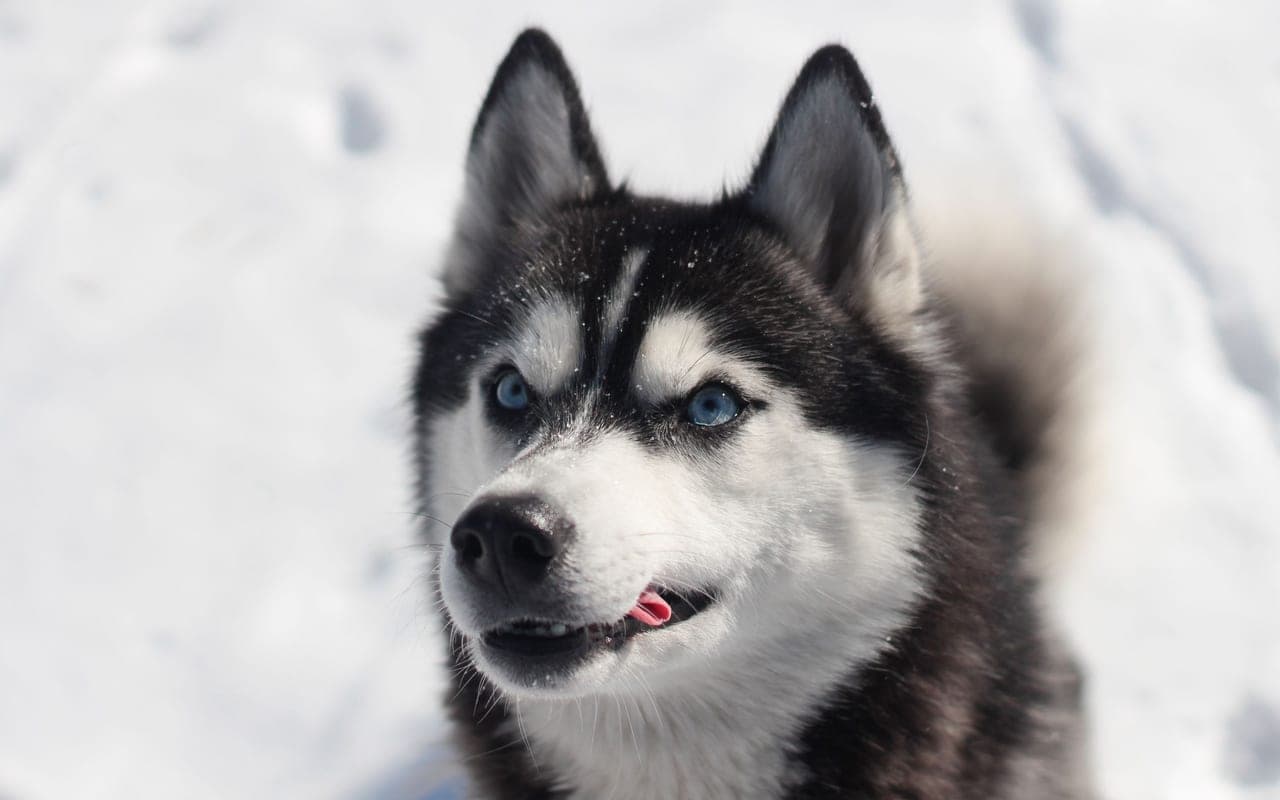
Siberian Husky
Also in the Working group, with different care and temperament tradeoffs.
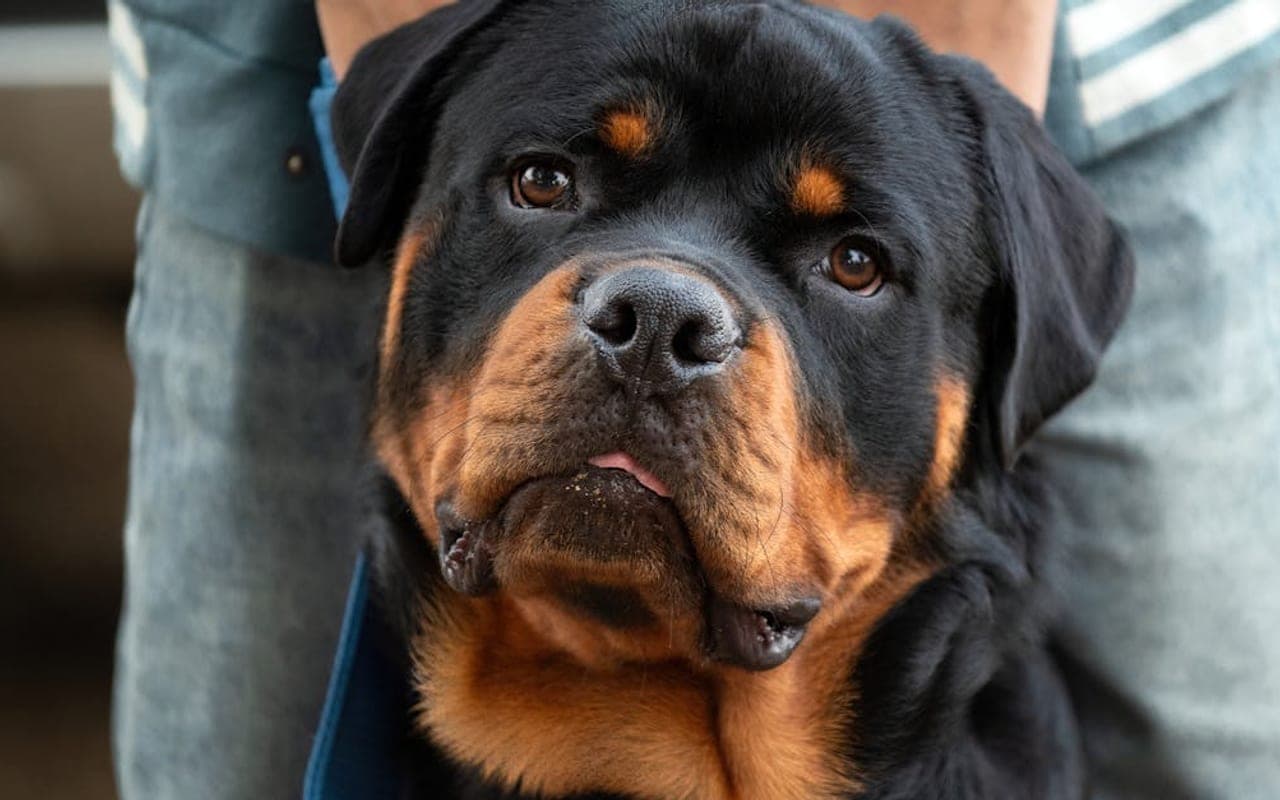
Rottweiler
Also in the Working group, with different care and temperament tradeoffs.
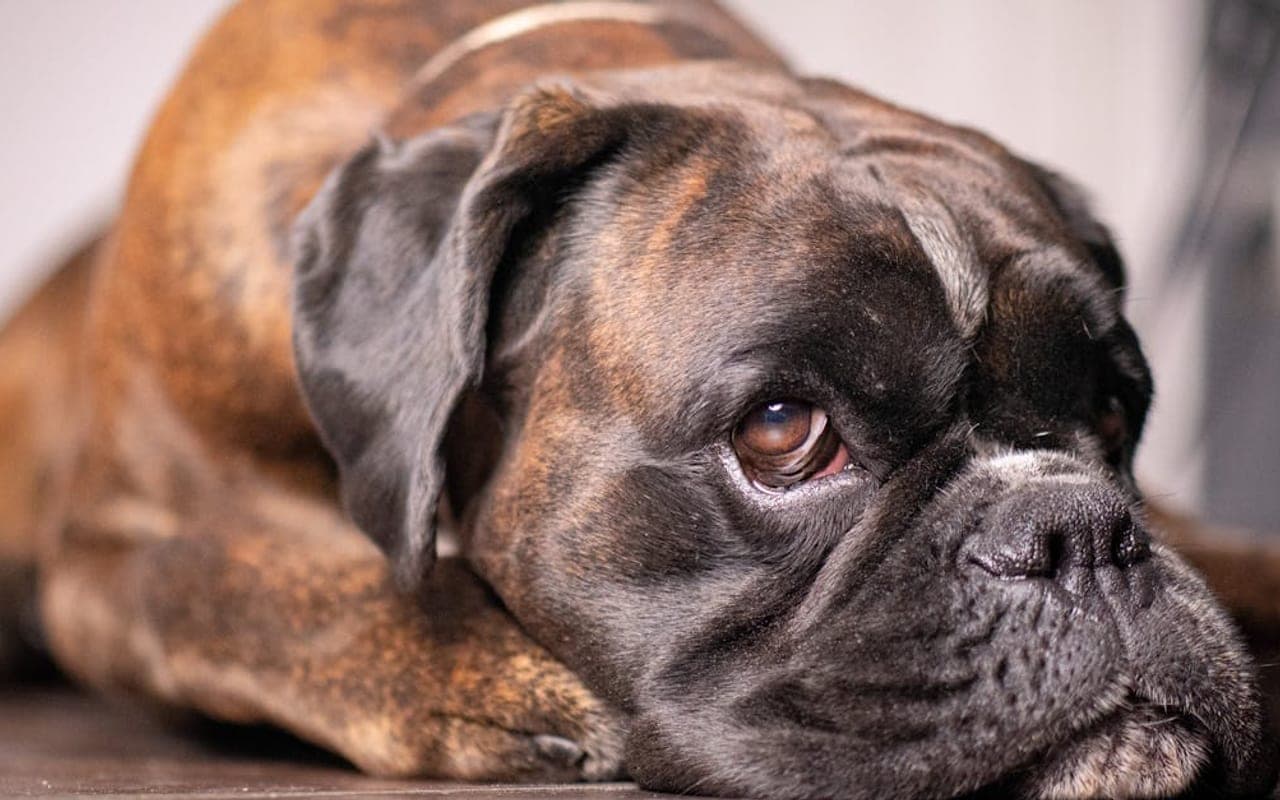
Boxer
Also in the Working group, with different care and temperament tradeoffs.
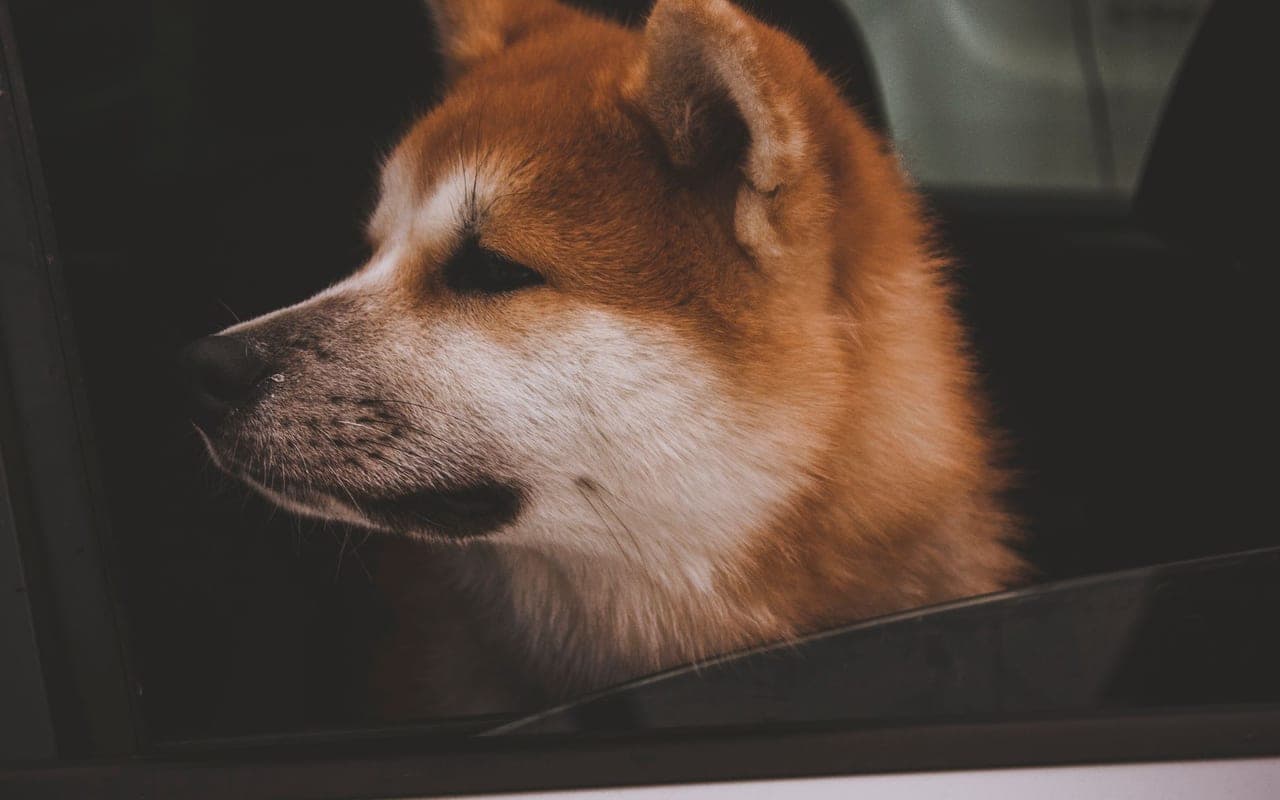
Akita
Also in the Working group, with different care and temperament tradeoffs.
Explore More About Kuvasz
Dive deeper into everything Kuvasz — costs, care, and expert insights.
Large Dog Care Guide: Everything Over 50 lbs
Owning a large or giant breed dog means accepting one of biology's...
Puppy Teething & Biting: Timeline and What Actually Works
A puppy has all 28 deciduous ("baby") teeth by roughly eight weeks of age, and...
Considering a cat instead?
Browse Cats