
Foundation Stock Service group
Lapponian Herder
The Lapponian Herder (Lapinporokoira) is a working reindeer dog from Finnish Lapland, and that single fact predicts almost everything an owner needs to know.
Size
60-66 lb
Lifespan
10-14 years
Exercise
30-60 minutes
Shedding
Moderate
Experience
Match to owner routine
Decision first
Is a Lapponian Herder right for you?
Start with fit before history or trivia. These are ownership signals, not guarantees about any individual dog.
Best suited for
- Households with children.
- Homes with other compatible pets.
- Apartment homes with a consistent routine.
- Owners seeking a manageable daily exercise routine.
Think carefully if
- You need a dog with almost no daily routine.
- You cannot keep up with grooming and preventive care.
- The dog will spend most days alone without support.
Conditional fit
Apartment fit depends on exercise, enrichment, noise management, and outdoor access.
Daily reality
Lapponian Herder commitment snapshot
Daily exercise
30-60 minutes
Match activity to age, health, weather, and training goals.
Coat care
Moderate
Grooming needs vary by coat, shedding, and lifestyle.
Time alone
Needs planning
Most dogs need gradual alone-time conditioning and support.
Structured facts
Lapponian Herder at a glance
The measurements and traits that most affect day-to-day life with this breed.
Group
Foundation Stock Service
Weight
60-66 lb
Height
17-21 in
Lifespan
10-14 years
Temperament
Friendly | Energetic | Intelligent
View all characteristics and methodology
Lifestyle fit
- Apartment suitability
- Likely fit
- Child friendliness
- Often good, with socialisation and supervision
- Other-pet fit
- Often compatible with careful introductions
Owner commitment
- Exercise
- 30-60 minutes
- Grooming
- Moderate
- Shedding
- Moderate
- Training
- Low
Environment and health
- Health risk
- Needs planning
Ratings combine structured breed data, visible breed fields, and editorial context. They are planning aids, not predictions for an individual dog.
Daily life
Lapponian Herder temperament and behavior
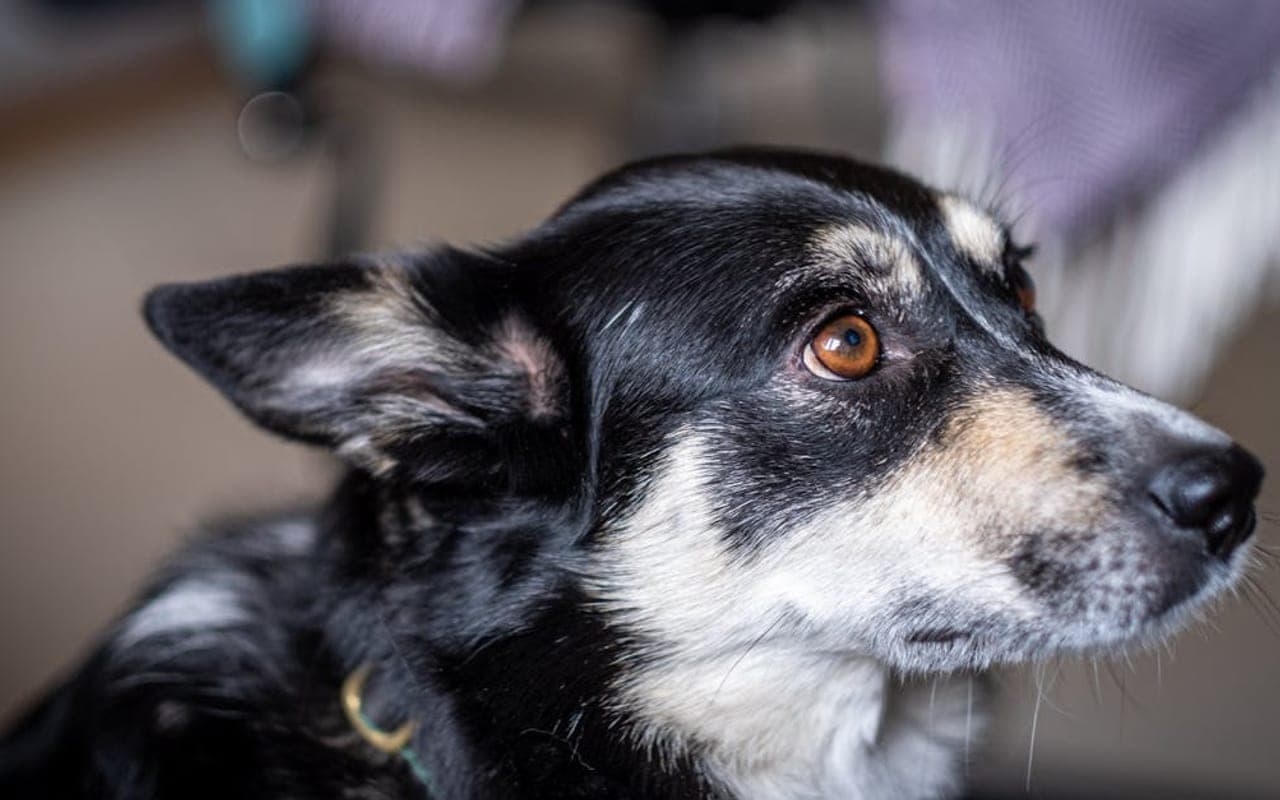
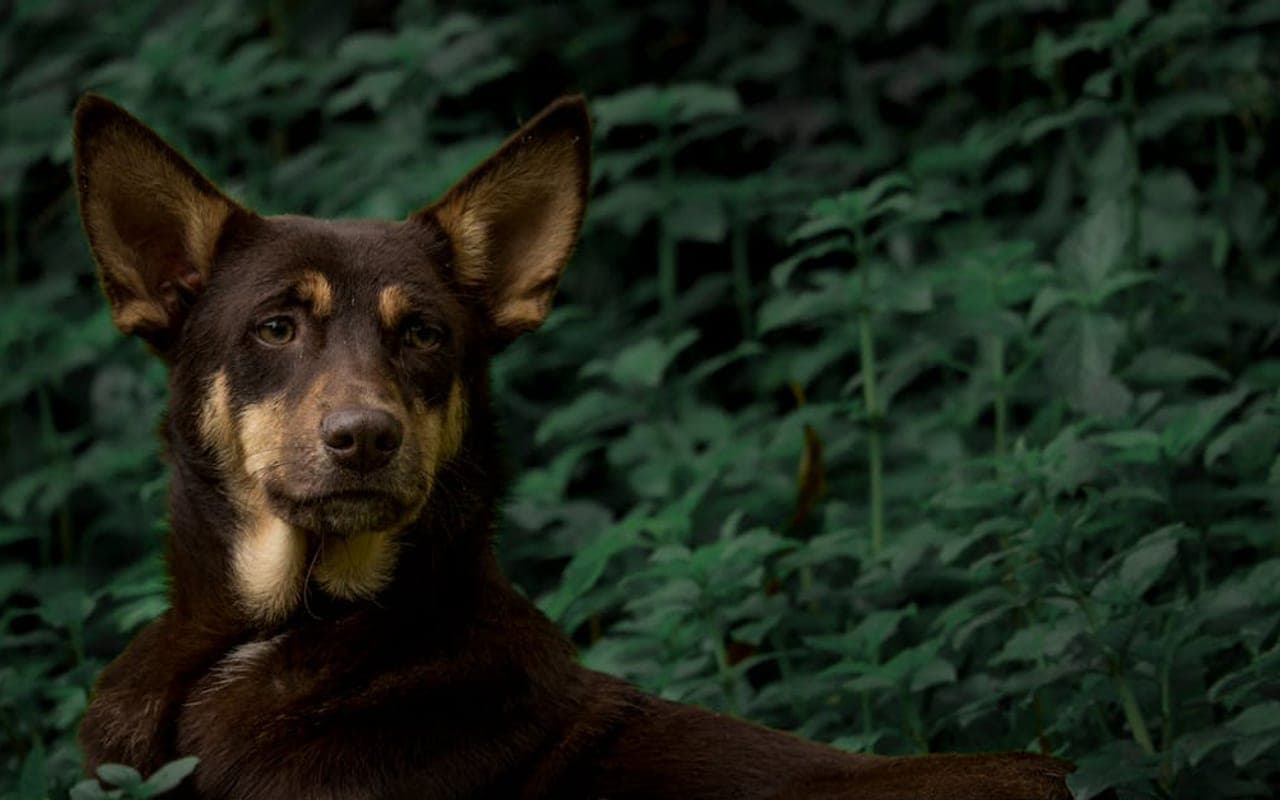
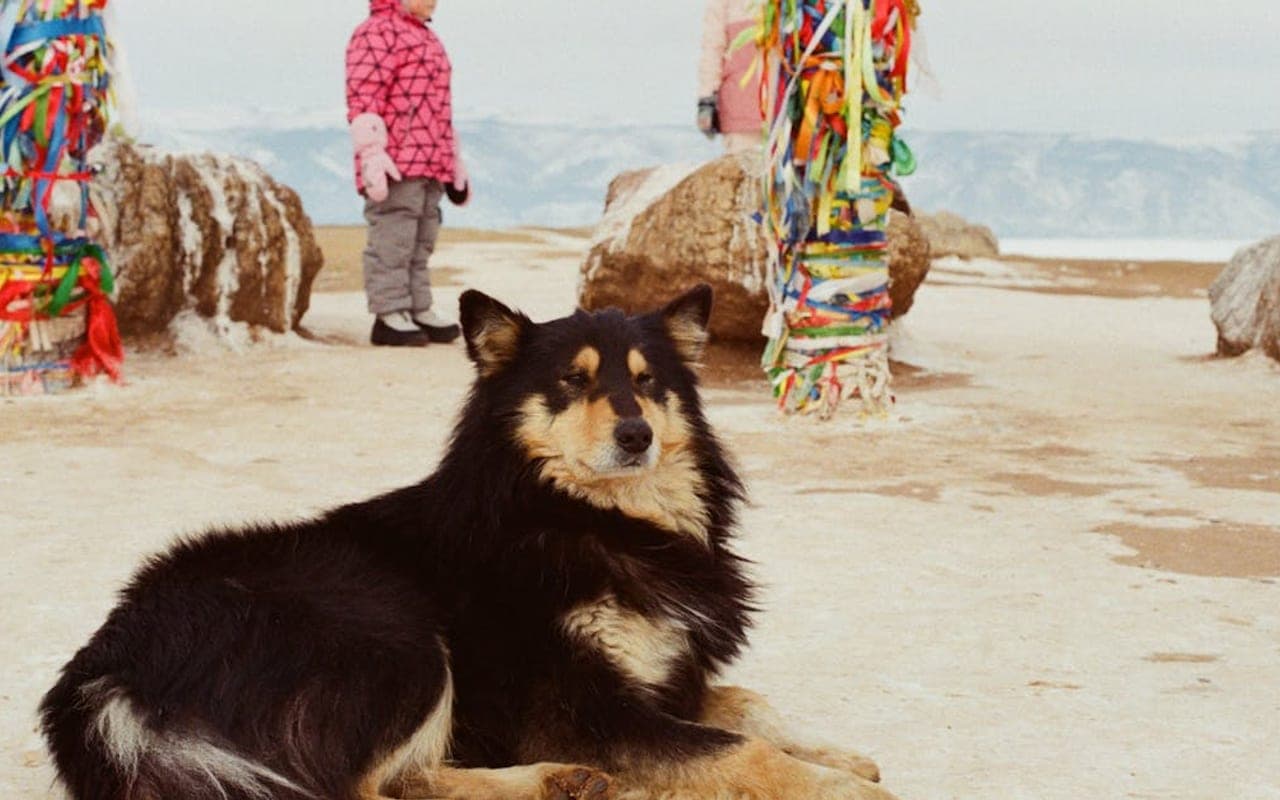
The Lapponian Herder (Lapinporokoira) is a working reindeer dog from Finnish Lapland, and that single fact predicts almost everything an owner needs to know. This is not a couch breed wearing a herding label — it was bred by the Sámi to move and control semi-wild reindeer across open Arctic terrain, in cold, for long shifts, while barking. The barking is not a bug; it is the herding method. Physically the Lapponian Herder is a medium, athletic spitz-type herder: roughly 46-55 cm at the shoulder and about 25-30 kg (around 55-65 lb), not the flat 14 kg some listings show — that number is too light for a dog of this build and is almost certainly a data error. The coat is a medium-length, weather-hard double coat, typically dark grey to black with lighter undercoat and tan or white markings. It is built for Arctic work, not show. Temperament is friendly, energetic, very intelligent, and notably independent — Sámi herding rewarded a dog that thinks and acts at distance, so this is not a dog that waits for permission. They are calm and affectionate with their own people, aloof (not aggressive) with strangers, generally good with children and other dogs when socialized, and happiest with a defined job. They are also genuinely vocal: they bark while working and will bark while "working" your yard, doorbell and squirrels if under-employed. Who the Lapponian Herder is right for: an active owner who will provide daily real exercise plus a job (herding, scent work, agility, structured obedience, canicross), tolerates an independent, talkative dog, and buys from a breeder who hip-scores and eye-tests under Finland's PEVISA scheme. Who it is wrong for: an apartment with noise limits, a sedentary household, or a first-time owner wanting instant biddability. The independence and the voice are the breed, not training failures.
Friendly | Energetic | Intelligent
Friendly
A common Lapponian Herder temperament descriptor that should be interpreted alongside training, exercise, and household fit.
Energetic
A common Lapponian Herder temperament descriptor that should be interpreted alongside training, exercise, and household fit.
Intelligent
A common Lapponian Herder temperament descriptor that should be interpreted alongside training, exercise, and household fit.
Owner note
Temperament labels are starting points, not guarantees. Meet the individual dog and ask about behavior history whenever possible.
Care essentials
How to care for a Lapponian Herder
What looking after one actually involves: exercise, grooming, food, training, and routine health.
ExerciseAs needed
- Moderately active breed needing 30-60 minutes of daily exercise through walks, play, and mental stimulation.
GroomingAs needed
- Regular grooming needed — brush 2-3 times per week and bathe monthly.
TrainingAs needed
- Independent-minded breed that may require extra patience in training. Short, engaging sessions recommended.
NutritionAs needed
- Feed a high-quality dog food appropriate for their age, size, and activity level. Monitor portions to prevent obesity.
Veterinary CareAs needed
- Annual wellness exams, core vaccinations, dental care, and parasite prevention. Breed-specific health screenings as recommended by your vet.
Health planning
Lapponian Herder health risks and screening
Every breed has individual health variation. Use this profile for planning and discuss medical decisions with a veterinarian.
Responsible ownership
Finding a Lapponian Herder responsibly
What to ask a breeder or rescue is the same conversation for every breed, so we keep it in one place and keep it current.
Health documentation, meeting the parents or foster, contracts and return support, and the warning signs worth walking away from.
Original purpose
Lapponian Herder history
History is useful when it explains today's behavior, coat, exercise needs, and training style.
Read the breed history
The Lapponian Herder, or Lapinporokoira, comes from Lapland — the Arctic regions of Finland, Sweden, Norway and the Kola Peninsula — where the Sámi people relied on it to herd and guard semi-domesticated reindeer across vast, harsh terrain. It descends from the old Lapponian Spitz landrace; as reindeer husbandry modernized, Finnish breeders separated the lines, with the longer-coated dogs becoming the Finnish Lapphund and the working herding dogs formalized as the Lapponian Herder. The Finnish Kennel Club recognized the breed in the mid-20th century, and it remains relatively rare outside the Nordic countries. That working origin still defines the dog. Centuries of selection for stamina, cold tolerance, independent decision-making at distance, and a strong herding bark produced a breed that is hardy, intelligent and self-directed rather than instantly obedient. In Finland, breeding is controlled under the PEVISA health programme, which requires hip scoring and eye testing of breeding stock for litters to be registered — a direct response to the orthopedic and ocular risks that concentrate in working spitz lines.
Gallery
Lapponian Herder photos
Images are cropped consistently and loaded progressively to keep the page responsive.
Lower-page context
Lapponian Herders in culture
Where the breed shows up in film, sport, work and folklore — the enjoyable part, once the practical questions are answered.
Fun facts
- The Lapponian Herder belongs to the Foundation Stock Service.
- The average lifespan of a Lapponian Herder is 10 to 14 years.
- Lapponian Herder dogs are valued for their friendly, energetic, intelligent nature.
Lapponian Herder FAQs
How much exercise does a Lapponian Herder really need?
Plan on 60-90+ minutes of real daily activity, and make a large share of it mental — herding, scent work, agility, canicross or structured obedience, not just a flat walk. This is a working reindeer dog bred to act independently over distance; it is not a moderate-energy pet because it is medium-sized. The most common owner mistake is under-working it and then treating the resulting fence-running, digging and constant barking as behavior problems. They are not — they are an exercise and job deficit you can prevent.
Do Lapponian Herders bark a lot?
Yes. They were bred to herd reindeer by barking, so vocalization is part of the working hardware, not a training failure. You cannot eliminate it, but you can cap nuisance barking by teaching a quiet/off-switch cue from puppyhood and meeting the dog's daily exercise and mental needs (a bored herder barks far more). If you live somewhere noise complaints carry weight and you will not commit to early bark training, this is the wrong breed — be honest about that before, not after.
How long do Lapponian Herders live and what are the main health risks?
They typically live 10-14 years. The breed is generally hardy, but the concentrated risks are orthopedic (hip and elbow dysplasia) and ocular (prcd-PRA, Collie eye anomaly, multifocal retinopathy), plus rarer concerns like glycogen storage disease and epilepsy. Finland controls breeding through the PEVISA scheme, which mandates hip scoring and eye testing of breeding stock. Practically: buy only from parents with hip scores and current eye tests/DNA results, and you remove most of the breed's avoidable problems before they start.
Are Lapponian Herders good family dogs and good with children?
They can be very good family dogs — affectionate and gentle with their own people and generally good with children and other dogs when socialized early. The caveats are real: they are independent (not instantly obedient), vocal, and need substantial daily activity, so they fit an active household better than a quiet one. Supervise young children around any herding breed, since herding instinct can mean nipping at running kids; redirect that drive into a job rather than punishing it.
Can a Lapponian Herder live in a hot climate or an apartment?
Hot climate: with care, yes, but this is a cold-adapted Arctic breed — exercise at dawn and dusk, provide shade and water, never shave the coat (it insulates against heat too), and avoid hard midday summer work to prevent heat stress. Apartment: physically possible because they are medium-sized, but the barking and high activity needs make it difficult. An apartment Lapponian Herder needs reliable bark training and 60-90 minutes of daily off-property exercise and enrichment, or it becomes both a destructive dog and a neighbor complaint.
Is the Lapponian Herder easy to train for a first-time owner?
Not especially. They are highly intelligent and learn fast, but centuries of independent reindeer work produced a dog that thinks for itself and questions repetitive obedience — the opposite of an eager-to-please beginner breed. They respond well to short, varied, reward-based sessions tied to a real job, and poorly to drilling or harsh handling. A motivated first-time owner who commits to daily training, socialization and a working outlet can succeed, but someone wanting plug-and-play obedience should choose a more biddable breed.
Sources
These are the published sources this page draws on. Each opens in a new tab so you can check it yourself.
American Kennel Club
Lapponian Herder — breed standard and profile(opens in a new tab)Supports: Breed standard and recognition details.
Similar breeds to consider
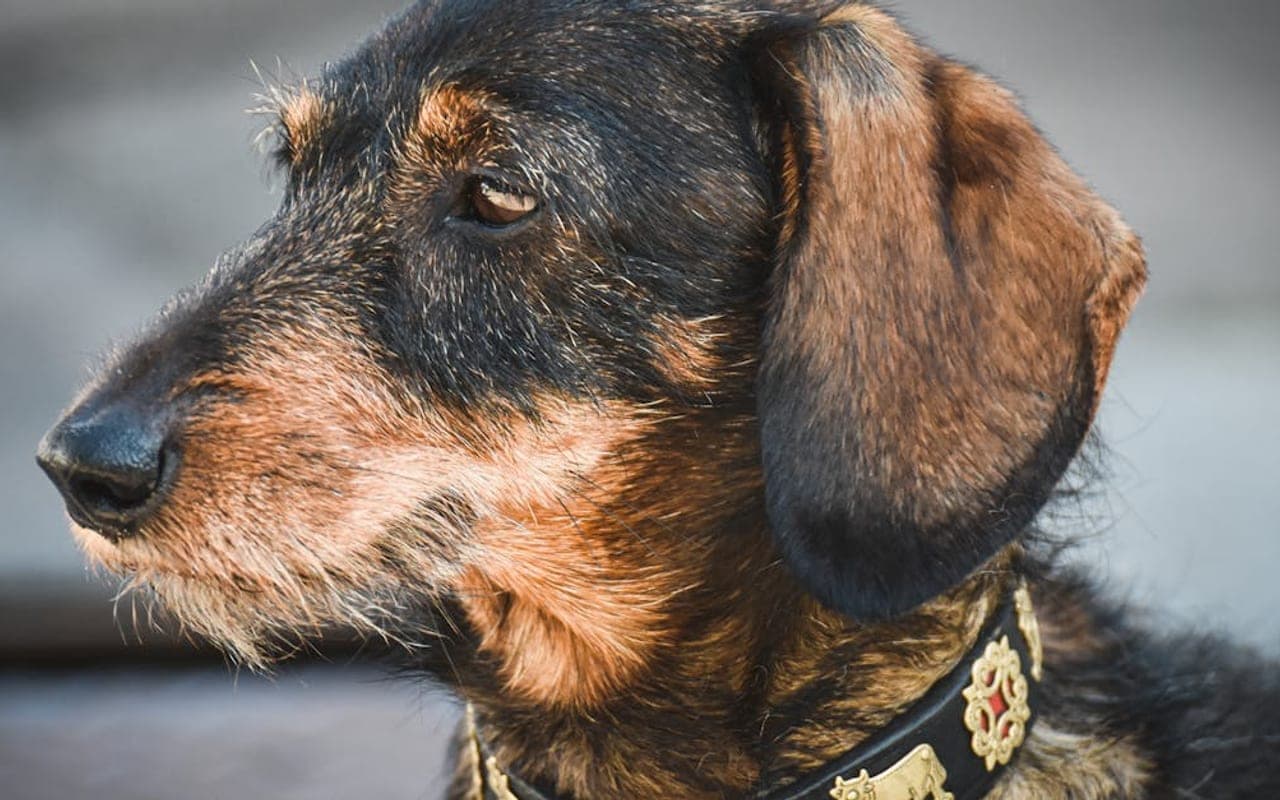
Jagdterrier
Also in the Foundation Stock Service group, with different care and temperament tradeoffs.
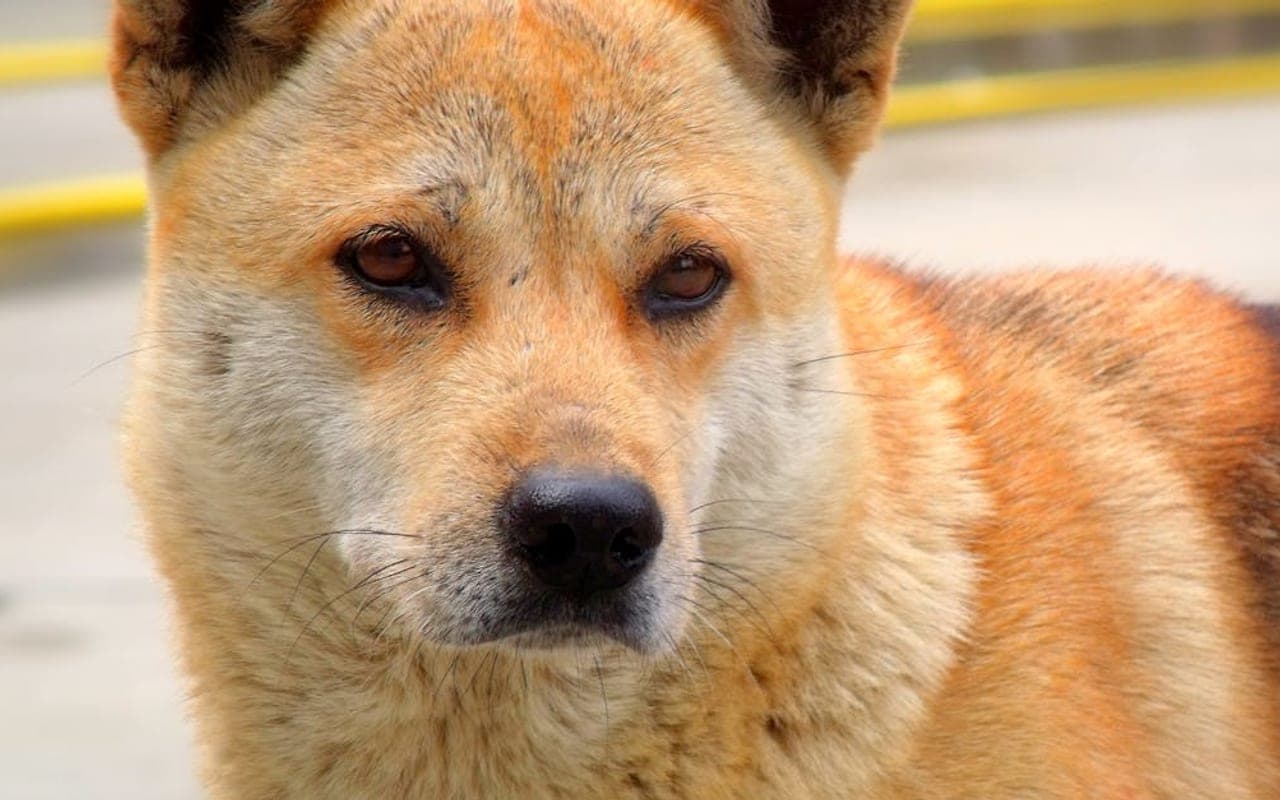
Jindo
Also in the Foundation Stock Service group, with different care and temperament tradeoffs.
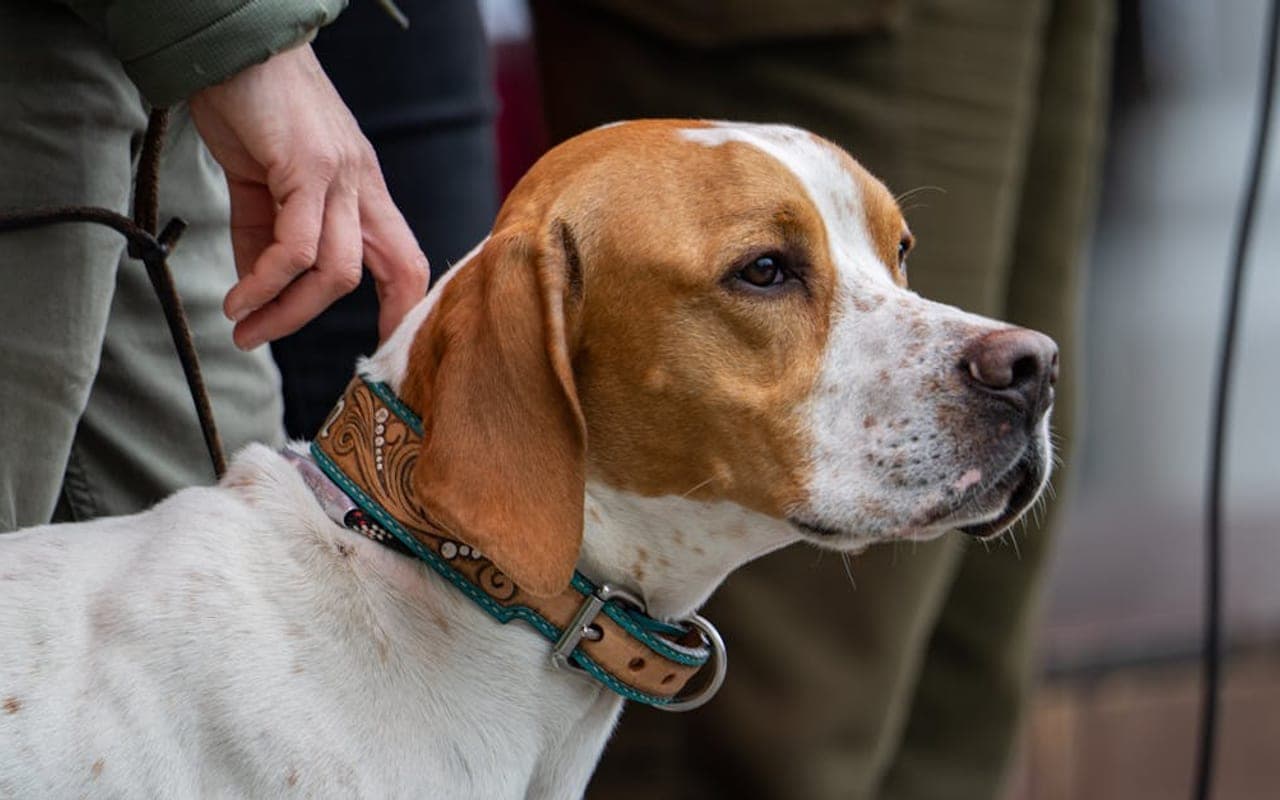
Portuguese Pointer
Also in the Foundation Stock Service group, with different care and temperament tradeoffs.
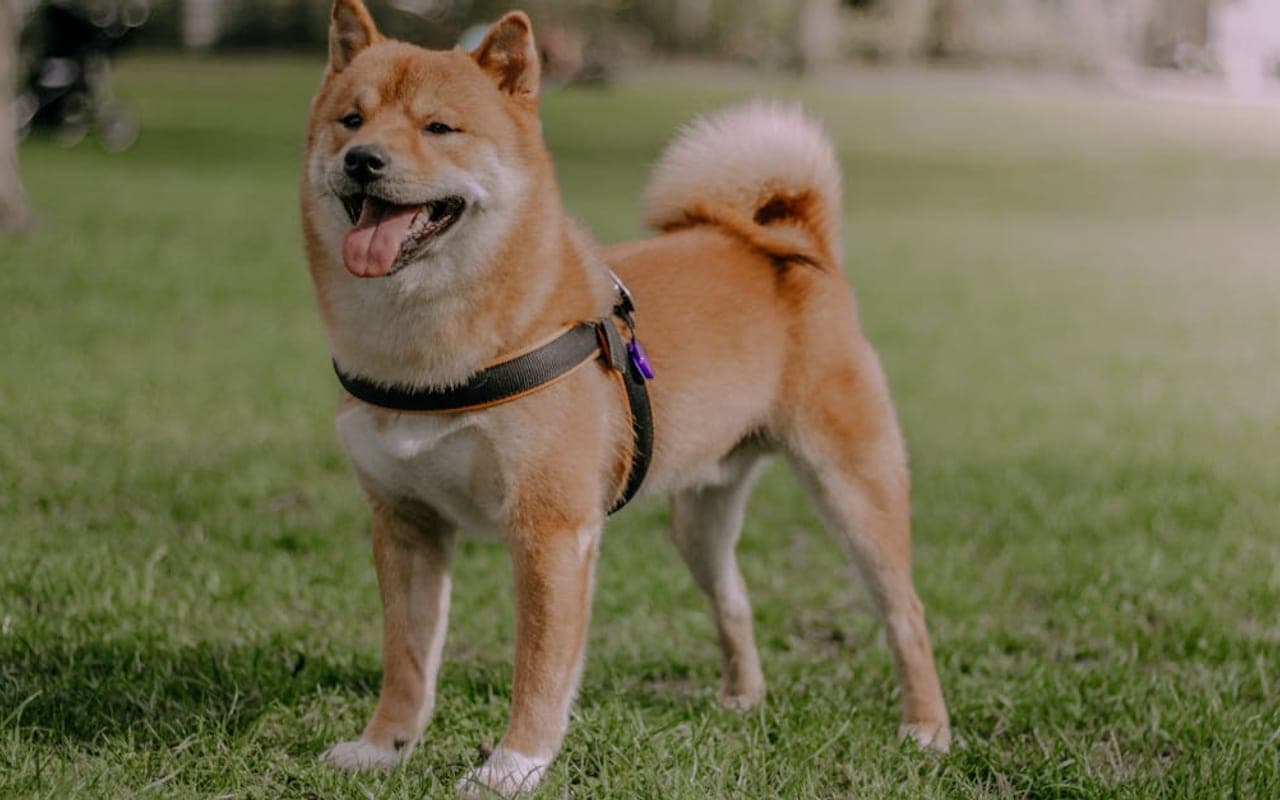
Kishu Ken
Also in the Foundation Stock Service group, with different care and temperament tradeoffs.
Explore More About Lapponian Herder
Dive deeper into everything Lapponian Herder — costs, care, and expert insights.
Considering a cat instead?
Browse Cats