
Toy group
Manchester Terrier (Toy)
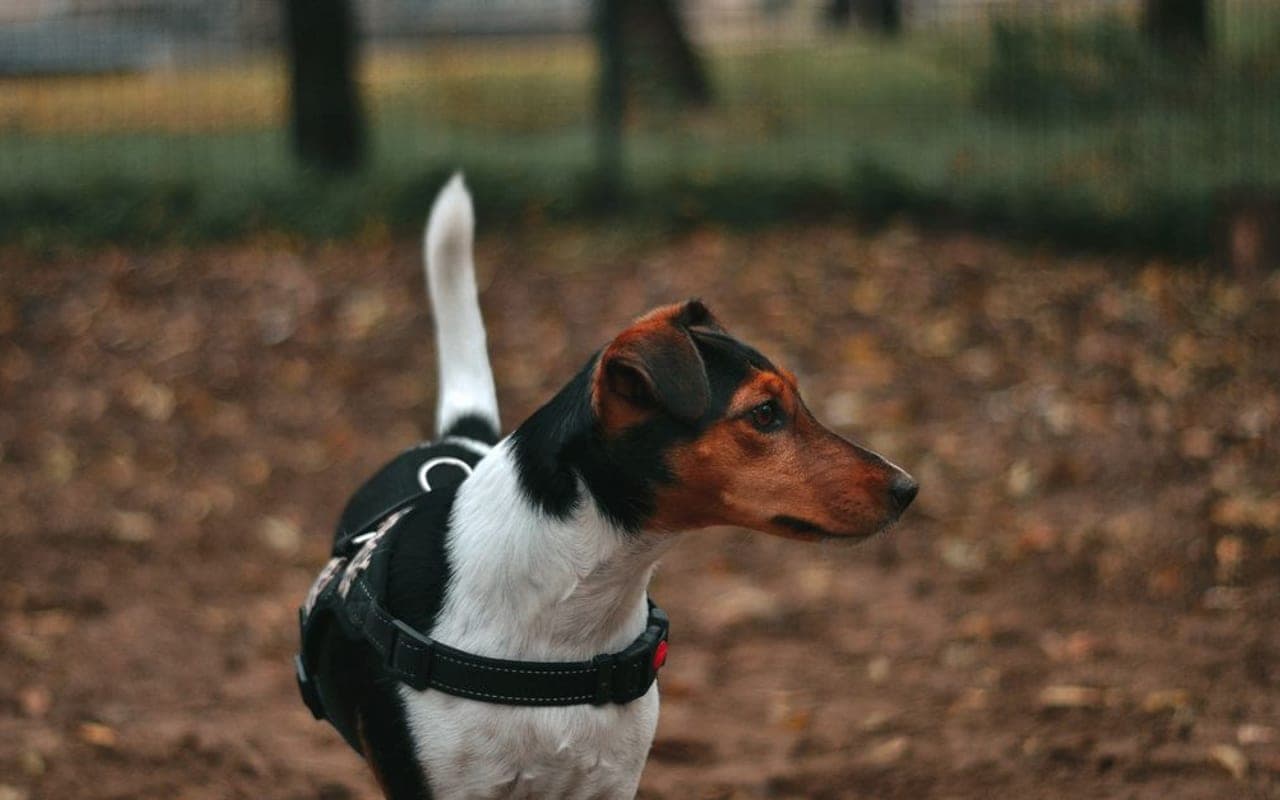
The Toy Manchester Terrier is the smaller variety of the Manchester — a true terrier in a 7-to-12-pound (roughly 3-5.


Size
6-12 lb
Lifespan
15-17 years
Exercise
30-60 minutes
Shedding
Moderate
Experience
Match to owner routine
Decision first
Is a Manchester Terrier (Toy) right for you?
Start with fit before history or trivia. These are ownership signals, not guarantees about any individual dog.
Best suited for
- Households with children.
- Homes with other compatible pets.
- Apartment homes with a consistent routine.
- Owners seeking a manageable daily exercise routine.
Think carefully if
- You need a dog with almost no daily routine.
- You cannot keep up with grooming and preventive care.
- The dog will spend most days alone without support.
Conditional fit
Apartment fit depends on exercise, enrichment, noise management, and outdoor access.
Daily reality
Manchester Terrier (Toy) commitment snapshot
Daily exercise
30-60 minutes
Match activity to age, health, weather, and training goals.
Coat care
Moderate
Grooming needs vary by coat, shedding, and lifestyle.
Time alone
Needs planning
Most dogs need gradual alone-time conditioning and support.
Structured facts
Manchester Terrier (Toy) at a glance
The measurements and traits that most affect day-to-day life with this breed.
Group
Toy
Weight
6-12 lb
Height
10-12 in
Lifespan
15-17 years
Temperament
Agile | Spirited | Intelligent
View all characteristics and methodology
Lifestyle fit
- Apartment suitability
- Likely fit
- Child friendliness
- Often good, with socialisation and supervision
- Other-pet fit
- Often compatible with careful introductions
Owner commitment
- Exercise
- 30-60 minutes
- Grooming
- Moderate
- Shedding
- Moderate
- Training
- Moderate
Environment and health
- Health risk
- Needs planning
Ratings combine structured breed data, visible breed fields, and editorial context. They are planning aids, not predictions for an individual dog.
Daily life
Manchester Terrier (Toy) temperament and behavior
The Toy Manchester Terrier is the smaller variety of the Manchester — a true terrier in a 7-to-12-pound (roughly 3-5.5 kg) body, not a pampered toy breed that happens to be little. It carries the same tight black-and-tan coat, the same wedge head, and crucially the same ratting drive and intensity as its larger Standard cousin, just scaled down. The defining difference is not personality — it is the heart. The Toy variety carries a significantly elevated rate of juvenile dilated cardiomyopathy, and that single fact should shape how you choose a puppy more than coat, color, or price. Temperamentally the Toy Manchester is a velcro terrier: deeply bonded to its people, alert, athletic for its size, reserved with strangers, and far more biddable than most toy breeds because the terrier brain wants a job. They are quietly clever, learn fast, and stay playful for life. The small size makes them apartment-viable, but it does not make them low-energy — a bored Toy Manchester barks, paces, and resource-guards the lap it loves. This breed is right for you if you want a long-lived, low-shedding, intelligent small dog with genuine terrier character, you will commit to a cardiac-DNA-tested line, and you can give 30-45 minutes of daily exercise plus real mental work. It is wrong for you if you assume a 'toy' equals a sedentary cuddle dog, if you keep free-roaming small pets the dog will hunt, or if you would skip the cardiac and bleeding-disorder testing to save money on the purchase price. The hidden cost most buyers never see coming: an unscreened Toy Manchester can carry the JDCM mutation and die young of heart failure — the cheapest puppy is frequently the most expensive dog.
Agile | Spirited | Intelligent
Agile
A common Manchester Terrier (Toy) temperament descriptor that should be interpreted alongside training, exercise, and household fit.
Spirited
A common Manchester Terrier (Toy) temperament descriptor that should be interpreted alongside training, exercise, and household fit.
Intelligent
A common Manchester Terrier (Toy) temperament descriptor that should be interpreted alongside training, exercise, and household fit.
Owner note
Temperament labels are starting points, not guarantees. Meet the individual dog and ask about behavior history whenever possible.
Care essentials
How to care for a Manchester Terrier (Toy)
What looking after one actually involves: exercise, grooming, food, training, and routine health.
ExerciseAs needed
- Moderately active breed needing 30-60 minutes of daily exercise through walks, play, and mental stimulation.
GroomingAs needed
- Regular grooming needed — brush 2-3 times per week and bathe monthly.
TrainingAs needed
- Moderately trainable — consistent, patient training with positive methods works best.
NutritionAs needed
- Feed a high-quality dog food appropriate for their age, size, and activity level. Monitor portions to prevent obesity.
Veterinary CareAs needed
- Annual wellness exams, core vaccinations, dental care, and parasite prevention. Breed-specific health screenings as recommended by your vet.
Health planning
Manchester Terrier (Toy) health risks and screening
Every breed has individual health variation. Use this profile for planning and discuss medical decisions with a veterinarian.
Responsible ownership
Finding a Manchester Terrier (Toy) responsibly
What to ask a breeder or rescue is the same conversation for every breed, so we keep it in one place and keep it current.
Health documentation, meeting the parents or foster, contracts and return support, and the warning signs worth walking away from.
Original purpose
Manchester Terrier (Toy) history
History is useful when it explains today's behavior, coat, exercise needs, and training style.
Read the breed history
The Toy Manchester Terrier descends from the same 19th-century English foundation as the Standard: the old Black and Tan Terrier crossed with the Whippet to create a fast, sleek ratting dog in and around industrial Manchester. From the breed's earliest days it existed across a range of sizes, and Victorian breeders selectively bred down the smallest specimens to produce a diminutive companion that kept the terrier's ratting instinct. An unfortunate fad of the era pushed the toy size to dangerous extremes through inbreeding, which damaged the gene pool and is part of why the variety carries elevated rates of certain inherited conditions today. The toy and standard sizes were eventually recognized as varieties of one breed in some registries and as separate breeds in others. In North America the small variety is shown as the Toy Manchester Terrier; in the UK and elsewhere the equivalent dog is closely related to the English Toy Terrier. The breed's working past explains why, even in a five-pound frame, this is a terrier first and a lapdog second.
Gallery
Manchester Terrier (Toy) photos
Images are cropped consistently and loaded progressively to keep the page responsive.
Lower-page context
Manchester Terrier (Toy)s in culture
Where the breed shows up in film, sport, work and folklore — the enjoyable part, once the practical questions are answered.
Fun facts
- The Manchester Terrier (Toy) belongs to the Toy Group.
- With proper care, Manchester Terrier (Toy) dogs can live up to 17 years or more.
- Manchester Terrier (Toy) dogs are valued for their agile, spirited, intelligent nature.
Manchester Terrier (Toy) FAQs
How long do Toy Manchester Terriers live?
Toy Manchester Terriers typically live 15-17 years, exceptionally long even for a small dog. That headline number, though, hides a split outcome: a cardiac-DNA-clear dog from a CHIC line usually reaches that age, while a dog affected by juvenile dilated cardiomyopathy can die young of heart failure. Lifespan in this variety is determined less by care and more by which heart your puppy inherited, which is exactly why cardiac and vWD testing of the parents is non-negotiable.
Are Toy Manchester Terriers good with children?
They suit calm, dog-savvy older children better than toddlers. At 7-12 pounds they are fragile — a drop or a rough grab can fracture a leg — and they are sensitive terriers that withdraw from heavy handling rather than tolerate it. With respectful kids they are loyal, playful, trainable companions. Supervise all interaction with young children, teach gentle handling, and give the dog an elevated retreat it can escape to. They are better matched to households with older or no children.
How much exercise does a Toy Manchester Terrier need?
About 30-45 minutes a day in two sessions, plus indoor mental work — this is a working terrier in miniature, not a sedentary lapdog. Short training sessions, scent games, and a flirt pole satisfy the busy terrier brain that otherwise turns into barking and pacing. Keep the dog leashed near roads and wildlife: the prey drive is full-strength, and a Toy Manchester will sprint after a squirrel into traffic regardless of its size or recall training under about 18 months of age.
Are Toy Manchester Terriers good apartment dogs?
Yes, with caveats. Their small size, minimal shedding, lack of doggy odor, and strong people-bond make them well suited to apartments. The two real apartment issues are noise and stimulation: an under-exercised, bored Toy Manchester barks, which neighbors notice, so daily mental and physical work is essential. They are also cold-sensitive with no undercoat, so plan for coated potty walks in winter. Engaged and exercised, they are quiet, clean, and content in small spaces.
What health tests should a Toy Manchester Terrier breeder provide?
Insist on two specifically: juvenile dilated cardiomyopathy DNA testing and von Willebrand disease type 1 DNA testing on both parents, plus patella and eye clearances and a CHIC number. JDCM is the variety's signature killer — roughly 20% of Toy Manchesters carry the mutation — and vWD risks fatal bleeding during routine surgery. A breeder who cannot produce these results is selling a genetic gamble. Paying more for a fully tested puppy is the cheapest health insurance you can buy in this variety.
Sources
These are the published sources this page draws on. Each opens in a new tab so you can check it yourself.
American Kennel Club
Manchester Terrier (Toy) — breed standard and profile(opens in a new tab)Supports: Breed standard and recognition details.
Similar breeds to consider

Poodle (Toy)
Also in the Toy group, with different care and temperament tradeoffs.

Yorkshire Terrier
Also in the Toy group, with different care and temperament tradeoffs.

Cavalier King Charles Spaniel
Also in the Toy group, with different care and temperament tradeoffs.

Havanese
Also in the Toy group, with different care and temperament tradeoffs.
Explore More About Manchester Terrier (Toy)
Dive deeper into everything Manchester Terrier (Toy) — costs, care, and expert insights.
Considering a cat instead?
Browse Cats